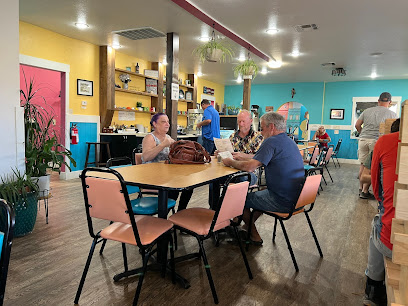
Glen Canyon Dam: A Monument of Engineering and Controversy
Explore the Glen Canyon Dam: An engineering marvel shaping the Southwest's water and power, offering history and stunning views.
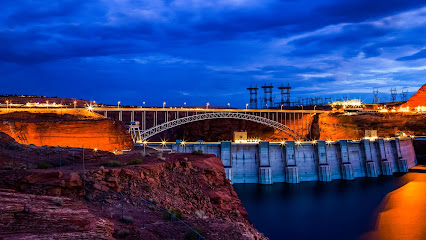
Glen Canyon Dam, a towering concrete arch-gravity dam on the Colorado River near Page, Arizona, is a marvel of engineering that tamed the river and created Lake Powell. It offers tours, exhibits, and stunning views, but also sparks debate about its environmental impact.
A brief summary to Glen Canyon Dam
- US-89, Page, Arizona, 86040, US
- +1928-608-6072
- Visit website
Local tips
- Visit the Carl Hayden Visitor Center for exhibits and information about the dam, though tours inside the dam are currently unavailable.
- Take the short Dam Overlook Trail for panoramic views of the dam and Colorado River.
- Walk across the Glen Canyon Bridge for stunning views of the dam and surrounding landscape.
- Bring water, sunscreen, and a hat, especially during summer, as temperatures can exceed 100°F.

Getting There
-
Driving
From Page, Arizona, head north on US-89. The Glen Canyon Dam is located directly on US-89, approximately 5 miles north of Page. Follow the signs for the Carl Hayden Visitor Center, where parking is available. There is no fee to park at the visitor center. A Glen Canyon National Recreation Area entrance fee of $30 per vehicle is required for other areas within the recreation area.
-
Walking
From hotels or other locations in Page, Arizona, that are close to US-89, it is possible to walk to the Glen Canyon Dam. However, be aware that US-89 is a major highway, and pedestrian access may be limited in certain areas. Use caution and follow all traffic regulations. The walk from the South end of Page to the Dam is approximately 4 miles.
Discover more about Glen Canyon Dam
Iconic landmarks you can’t miss

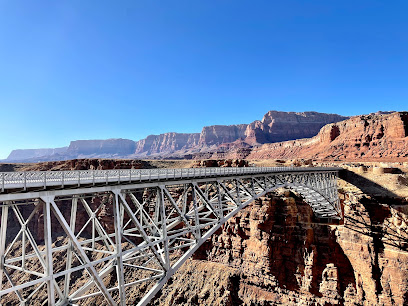
Glen Canyon Dam Bridge
0.2 km
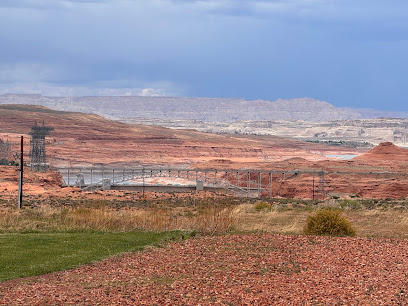
Experience breathtaking views from the Glen Canyon Dam Bridge, a historic landmark offering a unique perspective of the Colorado River and Lake Powell.
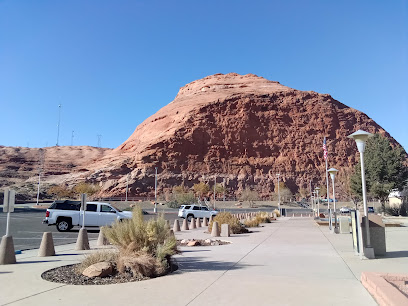
The New Wave
1.6 km
Discover the surreal beauty of The Wave, a world-famous sandstone formation in the Vermilion Cliffs National Monument. Permits required.
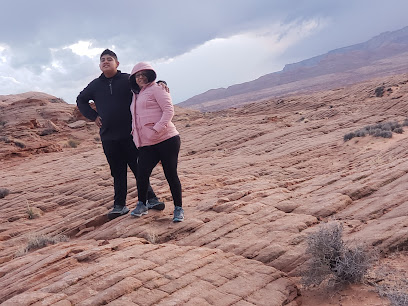
Wingate by Wyndham Page Lake Powell
1.9 km
Comfortable hotel in Page, Arizona, offering easy access to Lake Powell, Antelope Canyon, and Horseshoe Bend.
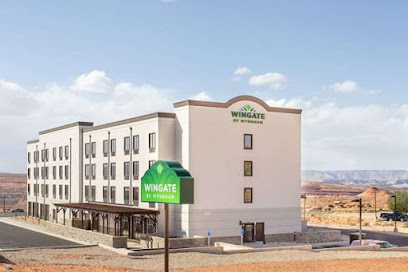
Sunset 89
2.3 km
Experience Island Pacific Rim cuisine with breathtaking views of Lake Powell and Glen Canyon Dam at Sunset 89 in Page, Arizona.
Grandview Inn Bed and Breakfast
2.5 km
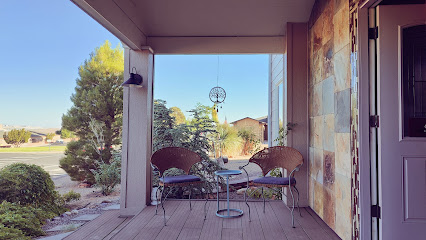
Experience Southwestern charm and stunning views at Grandview Inn B&B, your perfect gateway to Lake Powell, Antelope Canyon, and Horseshoe Bend.
Hyatt Place Page / Lake Powell
2.5 km
Explore Lake Powell and Antelope Canyon from this comfortable and convenient hotel in Page, Arizona. Your adventure starts here!

Best Western View of Lake Powell Hotel
2.5 km
Enjoy panoramic views and comfortable accommodations at the Best Western View of Lake Powell Hotel, your gateway to adventure in Page, Arizona.
Best Western Plus At Lake Powell
2.6 km
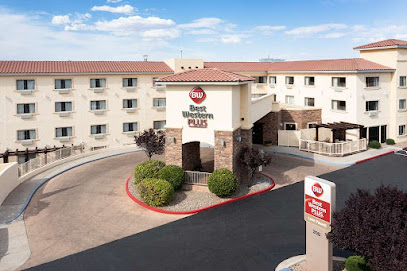
Comfortable hotel in Page, AZ, offering easy access to Lake Powell, Antelope Canyon, and other natural attractions.
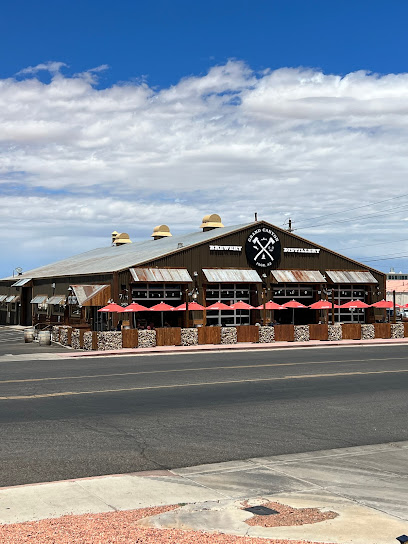
Grand Canyon Brewing +Distillery
2.9 km
Experience craft brews and spirits in a unique firehouse setting, just a stone's throw from Horseshoe Bend and other Page attractions.
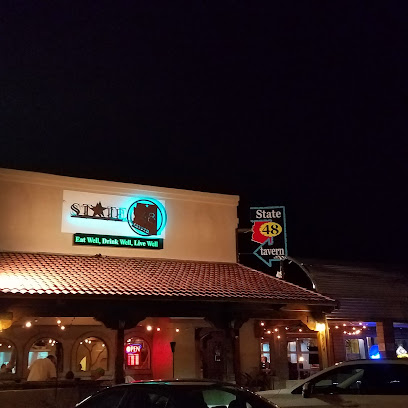
State 48 Tavern
3.0 km
Experience American cuisine with local craft beers at this lively Page tavern, a perfect spot after exploring Arizona's natural wonders.
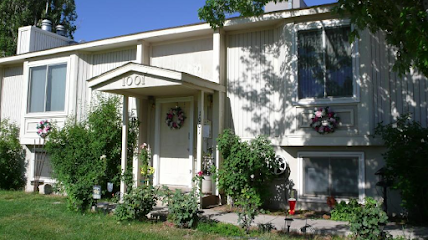
Rose Walk Inn Bed & Breakfast
3.0 km
Experience warm hospitality and comfortable lodging at this centrally located Page, Arizona bed and breakfast, perfect for exploring nearby attractions.
ArtForm Professional Tattoo and Piercing
3.1 km
Page, Arizona's top-rated tattoo and piercing shop, offering professional body art in a clean and modern studio. Walk-ins welcome!

Pow Wow Trading Post
3.1 km
Discover authentic Native American jewelry, art, and crafts at this Page, Arizona trading post with a rich selection and friendly service.
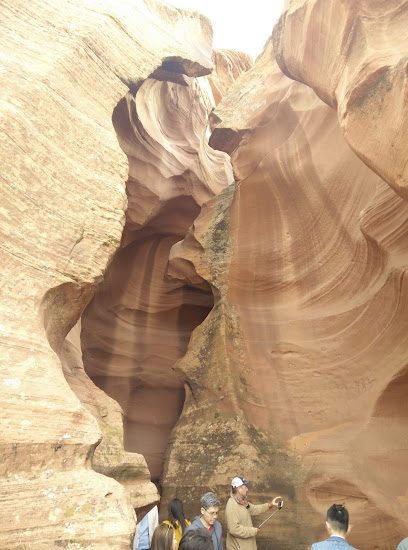
Page Lake Powell Hub
3.1 km
Your adventure starts here! Get info, book tours, and explore local art at the Page Lake Powell Hub, the heart of Canyon Country.
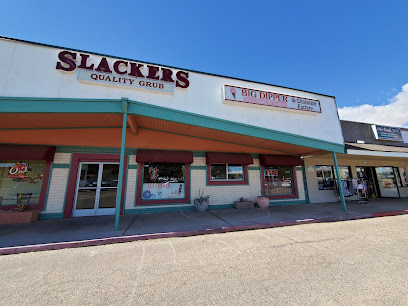
Big Dipper
3.1 km
Indulge in sweet treats and cool down at Big Dipper, Page's favorite dessert destination.
Unmissable attractions to see

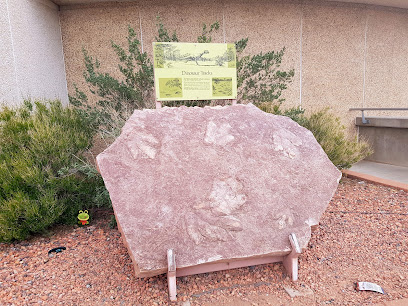
Dinosaur Tracks
0.2 km
Discover the fascinating Dinosaur Tracks in Page, Arizona, where ancient footprints reveal the mysteries of the prehistoric world.
Carl Hayden Visitor Center
0.3 km
Explore Glen Canyon's beauty and rich history at the Carl Hayden Visitor Center—your gateway to adventure in Arizona.
Glen Canyon National Recreation Area Visitor Center
0.3 km
Your adventure starts here! Discover Lake Powell and the canyonlands at the Glen Canyon National Recreation Area Visitor Center in Page, Arizona.
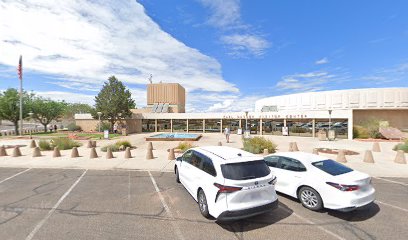
Hanging Garden Trailhead
0.7 km
Discover the breathtaking beauty of Hanging Garden Trailhead in Page, Arizona, a perfect hiking destination with stunning landscapes and unique ecosystems.
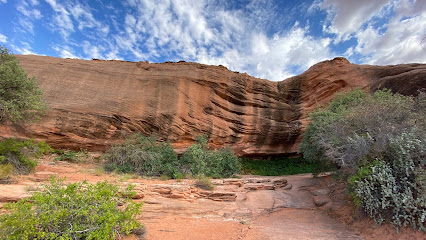
The Chains
1.0 km
Discover the breathtaking hiking trails and stunning vistas of The Chains in Page, Arizona, a must-visit destination for nature lovers and adventurers.
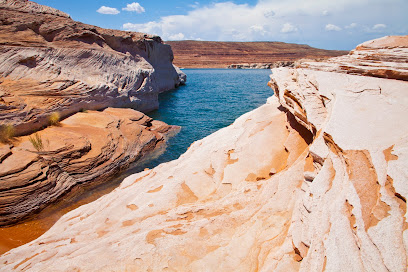
Shiva-Nandi Rock
1.5 km
Explore the stunning rock formations at Shiva-Nandi Rock in Page, Arizona, a must-visit tourist attraction for nature lovers and photographers alike.
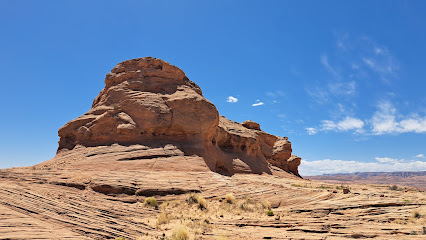
Glen Canyon Dam Overlook
1.5 km
Explore the breathtaking views at Glen Canyon Dam Overlook, a scenic vista point showcasing the stunning beauty of Arizona's landscape.
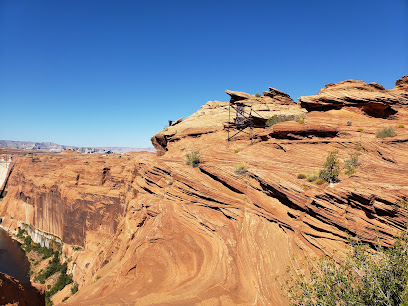
Rim View Trails
1.7 km
Discover the breathtaking vistas and invigorating trails of Rim View Trails, a must-visit hiking destination in Page, Arizona, for nature lovers and adventurers.
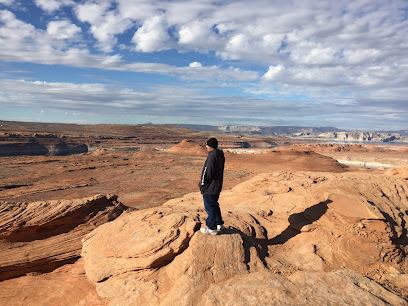
Glen Canyon National Recreation Area
2.1 km
Explore the breathtaking landscapes and outdoor adventures at Glen Canyon National Recreation Area, a gem in Arizona's natural beauty.
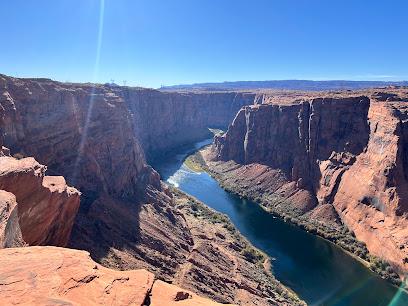
Grandview Glenn Canyon
2.3 km
Experience breathtaking panoramic views of Lake Powell and the surrounding landscape at Grandview Point in Glen Canyon.
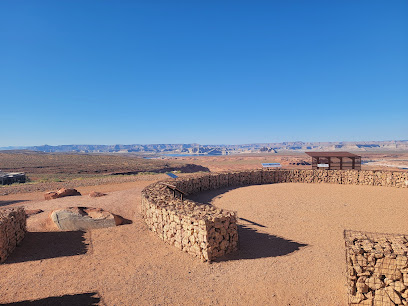
Grandview Overlook
2.3 km
Discover the stunning beauty of Grandview Overlook in Page, AZ, where breathtaking views of the canyon and Colorado River await every visitor.
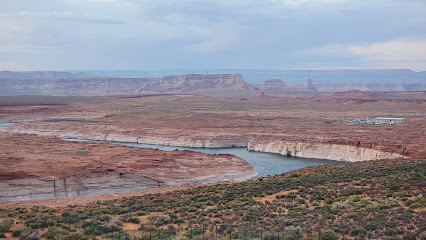
Lake Powell Paddleboards and Kayaks
2.6 km
Discover the beauty of Lake Powell with paddleboarding and kayaking adventures, perfect for all ages in Arizona's stunning landscapes.
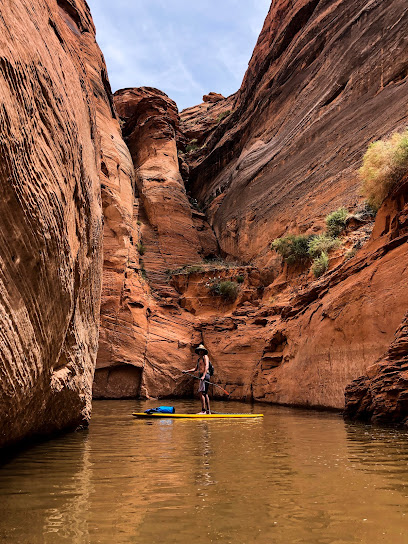
Lake Powell Navajo Tribal Park
2.8 km
Experience the breathtaking beauty of Lake Powell Navajo Tribal Park, where stunning landscapes meet rich Navajo culture in Arizona's heart.
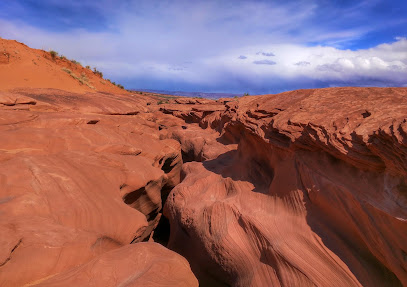
Children’s Park
2.8 km
Discover the joy of family fun at Children's Park in Page, Arizona, perfect for play, picnics, and community activities amidst stunning landscapes.
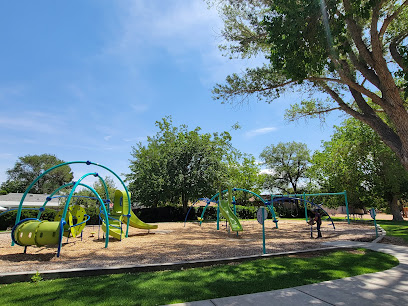
Big Orange Jeep Tours
2.9 km
Discover the breathtaking landscapes of Page, Arizona with Big Orange Jeep Tours, where adventure and stunning scenery come together.
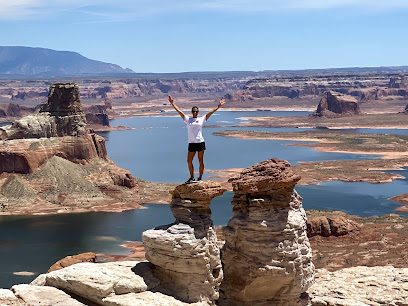
Essential places to dine

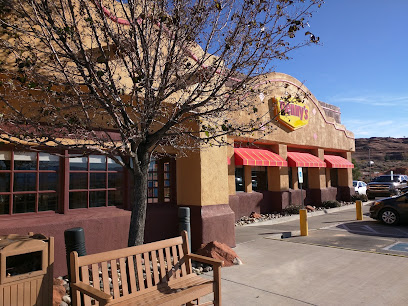
Denny's
1.8 km
Experience classic American breakfast favorites at Denny's in Page, Arizona – perfect for fueling your adventures!
Pepper's
1.9 km
Experience delightful dining at Pepper's in Page, Arizona – where local flavors meet cozy ambiance.
Mulligan's Pub & Patio
2.1 km
Discover Mulligan's Pub & Patio: where delectable American dishes meet stunning views in Page, Arizona.
Prickly Pear Kitchen
2.5 km
Discover exquisite Southwestern cuisine at Prickly Pear Kitchen inside Hyatt Place Page Lake Powell – where every meal is a taste of adventure.
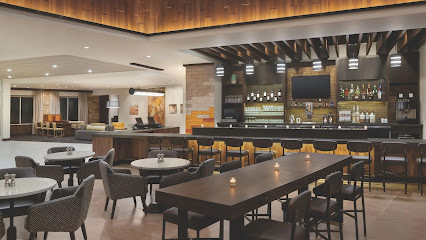
Rimview
2.5 km
Experience delightful cuisine and breathtaking views at Rimview in Page, Arizona - where every meal becomes an unforgettable memory.
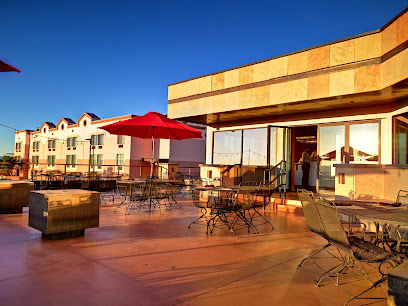
The Bowl
2.8 km
Experience delicious grill delights and exciting bowling at The Bowl in Page, Arizona – perfect for family fun after exploring nature's wonders.
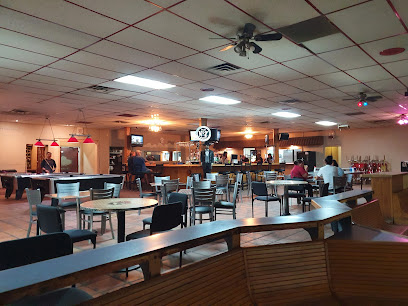
Bonkers Restaurant
2.9 km
Experience the perfect blend of Italian and American cuisines at Bonkers Restaurant in Page, AZ – where every meal is a celebration of flavor.
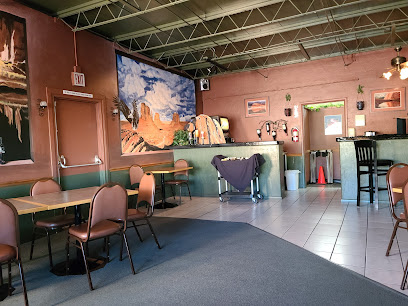
Ranch House Grille
2.9 km
Experience authentic Southwestern flavors at Ranch House Grille in Page, Arizona—perfect for breakfast or lunch amidst stunning natural beauty.
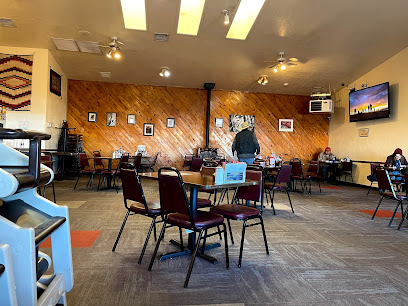
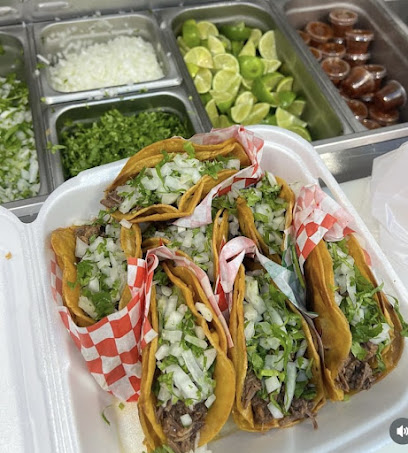
Mucho Loko FoodTruck
2.9 km
Experience the vibrant taste of authentic Mexican cuisine at Mucho Loko FoodTruck in Page, Arizona - A true culinary delight!
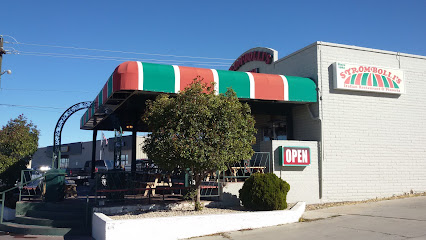
Strombolli’s Italian Restaurant & Pizzeria
3.0 km
Discover authentic Italian cuisine at Strombolli's in Page, AZ – where every meal feels like a trip to Italy.
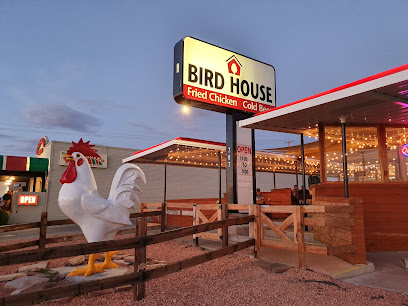
BirdHouse
3.0 km
Savor delicious chicken dishes at BirdHouse in Page, AZ—a favorite fast food destination known for quality flavors and budget-friendly prices.
Pizza Hut
3.0 km
Savor delicious pizzas and chicken wings at Pizza Hut in Page, AZ - perfect for families and adventurers alike!
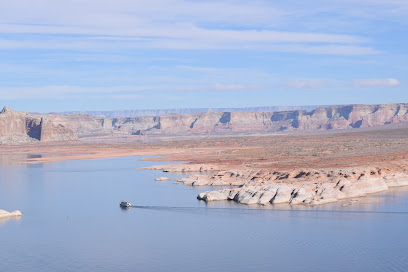
Blue Buddha Sushi Lounge
3.0 km
Discover an exquisite sushi dining experience at Blue Buddha Sushi Lounge in Page, AZ - where tradition meets innovation.
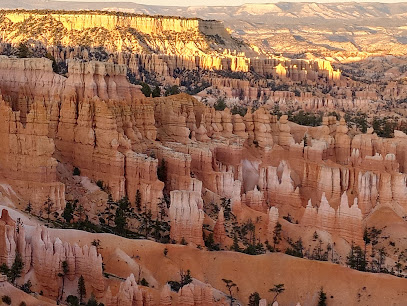
Dam Bar & Grille
3.0 km
Discover the perfect blend of flavor and relaxation at Dam Bar & Grille in Page, AZ – your go-to destination for American grill cuisine.
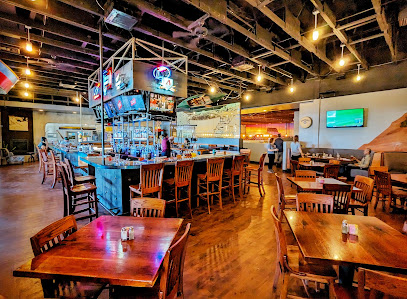
El Tapatio
3.1 km
Discover authentic Mexican cuisine at El Tapatio in Page, AZ—where every meal is a fiesta of flavors.
Markets, malls and hidden boutiques

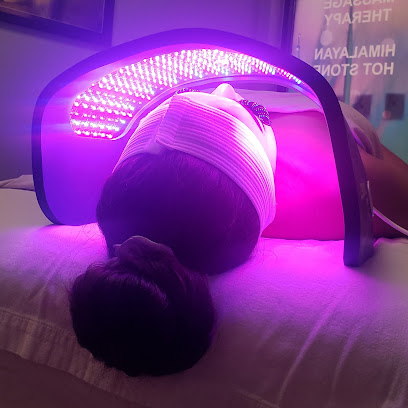
Lake Powell Massage & Spa Boutique
2.6 km
Discover the ultimate relaxation experience at Lake Powell Massage & Spa Boutique with expert treatments and a serene atmosphere in Page, Arizona.
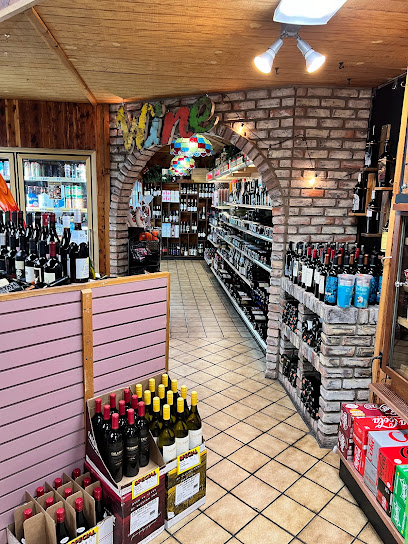
Fred's Liquor Store
2.9 km
Discover a diverse selection of beverages at Fred's Liquor Store in Page, Arizona—your go-to spot for all your drink needs.
Lake Powell Rentals and Retail
2.9 km
Discover Lake Powell Rentals and Retail - Your ultimate adventure hub for unforgettable experiences in the breathtaking landscapes of Lake Powell.

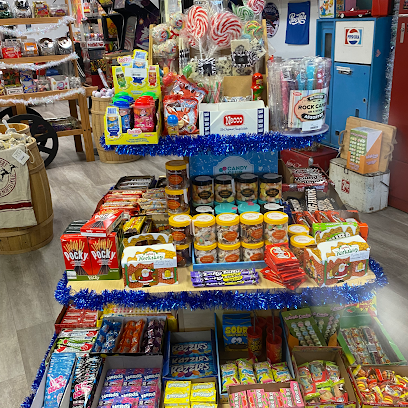
Kelly's Sugar House
2.9 km
Explore Kelly's Sugar House in Page, AZ: A candy store with trendy clothing, unique gifts, and delightful treats for every traveler.
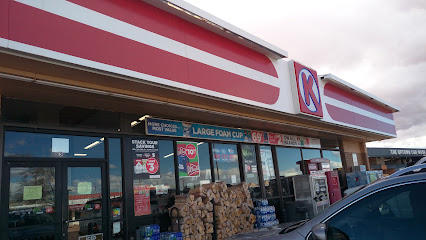
Circle K
2.9 km
Explore Page, AZ with ease at Circle K – your one-stop convenience store for snacks, fuel, and essentials.
Dollar General
3.0 km
Discover Dollar General in Page, Arizona - your affordable shopping destination for essentials, unique gifts, and seasonal finds.
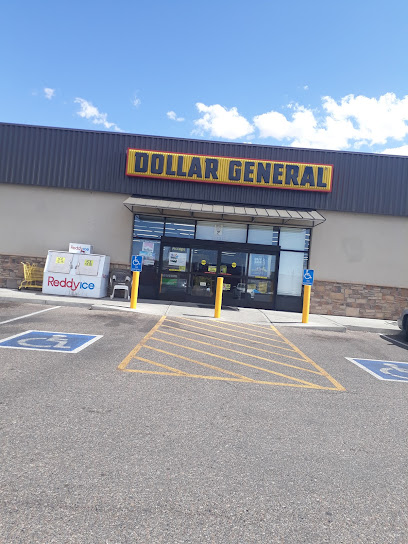
Stix Liquor & Sporting Goods
3.0 km
Explore the best of Page, Arizona at Stix Liquor & Sporting Goods, your go-to for liquor and fishing supplies.
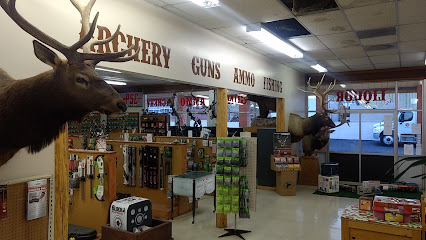
House of Remmus
3.0 km
House of Remmus – Your ultimate skateboard shop in Page, Arizona, where passion meets community and adventure awaits.
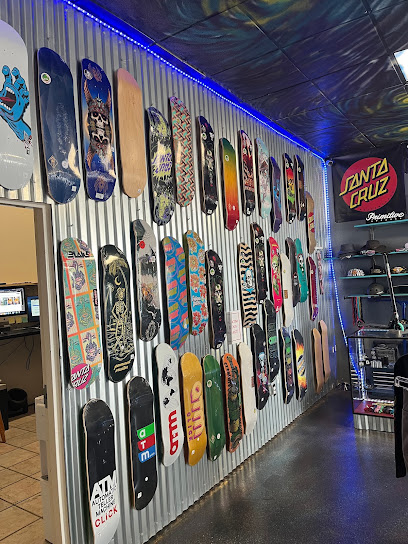
Serendipity
3.0 km
Explore Serendipity, Page's premier fashion accessories store, featuring unique items that embody the spirit of Arizona.
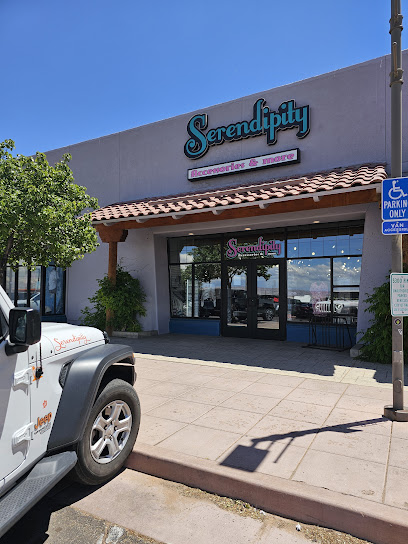
Redd's Ace
3.0 km
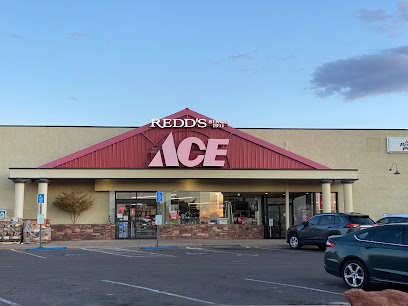
Explore Redd's Ace in Page, AZ - the ultimate destination for all your home improvement and hardware needs.
Dam Outlet
3.0 km
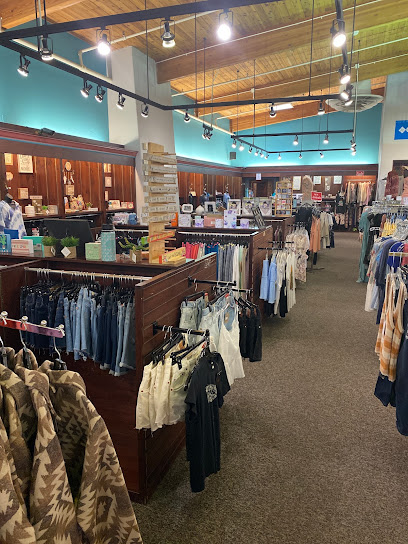
Explore fashionable finds at Dam Outlet, Page's premier clothing store offering trendy styles and a warm shopping experience.
Lake Powell Espresso
3.0 km
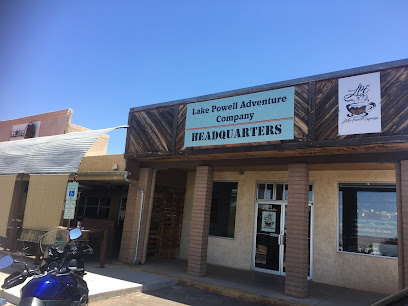
Discover Lake Powell Espresso: Your go-to coffee shop in Page, Arizona, offering quality brews and a cozy atmosphere amidst stunning natural beauty.
Shirts & Shades
3.0 km
Discover unique fashion and accessories at Shirts & Shades, a boutique store in Page, Arizona, perfect for tourists seeking style and quality.

Antelope Canyon Gift Shop
3.0 km
Explore the Antelope Canyon Gift Shop for unique souvenirs and local crafts that celebrate the beauty of Arizona.
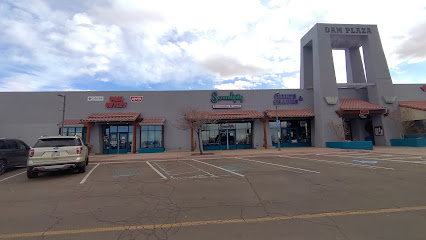
DamPlaza
3.0 km
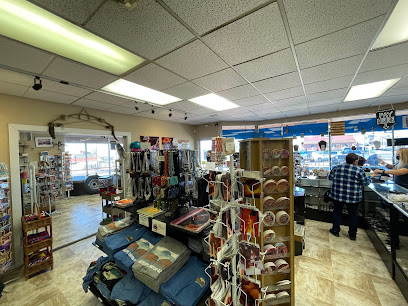
Discover the vibrant shopping experience at DamPlaza in Page, Arizona, where diverse shops and delightful dining await every visitor.
Essential bars & hidden hideouts

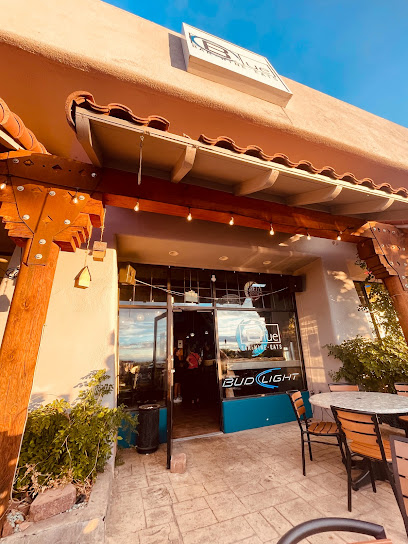
Blue Bar & Wine
3.0 km
Experience the vibrant atmosphere and exquisite wine selection at Blue Bar & Wine, the perfect retreat for travelers in Page, Arizona.
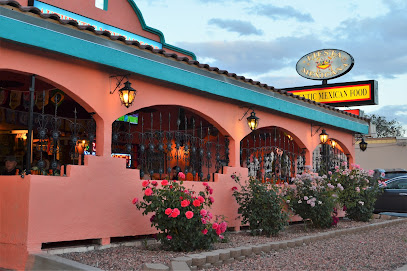
Fiesta Mexicana Restaurant
3.4 km
Experience the vibrant flavors of authentic Mexican cuisine at Fiesta Mexicana Restaurant in Page, Arizona.
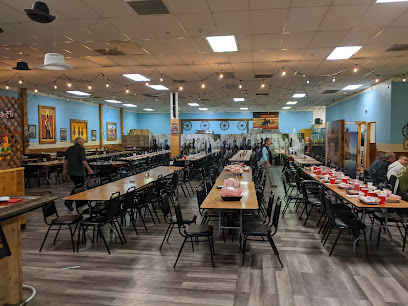
Gone West Family Restaurant
3.4 km
Discover family-friendly dining with southwestern charm, live music, and a unique gift shop at Gone West Family Restaurant in Page, Arizona.
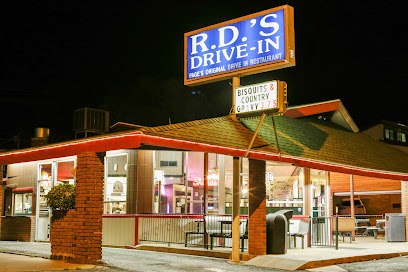
R D's Drive-In
3.4 km
Experience the flavors of America at R D's Drive-In, a fast food haven in Page, AZ, perfect for families and adventure seekers alike.
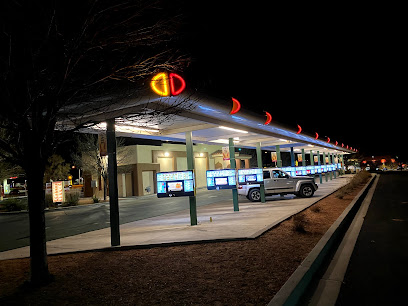
Sonic Drive-In
3.6 km
Experience the nostalgic charm of Sonic Drive-In in Page, Arizona, offering a delicious fast-food menu and classic drive-in service.
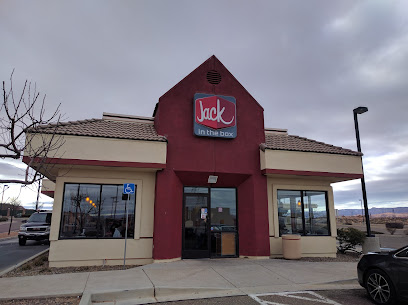
Jack in the Box
3.7 km
Experience the fast food charm of Jack in the Box in Page, AZ, featuring a diverse menu of burgers, breakfast items, and delightful desserts.
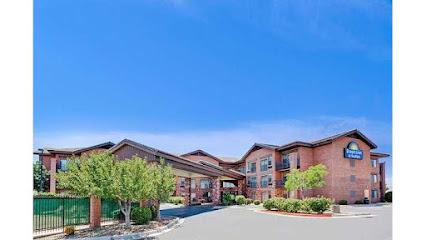
Days Inn & Suites by Wyndham Page Lake Powell
3.8 km
Experience the stunning landscapes of Lake Powell from the comfortable Days Inn & Suites, your gateway to nature's wonders in Page, Arizona.
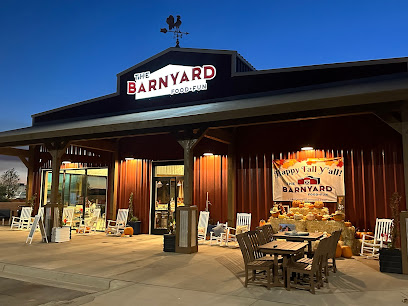
The Barnyard
3.9 km
Experience the rich flavors of the Southwest at The Barnyard, a charming restaurant in Page, Arizona, perfect for tourists seeking delicious local cuisine.
Miss B’s Bistro
4.1 km
Experience delightful American cuisine at Miss B's Bistro in Page, Arizona, where fresh ingredients meet a cozy atmosphere.
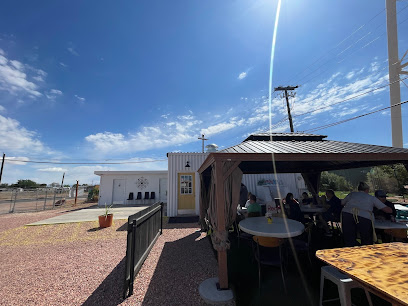
Drink It
4.7 km
Experience the vibrant flavors of Drink It, a top-rated restaurant in Page, Arizona, serving delightful drinks and delicious meals in a cozy atmosphere.

Nightclubs & after hour spots

DJ Cody Inc
3.7 km
DJ Cody Inc: Elevate your event with top-notch DJ services for unforgettable celebrations filled with music and joy.
Page Shores Amphitheater
5.6 km
Discover the enchanting Page Shores Amphitheater in Arizona, a perfect blend of nature and entertainment for an unforgettable outdoor experience.
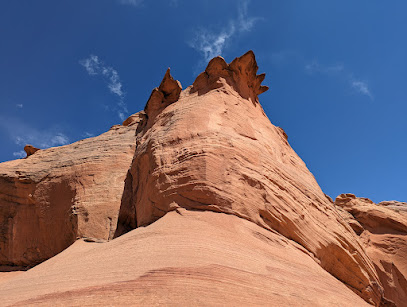
Driftwood Lounge
6.5 km
Experience the flavors of American cuisine at Driftwood Lounge, where stunning Lake Powell views meet a cozy dining atmosphere.
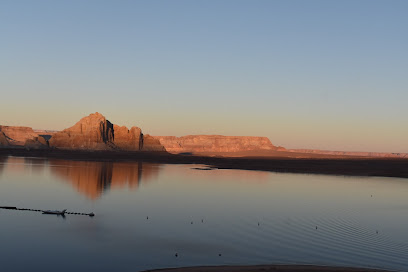
Escobar's Mexican Restaurant
92.8 km
Indulge in authentic Mexican cuisine at Escobar's Mexican Restaurant in Kanab, where vibrant flavors and a warm atmosphere await.
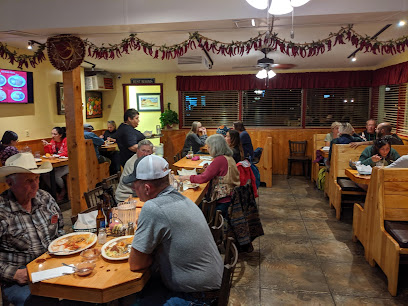
Cowboy Country Inn
93.2 km
Discover the rustic charm and natural beauty at Cowboy Country Inn, your perfect base for exploring Escalante, Utah's breathtaking landscapes.
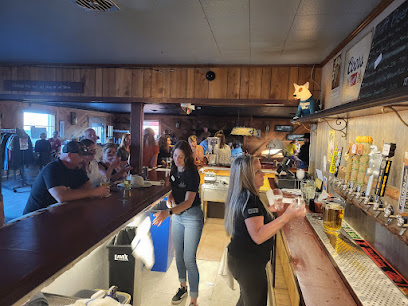
Buckskin Tavern
93.2 km
Discover Buckskin Tavern in Fredonia, Arizona - a vibrant bar and coffee stand offering a unique blend of local flavors and lively atmosphere.
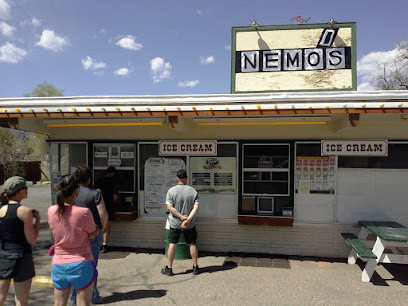
Nemo's Drive Thru
93.2 km
Discover delicious burgers and local flavors at Nemo's Drive Thru, a must-visit dining spot in the heart of Escalante, Utah.
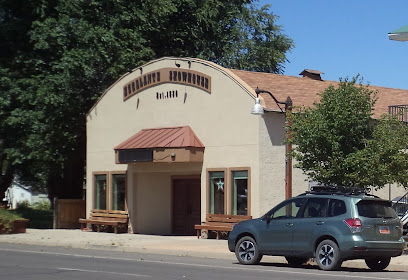
Historic Escalante Showhouse
93.2 km
Experience the vibrant live music scene at the Historic Escalante Showhouse, a cultural hub in the heart of Utah's picturesque Escalante.
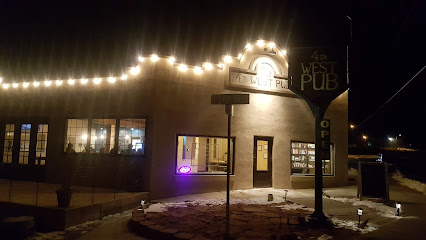
4th West Pub
93.3 km
Experience the local flavors and cozy atmosphere at 4th West Pub, the perfect bar and grill in Escalante, Utah.
Circle D Motel
93.3 km
Experience tranquility and adventure at Circle D Motel - your gateway to explore Escalante's stunning landscapes and outdoor activities.
Circle D Restaurant
93.3 km
Experience the essence of American comfort food at Circle D Restaurant in Escalante, where every meal is a memorable occasion.
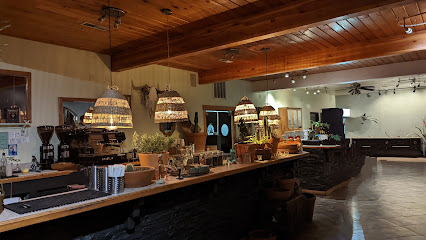
Esca-latte Restaurant
93.3 km
Experience the best of Escalante with fresh, local flavors at Esca-latte Restaurant, the perfect café for travelers seeking comfort and delicious meals.
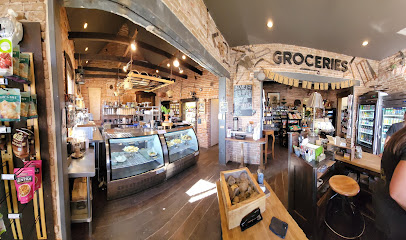
Prospector Inn
93.3 km
Experience the charm of Escalante at Prospector Inn, your cozy retreat for exploring Utah's stunning natural landscapes.
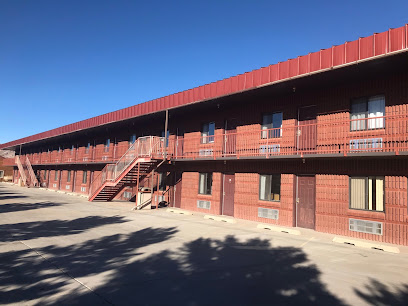
The INN of Escalante
93.3 km
Discover the charm of The INN of Escalante, your perfect base to explore Utah's stunning natural landscapes and outdoor adventures.
Havana Cabana the Taste of Cuba
93.4 km
Discover the vibrant taste of Cuba at Havana Cabana in Kanab, Utah - a culinary fusion of flavors that will transport you to the Caribbean.