Tusayan Ruin, Kaibab National Forest Travel Guide
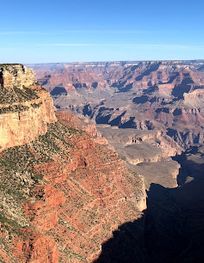
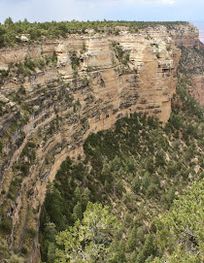
Discover the ancient history of the Grand Canyon at Tusayan Ruin, an 800-year-old Ancestral Puebloan village offering a glimpse into the past.
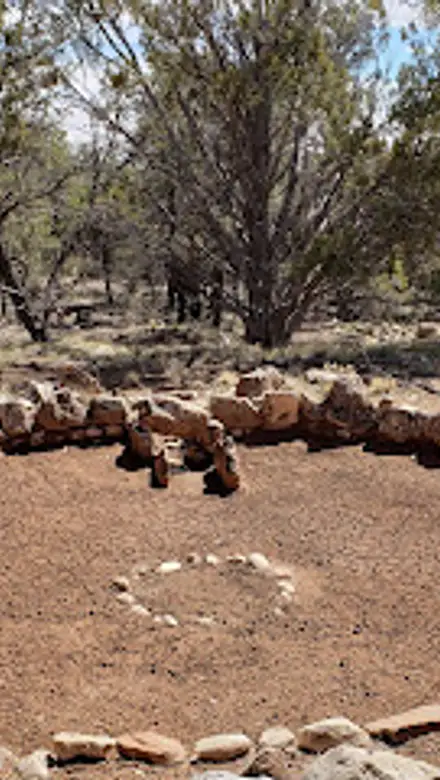
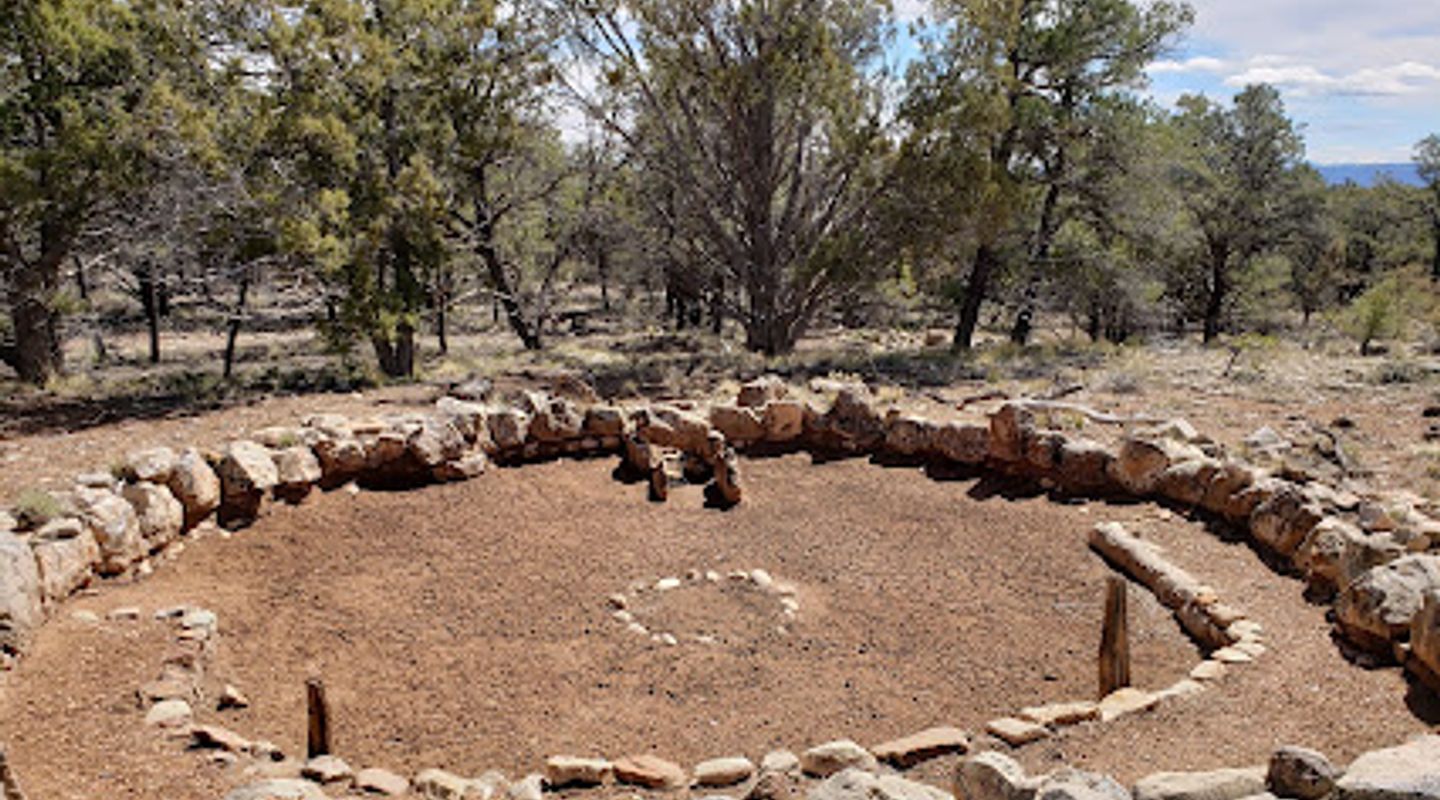
Explore the remains of an 800-year-old Ancestral Puebloan village at Tusayan Ruin, located within Grand Canyon National Park. This unexcavated site offers a glimpse into the lives of early inhabitants, featuring a small museum with artifacts and a short, accessible trail through the village remains.
A brief summary to Tusayan Ruin
- Grand Canyon National Park, Grand Canyon Village, Arizona, 86023, US
- Click to display
- Click to display
- Monday 9 am-5 pm
- Thursday 9 am-5 pm
- Friday 9 am-5 pm
- Saturday 9 am-5 pm
- Sunday 9 am-5 pm

Know before you go
Hi, I'm Eve. Here are a few practical things to know before exploring Tusayan Ruin.
- The walking trail around Tusayan Ruin is short, flat, and easily accessible for all ages and abilities.
- Visit early in the day or late in the afternoon to avoid crowds, especially during peak season.
- Check the National Park Service website for the most up-to-date information on hours of operation and available ranger programs.
Do you manage this location?
Take control to get all the benefits, like improved information, better appearance, and stronger visibility across AI-powered discovery. Learn more about listing your business on Evendo
Activate your presenceOther nearby places you may find interesting
The closest places of the same kind, if this one is not quite what you had in mind.
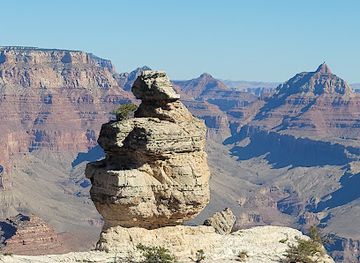
Explore Tusayan Ruin on the Map
A handpicked selection of must-see spots near Tusayan Ruin, mapped for you.
Unlock the Best of Tusayan Ruin
Buy tickets
-
No tickets available
Book tours with entry


Book tours without entry
-
No tours available
Getting There
-
Driving
Tusayan Ruin is located on Desert View Drive (Highway 64), approximately 22 miles east of Grand Canyon Village and 3 miles west of Desert View. From either location, follow Desert View Drive to the Tusayan Ruin and Museum. Parking is available at the site. A Grand Canyon National Park entrance pass is required. The entrance fee is $35 per vehicle, valid for 7 days.
-
Public Transport
During shuttle season (typically March to September), take the free park shuttle bus from Grand Canyon Village or Desert View to the Tusayan Ruin. Check the official National Park Service website for the current shuttle schedule and route information. A Grand Canyon National Park entrance pass is required to access the shuttle system. The entrance fee is $20 per person for those entering by foot, motorcycle, or bicycle, valid for 7 days.
Discover more about Tusayan Ruin













Your all‑in‑one travel companion app
Explore expert travel guides, compare and book tours, experiences, hotels, and more—all from the palm of your hand. Download now for seamless trip planning wherever your wanderlust takes you.


Explore More of Kaibab National Forest
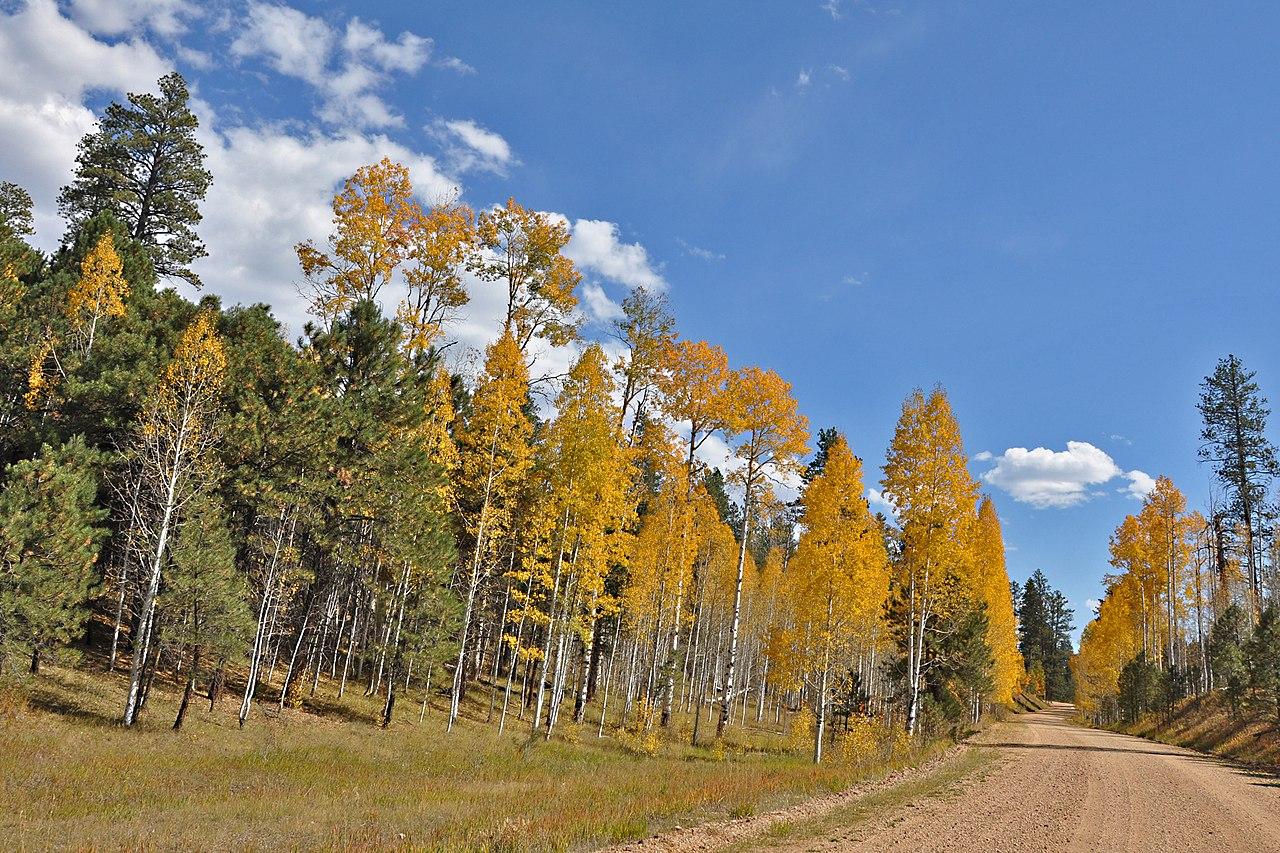
Looking beyond Tusayan Ruin? Discover Kaibab National Forest for broader travel guides, local hot-spots, and regional highlights.
Explore Kaibab National Forest