
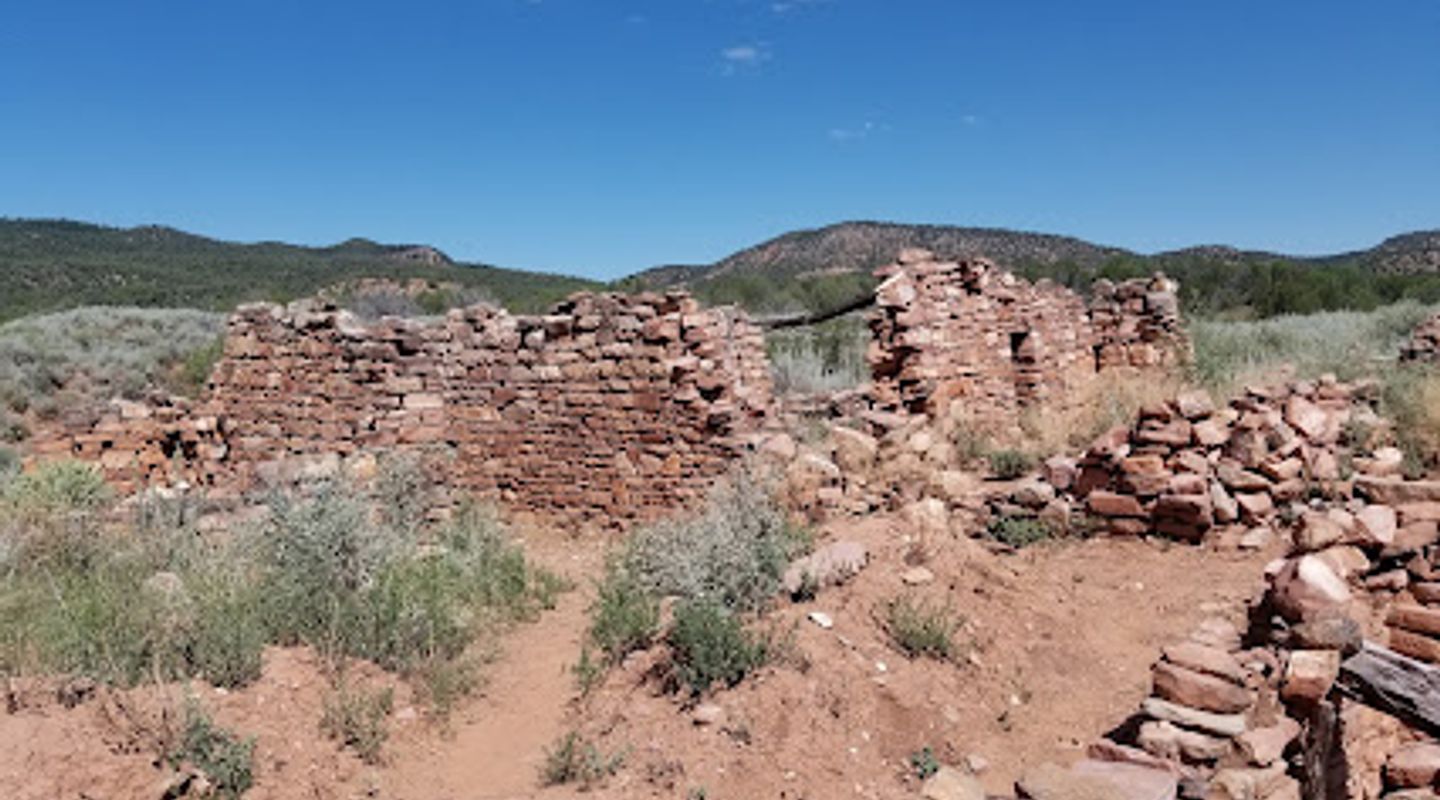
Kinishba Ruins, White Mountains Travel Guide
Discover the ancient Kinishba Ruins, a window into the lives of the Mogollon people and their cultural legacy in eastern Arizona.
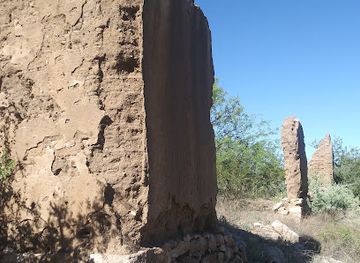
Explore the Kinishba Ruins, a 600-room ancestral Pueblo village in eastern Arizona, built by the Mogollon people between the 12th and 14th centuries. Once home to over 1,000 inhabitants, the site offers a glimpse into the lives of the Hopi and Zuni ancestors.
A brief summary to Kinishba Ruins
- Reservation, Whiteriver, AZ, 85941, US
- Click to display

Know before you go
Hi, I'm Eve. Here are a few practical things to know before exploring Kinishba Ruins.
- Check in at the White Mountain Apache Cultural Center and Museum at Fort Apache to get your permit and learn more about the site before visiting the ruins.
- Bring water and wear appropriate clothing, as summers can be warm and winters can be cold.
- Consider booking an Apache tour guide in advance for a deeper understanding of the history and cultural significance of the ruins.
Do you manage this location?
Take control to get all the benefits, like improved information, better appearance, and stronger visibility across AI-powered discovery. Learn more about listing your business on Evendo
Activate your presenceOther nearby places you may find interesting
The closest places of the same kind, if this one is not quite what you had in mind.
Explore Kinishba Ruins on the Map
A handpicked selection of must-see spots near Kinishba Ruins, mapped for you.
Getting There
-
Driving
To reach Kinishba Ruins, start from AZ Hwy 73. Turn north onto West Kinishba Road. The ruins are located approximately 1.8 miles north of the highway. There is a parking area available at the site. Note there is no fee for parking. Before visiting Kinishba Ruins, you must first check in at the White Mountain Apache Cultural Center and Museum in Fort Apache to obtain a permit. The museum is located 0.7 miles east of AZ-73 on Fort Apache Road. Admission to the museum and historic park, which includes access to the ruins, is $5.00 per adult.
Discover more about Kinishba Ruins













Your all‑in‑one travel companion app
Explore expert travel guides, compare and book tours, experiences, hotels, and more—all from the palm of your hand. Download now for seamless trip planning wherever your wanderlust takes you.


Explore More of White Mountains
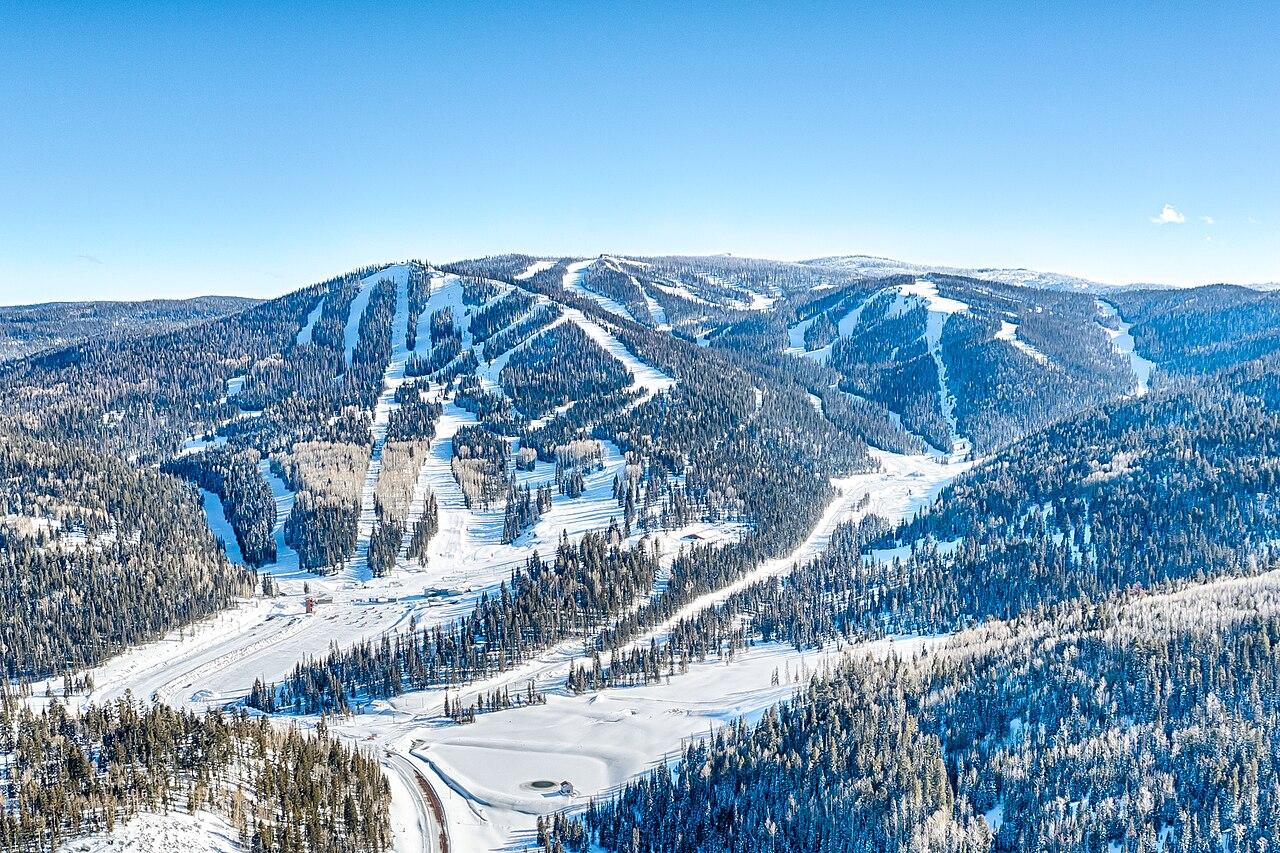
Looking beyond Kinishba Ruins? Discover White Mountains for broader travel guides, local hot-spots, and regional highlights.
Explore White Mountains
Escape to Fool Hollow Lake Recreation Area for cool mountain air, abundant outdoor activities, and stunning scenery in Arizona's White Mountains.
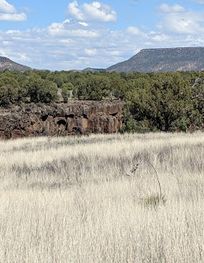
Discover the rich heritage of the White Mountain Apache Tribe through captivating exhibits and cultural demonstrations at the Apache Culture Center.
