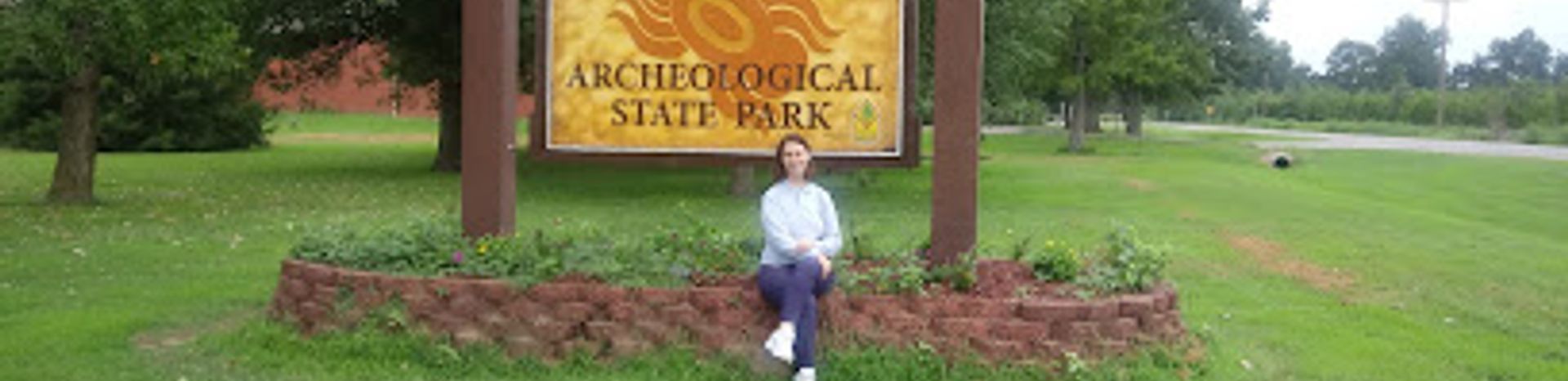
Parkin Archeological State Park: Unearthing the Past
Discover a preserved Mississippian village and explore Arkansas' rich Native American history at Parkin Archeological State Park.
Explore Parkin Archeological State Park, a National Historic Landmark preserving a 17-acre Mississippian Period Native American village that thrived from 1000 to 1550 AD. Discover the fascinating history of the Casqui people and their interactions with Spanish explorer Hernando de Soto in 1541.
A brief summary to Parkin Archeological State Park
- 60 State Hwy 184, Parkin, Arkansas, 72373, US
- +1870-755-2500
- Visit website
- Wednesday 8 am-5 pm
- Thursday 8 am-5 pm
- Friday 8 am-5 pm
- Saturday 8 am-5 pm
- Sunday 1 pm-5 pm
Local tips
- Admission to the visitor center and self-guided tours of the Village Trail are free.
- Contact the park in advance to schedule guided tours or inquire about special programs.
- The park is closed on Mondays, Thanksgiving Day, Christmas Eve, Christmas Day, and New Year's Day.
- Visit during one of the park's annual events for a unique and educational experience.

Getting There
-
Driving
Parkin Archeological State Park is located on the northern edge of the city of Parkin, Arkansas. It is at the junction of Highways 64 and 184. From I-40, take exit 239B to merge onto US-63 N toward Marked Tree/Harrisburg. Continue onto AR-149 N, then turn left onto AR-64 W/AR-149. Continue to follow AR-64 W. Turn right onto AR-184 N. The park will be on your right. Parking is available at the visitor center.
-
Walking
From the center of Parkin, Arkansas, head north on AR-184. The park is located a short distance north of town on Highway 184. The walk is approximately 1 mile and should take about 20 minutes.
Discover more about Parkin Archeological State Park
Iconic landmarks you can’t miss

Remains of the Memphis Belle Pavillion
47.2 km
Explore the Memphis Belle Pavilion, a historical landmark honoring WWII aviation and the courage of its crew amidst stunning river views.
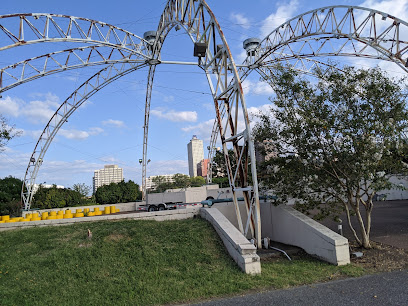
Mud Island Park
47.2 km
Explore the scenic beauty and historical significance of Mud Island Park, a perfect riverside retreat in Memphis, TN, for nature lovers and history buffs alike.
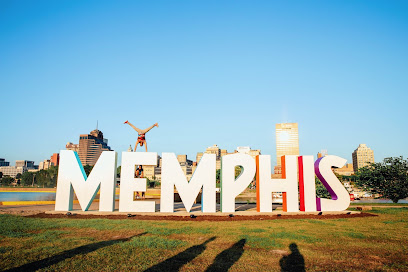
A Tour of Possibilities
47.6 km
Experience the vibrant culture and rich history of Memphis through expertly guided tours at 'A Tour of Possibilities'. Discover iconic landmarks and hidden gems.
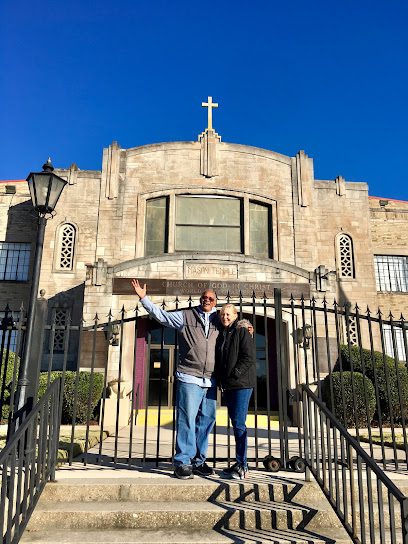
Ducks Unlimited Waterfowling Heritage Center
47.6 km
Discover the rich traditions of waterfowling at the Ducks Unlimited Waterfowling Heritage Center in Memphis, TN - a unique museum experience for nature lovers.
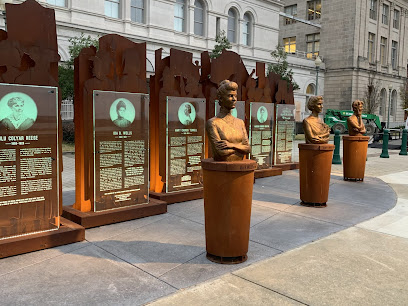
Memphis Suffrage Monument
47.7 km
Discover the Memphis Suffrage Monument, a powerful symbol of women's fight for equality and a must-visit historical landmark in Downtown Memphis.
Memphis Tourism
47.7 km
Discover Memphis like a local at the Memphis Tourism Center, your essential guide to music, culture, and culinary delights in the heart of Tennessee.
I am a Man Mural
47.8 km
Explore the powerful 'I Am a Man' mural in Downtown Memphis, a striking tribute to the Civil Rights Movement and a symbol of resilience and dignity.
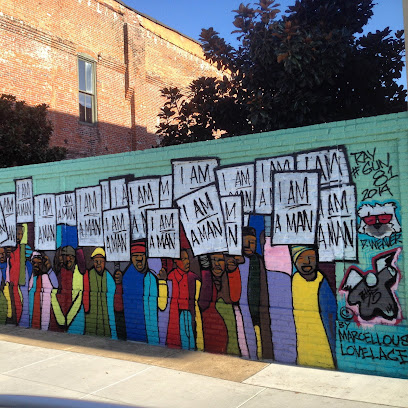
Memphis Landmarks Commission
47.8 km
Explore the Memphis Landmarks Commission, a key player in preserving the city's rich heritage and architectural beauty for future generations.

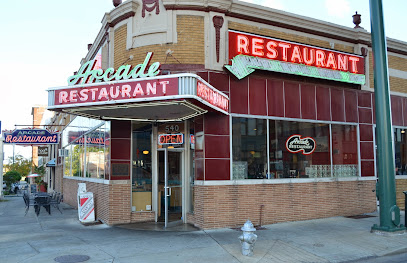
The Arcade Restaurant
47.8 km
Experience the charm of The Arcade Restaurant in Downtown Memphis, where delicious breakfasts and a nostalgic atmosphere await you.
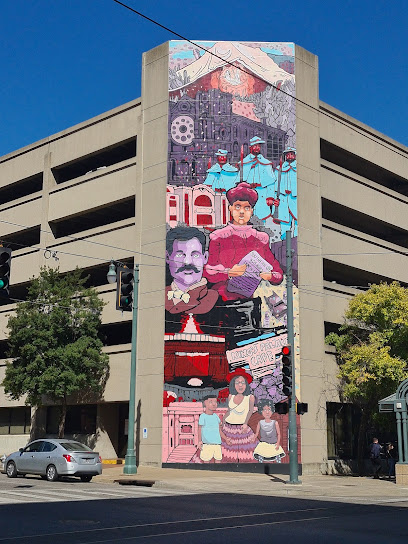
African Americans from Memphis
47.8 km
Uncover the profound influence of African Americans in Memphis, a city where history, culture, and art come together to tell a powerful story.
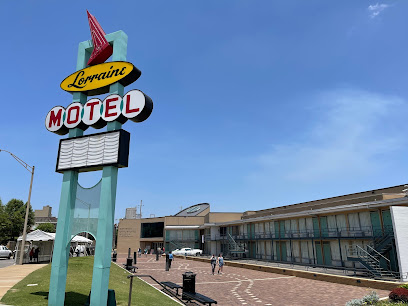
Lorraine Motel
47.9 km
Explore the Lorraine Motel, a pivotal historical landmark and museum in Memphis, where the legacy of civil rights and equality is profoundly preserved.
Center for Southern Folklore
47.9 km
Discover the rich tapestry of Southern culture at the Center for Southern Folklore in Downtown Memphis, where music, art, and storytelling come alive.
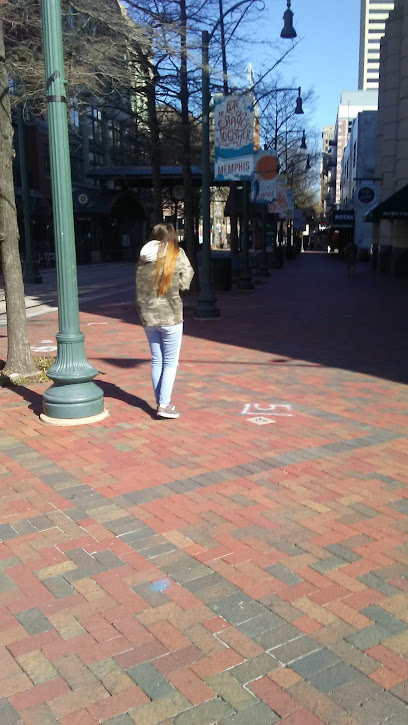
Belz Museum of Asian and Judaic Art
47.9 km
Explore the Belz Museum of Asian and Judaic Art, where diverse cultures converge through stunning artifacts in downtown Memphis.
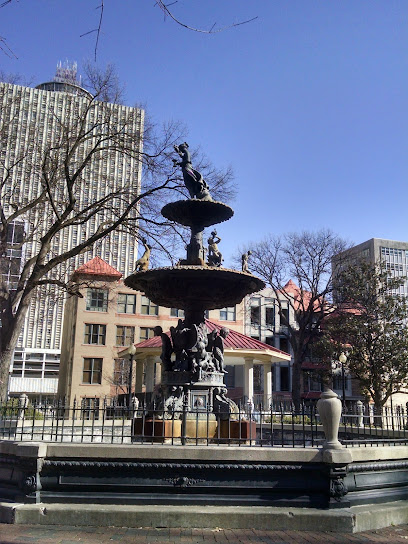
National Civil Rights Museum
47.9 km
Discover the pivotal moments and heroes of the American Civil Rights Movement at the National Civil Rights Museum in Memphis.
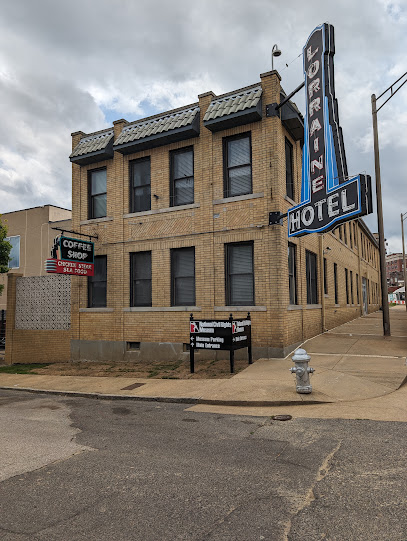
Renasant Convention Center
47.9 km
Experience Memphis through the Renasant Convention Center, the heart of events and culture in Tennessee, offering modern facilities and stunning river views.
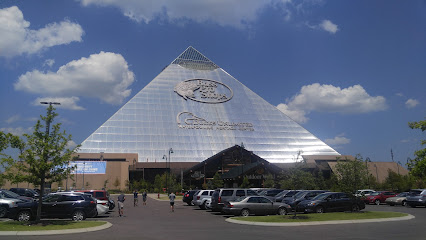
Unmissable attractions to see

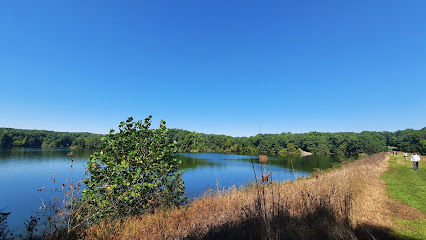
Village Creek State Park
19.1 km
Explore nature and history at Village Creek State Park: hiking, camping, golf, and a poignant Trail of Tears segment in eastern Arkansas.
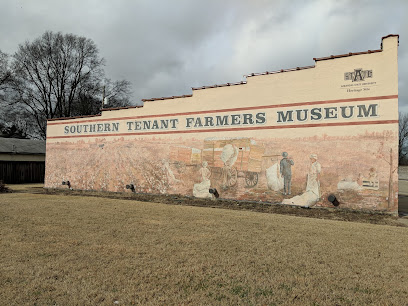
Southern Tenant Farmers Museum
29.8 km
Discover the story of tenant farmers and the Southern Tenant Farmers Union at this historic museum in Tyronza, Arkansas.
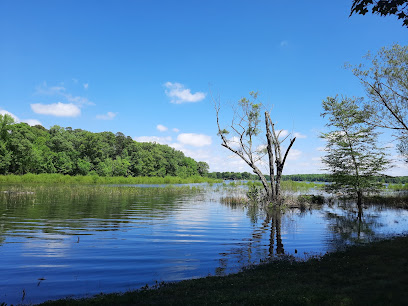
Lake Poinsett State Park
30.7 km
Discover a serene retreat on Crowley's Ridge offering fishing, camping, hiking, and boating in a picturesque natural setting.
Marked Tree Delta Area Museum
30.7 km
Discover the captivating history of the Arkansas Delta region at the Marked Tree Delta Area Museum, showcasing local heritage and community evolution.

Wapanocca National Wildlife Refuge
31.4 km
Explore Wapanocca National Wildlife Refuge: A haven for wildlife enthusiasts and nature lovers in Arkansas, showcasing stunning landscapes and diverse ecosystems.

Sultana Disaster Museum
33.3 km
Explore the Sultana Disaster Museum in Marion, Arkansas, and uncover the haunting history of America's worst maritime disaster.

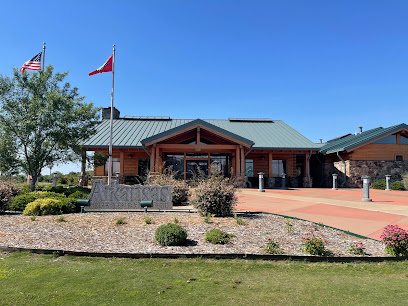
Arkansas West Memphis Welcome Center
36.9 km
Your first stop for Arkansas adventures: get information, take a break, and discover the best of the Natural State at the West Memphis Welcome Center.
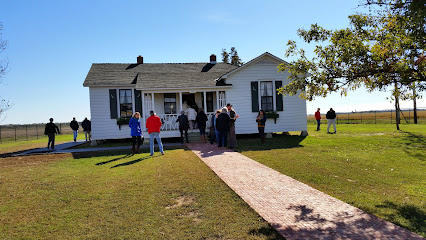
Johnny Cash Boyhood Home
45.4 km
Walk in the footsteps of a legend at the Johnny Cash Boyhood Home in Dyess, Arkansas, and discover the roots of the Man in Black.
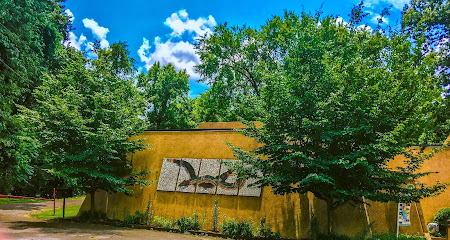
C.H. Nash Museum Chucalissa
45.4 km
Discover the fascinating Native American heritage and archaeological wonders at C.H. Nash Museum Chucalissa in Memphis, Tennessee.
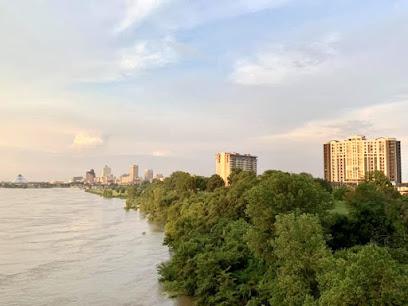
Big River Crossing
46.2 km
Discover the breathtaking views and vibrant atmosphere at Big River Crossing, a pedestrian bridge connecting Memphis and Arkansas over the majestic Mississippi River.
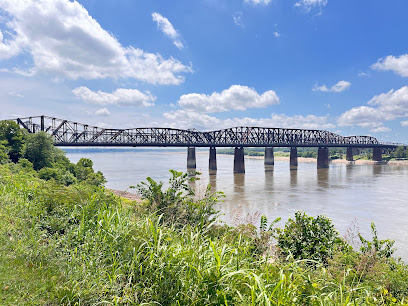
Harahan Bridge | Big River Crossing
46.5 km
Discover the breathtaking beauty of the Mississippi River from the iconic Harahan Bridge, perfect for walking and biking adventures.
Metal Museum
46.8 km
Discover the artistry of metal at the Metal Museum in Memphis, a unique destination showcasing craftsmanship, blacksmithing, and stunning metalworks.
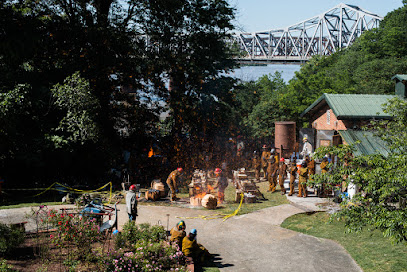
T.O. Fuller State Park
46.8 km
Discover the lush landscapes and recreational activities at T.O. Fuller State Park, a serene escape near Memphis, Tennessee.
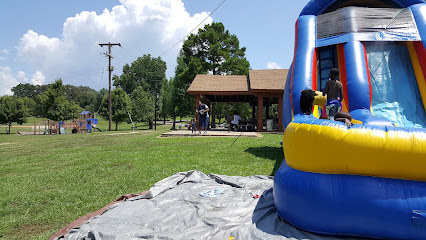
Chickasaw Heritage Park
46.9 km
Discover the beauty and history of Chickasaw Heritage Park, a serene oasis in Memphis filled with nature and cultural significance.
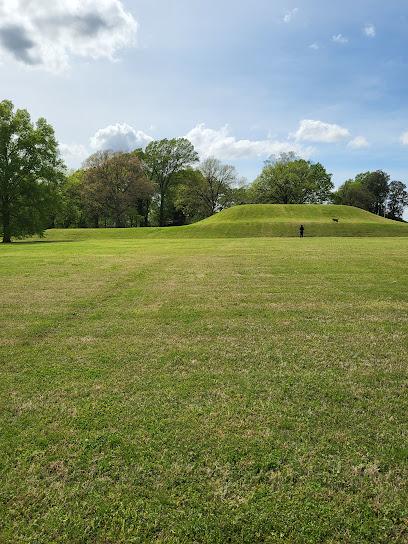
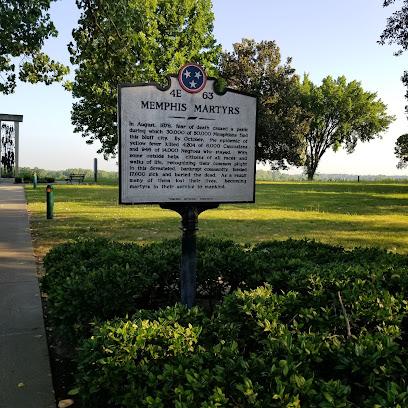
Martyrs Park
47.0 km
Explore the serene Martyrs Park in Memphis, a memorial oasis honoring sacrifice with scenic views and tranquil paths along the Mississippi River.
Essential places to dine

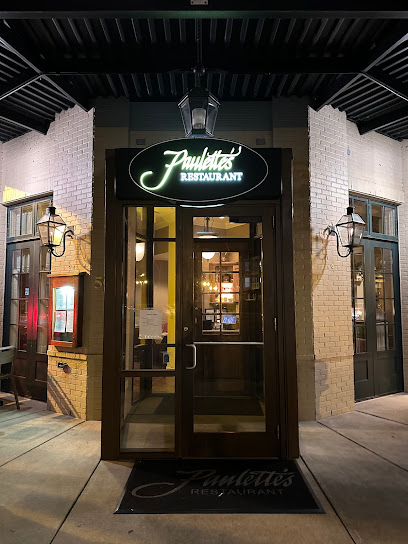
Paulette's Restaurant
47.2 km
Discover exquisite American and French cuisine at Paulette's Restaurant in Memphis' scenic Harbor Town - a culinary gem worth visiting.
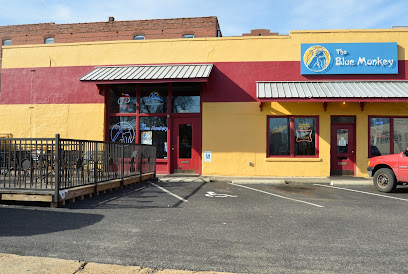
The Blue Monkey
47.6 km
Experience delicious American cuisine at The Blue Monkey in Downtown Memphis - your go-to spot for food and fun!
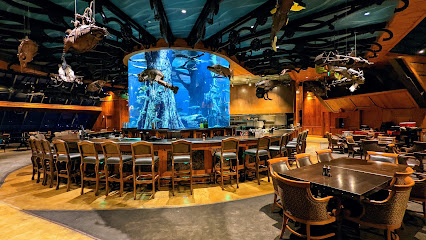
The Lookout at the Pyramid
47.6 km
Experience stunning views and delectable American seafood cuisine at The Lookout at the Pyramid in Memphis.
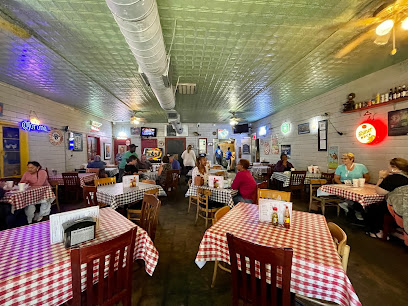
Gus's World Famous Fried Chicken
47.7 km
Experience authentic Southern cuisine at Gus's World Famous Fried Chicken in Downtown Memphis—home of crispy fried chicken that's loved by all.
Loflin Yard
47.7 km
Discover the vibrant flavors of New American cuisine at Loflin Yard, Memphis' premier dining destination featuring outdoor seating and craft cocktails.
SOB Downtown
47.8 km
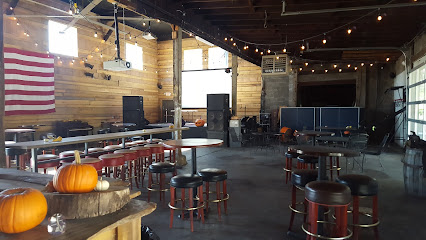
Experience the best of Memphis dining at SOB Downtown - where Southern flavors meet modern cuisine in a vibrant gastropub setting.
Bishop
47.8 km
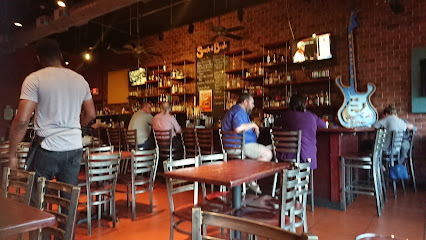
Discover Bishop in Downtown Memphis: where innovative Southern cuisine meets a vibrant dining atmosphere.
The Green Beetle
47.8 km
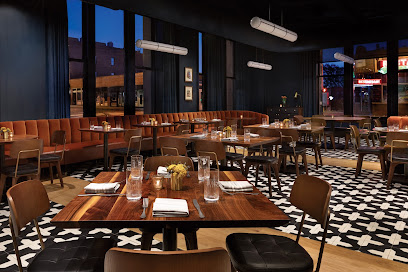
Experience authentic Southern flavors at The Green Beetle in Downtown Memphis—your go-to grill for delicious meals and a lively atmosphere.
Slider Inn - Downtown
47.8 km
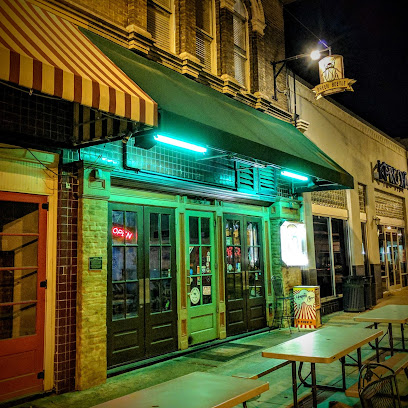
Experience the best burgers and vibrant nightlife at Slider Inn in Downtown Memphis - your ultimate burger destination.
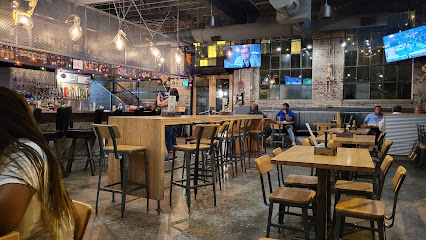
The Lobbyist
47.9 km
Discover The Lobbyist in Downtown Memphis: where culinary creativity meets Southern hospitality in an unforgettable dining experience.
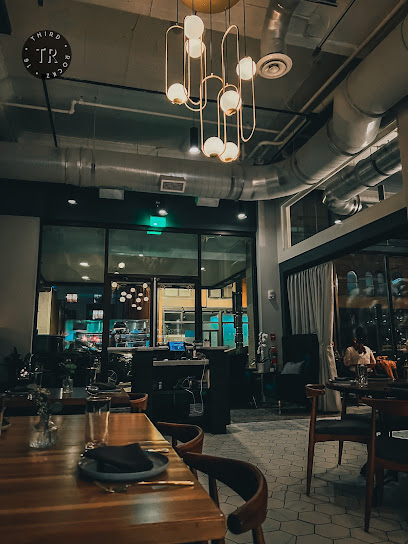
Catherine & Mary's
47.9 km
Discover authentic Tuscan flavors at Catherine & Mary's in Downtown Memphis - where tradition meets culinary excellence.
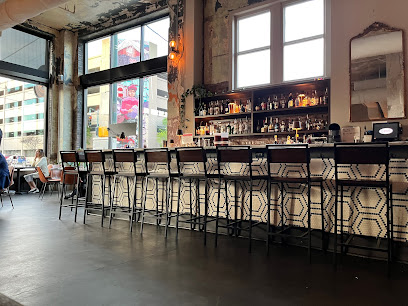
Flight Restaurant and Wine Bar
47.9 km
Experience fine dining like never before at Flight Restaurant and Wine Bar in Downtown Memphis – where every bite is a journey through taste.
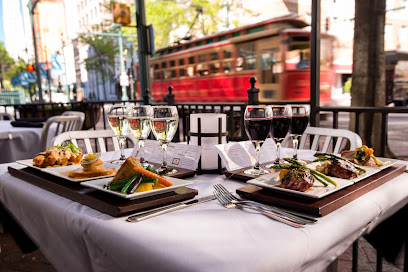
The Majestic Grille
47.9 km
Discover The Majestic Grille in Downtown Memphis - where classic American cuisine meets historic charm and vibrant dining experiences.
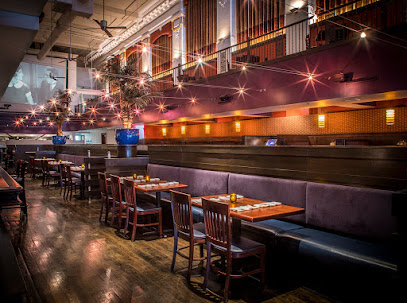
Willie Moore's Restaurant
47.9 km
Savor the flavors of Southern cuisine at Willie Moore's Restaurant in Downtown Memphis - a family-friendly spot for breakfast and soul food delights.
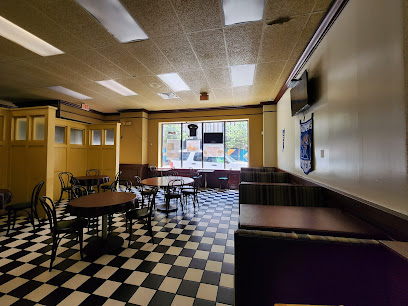
Alcenia's
47.9 km
Experience authentic Southern cuisine at Alcenia's in Memphis—where comfort food meets warm hospitality.
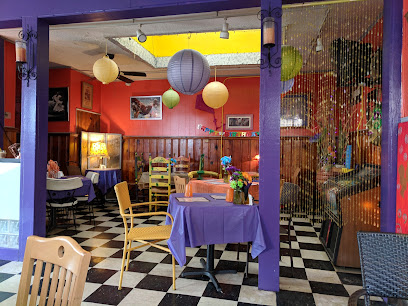
Markets, malls and hidden boutiques

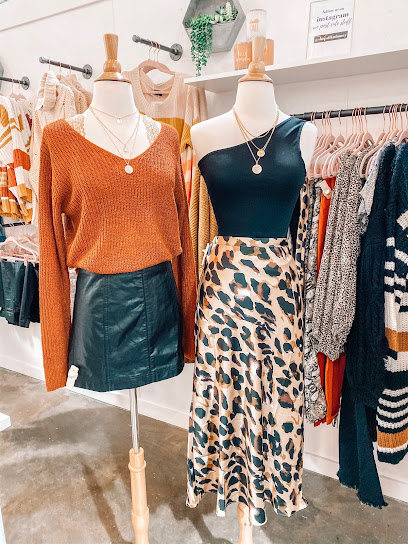
Silk N Honey Boutique + Permanent Jewelry
47.6 km
Discover the stylish offerings at Silk N Honey Boutique, a unique women's clothing store in Downtown Memphis that celebrates local fashion and individual style.
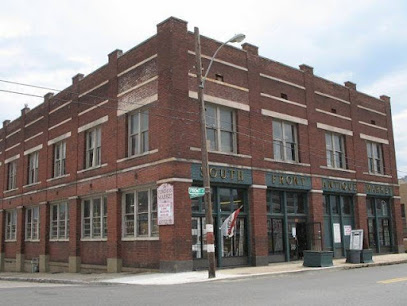
South Front Antiques
47.7 km
Explore the charm of vintage finds and architectural salvage at South Front Antiques in Downtown Memphis.
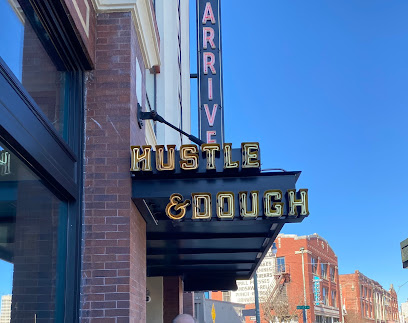
Hustle & Dough
47.7 km
Discover Hustle & Dough, a delightful bakery and café in Downtown Memphis, offering fresh pastries and artisan coffee in a cozy atmosphere.
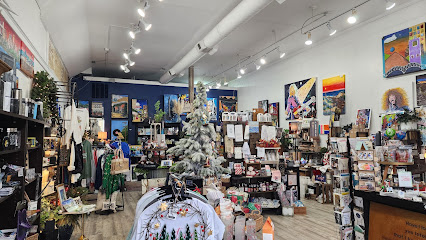
Feelin' Memphis
47.7 km
Explore Feelin' Memphis: Your one-stop shop for unique gifts, local art, and Memphis-inspired treasures in the heart of Downtown.
Stock & Belle
47.8 km
Discover unique fashion and home decor at Stock & Belle, a boutique in Downtown Memphis showcasing local artistry and Southern charm.
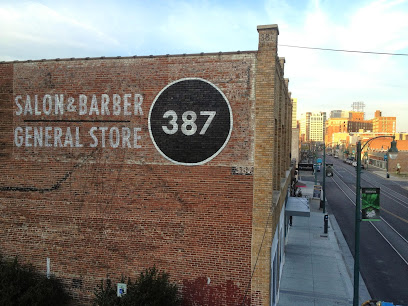
ARCHd
47.8 km
Explore ARCHd in Downtown Memphis for an unforgettable shopping experience filled with unique gifts and local artistry.
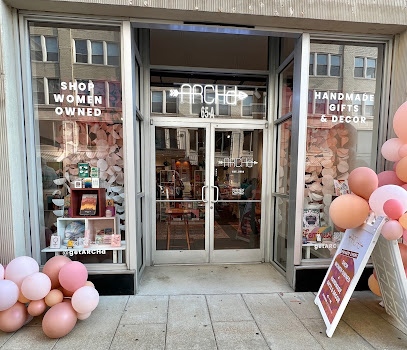
The Broom Closet
47.8 km
Explore the magical world of The Broom Closet in Memphis, your go-to destination for metaphysical supplies and spiritual treasures.
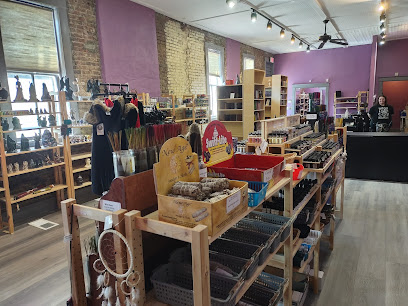
ODDS Atelier
47.8 km
Explore ODDS Atelier in Downtown Memphis for unique clothing that showcases local designers and vibrant fashion trends.
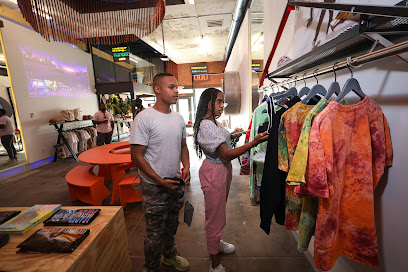
Shop Girl New York
47.9 km
Discover unique fashion finds at Shop Girl New York, an enchanting boutique in Downtown Memphis offering style and charm for every shopper.
Folklore store
47.9 km
Explore the Folklore Store in Downtown Memphis for unique gifts and a taste of Southern culture and craftsmanship.
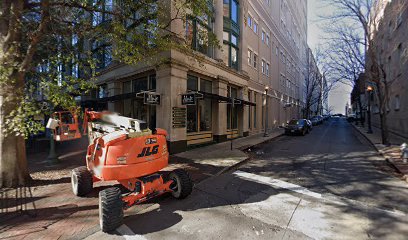
MUSE INSPIRED FASHION
47.9 km
Discover the stylish charm of Muse Inspired Fashion in Downtown Memphis, featuring exquisite jewelry, trendy clothing, and chic footwear.
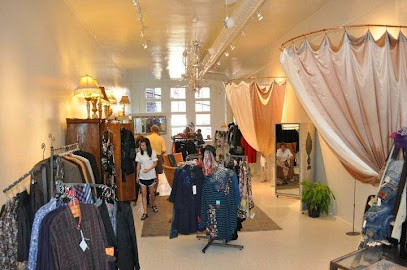
The Peanut Shoppe
47.9 km
Discover The Peanut Shoppe in Downtown Memphis: A delightful gift shop offering gourmet nuts, chocolates, and popcorn, perfect for sweet souvenirs.
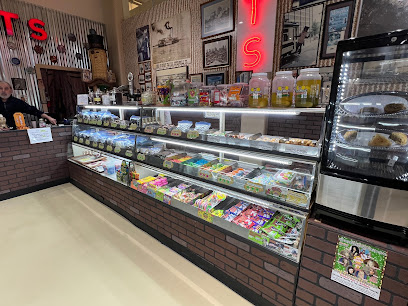
Jlondon Boutique
47.9 km
Uncover unique fashion and local artistry at Jlondon Boutique in Downtown Memphis, a must-visit destination for discerning shoppers.
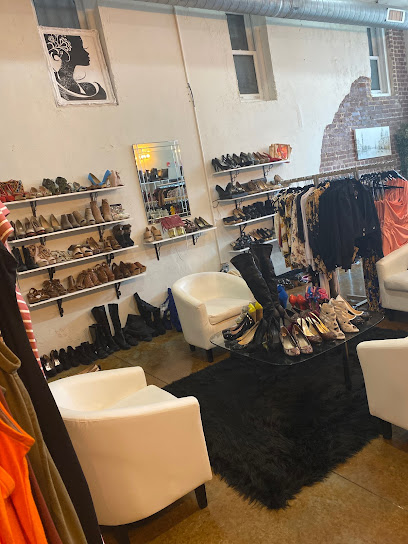
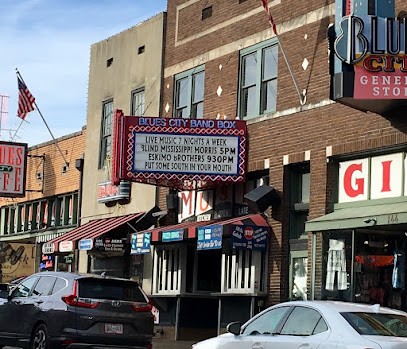
Blues City General Store
48.0 km
Explore Blues City General Store for unique souvenirs, local crafts, and a taste of Memphis culture in the heart of Downtown.
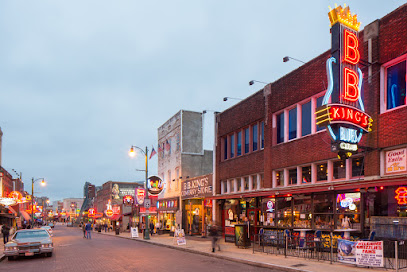
B.B. King's Store
48.0 km
Explore B.B. King's Store in Memphis for a unique shopping experience filled with blues memorabilia and local artisan crafts.
Essential bars & hidden hideouts

Fat Charlie’s Speakeasy
47.3 km
Experience the unique charm of Fat Charlie’s Speakeasy in Memphis, where vintage vibes meet modern tastes in an unforgettable nightlife setting.
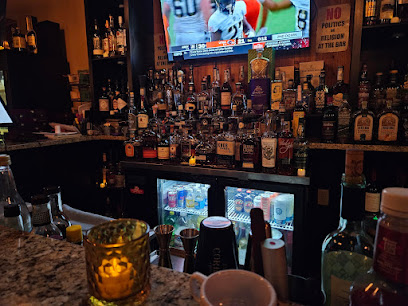
Beck & Call
47.7 km
Discover the vibrant atmosphere of Beck & Call, a chic lounge in Downtown Memphis offering signature cocktails and an unforgettable nightlife experience.
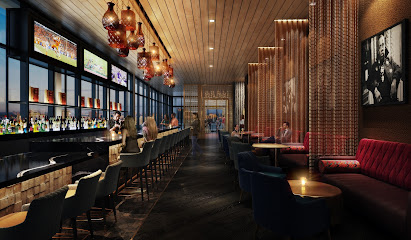
BarWare
47.7 km
Discover the lively ambiance of BarWare in Downtown Memphis, where creative cocktails and vibrant nightlife await every visitor.
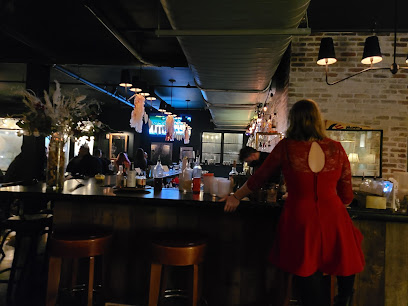
Bar Hustle
47.7 km
Experience the vibrant nightlife of Downtown Memphis at Bar Hustle, where craft cocktails and gourmet pizza come together in a lively setting.
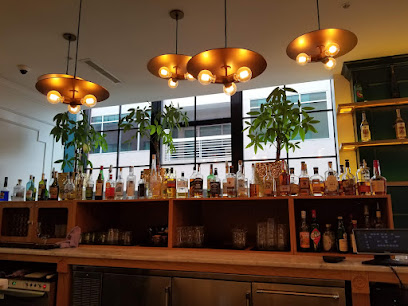
Eight & Sand
47.8 km
Discover Eight & Sand in Downtown Memphis for exquisite craft cocktails and a cozy lounge atmosphere, perfect for unwinding after a day of exploring.
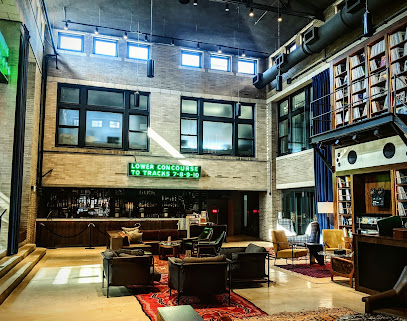
Bardog Tavern
47.8 km
Discover the lively Bardog Tavern in Downtown Memphis, where great food, craft beers, and a vibrant atmosphere await every visitor.
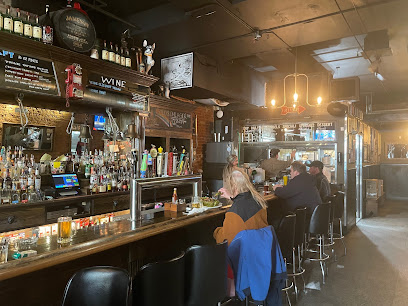
Ibis Cocktail Bar
47.8 km
Discover the vibrant Ibis Cocktail Bar in Downtown Memphis, where expertly crafted cocktails meet a lively atmosphere for an unforgettable night out.
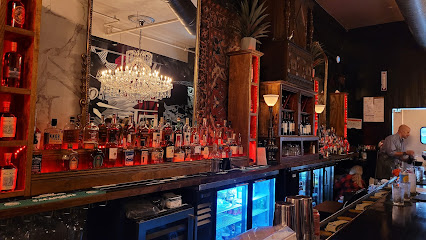
Blind Bear
47.9 km
Discover the charm of Blind Bear, a cocktail bar in Memphis that combines exquisite drinks with a Prohibition-era ambiance for an unforgettable night.
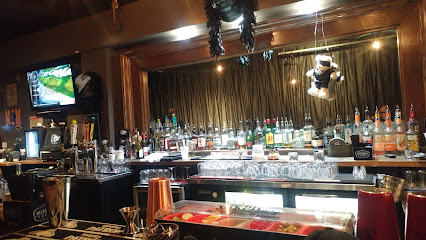
Silly Goose
47.9 km
Experience the vibrant nightlife of Downtown Memphis at Silly Goose, a cocktail bar and lounge with delicious food and unforgettable atmosphere.
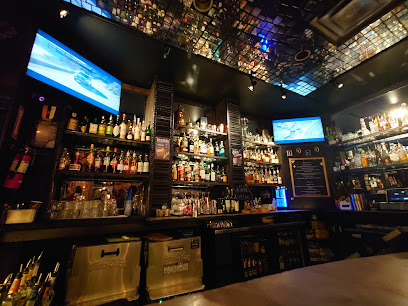
Belle Tavern
47.9 km
Discover Belle Tavern, a hidden culinary gem in Downtown Memphis, offering exceptional grill dishes and a cozy atmosphere for an unforgettable dining experience.
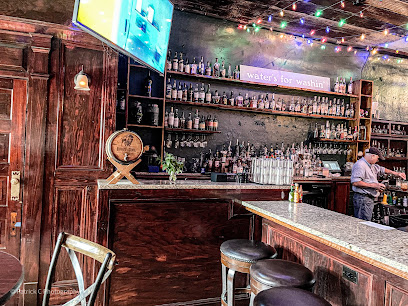
Flying Saucer Draught Emporium
48.0 km
Experience a taste of Memphis at Flying Saucer Draught Emporium, where beer lovers unite to enjoy over 200 beers and delicious American cuisine.
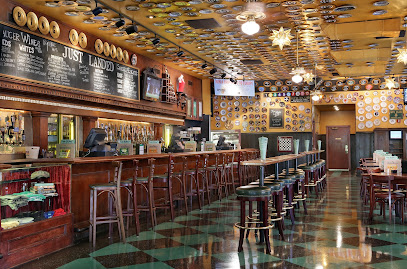
The Corner Bar at The Peabody Memphis
48.0 km
Experience the cozy charm of The Corner Bar at The Peabody Memphis, where great drinks and a welcoming atmosphere await you.
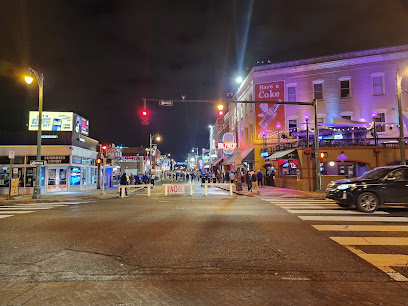
Band Box
48.0 km
Discover the vibrant live music scene at Band Box in Memphis, where every night is filled with the soulful sounds of blues and rock.
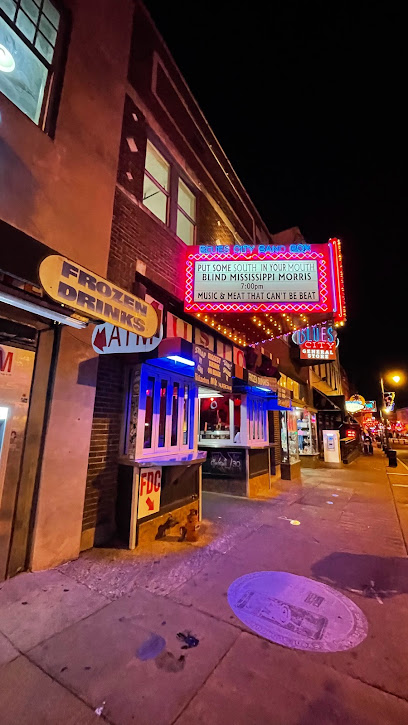
Club 152
48.1 km
Discover the vibrant nightlife at Club 152, a premier bar and nightclub in the heart of Memphis, offering live music and a lively atmosphere.
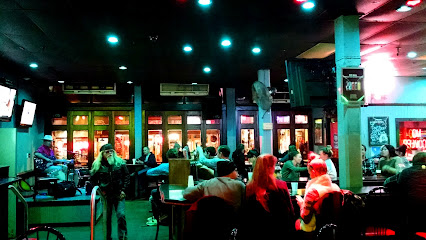
The Absinthe Room
48.1 km
Discover the essence of Memphis nightlife at The Absinthe Room, where craft cocktails and live music come together in a vibrant atmosphere.