

Free Fayetteville Travel Guide & Mobile App
Plan your Fayetteville trip with Evendo. Get free guides to top attractions, restaurants, hotels, and bars. Web access or download the mobile app.


Fayetteville, Arkansas combines Ozark trails, a historic square, University of Arkansas culture, live music and distinctive local dining in northwest Arkansas.
Ozark Setting and Historic Core
Fayetteville lies among the wooded hills of northwest Arkansas, where limestone outcrops, cycling routes and leafy valleys give the city a distinctly Ozark character. Its centre gathers around the historic downtown square, a courthouse lawn and a walkable collection of nineteenth- and early twentieth-century buildings now occupied by cafés, bars, galleries and independent shops. The Old High Middle School, now the Fayetteville Public Library's School Specialty Collection building, and nearby historic neighbourhoods add depth to the streetscape, while Mount Sequoyah offers elevated views across the city.Read more about Fayetteville
University, Arts and Outdoor Life
When is the best time to visit Fayetteville?
Best: April–May, September · 21–27°C| Month | High (°C) | Rainfall (mm) |
|---|---|---|
| January | 7 | 60 |
| February | 9 | 71 |
| March | 16 | 86 |
| April (best) | 21 | 102 |
| May (best) | 26 | 117 |
| June | 31 | 102 |
| July | 33 | 86 |
| August | 32 | 86 |
| September (best) | 27 | 102 |
| October | 21 | 102 |
| November | 14 | 86 |
| December | 8 | 71 |
Getting to and around Fayetteville
How to get there
Transportation
Best attractions in Fayetteville
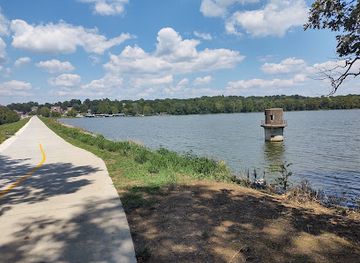
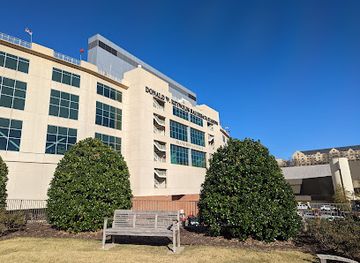
Fayetteville's principal attractions range from civic history to Ozark recreation. The historic downtown square centres on the Washington County Courthouse and leads into streets of independent businesses, galleries and cafés, while the nearby Fayetteville Farmers' Market brings local growers and makers into the centre when it is operating. On the University of Arkansas campus, visitors can see Donald W. Reynolds Razorback Stadium, explore the University Museum and appreciate the university's distinctive academic setting. The Botanical Garden of the Ozarks, east of the central districts, combines themed plantings with woodland scenery and seasonal programmes. Lake Fayetteville provides paths, water views and outdoor space north of the centre, and the nearby Razorback Regional Greenway links several parts of the metropolitan area for walkers and cyclists. Mount Sequoyah adds a quieter perspective over the city, while the Walton Arts Center anchors downtown performances and cultural events.
-
Tourist attraction
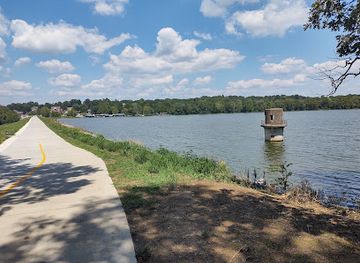
Lake Fayetteville Park
Discover the natural beauty and tranquility of Lake Fayetteville Park, a perfect outdoor escape for tourists seeking recreation and relaxation in Arkansas.
26 min drive · 8.5 km from city centre
-
Tourist attraction
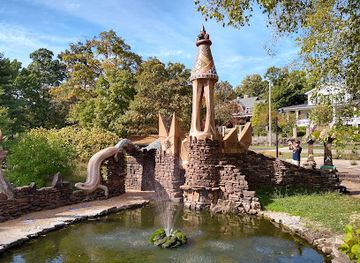
Wilson Park
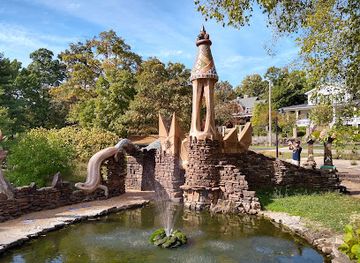
Discover serenity and recreation at Wilson Park, a stunning urban oasis in Fayetteville, Arkansas, perfect for families and nature lovers alike.
16 min walk · 1.2 km from city centre
-
Tourist attraction
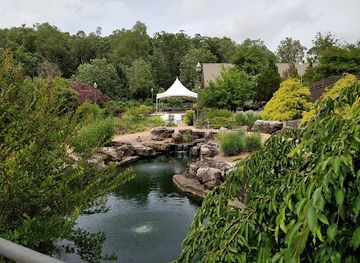
Botanical Garden of the Ozarks
Discover Northwest Arkansas's natural beauty at the Botanical Garden of the Ozarks, featuring themed gardens and the state's only butterfly house.
27 min drive · 8.9 km from city centre
-
Tourist attraction
Walton Arts Center
Experience the vibrant arts scene at Walton Arts Center, where exceptional performances and inspiring exhibitions come together in Fayetteville, Arkansas.
10 min walk · 0.8 km from city centre
Best landmarks in Fayetteville
The Washington County Courthouse gives Fayetteville's historic square its civic focus; the current building, completed in 1901, is a prominent example of the public architecture associated with the city's county-seat role. On the University of Arkansas campus, Old Main is the institution's best-known historic building and a visual symbol of the university, while Donald W. Reynolds Razorback Stadium represents the modern sporting culture that has become central to Fayetteville's identity. The historic downtown streets preserve commercial and residential buildings from the city's earlier growth, and the Fayetteville Downtown Square and Gardens provides a landscaped civic setting around the courthouse. Mount Sequoyah, with its religious and educational history and elevated setting, adds another layer to the city's built heritage. Together these places trace Fayetteville's development from regional administrative centre to university city.
-
Park
Lake Fayetteville Park
Experience the beauty of nature at Lake Fayetteville Park, a serene oasis in Fayetteville, Arkansas, perfect for outdoor enthusiasts and families alike.
26 min drive · 8.5 km from city centre
-
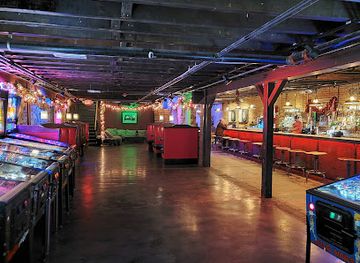
Video arcade
Arkadia Retrocade
Relive the glory days of gaming at Arkadia Retrocade, Fayetteville's ultimate retro arcade with classic games and endless fun for all ages!
6 min drive · 2.1 km from city centre
-
Park
Wilson Park
Explore the natural beauty of Wilson Park in Fayetteville, Arkansas, where lush landscapes and recreational fun await every visitor.
16 min walk · 1.2 km from city centre

Explore Fayetteville on the map
Plan your Fayetteville trip on one map. See where the top attractions, landmarks, restaurants, bars and hotels are, find what's near where you're staying, and book hotels and experiences in a few clicks.
Best hotels in Fayetteville
Best restaurants in Fayetteville
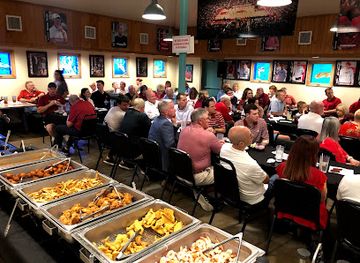
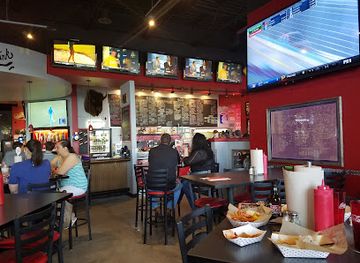
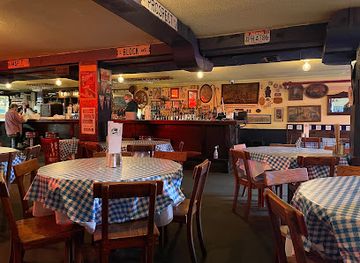
Fayetteville's food scene reflects northwest Arkansas's Southern setting, agricultural surroundings and university population. Barbecue, fried catfish, biscuits, burgers and other familiar regional foods sit alongside newer menus shaped by Mexican, Asian and international influences. Downtown, Dickson Street and the blocks around the university contain the greatest concentration of restaurants, cafés, bakeries, bars and casual dining rooms, with food trucks adding variety at events and busy gathering places. Long-established local names such as Hugo's and Hammontree's are part of the city's recognisable dining landscape, while farmers' markets provide seasonal Arkansas produce and prepared food. Coffee shops and craft-brewery taprooms also form an important part of the social scene. Menus and venues change over time, but the contrast between collegiate casual dining, independent kitchens and more polished farm-conscious cooking remains characteristic of Fayetteville.
-
Seafood
Catfish Hole Fayetteville
Discover authentic Southern seafood at Catfish Hole Fayetteville – where fresh catfish meets warm hospitality in a cozy setting.
17 min drive · 5.8 km from city centre
-
Hamburger
Smitty's Garage Burgers & Beer
Discover Smitty's Garage Burgers & Beer: A must-visit destination for burger lovers offering delicious flavors and local craft beers in Fayetteville.
21 min drive · 7.0 km from city centre
-
Hamburger
Hugo's
Experience the best of American cuisine at Hugo's in Fayetteville—home to delicious hamburgers and a lively atmosphere perfect for all occasions.
4 min walk · 0.3 km from city centre
-
Sandwich
Hammontree's Grilled Cheese
Discover gourmet grilled cheese delights at Hammontree's Grilled Cheese in Fayetteville—where comfort food meets culinary creativity.
11 min walk · 0.9 km from city centre
Best bars in Fayetteville
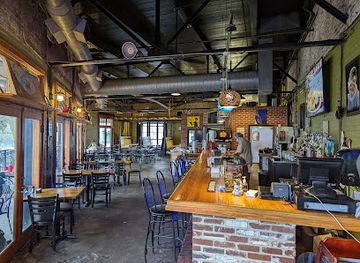
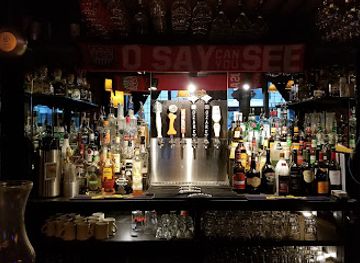
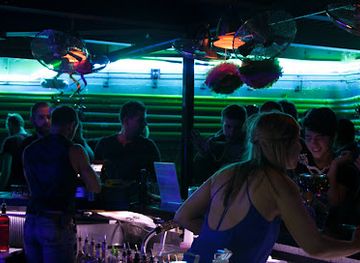
Fayetteville's evening life is concentrated around Dickson Street, the University of Arkansas and the downtown square, where student energy blends with a broader local audience. The area offers pubs, cocktail bars, breweries, late-night food, live music and venues for dancing, with the atmosphere becoming especially busy around university events. Walton Arts Center and other downtown performance spaces provide a cultural alternative through theatre, concerts and touring productions, while smaller rooms host local and regional musicians. The nightlife is more varied than a club-only scene: some evenings centre on craft beer or conversation, others on bands, comedy, collegiate celebrations or staged performances. Alcohol service follows Arkansas law and individual venue policies, and visitors should carry valid identification, use established transport options after drinking and expect areas around popular venues to be busiest at weekends.
-
Bar
Maxine's Tap Room
Experience the vibrant atmosphere of Maxine's Tap Room in Fayetteville, where craft drinks meet lively entertainment in a stylish setting.
4 min walk · 0.3 km from city centre
-
Bar
Pinpoint
Discover the vibrant nightlife of Fayetteville at Pinpoint Bar, where unique cocktails and a lively atmosphere await.
4 min walk · 0.3 km from city centre
-
Grill
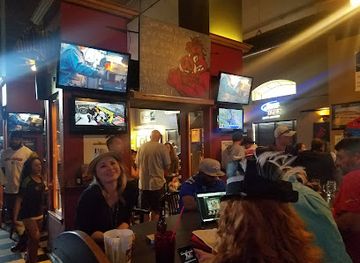
On the Mark Sports Bar & Grill
Experience the lively atmosphere of On the Mark Sports Bar & Grill in Fayetteville, where delicious food and exciting sports converge for a memorable visit.
12 min drive · 4.0 km from city centre
-
Bar
Smoke & Barrel
Experience the vibrant nightlife at Smoke & Barrel, Fayetteville's premier bar with live music and a diverse drink menu.
10 min walk · 0.8 km from city centre
Best nightclubs in Fayetteville
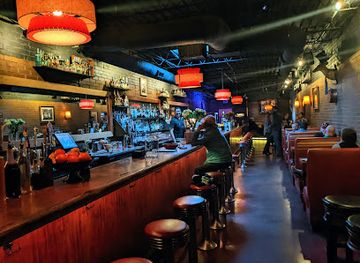
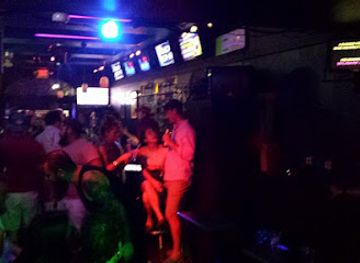
Fayetteville's evening life is concentrated around Dickson Street, the University of Arkansas and the downtown square, where student energy blends with a broader local audience. The area offers pubs, cocktail bars, breweries, late-night food, live music and venues for dancing, with the atmosphere becoming especially busy around university events. Walton Arts Center and other downtown performance spaces provide a cultural alternative through theatre, concerts and touring productions, while smaller rooms host local and regional musicians. The nightlife is more varied than a club-only scene: some evenings centre on craft beer or conversation, others on bands, comedy, collegiate celebrations or staged performances. Alcohol service follows Arkansas law and individual venue policies, and visitors should carry valid identification, use established transport options after drinking and expect areas around popular venues to be busiest at weekends.
-
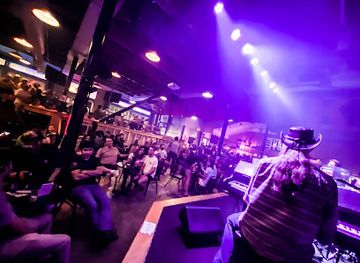
Night club
The Piano Bar
Experience the vibrant nightlife at The Piano Bar in Fayetteville, where live music and delicious drinks create unforgettable moments.
8 min walk · 0.7 km from city centre
-
Karaoke bar
Infusion Bar
Discover Fayetteville's premier karaoke and nightlife destination at Infusion Bar, where fun, music, and great drinks come together for an unforgettable night.
10 min walk · 0.8 km from city centre
-
Night club
C4 Nightclub & Lounge
Discover Fayetteville's premier nightlife destination at C4 Nightclub & Lounge, where music, dance, and community come together for an unforgettable experience.
10 min walk · 0.8 km from city centre
-
Night club
Peppermint Hippo
Unleash your nightlife experience at Peppermint Hippo in Fayetteville, Arkansas, where entertainment, drinks, and vibrant performances await you.
9 min drive · 3.2 km from city centre

Best shops in Fayetteville
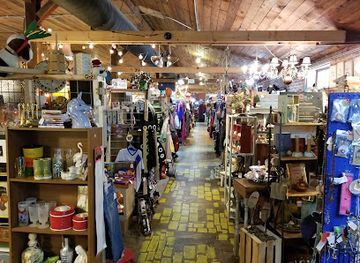
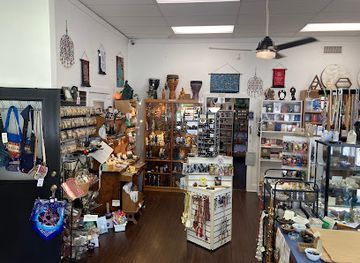
Shopping in Fayetteville combines independent downtown businesses with university-oriented retail and everyday commercial districts. Around the historic square and Dickson Street, visitors find locally owned clothing shops, bookshops, galleries, gift stores, cafés and retailers selling Arkansas-themed goods. The Fayetteville Farmers' Market, when operating, is the most direct place to browse regional produce, baked items, preserves, crafts and work by local makers. Specialist shops near the university reflect the Razorbacks' strong presence, while larger retail areas beyond the centre provide practical shopping and national chains. Souvenirs with Arkansas identity include locally produced food, handmade goods, regional artwork and university merchandise, although authenticity and availability vary by seller. The city's retail character is strongest in its walkable independent districts, where shopping can be combined with the architecture, public spaces and food culture of central Fayetteville.
-
Flea market
Fayetteville's Funky Flea Market
Discover Fayetteville's Funky Flea Market: A vibrant hub of vintage finds, antiques, and unique treasures in the heart of Arkansas.
6 min drive · 1.9 km from city centre
-
Gift shop
The Four of Wands
Explore The Four of Wands in Fayetteville, AR – a mystical gift shop filled with unique treasures, books, and artisan crafts waiting for you.
10 min walk · 0.8 km from city centre
-
Used clothing store
Cheap Thrills
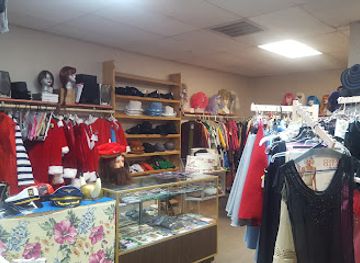
Explore Fayetteville's Cheap Thrills for unique vintage clothing and costumes, where every piece has a story waiting to be discovered.
3 min walk · 0.2 km from city centre
-
Antique store
410 Vintage Market
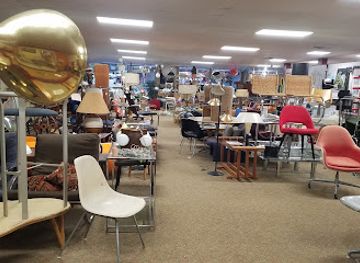
Explore Fayetteville's 410 Vintage Market for unique antiques, vintage clothing, and collectibles that capture the essence of nostalgia.
9 min walk · 0.7 km from city centre
Get your free copy of our complete guide to Fayetteville, delivered straight to you.
Everything on this page, from attractions and restaurants to essentials and local phrases, in one PDF you can read offline, print or share.
Already have an account? Sign in
Your Fayetteville guide is ready.
We'll send it to · Not you? Sign out

Getting your guide ready…
We are putting together a fresh copy of the Fayetteville guide. This can take up to a minute.
This can take a few moments. If your browser asks, choose Allow so the download can start. You'll find the guide in your Downloads folder.
Nothing happened? Download it again
Sorry, the guide is taking longer than usual. Please try again in a minute, or get it by email instead.
Fayetteville essentials
Currency and Payment
Safety
Emergency Situations
Do's and Don'ts
Local Tips
From Eve
Local phrases worth knowing
You don't need to get them perfect. A few words go a long way, and locals appreciate the effort.
Basics
| English | Local | Say it |
|---|---|---|
| Hello | Howdy | [haʊ-di] |
| Goodbye | See ya | [siː jə] |
| Yes | Yep | [jɛp] |
| No | Nah | [nɑː] |
| Please/You're welcome | Please/You're welcome | [pliːz/jʊr ˈwɛlkəm] |
| Thank you | Thanks | [θæŋks] |
| Excuse me/Sorry | Pardon me/My bad | [ˈpɑːrdn mi/maɪ bæd] |
| How are you? | How y'all doin'? | [haʊ jɔːl ˈduɪn] |
| Fine. And you? | Fine. And you? | [faɪn. ænd jʊ] |
| Do you speak English? | Y'all speak English? | [jɔːl spik ˈɪŋɡlɪʃ] |
| I don't understand | I ain't gettin' it | [aɪ eɪnt ˈɡɛtɪn ɪt] |
Eating & Drinking
| English | Local | Say it |
|---|---|---|
| I'd like to see the menu, please | I wanna check out the menu, please | [aɪ ˈwɑnə ˈtʃɛk aʊt ðə ˈmɛnjuː pliːz] |
| I don't eat meat | I don't do meat | [aɪ doʊnt duː mit] |
| Cheers! | Cheers! | [ʧɪrz] |
| I would like to pay, please | I wanna settle up, please | [aɪ ˈwɑnə ˈsɛtl ʌp pliːz] |
Emergencies
| English | Local | Say it |
|---|---|---|
| Help! | Help! | [hɛlp] |
| Go away! | Git! | [ɡɪt] |
| Call the Police! | Call the Cops! | [kɔl ðə ˈkɑps] |
| Call a doctor! | Call the Doc! | [kɔl ðə dɑk] |
| I'm lost | I'm turned around | [aɪm tɜrnd əˈraʊnd] |
| I'm ill | I'm under the weather | [aɪm ˈəndər ðə ˈwɛðər] |
Shopping
| English | Local | Say it |
|---|---|---|
| I'd like to buy... | I'm fixin' to buy... | [aɪm ˈfɪksɪn tə baɪ] |
| I'm just looking | I'm just browsin' | [aɪm ˈdʒʌst ˈbraʊzɪn] |
| How much is it? | How much does it run? | [haʊ mʌt ˈdəz ɪt rʌn] |
| That's too expensive | That's steep | [ðæts stiːp] |
| Can you lower the price? | Can you knock it down? | [kæn jʊ nɑːk ɪt daʊn] |
Time & Numbers
| English | Local | Say it |
|---|---|---|
| What time is it? | What's the time? | [wɑts ðə taɪm] |
| It's one o'clock | It's one | [ɪts wʌn] |
| Half past (10) | Ten thirty | [tɛn ˈθɜrti] |
| Morning | Mornin' | [ˈmɔrnɪn] |
| Afternoon | Arvo | [ˈɑrvoʊ] |
| Evening | Evenin' | [ˈivnɪn] |
| Yesterday | Yest'day | [ˈjɛstdeɪ] |
| Today | Today | [təˈdeɪ] |
| Tomorrow | Tomorra | [təˈmɔrə] |
| 1 | One | [wʌn] |
| 2 | Two | [tuː] |
| 3 | Three | [θriː] |
| 4 | Four | [fɔːr] |
| 5 | Five | [faɪv] |
| 6 | Six | [sɪks] |
| 7 | Seven | [ˈsɛvən] |
| 8 | Eight | [eɪt] |
| 9 | Nine | [naɪn] |
| 10 | Ten | [tɛn] |
Transport & Directions
| English | Local | Say it |
|---|---|---|
| Where's a/the...? | Where's the... at? | [wɛərz ðə æt] |
| What's the address? | What's the addy? | [wɑts ðə ˈædi] |
| Can you show me (on the map)? | Can you point it out? | [kæn jʊ pɔɪnt ɪt aʊt] |
| When's the next (bus)? | When's the next bus? | [wɛnz ðə nɛkst bʌs] |
| A ticket (to ....) | A pass (to ....) | [ə pæs tu] |
History of Fayetteville
Osage Lands and Early Settlement
The Fayetteville area formed part of the wider homeland and hunting territory of Indigenous peoples, including the Osage, before sustained United States settlement. The Louisiana Purchase of 1803 brought the region under American control, and settlers began arriving in the early nineteenth century. George McGarrah established a store near the present town site in the 1820s, helping create a local trading centre. The settlement was first known as Washington and later adopted the name Fayetteville, honouring Fayetteville, Tennessee, the former home of several early settlers. Its position among the Ozark hills made it a useful point for agriculture, commerce and administration as the population of northwest Arkansas grew.
A County Seat Takes Shape
Fayetteville was incorporated in 1836, the same year Arkansas became a state, and it was selected as the seat of Washington County. The town developed around a courthouse square, with merchants, craftsmen and professional services supporting farms scattered across the surrounding hills. The present Washington County Courthouse, completed in 1901, represents a later phase of this civic tradition, but the square remains the historic and symbolic centre of the city. Churches, homes and commercial buildings from the nineteenth and early twentieth centuries record Fayetteville's growth from a small frontier settlement into an administrative and educational community.
War, Occupation and Reconstruction
The American Civil War disrupted Fayetteville severely. Control of northwest Arkansas shifted between Union and Confederate forces, and the Battle of Fayetteville took place in April 1863, when Confederate troops attacked a Union garrison in the town. Fighting and military occupation damaged local commerce and displaced residents, while the wider region endured prolonged instability. After the war, Fayetteville rebuilt its civic and economic life. The return of courts, schools and commercial activity helped restore the town's role as a county seat, although the conflict left lasting marks on families, property and the political history of Arkansas.
Education and the University
Fayetteville's identity changed significantly with the establishment of the Arkansas Industrial University in 1871, an institution that became the University of Arkansas in 1899. The university introduced a long-term educational and cultural presence, attracting students, scholars and new investment to the city. Its campus grew from a small land-grant institution into the flagship university of Arkansas, and its buildings, traditions and sporting culture became central to local life. The university also helped connect Fayetteville to wider academic, artistic and economic networks while maintaining the city's relationship with the agricultural and commercial communities of northwest Arkansas.
Modern Growth in the Ozarks
During the twentieth century, improved roads, expanding retail and the growth of the University of Arkansas transformed Fayetteville from a regional market town into one of northwest Arkansas's principal urban centres. Residential development spread beyond the original square, while Dickson Street evolved into a major corridor for student life, entertainment and independent businesses. The late twentieth and early twenty-first centuries brought new cultural institutions, trail development and investment in the downtown area. Fayetteville's contemporary identity combines university energy, conservation-minded outdoor recreation, a growing food and arts scene, and the historic civic framework inherited from its earlier phases.
Fayetteville in Photos
Browse through our photo collection highlighting the charm and character of the destination.
Cities near Fayetteville
The closest cities to Fayetteville, if you have time for more than one stop.
-

-

-

-

-


Swipe for more cities
Explore more

Explore more of Arkansas
Explore Arkansas: The Natural State with its stunning landscapes, rich history, and vibrant cultural experiences. Perfect for adventurers and culture seekers alike.
Explore Arkansas