

Free Fort Smith Travel Guide & Mobile App
Plan your Fort Smith trip with Evendo. Get free guides to top attractions, restaurants, hotels, and bars. Web access or download the mobile app.


Fort Smith, Arkansas, blends frontier history, Judge Parker’s legacy, river-valley scenery, museums, local food and walkable downtown sightseeing.
A Crossroads of Frontier America
Fort Smith stands on the Arkansas River in western Arkansas, beside the Oklahoma state line and within reach of the forested Boston Mountains. Its identity was shaped by the movement of soldiers, Indigenous peoples, traders, settlers and migrants through the Arkansas River Valley. The city began as a military outpost, but its most enduring historical associations are with the federal court presided over by Judge Isaac Parker and the westward routes that passed through the region.Read more about Fort Smith
Historic Streets and Civic Memory
River Valley Landscapes and Contemporary Life
When is the best time to visit Fort Smith?
Best: April–May, October · 24–28°C| Month | High (°C) | Rainfall (mm) |
|---|---|---|
| January | 12 | 61 |
| February | 14 | 71 |
| March | 19 | 91 |
| April (best) | 24 | 102 |
| May (best) | 28 | 112 |
| June | 33 | 102 |
| July | 35 | 81 |
| August | 34 | 81 |
| September | 31 | 102 |
| October (best) | 25 | 91 |
| November | 18 | 81 |
| December | 13 | 71 |
Getting to and around Fort Smith
How to get there
Transportation
Best attractions in Fort Smith
Fort Smith’s principal sightseeing focus is the Fort Smith National Historic Site, where visitors can explore the remains of the first military post, the second fort’s foundations, the federal courthouse, jail and reconstructed gallows. The Fort Smith Museum of History, in a former 1907 municipal building, broadens the story through exhibits on Indigenous history, commerce, industry and everyday life. At Miss Laura’s Visitors Center, interpretations of the city’s former red-light district offer a different view of the river port’s social history. Downtown walks along Garrison Avenue reveal historic commercial architecture, public art and civic spaces, while the Clayton House presents a preserved Victorian-era home. For a change of pace, the Janet Huckabee Arkansas River Valley Nature Center has trails, wetlands and educational displays focused on regional wildlife. Parks and riverfront areas add open space without disguising Fort Smith’s essentially historic, working-city character.
-
Tourist attraction
Fort Smith National Historic Site
Explore frontier forts, a federal courtroom, and the Trail of Tears at this historic site in Fort Smith, Arkansas.
9 min drive · 2.9 km from city centre
-
Tourist attraction
Fort Smith National Historic Site
Explore frontier history, the Trail of Tears, and Judge Parker's courtroom at this significant National Historic Site in Fort Smith, Arkansas.
9 min drive · 2.9 km from city centre
-
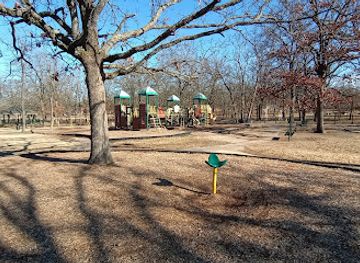
City park
Creekmore Park
A central Fort Smith park offering year-round activities, from train rides to swimming, for family fun and community engagement.
5 min drive · 1.7 km from city centre
-
Tourist attraction
Ben Geren Regional Park
Explore outdoor fun for everyone at Ben Geren Regional Park in Fort Smith: sports, trails, waterpark, golf, and more!
24 min drive · 8.1 km from city centre

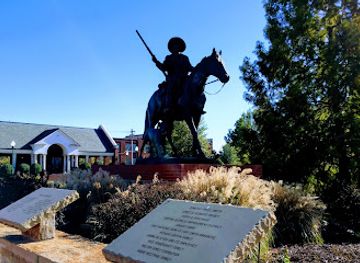
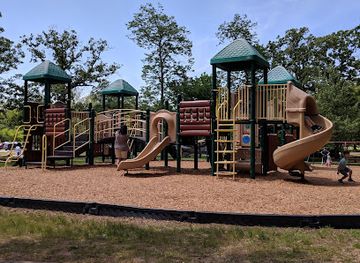
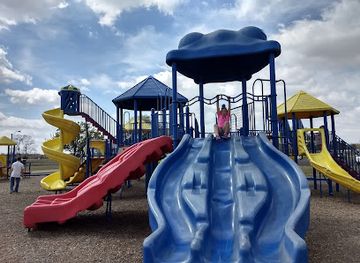
Best landmarks in Fort Smith
The most consequential landmark in Fort Smith is the Fort Smith National Historic Site at Belle Point, where the remains of the first fort mark the military origins of the settlement and the later courthouse complex recalls the federal government’s reach across the frontier. The restored courtroom, jail and gallows are especially powerful architectural and historical symbols of the Judge Isaac Parker era. Miss Laura’s Visitors Center occupies a well-preserved former bordello on North Second Street, representing the commercial and social world that grew around the river port. The Fort Smith Museum of History occupies the former Fort Smith City Hall, an early twentieth-century civic building whose institutional setting reflects the city’s transition from outpost to regional centre. Historic Garrison Avenue supplies the urban streetscape linking these landmarks.
-
Historical place
Fort Smith National Historic Site
Explore frontier justice, military history, and the Trail of Tears at this significant National Historic Site in Fort Smith, Arkansas.
9 min drive · 2.9 km from city centre
-
City park
Creekmore Park
Discover the beauty and tranquility of Creekmore Park in Fort Smith, Arkansas, an urban oasis perfect for relaxation, recreation, and family fun.
5 min drive · 1.7 km from city centre
-
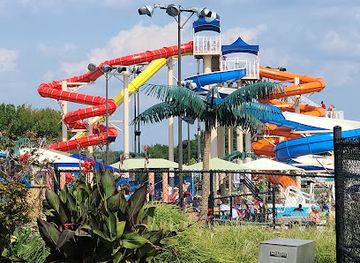
Water park
Parrot Island Waterpark
Dive into tropical fun at Parrot Island Waterpark in Fort Smith: slides, waves, and endless summer excitement for the whole family!
24 min drive · 8.0 km from city centre
-
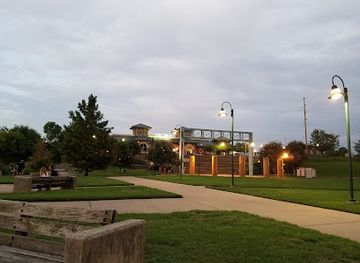
Park
Harry E. Kelley River Park
Experience the beauty and recreational charm of Harry E. Kelley River Park in Fort Smith, Arkansas, a perfect destination for outdoor enthusiasts and families.
9 min drive · 2.9 km from city centre
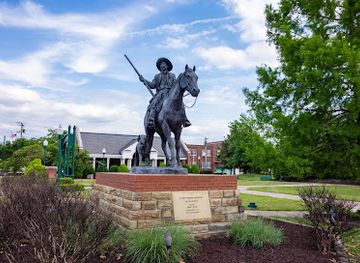
Explore Fort Smith on the map
Plan your Fort Smith trip on one map. See where the top attractions, landmarks, restaurants, bars and hotels are, find what's near where you're staying, and book hotels and experiences in a few clicks.
Best hotels in Fort Smith
Best restaurants in Fort Smith
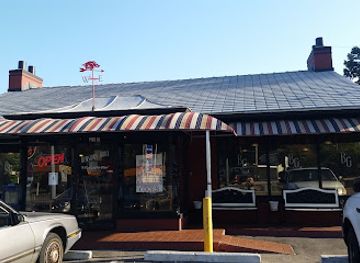
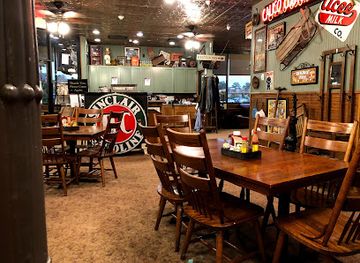
Fort Smith’s dining identity reflects the broader foodways of western Arkansas and the South, with barbecue, fried chicken, burgers, catfish, biscuits, pie and other comfort-food traditions appearing alongside Mexican, Asian and contemporary American cooking. Garrison Avenue and the surrounding downtown contain much of the city’s most convenient concentration of independent restaurants, cafés and bars, while suburban corridors provide a wider range of casual dining. Local produce, baked goods and prepared foods can be found through seasonal markets and community events, although the market scene is more regional than monumental. The city’s position near Oklahoma also gives its food culture a cross-border character, with influences travelling along the Arkansas River Valley. Visitors should look for Arkansas-grown ingredients, Southern-style breakfasts and locally prepared barbecue rather than expecting a single dish to define Fort Smith.
-
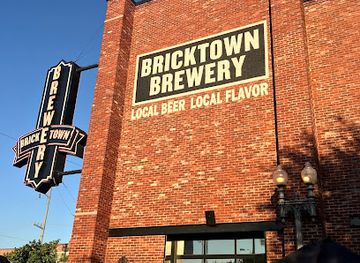
Restaurant
Bricktown Brewery
Discover flavorful American cuisine and craft brews at Bricktown Brewery in Fort Smith, where great food meets vibrant atmosphere.
8 min drive · 2.6 km from city centre
-
American
Benson's Grill
Experience delicious American breakfasts at Benson's Grill in Fort Smith – where comfort food meets friendly service.
15 min walk · 1.2 km from city centre
-
Restaurant
Walk-On's Sports Bistreaux - Ft. Smith
Experience the thrill of sports dining at Walk-On's Sports Bistreaux in Fort Smith – where great food meets unforgettable moments.
17 min drive · 5.5 km from city centre
-
Family-friendly
Calico County
Experience the warmth of Southern hospitality at Calico County - a family-friendly restaurant in Fort Smith offering delicious comfort food.
12 min drive · 3.9 km from city centre

Best bars in Fort Smith
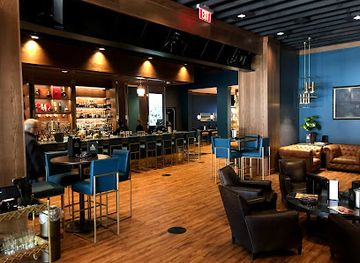
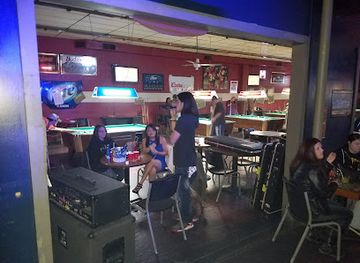
Fort Smith’s evening scene is modest and locally oriented, centred on downtown Garrison Avenue and nearby commercial districts rather than a large club quarter. Bars and taprooms provide places for conversation, regional beer and live music, while some restaurants extend their hours for a more relaxed night out. Local performances, community events and programming at cultural venues can add an evening dimension beyond drinking, with schedules varying through the year. The city’s nightlife is generally more suited to informal gatherings, music and dinner than to late-night spectacle, and activity is more dispersed outside the historic core. Visitors should use arranged transport if drinking and remember that opening times, entertainment calendars and venue availability can change.
-
Bar
906 Cocktail and Cigar Lounge
Discover the perfect blend of craft cocktails and premium cigars at the 906 Cocktail and Cigar Lounge in Fort Smith, Arkansas.
7 min drive · 2.2 km from city centre
-
Grill
Shooter's Bar & Grill
Experience the flavors of America at Shooter's Bar & Grill in Fort Smith, where great food meets a fun atmosphere.
6 min walk · 0.5 km from city centre
-
Bar
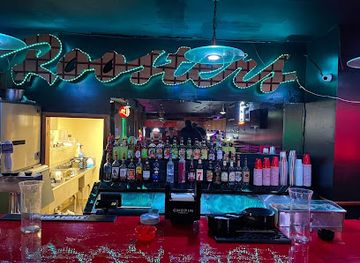
Roosters
Experience the vibrant nightlife at Roosters, Fort Smith's go-to bar and night club for drinks, music, and unforgettable memories.
7 min drive · 2.2 km from city centre
-
Bar
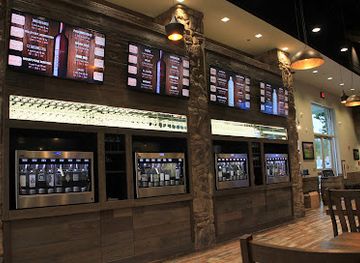
Uncork'd
Discover Uncork'd in Fort Smith, where exquisite dining meets vibrant nightlife, featuring local flavors, live music, and an extensive wine selection.
16 min drive · 5.3 km from city centre
Best nightclubs in Fort Smith
Fort Smith’s evening scene is modest and locally oriented, centred on downtown Garrison Avenue and nearby commercial districts rather than a large club quarter. Bars and taprooms provide places for conversation, regional beer and live music, while some restaurants extend their hours for a more relaxed night out. Local performances, community events and programming at cultural venues can add an evening dimension beyond drinking, with schedules varying through the year. The city’s nightlife is generally more suited to informal gatherings, music and dinner than to late-night spectacle, and activity is more dispersed outside the historic core. Visitors should use arranged transport if drinking and remember that opening times, entertainment calendars and venue availability can change.
-
Night club
Roosters
Experience the vibrant nightlife at Roosters in Fort Smith, Arkansas, where music, dancing, and great drinks create unforgettable memories.
7 min drive · 2.2 km from city centre
-
Bar
Lost Beach
Experience the vibrant nightlife at Lost Beach, Fort Smith's premier bar for drinks and karaoke fun in a tropical-themed ambiance.
20 min drive · 6.7 km from city centre
-
Bar
Club Kinkead's
Discover the lively nightlife at Club Kinkead's in Fort Smith, Arkansas, known for its drag shows and vibrant atmosphere.
6 min drive · 2.1 km from city centre
-
Bar
Foxfire Club
Experience the vibrant nightlife of Fort Smith at Foxfire Club, where great drinks and friendly vibes await every visitor.
5 min drive · 1.8 km from city centre


Best shops in Fort Smith
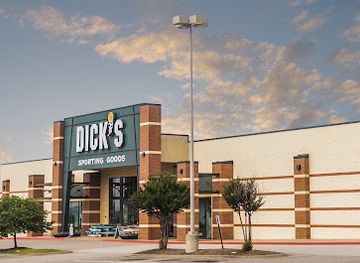
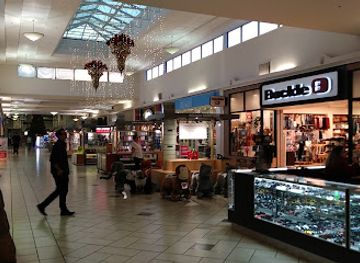
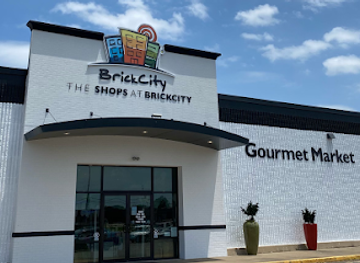
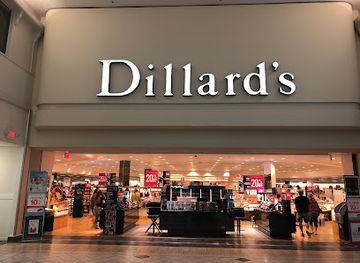
Shopping in Fort Smith combines everyday regional retail with a smaller selection of independent businesses in and around the historic downtown. Garrison Avenue is the most useful area for browsing local shops, gifts, books, antiques and Arkansas-themed products within a heritage streetscape, while broader commercial developments outside the centre contain national retailers and practical services. Seasonal farmers’ markets and community markets may offer local produce, baked goods, preserves and handmade items, though their dates and locations vary. Visitors looking for meaningful souvenirs can consider regional food products, craft work, historical books or items connected with the Arkansas River Valley rather than generic frontier merchandise. The city’s retail character is functional and community-based, with its strongest sense of place found in small businesses and markets rather than a single large shopping district.
-
Shopping mall
Fort Smith Pavilion
Explore Fort Smith Pavilion for an unforgettable shopping experience in Arkansas with diverse stores, delicious dining, and family-friendly fun.
16 min drive · 5.3 km from city centre
-
Shopping mall
Central Mall Fort Smith
Explore the diverse shopping and dining options at Central Mall Fort Smith, a premier destination for tourists in Arkansas.
9 min drive · 3.0 km from city centre
-
Gift shop
The Shops At BrickCity - Fort Smith, AR
Explore The Shops At BrickCity in Fort Smith, AR, for a unique shopping experience filled with boutiques, gourmet groceries, and local crafts.
18 min drive · 5.9 km from city centre
-
Department store
Dillard's
Explore Dillard's in Fort Smith, Arkansas, for an unparalleled shopping experience featuring clothing, cosmetics, home goods, and more.
9 min drive · 3.0 km from city centre
Get your free copy of our complete guide to Fort Smith, delivered straight to you.
Everything on this page, from attractions and restaurants to essentials and local phrases, in one PDF you can read offline, print or share.
Already have an account? Sign in
Your Fort Smith guide is ready.
We'll send it to · Not you? Sign out

Getting your guide ready…
We are putting together a fresh copy of the Fort Smith guide. This can take up to a minute.
This can take a few moments. If your browser asks, choose Allow so the download can start. You'll find the guide in your Downloads folder.
Nothing happened? Download it again
Sorry, the guide is taking longer than usual. Please try again in a minute, or get it by email instead.
Fort Smith essentials
Currency and Payment
Safety
Emergency Situations
Do's and Don'ts
Local Tips
From Eve
Local phrases worth knowing
You don't need to get them perfect. A few words go a long way, and locals appreciate the effort.
Basics
| English | Local | Say it |
|---|---|---|
| Hello | Howdy | [haʊ-di] |
| Goodbye | See ya | [siː jə] |
| Yes | Yep | [jɛp] |
| No | Nah | [nɑː] |
| Please/You're welcome | Please/You're welcome | [pliːz/jʊr ˈwɛlkəm] |
| Thank you | Thank you | [θæŋk juː] |
| Excuse me/Sorry | Excuse me/Sorry | [ɪkˈskjuz mi/ˈsɔri] |
| How are you? | How are you? | [haʊ ɑː juː] |
| Fine. And you? | Fine. And you? | [faɪn. ænd juː] |
| Do you speak English? | Ya speak English? | [jə spiːk ˈɪŋɡlɪʃ] |
| I don't understand | I don't get it | [aɪ doʊnt ˌʌndərˈstænd] |
Eating & Drinking
| English | Local | Say it |
|---|---|---|
| I'd like to see the menu, please | I'd like to see the menu, please | [aɪd laɪk tə siː ðə ˈmɛnjuː pliːz] |
| I don't eat meat | I don't eat meat | [aɪ doʊnt iːt mit] |
| Cheers! | Cheers! | [ʧɪrz] |
| I would like to pay, please | I would like to pay, please | [aɪ wʊd laɪk tu peɪ pliːz] |
Emergencies
| English | Local | Say it |
|---|---|---|
| Help! | Help! | [hɛlp] |
| Go away! | Go away! | [ɡoʊ əˈweɪ] |
| Call the Police! | Call the Police! | [kɔl ðə pəˈlis] |
| Call a doctor! | Call a doctor! | [kɔl ə ˈdɑktər] |
| I'm lost | I'm lost | [aɪm lɔst] |
| I'm ill | I'm ill | [aɪm ɪl] |
Shopping
| English | Local | Say it |
|---|---|---|
| I'd like to buy... | I'd like to buy... | [aɪd laɪk tə baɪ] |
| I'm just looking | I'm just looking | [aɪm ˈdʒʌst ˈlʊkɪŋ] |
| How much is it? | How much is it? | [haʊ ˈmʌtʃ ɪz ɪt] |
| That's too expensive | That's too expensive | [ðæts tuː ɪkˈspɛnsɪv] |
| Can you lower the price? | Can you lower the price? | [kæn juː ˈloʊər ðə praɪs] |
Time & Numbers
| English | Local | Say it |
|---|---|---|
| What time is it? | What time is it? | [wʌt taɪm ɪz ɪt] |
| It's one o'clock | It's one o'clock | [ɪts wʌn əˈklɑk] |
| Half past (10) | Half past (10) | [hæf pæst (ten)] |
| Morning | Morning | [ˈmɔrnɪŋ] |
| Afternoon | Afternoon | [ˌæftərˈnun] |
| Evening | Evening | [ˈivnɪŋ] |
| Yesterday | Yesterday | [ˈjɛstərˌdeɪ] |
| Today | Today | [təˈdeɪ] |
| Tomorrow | Tomorrow | [təˈmɔrˌoʊ] |
| 1 | 1 | [wʌn] |
| 2 | 2 | [tuː] |
| 3 | 3 | [θriː] |
| 4 | 4 | [fɔr] |
| 5 | 5 | [faɪv] |
| 6 | 6 | [sɪks] |
| 7 | 7 | [sɛvən] |
| 8 | 8 | [eɪt] |
| 9 | 9 | [naɪn] |
| 10 | 10 | [tɛn] |
Transport & Directions
| English | Local | Say it |
|---|---|---|
| Where's a/the...? | Where's a/the...? | [wɛrz ə/ðə] |
| What's the address? | What's the address? | [wɑts ðə ˈædrɛs] |
| Can you show me (on the map)? | Can you show me (on the map)? | [kæn juː ʃoʊ mi (ɒn ðə mæp)] |
| When's the next (bus)? | When's the next (bus)? | [wɛnz ðə nɛkst (bʌs)] |
| A ticket (to ....) | A ticket (to ....) | [ə ˈtɪkɪt (tu ....)] |
History of Fort Smith
Indigenous River-Valley Foundations
Long before the United States established Fort Smith, the Arkansas River Valley was inhabited and travelled by Indigenous peoples, including communities associated with the Osage and Caddo, while later Cherokee migration also shaped the wider region. The river served as a corridor for movement, trade and diplomacy between the interior plains and the Arkansas uplands. European and American expansion brought commercial and military interests into this established cultural landscape. Any account of Fort Smith’s origins therefore begins not with the first stockade, but with the Indigenous histories and territorial changes that preceded the town’s creation.
The First Fort Smith
The United States Army established the first Fort Smith in 1817 at Belle Point, a high promontory overlooking the confluence of the Arkansas and Poteau rivers. Its purpose was to help maintain order and monitor relations along a contested frontier after the War of 1812. The original post was abandoned in 1824 as the army shifted westward, but the site remained strategically important. The surviving foundation of the first fort, preserved within the Fort Smith National Historic Site, provides physical evidence of the military outpost from which the later city developed.
The Second Military Post
A second Fort Smith was established in 1838 as the United States expanded its presence in the region. The post became connected with the forced removal of southeastern Indigenous nations, including the Cherokee, whose routes of exile crossed the Arkansas territory during the period remembered as the Trail of Tears. Soldiers also supported federal authority in a region where borders, jurisdiction and settlement were rapidly changing. Although the military role eventually diminished, the second post anchored Fort Smith’s growth and helped make it a centre of transport, commerce and administration.
A Federal Court on the Frontier
Fort Smith gained national notoriety after the federal court for the Western District of Arkansas was relocated there in 1851. Under Judge Isaac Parker, appointed in 1875, the court handled federal crimes across a vast jurisdiction extending into what was then Indian Territory. Parker became known as the ‘Hanging Judge’, although executions were carried out under the legal system of the period rather than by the judge personally. The restored courtroom, jail and gallows at the Fort Smith National Historic Site interpret this era, when law enforcement, jurisdiction and violence were inseparable from westward expansion.
Civil War and Reconstruction
Fort Smith changed hands during the American Civil War and experienced the instability that affected much of the border region. Union forces occupied the city from 1863, and the fort became a base for military operations and refugees. After the war, the federal court resumed its role, while Reconstruction-era changes altered political authority, landholding and relations between communities in Arkansas and Indian Territory. The city’s location made it an important meeting point between the recovering state, the federal government and the territories to the west.
Railroads, Industry and Urban Growth
Late nineteenth- and early twentieth-century Fort Smith expanded beyond its military and judicial origins as rail connections, river commerce, manufacturing and regional trade strengthened its economy. Garrison Avenue developed as a principal commercial street, and civic buildings, warehouses and residential districts reflected the city’s growing population. Fort Smith also became associated with industries such as meat processing, equipment manufacturing and furniture production. These changes transformed a frontier outpost into a substantial Arkansas town, while the older fort and courthouse remained central to its public memory.
Camp Chaffee and Modern Fort Smith
The establishment of Camp Chaffee during the Second World War brought a major military presence to the Fort Smith area and continued the city’s long relationship with the armed forces. The camp, later known as Fort Chaffee, has served successive military and humanitarian purposes, including refugee resettlement. During the later twentieth century, Fort Smith diversified through manufacturing, healthcare, education and regional services. Today, the city preserves its frontier and court history through museums and protected sites while functioning as a commercial and cultural centre for western Arkansas and nearby eastern Oklahoma.
Fort Smith in Photos
Browse through our photo collection highlighting the charm and character of the destination.
Cities near Fort Smith
The closest cities to Fort Smith, if you have time for more than one stop.
-

-

-

-

-


Swipe for more cities
Explore more

Explore more of Arkansas
Explore Arkansas: The Natural State with its stunning landscapes, rich history, and vibrant cultural experiences. Perfect for adventurers and culture seekers alike.
Explore Arkansas