

Free Eureka Springs Travel Guide & Mobile App
Plan your Eureka Springs trip with Evendo. Get free guides to top attractions, restaurants, hotels, and bars. Web access or download the mobile app.


Discover the enchanting allure of Eureka Springs, Arkansas—a hidden gem in the Ozarks, brimming with historic charm, natural beauty, and vibrant arts and culture.
Read more about Eureka Springs
When is the best time to visit Eureka Springs?
Best: April–May, September · 22–27°C| Month | High (°C) | Rainfall (mm) |
|---|---|---|
| January | 9 | 75 |
| February | 11 | 70 |
| March | 17 | 103 |
| April (best) | 22 | 105 |
| May (best) | 26 | 122 |
| June | 30 | 104 |
| July | 33 | 91 |
| August | 32 | 86 |
| September (best) | 27 | 107 |
| October | 22 | 104 |
| November | 16 | 93 |
| December | 9 | 91 |
Getting to and around Eureka Springs
How to get there
Transportation
Best attractions in Eureka Springs
Eureka Springs offers a charming blend of Victorian architecture, unique shops, art galleries, and historic sites nestled in the picturesque Ozark Mountains. Visitors can explore the winding streets lined with boutiques and cafes, take a leisurely stroll through the manicured gardens of Thorncrown Chapel, or marvel at the intricate carvings of the Christ of the Ozarks statue. Thrill-seekers can embark on a ghost tour to uncover the city's haunted past, while nature enthusiasts can hike the trails of nearby Lake Leatherwood Park or kayak on the peaceful waters of Beaver Lake. With its rich history, natural beauty, and vibrant arts scene, Eureka Springs promises a memorable and enchanting getaway for all who visit.
-
City park
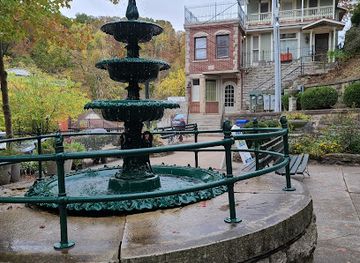
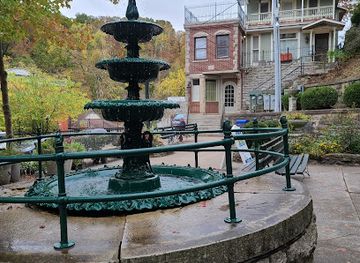
Eureka Springs Downtown
Discover Victorian charm, natural springs, and a vibrant arts scene in the heart of the Ozarks at Eureka Springs Downtown.
15 min walk · 1.2 km from city centre
-
City park
Eureka Springs Downtown
Step back in time in Eureka Springs Downtown, a Victorian-era village offering unique shops, art, history, and natural beauty in the Ozark Mountains.
15 min walk · 1.2 km from city centre
-
Tourist attraction
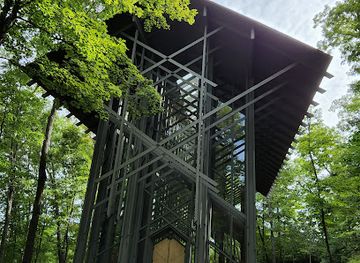
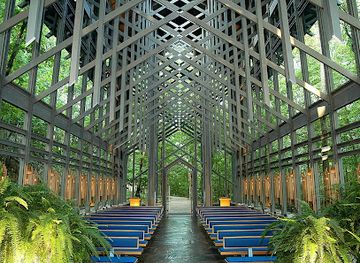
Thorncrown Chapel
Discover the architectural wonder of Thorncrown Chapel, a serene oasis in the Ozark Mountains, perfect for reflection and inspiration.
8 min drive · 2.6 km from city centre
-
Tourist attraction
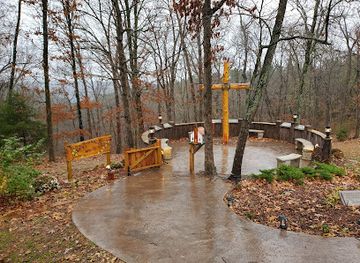
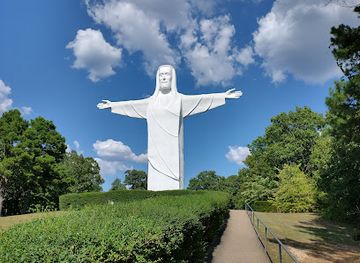
Christ of the Ozarks
Marvel at the colossal Christ of the Ozarks statue in Eureka Springs, a symbol of faith and a breathtaking architectural wonder.
5 min drive · 1.8 km from city centre

Best landmarks in Eureka Springs
Eureka Springs offers visitors a unique blend of Victorian architecture, natural beauty, and quirky charm. From the iconic Thorncrown Chapel nestled in the Ozark Mountains to the historic Crescent Hotel perched atop West Mountain, visitors can explore a variety of landmarks that showcase the city's rich history and picturesque surroundings. Don't miss the winding streets lined with colorful shops and art galleries, the stunning views from the Crescent Moon Viewpoint, and the fascinating Eureka Springs Historical Museum. Whether you're interested in architecture, nature, or history, Eureka Springs has something for everyone to discover and enjoy.
-
Hotel
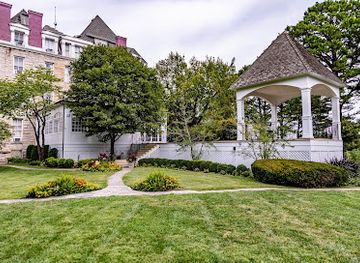
Crescent Hotel and Spa
Experience Victorian elegance, spa relaxation, and ghostly tales at Eureka Springs' historic 1886 Crescent Hotel & Spa.
9 min walk · 0.7 km from city centre
-
City park
Eureka Springs Downtown
Discover the artistic charm and historical allure of Eureka Springs Downtown, where unique shops and stunning architecture await every traveler.
15 min walk · 1.2 km from city centre
-
Church
Thorncrown Chapel
Discover Thorncrown Chapel, an architectural masterpiece nestled in the Ozark woods, offering a serene sanctuary of glass and light near Eureka Springs, AR.
8 min drive · 2.6 km from city centre
-
Performing arts theater
The Great Passion Play
Discover the profound narrative of the Great Passion Play in Eureka Springs, where faith and artistry unite in an unforgettable outdoor theater experience.
7 min drive · 2.2 km from city centre
Explore Eureka Springs on the map
Plan your Eureka Springs trip on one map. See where the top attractions, landmarks, restaurants, bars and hotels are, find what's near where you're staying, and book hotels and experiences in a few clicks.
Best hotels in Eureka Springs
Best restaurants in Eureka Springs
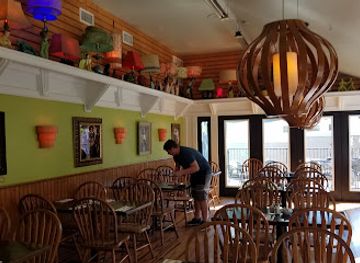
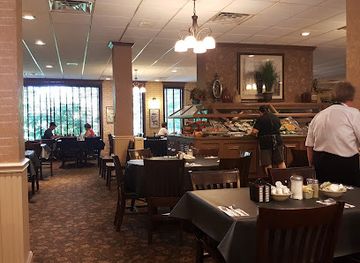
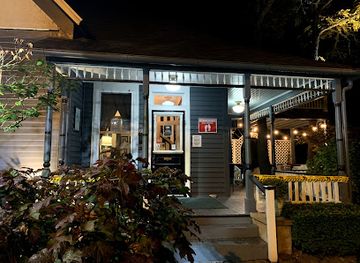
Eureka Springs boasts a diverse and vibrant dining scene that caters to every palate and preference. From cozy cafes and charming bistros to upscale restaurants and quirky food trucks, visitors can expect to indulge in a wide array of culinary delights. The city is known for its farm-to-table approach, with many establishments sourcing fresh, local ingredients to create mouthwatering dishes. Whether you're craving Southern comfort food, international cuisine, or gourmet fare, Eureka Springs has something for everyone. And with its picturesque surroundings and welcoming atmosphere, dining in this historic city is not just a meal, but a memorable experience.
-
American
The Rockin' Pig
Discover The Rockin' Pig in Eureka Springs: where delicious American cuisine meets live music in a vibrant atmosphere.
8 min drive · 2.6 km from city centre
-
Restaurant
Local Flavor Cafe
Discover culinary delights at Local Flavor Cafe in Eureka Springs - where fresh ingredients meet innovative New American cuisine.
15 min walk · 1.2 km from city centre
-
Family-friendly
Myrtie Mae's
Discover delicious home-cooked meals in a warm, family-friendly atmosphere at Myrtie Mae's in Eureka Springs.
17 min walk · 1.4 km from city centre
-
Italian
Ermilio's Italian Home Cooking
Discover the heart of Italy at Ermilio's Italian Home Cooking, where authentic flavors meet warm hospitality in Eureka Springs.
8 min walk · 0.7 km from city centre
Best bars in Eureka Springs
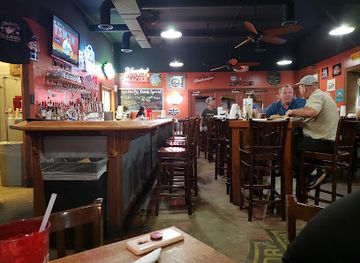
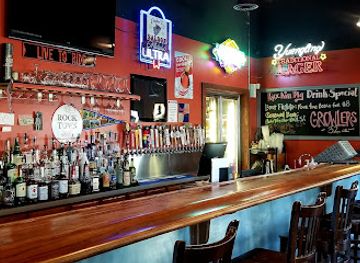
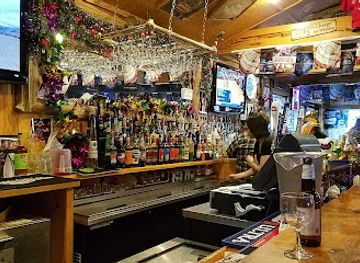
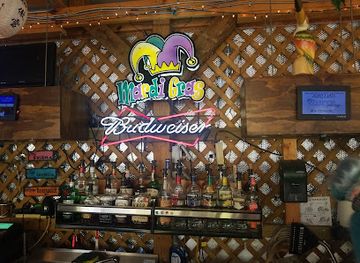
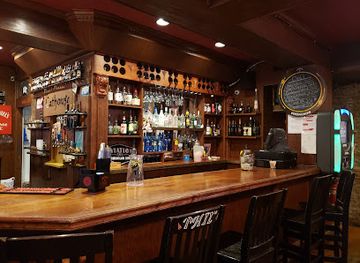
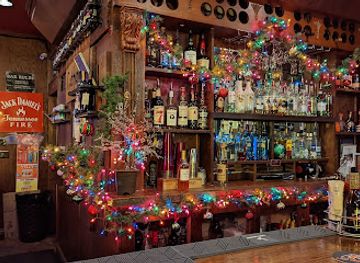
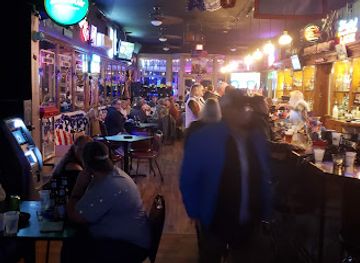
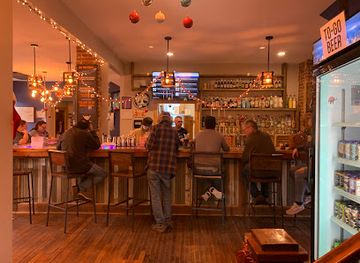
When the sun sets in Eureka Springs, the city comes alive with a vibrant nightlife scene that caters to all tastes. From cozy pubs and laid-back bars to lively nightclubs, there is something for everyone to enjoy. Live music can be heard pouring out of various venues, showcasing local talent and creating a lively atmosphere. Visitors can mingle with locals and fellow travelers, sipping on craft cocktails or local brews, and immerse themselves in the eclectic and welcoming community that Eureka Springs has to offer. Whether you're looking for a relaxing evening with a scenic view or a night of dancing and entertainment, Eureka Springs has it all.
-
American
The Rockin' Pig
Experience the best of American cuisine at The Rockin' Pig in Eureka Springs, where great food meets lively entertainment and southern hospitality.
8 min drive · 2.6 km from city centre
-
Bar
Rowdy Beaver Restaurant & Tavern
Experience the vibrant dining and lively atmosphere at Rowdy Beaver Restaurant & Tavern in Eureka Springs, where delicious American cuisine meets local charm.
13 min walk · 1.1 km from city centre
-
Bar
Eureka Live
Experience the vibrant nightlife at Eureka Live, a premier bar in Eureka Springs offering cocktails, dance, karaoke, and unforgettable live entertainment.
15 min walk · 1.2 km from city centre
-
Pub
Pied Piper Pub & Inn and The Cat House Lounge
Experience the vibrant atmosphere of Pied Piper Pub & Inn and The Cat House Lounge in Eureka Springs - a perfect blend of delicious food, drinks, and local culture.
16 min walk · 1.3 km from city centre
Best nightclubs in Eureka Springs
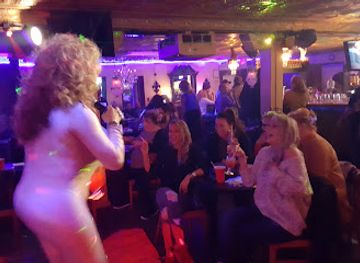
When the sun sets in Eureka Springs, the city comes alive with a vibrant nightlife scene that caters to all tastes. From cozy pubs and laid-back bars to lively nightclubs, there is something for everyone to enjoy. Live music can be heard pouring out of various venues, showcasing local talent and creating a lively atmosphere. Visitors can mingle with locals and fellow travelers, sipping on craft cocktails or local brews, and immerse themselves in the eclectic and welcoming community that Eureka Springs has to offer. Whether you're looking for a relaxing evening with a scenic view or a night of dancing and entertainment, Eureka Springs has it all.
-
Night club
Eureka Live
Discover the vibrant nightlife at Eureka Live, where cocktails, karaoke, and dance create unforgettable memories in Eureka Springs.
15 min walk · 1.2 km from city centre
-
Pub
Pied Piper Pub & Inn and The Cat House Lounge
Discover the perfect mix of culinary delights and vibrant nightlife at Pied Piper Pub & Inn and The Cat House Lounge in Eureka Springs.
16 min walk · 1.3 km from city centre
-
Grill
Legends Saloon
Discover Legends Saloon in Eureka Springs, where delicious grill flavors meet vibrant nightlife in a charming local atmosphere.
6 min drive · 1.9 km from city centre
-
Bar
Gravel Bar at Wanderoo Lodge
Discover the lively atmosphere of Gravel Bar at Wanderoo Lodge, where great food, drinks, and live music come together in Eureka Springs.
15 min walk · 1.2 km from city centre
Best shops in Eureka Springs
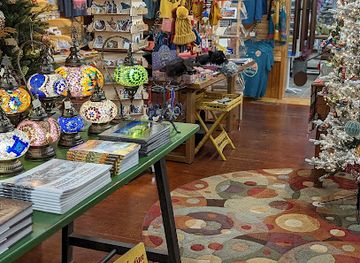
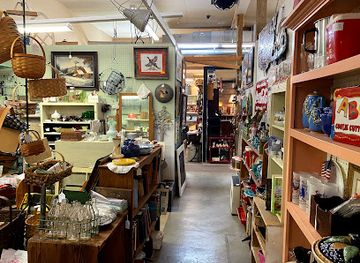
Eureka Springs offers a unique and eclectic shopping scene that is sure to delight visitors. From charming boutiques and art galleries to antique shops and souvenir stores, there is something for everyone. The historic downtown area is filled with quaint shops housed in Victorian buildings, creating a picturesque setting for a leisurely shopping day. Visitors can expect to find one-of-a-kind items, local artisan crafts, and vintage treasures, making it a shopping experience unlike any other. Don't miss the chance to explore the shops along winding streets and hidden alleyways, where you never know what hidden gem you might discover.
-
Gift shop
Razorback Gift Shops
Explore Razorback Gift Shops in Eureka Springs for unique souvenirs and local crafts that embody the spirit of Arkansas.
5 min drive · 1.6 km from city centre
-
Gift shop
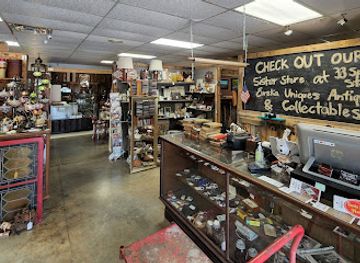
Eureka Uniques Antiques & Collectables
Explore Eureka Uniques Antiques & Collectables for rare antiques and unique gifts in the heart of Eureka Springs, AR, a treasure trove for collectors and tourists.
7 min drive · 2.5 km from city centre
-
Antique store
The Barn Shoppes at the Old Sale Barn
Explore unique antiques and vintage treasures at The Barn Shoppes in Eureka Springs, a haven for collectors and history enthusiasts.
9 min drive · 2.9 km from city centre
-
Gift shop
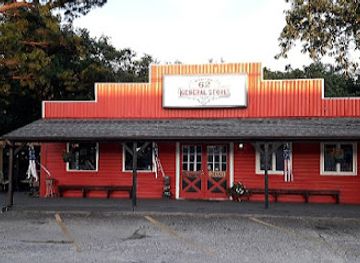
Route 62 General Store
Explore Route 62 General Store in Eureka Springs for unique gifts, delicious sandwiches, and a taste of local charm.
7 min drive · 2.5 km from city centre
Get your free copy of our complete guide to Eureka Springs, delivered straight to you.
Everything on this page, from attractions and restaurants to essentials and local phrases, in one PDF you can read offline, print or share.
Already have an account? Sign in
Your Eureka Springs guide is ready.
We'll send it to · Not you? Sign out

Getting your guide ready…
We are putting together a fresh copy of the Eureka Springs guide. This can take up to a minute.
This can take a few moments. If your browser asks, choose Allow so the download can start. You'll find the guide in your Downloads folder.
Nothing happened? Download it again
Sorry, the guide is taking longer than usual. Please try again in a minute, or get it by email instead.
Eureka Springs essentials
Currency and Payment
Safety
Emergency Situations
Do's and Don'ts
Local Tips
From Eve
Local phrases worth knowing
You don't need to get them perfect. A few words go a long way, and locals appreciate the effort.
Basics
| English | Local | Say it |
|---|---|---|
| Hello | Howdy | [hahw-dee] |
| Goodbye | See ya later | [see yuh lay-ter] |
| Yes | Yep | [yep] |
| No | Nah | [nah] |
| Please/You're welcome | Please/Thank ya kindly | [pleez/thank yuh kine-ly] |
| Thank you | Much obliged | [muhch uh-blahy-jed] |
| Excuse me/Sorry | Pardon me/My bad | [pahr-dn me/my bad] |
| How are you? | How y'all doin'? | [how y'all doin'] |
| Fine. And you? | Just dandy. How 'bout y'all? | [just dan-dee. how bout y'all] |
| Do you speak English? | Ya speak English? | [ya speak ing-glish] |
| I don't understand | I ain't catchin' what ya sayin' | [I aint ketch-in what ya say-in'] |
Eating & Drinking
| English | Local | Say it |
|---|---|---|
| I'd like to see the menu, please | Can I take a gander at the menu, please | [kan eye take uh gan-der at the menu, please] |
| I don't eat meat | I don't do meat | [I don't do meat] |
| Cheers! | Bottoms up! | [bot-uhmz up] |
| I would like to pay, please | I reckon I'll settle up now, please | [I rek-in I'll set-ul up now, please] |
Emergencies
| English | Local | Say it |
|---|---|---|
| Help! | I need a hand! | [I need uh hand] |
| Go away! | Git! | [git] |
| Call the Police! | Ring up the Sheriff! | [ring up the Sheriff] |
| Call a doctor! | Fetch a sawbones! | [fetch a saw-bones] |
| I'm lost | I'm turned around | [I'm turned uh-round] |
| I'm ill | I ain't feelin' so hot | [I ain't feelin' so hot] |
Shopping
| English | Local | Say it |
|---|---|---|
| I'd like to buy... | I reckon I'll take... | [I rek-in I'll take] |
| I'm just looking | Just browsin' | [just brow-sin'] |
| How much is it? | How much fer that? | [how much fur that] |
| That's too expensive | That's a bit steep | [that's uh bit steep] |
| Can you lower the price? | Can ya do any better on the price? | [can ya do any bet-ter on the price] |
Time & Numbers
| English | Local | Say it |
|---|---|---|
| What time is it? | What's the hour? | [what's the hour] |
| It's one o'clock | It's one in the mornin' | [It's one in the mornin'] |
| Half past (10) | Ten-thirty | [ten-thur-tee] |
| Morning | Mornin' | [mornin'] |
| Afternoon | Afternoon | [afternoon] |
| Evening | Evenin' | [evenin'] |
| Yesterday | Yest'day | [yest'day] |
| Today | Today | [today] |
| Tomorrow | Tomorrah | [tom-or-rah] |
| 1 | One | [wun] |
| 2 | Two | [too] |
| 3 | Three | [three] |
| 4 | Four | [fawr] |
| 5 | Five | [fahyv] |
| 6 | Six | [siks] |
| 7 | Seven | [sev-uhn] |
| 8 | Eight | [ayt] |
| 9 | Nine | [nyne] |
| 10 | Ten | [ten] |
Transport & Directions
| English | Local | Say it |
|---|---|---|
| Where's a/the...? | Where's the... | [where's the] |
| What's the address? | Where's it at? | [where's it at] |
| Can you show me (on the map)? | Can ya point me in the right direction? | [can ya point me in the right direction] |
| When's the next (bus)? | When's the next bus comin'? | [when's the next bus comin'] |
| A ticket (to ....) | A pass (to ...) | [uh pass (to ...)] |
History of Eureka Springs
The Healing Waters of Eureka Springs
Eureka Springs was founded in the late 19th century, primarily due to its natural springs, which were believed to have healing properties. In 1879, Dr. Alvah Jackson promoted the spring water as a cure-all, attracting health seekers from across the nation. Word of the 'healing waters' spread rapidly, leading to a population boom and the establishment of Eureka Springs as a health resort town.
The Arrival of the Railroad
In 1882, the arrival of the Eureka Springs Railway marked a significant milestone in the town's history. The railway made it easier for tourists to visit the area, further boosting its popularity as a resort destination. The Missouri and North Arkansas Railroad eventually connected Eureka Springs to larger cities, facilitating economic growth and increased tourism.
Victorian Architecture and Historic District
Eureka Springs is renowned for its well-preserved Victorian architecture. The town's rapid growth in the late 19th century led to the construction of numerous grand Victorian homes, hotels, and commercial buildings. Today, the entire downtown area is listed on the National Register of Historic Places, offering visitors a glimpse into the architectural styles and urban planning of the era.
The Crescent Hotel
Opened in 1886, the Crescent Hotel quickly became one of Eureka Springs' most iconic landmarks. Originally built as a luxury resort for wealthy visitors, the hotel has a storied history, including a period during which it served as a college for young women and later as a hospital under the infamous 'Cancer Doctor' Norman Baker. The Crescent Hotel is also known for its ghost stories and paranormal activity, making it a popular attraction for thrill-seekers.
The Great Depression and Decline
Like many American towns, Eureka Springs was significantly affected by the Great Depression. Tourism declined, and many businesses closed their doors. However, the town's resilience shone through as locals worked to preserve its historical charm and natural beauty, laying the groundwork for future revitalization.
Cultural Renaissance and Tourism Revival
In the mid-20th century, Eureka Springs experienced a cultural renaissance. Artists, musicians, and entrepreneurs were drawn to the town's unique atmosphere, contributing to a revival in tourism. Events such as the Ozark Folk Festival, which began in 1948, helped to celebrate and preserve the region's cultural heritage, attracting visitors and boosting the local economy.
Thorncrown Chapel
Completed in 1980, Thorncrown Chapel is one of Eureka Springs' most celebrated architectural achievements. Designed by E. Fay Jones, a student of Frank Lloyd Wright, the chapel is renowned for its stunning design that harmonizes with its natural surroundings. Thorncrown Chapel has received numerous architectural awards and continues to be a popular site for visitors seeking both spiritual and aesthetic experiences.
Eureka Springs in Photos
Browse through our photo collection highlighting the charm and character of the destination.
Cities near Eureka Springs
The closest cities to Eureka Springs, if you have time for more than one stop.
-

-

-

-

-


Swipe for more cities
Explore more

Explore more of Arkansas
Explore Arkansas: The Natural State with its stunning landscapes, rich history, and vibrant cultural experiences. Perfect for adventurers and culture seekers alike.
Explore Arkansas