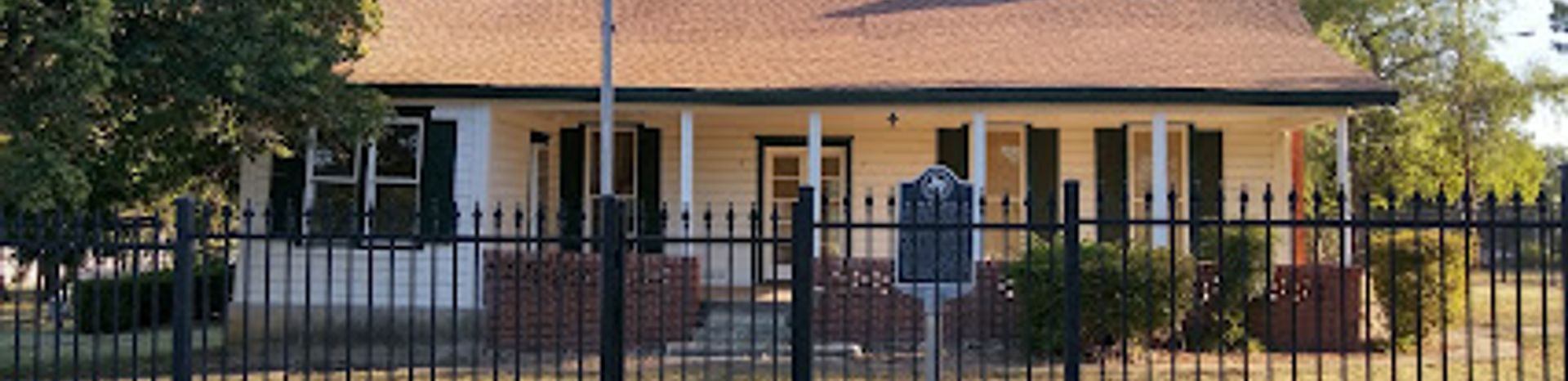
Jordan-Bowles House: A Glimpse into Grand Prairie's Past
Step back in time at the Jordan-Bowles House, a preserved landmark of Grand Prairie's pioneer history.
The Jordan-Bowles House, built around 1860, stands as a testament to Grand Prairie's early settlers. Constructed by David Jordan, it served as a home, store, and stage stand, witnessing Indian raids and even suspected outlaw activity. Today, it's a preserved piece of history open to the public.
A brief summary to Jordan-Bowles House - Texas State Historical Marker
- 705 NE 28th St, Grand Prairie, Texas, 75050, US
- +1972-237-8000
- Visit website
Local tips
- Visit during daylight hours to fully appreciate the historical marker and the exterior of the house.
- Check for local events at Bowles Park, where the house is located, to combine your visit with other activities.
- Consider visiting the nearby Grand Prairie Historical Museum for a broader understanding of the city's history.

Getting There
-
Walking
From anywhere in Bowles Park, the Jordan-Bowles House is easily accessible by foot. Follow the paved paths leading to the top of the hill within the park. The house is located near the center of the park at 705 NE 28th St.
-
Public Transport
The nearest public transportation stop is along NE 28th St. From the bus stop, walk west along NE 28th St until you reach Bowles Park. Enter the park and follow the path to the Jordan-Bowles House. A single fare on Grand Prairie public transport is typically around $2.
-
Driving
From major roads like TX-161 or I-30, navigate to NE 28th St in Grand Prairie. Turn onto NE 28th St and look for Bowles Park. Parking is available within the park, a short walk from the Jordan-Bowles House. Parking is free. Be mindful of local traffic regulations.
Discover more about Jordan-Bowles House - Texas State Historical Marker
Iconic landmarks you can’t miss

Jordan-Bowles House - Texas State Historical Marker
0.0 km
Step back in time at the Jordan-Bowles House, a preserved landmark of Grand Prairie's pioneer history.
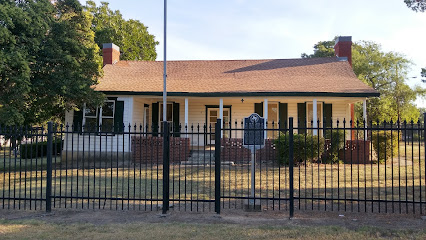
Hensley Field - Texas State Historical Marker
1.3 km
Explore the historical depths of Hensley Field in Texas, a significant landmark celebrating aviation history and scenic beauty.
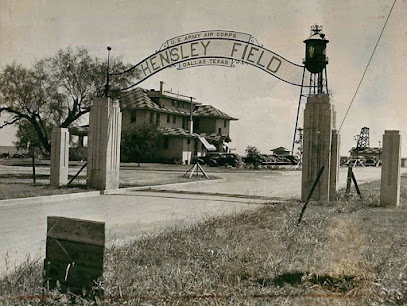
Avion Village - Texas State Historical Marker
3.7 km
Discover the rich heritage of Texas at Avion Village, a historical landmark in Grand Prairie showcasing the stories of aviation and local history.
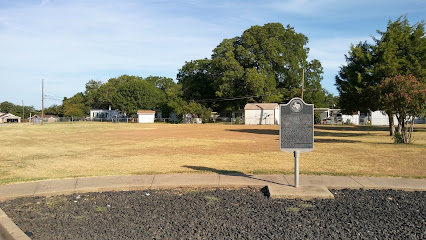
Historic Downtown Grand Prairie
3.9 km
Discover Historic Downtown Grand Prairie, where Texas history meets modern charm in a vibrant community filled with unique shops and local flavors.
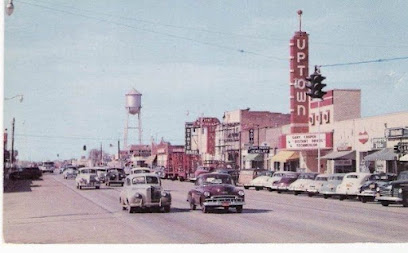
Dr. H. V. Copeland Home - Texas State Historical Marker
4.2 km
Explore the Dr. H. V. Copeland Home, a historic landmark in Grand Prairie, Texas, showcasing architectural beauty and rich local history.
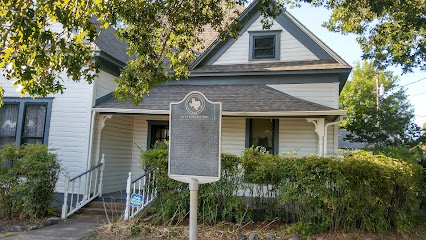
Old Southland Cemetery - Texas State Historical Marker
5.1 km
Explore the tranquil beauty and historical depth of Old Southland Cemetery, a significant landmark in Grand Prairie, Texas, where history comes alive.
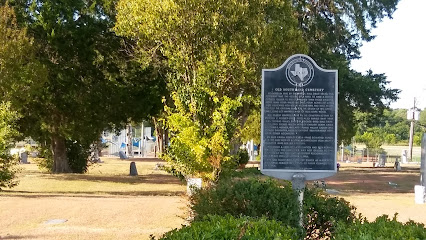
Grand Prairie Airfield - Texas State Historical Marker
5.5 km
Explore the Grand Prairie Airfield, a Texas State Historical Marker showcasing the rich legacy of aviation history and its charm in Grand Prairie.
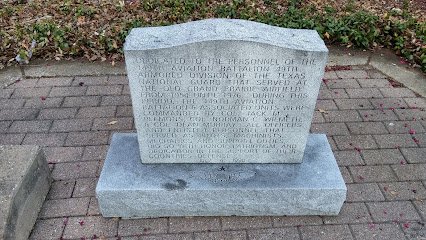
Eagle Ford Community - Texas State Historical Marker
5.6 km
Explore the Eagle Ford Community Historical Marker in Dallas, Texas, a significant tribute to the rich heritage and culture of the local community.
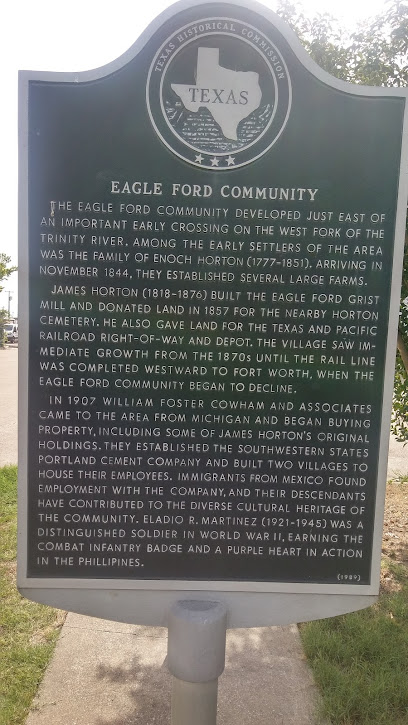
Wild Wild West Backpackers Hostel
5.8 km
Discover the unique atmosphere of Wild Wild West Backpackers Hostel in Irving, Texas, where adventure and comfort meet for every traveler.
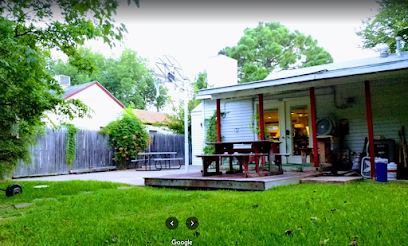
Jefferson Street Bed and Breakfast Inn
6.0 km
Discover the charm of Jefferson Street Bed and Breakfast Inn in Irving, Texas, offering uniquely styled rooms and a warm, welcoming atmosphere.

Grand Prairie Historical Museum
6.0 km
Explore the Grand Prairie Historical Museum: A Journey Through Time Showcasing Local Heritage and Community History in Texas.
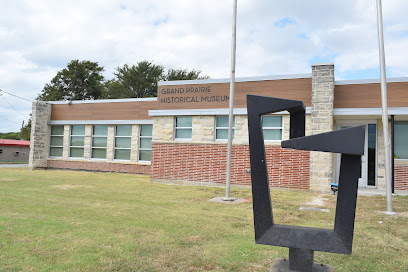
Irving First Baptist Church - Texas State Historical Marker
6.1 km
Explore the rich history and architectural beauty of Irving First Baptist Church, a cherished Texas landmark in the heart of Irving.
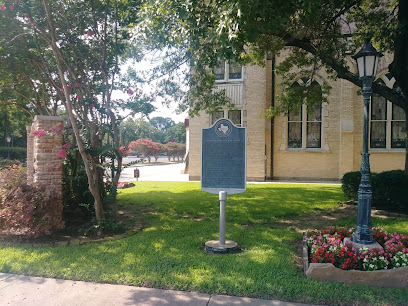
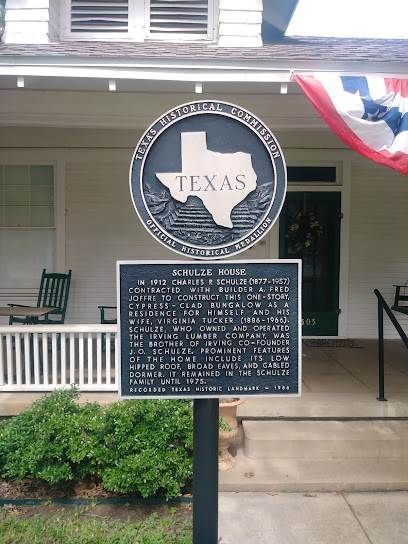
Schultze House - Texas State Historical Marker
6.2 km
Discover the rich history of Irving, Texas at the iconic Schultze House, a cherished historical landmark showcasing Texas heritage.
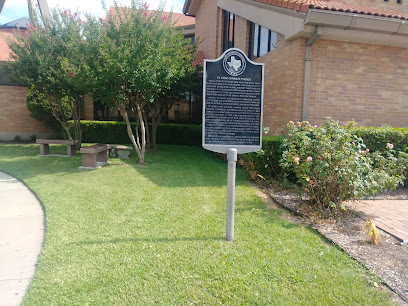
St. Lukes Catholic Church - Texas State Historical Marker
6.2 km
Discover the historical significance and architectural beauty of St. Luke's Catholic Church in Irving, Texas, a landmark that enriches the local cultural heritage.
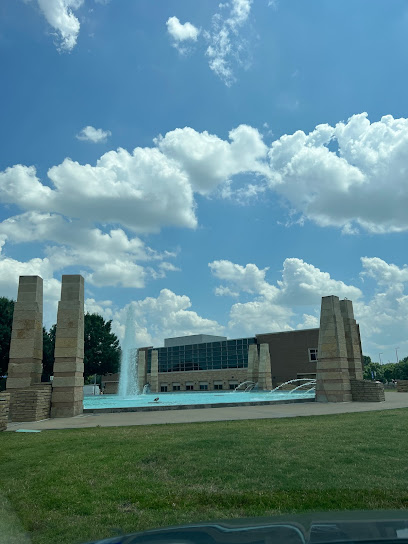
Millennium Park
6.3 km
Discover the natural beauty and recreational charm of Millennium Park in Irving, Texas—perfect for families and nature lovers alike.
Unmissable attractions to see

Fritz Park
4.9 km
Discover the tranquility of Fritz Park in Irving, Texas – a picturesque retreat with beautiful landscapes, a serene pond, and family-friendly amenities.
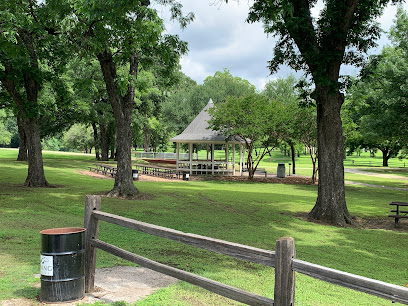
Irving Heritage House
6.2 km
Explore the rich history of Irving, Texas at the Irving Heritage House, a charming museum showcasing local heritage and stunning gardens.
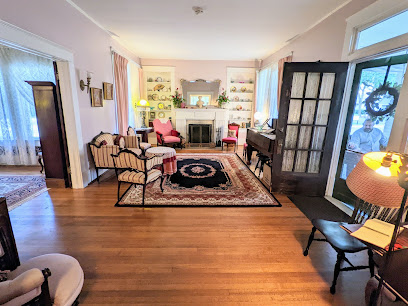
Centennial Park
6.2 km
Discover Centennial Park in Irving, Texas, a lush city park perfect for relaxation, recreation, and family fun amidst scenic beauty.
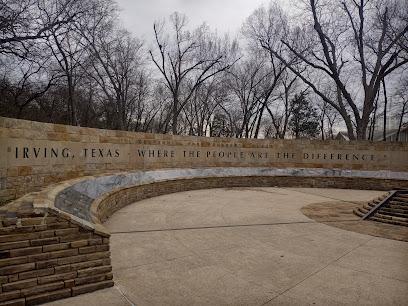
Heritage Park
6.3 km
Explore Heritage Park in Irving, Texas, a scenic retreat filled with nature, historical exhibits, and engaging community events for all ages.
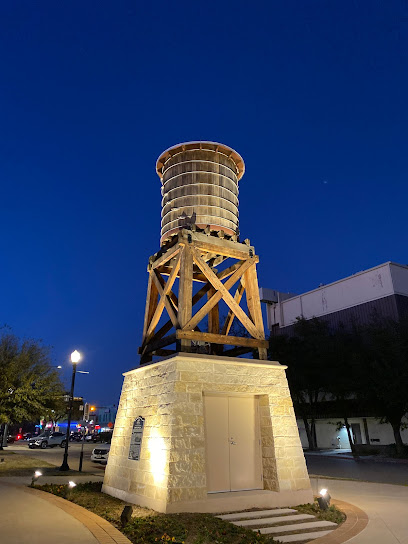
Ruth Paine House Museum
6.4 km
Discover the Ruth Paine House Museum in Irving, Texas, and delve into the historical events surrounding JFK's assassination in a unique and informative experience.
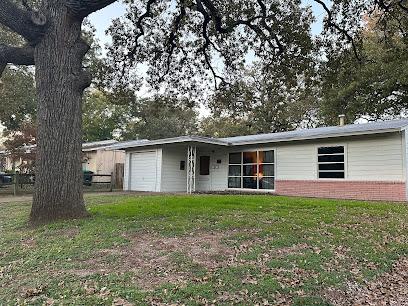
Irving Archives and Museum
6.4 km
Explore the captivating history of Irving, Texas at the Irving Archives and Museum, a must-visit destination for history enthusiasts and curious travelers.
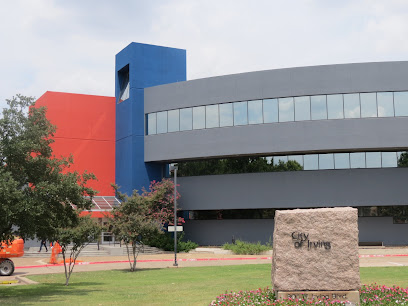
Jackie Townsell Bear Creek Heritage Museum
7.6 km
Uncover the stories of Irving's past at Jackie Townsell Bear Creek Heritage Museum, a captivating heritage museum showcasing local history.
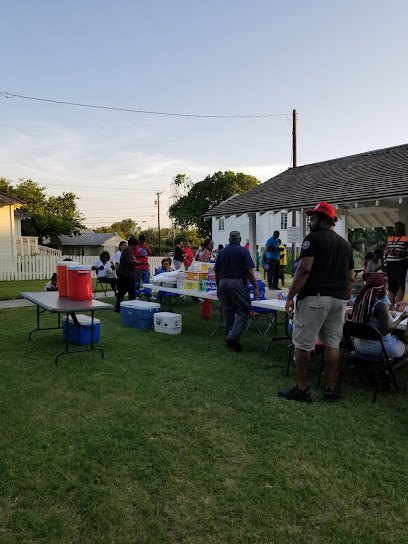
Mural by Brooklynd Turner
8.2 km
Discover the vibrant Mural by Brooklynd Turner in Irving, Texas, where art meets community and creativity flourishes.
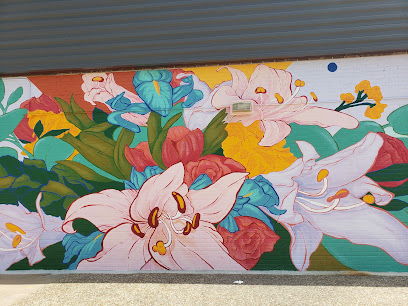
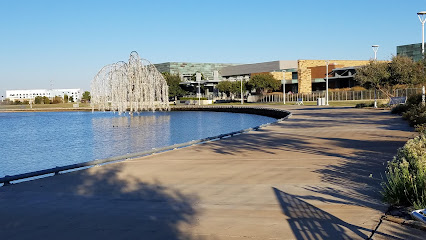
EpicCentral
8.4 km
Discover EpicCentral in Grand Prairie, Texas, where shopping meets adventure with parks, hiking trails, and water fun for everyone.
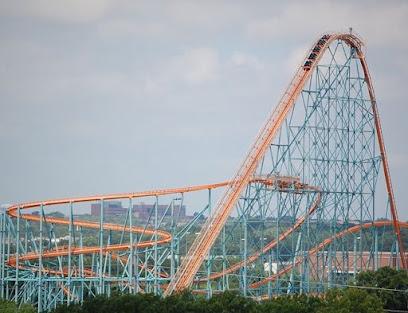
Six Flags Over Texas
10.2 km
Explore the thrills of Six Flags Over Texas, where adventure meets excitement with world-class coasters, water rides, and unforgettable entertainment.
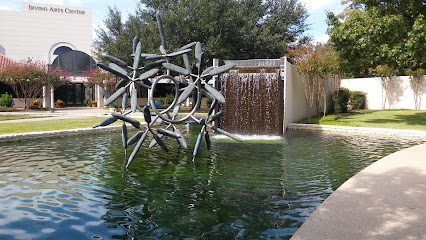
Irving Arts Center
10.4 km
Explore the vibrant Irving Arts Center, a cultural haven for art lovers featuring galleries, theaters, and exciting community events in Texas.
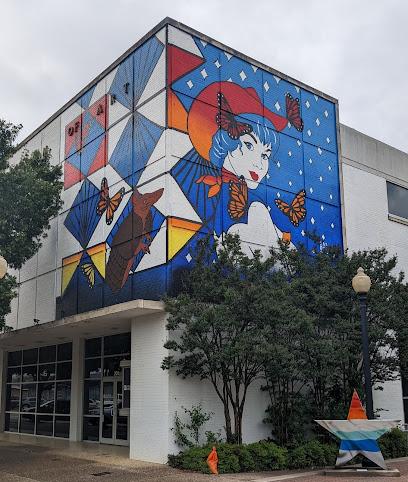
Arlington Museum of Art
11.1 km
Discover the vibrant art scene at the Arlington Museum of Art, showcasing diverse exhibitions and engaging programs in the heart of Texas.
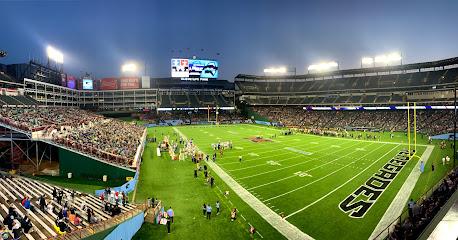
Choctaw Stadium
11.2 km
Discover the excitement of Choctaw Stadium in Arlington, Texas – a premier venue for sports and entertainment that promises unforgettable experiences.
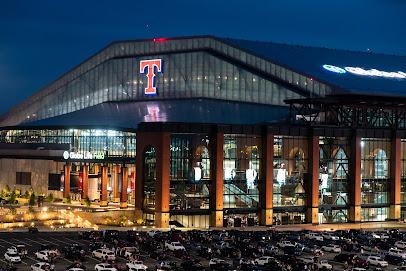
Globe Life Field
11.3 km
Discover the excitement of Globe Life Field, home to the Texas Rangers, where sports, entertainment, and community come together in Arlington, Texas.
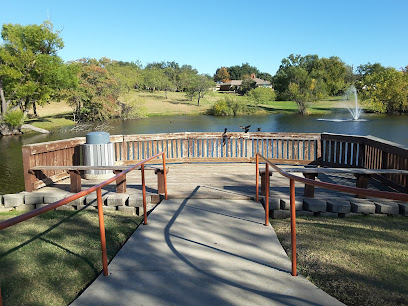
Victoria Park
11.4 km
Experience the beauty and tranquility of Victoria Park in Irving, Texas—a perfect urban escape for families and nature lovers alike.
Essential places to dine

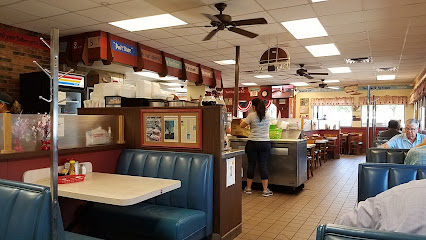
Mama's Daughters' Diner
4.9 km
Experience delightful breakfasts at Mama's Daughters' Diner in Irving, Texas - where comfort food meets warm hospitality.
Spices Of India Kitchen - Restaurant & Catering
5.5 km
Explore authentic Indian flavors at Spices Of India Kitchen in Irving - where every dish tells a story.
Villa's Grill Brazilian Steakhouse
6.4 km
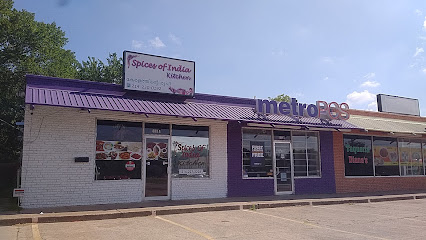
Experience authentic Brazilian cuisine at Villa's Grill Brazilian Steakhouse in Irving – where every meal is a celebration of flavor.
Di Rosani's
6.5 km
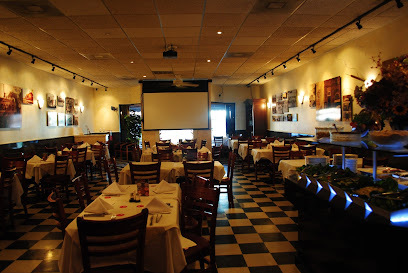
Discover authentic Italian flavors at Di Rosani's in Irving – where every meal is a celebration of Italy's culinary traditions.
Rancho Restaurant
6.5 km
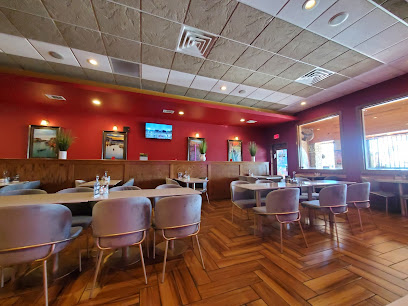
Savor authentic Mexican cuisine at Rancho Restaurant in Irving - where every dish tells a story.
Catfish House
6.7 km
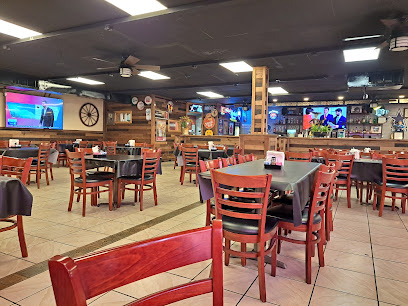
Discover the rich flavors of seafood at Catfish House in Irving, Texas—a culinary gem perfect for families and seafood aficionados alike.
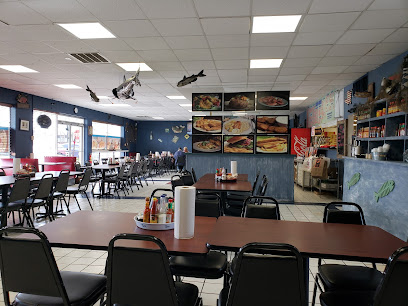
Sagreros Mexican Restaurant
6.7 km
Discover authentic Mexican cuisine at Sagreros Mexican Restaurant in Irving - tacos, seafood, Tex-Mex delights await you!
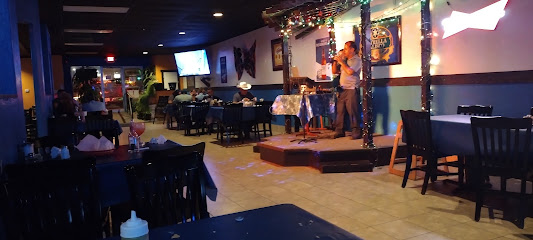
Mi Canton Latino Restaurant Irving
6.7 km
Experience authentic Salvadoran cuisine at Mi Canton Latino Restaurant in Irving - where every dish tells a story.
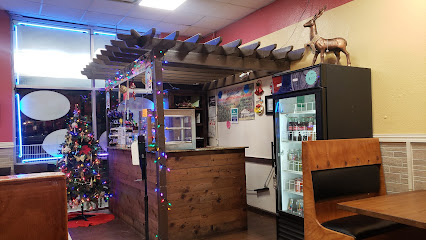
CAFE Y TEQUILA Mexican Restaurant in Irving TX
6.8 km
Experience vibrant Mexican cuisine at Cafe Y Tequila in Irving TX—your destination for breakfast, lunch, and dinner!
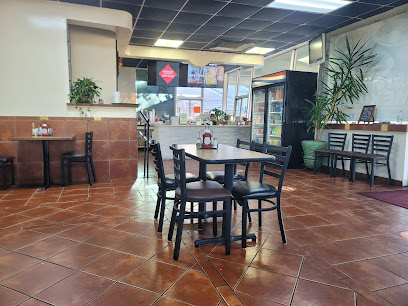
Waffle House
7.0 km
Experience classic American dining at Waffle House in Irving: 24/7 delicious breakfasts and comforting meals served in a cozy atmosphere.
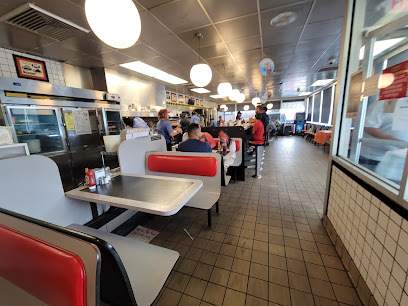
Angelo's Spaghetti & Pizza House - Irving
7.2 km
Experience authentic Italian cuisine at Angelo's Spaghetti & Pizza House in Irving - where every meal feels like a trip to Italy.
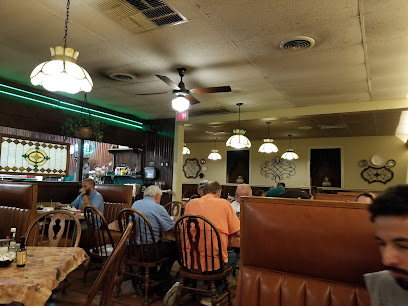
Lirios Restaurant
7.2 km
Experience authentic Salvadoran flavors at Lirios Restaurant in Irving - where culinary tradition meets warm hospitality.
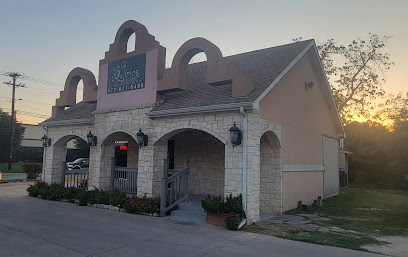
Arturo's Mexican Restaurant
7.4 km
Discover authentic Mexican flavors and Tex-Mex delights at Arturo's Mexican Restaurant in Irving - a must-visit culinary destination.
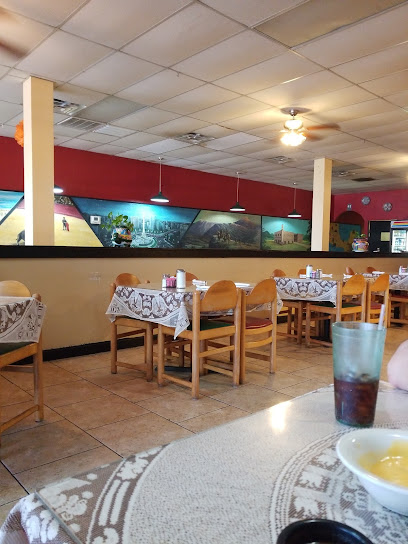
Country Cafe
8.9 km
Discover comfort food at Country Cafe - where hearty breakfasts meet Southern charm in Irving, Texas.
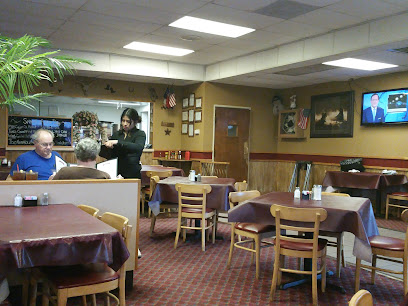
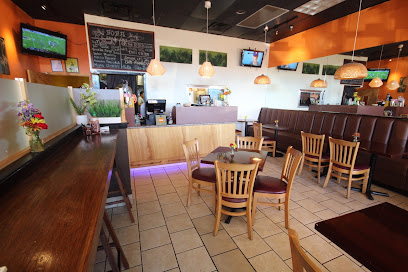
Foo's Asian Grill & Bubble Tea
9.1 km
Experience the best of Asian cuisine at Foo's Asian Grill & Bubble Tea in Irving—delicious dishes and refreshing bubble teas await!
Markets, malls and hidden boutiques

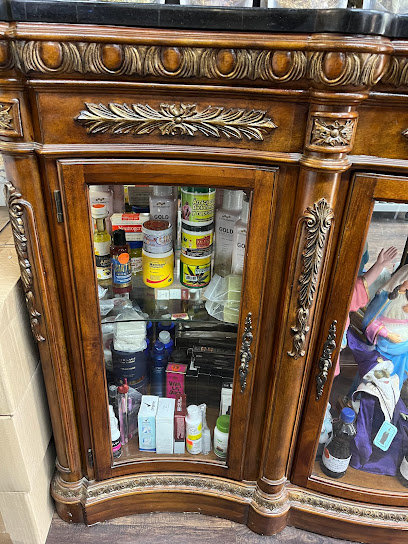
EarthAngel Botanica & Boutique
6.4 km
Explore holistic wellness at EarthAngel Botanica & Boutique, your go-to herb shop in Irving, Texas, for natural remedies and spiritual goods.
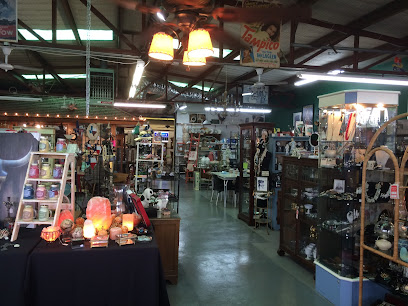
Ashphill Gift Emporium
6.4 km
Explore Ashphill Gift Emporium in Irving, TX, a charming antique store filled with unique treasures and vintage finds to ignite your nostalgia.
Yarely Clothing & Beauty Boutique
6.4 km
Explore Yarely Clothing & Beauty Boutique in Irving, TX for stylish dresses and beauty essentials that elevate your fashion game.
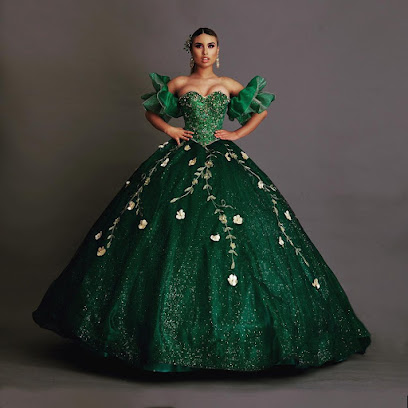
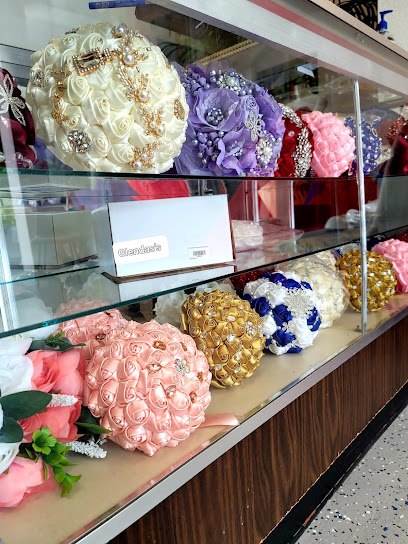
Glendas’s boutique
6.4 km
Explore exquisite bridal and dress collections at Glenda's Boutique, a premier clothing store in Irving, Texas, for a unique shopping experience.
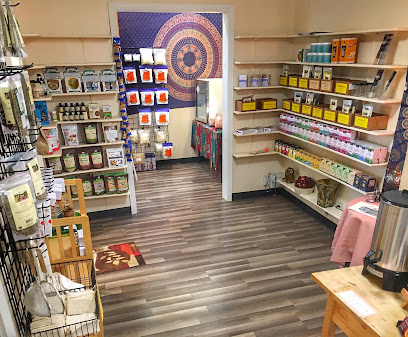
Years To Your Health
6.5 km
Explore a holistic wellness haven at Years To Your Health in Irving, Texas, offering herbal remedies, natural goods, and metaphysical supplies.
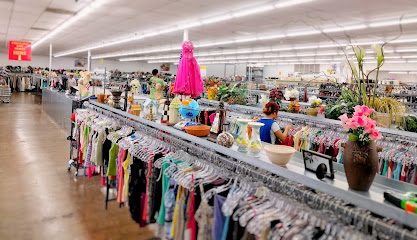
Thrift Giant
6.6 km
Discover hidden treasures at Thrift Giant, Irving’s ultimate thrift store for budget-friendly finds and unique vintage items.
Irvingate Shopping Center
6.7 km
Explore Irvingate Shopping Center: Your ultimate shopping destination in Irving, Texas, with diverse stores and delicious dining options.
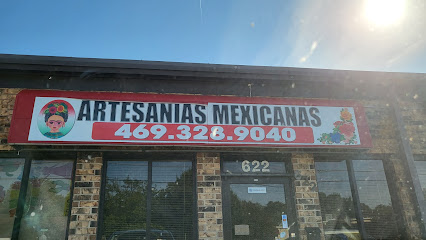
Artesanias Mexicanas
7.2 km
Explore the vibrant artistry of Mexico at Artesanias Mexicanas, a craft store in Irving, Texas, brimming with unique handcrafted treasures.
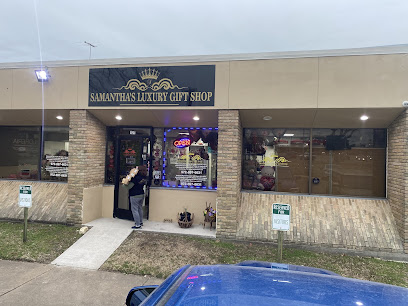
The Luxury Samantha's
7.7 km
Discover the enchanting world of flowers and gifts at Samantha's Lovely Roses in Irving, TX - your floral paradise awaits!
Irving Village
8.3 km
Discover Irving Village, the premier shopping destination in Texas, offering diverse stores, delightful dining, and family-friendly entertainment for all.
Asia Boutique & Saree Center
9.2 km
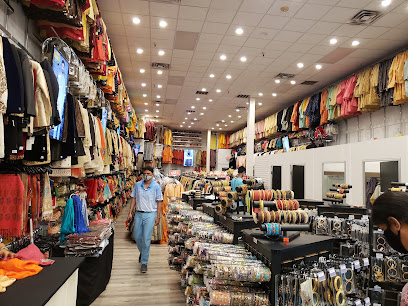
Discover the vibrant selection of clothing and accessories at Asia Boutique & Saree Center, blending Asian and African fashion in Irving, Texas.
Irving Towne Center
9.5 km
Discover Irving Towne Center, a vibrant shopping mall in Texas offering diverse retail, dining, and entertainment options for every visitor.
Image
9.7 km
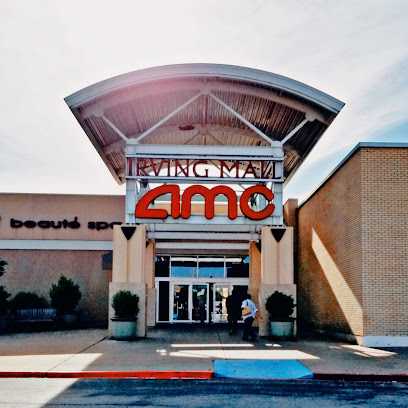
Explore trendy women's clothing at Irving Mall, with stylish options for every occasion and exceptional customer service.
Express Factory Outlet
9.7 km
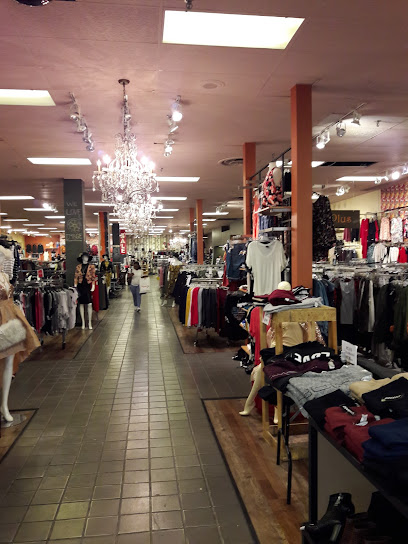
Discover unbeatable fashion deals at Express Factory Outlet in Irving, Texas, where style meets savings for the entire family.
Dream Co
9.7 km
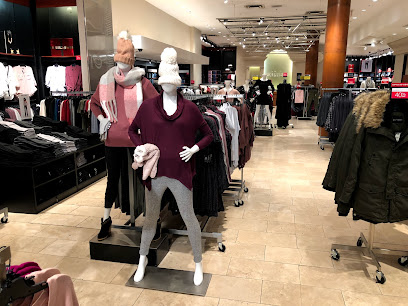
Explore Dream Co, a chic women's boutique in Irving Mall, offering stylish apparel and accessories for every occasion.
Essential bars & hidden hideouts

Hangout Restaurant & Sports Club
9.2 km
Discover the excitement of Hangout Restaurant & Sports Club, where delicious food, live music, and sports come together in a vibrant atmosphere.
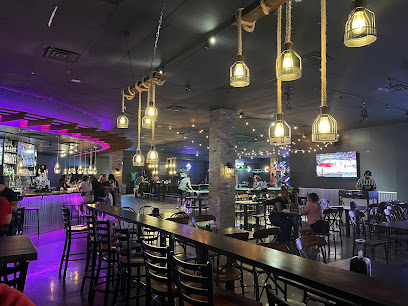
Quench Bar & Grill
9.6 km
Discover Quench Bar & Grill in Irving, TX - where vibrant sports culture meets authentic Mexican flavors for an unforgettable dining experience.
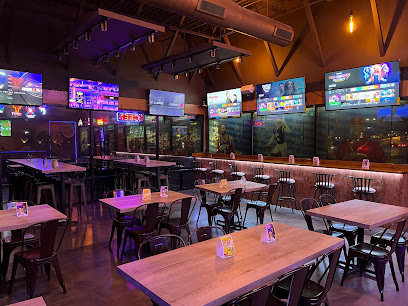
bar
11.6 km
Experience the vibrant nightlife and exceptional drinks at Las Colinas' premier bar, a must-visit for every tourist in Texas.
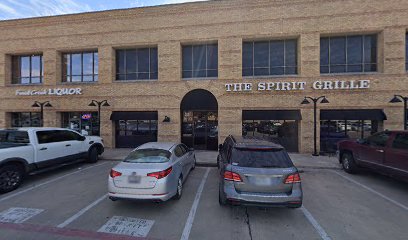
OUTLAW Taproom
11.7 km
Discover OUTLAW Taproom: the ultimate cocktail bar in Las Colinas, blending craft cocktails, American cuisine, and a vibrant atmosphere for an unforgettable experience.
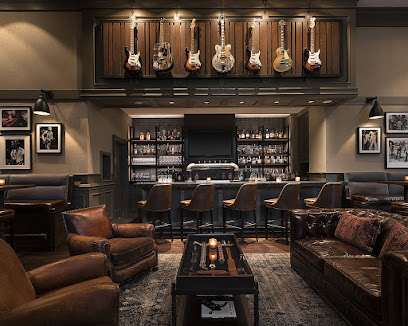
Bar Juniper
11.8 km
Discover the elegance of Bar Juniper in Las Colinas - where craft cocktails and delectable bites meet luxurious ambiance.
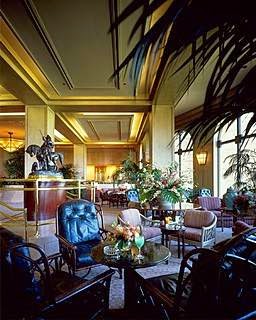
Tiny Victories
11.8 km
Discover Tiny Victories in Oak Cliff, Dallas, an innovative cocktail bar offering unique drinks and a cozy atmosphere perfect for social gatherings.
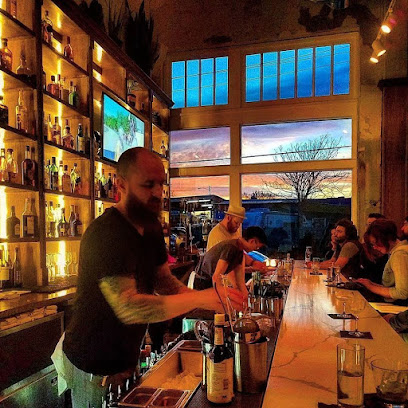
The Lakehouse Waterfront Lounge
12.5 km
Discover The Lakehouse Waterfront Lounge in Las Colinas, where stunning views and exquisite drinks create an unforgettable experience for every visitor.
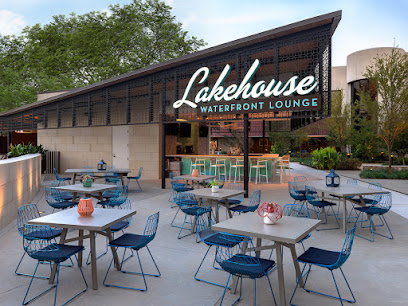
13 Barrels Craft House & Deli
12.6 km
Discover the lively ambiance, craft beers, and delicious sandwiches at 13 Barrels Craft House & Deli in Oak Cliff, Dallas.
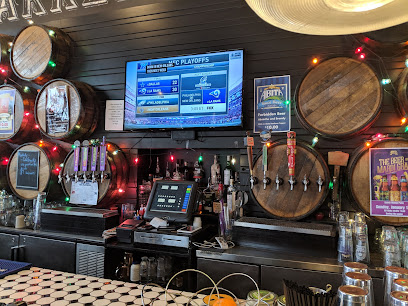
Bishop Exchange
12.6 km
Discover Bishop Exchange in Oak Cliff, Dallas - your go-to bar for craft cocktails, delicious food, and a vibrant nightlife experience.
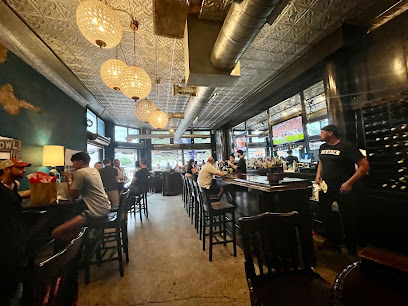
Atlas Bishop Arts
12.7 km
Experience the best of Dallas nightlife at Atlas Bishop Arts, a premier cocktail bar offering innovative drinks and delicious food in a vibrant setting.
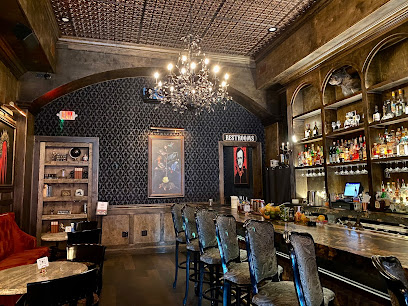
Revelers Hall
12.7 km
Discover the vibrant atmosphere of Revelers Hall, where live jazz meets delectable American cuisine in the heart of Dallas, Texas.
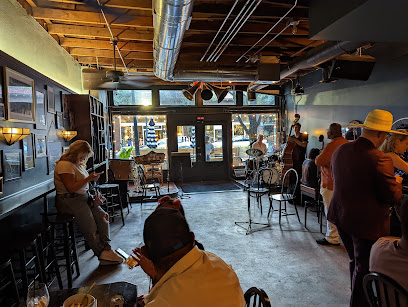
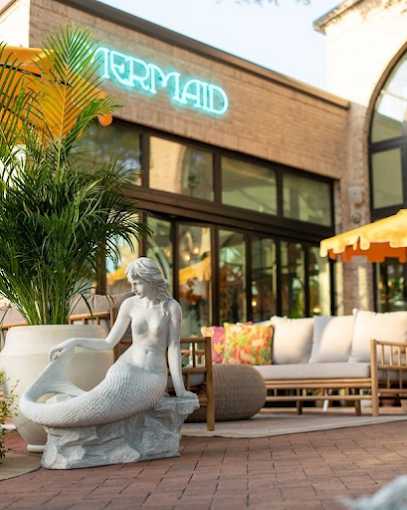
Mermaid Raw Bar & Champagne Room
12.7 km
Experience the ocean's finest at Mermaid Raw Bar & Champagne Room in Oak Cliff, Dallas – where fresh seafood meets sophisticated cocktails.
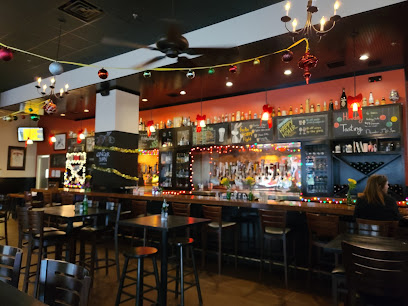
The Ginger Man
12.7 km
Experience the authentic taste of an Irish pub at The Ginger Man, where craft beers and delicious cuisine await in Las Colinas.
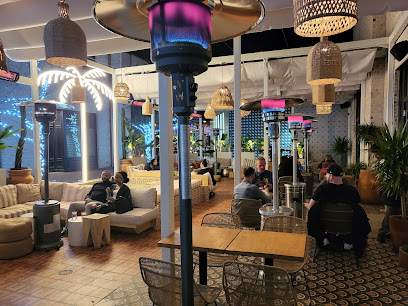
Casablanca
12.7 km
Discover the vibrant nightlife and delightful Asian fusion cuisine at Casablanca, the ultimate cocktail bar in Oak Cliff, Dallas.
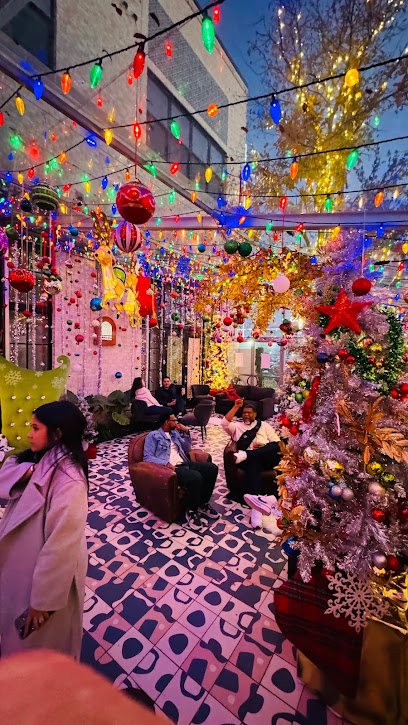
Tipsy Elf
12.7 km
Discover Tipsy Elf, the festive bar in Oak Cliff, Dallas, where creative cocktails and holiday spirit come together for an unforgettable experience.
Nightclubs & after hour spots

Sunlightdiscomovil
6.2 km
Discover the vibrant nightlife at Sunlightdiscomovil, Irving's premier dance club, offering an electrifying experience for every visitor.
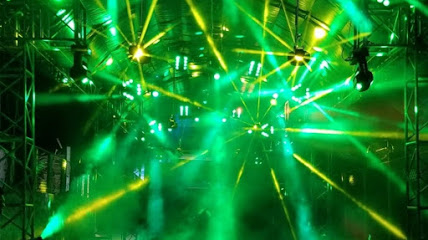
Club Rio Dallas
7.8 km
Discover the pulse of Dallas nightlife at Club Rio—where music, dancing, and vibrant energy come together for an unforgettable experience.

Queen Hookah Lounge
10.1 km
Discover the ultimate nightlife experience at Queen Hookah Lounge, where flavorful hookahs, great music, and a lively atmosphere await you in Irving, TX.

Gorman Faculty Lounge
10.7 km
Discover tranquility and intellectual charm at Gorman Faculty Lounge, a serene oasis within the University of Dallas.
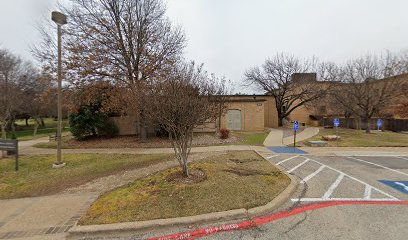
Oak Cliff Social Club
12.8 km
Discover the lively Oak Cliff Social Club, where craft cocktails and local brews create a vibrant social experience in Dallas.
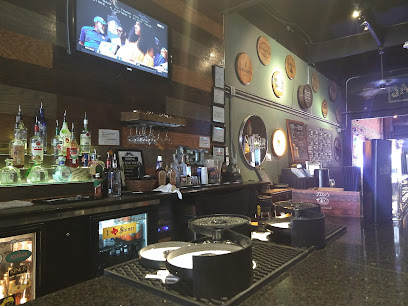
LC Lounge
12.9 km
Discover the lively vibe of LC Lounge, a top destination in Oak Cliff for cocktails, music, and unforgettable nightlife in Dallas.
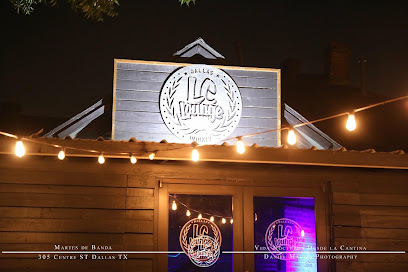
Envy Nightclub
13.3 km
Join the vibrant nightlife at Envy Nightclub, where unforgettable moments, dance, and music await every weekend in Dallas.
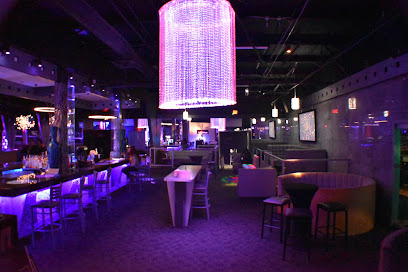
Kalua Discotheque
13.8 km
Dive into the rhythm of Dallas nightlife at Kalua Discotheque, where unforgettable memories and vibrant experiences await.
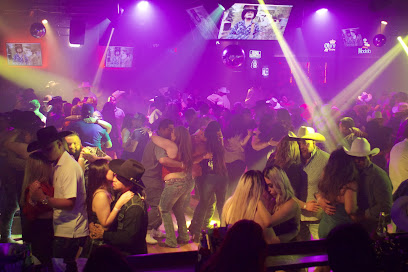
Escapade 2001 Dallas
14.0 km
Discover the ultimate nightlife experience at Escapade 2001 in Dallas, where electrifying music and vibrant energy come together for an unforgettable evening.
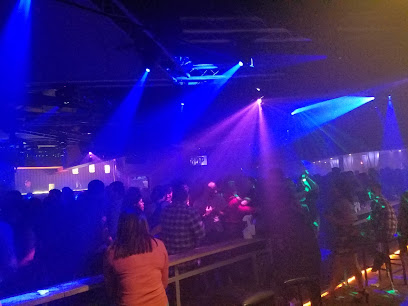
Escapade 2009 Dallas
14.1 km
Discover the vibrant nightlife of Dallas at Escapade 2009, where the beat never stops and the party is always alive.
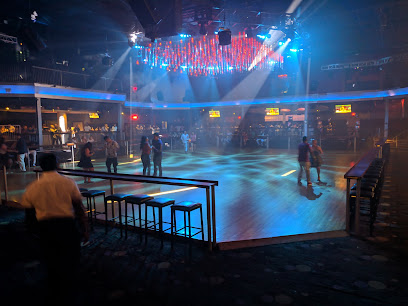
Rokwood Nightclub and Bar
14.8 km
Immerse yourself in the vibrant nightlife at Rokwood Nightclub and Bar, Dallas' premier destination for unforgettable nights filled with music and dancing.
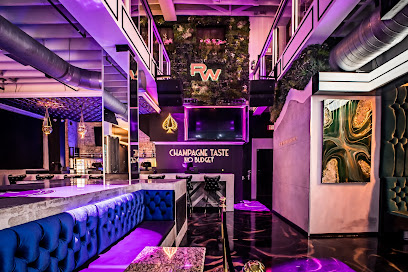
Thrive Nightclub
15.1 km
Thrive Nightclub in Dallas offers an electrifying nightlife experience with top DJs, vibrant crowds, and a stylish atmosphere perfect for dancing and socializing.
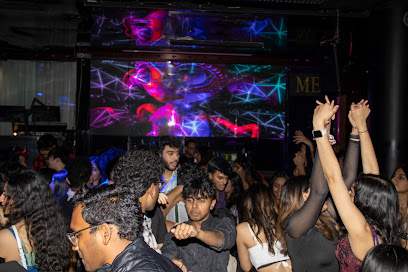
Playhouse Dallas
15.3 km
Discover the vibrant nightlife at Playhouse Dallas, a premier lounge and event venue in Oak Lawn renowned for its lively atmosphere and exciting events.

Bali Beach Club
15.5 km
Discover the tropical charm of Bali Beach Club in Dallas, where vibrant decor and refreshing cocktails create an unforgettable lounge experience.
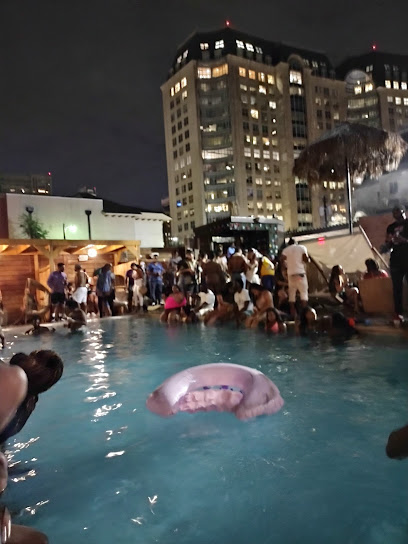
The Star Lounge
15.7 km
Discover the vibrant nightlife of Dallas at The Star Lounge, where unforgettable music and dance experiences await every visitor.