

Free Grand Prairie Travel Guide & Mobile App
Explore Grand Prairie with free travel guides. Discover regional history, expert tips, proposed trips, and audio guides on web or mobile app.


Explore Grand Prairie Arkansas for rice-country landscapes, Stuttgart heritage, wetlands, waterfowl and the open character of eastern Arkansas.
Read more about Grand Prairie
Getting to and around Grand Prairie
How to get there
Transportation
Top city travel guides in Grand Prairie
The cities of Grand Prairie, and the easiest places to base yourself.
-

-

-

-

-


Swipe for more cities
Destinations in Grand Prairie
Resorts, valleys and scenic spots worth a trip of their own.
-

-


Swipe for more destinations
Best attractions in Grand Prairie
-
Tourist attraction
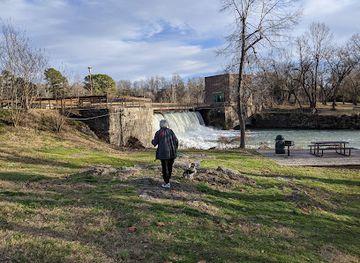
The Old Mill
Step back in time at The Old Mill in North Little Rock, a picturesque replica grist mill featured in 'Gone With the Wind'.
-
Science museum
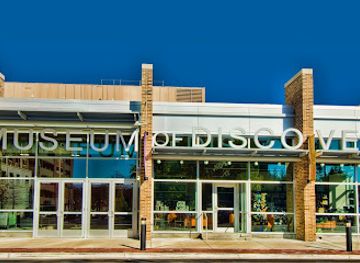
Museum of Discovery
Explore interactive science exhibits, witness a Tesla coil performance, and discover the wonders of STEM at Little Rock's leading museum.
-
Tourist attraction
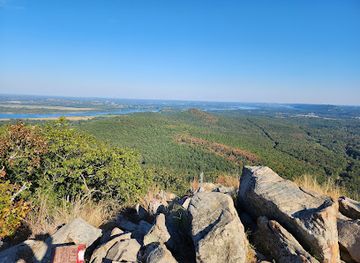
Pinnacle Mountain State Park
Hike, bike, and explore the natural beauty and historical significance of this iconic Arkansas landmark, just a short drive from Little Rock.
-
Performing arts theater
Robinson Center
Experience world-class performances and events at Little Rock's historic Robinson Center, a premier venue in the heart of downtown.


Best landmarks in Grand Prairie
The most recognisable landmark of Grand Prairie is the open rice landscape itself: a level horizon broken by silos, pumps, canals, tree lines and seasonal sheets of water. In Stuttgart, the Museum of the Arkansas Grand Prairie is an important cultural landmark because its displays preserve the story of a town and region shaped by German settlement, rice and waterfowl. Historic town centres in communities such as De Valls Bluff and Des Arc reflect the older relationship between river transport, commerce and settlement, although their buildings are best appreciated as parts of living towns rather than as a single monumental precinct. The White River and its wooded margins provide a geographical contrast to the central fields, while bayous, drainage channels and wetland expanses explain the region's environmental character. Grain elevators and agricultural infrastructure, though utilitarian, are equally significant visual markers: they embody the commercial system that made the Grand Prairie one of Arkansas's most recognisable rice-producing areas.
-
National forest
Ozark - St. Francis National Forest
Explore the breathtaking landscapes, diverse wildlife, and endless adventures awaiting you at Ozark - St. Francis National Forest in Arkansas.
-
State park
Mammoth Spring State Park
Explore Mammoth Spring State Park, a natural treasure in Arkansas offering breathtaking springs, rich history, and endless outdoor adventures.
-
Shopping mall
EpicCentral
Discover EpicCentral, Grand Prairie's ultimate destination for shopping, outdoor fun, and relaxation, where adventure and retail meet in scenic surroundings.
-
Museum
The Walmart Museum
Dive into the fascinating history of Walmart at the Walmart Museum in Bentonville, a unique tourist attraction showcasing retail evolution and community impact.



Explore Grand Prairie on the map
Plan your trip on one map. See where the top cities, national parks and sights are, and book hotels and experiences in a few clicks.
Best hotels in Grand Prairie
Best restaurants in Grand Prairie
Dining in the Grand Prairie is rooted in the informal food culture of eastern Arkansas, with family restaurants, cafés, diners and barbecue establishments providing the most characteristic meals. Rice is the region's signature crop and appears naturally alongside fried or grilled catfish, chicken, beans, vegetables, gravy and other Southern staples. Barbecue, burgers and country breakfasts are widely associated with the area's everyday dining, while seasonal produce and locally sourced ingredients appear in changing ways rather than through a single rigid regional cuisine. Stuttgart and the larger towns offer the broadest choice, whereas rural communities may have fewer venues and shorter service hours. During festivals and hunting seasons, food connected with waterfowl culture and outdoor gatherings becomes especially visible. Visitors should also look for Arkansas rice and other packaged agricultural products in local shops or markets, distinguishing these regional products from generic souvenirs.
-
Seafood
Pappadeaux Seafood Kitchen
Experience fresh seafood delights at Pappadeaux Seafood Kitchen in Arlington—where coastal flavors meet Texas hospitality.
-
Seafood
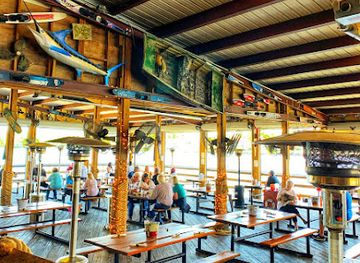
Fisherman's Wharf Steak & Seafood
Discover the exquisite flavors of land and sea at Fisherman's Wharf Steak & Seafood in Hot Springs – where every meal is a celebration.
-
American
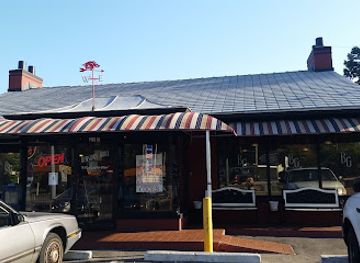
Benson's Grill
Discover Benson's Grill in Fort Smith - where hearty American breakfasts meet warm hospitality for an unforgettable dining experience.
-
Hamburger
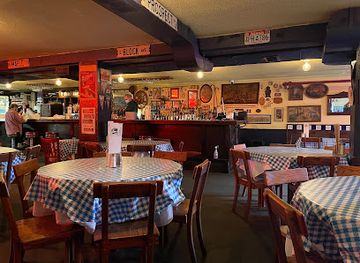
Hugo's
Savor delicious burgers and enjoy an eclectic atmosphere at Hugo's in Fayetteville - where every bite tells a story.

Best bars in Grand Prairie
Nightlife in Grand Prairie is modest and town-centred rather than built around large clubs. Stuttgart has the region's broadest evening choice, with casual bars, restaurants and community venues where conversation, televised sport and occasional live music are more typical than late-night dancing. Smaller towns generally rely on local restaurants, social clubs and traditional gathering places, while rural evenings are quiet and often organised around family, community or outdoor activities. Festival periods can bring livelier temporary entertainment, particularly around Stuttgart's autumn events, but programmes and opening arrangements change. Visitors should not expect a concentrated nightlife district or extensive late public transport; arranging a safe return to rural accommodation is important. Craft beer, cocktails and wine may be available in selected establishments, but the region's evening character is better understood through its local venues and community events than through a major club scene.
-
Restaurant
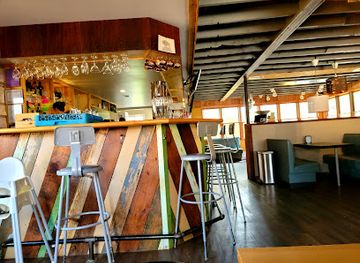
TallGrass Bar and Grill
Experience the best of Southern flavors at TallGrass Bar and Grill, a delightful restaurant in Harrison, Arkansas, perfect for all occasions.
Best nightclubs in Grand Prairie
-
American
Brick and Forge Taproom
Savor the best of American cuisine with craft beers at Brick and Forge Taproom in Conway, Arkansas, where family-friendly meets flavorful.
-
Bar
TGI Fridays
Discover TGI Fridays in Conway, the perfect blend of delicious American cuisine, lively atmosphere, and fun-filled moments for all ages.
-
Bar
Flying Saucer Draught Emporium
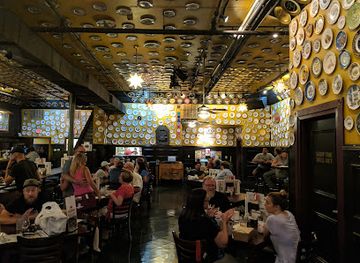
Discover the Flying Saucer Draught Emporium - a vibrant bar in Little Rock, offering an unparalleled selection of beers and delicious American cuisine.
-
Restaurant
Walk-On's Sports Bistreaux - Conway Restaurant
Experience the vibrant atmosphere of Walk-On's Sports Bistreaux in Conway, where great food meets exciting sports in a family-friendly environment.



Best shops in Grand Prairie
Shopping in Grand Prairie is practical, local and strongly connected to agriculture rather than centred on large retail districts. Stuttgart's main commercial areas provide everyday goods, outdoor equipment, gifts and food, while smaller towns such as Hazen, Carlisle, England, De Valls Bluff and Des Arc offer independent businesses and services on a more limited scale. The most meaningful purchases are often Arkansas rice, regional food products, hunting and outdoor equipment, books about local history, or merchandise associated with Stuttgart's waterfowl culture and annual festival. Farm stands and seasonal produce outlets may appear along rural roads, but availability varies with harvests and weather. Visitors interested in crafts, antiques or locally made goods should ask at museums, visitor information points and community events rather than expecting a permanent artisan quarter. For extensive chain retail or specialist shopping, Little Rock, outside the region, is the nearest major urban option.
-
Outlet mall
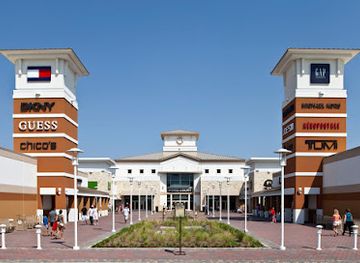
Grand Prairie Premium Outlets
Discover unbeatable deals at Grand Prairie Premium Outlets, where top brands meet budget-friendly shopping in a stylish open-air setting.
-
Furniture store
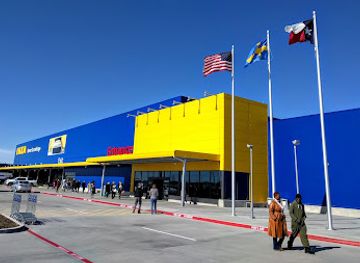
IKEA
Explore IKEA in Grand Prairie, TX for innovative furniture, stylish decor, and affordable home solutions in an immersive shopping experience.
-
Furniture store
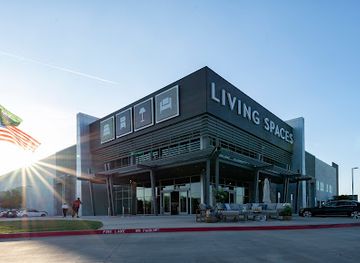
Living Spaces
Explore Living Spaces in Grand Prairie, TX for stylish and affordable home furnishings, from bedroom sets to unique accessories, all under one roof.
-
Department store
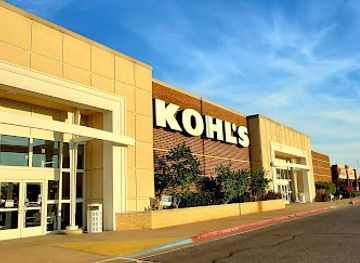
Kohl's
Discover fashion, home goods, and unique finds at Kohl's in Rogers, Arkansas - your go-to department store for affordable shopping.
Get your free copy of our complete guide to Grand Prairie, delivered straight to you.
Everything on this page, from attractions and restaurants to essentials and local phrases, in one PDF you can read offline, print or share.
Already have an account? Sign in
Your Grand Prairie guide is ready.
We'll send it to · Not you? Sign out

Getting your guide ready…
We are putting together a fresh copy of the Grand Prairie guide. This can take up to a minute.
This can take a few moments. If your browser asks, choose Allow so the download can start. You'll find the guide in your Downloads folder.
Nothing happened? Download it again
Sorry, the guide is taking longer than usual. Please try again in a minute, or get it by email instead.
Grand Prairie essentials
Currency and Payment
Safety
Emergency Situations
Do's and Don'ts
Local Tips
From Eve
Local phrases worth knowing
You don't need to get them perfect. A few words go a long way, and locals appreciate the effort.
Basics
| English | Local | Say it |
|---|---|---|
| Hello | Howdy | [Ha-dee] |
| Goodbye | See ya later | [See ya lay-ter] |
| Yes | Yep | [Yep] |
| No | Nah | [Nah] |
| Please/You're welcome | Please/No problem | [Please/No prob-lum] |
| Thank you | Thanks | [Thangs] |
| Excuse me/Sorry | Excuse me/Sorry | [Ex-kyoos me/So-ree] |
| How are you? | How ya doin'? | [How ya doin'?] |
| Fine. And you? | Good. And you? | [Good. An' you?] |
| Do you speak English? | Ya speakin' English? | [Ya speakin' Ing-lish?] |
| I don't understand | I ain't gettin' it | [I ain't gettin' it] |
Eating & Drinking
| English | Local | Say it |
|---|---|---|
| I'd like to see the menu, please | Can I see the menu, please? | [Can I see the men-yoo, please?] |
| I don't eat meat | I don't eat no meat | [I don't eat no meat] |
| Cheers! | Cheers! | [Cheers!] |
| I would like to pay, please | I wanna pay, please | [I wanna pay, please] |
Emergencies
| English | Local | Say it |
|---|---|---|
| Help! | Help! | [Help!] |
| Go away! | Get outta here! | [Get outta here!] |
| Call the Police! | Call the cops! | [Call the cops!] |
| Call a doctor! | Get a doctor! | [Get a doc-tor!] |
| I'm lost | I'm all turned around | [I'm all turned around] |
| I'm ill | I'm feelin' sick | [I'm feelin' sick] |
Shopping
| English | Local | Say it |
|---|---|---|
| I'd like to buy... | I wanna buy... | [I wanna buy...] |
| I'm just looking | Just lookin' | [Just lookin'] |
| How much is it? | What's the price? | [What's the price?] |
| That's too expensive | That's too high | [That's too high] |
| Can you lower the price? | Can ya bring down the price? | [Can ya bring down the price?] |
Time & Numbers
| English | Local | Say it |
|---|---|---|
| What time is it? | What time ya got? | [What time ya got?] |
| It's one o'clock | It's one o'clock | [It's one o'clock] |
| Half past (10) | Half past ten | [Half past ten] |
| Morning | Mornin' | [Mornin'] |
| Afternoon | Afternoon | [Afternoon] |
| Evening | Evenin' | [Evenin'] |
| Yesterday | Yesterday | [Yesterday] |
| Today | Today | [Today] |
| Tomorrow | Tomorrow | [Tomorrow] |
| 1 | One | [One] |
| 2 | Two | [Two] |
| 3 | Three | [Three] |
| 4 | Four | [Four] |
| 5 | Five | [Five] |
| 6 | Six | [Six] |
| 7 | Seven | [Seven] |
| 8 | Eight | [Eight] |
| 9 | Nine | [Nine] |
| 10 | Ten | [Ten] |
Transport & Directions
| English | Local | Say it |
|---|---|---|
| Where's a/the...? | Where's the...? | [Where's the...?] |
| What's the address? | What's the address? | [What's the address?] |
| Can you show me (on the map)? | Can ya show me on the map? | [Can ya show me on the map?] |
| When's the next (bus)? | When's the next bus? | [When's the next bus?] |
| A ticket (to ....) | A ticket to ... | [A ticket to ...] |
History of Grand Prairie
Indigenous Homelands and the River Plain
Long before Euro-American settlement, the Grand Prairie and the surrounding Arkansas Delta were used and travelled by Indigenous peoples, including communities connected with the Quapaw and other regional nations. The area's rivers, bayous, timber and seasonal wetlands supported fishing, hunting, gathering and movement across a landscape that was far less artificially drained than it is today. Archaeological evidence across eastern Arkansas records much older Indigenous societies as well, including mound-building traditions. These layered histories are essential to understanding the plain as a lived landscape rather than an empty frontier awaiting agricultural development.
Territorial Settlement and River Transport
After the Louisiana Purchase and the creation of Arkansas Territory, American settlement expanded along navigable rivers and established roads. The Arkansas and White rivers connected the interior to larger commercial networks, although shifting channels, floods and low-lying ground made travel difficult. Steamboat traffic and river landings helped sustain communities such as De Valls Bluff and Des Arc, while farms gradually occupied parts of the prairie and neighbouring bottomlands. Settlement remained scattered, and seasonal water was a persistent practical concern. The region's later prosperity would depend on controlling, redirecting and storing that water.
Railways, Stuttgart and German Settlement
Railway expansion in the late nineteenth century encouraged the growth of market towns across the Grand Prairie. Stuttgart was founded in 1878 by German immigrants associated with the Reverend Adam Bürkle, and the town developed as a service and trading centre for the surrounding farms. German influence remains visible in Stuttgart's name and local heritage, although the community became part of the broader social and economic life of Arkansas. Rail connections enabled farmers to move crops farther afield and helped replace isolated river dependence with a more integrated commercial landscape.
The Rise of Arkansas Rice
Rice became the defining agricultural crop of the Grand Prairie during the early twentieth century. W. H. Fuller is widely credited with demonstrating the crop's commercial potential near Carlisle in 1904, after which farmers and investors expanded cultivation. The prairie was well suited to large-scale rice production once wells, pumps, canals and drainage systems made dependable water management possible. Rice mills, grain storage and farm machinery reshaped local employment and settlement patterns. The crop remains central to the region's identity, even as producers have diversified into soybeans, wheat and other agricultural products.
Mechanisation and Agricultural Infrastructure
During the twentieth century, mechanisation transformed the labour and appearance of the Grand Prairie. Tractors, combine harvesters, pumps and improved irrigation increased yields while reducing the need for large seasonal workforces. Roads, elevators, processing facilities and agricultural research supported the region's role in American rice production. The changes brought economic efficiency but also altered older rural communities and reduced the number of people living directly from small-scale farming. Modern fields, drainage channels and grain facilities therefore form a historical landscape: they record decades of engineering, investment and adaptation to the plain's wet soils.
Waterfowl Culture and Wetland Conservation
The same flooded fields and shallow wetlands that support rice farming also create important habitat for wintering waterfowl. By the later twentieth century, wildlife organisations, public agencies, farmers and hunters had become increasingly involved in managing habitat, water levels and access. Stuttgart's reputation as a centre of duck hunting and waterfowl culture grew alongside its agricultural importance, and the Wings Over the Prairie Festival made that relationship visible to a wider audience. Conservation has not removed the tensions between farming, flood control and habitat protection, but it has made wetlands an important part of the region's contemporary identity.
Grand Prairie in Photos
Browse through our photo collection highlighting the charm and character of the destination.
Neighbouring regions of Grand Prairie
The closest regions to Grand Prairie, if you have time for more than one.
-

-

-

-

-
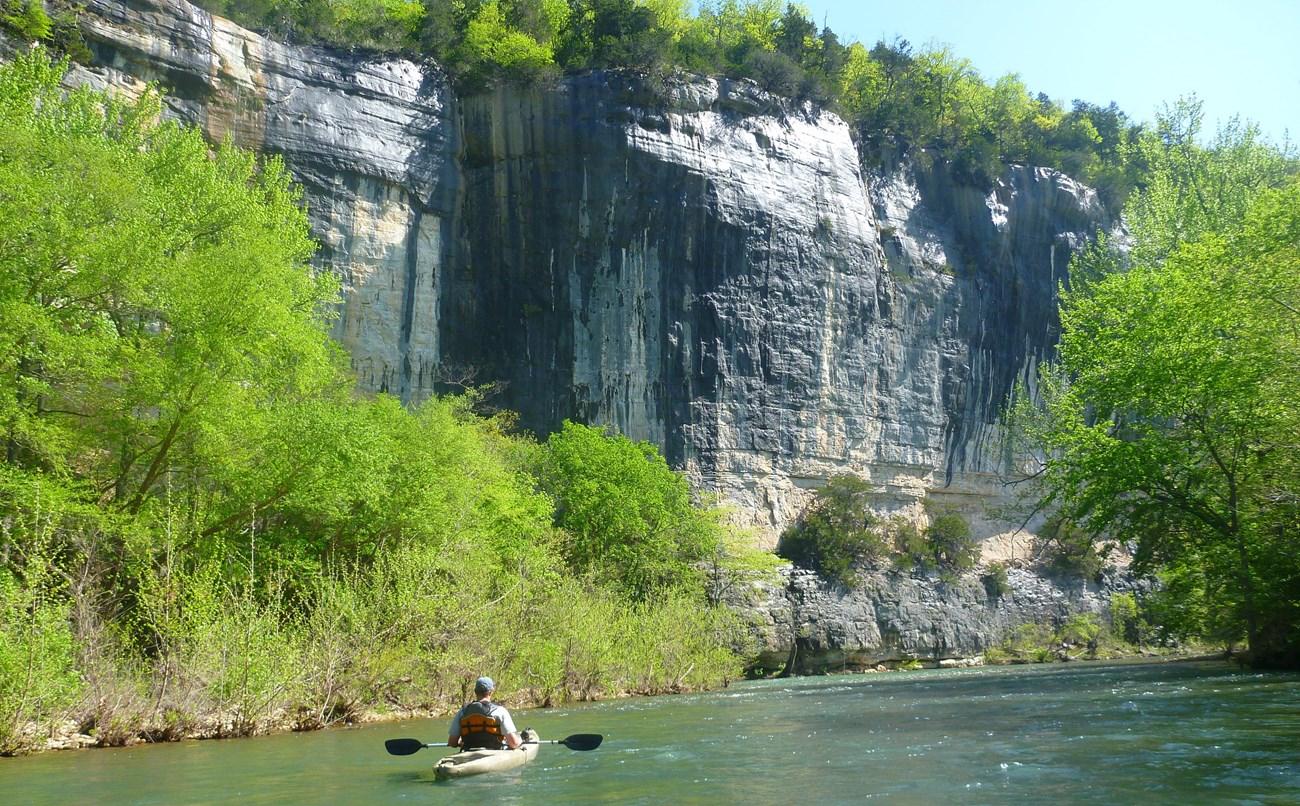 Ozark Mountains
Explore Arkansas's Ozark Mountains for limestone bluffs, clear rivers, forest trails, historic towns and enduring music traditions.


Swipe for more regions
Explore more

Explore more of Arkansas
Explore Arkansas: The Natural State with its stunning landscapes, rich history, and vibrant cultural experiences. Perfect for adventurers and culture seekers alike.
Explore Arkansas