

Haghartsin Monastery: A Jewel of Armenian Architecture in Dilijan National Park
Discover Haghartsin Monastery in Dilijan National Park: a medieval Armenian treasure nestled in a serene forest setting.
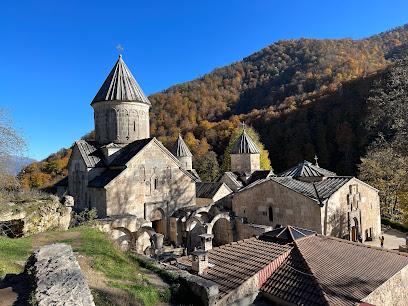
Nestled within the lush forests of Dilijan National Park, Haghartsin Monastery is a stunning example of 10th to 13th-century Armenian architecture. The complex, whose name translates to 'the game of eagles', features intricately carved churches, a refectory, and khachkars (cross-stones), blending seamlessly with the surrounding natural environment.
A brief summary to Dilijan National Park
- Mount, Haghartsin, AM
- +37477723233
Local tips
- Wear comfortable shoes for walking on uneven stone surfaces within the monastery complex.
- Visit during the week to avoid the larger crowds that gather on weekends.
- Explore the hiking trails surrounding the monastery for a deeper immersion in Dilijan National Park's natural beauty.
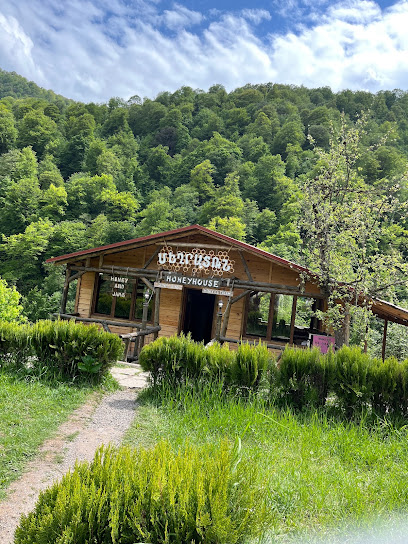
- Don't miss the bakery on-site for delicious local bread and sweets.

Getting There
-
Taxi
From the town of Dilijan, taxis are readily available to take you to Haghartsin Monastery, which is located approximately 13km northeast of the town center. A typical return trip by taxi will cost around 4,000-6,000 AMD. The journey takes about 25 minutes.
-
Public Transport
To reach Haghartsin Monastery by public transport, take a marshrutka (minibus) from Dilijan heading towards Haghartsin village. From there, it's a short taxi ride or a longer walk (approximately 6km) to the monastery. The marshrutka fare is around 200 AMD, and a taxi from Haghartsin village to the monastery should cost approximately 1,000 AMD.
Discover more about Dilijan National Park
Iconic landmarks you can’t miss

Haghartsin Monastery
2.7 km
Explore the breathtaking Haghartsin Monastery, a serene retreat in Armenia's lush hills, where history and spirituality intertwine in stunning medieval architecture.
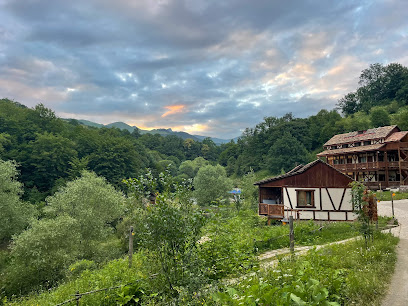
Ecokayan
3.5 km
Discover the tranquility of Ecokayan in Dilijan, a perfect blend of nature and luxury featuring fishing ponds and serene swimming lakes.
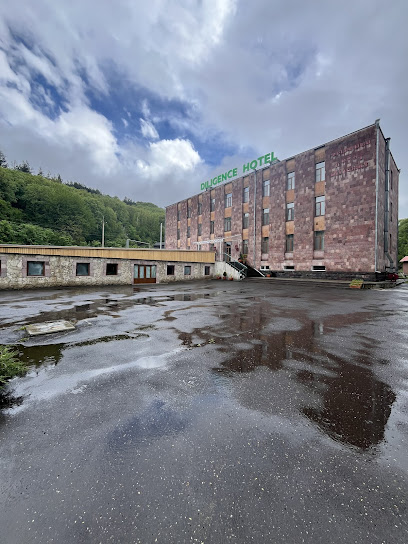
Diligence Hotel & restaurant
4.0 km
Experience comfort and tranquility at Diligence Hotel & Restaurant, your gateway to exploring the natural beauty of Dilijan, Armenia.
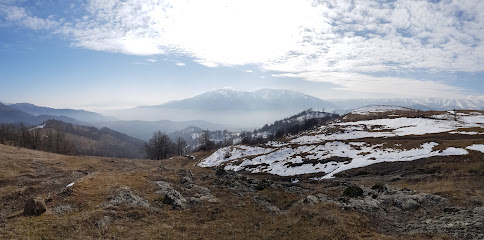
Artsiv Guesthouse
4.2 km
Discover the charm of Dilijan at Artsiv Guesthouse, where comfort meets Armenian hospitality amidst stunning natural beauty.

Mount Ayrikar
4.5 km
Experience the breathtaking beauty of Mount Ayrikar, a must-visit mountain peak in Armenia, perfect for outdoor adventures and nature lovers.
Casanova Inn
4.7 km
Experience Armenian hospitality in Dilijan at Casanova Inn, a charming retreat surrounded by lush forests and historical sites.
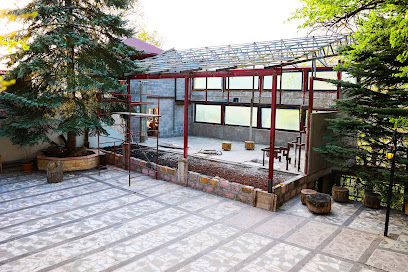
Dilijan Family House
4.8 km
Experience the charm of Dilijan Family House, a cozy holiday retreat surrounded by nature's beauty and rich Armenian culture.
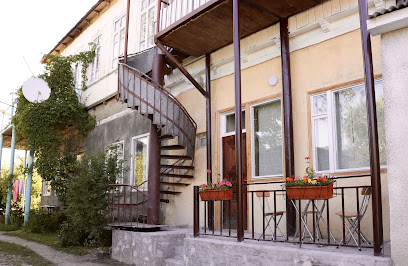
Haleb resort
5.1 km
Discover the serene beauty of Haleb Resort in Dilijan, where comfort meets nature for an unforgettable getaway.
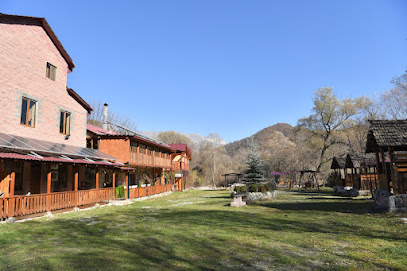
Dilijan City Square
5.1 km
Experience the heart of Dilijan: a blend of culture, nature, and history in the 'Armenian Switzerland'.
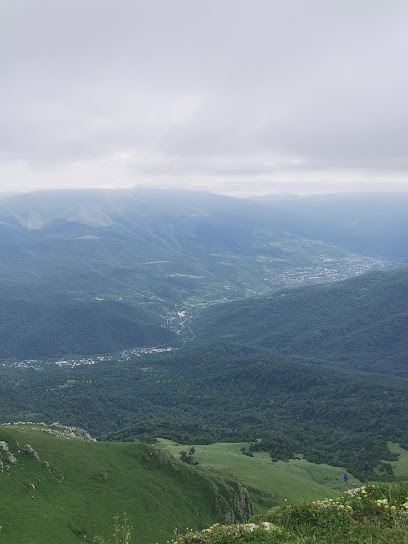
Flying Ostrich by Dolmama
5.2 km
Discover the rich flavors of Armenian cuisine at Flying Ostrich by Dolmama in Dilijan, where every meal is a delightful experience in a cozy setting.
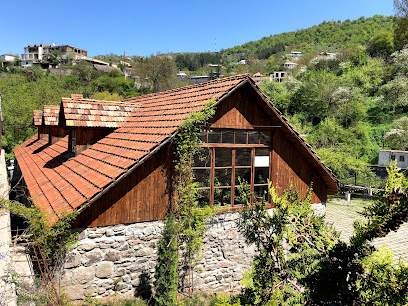
Rest House
5.2 km
Discover the charm of Rest House in Dilijan, a cozy hostel surrounded by Armenia's stunning landscapes, perfect for adventure seekers and nature lovers.
Go To Dili
5.2 km
Discover Dili: A vibrant mix of culture, history, and stunning landscapes awaits in Timor-Leste's capital.
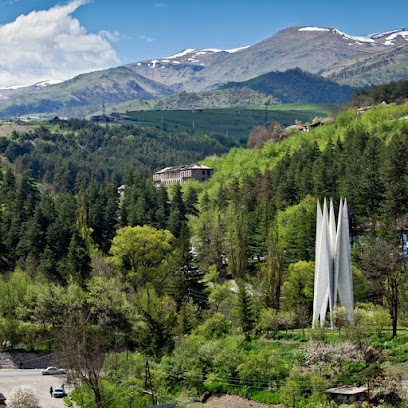
Mimino Statue
5.3 km
Discover the Mimino Statue in Dilijan, a stunning monument celebrating Armenian culture, set against a backdrop of breathtaking natural beauty.
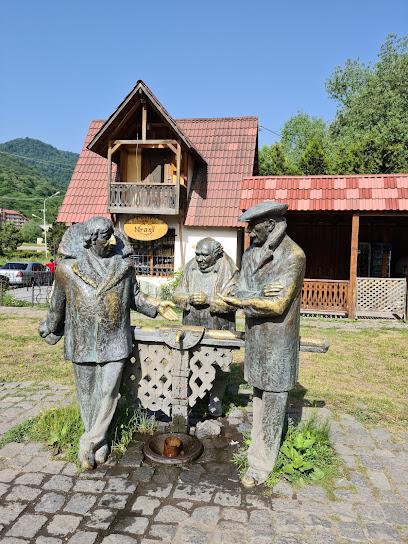
Carahunge Cafe & More
5.3 km
Discover the flavors of Armenia at Carahunge Cafe & More in Dilijan, where delightful dishes meet warm hospitality in a cozy setting.
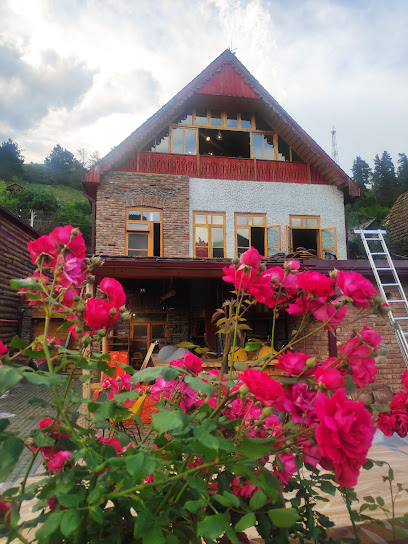
Sharambeyan St
5.4 km
Experience the cultural heartbeat of Dilijan on Sharambeyan Street, where local artistry and stunning landscapes converge in an unforgettable journey.
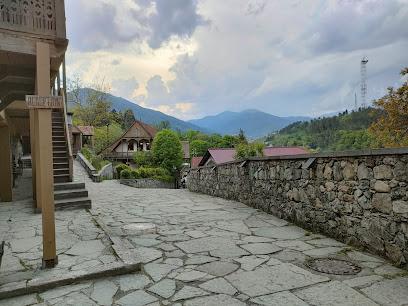
Unmissable attractions to see

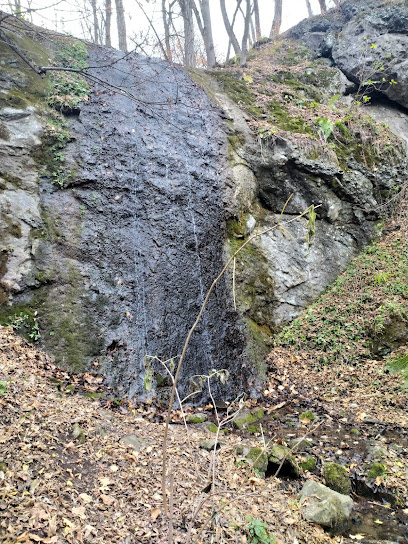
Whispering Waterfall
2.7 km
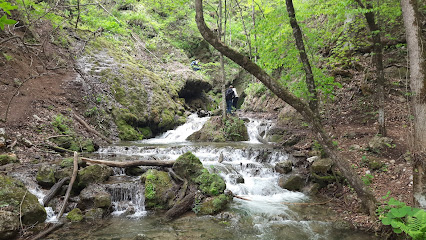
Discover the serene beauty of Whispering Waterfall in Dilijan National Park, a tranquil escape in Armenia's 'Little Switzerland'.
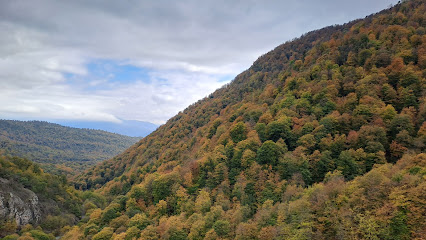
Դիտակետ
2.9 km
Discover panoramic views of Armenia's stunning landscapes at Դիտակետ Viewpoint near Teghut, a perfect spot for nature lovers and photographers.
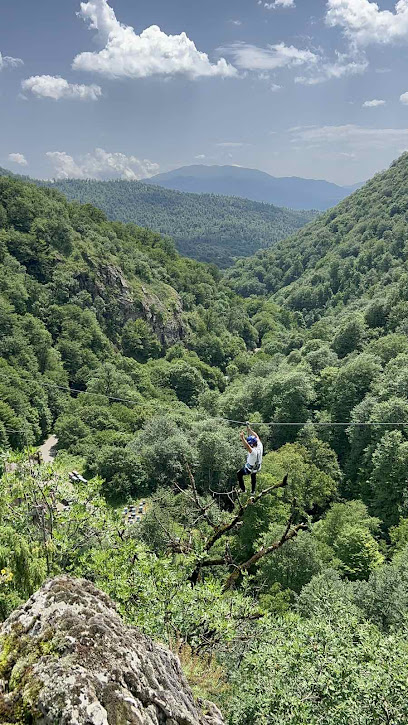
ZIP LINE
2.9 km
Soar through the 'Armenian Switzerland' on an exhilarating zip line, surrounded by breathtaking forests and mountain views in Dilijan National Park.
Monument
3.1 km
Discover the historical beauty of the Monument in Teghut, Armenia, blending culture and nature in a captivating destination. A must-visit for history enthusiasts!
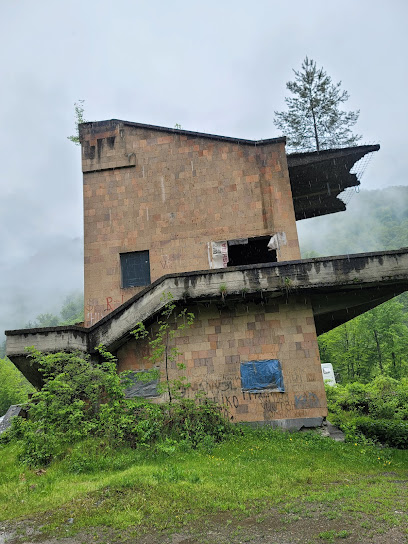
Водопад
3.2 km
Discover the serene beauty of Dilijan Waterfall, a hidden natural treasure nestled in Armenia's lush forests. Perfect for a tranquil escape.
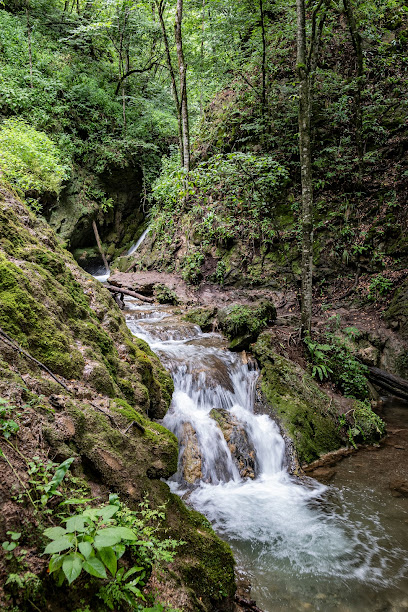
Թաքնված ջրվեժ
3.3 km
Discover Dilijan's hidden gem: Hike through lush forests to the breathtaking Թաքնված ջրվեժ (Hidden Waterfall) for a serene escape.
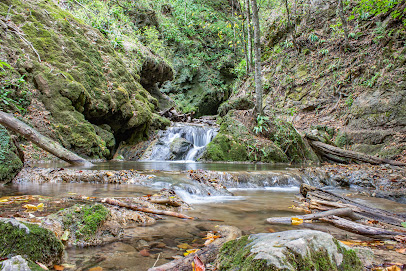
Hidden blue swamp
3.3 km
Discover the tranquil beauty of Armenia's Hidden Blue Swamp in Teghut, a serene escape into nature's vibrant colors and peaceful landscapes.
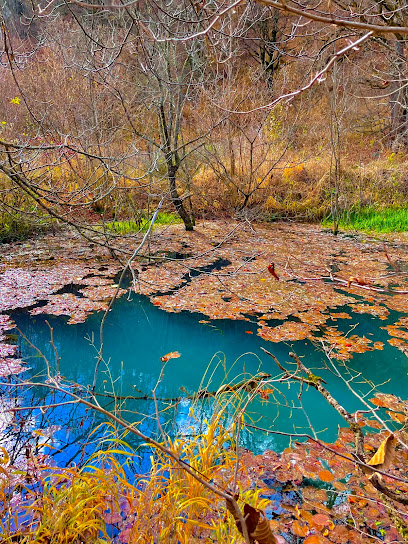
Hike Tavush
3.5 km
Discover Hike Tavush, Armenia: Explore lush trails, vibrant nature, and panoramic views in this haven for hikers and nature enthusiasts.
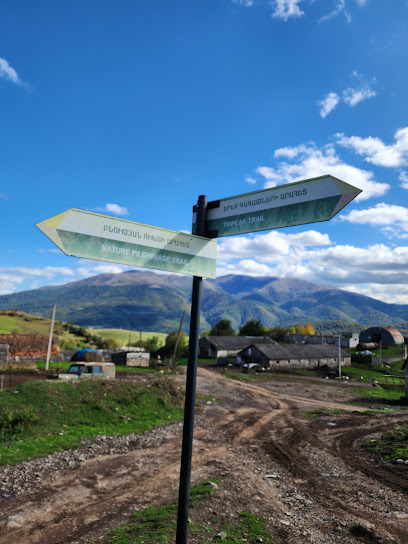
Tripeak Trail and Nature Pilgrimage Trail Start
4.0 km
Hike the Tripeak Trail in Dilijan National Park for stunning views and an unforgettable Armenian adventure. Discover the beauty of Little Switzerland!
Demi sar
5.2 km
Escape to the serene beauty of Demi Sar Park in Dilijan, Armenia, where lush landscapes and diverse wildlife offer a tranquil retreat.
Armen shmo
5.2 km
Discover a peaceful sanctuary in Dilijan's Armen Shmo Park, with lush landscapes, vibrant flowers, and a serene atmosphere for relaxation and recreation.
PARZ LICH
5.2 km
Discover the tranquil beauty of Parz Lich in Dilijan National Park, a haven for hiking and nature lovers in Armenia.
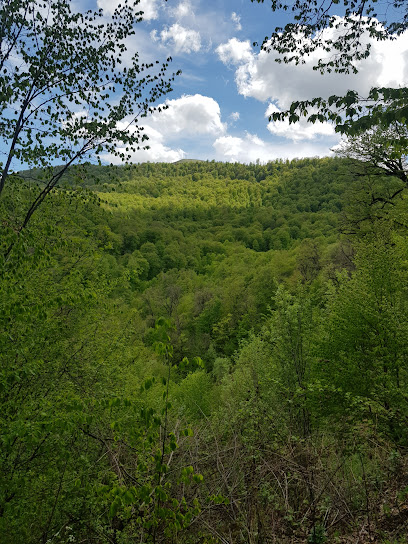
Dilijan
5.2 km
Explore Dilijan, Armenia: a stunning blend of nature, history, and warm hospitality, perfect for adventurers and culture seekers alike.
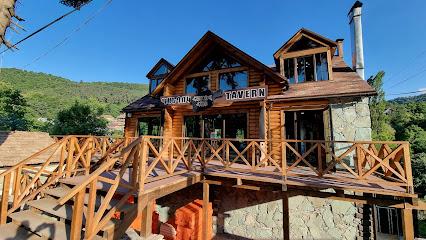
Peace Square
5.3 km
Find serenity in Dilijan's heart: Peace Square offers stunning views, local crafts, and a tranquil escape in Armenia's 'Switzerland'.
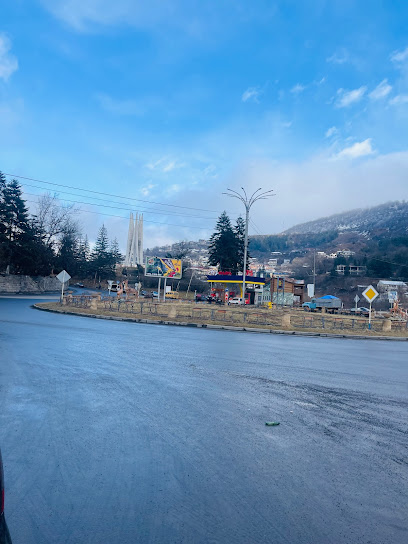
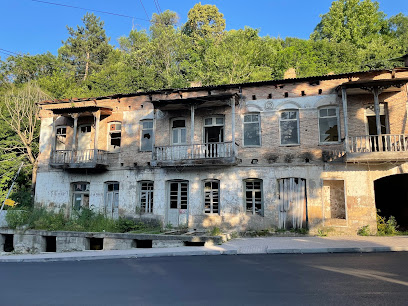
Old Soviet Building
5.3 km
Explore Soviet-era architecture in Dilijan, Armenia, a unique landmark reflecting the region's history and cultural heritage.
Essential places to dine

Dili Food
3.8 km
Experience the best of Armenian cuisine at Dili Food in Dilijan, where authentic flavors meet warm hospitality.
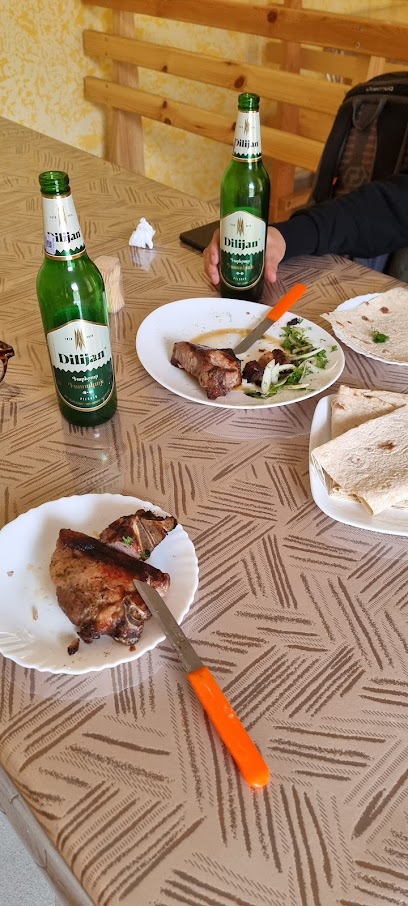
Kessab Restaurant
4.3 km
Discover authentic Armenian flavors at Kessab Restaurant in Dilijan - where tradition meets taste.
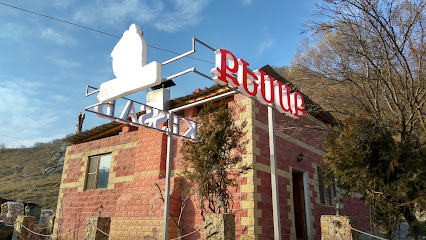
Arm Food Lab
4.6 km
Experience the flavors of Armenia at Arm Food Lab in Dilijan, where exceptional coffee meets rich culinary traditions.
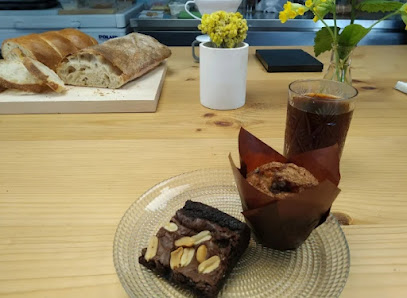
Getap
4.7 km
Discover Getap: A must-visit restaurant in Dilijan offering authentic Armenian cuisine amidst stunning landscapes.
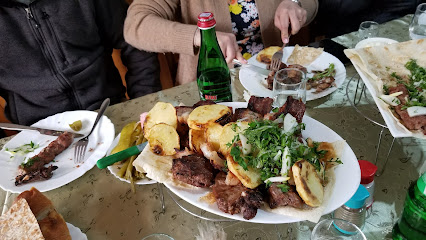
PR Dilijan
4.7 km
Experience exquisite Armenian cuisine at PR Dilijan - where local flavors meet modern elegance in the heart of Dilijan.
SushiShu
4.8 km
Experience authentic sushi in Dilijan at SushiShu - where freshness meets tradition in every bite.
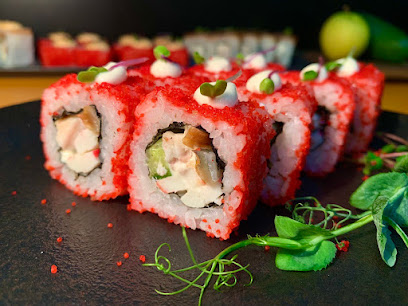
Ձկան Ձոր
4.8 km
Experience the authentic flavors of Armenia at the charming restaurant Ձկան Ձոր in Dilijan, where every dish tells a story.
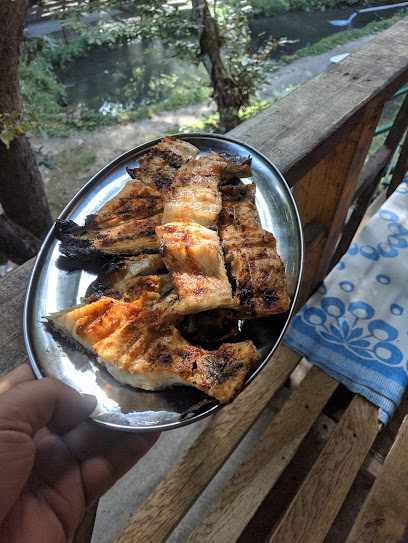
Dream Garden Dilijan
4.9 km
Experience tranquility at Dream Garden Dilijan - your perfect getaway with exquisite Caucasian cuisine and serene natural beauty.
Toon Armeni Little Village
5.0 km
Experience cozy accommodations and authentic Armenian cuisine at Toon Armeni Little Village in Dilijan – your gateway to nature's beauty.
Food Court
5.0 km
Experience authentic Armenian flavors at Dilijan's Food Court - a vibrant hub for local bistro delights amidst stunning natural beauty.
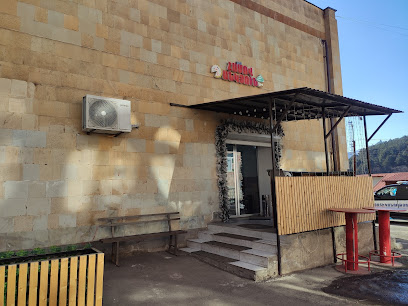
Takhta Restaurant
5.1 km
Experience authentic Armenian flavors at Takhta Restaurant in Dilijan - where tradition meets modern cuisine amidst stunning landscapes.
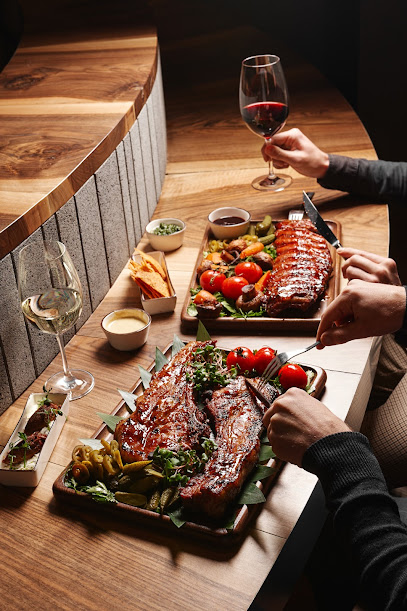
Ureni restaurant
5.1 km
Discover authentic Armenian cuisine at Ureni Restaurant in Dilijan – where tradition meets taste in a cozy atmosphere.
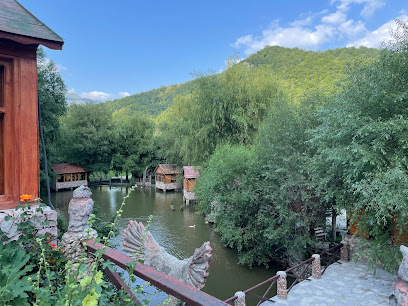
Nare Restoran
5.1 km
Discover authentic Armenian flavors at Nare Restoran in Dilijan – where tradition meets culinary artistry.
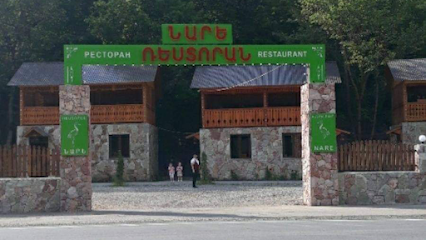
Ծովագյուղ Ֆասթ Դուդ
5.2 km
Enjoy delicious fast food at Ծովագյուղ Ֆասթ Դուդ in Dilijan – perfect for quick bites and casual dining amidst stunning nature.
Կալինինի 196
5.2 km
Discover authentic Armenian flavors at Kalinini 196 in Dilijan—where every meal tells a story amidst stunning landscapes.
Markets, malls and hidden boutiques

Haghartsin Gata
2.6 km
Discover Haghartsin Gata in Teghut: A bakery offering authentic Armenian pastries and breads, perfect for sweet indulgence and local flavor.
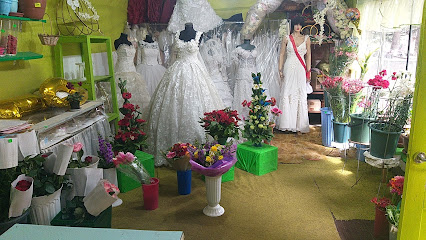
цветочный салон Асмик
4.4 km
Explore the beauty of nature at Асмик Floral Boutique in Dilijan, where exquisite floral arrangements and local charm await every visitor.
Ootelie bakery
4.6 km
Discover the heart of Armenian flavors at Ootelie Bakery in Dilijan, where delicious pastries and warm hospitality await every visitor.
Tigran Metz
4.6 km
Explore Armenian flavors and essentials at Tigran Metz, a top supermarket in Dilijan offering local produce and international favorites.
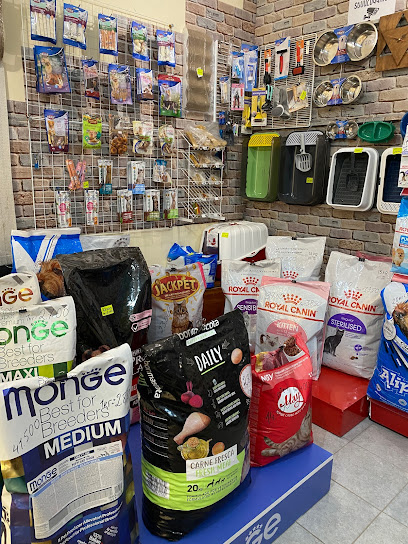
Зоомагазин Royal Canin
4.6 km
Discover premium pet products and expert advice at Royal Canin Pet Store, a must-visit for every pet lover in Dilijan.
Market
4.6 km
Immerse yourself in the local culture by exploring the vibrant Market in Dilijan, where fresh produce meets the charm of Armenian tradition.
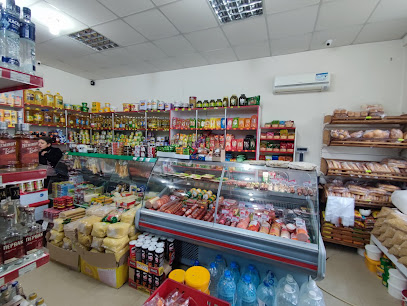
Armen’s meat shop
4.9 km
Discover the finest selection of fresh meats at Armen’s Meat Shop in Dilijan, where quality meets tradition in every cut.
Tsiran
5.0 km
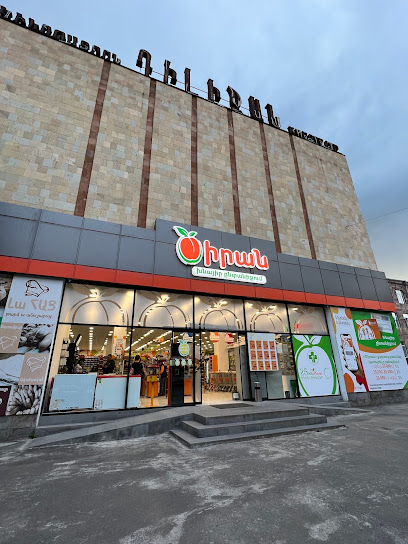
Experience the vibrant flavors and local culture at Tsiran, your go-to supermarket in the heart of Dilijan, Armenia.
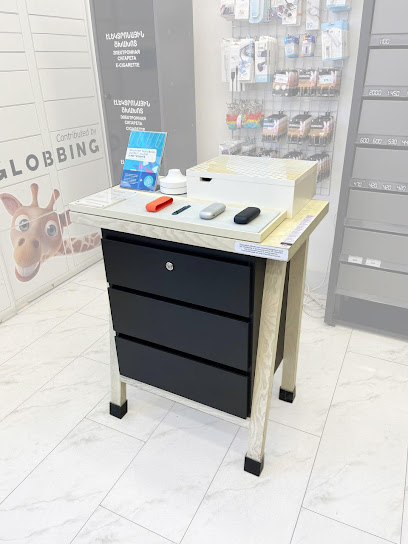
Q Partner
5.0 km
Discover Q Partner in Dilijan, your go-to tobacco and vaporizer shop for premium products and expert advice in a charming setting.
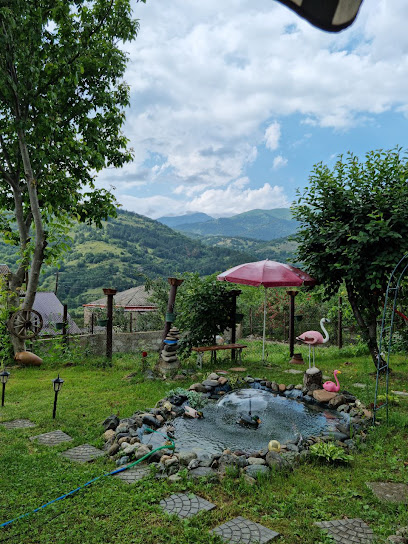
Посмотри Sweet Home на Booking.com! https://www.booking.com/Share-27DlM7
5.1 km
Discover quality outdoor gear and expert advice in the heart of Dilijan, Armenia, perfect for your next adventure in nature.
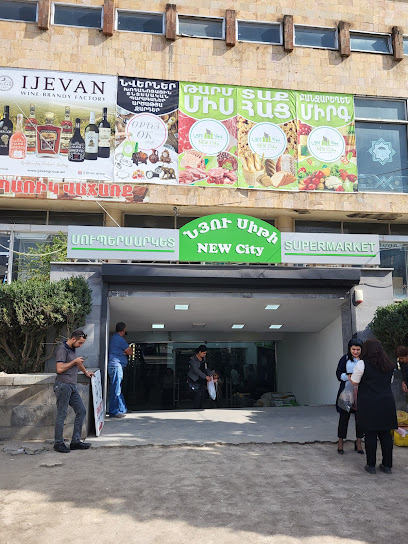
New City Supermarket
5.1 km
Discover the vibrant flavors of Armenia at New City Supermarket in Dilijan, your go-to destination for fresh produce and local delicacies.
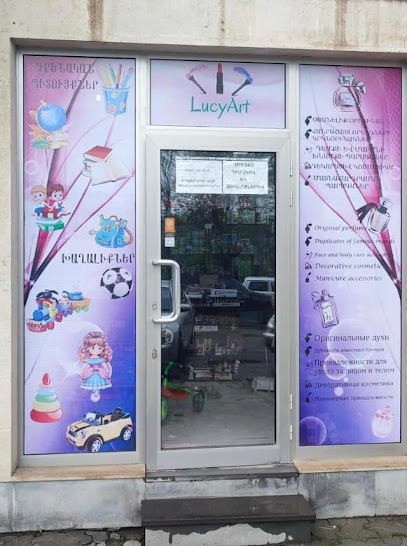
LucyArt
5.2 km
Discover your beauty essentials at LucyArt, a charming cosmetics store nestled in the scenic town of Dilijan, Armenia.
салон цветов Асмик
5.2 km
Discover the vibrant beauty of Asmik Flower Salon in Dilijan, where fresh blooms and exquisite arrangements await every visitor.
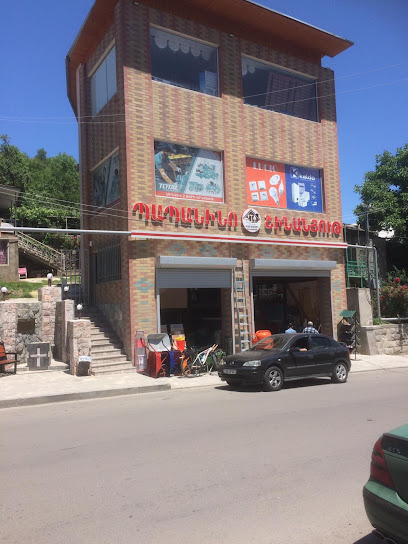
Պապանինո շինանյութ
5.2 km
Discover Papanino Shinyant in Dilijan for quality hardware, expert advice, and a touch of local charm. Perfect for DIY enthusiasts and travelers alike.
Riverside Boutique
5.3 km
Explore Riverside Boutique in Dilijan for a unique shopping experience featuring Armenian fashion and local artistry.
Essential bars & hidden hideouts

Աաաաաա
3.4 km
Discover the vibrant culture and flavors of Teghut at this cozy bar, where local drinks and lively ambiance await you.
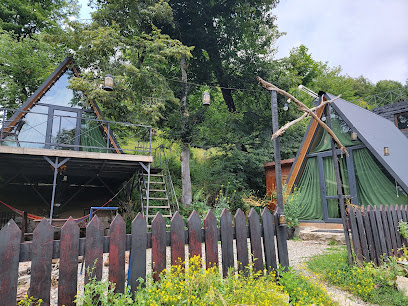
Lost / Կորած Տեղ
4.5 km
Experience the beauty and tranquility of Lost Camping Cabin in Teghut, Armenia, your perfect outdoor getaway surrounded by nature.
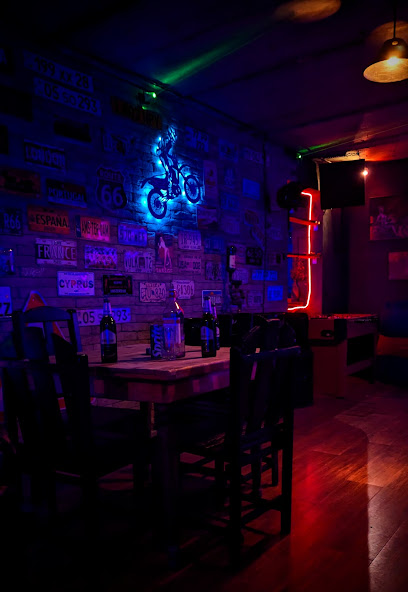
Traveler bar
4.5 km
Discover the vibrant nightlife at Traveler Bar in Armenia, where locals and tourists unite over drinks and unforgettable experiences.
Hovaz Wine Rooms
4.8 km
Discover the rich flavors of Armenian wines at Hovaz Wine Rooms in Dilijan, a charming destination for wine lovers and cultural enthusiasts.
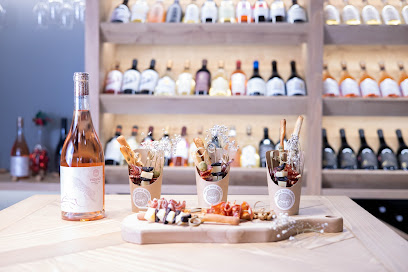
Sovats Vozni
5.4 km
Experience the vibrant nightlife and local flavors at Sovats Vozni, Dilijan's premier bar for travelers seeking relaxation and fun.
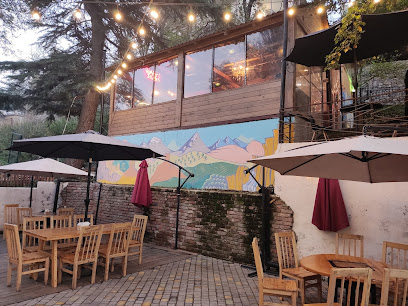
The Kliver wine place
5.4 km
Discover the rich flavors of Armenia at The Kliver Wine Place, where exquisite wines meet a warm and inviting atmosphere in beautiful Dilijan.
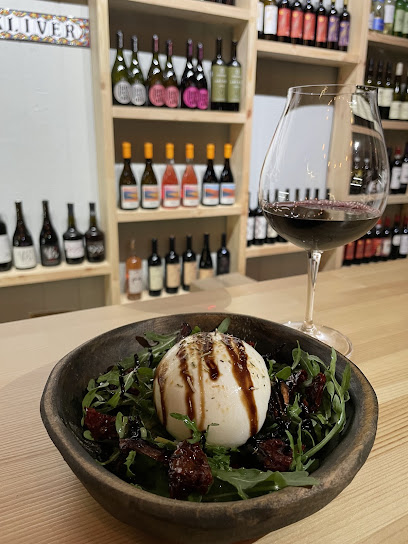
The Kliver bar #1
5.6 km
Discover the cozy charm of The Kliver Bar in Dilijan, where exquisite drinks and a warm atmosphere await travelers seeking relaxation.
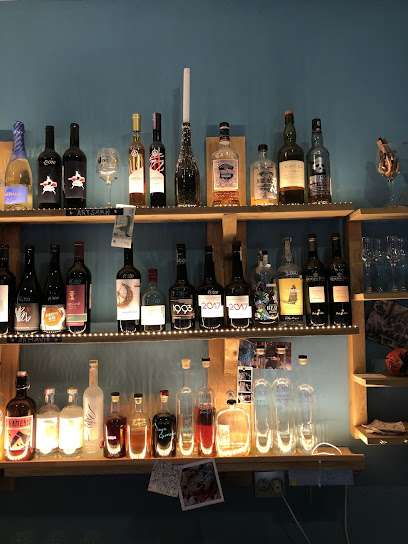
Tnakner
21.9 km
Discover Tnakner: A serene lounge by Sevan Lake offering local cuisine, stunning views, and a cozy atmosphere for an unforgettable experience.
Gagari mot
24.4 km
Discover the flavors of Armenia at Gagari Mot, a delightful restaurant near Lake Sevan offering authentic dishes in a stunning natural setting.
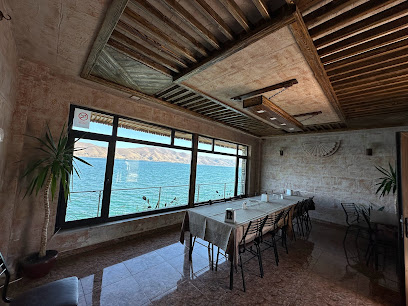
Xndzori Aygi
25.0 km
Discover exquisite small plates and a warm atmosphere at Xndzori Aygi in Vahagni, a culinary gem for food lovers.
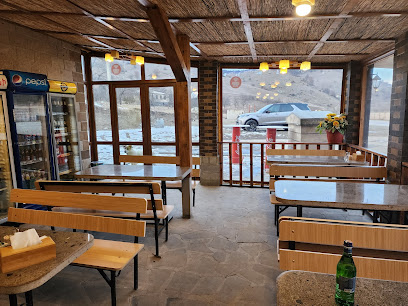
Yasaman Sevan's Restaurant
25.5 km
Experience the rich flavors of Armenian cuisine with stunning views at Yasaman Sevan's Restaurant near beautiful Lake Sevan.
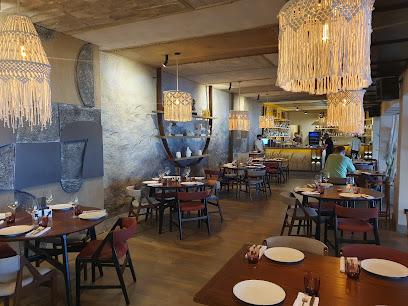
Cosmo Glamping
25.6 km
Discover the perfect blend of nature and comfort at Cosmo Glamping in Dsegh village, where culinary delights and scenic beauty await.
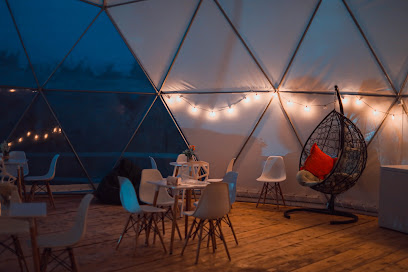
Haghartsin
25.8 km
Experience tranquility and natural beauty at Haghartsin, a charming hotel in Ijevan, perfect for relaxation and exploration.
დადა
27.3 km
Experience the vibrant nightlife at Dada Bar in Gagarin, where local culture meets modern entertainment in a lively atmosphere.
Green Bay Sevan
27.3 km
Discover the flavors of Armenia while enjoying breathtaking views at Green Bay Sevan, the perfect dining destination on the shores of Lake Sevan.
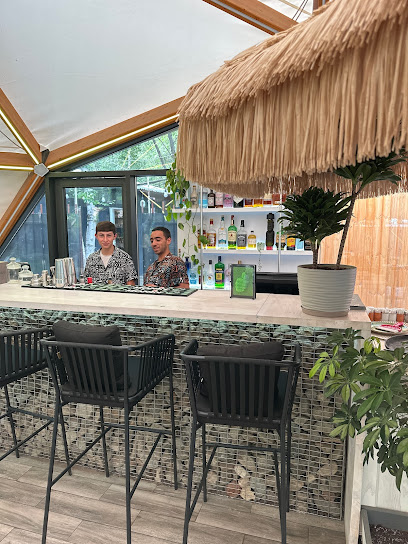
Nightclubs & after hour spots

Lusi night club
3.8 km
Experience the vibrant nightlife of Dilijan at Lusi Night Club, where music, dancing, and an electric atmosphere await.
Koko
29.2 km
Experience the vibrant nightlife of Hrazdan at Koko, where exceptional music and a lively atmosphere create unforgettable nights.
24i kurilka
29.8 km
Experience the vibrant nightlife of Vanadzor at 24i Kurilka, the city's top night club offering lively music, delicious cocktails, and unforgettable moments.
Infiniti Night Club
30.5 km
Discover the electrifying nightlife of Tsaghkadzor at Infiniti Night Club, where vibrant music and a lively crowd create unforgettable memories.
A Sky Bar
31.7 km
Discover the vibrant nightlife of Vanadzor at A Sky Bar, featuring stunning views and a diverse drink menu to elevate your evening experience.
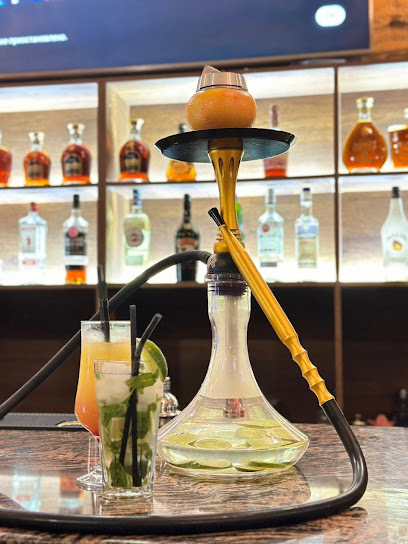
BART
32.0 km
Discover BART, Vanadzor's premier bar offering an eclectic mix of drinks, music, and a vibrant atmosphere for an unforgettable night out.
ՈՄԱ Վանաձոր ՌՀ ՀԿ
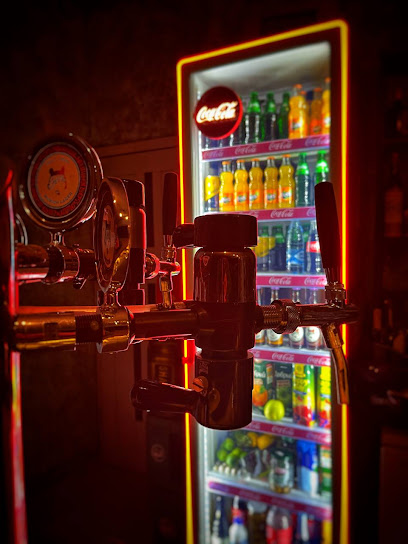
32.2 km
Experience the vibrant sports culture at VOMA Vanadzor Sports Club, where fitness meets community engagement in the heart of Armenia.
Solenoid
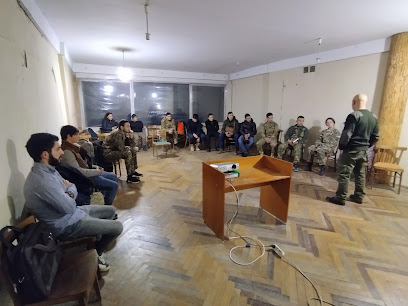
32.2 km
Experience the vibrant nightlife at Solenoid, a lively pub in Vanadzor offering a great selection of drinks and a welcoming atmosphere for all.
Katalina Show Club
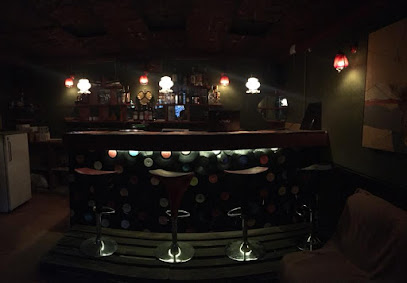
35.4 km
Experience the vibrant nightlife at Katalina Show Club in Hrazdan, where music, dance, and entertainment come together for an unforgettable night.
Haghpat Monastery Complex
36.4 km
Discover the architectural marvels and spiritual heritage of Haghpat Monastery Complex, a UNESCO site nestled in Armenia's breathtaking landscape.
Alaverdi
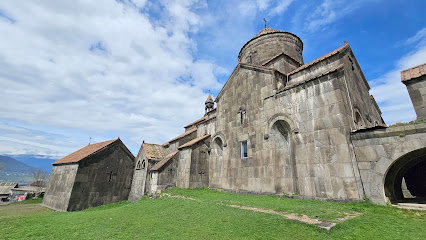
37.9 km
Explore the enchanting town of Alaverdi, a blend of rich history and stunning nature in Armenia's breathtaking landscapes.
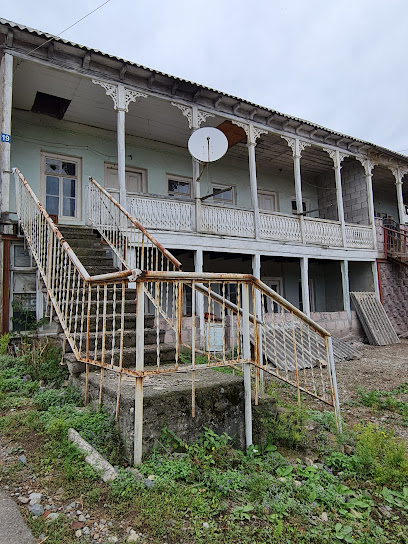
Mendz Er Cave
38.1 km
Discover the culinary and cultural treasures of Mendz Er Cave in Alaverdi, where dining meets history in a stunning natural setting.
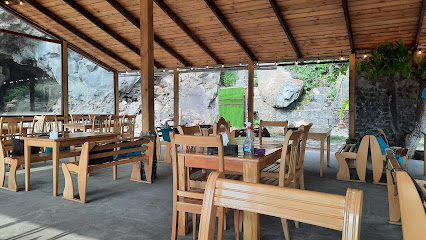
Favorit
41.9 km
Explore Spitak's nightlife at Favorit Night Club, where vibrant music, energetic atmosphere, and unforgettable moments await you.
Restoran Aparan
48.3 km
Experience the delightful flavors and cozy ambiance of Restoran Aparan, a must-visit bar and restaurant in the heart of Armenia.
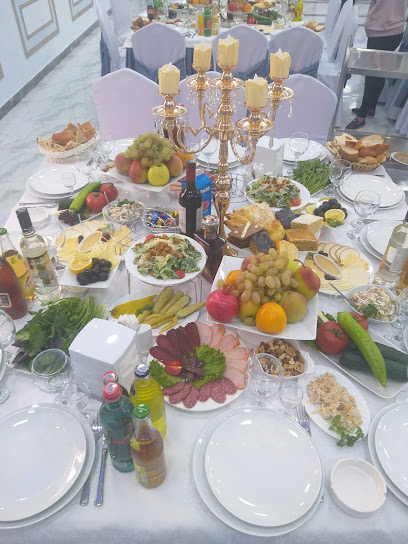
Hrach tun
48.4 km
Discover Hrach Tun in Aparan, a cozy bar offering local drinks and a vibrant atmosphere perfect for unwinding after exploring Armenia.


