

Free Gyumri Travel Guide & Mobile App
Plan your Gyumri trip with Evendo. Get free guides to top attractions, restaurants, hotels, and bars. Web access or download the mobile app.


Gyumri, Armenia’s artistic northern city, invites visitors to explore black-stone architecture, museums, cafés, crafts and poignant modern history on foot.
Black Stone and Northern Light
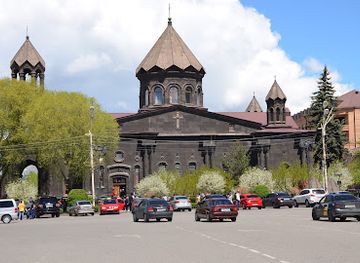
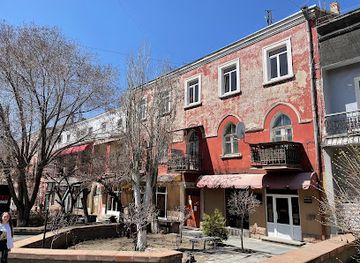
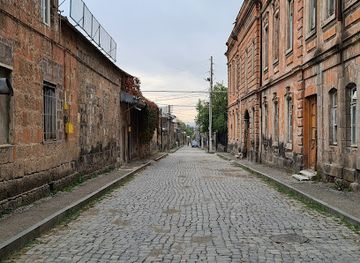
Gyumri, Armenia’s second city, lies on the high Shirak plain beneath the distant silhouettes of Mount Aragats and the Turkish borderlands. Its streets are shaped by dark volcanic tuff, a material used for handsome 19th-century façades, civic buildings and courtyards. The result is a city with a distinctive architectural texture: weathered, warm-toned and often unexpectedly ornate against the broad, open landscape.Read more about Gyumri
The Kumayri Quarter
Art, Memory and Renewal
When is the best time to visit Gyumri?
Best: June–August · 25–27°C| Month | High (°C) | Rainfall (mm) |
|---|---|---|
| January | 0 | 25 |
| February | 2 | 22 |
| March | 8 | 18 |
| April | 16 | 15 |
| May | 22 | 12 |
| June (best) | 25 | 8 |
| July (best) | 27 | 6 |
| August (best) | 26 | 7 |
| September | 20 | 10 |
| October | 14 | 14 |
| November | 7 | 18 |
| December | 2 | 20 |
Getting to and around Gyumri
How to get there
Transportation
Best attractions in Gyumri
Gyumri’s principal attractions are concentrated around the Kumayri historic district, where dark volcanic-stone houses, carved doorways and former merchant residences create an unusually coherent urban landscape. The Dzitoghtsyan Museum of National Architecture and Urban Life introduces the city’s domestic interiors, crafts and social history, while the Sergey Merkurov House Museum and Avetik Isahakyan House-Museum explore two important Armenian artistic voices. The Gallery of Mariam and Eranuhi Aslamazyan Sisters presents the work of renowned Armenian artists in a restored historic setting. The Cathedral of the Holy Martyrs and the Church of the Holy Saviour offer contrasting religious and architectural perspectives, while the Black Fortress recalls Gyumri’s military past. Parks, cafés and small creative studios provide quieter pauses between museums, and the Museum of National Architecture is particularly useful for understanding how local craftsmanship shaped the city’s identity.
-
Historical place
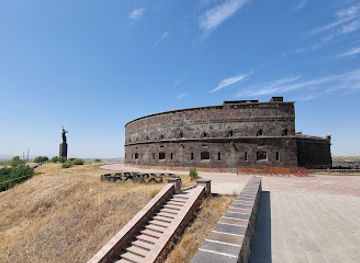
Black Fortress
Explore Gyumri's historic Black Fortress: a symbol of resilience, now a vibrant cultural hub with stunning city views.
10 min drive · 3.2 km from city centre
-
Museum
Museum Of Illusions
Explore over 60 mind-bending exhibits at Gyumri's Museum of Illusions, where science meets entertainment for a fun, educational experience for all ages.
6 min drive · 2.0 km from city centre
-
Tourist attraction
Marmashen
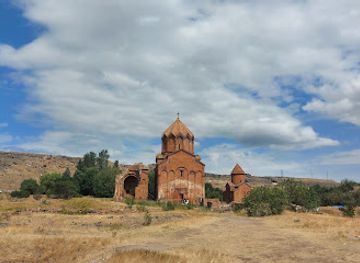
Discover the medieval marvel of Marmashen Monastery, a 10th-century Armenian architectural gem in the serene Shirak Province.
30 min drive · 10 km from city centre
-
Museum
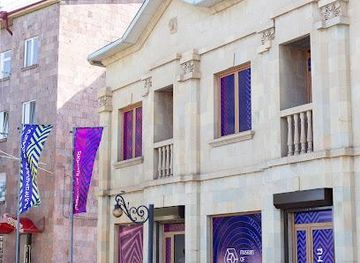
Museum of National Architecture and Urban Life
Discover Gyumri's captivating history and architecture at this beautifully preserved 19th-century house-museum, showcasing the city's unique urban life.
6 min drive · 1.9 km from city centre


Best landmarks in Gyumri
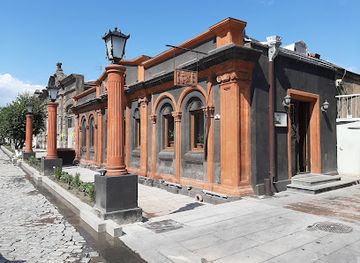
Gyumri’s landmarks express its roles as a military centre, merchant town and religious community. The Black Fortress, a substantial 19th-century military structure, stands as a reminder of Alexandropol’s strategic importance under Russian rule, while nearby Mother Armenia overlooks the city from a later national setting. The Church of the Holy Saviour, known locally as Surp Amenaprkich, is one of Gyumri’s most recognisable religious buildings and has become a symbol of both architectural heritage and earthquake-era loss and restoration. The Cathedral of the Holy Martyrs, completed in the 21st century, commemorates the Armenian Genocide and gives the city a newer ecclesiastical landmark. Historic houses in Kumayri, particularly along Abovyan and Rustaveli streets, are landmarks in their own right: their black tuff façades, balconies and carved details reveal the prosperity and craftsmanship of 19th-century Gyumri.
-
Restaurant
Gyumri's Fish Restaurant (Cherkezi Dzor)
Experience the authentic taste of Armenian seafood at Gyumri's cherished Cherkezi Dzor, a must-visit for food lovers and travelers alike.
8 min drive · 2.6 km from city centre
-
Historical place
Black Fortress
Discover the Black Fortress in Gyumri, a historical marvel offering stunning views and a deep dive into Armenia's rich cultural heritage.
10 min drive · 3.2 km from city centre
-
Tourist attraction
Vardanants Square
Discover the vibrant heart of Gyumri at Vardanants Square, where history, culture, and community come alive in Armenia's charming city.
6 min drive · 1.8 km from city centre
-
Cafe
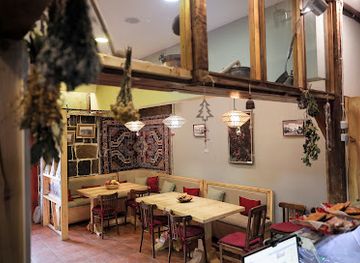
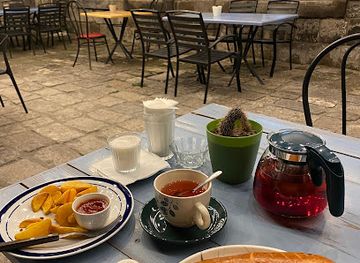
Herbs & Honey teashop & restaurant
Experience local flavors and community spirit at Herbs & Honey teashop & restaurant in Gyumri, Armenia. Fresh, local, and delightful!
5 min drive · 1.6 km from city centre
Explore Gyumri on the map
Plan your Gyumri trip on one map. See where the top attractions, landmarks, restaurants, bars and hotels are, find what's near where you're staying, and book hotels and experiences in a few clicks.
Best hotels in Gyumri
Best restaurants in Gyumri
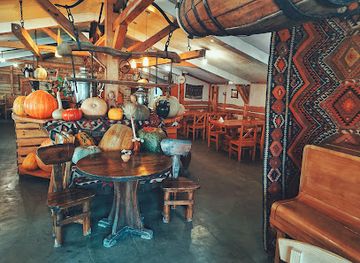
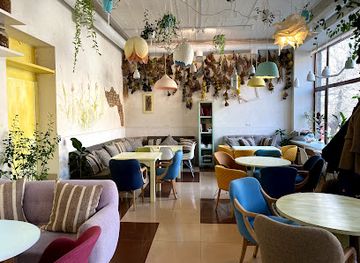
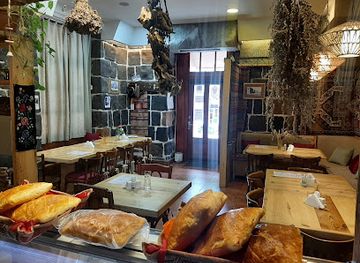
Gyumri’s food culture reflects Shirak’s cold climate, agricultural traditions and Armenian hospitality. Hearty dishes such as khash, spas, a tangy yoghurt-based soup, dolma and panrkhash appear alongside grilled meats, salads, pickles and fresh lavash. Local menus also draw on the broader Armenian repertoire of khorovats, trout, gata and seasonal fruit preserves, while the city’s bakery culture makes simple pastries and breads useful companions for a day of walking. Traditional restaurants and family-run dining rooms are found around the centre and Kumayri, alongside cafés serving coffee, cake and contemporary Armenian interpretations. The central market is valuable for observing everyday ingredients and purchasing dried fruit, cheese, herbs and preserves. Dining in Gyumri tends to feel intimate and unhurried, with generous portions and an emphasis on shared plates rather than formal culinary theatre.
-
Restaurant
Gyumri's Fish Restaurant (Cherkezi Dzor)
Discover Gyumri's hidden culinary treasure at Cherkezi Dzor Fish Restaurant – where fresh seafood meets Armenian tradition.
8 min drive · 2.6 km from city centre
-
Restaurant
Herbs & Honey teashop & restaurant
Discover the flavors of Armenia at Herbs & Honey teashop and restaurant in Gyumri - where tradition meets taste in every delightful dish.
5 min drive · 1.6 km from city centre
-
Restaurant
gwoog gastrohouse
Experience authentic Armenian flavors at Gwoog Gastrohouse in Gyumri, where tradition meets modern culinary artistry.
10 min walk · 0.8 km from city centre
-
Hamburger
Basturma Shop & Grill Bar
Experience authentic Armenian flavors at Basturma Shop & Grill Bar, where delicious hamburgers meet an inviting atmosphere in Gyumri.
5 min drive · 1.7 km from city centre
Best bars in Gyumri
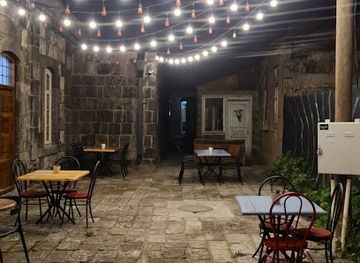
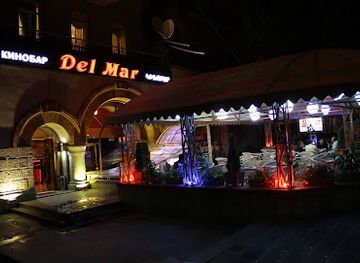
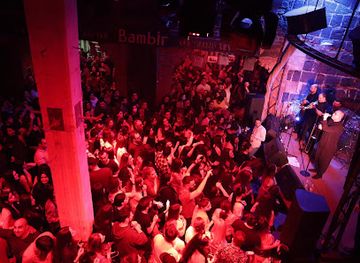
Gyumri’s evening life is modest in scale but distinctive in atmosphere. Central cafés and restaurants around Abovyan Street and the Kumayri quarter provide the main social spaces, with coffee, Armenian wine, beer and spirits often enjoyed in relaxed surroundings rather than in a concentrated club district. The city’s artistic community supports occasional gallery events, concerts, theatre performances and cultural gatherings, while live music can emerge in cafés and informal venues. Evening walks through the historic centre are atmospheric, though winter temperatures and limited late-night transport encourage sensible planning. Gyumri does not have the extensive nightclub circuit of Yerevan, and its nightlife is better understood through conversation, food, music and small-scale cultural events than through large parties. Current programmes vary, so local listings and accommodation hosts are useful for finding performances during a particular visit.
-
Restaurant
Gwoog Gastrohouse
Experience the unique flavors of Gyumri at Gwoog Gastrohouse, where traditional Armenian cuisine meets modern culinary artistry.
10 min walk · 0.8 km from city centre
-
Hamburger
Basturma Shop & Grill Bar
Savor the unique taste of Armenian cuisine at Basturma Shop & Grill Bar, where mouthwatering hamburgers and basturma await your discovery.
5 min drive · 1.7 km from city centre
-
Bar
Trezzo lounge-cafe
Discover the cozy charm of Trezzo Lounge-Cafe in Gyumri, where delightful flavors and a warm atmosphere await every traveler.
5 min drive · 1.7 km from city centre
-
Restaurant
Poloz Mukuch
Discover authentic Armenian cuisine with a modern touch at Poloz Mukuch, a must-visit restaurant in the heart of Gyumri.
6 min drive · 1.9 km from city centre
Best nightclubs in Gyumri
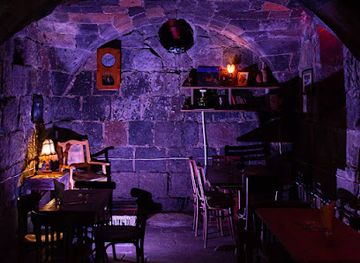
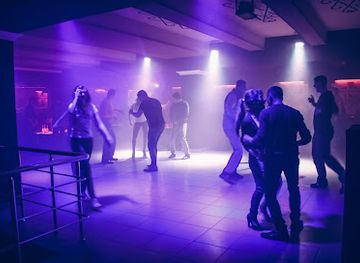
Gyumri’s evening life is modest in scale but distinctive in atmosphere. Central cafés and restaurants around Abovyan Street and the Kumayri quarter provide the main social spaces, with coffee, Armenian wine, beer and spirits often enjoyed in relaxed surroundings rather than in a concentrated club district. The city’s artistic community supports occasional gallery events, concerts, theatre performances and cultural gatherings, while live music can emerge in cafés and informal venues. Evening walks through the historic centre are atmospheric, though winter temperatures and limited late-night transport encourage sensible planning. Gyumri does not have the extensive nightclub circuit of Yerevan, and its nightlife is better understood through conversation, food, music and small-scale cultural events than through large parties. Current programmes vary, so local listings and accommodation hosts are useful for finding performances during a particular visit.
-
Bar
BarBar Art Room
Discover the vibrant BarBar Art Room in Gyumri, a unique bar and pub that offers lively entertainment and a creative atmosphere for all visitors.
5 min drive · 1.6 km from city centre
-
Night club
Diamond Club
Discover the vibrant nightlife and electrifying atmosphere at Diamond Club, Gyumri's premier destination for unforgettable late-night experiences.
17 min walk · 1.4 km from city centre
-
Pub
Garage club
Discover Garage Club, Gyumri's lively pub nestled in the Commercial Center, perfect for enjoying local drinks and vibrant nightlife.
15 min walk · 1.2 km from city centre
-
Night club
Metelica club
Discover the vibrant nightlife of Gyumri at Metelica Club, where music and dance come alive in an unforgettable atmosphere for every tourist.
15 min drive · 5.2 km from city centre
Best shops in Gyumri
Shopping in Gyumri ranges from everyday produce to handmade objects rooted in the city’s reputation for craft. The central market is the place to look for cheese, dried fruit, herbs, preserves and other Armenian food products, while small shops and independent businesses in the historic centre offer ceramics, textiles, jewellery, woodwork and locally designed souvenirs. Gyumri has long been associated with skilled artisans, including blacksmiths and makers working with metal, stone and traditional decorative forms. Visitors may also find paintings, prints and contemporary design pieces connected with the city’s active artistic community. Rather than a large luxury or international retail scene, Gyumri’s shopping character lies in personal workshops, modest galleries and family-run stores. Bargaining is not a universal expectation, so it is best reserved for appropriate market situations and conducted politely.
-
Gift shop
Վառեմ Մարեմ
Explore the charm of Gyumri at Վառեմ Մարեմ, where every gift tells a story of Armenian culture and craftsmanship.
6 min drive · 2.1 km from city centre
-
Shopping mall
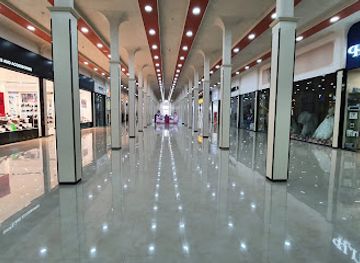
Shirak Mall
Discover the vibrant shopping scene at Shirak Mall in Gyumri, where modern retail meets local culture for an unforgettable experience.
9 min walk · 0.7 km from city centre
-
Clothing store
Hanger
Explore Hanger in Gyumri for unique clothing, exquisite costume jewelry, and alluring perfumes that capture the essence of local fashion.
8 min drive · 2.6 km from city centre
-
Antique store
Déjà vu Art House Antiques
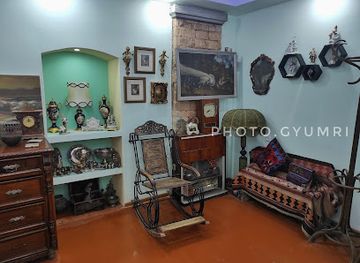
Explore the charm of Gyumri at Déjà vu Art House Antiques, where history and artistry intertwine in a treasure trove of unique finds.
5 min drive · 1.6 km from city centre

Get your free copy of our complete guide to Gyumri, delivered straight to you.
Everything on this page, from attractions and restaurants to essentials and local phrases, in one PDF you can read offline, print or share.
Already have an account? Sign in
Your Gyumri guide is ready.
We'll send it to · Not you? Sign out

Getting your guide ready…
We are putting together a fresh copy of the Gyumri guide. This can take up to a minute.
This can take a few moments. If your browser asks, choose Allow so the download can start. You'll find the guide in your Downloads folder.
Nothing happened? Download it again
Sorry, the guide is taking longer than usual. Please try again in a minute, or get it by email instead.
Gyumri essentials
Currency and Payment
Safety
Emergency Situations
Do's and Don'ts
Local Tips
From Eve
Local phrases worth knowing
You don't need to get them perfect. A few words go a long way, and locals appreciate the effort.
Basics
| English | Local | Say it |
|---|---|---|
| Hello | բարև | [barev] |
| Goodbye | բայց | [bayts] |
| Yes | այո | [ayo] |
| No | ոչ | [voch] |
| Please/You're welcome | խնդրում եմ | [khntroom em] |
| Thank you | շնորհակալ եմ | [shnorhakal em] |
| Excuse me/Sorry | ներդրություն եմ | [nerdrootyun em] |
| How are you? | Ինչ ես կարծում? | [inch es kartsuum?] |
| Fine. And you? | Լավ եմ, դու՞ | [lav em, du?] |
| Do you speak English? | Կարերակ ես խրել անգլերեն? | [karearak es khrel angleren?] |
| I don't understand | Ես չեմ հասկանում | [es chem haskanum] |
Eating & Drinking
| English | Local | Say it |
|---|---|---|
| I'd like to see the menu, please | Խնդրում եմ ճաշատեսակը | [khntroom em jashatesaky] |
| I don't eat meat | Ես մի կերակուց չեմ ուտում | [es mi kerakuts chem utum] |
| Cheers! | Շնորհավորում եմ | [shnorhavorum em] |
| I would like to pay, please | Խնդրում եմ վճարել | [khntroom em vcharrel] |
Emergencies
| English | Local | Say it |
|---|---|---|
| Help! | Օգնեք | [ogneg] |
| Go away! | Միացրեք | [miatsrek] |
| Call the Police! | Զանգահարեք ոստիկան | [zangaharek ostikan] |
| Call a doctor! | Զանգահարեք բժշկ | [zangaharek bzhshk] |
| I'm lost | Ես կորուստ եմ | [es korust em] |
| I'm ill | Ես հիվանդ եմ | [es hivanad em] |
Shopping
| English | Local | Say it |
|---|---|---|
| I'd like to buy... | Խնդրում եմ գնել | [khntroom em gnel] |
| I'm just looking | Ես միայն նայում եմ | [es miayn nayum em] |
| How much is it? | Որքա՞ն է այն | [vorkan e ayn] |
| That's too expensive | Դա շատ է թանկ | [da shat e tank] |
| Can you lower the price? | Ի՞նչ առավո՞նում ես գինը | [inch aravnum es gine] |
Time & Numbers
| English | Local | Say it |
|---|---|---|
| What time is it? | Տեսական վայր է? | [tesakan vayr e?] |
| It's one o'clock | Մեկը է | [meky e] |
| Half past (10) | Կեսը է (10) | [kesy e (10)] |
| Morning | Առավոտ | [aravot] |
| Afternoon | Կերական | [kerakan] |
| Evening | Երեկ | [yerek] |
| Yesterday | Երեկ | [yerek] |
| Today | Այսօր | [aysor] |
| Tomorrow | Վաղը | [vagy] |
| 1 | 1 | [1] |
| 2 | 2 | [2] |
| 3 | 3 | [3] |
| 4 | 4 | [4] |
| 5 | 5 | [5] |
| 6 | 6 | [6] |
| 7 | 7 | [7] |
| 8 | 8 | [8] |
| 9 | 9 | [9] |
| 10 | 10 | [10] |
Transport & Directions
| English | Local | Say it |
|---|---|---|
| Where's a/the...? | Այստեղ է ...? | [aystegh e ...?] |
| What's the address? | Ինչ է հասցեն? | [inch e hascen?] |
| Can you show me (on the map)? | Ի՞նչ կարող եք ցուցադրել (քարտեզում) | [inch karogh ek tsutsadrel (kartezum)] |
| When's the next (bus)? | Երբ է հաջորդը (ավտոբուսը)? | [erb e hajordy (avtobusy)?] |
| A ticket (to ....) | Չիք (մինչեւ ...) | [chik (minchev ...)] |
History of Gyumri
Ancient Kumayri and Shirak
Gyumri’s roots reach back to Kumayri, an ancient settlement associated with the Shirak plain and mentioned in early Armenian historical tradition. The surrounding region formed part of successive Armenian kingdoms and later passed through the control of larger powers that competed for the Caucasus. Its position on routes across northern Armenia encouraged agriculture, pastoralism and trade, although the settlement’s development was repeatedly affected by warfare and political change. The broad plain, fertile in places but exposed to severe winters, helped shape a practical local culture. The name Kumayri survived through later transformations and remains attached to the city’s historic district, where 19th-century buildings now preserve the memory of Gyumri’s urban predecessor.
Russian Rule and Alexandropol
The Russian Empire incorporated the area after the Russo-Persian War and the Treaty of Turkmenchay in 1828. A Russian military fortress was established at Gyumri in the 1830s, and the settlement was renamed Alexandropol in honour of Empress Alexandra Feodorovna. Military administration, migration and commercial growth altered the town’s scale and population. Armenians from territories newly brought under Russian control joined an already diverse population that included other Christian and Muslim communities. Alexandropol developed as a strategic garrison and trading centre, linking the Armenian highlands with Transcaucasian routes. The city’s later black-stone architecture, street plan and civic institutions owe much to this 19th-century imperial period.
A Commercial and Cultural Centre
During the late 19th and early 20th centuries, Alexandropol became one of the most important urban centres in eastern Armenia. Merchants, craftsmen and railway connections supported trade, while theatres, schools, printing presses and musical traditions gave the town a strong cultural profile. Wealthy families built substantial houses from local volcanic stone, many of which survive in the Kumayri quarter. The town was also marked by social diversity and by the wider political tensions of the Caucasus. After the collapse of the Russian Empire, the short-lived First Republic of Armenia used Alexandropol as an important regional centre. In 1920, the Treaty of Alexandropol was signed during the conflict between Armenia and the Turkish National Movement, adding another significant episode to the city’s political history.
Leninakan in the Soviet Era
Under Soviet rule, Alexandropol was renamed Leninakan in 1924 and became a major industrial and cultural city of Soviet Armenia. Factories, railway facilities, schools and public institutions expanded, while new neighbourhoods extended beyond the older merchant quarters. The city’s theatres, music traditions and educational establishments continued to shape its regional influence, even as industrial work became central to everyday life. Soviet urban planning introduced broader streets and apartment districts alongside the surviving 19th-century fabric. The name Leninakan remained in use until the final years of the Soviet period, when Armenia’s renewed independence encouraged a return to the historical name Gyumri.
The 1988 Earthquake and Renewal
On 7 December 1988, a powerful earthquake struck northern Armenia, devastating Spitak and causing extensive destruction in Leninakan, later renamed Gyumri. Thousands of residents died, many buildings collapsed and the disaster created a profound social and economic crisis across the region. Reconstruction was complicated by the final years of the Soviet Union and the difficulties that followed independence. The earthquake remains central to Gyumri’s modern identity, remembered through memorials, cemeteries and the city’s continuing need for restoration. Since the 1990s, cultural organisations, local artists and community initiatives have helped revive historic buildings and public life. Contemporary Gyumri therefore combines visible traces of loss with a determined investment in art, heritage and civic renewal.
Gyumri in Photos
Browse through our photo collection highlighting the charm and character of the destination.
Cities near Gyumri
The closest cities to Gyumri, if you have time for more than one stop.
-
-

-

-

-


Swipe for more cities
Explore more

Explore more of Armenia
Explore Armenia's ancient wonders, vibrant cities, and breathtaking landscapes. From historic monasteries to delicious cuisine, there's something for every traveler.
Explore Armenia