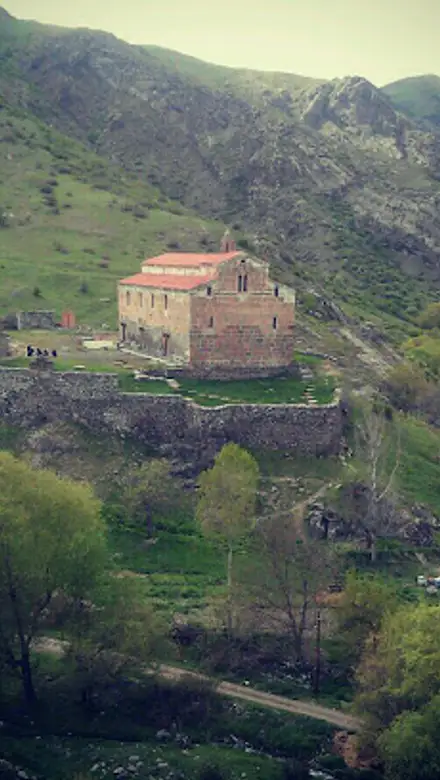
Ağoğlan monastırı, Syunik Travel Guide
Discover the serene beauty and rich history of Ağoğlan Monastery, a hidden gem in Azerbaijan's Kashatagh region.
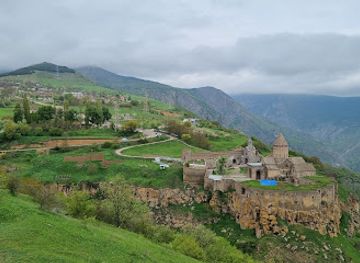
Ağoğlan Monastery, also known as Tsitsernavank, is a captivating monastic complex nestled in the Kashatagh region of Azerbaijan. Dating back to the 5th-6th centuries, this Armenian Apostolic monastery offers a serene escape with its ancient architecture and breathtaking natural surroundings.
A brief summary to Ağoğlan monastırı
- Tsitsernavank, Kashatagh, Nagorno-Karabakh Republic, 375000, Husulu, AZ
- Click to display

Know before you go
Hi, I'm Eve. Here are a few practical things to know before exploring Ağoğlan monastırı.
- Visit during the early morning or late afternoon for the best light for photography.
- Wear comfortable shoes as the terrain around the monastery can be uneven.
- Bring a light jacket, as it can get cool in the hills, especially in the evenings.
- Consider exploring the nearby hiking trails for a full day of nature and history.
Do you manage this location?
Take control to get all the benefits, like improved information, better appearance, and stronger visibility across AI-powered discovery. Learn more about listing your business on Evendo
Activate your presenceOther nearby places you may find interesting
The closest places of the same kind, if this one is not quite what you had in mind.
Explore Ağoğlan monastırı on the Map
A handpicked selection of must-see spots near Ağoğlan monastırı, mapped for you.
Getting There
-
Driving
Ağoğlan Monastery is located near the village of Hüsülü in the Lachin district. From Lachin, follow the main road towards Hüsülü. The monastery is a few kilometers from the village. Be aware that road conditions may vary, and it's advisable to check with local sources for the most up-to-date information. There are no tolls on the direct route. Parking is available near the monastery, and it is free.
Discover more about Ağoğlan monastırı













Your all‑in‑one travel companion app
Explore expert travel guides, compare and book tours, experiences, hotels, and more—all from the palm of your hand. Download now for seamless trip planning wherever your wanderlust takes you.


Explore More of Syunik
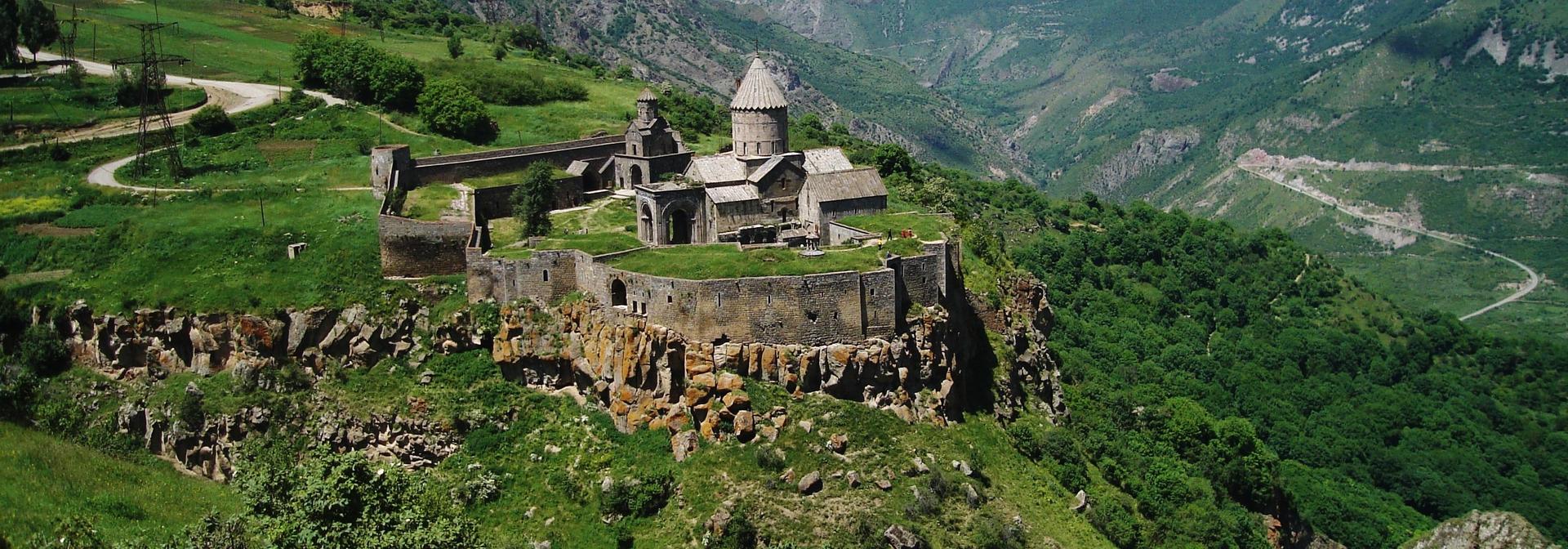
Looking beyond Ağoğlan monastırı? Discover Syunik for broader travel guides, local hot-spots, and regional highlights.
Explore Syunik
Hike to panoramic views from "Prince's Mountain" near Goris, Armenia, offering stunning vistas of the Syunik region's natural beauty.
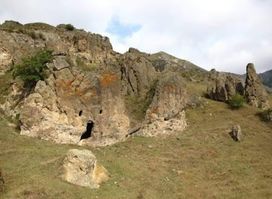
Discover the mesmerizing beauty of Ağzıbir Cave in Azerbaijan, a geological wonder sculpted over millennia, surrounded by picturesque landscapes.