

Makaravank Monastery Complex, Lori Travel Guide
Discover the medieval marvel of Makaravank Monastery in Armenia's Tavush region, a testament to history, architecture, and natural beauty.
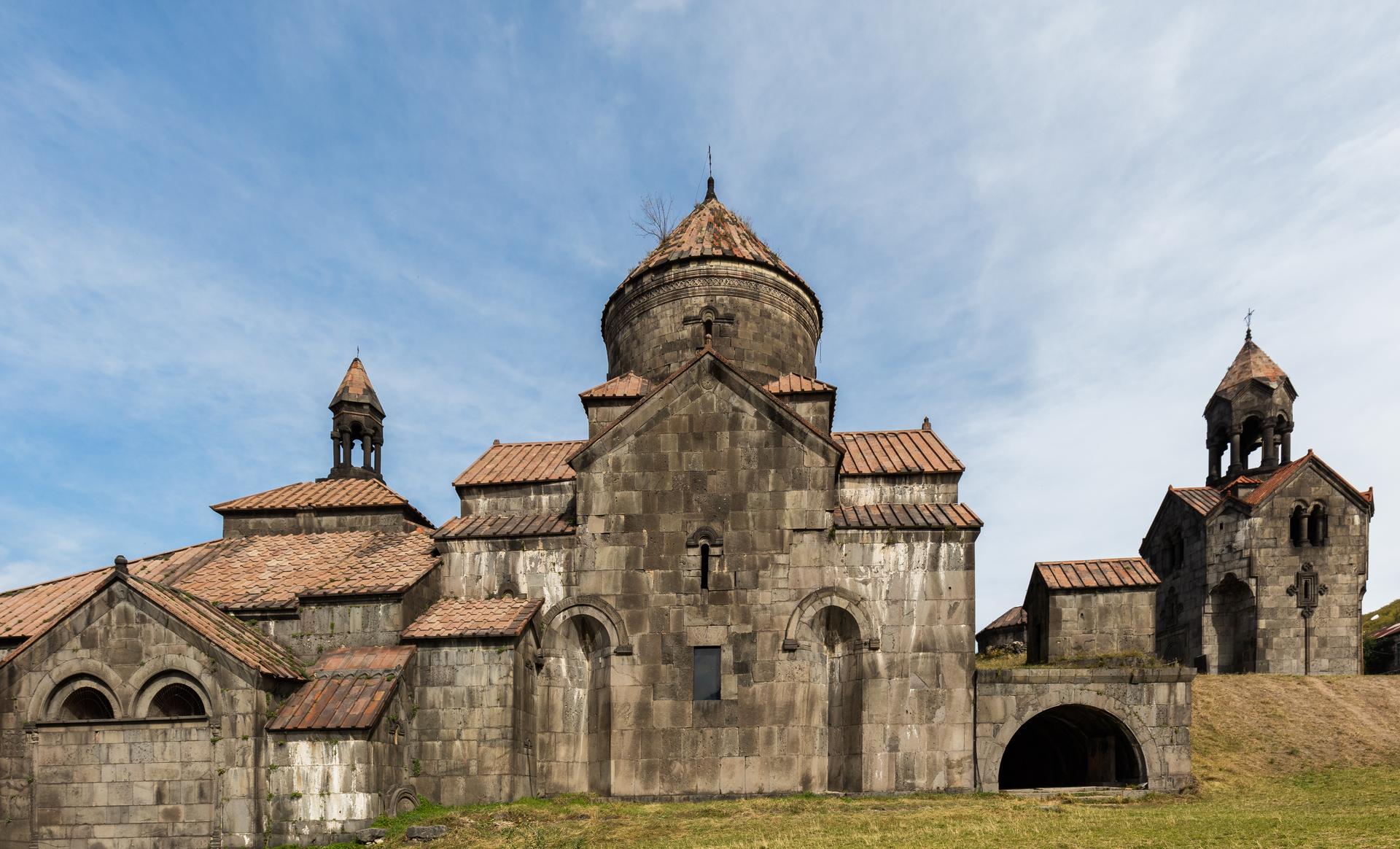
Nestled in the lush Tavush region, Makaravank Monastery is a captivating glimpse into Armenia's rich history and architectural prowess. Dating back to the 10th-13th centuries, this complex showcases intricate stone carvings, stunning medieval structures, and a peaceful atmosphere that invites visitors to unwind and connect with nature.
A brief summary to Makaravank Monastery Complex
- 4006, AM
- Click to display

Know before you go
Hi, I'm Eve. Here are a few practical things to know before exploring Makaravank Monastery Complex.
- Wear comfortable shoes as the terrain around the monastery can be uneven and involve some walking uphill.
- Visit early in the morning or late afternoon to avoid crowds and enjoy the best lighting for photography.
- Bring water and snacks, as there may be limited facilities available near the monastery.
- Consider hiring a local guide to fully appreciate the history and architectural details of the complex.
- Respect the sacred nature of the site by maintaining silence and dressing modestly.
Do you manage this location?
Take control to get all the benefits, like improved information, better appearance, and stronger visibility across AI-powered discovery. Learn more about listing your business on Evendo
Activate your presenceOther nearby places you may find interesting
The closest places of the same kind, if this one is not quite what you had in mind.
Explore Makaravank Monastery Complex on the Map
A handpicked selection of must-see spots near Makaravank Monastery Complex, mapped for you.
Unlock the Best of Makaravank Monastery Complex
Buy tickets
-
No tickets available
Book tours with entry


Book tours without entry
-
No tours available
Getting There
-
Car/Taxi
From the town of Ijevan, hire a taxi or local car to Makaravank Monastery, approximately 10 kilometers away. The drive offers scenic views, but the final stretch involves navigating rugged terrain, so a four-wheel drive is recommended. Expect to pay around 2,000-3,000 AMD for a one-way trip from Ijevan.
-
Public Transport
From the central bus station in Alaverdi, take a local minibus (marshrutka) heading towards the village of Tumanyan. Inform the driver that you wish to get off at Makaravank Monastery. The ride will take about 10-15 minutes. Once you get off, follow the signs towards the monastery, which is a short walk up the hill (around 500 meters). The marshrutka fare is approximately 200 AMD.
-
Walking
From the intersection with the road leading towards Makaravank Monastery, continue walking straight for about 1.5 kilometers. You'll notice signs directing you to Makaravank Monastery. Keep an eye out for the path that leads up the hill on your right. Follow this path, which may be a bit steep, for approximately 500 meters until you reach the entrance of the Makaravank Monastery Complex.
Discover more about Makaravank Monastery Complex
More to explore near Makaravank Monastery Complex













Your all‑in‑one travel companion app
Explore expert travel guides, compare and book tours, experiences, hotels, and more—all from the palm of your hand. Download now for seamless trip planning wherever your wanderlust takes you.


Explore More of Lori
Looking beyond Makaravank Monastery Complex? Discover Lori for broader travel guides, local hot-spots, and regional highlights.
Explore Lori

