

Free Lori Travel Guide & Mobile App
Explore Lori with free travel guides. Discover regional history, expert tips, proposed trips, and audio guides on web or mobile app.


Explore Lori in northern Armenia for UNESCO monasteries, forested valleys, Debed Canyon scenery, mountain villages and distinctive industrial heritage.
Read more about Lori
When is the best time to visit Lori?
Best: June–August · 23–26°C| Month | High (°C) | Rainfall (mm) |
|---|---|---|
| January | 1 | 25 |
| February | 3 | 25 |
| March | 8 | 30 |
| April | 14 | 35 |
| May | 19 | 40 |
| June (best) | 23 | 35 |
| July (best) | 26 | 30 |
| August (best) | 25 | 25 |
| September | 21 | 25 |
| October | 15 | 25 |
| November | 8 | 25 |
| December | 2 | 25 |
Getting to and around Lori
How to get there
Transportation
Top city travel guides in Lori
The cities of Lori, and the easiest places to base yourself.
-

-

-

-

-

-


Swipe for more cities
Destinations in Lori
Resorts, valleys and scenic spots worth a trip of their own.
-

-

-

-
-


Swipe for more destinations
Best attractions in Lori
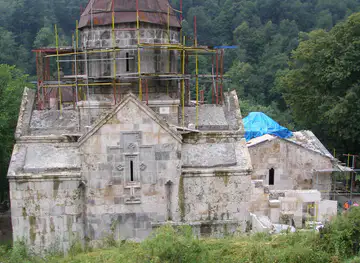
Lori’s attractions are spread across a landscape of wooded ravines, high pasture and industrial towns. The Debed Canyon forms the principal heritage corridor, with Haghpat and Sanahin providing outstanding examples of medieval Armenian monastic architecture and scholarship. Akhtala combines a fortified setting with important church decoration, while Odzun Basilica, Kobayr Monastery and the Lori Fortress near Lori Berd add distinct architectural and historical perspectives. Around Dsegh, visitors can follow literary and rural associations connected with Hovhannes Tumanyan, while Stepanavan offers the Botanical Garden and Arboretum, whose mature trees reflect the area’s cool climate. Vanadzor provides museums, parks and access to mountain scenery, and Spitak offers insight into the history and continuing memory of the 1988 earthquake. Walking, photography, village visits and scenic road journeys are as important as formal sightseeing, although outdoor routes vary in condition and should be planned with local advice.
-
Tourist attraction
Haghpat Monastery Complex
Explore the UNESCO-listed Haghpat Monastery in Armenia, a stunning example of medieval architecture and a center of Armenian religious history.
-
Church
Sanahin Monastery Complex
Discover Sanahin Monastery: A UNESCO site showcasing Armenia's rich medieval architecture, spiritual heritage, and cultural significance.
-
Tourist attraction
Stepanavan Dendropark
Discover a world of flora at Stepanavan Dendropark, a unique Armenian arboretum with diverse trees and tranquil nature trails. A must-visit for nature lovers!
-
Tourist attraction
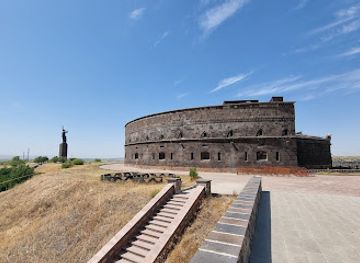
Black Fortress
Explore Gyumri's historic Black Fortress: a 19th-century Russian stronghold offering panoramic views and a glimpse into Armenia's military past.


Best landmarks in Lori
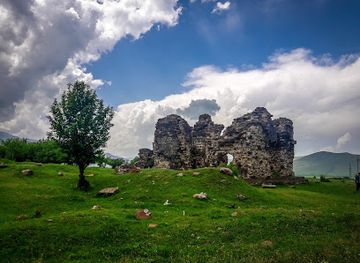
The paired monasteries of Haghpat and Sanahin are Lori’s most recognisable landmarks, their dark stone churches, arcaded galleries and carved khachkars rising above the Debed landscape. Their importance lies not only in their appearance but also in their medieval role as centres of learning, manuscript culture and religious life. Alaverdi’s industrial skyline and the gorge below the monasteries form a striking counterpoint to that older heritage. Akhtala is distinguished by its defensive walls and richly painted church interior, while Odzun Basilica stands prominently above its village and preserves an important early Christian architectural tradition. The ruins of Kobayr cling to a wooded slope, revealing how medieval monastic buildings were adapted to difficult terrain. Lori Fortress near Lori Berd recalls the military importance of the northern highlands, and the broad forested setting of Stepanavan’s arboretum provides a softer natural landmark. In Spitak, earthquake memorials and rebuilt urban spaces mark one of the decisive events of modern Armenian history.
-
Monastery
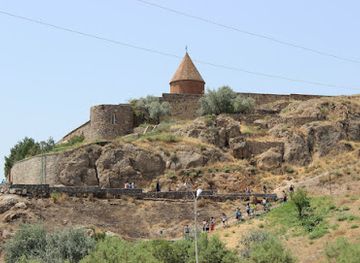
Khor Virap Monastery
Discover Armenia's spiritual heart at Khor Virap Monastery, with stunning views of Mount Ararat and a rich history dating back to the dawn of Christianity.
-
Armenian church
Geghard Monastery
Experience the serene beauty and rich history of Geghard Monastery, a UNESCO World Heritage site nestled in Armenia's stunning landscape.
-
Monastery
Noravank
Discover Noravank Monastery, a stunning blend of rich history and breathtaking landscapes in the heart of Armenia, perfect for every traveler.
-
School
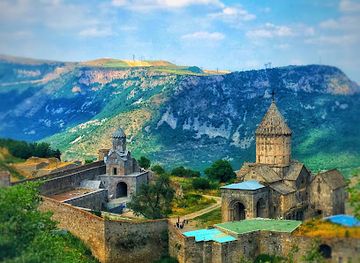
Tatev Monastery
Discover Tatev Monastery, a historic 4th-century gem in Armenia, offering stunning views, rich culture, and serene spirituality amidst breathtaking landscapes.


Explore Lori on the map
Plan your trip on one map. See where the top cities, national parks and sights are, and book hotels and experiences in a few clicks.
Best hotels in Lori
Best restaurants in Lori
Lori’s food scene is rooted in Armenian home cooking, dairy production and the ingredients of a cooler northern climate. In Vanadzor and Alaverdi, restaurants and cafés commonly serve regional Armenian staples such as dolma, khorovats, soups, salads, grilled meats, lavash and pastries, while village guesthouses may offer homemade cheese, yoghurt, preserves and seasonal vegetables. The province is particularly associated with pastoral landscapes and dairy products, and local cheeses can be found through small producers, markets and family-run accommodation rather than a single formal food district. Gata, a sweet pastry made across Armenia in several regional styles, is useful for journeys and is often sold in bakeries or roadside stops. Around the Debed Valley, dining is frequently informal, with advance arrangements advisable in remote villages. Wine and brandy are national Armenian products; locally made fruit preserves, herbal drinks and strong coffee are also common accompaniments to meals.
-
Armenian
Lavash Restaurant
Experience authentic Armenian cuisine at Lavash Restaurant in Yerevan—where tradition meets taste in every dish.
-
Armenian
Tavern Yerevan (Teryan) Պանդոկ Երևան (Տերյան)
Discover the heart of Armenian flavors at Tavern Yerevan—where tradition meets taste in every dish.
-
Restaurant
Tumanyan Khinkali
Experience the authentic taste of Georgia at Tumanyan Khinkali in Yerevan - where every bite tells a delicious story.
-
Restaurant
EL Garden
Discover EL Garden in Yerevan – where Armenian culinary traditions meet global flavors in an inviting atmosphere.


Best bars in Lori
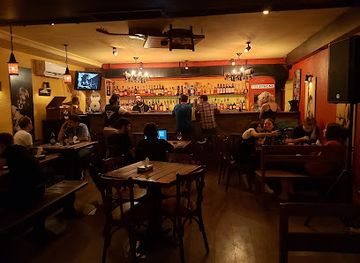
Lori has a modest evening scene rather than a concentrated nightclub culture. Vanadzor offers the widest choice of cafés, restaurants and casual bars, with evenings often centred on conversation, coffee, food and occasional live entertainment. Alaverdi has a smaller selection of places to eat and drink, while guesthouses and family-run restaurants in the Debed Valley provide a quieter setting after a day among the monasteries. Stepanavan’s evening life is similarly low-key and seasonal, reflecting its role as a small highland town rather than a party destination. Traditional Armenian spirits, beer and wine may be available alongside soft drinks and coffee, but alcohol is not necessary to participate in local social life. In rural Lori, it is wise to arrange dinner with accommodation in advance, as distances between settlements and late-night transport options are limited.
-
Pub
Beatles Pub Yerevan
Experience the vibrant atmosphere of Beatles Pub Yerevan, where delicious food and live music celebrate the legacy of the iconic band in the heart of Armenia.
-
Cocktail bar
DABOO Cocktail Bar
Discover Yerevan's vibrant nightlife at DABOO Cocktail Bar, renowned for its exquisite cocktails and lively atmosphere, perfect for socializing and relaxation.
-
Cocktail bar
Bar Phoenīx
Experience Yerevan's vibrant nightlife at Bar Phoenīx, where innovative cocktails and a lively atmosphere await every visitor.
-
Bar
The Kond House
Experience the vibrant nightlife at The Kond House, a must-visit bar in Yerevan offering great drinks and an inviting atmosphere.


Best nightclubs in Lori
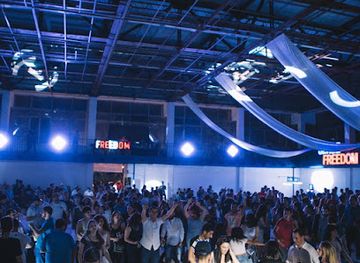
Lori has a modest evening scene rather than a concentrated nightclub culture. Vanadzor offers the widest choice of cafés, restaurants and casual bars, with evenings often centred on conversation, coffee, food and occasional live entertainment. Alaverdi has a smaller selection of places to eat and drink, while guesthouses and family-run restaurants in the Debed Valley provide a quieter setting after a day among the monasteries. Stepanavan’s evening life is similarly low-key and seasonal, reflecting its role as a small highland town rather than a party destination. Traditional Armenian spirits, beer and wine may be available alongside soft drinks and coffee, but alcohol is not necessary to participate in local social life. In rural Lori, it is wise to arrange dinner with accommodation in advance, as distances between settlements and late-night transport options are limited.
-
Musical club
Kami Club
Discover the magic of Yerevan's nightlife at Kami Club, where music, dance, and unforgettable experiences await in a vibrant atmosphere.
-
Dance club
Paparazzi Club
Discover the vibrant nightlife at Paparazzi Club, Yerevan's premier dance destination with electrifying music and a lively atmosphere.
-
Rock music club
Stop Club
Discover the heart of Armenia's rock scene at Stop Club, where live music and vibrant energy come together for an unforgettable night out.
-
Night club
Diva
Experience the vibrant nightlife of Yerevan at Diva, where music and dance come alive in an electrifying atmosphere.



Best shops in Lori
Shopping in Lori is centred on practical high-street retail, small food shops, village produce and locally made goods rather than large luxury centres. Vanadzor has the broadest range of shops and services, while Alaverdi and Stepanavan provide useful everyday shopping for visitors staying in the north. Markets and small producers are good places to look for Armenian cheese, honey, preserves, dried fruit, herbs, sweets and seasonal fruit, although availability changes with the time of year. Bakeries and roadside shops may stock gata and other pastries for journeys. Handicrafts, carved objects, textiles and locally produced souvenirs are more likely to be found through guesthouses, cultural initiatives or individual makers than in a dedicated shopping quarter. In monastery areas, small stalls may sell religious items and souvenirs; buy respectfully and avoid removing stones, plants or archaeological fragments from historic sites.
-
Gift shop
Vernissage
Explore Vernissage, Yerevan's vibrant artisan market, and discover unique handcrafted treasures and local cultural experiences.
-
Monastery
Jukhtakvank Monastery
Explore the historic Jukhtakvank Monastery, a serene retreat in Dilijan, Armenia, surrounded by stunning natural landscapes and rich cultural heritage.
-
Grocery store
ARM ART Market
Explore the flavors and vibrant culture of Armenia at ARM ART Market, a local grocery store offering fresh produce and unique artisan goods.
-
Supermarket
Victoria
Experience local Armenian culture at Victoria Supermarket in Alaverdi, a vibrant shopping destination offering fresh produce and unique regional specialties.


Get your free copy of our complete guide to Lori, delivered straight to you.
Everything on this page, from attractions and restaurants to essentials and local phrases, in one PDF you can read offline, print or share.
Already have an account? Sign in
Your Lori guide is ready.
We'll send it to · Not you? Sign out

Getting your guide ready…
We are putting together a fresh copy of the Lori guide. This can take up to a minute.
This can take a few moments. If your browser asks, choose Allow so the download can start. You'll find the guide in your Downloads folder.
Nothing happened? Download it again
Sorry, the guide is taking longer than usual. Please try again in a minute, or get it by email instead.
Lori essentials
Currency and Payment
Safety
Emergency Situations
Do's and Don'ts
Local Tips
From Eve
Local phrases worth knowing
You don't need to get them perfect. A few words go a long way, and locals appreciate the effort.
Basics
| English | Local | Say it |
|---|---|---|
| Hello | Բարև | [Barev] |
| Goodbye | Ցտեսություն | [Tstesutyun] |
| Yes | Այո | [Ayo] |
| No | Ոչ | [Voch] |
| Please/You're welcome | Խնդրում եմ | [Khndrum yem] |
| Thank you | Շնորհակալություն | [Shnorhakalutyun] |
| Excuse me/Sorry | Ներողություն | [Neroghut'yun] |
| How are you? | Ինչպիսիք եք? | [Inch'pisik' ek?] |
| Fine. And you? | Լավ։ Իսկ դուք? | [Lav. Isk duk?] |
| Do you speak English? | Դուք անգլերեն խոսո՞ւմ եք: | [Duk angleren khosum ek?] |
| I don’t understand | Չհասկանում եմ | [Chhaskanum yem] |
Eating & Drinking
| English | Local | Say it |
|---|---|---|
| I’d like to see the menu, please | Ճաշացանկը տեսնել կցանկանայի | [Jashats'ank'y tesnel k'c'ankanayi] |
| I don’t eat meat | Ես միս չեմ ուտում | [Yes mis ch'em utum] |
| Cheers! | Առողջություն! | [Arroghjutyun!] |
| I would like to pay, please | Ես կցանկանայի վճարել, խնդրում եմ | [Yes k'c'ankanayi vj'arel, khndrum yem] |
Emergencies
| English | Local | Say it |
|---|---|---|
| Help! | Օգնեցեք! | [Ognets'ek!] |
| Go away! | Հեռանա! | [Herana!] |
| Call the Police! | Զանգահարեք ոստիկանությանը! | [Zangaharek vostikanut'yun!] |
| Call a doctor! | Զանգահարեք բժիշկին! | [Zangaharek bj'ishkin!] |
| I’m lost | Ես կորչել եմ | [Yes k'orch'yel yem] |
| I’m ill | Ես հիվանդ եմ | [Yes hivand yem] |
Shopping
| English | Local | Say it |
|---|---|---|
| I’d like to buy... | Ես կցանկանայի գնել... | [Yes k'c'ankanayi gnel...] |
| I’m just looking | Ես պարզապես նայում եմ | [Yes parzapes nayum yem] |
| How much is it? | Ի՞նչ արժե: | [Inch' arje?] |
| That’s too expensive | Այն շատ թանկ է | [Ayn shat tank e] |
| Can you lower the price? | Կարող եք գինը գցել? | [Karogh ek giny gtsel?] |
Time & Numbers
| English | Local | Say it |
|---|---|---|
| What time is it? | Որ ժամն է: | [Vor zhamn e?] |
| It’s one o’clock | Նույն ժամն է | [Noyn zhamn e] |
| Half past (10) | Մեկ կես (10) | [Mek kes (10)] |
| Morning | Առավոտ | [Aravot] |
| Afternoon | Դեպի վայր | [Depi vayr] |
| Evening | Երեկո | [Yereko] |
| Yesterday | Երեկ | [Yerek] |
| Today | Այսօր | [Aysor] |
| Tomorrow | Վաղը | [Vaghy] |
| 1 | 1 | [1] |
| 2 | 2 | [2] |
| 3 | 3 | [3] |
| 4 | 4 | [4] |
| 5 | 5 | [5] |
| 6 | 6 | [6] |
| 7 | 7 | [7] |
| 8 | 8 | [8] |
| 9 | 9 | [9] |
| 10 | 10 | [10] |
Transport & Directions
| English | Local | Say it |
|---|---|---|
| Where's a/the...? | Որտեղի՞... | [Vorteghi...?] |
| What's the address? | Ինչ է հասցեն? | [Inch e hascen?] |
| Can you show me (on the map)? | Կարող եք ցույց տալ ինձ (քարտեզի վրա)? | [Karogh ek ts'uyc tal indz (k'artezi vra)?] |
| When's the next (bus)? | Երբ է հաջորդը (ավտոբուսը)? | [Erb e hach'ordy (avtobus@)?] |
| A ticket (to ....) | Տոմս (մի ....) | [T'oms (mi ...)] |
History of Lori
Ancient Gugark and the Northern Highlands
Lori formed part of the historic northern Armenian landscape traditionally associated with Gugark, a frontier region whose valleys connected the Armenian highlands with the Caucasus. Archaeological traces, hill settlements and early religious remains indicate long occupation before the medieval monasteries that now dominate the visitor itinerary. The area’s position between higher plateaux and routes towards Georgia gave it strategic value, while its forests, pasture and river valleys supported farming and animal husbandry. Political control changed repeatedly over the centuries, but the north remained an important meeting ground between Armenian, Georgian and other regional powers.
The Medieval Kingdom of Lori
During the Bagratid period, northern Armenia became a centre of political and cultural activity. The Kingdom of Lori, associated with the Kyurikid branch of the Bagratid dynasty, developed around the Debed basin from the tenth century. Lori Berd served as a fortified centre, controlling routes through the region. Although the kingdom was eventually absorbed into larger political structures, its legacy remains in the concentration of monasteries, fortifications and settlements across the Debed valley. Medieval builders used local stone to create churches and educational complexes whose sculpture and inscriptions document the intellectual life of the period.
Haghpat, Sanahin and Medieval Scholarship
The monasteries of Haghpat and Sanahin grew into major religious and scholarly institutions between the tenth and thirteenth centuries. Their churches, gavits, libraries, bell towers and carved khachkars were not simply places of worship; they also supported manuscript production, teaching and the preservation of Armenian learning. Built on opposite sides of the Debed landscape, the complexes demonstrate how monasteries were integrated into both the natural terrain and the political economy of medieval Armenia. Their survival, despite invasions and earthquakes, explains their exceptional importance in the cultural history of Lori and their UNESCO World Heritage status.
Georgian Rule and Regional Fortresses
From the late twelfth century, parts of northern Armenia came under the influence of the Georgian crown during a period of Georgian expansion. Monastic foundations and fortified sites continued to develop, while local Armenian nobles and ecclesiastical institutions retained an important role. Akhtala is especially notable for its fortified monastery and wall paintings, which reflect the cultural complexity of the medieval north. The period was not politically uniform, and later invasions and shifting powers brought instability, but the surviving monuments show that Lori remained part of wider Caucasian networks rather than an isolated borderland.
Persian and Russian Imperial Transformations
From the early modern period, Lori was affected by the long rivalry between Persian and Ottoman powers before becoming part of the Russian Empire in the nineteenth century. Russian administration altered political boundaries, settlement patterns and economic connections across northern Armenia. New roads, administrative centres and commercial links gradually tied Lori more closely to the South Caucasus economy. These changes laid foundations for later industrial development, while religious buildings and village communities continued to preserve Armenian cultural traditions within a changing imperial framework.
Copper Mining and Industrial Alaverdi
Alaverdi became one of Lori’s most important industrial centres through the development of copper mining and smelting. Industrial activity expanded particularly from the late nineteenth century and continued during the Soviet period, when the Debed valley acquired factories, railway links and worker settlements. The industry brought employment and urban growth but also left a substantial environmental and architectural legacy. Today, the contrast between Alaverdi’s industrial infrastructure and the nearby medieval monasteries is one of the clearest expressions of Lori’s layered history.
The 1988 Spitak Earthquake
On 7 December 1988, a powerful earthquake struck northern Armenia, causing catastrophic loss of life and widespread destruction in Lori and neighbouring areas. Spitak was among the places most severely affected, while Vanadzor and surrounding settlements also suffered major damage. The disaster became a defining event in Armenia’s modern history, prompting international assistance and a long, uneven reconstruction process during the final years of the Soviet Union and the early independence period. Memorials, rebuilt neighbourhoods and continuing public remembrance keep the earthquake central to the region’s contemporary identity.
Lori in Photos
Browse through our photo collection highlighting the charm and character of the destination.
Neighbouring regions of Lori
The closest regions to Lori, if you have time for more than one.
-

-

-

-
-


Swipe for more regions
Explore more

Explore more of Armenia
Explore Armenia's ancient wonders, vibrant cities, and breathtaking landscapes. From historic monasteries to delicious cuisine, there's something for every traveler.
Explore Armenia