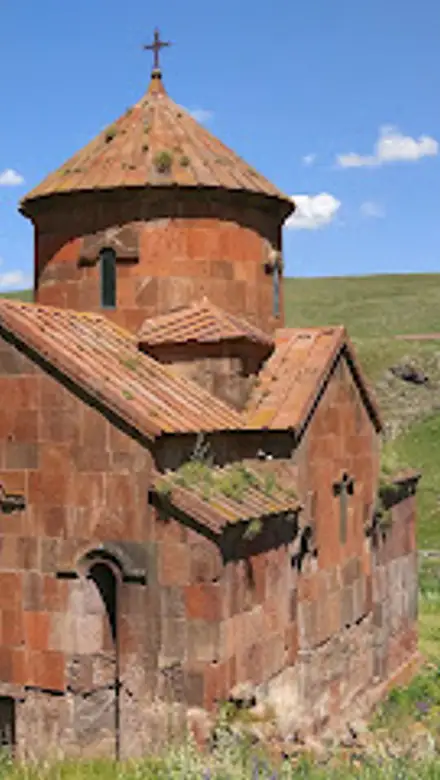
Hogevank Travel Guide
Free Guide: Discover Hogevank Monastery in Armenia: a serene medieval treasure with stunning architecture, rich history, and breathtaking natural surroundings.


A brief summary of Hogevank
Discover Hogevank Monastery in Armenia: a serene medieval treasure with stunning architecture, rich history, and breathtaking natural surroundings.
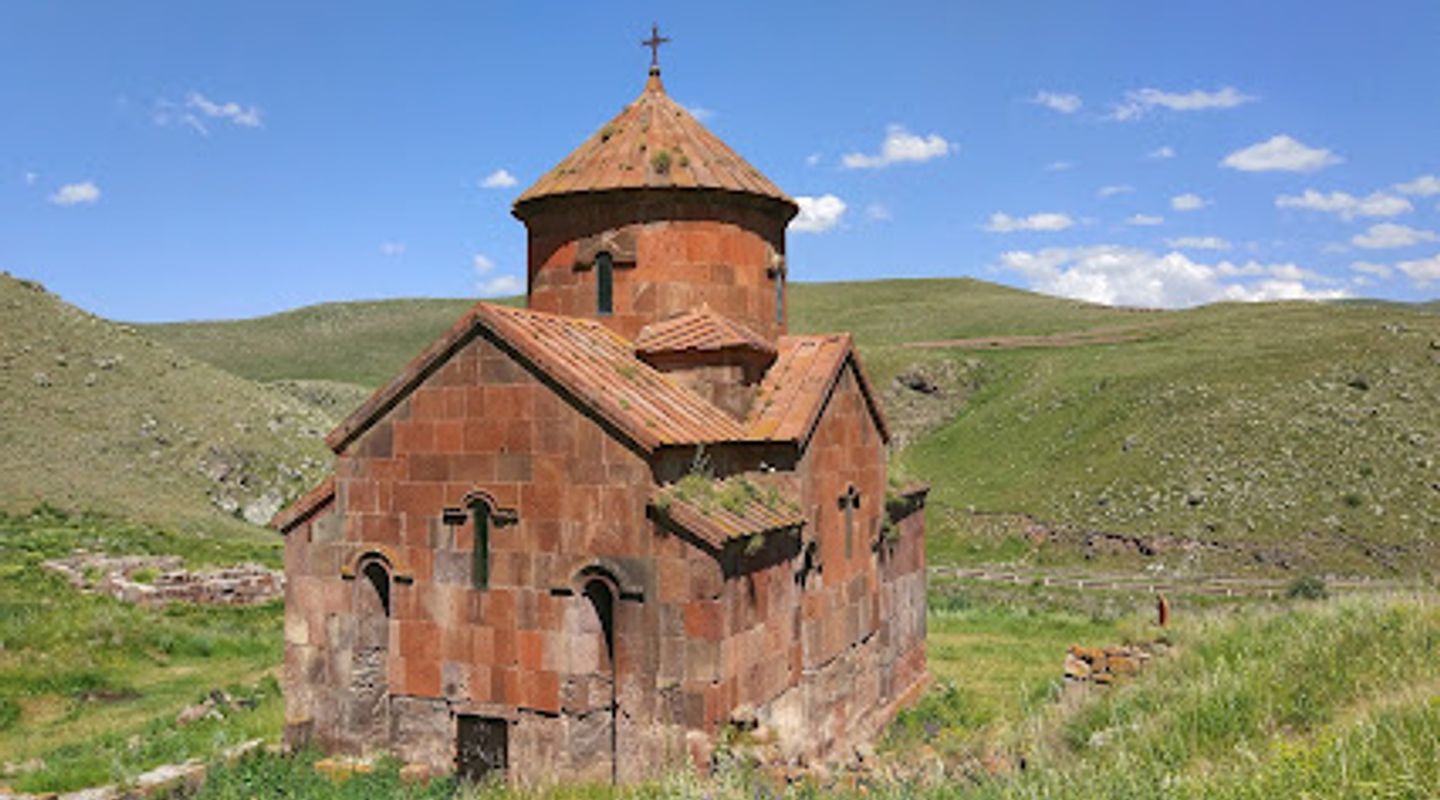
Nestled near Sarnaghbyur village in Armenia's Shirak Province, Hogevank Monastery is a captivating spiritual and historical site. Known for its stunning architecture, serene atmosphere, and intricate stone carvings, it offers a tranquil escape surrounded by breathtaking landscapes.
Opening hours
- Every dayOpen 24 hours
Opening hours as listed on the venue’s Google Business Profile. Hours can change for services and special events, so check with the venue before you go.
- Address
- GVWP+CV5, Sarnaghbyur 2911
Getting there
Public Transport
Car
Taxi
Discover more about Hogevank
Overview
Hogevank Monastery, also known as Karmir Vank or Dzoragyughi Vank, is a medieval Armenian monastic complex near the village of Sarnaghbyur in the Shirak Province. The monastery offers a serene retreat with historical depth and architectural beauty.The main structure, the Saint Karapet Church, was completed in 1205. An inscription reveals it was initially named Saint Stepanos. The church features two entrances and a semicircular main altar. The dome, in the form of a cylindrical drum, was restored in 1980 after earthquake damage in 1939. The church was originally constructed using red polished tuff, with brown and black tuffs added during restoration. Citations adorn the outer walls. Inside, you'll find four-sided carved commemorative markers from the 4th and 5th centuries, and broken pieces of Khachkars (Armenian cross-stones) from the 13th century.To the north of the Saint Karapet Church are the collapsed walls of a 5th-century single-nave chapel and a 7th-century sanctuary with four apses. Hogevank is a pilgrimage site with a spring in the cave of St. Gregory the Illuminator, believed to have healing properties. The surrounding landscape enhances the monastery's charm, offering lush greenery and mountainous views perfect for photography and peaceful walks.
Evendo Review Centre
 Google
Guest reviews
Explore Hogevank on the map
A handpicked selection of must-see spots near Hogevank, mapped for you.
Get your free copy of our complete guide to Hogevank, delivered straight to you.
Everything on this page, from opening hours and how to get there to Eve’s tips and the best time to go, in one PDF you can read offline, print or share.
Already have an account? Sign in
Your Hogevank guide is ready.
We'll send it to · Not you? Sign out

Getting your guide ready…
We are putting together a fresh copy of the Hogevank guide. This can take up to a minute.
This can take a few moments. If your browser asks, choose Allow so the download can start. You'll find the guide in your Downloads folder.
Nothing happened? Download it again
Sorry, the guide is taking longer than usual. Please try again in a minute, or get it by email instead.
Other nearby places you may find interesting
The closest places of the same kind, if this one is not quite what you had in mind.
-
-
-
-
-


Swipe for more places
More to explore near Hogevank

 Best experiences near Hogevank
 Best hotels near Hogevank
 Best landmarks near Hogevank
 Best attractions near Hogevank
 Best shops near Hogevank
 Best restaurants near Hogevank
 Best bars near Hogevank
Do you manage this location?
Take control to get all the benefits, like improved information, better appearance, and stronger visibility across AI-powered discovery.
Explore more

Explore more of Shirak
Discover Shirak, Armenia's hidden gem, where history, culture, and natural beauty converge to create an unforgettable travel experience.
Explore Shirak
Explore more of Armenia
Explore Armenia's ancient wonders, vibrant cities, and breathtaking landscapes. From historic monasteries to delicious cuisine, there's something for every traveler.
Explore Armenia