

Free Shirak Travel Guide & Mobile App
Explore Shirak with free travel guides. Discover regional history, expert tips, proposed trips, and audio guides on web or mobile app.


Explore Shirak for Gyumri’s tuff-stone heritage, medieval monasteries, highland villages, Arpi Lake wetlands and distinctive north-western Armenian cuisine.
Read more about Shirak
When is the best time to visit Shirak?
Best: June–August · 22–25°C| Month | High (°C) | Rainfall (mm) |
|---|---|---|
| January | 0 | 30 |
| February | 1 | 25 |
| March | 5 | 35 |
| April | 11 | 40 |
| May | 18 | 45 |
| June (best) | 22 | 50 |
| July (best) | 25 | 45 |
| August (best) | 24 | 40 |
| September | 20 | 35 |
| October | 15 | 30 |
| November | 8 | 25 |
| December | 3 | 30 |
Getting to and around Shirak
How to get there
Transportation
Top city travel guides in Shirak
The cities of Shirak, and the easiest places to base yourself.
-

-

-
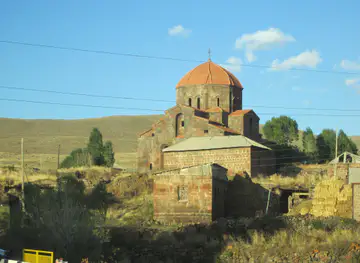


Swipe for more cities
Destinations in Shirak
Resorts, valleys and scenic spots worth a trip of their own.
-

-

-

-


Swipe for more destinations
Best attractions in Shirak
Shirak’s attractions range from the architectural streets of Gyumri to open, sparsely settled highlands. In the city, the Kumayri historic district, museums, churches, galleries and craft workshops provide a concentrated introduction to regional culture and to the changing life of a nineteenth-century Armenian town. The Black Fortress and the city’s tuff-stone buildings add military and civic dimensions to the urban story. Outside Gyumri, Marmashen Monastery offers medieval architecture beside the Akhuryan River, while the churches and stonework of Artik demonstrate the area’s long connection with volcanic tuff. The early Christian basilica of Yererouk near Anipemza is an important archaeological site in a stark borderland setting. Arpi Lake National Park is the region’s principal nature destination, with wetlands, grassland, mountain scenery and birdwatching around Lake Arpi. The Ashotsk uplands are suited to rural walks, winter landscapes and encounters with highland agriculture, though facilities are limited. Visitors should regard the region as a collection of contrasting day trips rather than a single resort area.
-
Nature preserve
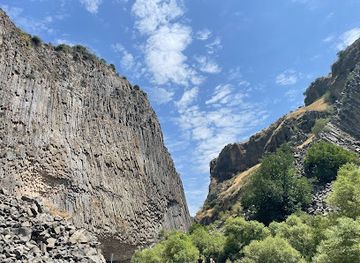
Symphony of Stones
Marvel at the Symphony of Stones in Garni Gorge, Armenia: a breathtaking display of towering basalt columns shaped by ancient volcanic activity.
-
Historical place
Black Fortress
Explore Gyumri's Black Fortress: A historic Russian stronghold offering panoramic views and a glimpse into Armenia's military past.
-
Tourist attraction
Vardanants Square
Discover Vardanants Square in Gyumri: A historic landmark, a cultural hub, and a symbol of Armenian resilience and pride.
-
Museum
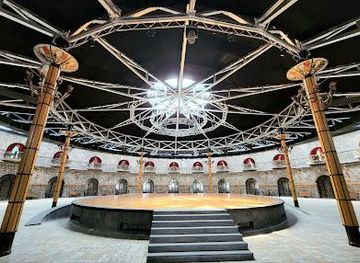
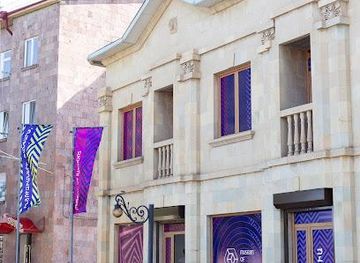
Museum Of Illusions
Experience mind-bending illusions in Gyumri! Explore interactive exhibits that challenge your senses and create lasting memories for all ages.
Best landmarks in Shirak
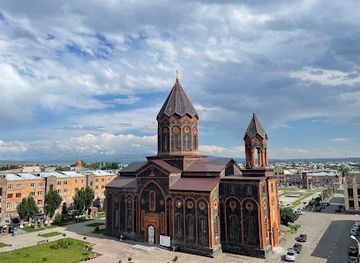
Gyumri’s black and red volcanic-stone architecture is Shirak’s defining urban landmark, particularly in the Kumayri historic district, where nineteenth-century houses, churches, courtyards and civic buildings form a distinctive streetscape. The Black Fortress, a nineteenth-century military structure on the city’s edge, reflects Alexandropol’s strategic role under Russian rule. Marmashen Monastery, set beside the Akhuryan River, is one of the region’s foremost medieval monuments, with carefully proportioned Armenian church architecture and a powerful rural setting. The early Christian basilica of Yererouk near Anipemza has a different character: its monumental ruins stand in an open frontier landscape and preserve evidence of an important early ecclesiastical site. Lake Arpi is Shirak’s principal natural landmark, a high-altitude wetland surrounded by broad pastures and mountain horizons. Around Artik, churches and buildings made from local tuff illustrate how geology has shaped the region’s architecture. Together these places express Shirak through stone, altitude, religious history, military geography and expansive northern landscapes.
-
Tourist attraction
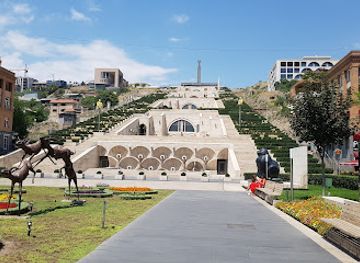
Cascade Complex
Explore the Cascade Complex in Yerevan, a breathtaking open-air museum featuring modern art, stunning architecture, and spectacular views of the city and Mount Ararat.
-
Monastery
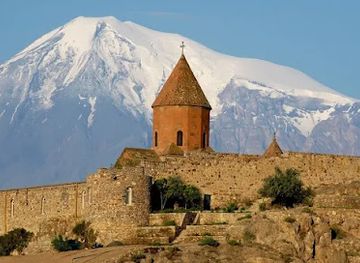
Khor Virap Monastery
Discover the historical and spiritual significance of Khor Virap Monastery with breathtaking views of Mount Ararat, a must-visit in Armenia.
-
Armenian church
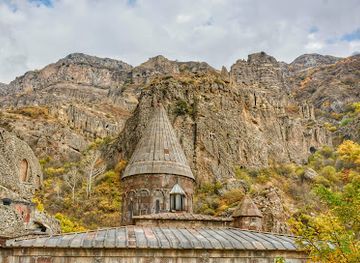
Geghard Monastery
Explore the breathtaking Geghard Monastery, a UNESCO World Heritage Site known for its stunning rock-cut architecture and rich Armenian history.
-
Museum
Garni Historical and Cultural Museum
Explore the Garni Historical and Cultural Museum and dive deep into the rich tapestry of Armenia's cultural heritage and ancient legacy.

Explore Shirak on the map
Plan your trip on one map. See where the top cities, national parks and sights are, and book hotels and experiences in a few clicks.
Best hotels in Shirak
Best restaurants in Shirak
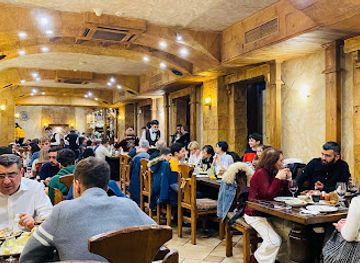
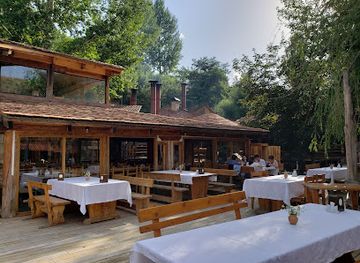
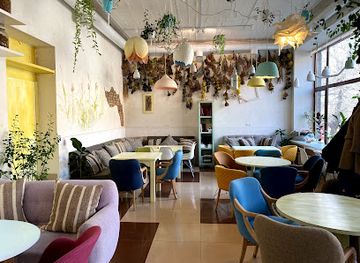
Gyumri is Shirak’s main dining centre, with restaurants, cafés, bakeries and traditional establishments serving substantial north-western Armenian food. Menus commonly draw on lamb and other meats, potatoes, grains, dairy products, herbs and seasonal vegetables, reflecting the cold climate and agricultural surroundings. Visitors may encounter local styles of soups and stews, khash in its traditional season, panrkhash, gata and other baked specialities, although recipes vary between households and restaurants. Fresh bread, cheese, yoghurt and preserves are particularly fitting choices in rural guesthouses and market settings. Gyumri’s food culture also includes Armenian beer, coffee and fruit-based drinks, with a growing café scene alongside older dining traditions. Farmers’ produce and village foods are more important than a single officially defined Shirak cuisine, so asking what is locally available is often more useful than searching for a fixed list of regional dishes. In the countryside, arrange meals in advance where possible, as opening arrangements can be limited outside the city.
-
Armenian
Lavash Restaurant
Discover the heart of Armenian cuisine at Lavash Restaurant in Yerevan – where tradition meets flavor in every bite.
-
Armenian
Tavern Yerevan
Experience authentic Armenian cuisine at Tavern Yerevan, where tradition meets flavor in a cozy atmosphere perfect for tourists.
-
Restaurant
Gyumri's Fish Restaurant (Cherkezi Dzor)
Experience the flavors of Armenia at Cherkezi Dzor Fish Restaurant in Gyumri - where tradition meets modern cuisine.
-
Restaurant
Herbs & Honey teashop & restaurant
Experience authentic Armenian flavors at Herbs & Honey Teashop & Restaurant in Gyumri – where tradition meets taste.

Best bars in Shirak
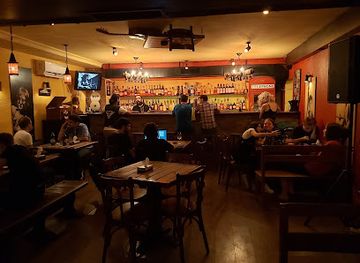
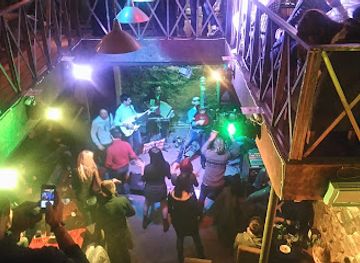
Evening life in Shirak is concentrated overwhelmingly in Gyumri. The city’s cafés, restaurants, beer venues, traditional pubs and small bars attract local residents and visitors, while live music, theatre and cultural events often provide a more characteristic night out than large clubs. Some historic streets and central squares have a relaxed café atmosphere, but opening patterns vary by season and day of the week. Gyumri has a modest late-night scene rather than the extensive club districts found in larger capitals, and rural Shirak is generally quiet after dark. In villages and highland communities, evenings centre on guesthouses, family gatherings and occasional community events rather than commercial nightlife. Visitors should avoid assuming that alcohol is required for social participation, and should arrange a return journey in advance when staying outside Gyumri, since taxis and public transport are less dependable in remote areas.
-
Pub
Beatles Pub Yerevan
Experience the iconic Beatles Pub in Yerevan, where music meets great food and drinks in a vibrant atmosphere.
-
Pub
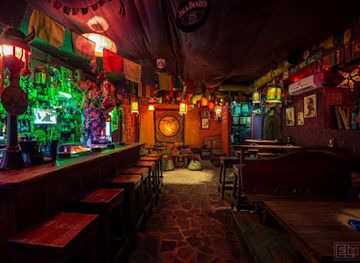
Calumet Ethnic Lounge Bar
Discover the vibrant ambiance of Calumet Ethnic Lounge Bar in Yerevan, where culture meets nightlife in a unique pub experience.
-
Cocktail bar
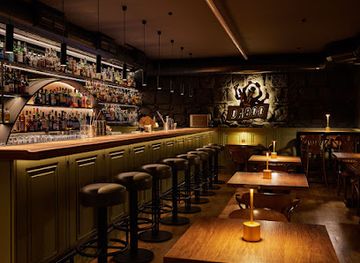
DABOO Cocktail Bar
Explore the vibrant mixology scene at DABOO Cocktail Bar in Yerevan, where innovative cocktails and lively atmosphere create unforgettable nights.
-
Bar
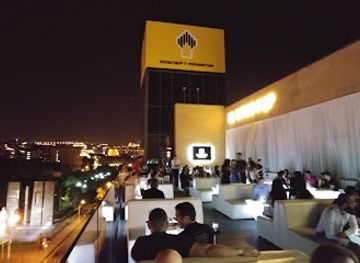
El Sky Bar
Experience unparalleled views and exquisite cocktails at El Sky Bar, Yerevan's premier venue for luxury and nightlife.
Best nightclubs in Shirak
Evening life in Shirak is concentrated overwhelmingly in Gyumri. The city’s cafés, restaurants, beer venues, traditional pubs and small bars attract local residents and visitors, while live music, theatre and cultural events often provide a more characteristic night out than large clubs. Some historic streets and central squares have a relaxed café atmosphere, but opening patterns vary by season and day of the week. Gyumri has a modest late-night scene rather than the extensive club districts found in larger capitals, and rural Shirak is generally quiet after dark. In villages and highland communities, evenings centre on guesthouses, family gatherings and occasional community events rather than commercial nightlife. Visitors should avoid assuming that alcohol is required for social participation, and should arrange a return journey in advance when staying outside Gyumri, since taxis and public transport are less dependable in remote areas.
-
Jazz
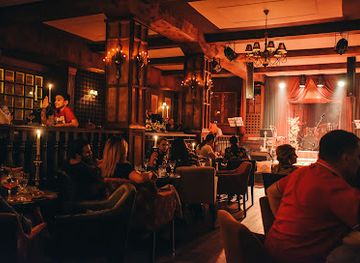
Club 12
Experience the soulful sounds of jazz at Club 12, where Armenian cuisine meets live music in a vibrant Yerevan setting.
-
Rock music club
Stop Club
Experience the vibrant rock scene at Stop Club in Yerevan, where electrifying performances and a lively atmosphere await music lovers.
-
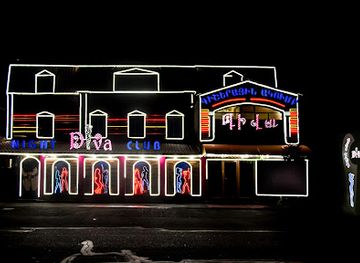
Night club
Diva
Dive into the vibrant nightlife of Yerevan at Diva Night Club, where electrifying music and unforgettable experiences await you.
-
Night club
Nightclub Cabaret Charlotte
Discover the enchanting nightlife at Nightclub Cabaret Charlotte, a premier cabaret and disco club in Yerevan, perfect for dancing and live performances.

Best shops in Shirak
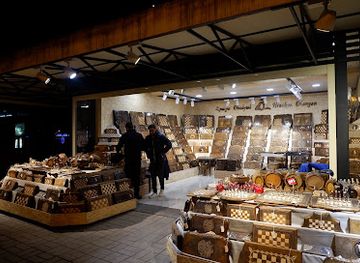
Gyumri is the best place in Shirak for browsing regional products, with independent shops, bakeries, cafés, galleries and craft studios concentrated around the historic centre. Local makers work with metal, wood, textiles, ceramics and stone, and the city’s long reputation for artisanship is more evident in small workshops than in standard souvenir outlets. Look for Armenian food products such as dried fruit, preserves, cheese, herbs, sweets and baked goods, while village markets and farm stalls may offer seasonal produce when travelling outside the city. Artik and other settlements are associated with the wider Shirak tradition of stoneworking, though large architectural pieces are not practical souvenirs. Rural guesthouses can sometimes arrange locally made food or crafts, but availability varies. For dependable everyday shopping, Gyumri has the region’s broadest choice; the highland villages are better approached for direct, informal purchases than for organised retail.
-
Gift shop
Vernissage
Discover the vibrant Vernissage market in Yerevan, where local artisans showcase their crafts and Armenian culture comes to life.
-
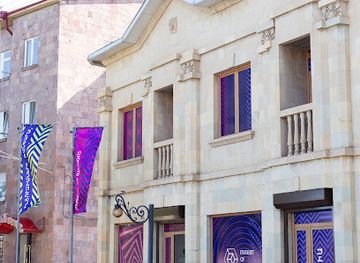
Museum
Museum of Illusions Armenia
Experience the magic of perception at the Museum of Illusions Armenia in Gyumri, where art and science collide for an unforgettable adventure.
-
Shopping mall
Tashir Street Shopping Centre
Explore Tashir Street Shopping Centre in Yerevan for a unique shopping experience with local flavor and a variety of dining options.
-
Souvenir store
Gyumrik
Explore Gyumrik in Gyumri for unique Armenian souvenirs, local delicacies, and a taste of the region's rich heritage.

Get your free copy of our complete guide to Shirak, delivered straight to you.
Everything on this page, from attractions and restaurants to essentials and local phrases, in one PDF you can read offline, print or share.
Already have an account? Sign in
Your Shirak guide is ready.
We'll send it to · Not you? Sign out

Getting your guide ready…
We are putting together a fresh copy of the Shirak guide. This can take up to a minute.
This can take a few moments. If your browser asks, choose Allow so the download can start. You'll find the guide in your Downloads folder.
Nothing happened? Download it again
Sorry, the guide is taking longer than usual. Please try again in a minute, or get it by email instead.
Shirak essentials
Currency and Payment
Safety
Emergency Situations
Do's and Don'ts
Local Tips
From Eve
Local phrases worth knowing
You don't need to get them perfect. A few words go a long way, and locals appreciate the effort.
Basics
| English | Local | Say it |
|---|---|---|
| Hello | Hello | [hɛˈloʊ] |
| Goodbye | Goodbye | [ɡʊdˈbaɪ] |
| Yes | Yes | [jɛs] |
| No | No | [noʊ] |
| Please/You're welcome | Please/You're welcome | [pliz/jʊr 'wɛlkəm] |
| Thank you | Thank you | [θæŋk jʊ] |
| Excuse me/Sorry | Excuse me/Sorry | [ɪkˈskjus mi/ˈsɔri] |
| How are you? | How are you? | [haʊ ɑr jʊ] |
| Fine. And you? | Fine. And you? | [faɪn. ənd jʊ] |
| Do you speak English? | Do you speak English? | [du jʊ spiːk ˈɪŋɡlɪʃ] |
| I don't understand | I don't understand | [aɪ doʊnt ˌʌndərˈstænd] |
Eating & Drinking
| English | Local | Say it |
|---|---|---|
| I'd like to see the menu, please | I'd like to see the menu, please | [aɪd laɪk tə si ðə ˈmɛnu, pliz] |
| I don't eat meat | I don't eat meat | [aɪ doʊnt iːt miːt] |
| Cheers! | Cheers! | [ʧɪrz] |
| I would like to pay, please | I would like to pay, please | [aɪ wʊd laɪk tə peɪ, pliz] |
Emergencies
| English | Local | Say it |
|---|---|---|
| Help! | Help! | [hɛlp] |
| Go away! | Go away! | [ɡoʊ əˈweɪ] |
| Call the Police! | Call the Police! | [kɔl ðə pəˈlis] |
| Call a doctor! | Call a doctor! | [kɔl ə ˈdɑktər] |
| I'm lost | I'm lost | [aɪm lɔst] |
| I'm ill | I'm ill | [aɪm ɪl] |
Shopping
| English | Local | Say it |
|---|---|---|
| I'd like to buy... | I'd like to buy... | [aɪd laɪk tə baɪ...] |
| I'm just looking | I'm just looking | [aɪm dʒʌst ˈlʊkɪŋ] |
| How much is it? | How much is it? | [haʊ mʌʧ ɪz ɪt?] |
| That's too expensive | That's too expensive | [ðæts tuː ɪkˈspɛnsɪv] |
| Can you lower the price? | Can you lower the price? | [kæn jʊ ˈloʊər ðə praɪs?] |
Time & Numbers
| English | Local | Say it |
|---|---|---|
| What time is it? | What time is it? | [wʌt taɪm ɪz ɪt?] |
| It's one o'clock | It's one o'clock | [ɪts wʌn əˈklɑk] |
| Half past (10) | Half past (10) | [hæf pæst (10)] |
| Morning | Morning | [ˈmɔrnɪŋ] |
| Afternoon | Afternoon | [ˌæftərˈnun] |
| Evening | Evening | [ˈivnɪŋ] |
| Yesterday | Yesterday | [ˈjɛstərdeɪ] |
| Today | Today | [təˈdeɪ] |
| Tomorrow | Tomorrow | [təˈmɔroʊ] |
| 1 | 1 | [wʌn] |
| 2 | 2 | [tu] |
| 3 | 3 | [θri] |
| 4 | 4 | [fɔr] |
| 5 | 5 | [faɪv] |
| 6 | 6 | [sɪks] |
| 7 | 7 | [sɛvən] |
| 8 | 8 | [eɪt] |
| 9 | 9 | [naɪn] |
| 10 | 10 | [tɛn] |
Transport & Directions
| English | Local | Say it |
|---|---|---|
| Where's a/the...? | Where's a/the...? | [wɛrz ə/ðə...?] |
| What's the address? | What's the address? | [wʌt ɪz ði ˈædrɛs?] |
| Can you show me (on the map)? | Can you show me (on the map)? | [kæn jʊ ʃoʊ mi (ɑn ðə mæp)?] |
| When's the next (bus)? | When's the next (bus)? | [wɛn ɪz ðə nɛkst (bʌs)?] |
| A ticket (to ....) | A ticket (to ....) | [ə ˈtɪkɪt (tə ....)] |
History of Shirak
Ancient Shirak and the Early Christian Landscape
The Shirak plateau has long been a route between the South Caucasus and the Anatolian uplands, with settlement supported by fertile volcanic soils and river valleys. Archaeological remains record communities dating back to prehistoric periods, while later Armenian kingdoms incorporated the area into changing political structures. The basilica of Yererouk near Anipemza, generally dated to the early Christian period, demonstrates the region’s importance after Armenia adopted Christianity in the early fourth century and preserves evidence of a substantial ecclesiastical centre in the borderlands.
Medieval Armenia and the Monasteries of the Akhuryan
During the medieval period, Shirak formed part of the Armenian highland political and religious world shaped by dynasties including the Bagratids and later regional powers. Monastic foundations served as places of worship, learning, manuscript culture and estate management. Marmashen, built beside the Akhuryan River in the tenth and eleventh centuries, is the clearest surviving expression of this era in Shirak. Its architecture reflects the refined use of local stone that remains characteristic of the province.
Persian, Ottoman and Regional Imperial Rule
From the later medieval period into the eighteenth century, Shirak was affected by rivalry among Persian, Ottoman and local Armenian authorities. Warfare, shifting borders and population movements repeatedly altered the plateau’s political and economic life. The area’s position near the major routes of the South Caucasus made it strategically valuable, while agricultural communities continued to depend on the fertile plain. This layered history helps explain why Shirak’s modern identity combines Armenian regional traditions with influences from a wider frontier environment.
Alexandropol under the Russian Empire
Russian control expanded into the area in the nineteenth century, and the settlement of Gyumri developed as Alexandropol, a military and commercial centre. The town’s grid, stone civic buildings, churches and residential courtyards date largely from this period. Railway construction in the late nineteenth century strengthened connections with Tbilisi, Yerevan and the wider imperial network, encouraging trade, crafts and urban growth. Much of modern Gyumri’s architectural character and its reputation as a centre of artisanship emerged during these decades.
Soviet Industrial and Urban Transformation
After Armenia became part of the Soviet Union, Shirak was reorganised within a centrally planned economy. Gyumri, then known as Leninakan, acquired factories, expanded residential districts and became an important industrial city. Soviet development altered the traditional urban fabric but also created institutions, theatres and public spaces that remain part of city life. The region’s villages continued to depend on agriculture and livestock, while the highlands retained a more rural character than the expanding city.
The 1988 Spitak Earthquake and Gyumri’s Recovery
The earthquake of 7 December 1988 devastated northern Armenia, with especially severe destruction in Gyumri, then Leninakan, and surrounding settlements. Although its epicentre was near Spitak in neighbouring Lori Province, Shirak suffered enormous loss of life, housing and infrastructure. Temporary accommodation and unfinished housing became enduring features of the post-earthquake landscape. Reconstruction has continued for decades, and the disaster remains central to Gyumri’s public memory, civic identity and cultural expression.
Contemporary Cultural Renewal in Gyumri
Since independence, Gyumri and the wider province have faced economic pressures, out-migration and the long consequences of the earthquake, while also developing a stronger cultural and tourism profile. Restoration in parts of Kumayri, independent galleries, craft studios, festivals and new cafés have brought activity to historic streets without erasing their older character. Beyond the city, conservation work around monasteries and protected landscapes has encouraged more interest in Shirak’s archaeological, ecological and rural heritage.
Shirak in Photos
Browse through our photo collection highlighting the charm and character of the destination.
Neighbouring regions of Shirak
The closest regions to Shirak, if you have time for more than one.
-

-

-

-
-


Swipe for more regions
Explore more

Explore more of Armenia
Explore Armenia's ancient wonders, vibrant cities, and breathtaking landscapes. From historic monasteries to delicious cuisine, there's something for every traveler.
Explore Armenia