

Arabkir (Yerevan) Travel Guide - Free
Explore Arabkir in Yerevan with Evendo's free guide. Find the best shops, historic streets, restaurants, and gems on web or mobile.


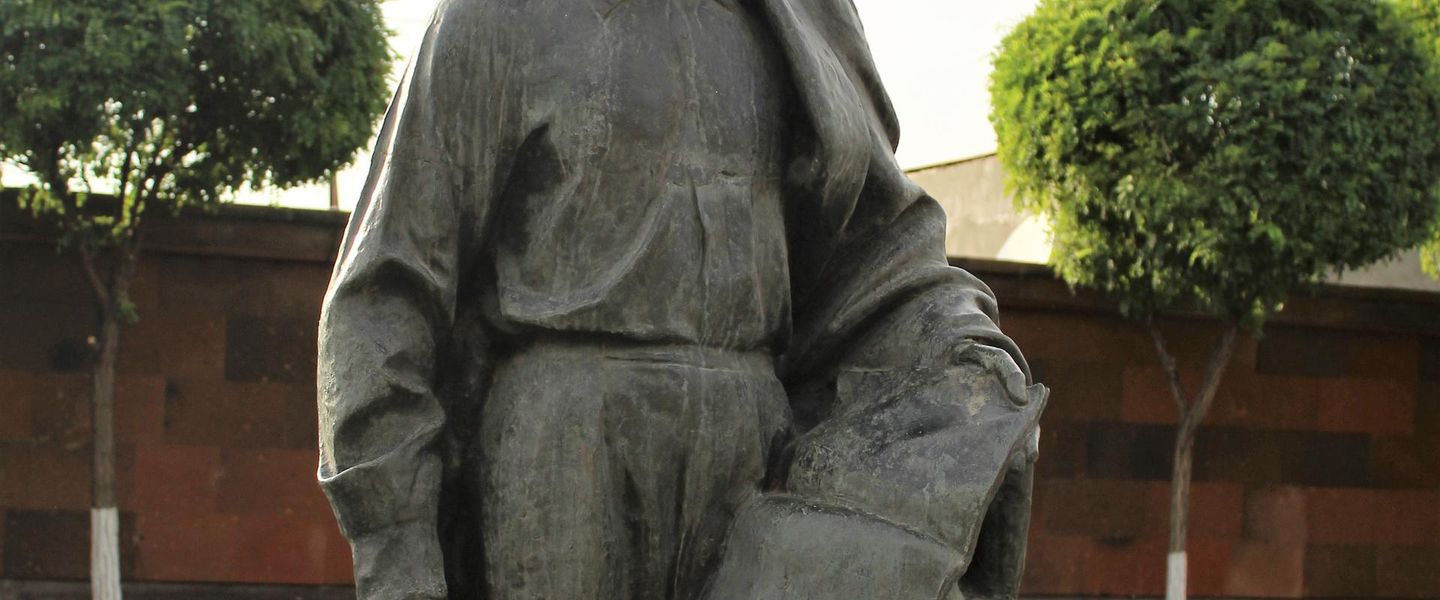


Arabkir in Yerevan blends refugee history, leafy avenues, Komitas’s musical legacy, local markets, cafés and relaxed residential life near the Hrazdan Gorge.
A District Shaped by Memory
Arabkir occupies Yerevan’s north-western side, rising from the Hrazdan Gorge towards the broad avenues and residential streets around Komitas Avenue. Unlike the compact historic centre, it feels like a lived-in district: apartment blocks, leafy courtyards, schools, clinics, cafés and neighbourhood shops form the ordinary rhythm of daily life. Its name recalls Arabkir, a historic Armenian town in Western Armenia, and the present district was established largely by refugees and survivors who rebuilt their community in Yerevan during the twentieth century.Read more about Arabkir
Komitas and Cultural Life
Everyday Yerevan
Best attractions in Arabkir
Arabkir’s attractions are rooted in culture, public space and everyday streets rather than a dense concentration of monuments. Komitas Park and Pantheon is the district’s principal place of remembrance, combining a modest green setting with the graves of important Armenian composers, writers and artists. Nearby, the Komitas Museum-Institute presents the life and work of Komitas Vardapet through music, manuscripts, objects and exhibitions, making it one of the area’s most meaningful cultural visits. Komitas Avenue provides a contrasting experience: its bakeries, cafés, shops and traffic reveal the working rhythm of contemporary Yerevan. Walks around Aram Khachaturyan Street and the upper residential roads show the district’s mixture of apartment courtyards, detached homes and newer construction, while viewpoints towards the Hrazdan Gorge appear as the streets descend westwards. Barekamutyun is a practical starting point for exploring these different layers.
-
Tourist attraction
Vernissage
Discover Armenian art and culture at Yerevan's Vernissage market, a vibrant open-air exhibition of crafts, souvenirs, and unique treasures.
11 min drive · 3.7 km from neighbourhood centre
-
Tourist attraction
Lovers' Park
Escape to Yerevan's Lovers' Park: A serene oasis of Japanese-inspired gardens, tranquil lakes, and cultural experiences on Baghramyan Avenue.
5 min drive · 1.8 km from neighbourhood centre
-
Tourist attraction
Visitor Sculpture
Discover the captivating Visitor Sculpture in Yerevan, a modern landmark reflecting Armenia's vibrant art scene and cultural innovation.
6 min drive · 2.0 km from neighbourhood centre
-
Tourist attraction
Eternal Alphabet Wall
Discover Yerevan's Eternal Alphabet Wall: A tribute to Armenian language, culture, and history etched in stone on Mesrop Mashtots Avenue.
7 min drive · 2.2 km from neighbourhood centre


Best landmarks in Arabkir
Komitas Park and Pantheon is Arabkir’s most significant landmark complex, a landscaped memorial space associated with the burial places of prominent Armenian cultural figures and named for the composer whose legacy is central to the district. The Komitas Museum-Institute nearby gives that association an architectural and educational presence, preserving the memory of Armenian music research and composition. The district’s churches, community buildings and residential courtyards reflect the layered history of settlement, Soviet expansion and post-independence redevelopment, even when they are not major city-wide monuments. Komitas Avenue itself is an important urban landmark in practical terms: its broad corridor organises the neighbourhood’s commerce, public transport and daily movement. At the district’s lower edge, Barekamutyun Metro Station marks Arabkir’s connection to the wider capital, while the descending roads towards the Hrazdan Gorge reveal its distinctive topography.
-
Tourist attraction
Cascade Complex
Explore the Cascade Complex: Yerevan's vibrant open-air museum featuring stunning art, breathtaking views, and cultural experiences.
6 min drive · 2.0 km from neighbourhood centre
-
Monument
Tsitsernakaberd Armenian Genocide Memorial Complex
Discover the Tsitsernakaberd Armenian Genocide Memorial Complex, a profound site of remembrance and reflection in Yerevan, Armenia.
8 min drive · 2.8 km from neighbourhood centre
-
Tourist attraction
Freedom Square
Explore Freedom Square in Yerevan, a cultural landmark blending rich history, stunning architecture, and vibrant local life at the heart of Armenia's capital.
8 min drive · 2.6 km from neighbourhood centre
-
Tourist attraction
Charles Aznavour Square
A vibrant Yerevan square honoring Charles Aznavour, surrounded by architectural gems and a hub for cultural events.
9 min drive · 3.0 km from neighbourhood centre


Explore Arabkir on the map
A handpicked selection of must-see spots in Arabkir, mapped for you.
Best hotels in Arabkir
Best restaurants in Arabkir
Arabkir’s food scene follows the district’s residential and commercial character, with Armenian cooking, cafés, bakeries and casual international dining spread along Komitas Avenue and the surrounding streets. Visitors can look for lavash, grilled meats, dolma, soups, salads and pastries in settings ranging from simple neighbourhood eateries to more contemporary restaurants. Small bakeries and food counters are useful for a quick breakfast or takeaway snack, while the area’s cafés provide places to linger over Armenian coffee, tea or a light meal. The market and grocery businesses around Komitas contribute ingredients and prepared foods to local daily life, though Arabkir is better understood as a broad dining district than as a single specialised food quarter. Menus, payment practices and opening arrangements vary between businesses, so the most rewarding approach is to explore the avenue and nearby side streets rather than expect a concentrated restaurant strip.
-
Restaurant
Yasaman Yerevan's Restaurant
Experience authentic Armenian cuisine at Yasaman Yerevan's Restaurant - where tradition meets modern dining in a charming setting.
8 min drive · 2.6 km from neighbourhood centre
-
Restaurant
Park Bridge Restaurant & Music Hub
Experience the best of Armenian cuisine paired with vibrant live music at Park Bridge Restaurant & Music Hub in Yerevan.
9 min drive · 2.9 km from neighbourhood centre
-
Restaurant
Cascade Royal
Experience the finest Armenian and international cuisine at Cascade Royal in Yerevan—a culinary treasure offering elegance and exceptional service.
5 min drive · 1.8 km from neighbourhood centre
-
Middle Eastern
Yasmine Restaurant
Experience authentic Middle Eastern flavors at Yasmine Restaurant in Yerevan – where every dish tells a story.
7 min drive · 2.5 km from neighbourhood centre


Best bars in Arabkir
Arabkir is not one of Yerevan’s principal late-night clubbing districts, and its evenings are shaped more by restaurants, cafés and residential routines than by large entertainment venues. Along Komitas Avenue and nearby commercial streets, visitors can find places for an informal drink, coffee or dinner, with activity usually strongest around the main roads rather than in the upper residential lanes. Some restaurants shift towards a more relaxed evening atmosphere, while bars and lounges elsewhere in Yerevan are easily reached by metro or taxi from Barekamutyun. After dark, the district offers a calmer alternative to the city-centre nightlife areas, with occasional cultural programming and social gatherings connected to local institutions rather than a continuous club scene. Check current arrangements locally, as venues and event schedules can change.
-
Cocktail bar
DABOO Cocktail Bar
Discover the vibrant nightlife of Yerevan at DABOO Cocktail Bar, where mixology meets creativity in a stylish and lively atmosphere.
6 min drive · 2.1 km from neighbourhood centre
-
Cocktail bar
Epicure
Discover the vibrant cocktail culture at Epicure, Yerevan's premier cocktail bar offering exquisite drinks and a lively atmosphere.
9 min drive · 2.8 km from neighbourhood centre
-
Bar
Hot Pub
Discover the vibrant atmosphere and delectable offerings at Hot Pub, Yerevan's premier bar and restaurant blending local flavors with a lively ambiance.
5 min drive · 1.6 km from neighbourhood centre
-
Pub
Dostoevsky Pub
Experience the literary charm and vibrant atmosphere of Dostoevsky Pub, a must-visit gem in the heart of Yerevan, Armenia.
7 min drive · 2.5 km from neighbourhood centre


Best nightclubs in Arabkir
Arabkir is not one of Yerevan’s principal late-night clubbing districts, and its evenings are shaped more by restaurants, cafés and residential routines than by large entertainment venues. Along Komitas Avenue and nearby commercial streets, visitors can find places for an informal drink, coffee or dinner, with activity usually strongest around the main roads rather than in the upper residential lanes. Some restaurants shift towards a more relaxed evening atmosphere, while bars and lounges elsewhere in Yerevan are easily reached by metro or taxi from Barekamutyun. After dark, the district offers a calmer alternative to the city-centre nightlife areas, with occasional cultural programming and social gatherings connected to local institutions rather than a continuous club scene. Check current arrangements locally, as venues and event schedules can change.
-
Jazz
Malkhas Jazz Club
Experience the heartbeat of Yerevan at Malkhas Jazz Club, where soulful melodies and vibrant nightlife come together in an unforgettable setting.
8 min drive · 2.6 km from neighbourhood centre
-
Jazz
Club 12
Discover the best of Yerevan's nightlife at Club 12, where live jazz meets exquisite Armenian cuisine in a vibrant atmosphere.
7 min drive · 2.4 km from neighbourhood centre
-
Night club
Omega
Experience the vibrant nightlife of Yerevan at Omega, where music, dancing, and unforgettable memories await every night.
8 min drive · 2.6 km from neighbourhood centre
-
Rock music club
Stop Club
Discover the heart of Yerevan's nightlife at Stop Club, a rock music venue that guarantees an electrifying experience filled with live performances.
7 min drive · 2.3 km from neighbourhood centre
Best shops in Arabkir
Shopping in Arabkir is primarily local and practical, concentrated along Komitas Avenue and its adjoining streets. The area offers supermarkets, bakeries, pharmacies, household retailers, clothing shops and small independent businesses rather than a single historic bazaar or luxury shopping boulevard. Komitas Market and surrounding food retailers are useful for seeing the everyday trade in fruit, vegetables, herbs, preserves, bread and other ingredients associated with Armenian home cooking. Smaller shops may specialise in pastries, dried fruit, prepared foods or imported groceries, reflecting the needs of a diverse capital rather than a visitor-oriented retail identity. The side streets around the avenue reward slow browsing, particularly for modest cafés, service businesses and locally made food products. For major fashion brands, designer shopping or a broader selection of souvenirs, visitors will generally find more choice in central Yerevan than in Arabkir.
-
Gift shop
4U.AM
Discover unique gifts and flower delivery services at 4U.AM, the premier gift shop in Yerevan, Armenia.
5 min drive · 1.8 km from neighbourhood centre
-
Department store
Arabkir Department Store
Discover the Arabkir Department Store in Yerevan, a vibrant shopping destination offering a blend of local culture and diverse products.
10 min walk · 0.8 km from neighbourhood centre
-
Vintage clothing store
Bazaar Concept Store
Discover vintage treasures and unique styles at the Bazaar Concept Store in Yerevan, where history meets fashion.
9 min drive · 3.1 km from neighbourhood centre
-
Gift shop
Luxe
Explore Luxe in Yerevan for exquisite Armenian gifts and souvenirs that capture the essence of the country's rich culture and craftsmanship.
7 min drive · 2.3 km from neighbourhood centre


Arabkir essentials
Getting There
Getting Around
Safety
Emergency Situations
Do's and Don'ts
Local Tips

From Eve
Local phrases worth knowing
You don't need to get them perfect. A few words go a long way, and locals appreciate the effort.
Basics
| English | Local | Say it |
|---|---|---|
| Hello | مرحبا | [marhaban] |
| Goodbye | وداعا | [wadaean] |
| Yes | نعم | [naam] |
| No | لا | [laa] |
| Please/You're welcome | من فضلك/على الرحب والسعة | [min fadlik/ala alrahb walsa'ah] |
| Thank you | شكرا | [shukran] |
| Excuse me/Sorry | عذرا | [aadhran] |
| How are you? | كيف حالك؟ | [kayf halik?] |
| Fine. And you? | بخير. وأنت؟ | [bikhyr. want?] |
| Do you speak English? | هل تتحدث الإنجليزية؟ | [hal tatahadath al'inglizia?] |
| I don't understand | أنا لا أفهم | [ana la afham] |
Eating & Drinking
| English | Local | Say it |
|---|---|---|
| I'd like to see the menu, please | أريد أن أرى القائمة، من فضلك | [urid an ara alqaimah, min fadlik] |
| I don't eat meat | أنا لا آكل اللحم | [ana la akl allahm] |
| Cheers! | صحتين! | [sahitin] |
| I would like to pay, please | أود أن أدفع، من فضلك | [awad an adfaa, min fadlik] |
Emergencies
| English | Local | Say it |
|---|---|---|
| Help! | النجدة! | [alnajdah!] |
| Go away! | انصرف! | [ansarif!] |
| Call the Police! | اتصل بالشرطة! | [itasil balsurata!] |
| Call a doctor! | اتصل بطبيب! | [itasil tabib!] |
| I'm lost | لقد ضللت الطريق | [laqad dillat altariq] |
| I'm ill | أنا مريض | [ana mareed] |
Shopping
| English | Local | Say it |
|---|---|---|
| I'd like to buy... | أريد شراء... | [urid sharaa...] |
| I'm just looking | أنا فقط أتطلع | [ana faqat atatlaa] |
| How much is it? | كم هو ثمنه؟ | [kam hu sumnuhu?] |
| That's too expensive | هذا غالي جدا | [hatha ghali jidan] |
| Can you lower the price? | هل يمكنك خفض السعر؟ | [hal yumkinuk kafd alsu'ur?] |
Time & Numbers
| English | Local | Say it |
|---|---|---|
| What time is it? | كم الوقت؟ | [kam alwaqt?] |
| It's one o'clock | الساعة الواحدة | [alsaa'ah alwahidah] |
| Half past (10) | العاشر والنصف | [ala'ashir walnisf] |
| Morning | الصباح | [alsabah] |
| Afternoon | بعد الظهر | [baed alzuhur] |
| Evening | المساء | [almasa] |
| Yesterday | البارحة | [albariha] |
| Today | اليوم | [alyawm] |
| Tomorrow | غدا | [ghada] |
| 1 | واحد | [wahid] |
| 2 | اثنان | [ithnan] |
| 3 | ثلاثة | [thalathah] |
| 4 | أربعة | [arba'ah] |
| 5 | خمسة | [khamsah] |
| 6 | ستة | [sittah] |
| 7 | سبعة | [sab'ah] |
| 8 | ثمانية | [thamaniah] |
| 9 | تسعة | [tis'ah] |
| 10 | عشرة | [asharah] |
Transport & Directions
| English | Local | Say it |
|---|---|---|
| Where's a/the...? | أين هو...؟ | [ayn hu...?] |
| What's the address? | ما هو العنوان؟ | [ma hu al'unnwan?] |
| Can you show me (on the map)? | هل يمكنك أن تريني (على الخريطة)؟ | [hal yumkinuk an tureeni (ala alkhareeta)?] |
| When's the next (bus)? | متى يأتي الحافلة القادمة؟ | [mata yati alhafilat alqadimah?] |
| A ticket (to ....) | تذكرة (إلى ...) | [tazkirah (ila ...)] |
History of Arabkir
A Name from Western Armenia
Arabkir takes its name from the historic Armenian town of Arabkir, known in Armenian as Arapkir, in the region of Western Armenia. The name entered Yerevan’s urban landscape through a community whose members had been displaced by the violence and upheavals affecting Armenians in the Ottoman Empire during the late nineteenth and early twentieth centuries. The district’s identity therefore began not as an old suburb of Yerevan, but as a new home carrying the memory of an earlier place, its dialect, customs and family connections.
Refugee Settlement in Yerevan
The modern Arabkir district was established in the 1920s as displaced Armenians from Arabkir and surrounding areas settled in Soviet Armenia. They built houses, community networks and institutions on Yerevan’s north-western edge, transforming what had been a less densely urbanised part of the city. The settlement gave the district a distinctive social history: Arabkir was both a planned addition to a growing capital and a place where refugees reconstructed a local identity through neighbours, churches, schools and family associations.
Expansion under Soviet Yerevan
During the Soviet period, Arabkir expanded beyond its early settlement as Yerevan’s population and housing needs grew. Apartment blocks, public institutions, schools and broad roads gradually replaced much of the low-rise fringe, while Komitas Avenue became an important commercial and transport corridor. The district’s connection to the developing city centre strengthened through roads and public transport, and its elevated position made it an attractive residential area. This period created the mixture of courtyards, mid-century buildings and later apartment developments visible today.
A Contemporary Residential District
Since independence, Arabkir has remained one of Yerevan’s established residential districts while undergoing the incremental changes common across the capital. Older apartment buildings stand beside renovated homes, newer developments, supermarkets, cafés and professional services. Cultural institutions linked to Komitas have reinforced the area’s artistic profile, while improved commercial life has made Komitas Avenue a destination for residents from neighbouring districts as well. Arabkir’s contemporary character is therefore layered rather than monumental: a refugee-founded community, a Soviet-built suburb and a modern urban district coexist within the same streetscape.
Arabkir in Photos
Browse through our photo collection highlighting the charm and character of the destination.
Neighbourhoods near Arabkir
The closest neighbourhoods to Arabkir, if you have time for more than one stop.
-

-

-


Swipe for more neighbourhoods
Explore more

Explore more of Yerevan
Yerevan blends ancient Urartian history, pink-tuff architecture, Armenian culture, lively cafés, museums and memorable views towards Mount Ararat.
Explore Yerevan