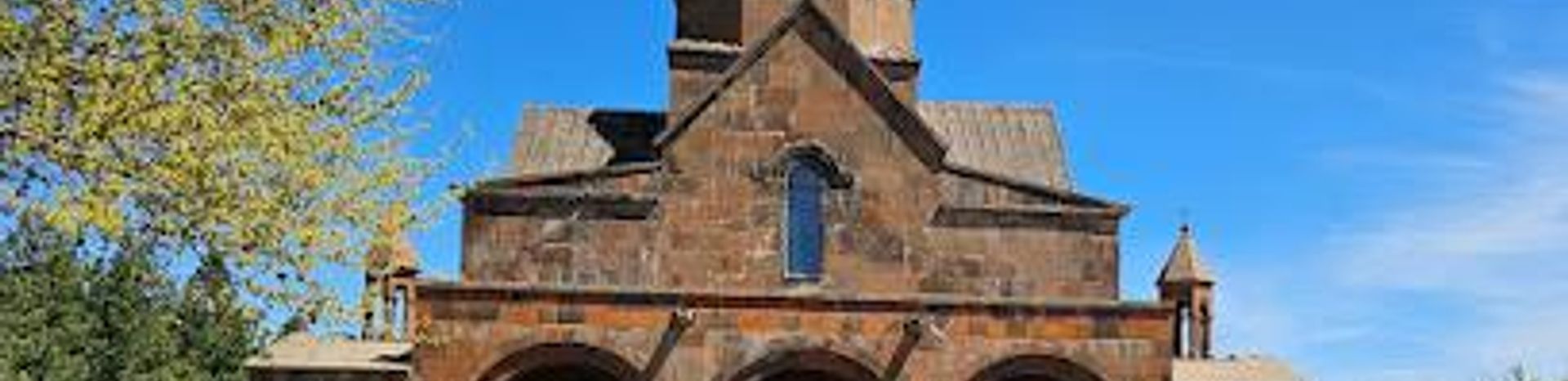
Saint Gayane Church: A Testament to Armenian Faith and Architecture
Discover Saint Gayane Church in Vagharshapat, a UNESCO site showcasing Armenia's rich Christian heritage and stunning 7th-century architecture.
Saint Gayane Church, a 7th-century Armenian Apostolic church in Vagharshapat (Etchmiadzin), stands as a symbol of early Christian architecture and Armenian resilience. Named after Abbess Gayane, martyred for her faith, the church is a UNESCO World Heritage site and a significant pilgrimage destination.
A brief summary to Saint Gayane Church
- 575R+2P4, Vagharshapat, AM
- +37423157340
- Monday 7 am-7 pm
- Tuesday 7 am-7 pm
- Wednesday 7 am-7 pm
- Thursday 7 am-7 pm
- Friday 7 am-7 pm
- Saturday 7 am-7 pm
- Sunday 7 am-7 pm
Local tips
- Dress modestly when visiting, covering shoulders and knees, as it is a place of religious significance.
- Combine your visit with a trip to the nearby Etchmiadzin Cathedral and other historical sites in Vagharshapat.
- Visit during the spring (April-June) or autumn (September-October) for pleasant weather.

Getting There
-
Public Transport
From Yerevan, take bus number 202 or 302 from Mashtots Avenue or a minibus from the Kilikia bus station to Vagharshapat. The fare is approximately 500 AMD ($1-$2), and the journey takes around 32 minutes.
-
Taxi
Taxis are readily available in Yerevan. A taxi ride to Saint Gayane Church in Vagharshapat typically costs between 2,000-3,000 AMD ($4-$9) and takes approximately 23 minutes.
-
Walking
Saint Gayane Church is located within walking distance of Etchmiadzin Cathedral. From the cathedral, it's a straightforward walk south.
Discover more about Saint Gayane Church
Iconic landmarks you can’t miss

Mother See of Holy Etchmiadzin - Armenian Apostolic Church (Armenian Orthodox Church)
0.5 km
Explore the Mother See of Holy Etchmiadzin, the spiritual heart of Armenia, where rich history meets breathtaking architecture.
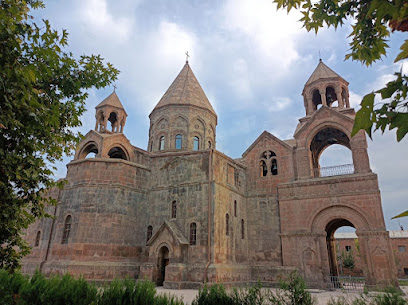
Etchmiadzin Cathedral
0.5 km
Explore Etchmiadzin Cathedral, a UNESCO World Heritage site and the spiritual heart of Armenia, showcasing ancient architecture and rich history.
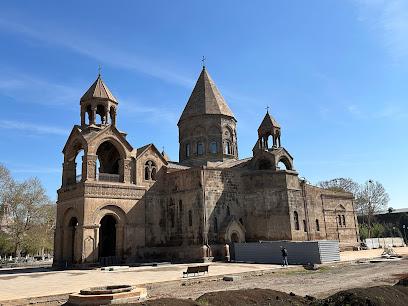
Saint Hripsime Church
1.8 km
Explore the majestic Saint Hripsime Church, a UNESCO World Heritage site in Vagharshapat, and immerse yourself in Armenia's rich spiritual and architectural heritage.
Զոհված Ազատամարտիկների Հիշատակին
9.5 km
Discover tranquility and rich Armenian heritage at Gharabagh Monastery in Parakar, a captivating retreat surrounded by breathtaking landscapes.

Dzor
9.6 km
Explore Dzor in Merdzavan, Armenia: A historical landmark offering a tranquil escape into the nation's rich past and stunning architecture.
Saint Mesrop Mashtots Church
11.4 km
Visit the final resting place of Saint Mesrop Mashtots, inventor of the Armenian alphabet, and explore Armenian history and culture.
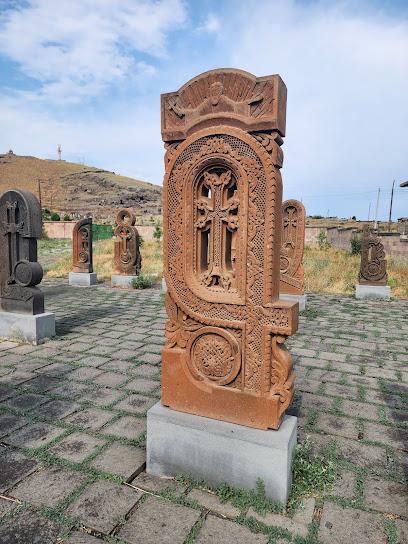
Saint John Church
12.9 km
Uncover the beauty and tranquility of Saint John Church in Voskevaz, a historic site reflecting Armenia's rich spiritual heritage and stunning architecture.
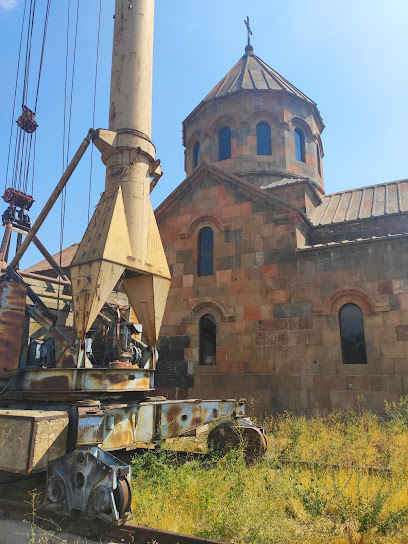
Saint Sion Childs Church
13.0 km
Explore the serene beauty of Saint Sion Childs Church in Oshakan, a spiritual landmark showcasing Armenia's rich heritage and architectural elegance.
Hovhannes Shiraz Statue
13.1 km
A Yerevan landmark honoring Hovhannes Shiraz, a celebrated Armenian poet, in a serene park setting.
Vahan Teryan Statue
13.2 km
Explore the Vahan Teryan Statue in Yerevan, a cultural landmark celebrating Armenian literature and poetry amidst serene surroundings.
Karmir Blur
13.4 km
Discover the ancient wonders of Karmir Blur in Yerevan, Armenia, and immerse yourself in the rich history of one of the region's oldest urban settlements.
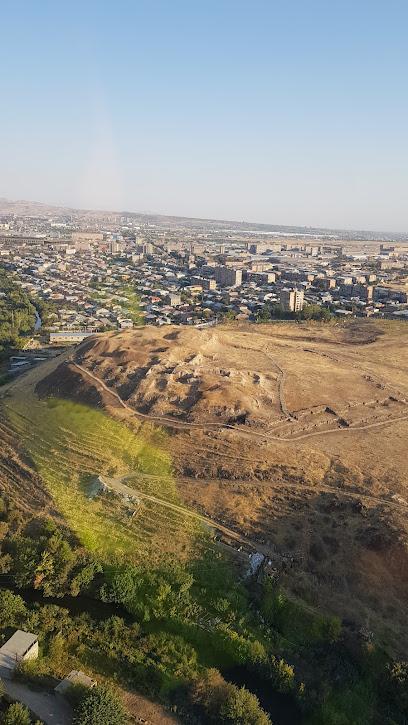
34 Ohanov St
13.5 km
Experience the vibrant culture and stunning architecture of Ohanov Street, a must-visit destination in the heart of Yerevan, Armenia.
Fortalesa de Kosh
15.2 km
Explore the historical and architectural marvel of Fortalesa de Kosh in Aragatsotn, a captivating landmark steeped in Armenia's rich heritage.
Agarak Historical and Cultural Reserve
15.4 km
Uncover the enchanting past at Aragarak Historical and Cultural Reserve, where ancient ruins meet breathtaking landscapes in Armenia.
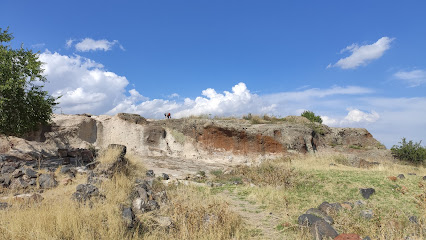
Tumanyan Park
16.5 km
Escape to Yerevan's Tumanyan Park: A green oasis honoring Armenia's beloved poet, offering recreation, culture, and tranquil beauty.
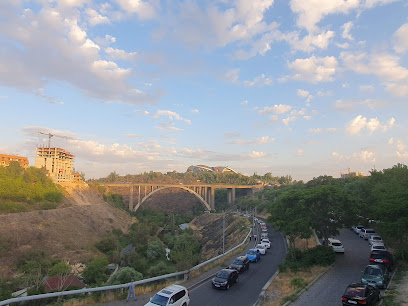
Unmissable attractions to see

Ruben Sevak Museum
0.4 km
Explore the life and legacy of Ruben Sevak at this museum within the spiritual heart of Armenia.
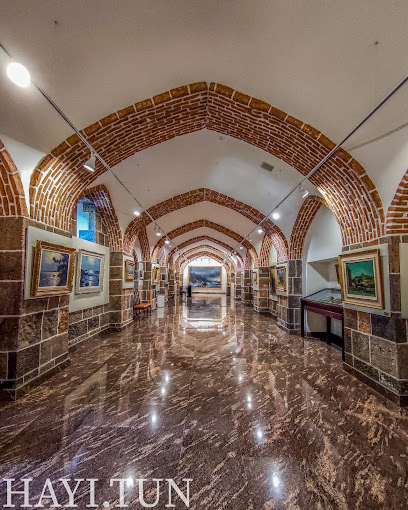
Alex and Marie Manoogian Treasury House - Museum
0.5 km
Discover centuries of Armenian religious art and history at the Alex and Marie Manoogian Treasury House in Vagharshapat.
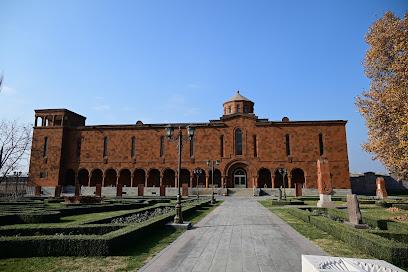
Khoren Ter-Harutyunyan Museum
0.6 km
Discover the art of Khoren Ter-Harutyunyan in Vagharshapat, Armenia, showcasing Armenian culture through sculpture and painting.
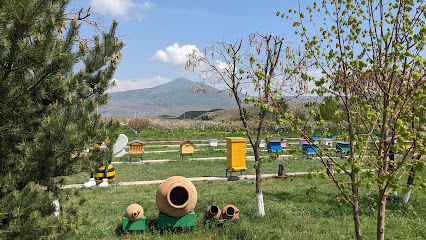
Machanents Tourism & Art
0.7 km
Explore the vibrant culture and artistic heritage of Vagharshapat at Machanents Tourism & Art, a must-visit destination for art enthusiasts.
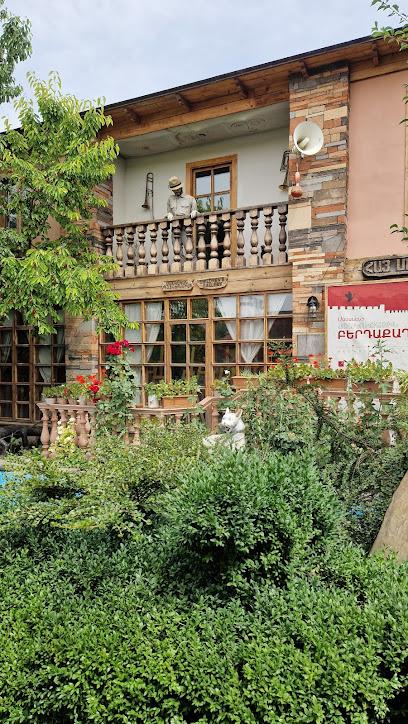
Komitas monument
0.7 km
A tribute to Komitas, the father of Armenian classical music, honoring his legacy and the preservation of Armenian folk traditions.
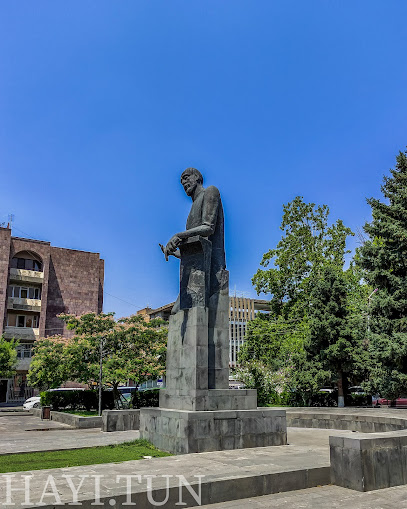
Van Ardi Winery
9.2 km
Experience Armenia's wine renaissance at Van Ardi Winery: tours, tastings, and cultural events in a picturesque vineyard setting.
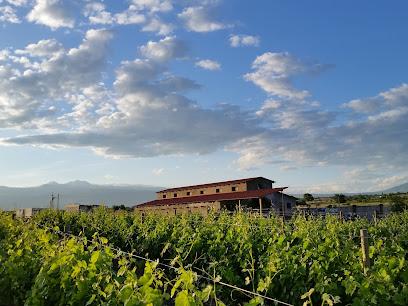
Metsamor Historical-Archeological Museum-Reserve
9.6 km
Unearth Armenia's ancient past at Metsamor: Explore artifacts & ruins from the Bronze Age to the Middle Ages in this historical-archeological reserve.
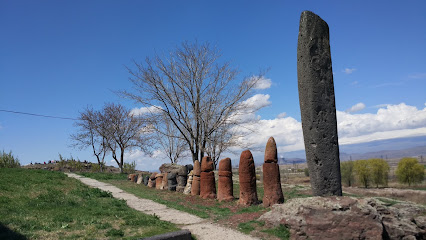
1941-1943 monument
9.8 km
A poignant memorial in Parakar honoring Armenian sacrifices and resilience during World War II, inviting reflection and cultural engagement.
Armenia Wine Company
10.4 km
Experience Armenia's winemaking heritage at Armenia Wine Company, where exquisite wines and stunning landscapes await every visitor.
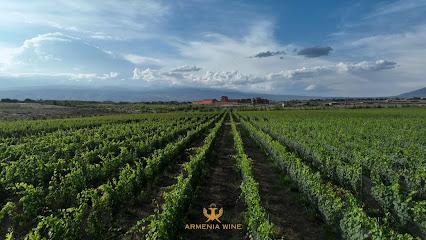
Շոռլու Կալյան
10.5 km
Discover the serene beauty of Շոռլու Կալյան in Dashtavan, Armenia, a perfect escape into nature and authentic Armenian culture. #DashtavanEscape #ArmenianCulture
Wine History Museum of Armenia
10.5 km
Explore Armenia's rich winemaking heritage at the Wine History Museum - a journey through centuries of tradition and culture.
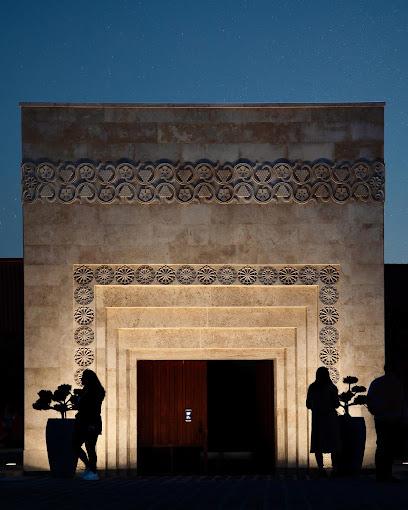
Yazidi Temple
11.3 km
Discover the world's largest Yazidi temple in Aknalich, Armenia, a symbol of faith, resilience, and cultural heritage. A unique spiritual journey awaits.
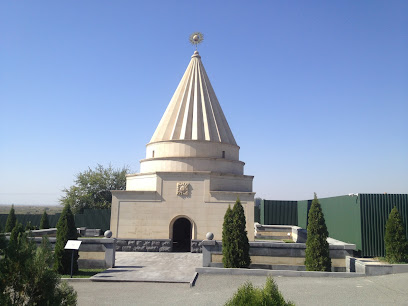
Voskevaz Winery
12.5 km
Discover the rich heritage of Armenian winemaking at Voskevaz Winery, where exquisite wines and breathtaking views await.
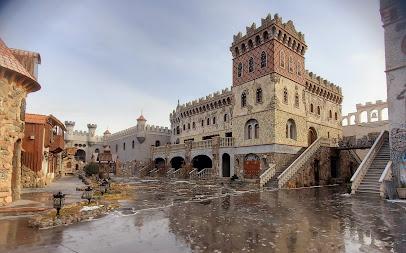
Emir Pir Huseyin Kara Koyunlu Tomb
12.6 km
Explore the Emir Pir Huseyin Kara Koyunlu Tomb in Yerevan, a unique example of 15th-century Islamic architecture and a testament to Armenia's diverse history.
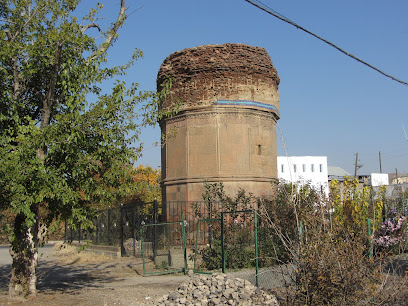
Voskevaz Cultural Center
13.2 km
Immerse yourself in Armenian culture at the Voskevaz Cultural Center, a vibrant hub for arts, heritage, and community engagement in Voskevaz.
Essential places to dine

Nor Dvin
2.3 km
Discover the essence of Armenian cuisine at Nor Dvin in Vagharshapat, where every dish tells a story.
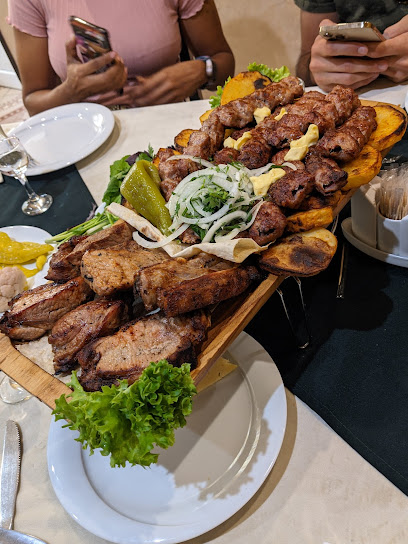
Coffee Cup Lavazza
9.3 km
Experience authentic Italian coffee and pastries at Coffee Cup Lavazza in Yerevan's Zvartnots International Airport.
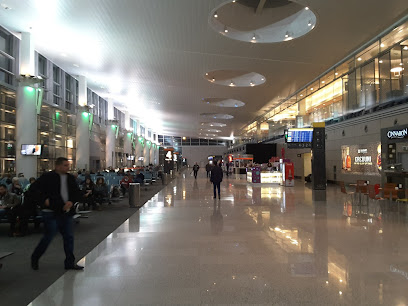
Parakari Shawarma
9.7 km
Experience authentic Armenian cuisine at Parakari Shawarma—where flavor meets tradition in every delicious bite.
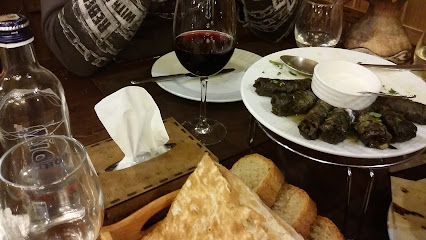
Nazani Restaurant
10.4 km
Experience authentic Armenian cuisine at Nazani Restaurant, nestled in the heart of Armenia's picturesque landscapes and renowned wineries.
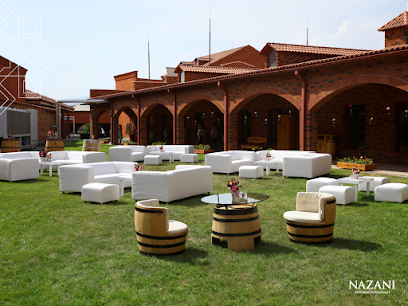
Rubina Gold
10.5 km
Discover authentic Armenian flavors at Rubina Gold, Parakar's top-rated restaurant offering delicious dishes in a warm and welcoming environment.
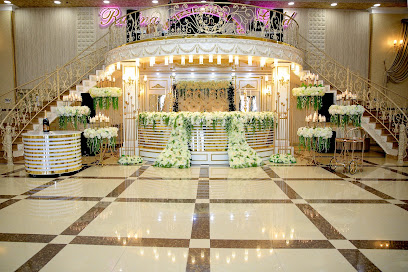
Nur House Restaurant
11.6 km
Experience authentic Armenian flavors at Nur House Restaurant in Parakar - a culinary haven for tourists seeking delicious local cuisine.
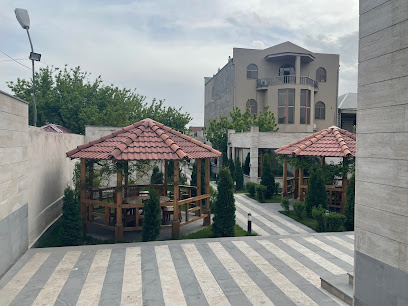
Ashkharh
11.9 km
Experience authentic Armenian cuisine at Ashkharh in Yerevan – where tradition meets taste in every dish.
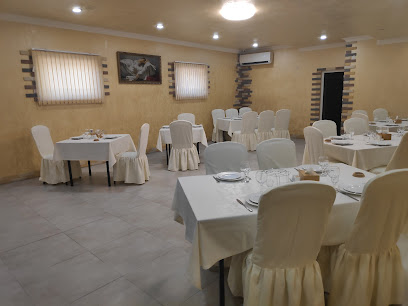
Latar Restaurant
14.1 km
Experience authentic Armenian flavors at Latar Restaurant in Yerevan - where tradition meets modern dining.
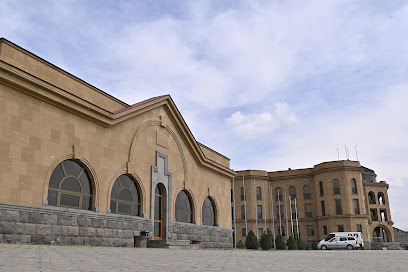
Shant Restaurant
15.3 km
Discover the essence of Armenian cuisine at Shant Restaurant in Yerevan – where tradition meets taste in every dish.
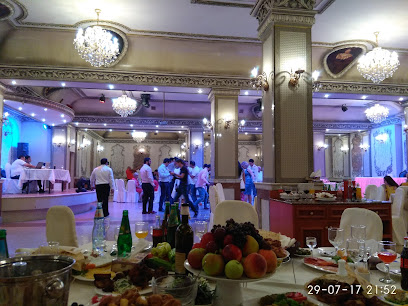
Aghababyan's Restaurant
15.6 km
Discover the authentic taste of Armenia at Aghababyan's Restaurant in Yerevan, where tradition meets culinary excellence.
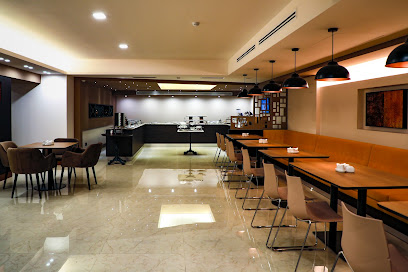
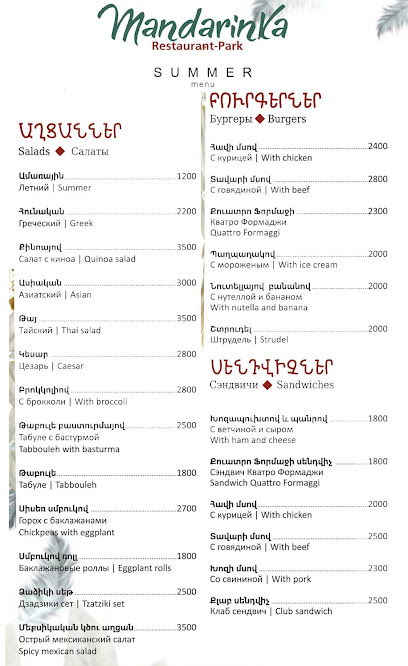
Mandarinka Restaurant Park
15.6 km
Discover the flavors of Armenia at Mandarinka Restaurant Park—where delicious food meets serene outdoor dining.
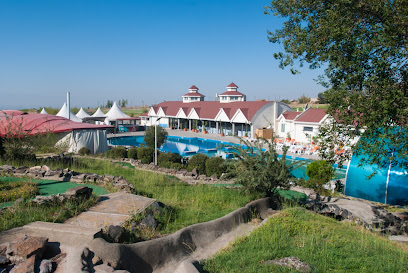
Vahakni Restaurant
15.6 km
Experience the best of Armenian cuisine at Vahakni Restaurant - where tradition meets modern dining in Yerevan's scenic landscape.
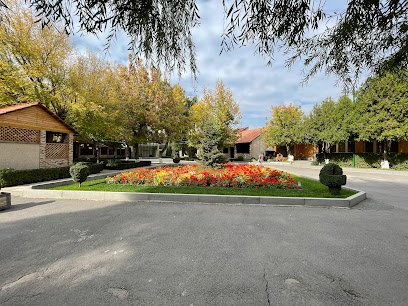
Ureni Restaurant
15.6 km
Experience authentic Armenian flavors in a charming setting at Ureni Restaurant on Ashtarak Highway in Yerevan.
Hedgehog garden
15.8 km
Discover joy in every corner at Hedgehog Garden, Ujan's enchanting family-friendly retreat filled with whimsical charm and natural beauty.
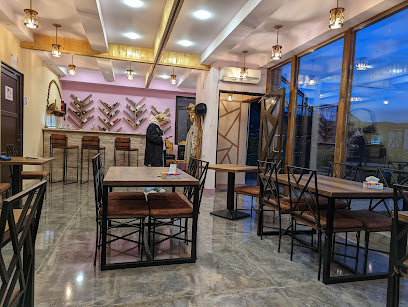
Old House
16.2 km
Experience authentic Armenian cuisine at Old House in Ashtarak - where tradition meets flavor in a cozy setting.
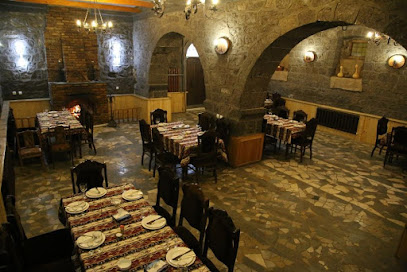
Markets, malls and hidden boutiques

Ani
13.4 km
Explore Ani in Yerevan for unique Armenian crafts and a memorable shopping experience that captures the essence of local culture.
NAR • MAR Market
13.7 km
Experience the essence of Armenia at NAR • MAR Market, Yerevan's vibrant hub for local crafts, fresh produce, and authentic cultural experiences.
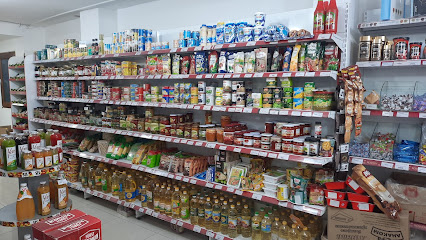
Aregi LLC
13.8 km
Experience the authentic flavors of Armenia at Aregi LLC, a premier food processing company showcasing traditional culinary excellence.

Dressie Boutique House
14.1 km
Explore the stylish world of Dressie Boutique House in Yerevan, where fashion meets elegance in a charming shopping experience.
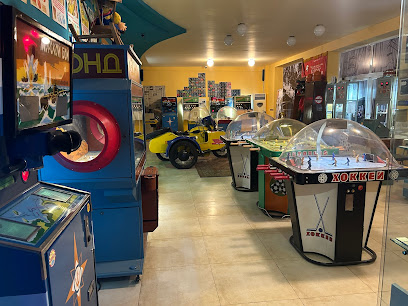
Soviet Club
14.5 km
Explore the Soviet Club in Yerevan, where history meets culture in a captivating museum and cozy café setting.
Wildberries
15.3 km
Explore Wildberries, a vibrant store in Yerevan showcasing unique Armenian products and rich cultural heritage.
Birthday shop
15.7 km
Discover Yerevan's ultimate birthday shop, offering a wide array of party supplies and decorations for every celebration.

Flamingo
15.8 km
Discover unique Armenian treasures and souvenirs at Flamingo, a vibrant store in the heart of Yerevan.
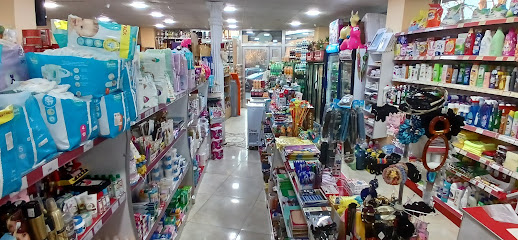
From Me To You
15.9 km
Discover unique Armenian treasures at 'From Me To You,' a charming gift shop in Ashtarak offering local crafts and souvenirs.
Full botas
15.9 km
Explore Full Botas in Yerevan for unique Armenian crafts and souvenirs that capture the essence of the local culture.
Inessa Supermarket
15.9 km
Explore a world of flavors at Inessa Supermarket in Masis, where local and international products meet affordability.

Denu Gift's
16.1 km
Explore the heart of Armenian craftsmanship at Denu Gift's, your premier destination for unique souvenirs in Yerevan.
մթերային խանութ
16.2 km
Explore the flavors of Yerevan at this charming grocery store in the Ajapniak district, offering local produce and unique Armenian goods.
E M Y A market
16.3 km
Discover authentic Armenian culture and flavors at the vibrant E M Y A Market in Ararakavan, where local artisans showcase their crafts and culinary delights.
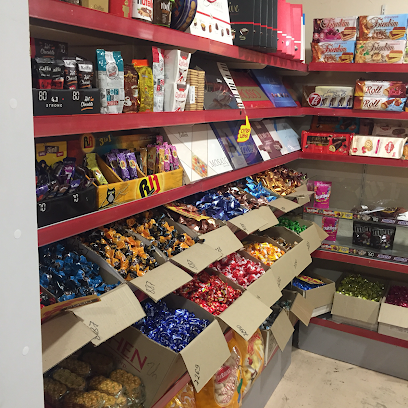
Մարինկա
16.5 km
Explore the charm of Armenian culture at Մարինկա, a unique gift shop in Yerevan offering handcrafted treasures and local artistry.
Essential bars & hidden hideouts

PivBEERg Beer House
13.2 km
Discover the heart of Armenia's beer culture at PivBEERg Beer House, a cozy bar showcasing local brews and authentic flavors in Yerevan.
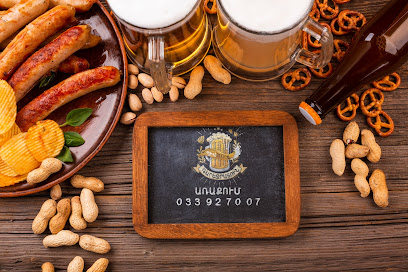
Кафе, веранда
15.4 km
Experience the vibrant atmosphere and local flavors at Кафе, веранда, a charming bar in the heart of Yerevan, perfect for relaxation and socializing.
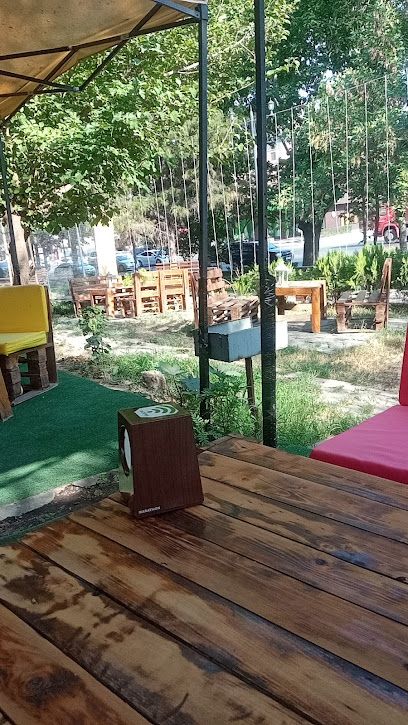
The Beach
15.6 km
Discover tranquility at The Beach, a unique lounge in Yerevan offering stunning views, delightful drinks, and a serene atmosphere perfect for relaxation.
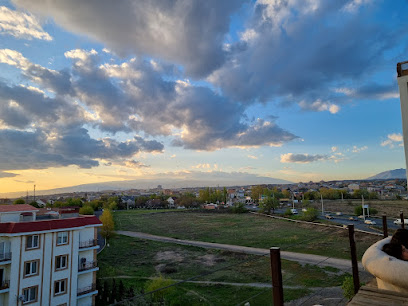
Sport Cocktail Bar
16.1 km
Sport Cocktail Bar in Yerevan: Where Sports, Cocktails, and Fun Come Together for an Unforgettable Experience.
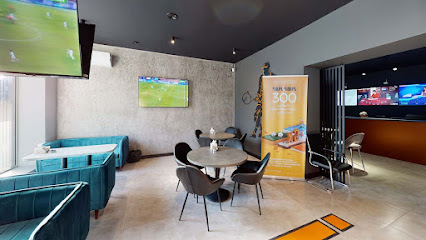
Kindr dzu
16.3 km
Discover the vibrant nightlife of Yerevan at Kindr dzu, a bar offering local flavors and a lively atmosphere for an unforgettable experience.
BAKAL (БОКАЛ, ԲԱԿԱԼ)
16.3 km
Discover BAKAL: Yerevan's premier beer hall where local brews meet Armenian culinary delights in a vibrant setting.
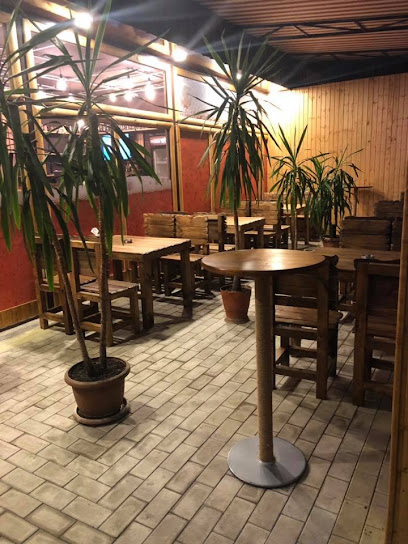
EL Chillout
16.4 km
Experience vibrant nightlife at EL Chillout, a stylish bar in Tsitsernakaberd Park, Yerevan, perfect for unwinding and socializing.
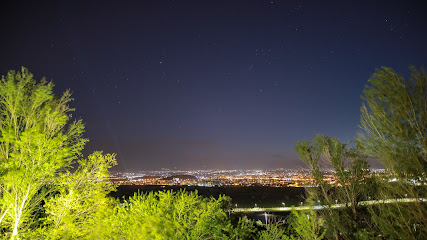
Կակաշ
16.5 km
Discover the vibrant nightlife of Yerevan at Kakash, where local flavors and a lively atmosphere create unforgettable evenings.
Աշտարակի Ձոր
17.6 km
Experience the essence of Armenian cuisine at Աշտարակի Ձոր, where authentic flavors meet breathtaking views in Ashtarak.
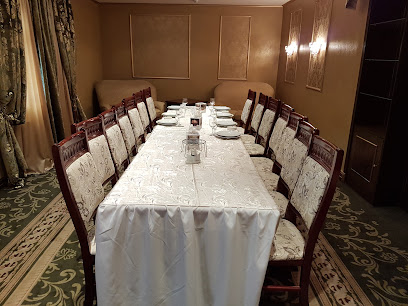
The Kond House
18.1 km
Experience the vibrant nightlife of Yerevan at The Kond House, a bar where great drinks and a lively atmosphere come together.
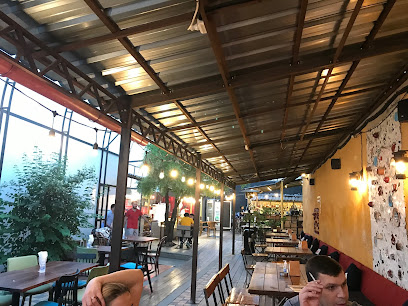
El Sky Bar
18.2 km
Experience the breathtaking views and luxurious ambiance at El Sky Bar, the premier destination for cocktails and relaxation in Yerevan.
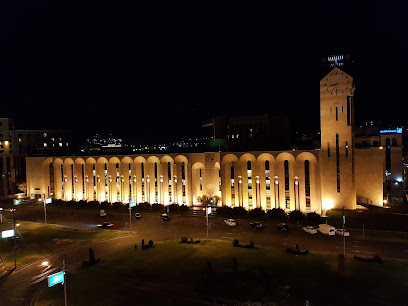
Rush Pub Yerevan
18.4 km
Experience the vibrant nightlife at Rush Pub Yerevan, where great drinks and live music create unforgettable memories in Armenia's capital.
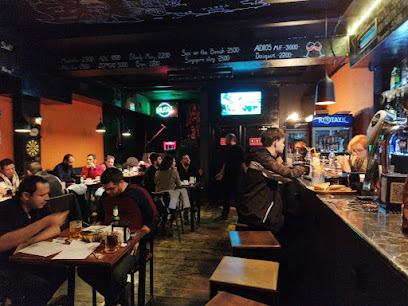
1Juptar.am Bar & Restaurant
18.4 km
Discover the lively ambiance and local flavors at 1Juptar.am Bar & Restaurant in Yerevan, a perfect spot for relaxation and cultural immersion.
Mr. Hookah
18.5 km
Discover the ultimate lounge experience at Mr. Hookah in Yerevan, where comfort meets culture with a diverse selection of hookah flavors.
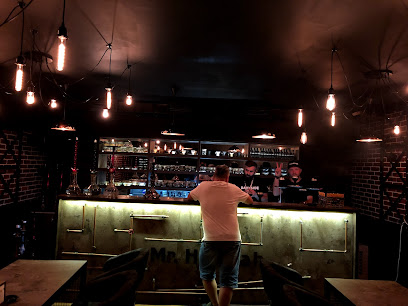
Simona
18.6 km
Experience Yerevan's vibrant nightlife at Simona, the cocktail bar that blends local flavors with innovative mixology for a memorable outing.
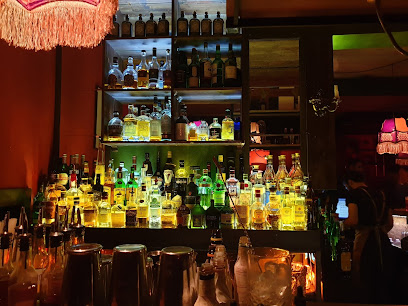
Nightclubs & after hour spots

Burlesque Club
11.7 km
Discover Yerevan's vibrant nightlife at Burlesque Club, where mesmerizing performances and a lively atmosphere unite for an unforgettable experience.
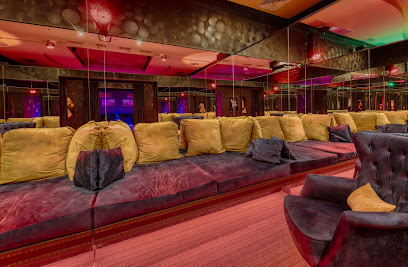
Կալիֆորնիա գիշերային ակումբ
11.8 km
Discover the electrifying nightlife of Yerevan at California Night Club, a premier destination for unforgettable dance experiences and vibrant entertainment.
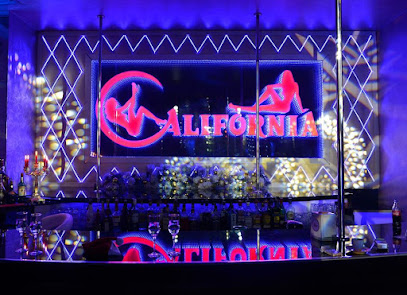
Prince
13.1 km
Unleash your night at Prince Night Club in Yerevan, where unforgettable music and vibrant energy come together for an electrifying experience.
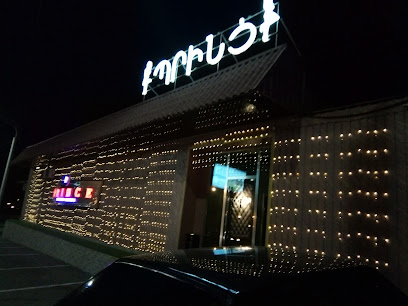
Ind-am bar cafe & night club
16.0 km
Discover the vibrant nightlife of Yerevan at Ind-am Bar Cafe & Night Club, where electrifying music meets exquisite drinks for an unforgettable experience.
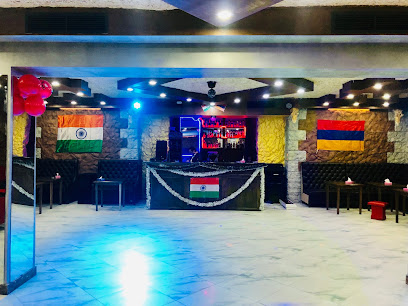
Ella
17.5 km
Experience the vibrant nightlife of Yerevan at Ella, where music, dance, and unforgettable memories await every visitor.
Luxor
17.7 km
Luxor Karaoke Bar: Where Yerevan's Nightlife Comes Alive with Music, Laughter, and Unforgettable Moments.
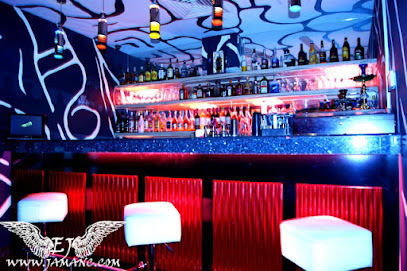
Stage
18.1 km
Discover the energy of Yerevan's nightlife at Stage Disco Club, where vibrant music and unforgettable experiences await.
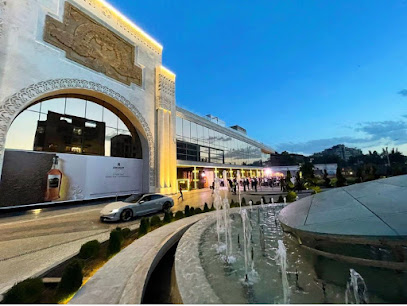
Nightclub Cabaret Charlotte
18.4 km
Discover Yerevan's nightlife at Nightclub Cabaret Charlotte - where music, dance, and cabaret performances come together for an unforgettable experience.