Tsitsernakaberd: A Memorial to Remembrance and Resilience
A solemn memorial in Yerevan commemorating the victims of the Armenian Genocide and symbolizing national rebirth.
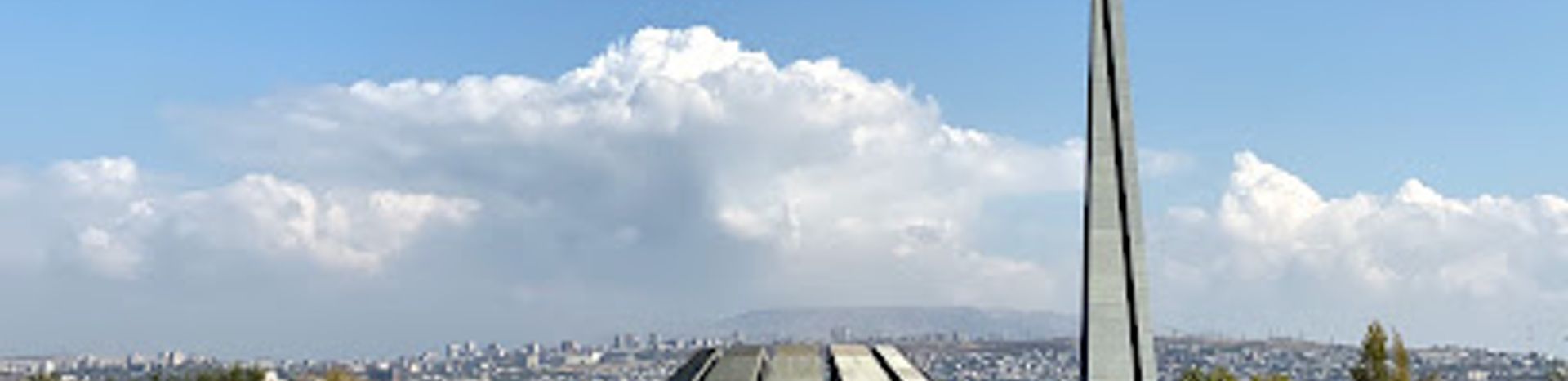
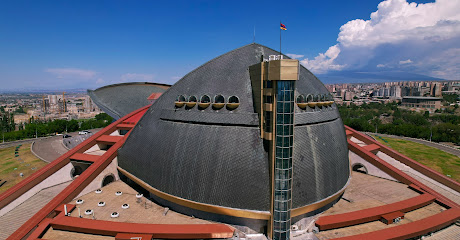
Tsitsernakaberd, the Armenian Genocide Memorial Complex in Yerevan, stands as a poignant tribute to the victims of the Armenian Genocide of 1915. The complex includes a museum, a memorial hall with an eternal flame, and a стеле symbolizing Armenian rebirth, offering visitors a space for reflection and remembrance.
A brief summary to Tsitsernakaberd Armenian Genocide Memorial Complex
- 8, 8 Tsitsernakaberd Hwy, Yerevan, Kentron, 0028, AM
- +37410391412
- Visit website
- Tuesday 11 am-4:30 pm
- Wednesday 11 am-4:30 pm
- Thursday 11 am-4:30 pm
- Friday 11 am-4:30 pm
- Saturday 11 am-4:30 pm
- Sunday 11 am-4:30 pm
Local tips
- The outdoor memorial is open all day, but the Armenian Genocide Museum is typically open Tuesday to Sunday, 11 AM – 4 PM; closed on Mondays.
- Admission to both the memorial and the museum is free.
- Photography is allowed at the complex.
- Guided tours are available and provide valuable insights.
- Consider visiting on April 24, the Armenian Genocide Remembrance Day, to witness the large annual commemoration.

Getting There
-
Taxi
Taxis are readily available throughout Yerevan and offer a convenient way to reach Tsitsernakaberd. A taxi ride from the city center typically takes 10-15 minutes, costing approximately 800-1200 AMD. Ride-hailing apps like Yandex Go and GG Taxi are also popular and can be used to book a taxi.
-
Public Transport
Several bus lines and minibuses ('marshrutkas') have routes near the memorial. From Republic Square, take the metro to Barekamutyun station, then transfer to bus number 5 or 17, which will take you directly to the Tsitsernakaberd Memorial. The bus stop is called 'Tsitsernakaberd,' and the memorial complex is a short walk from there. The metro fare is 100 AMD, and the bus fare is also 100 AMD.
-
Walking
For those who prefer walking, Tsitsernakaberd can be reached on foot from the city center. The walk takes approximately 30 minutes to 1 hour. From the city center, walk west along Tumanyan Street towards the Hrazdan River. Cross the Victory Bridge and continue uphill to the memorial complex. Note that the walk involves an uphill climb.
-
Driving
Visitors with a private car or rental can drive to Tsitsernakaberd. From the city center, head towards the Hrazdan stadium and turn right onto Athena Street. Look for a blue sign with white lettering guiding your route. Follow the directions straight to the parking facilities. Parking is free.
Discover more about Tsitsernakaberd Armenian Genocide Memorial Complex
Iconic landmarks you can’t miss

Hrazdani Kirch
0.5 km
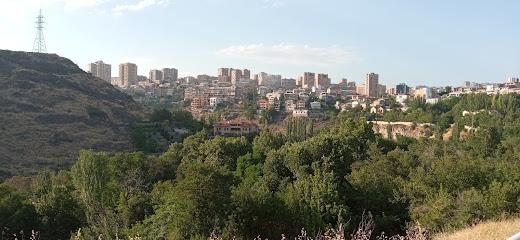
Explore the historical and cultural essence of Yerevan at Hrazdani Kirch, a stunning architectural site that showcases Armenia's rich heritage.
Հրազդանի Մեծ կամուրջ/Большой Разданский Мост/Great Bridge of Hrazdan
0.9 km
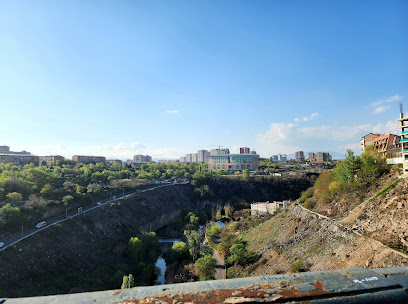
Discover the Great Bridge of Hrazdan in Yerevan, a stunning architectural landmark offering breathtaking views and a glimpse into the city's rich heritage.
Skyball
1.1 km
Experience Armenia's majestic landscapes from a breathtaking aerial perspective with Skyball, the country's leading hot air balloon operator.
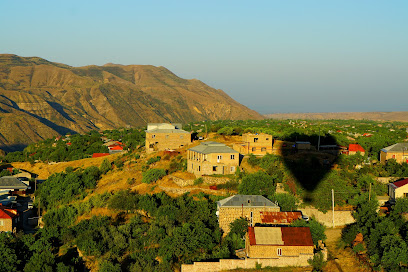
Tumanyan Park
1.3 km
Escape to Yerevan's Tumanyan Park: A green oasis honoring Armenia's beloved poet, offering recreation, culture, and tranquil beauty.
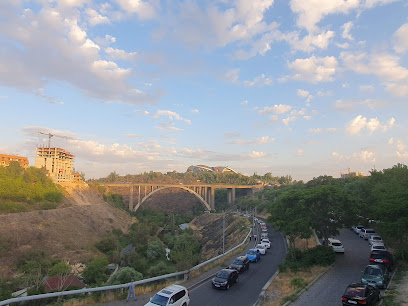
Marshal Baghramyan Monument
1.4 km
Explore the Marshal Baghramyan Monument, a historical landmark in Yerevan celebrating Armenia's rich military heritage and stunning artistry.
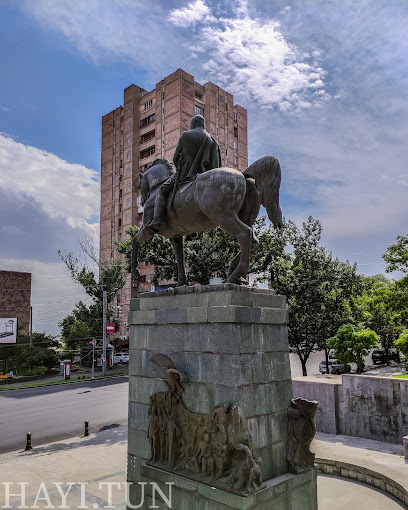
Marshal Baghramian
1.4 km
A tribute to Armenian military history, the Marshal Baghramian Statue stands as a symbol of valor and resilience in the heart of Yerevan.

Victory Bridge
1.4 km
Discover the beauty and history of the Victory Bridge in Yerevan, an architectural gem that offers stunning views and a glimpse into Armenia's rich past.
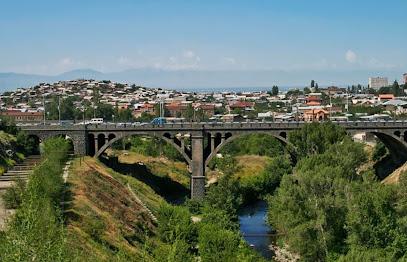
Սիմոն Զաքյանի կիսանդրին
1.7 km
Discover the ancient fortress in Yerevan, a historical landmark showcasing rich Armenian heritage and breathtaking views of the city.
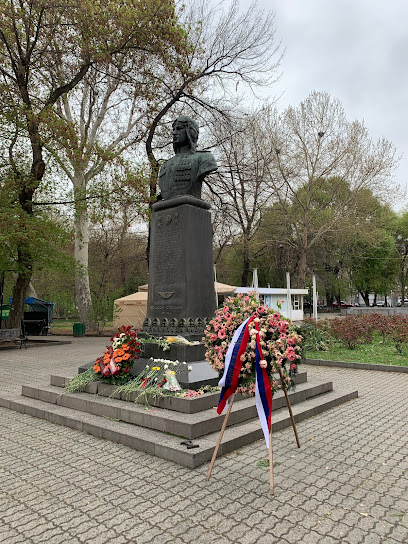
Shirak Hotel
1.8 km
Centrally located Yerevan hotel with comfortable rooms, traditional cuisine, and easy access to city attractions.
Al. Myasnikyan statue
1.8 km
Discover the Al. Myasnikyan Statue in Yerevan, a captivating tribute to Armenian literature and heritage amidst a vibrant cultural landscape.
Stepan Shahumian Statue
1.9 km
Discover the historical significance of the Stepan Shahumian Statue in Yerevan, a symbol of Armenia's revolutionary heritage and cultural pride.
Памятная доска Арцахскому писателю Леониду Хурунцу Հուրունց
2.0 km
Explore the Memorable Plaque of Leonid Khurunts in Yerevan, a tribute to Armenian literary heritage amidst the vibrant streets of the city.
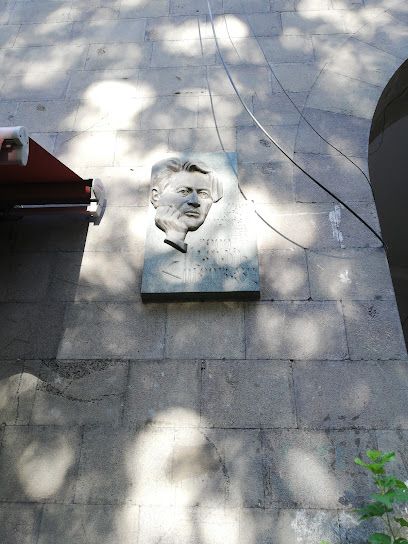
Martiros Saryan Statue
2.0 km
A tribute to the 'Master of Colors,' Martiros Saryan, in a vibrant Yerevan park filled with art and culture. A must-see landmark!
Hovhannes Tumanyan statue
2.1 km
Honoring Armenia's literary giant, Hovhannes Tumanyan, in Yerevan's Freedom Square. A cultural landmark and tribute to Armenian heritage.
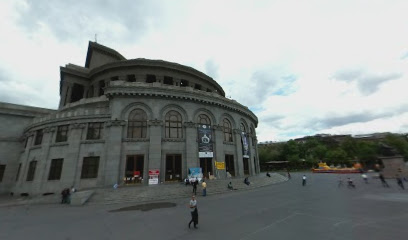
Armenian National Opera and Ballet Theatre
2.1 km
Explore the Armenian National Opera and Ballet Theatre, a cultural landmark in Yerevan showcasing the best of Armenian arts and performance.
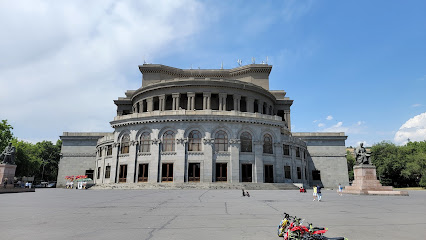
Unmissable attractions to see

Genocide memorial wall
0.1 km
A poignant memorial in Yerevan honoring the victims and recognizing those who spoke out against the Armenian Genocide.
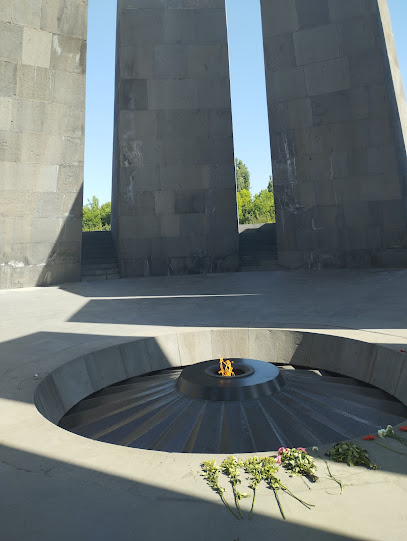
Genocide memorial trees
0.2 km
A grove of remembrance in Yerevan, where trees planted by world leaders symbolize hope and a pledge against future genocides.
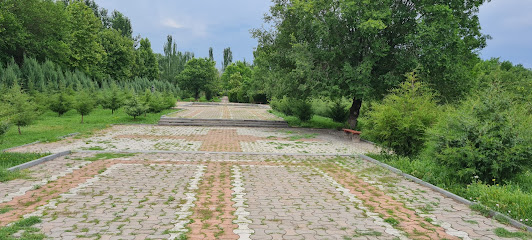
Uruguay Square
0.8 km
A Yerevan square honoring Uruguay's recognition of the Armenian Genocide, featuring 'The Dance of Fire' sculpture in a peaceful setting.
Kond
1.0 km
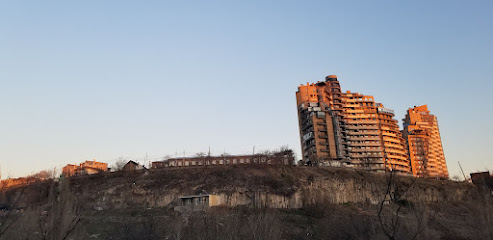
Explore the enchanting neighborhood of Kond in Yerevan, where history meets vibrant local culture amidst stunning city views.
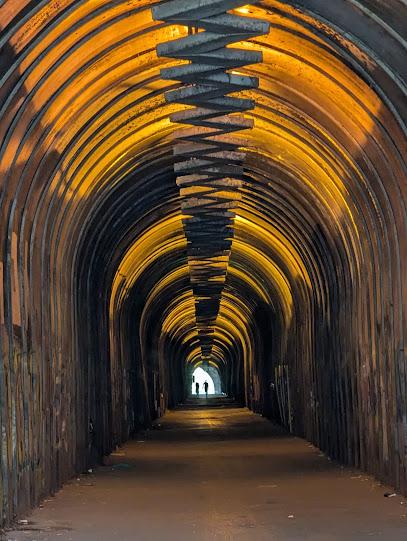
Kond Pedestrian Tunnel
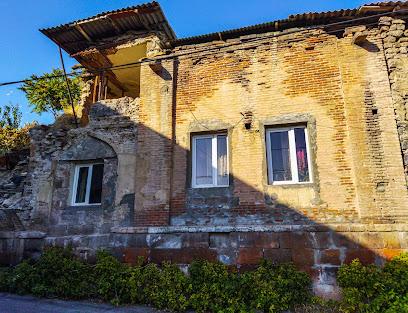
1.1 km
Discover vibrant street art and Soviet-era architecture in Yerevan's unique underground passageway connecting the city center to the Hrazdan Gorge.
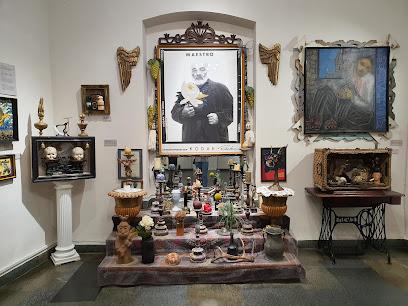
Sergei Paradjanov Museum
1.1 km
Uncover the artistic legacy of Sergei Parajanov at this intimate museum in Yerevan, celebrating the life and works of Armenia's cinematic genius.
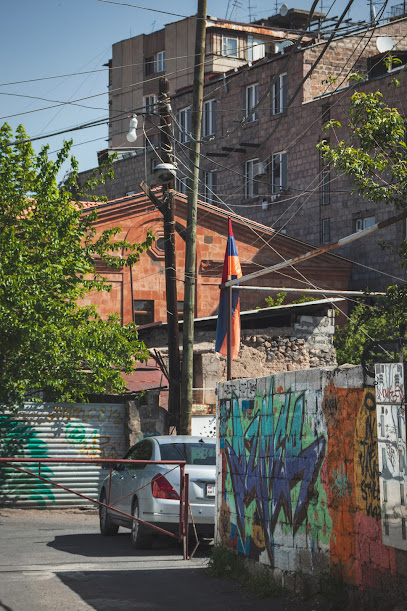
Kond Graffiti Area
1.2 km
Explore Yerevan's oldest district, Kond, where vibrant street art breathes new life into ancient alleyways. A unique fusion of history and modern expression.
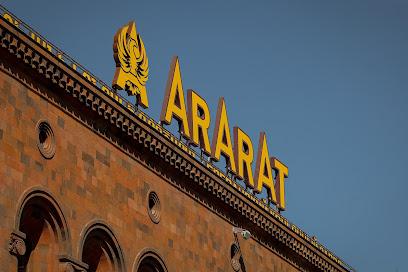
ARARAT Museum
1.2 km
Discover the legacy of Armenian brandy at the ARARAT Museum, where history, culture, and craftsmanship converge in every exquisite drop.
Yerevan Park
1.3 km
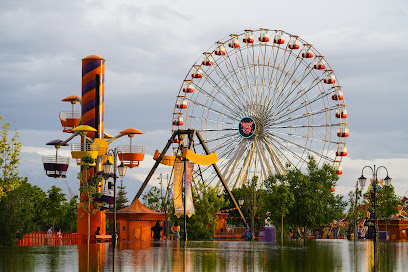
Experience thrills and family fun at Yerevan Park, Armenia's premier amusement destination with year-round entertainment.
Feel Armenia Tour Operator
1.3 km
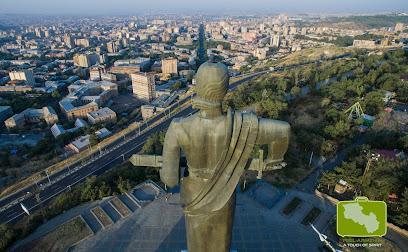
Explore the beauty of Armenia with expert guidance from Feel Armenia Tour Operator, offering personalized tours to unveil the country's cultural richness.
State Wood-carving Museum of Armenia
1.4 km
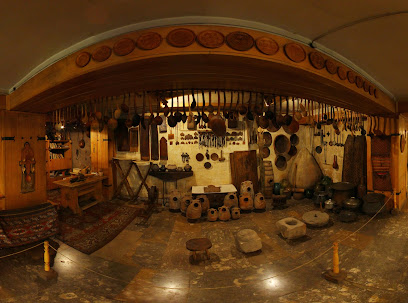
Explore Armenia's rich cultural heritage through intricate wooden masterpieces at Yerevan's State Wood-carving Museum.
St. Sargis Vicarial Church
1.4 km
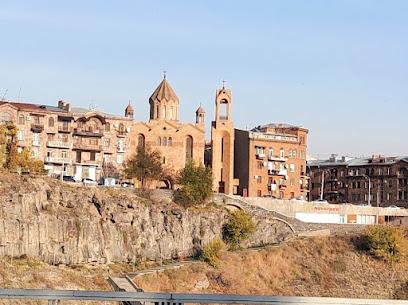
Discover the serene beauty of St. Sargis Vicarial Church in Yerevan, a stunning example of Armenian architecture and a spiritual haven for visitors.
Indoor Market / مارکت ایروان سیتی
1.4 km
Explore Yerevan's Indoor Market: A vibrant shopping destination filled with local flavors, unique crafts, and an authentic Armenian experience.
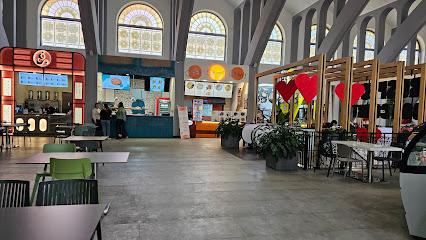
Modern Art Museum
1.5 km
Discover Armenia's vibrant modern art scene at Yerevan's pioneering museum, showcasing a diverse collection of Armenian artists.
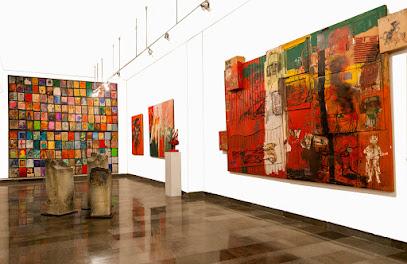
Eduard Isabekyan Gallery
1.5 km
Explore the powerful legacy of Eduard Isabekyan, a master of Armenian painting, at his dedicated gallery in Yerevan.
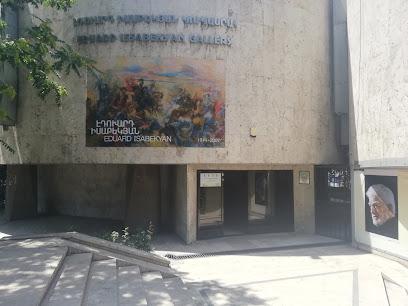
Essential places to dine

Akori Restaurant
0.3 km
Experience authentic Armenian flavors at Akori Restaurant in Yerevan - a culinary delight that captures the essence of local cuisine.
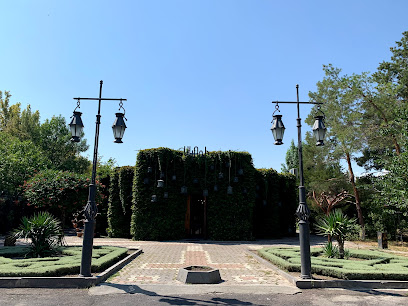
Livingston Restaurant (Լիվինգսթոն Ռեստորան)
0.6 km
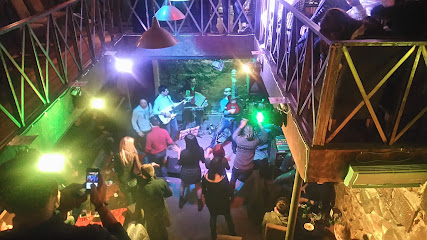
Discover Livingston Restaurant: A premier dining destination blending haute French cuisine with live music in Yerevan's scenic Tsitsernakaberd park.
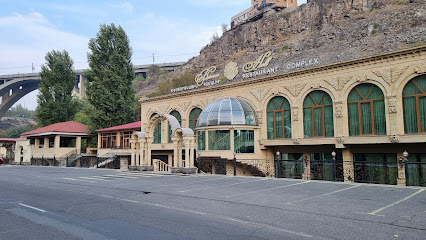
Barocco Restaurant Complex
0.7 km
Experience the perfect blend of Armenian flavors and international cuisine at Yerevan's stunning Barocco Restaurant Complex in Hrazdan Gorge.
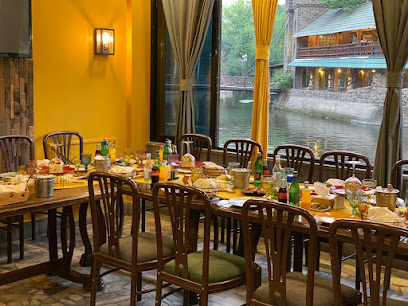
Bardiner Restaurant
0.7 km
Discover authentic Armenian cuisine at Bardiner Restaurant in Yerevan's stunning Hrazdan Gorge - a perfect blend of taste and scenery.
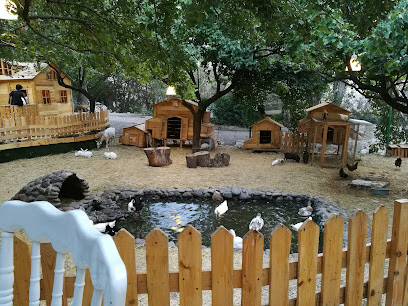
EL Garden
0.8 km
Experience the vibrant flavors of Armenia at EL Garden - where tradition meets modern cuisine in Yerevan's culinary scene.
Rooftop Official
0.9 km
Discover Yerevan's vibrant rooftop dining scene at Rooftop Official - where stunning views meet exquisite cuisine in an unforgettable atmosphere.
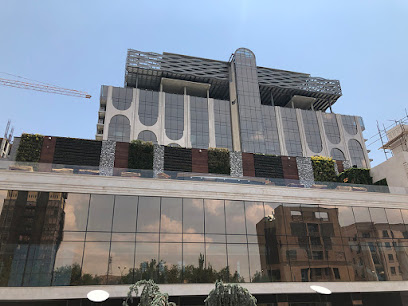
Park Bridge Restaurant & Music Hub
1.0 km
Experience the best of Armenian cuisine and live music at Park Bridge Restaurant & Music Hub in Yerevan.
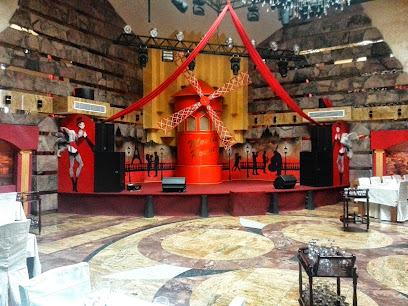
Ktoor
1.2 km
Experience the essence of Armenian cuisine at Ktoor - where tradition meets contemporary dining in Yerevan.
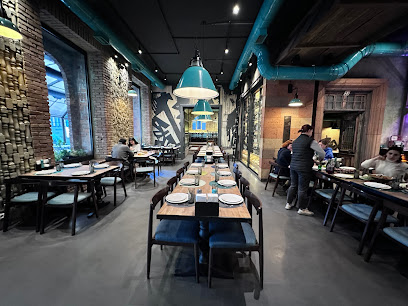
Florence Restaurant
1.2 km
Experience authentic Armenian cuisine blended with modern flair at Florence Restaurant in Yerevan.
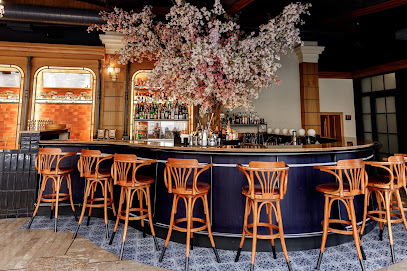
Tavern Yerevan
1.2 km
Experience authentic Armenian cuisine at Tavern Yerevan – where tradition meets flavor in a cozy setting.
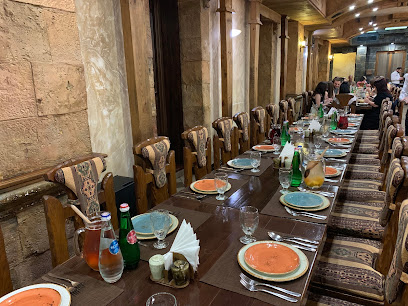
Renommee Restaurant (Ռենոմե Ռեստորան)
1.4 km
Discover culinary artistry at Renommee Restaurant in Yerevan - where haute French meets Armenian tradition in an unforgettable fine dining experience.
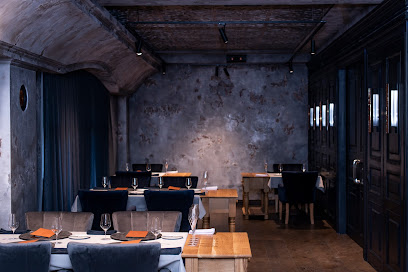
Casa Nostra (Կազա Նոստրա)
1.4 km
Savor authentic Italian flavors at Casa Nostra in Yerevan – where every dish tells a story of culinary passion.
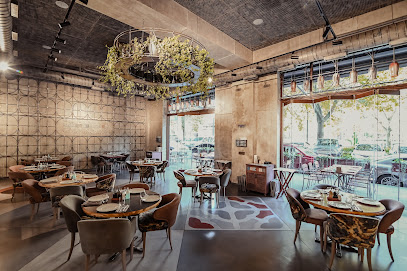
Babylon
1.5 km
Experience authentic Lebanese cuisine at Babylon in Yerevan – where every dish tells a story of flavor and tradition.
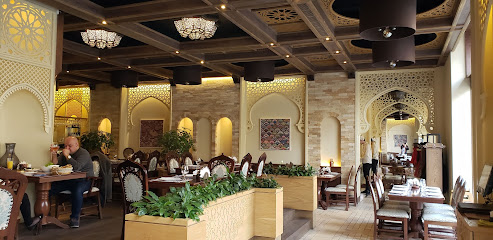
Smoking Chef (Սմոքինգ Շեֆ)
1.5 km
Discover the exquisite flavors at Smoking Chef in Yerevan—where culinary art meets vibrant ambiance for an unforgettable dining experience.
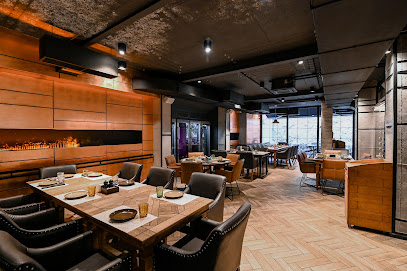
Yasaman Yerevan's Restaurant
1.5 km
Experience the best of Armenian cuisine at Yasaman Yerevan's Restaurant, where tradition meets innovation in every dish.
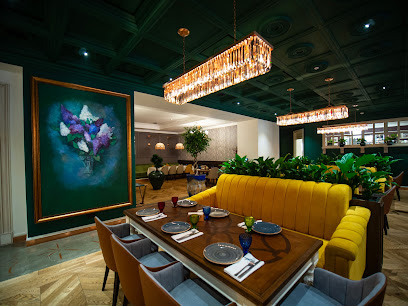
Markets, malls and hidden boutiques

Հուշեր
0.7 km
Explore Husher in Yerevan for unique gifts, bridal accessories, and creative packaging supplies in a vibrant shopping environment.
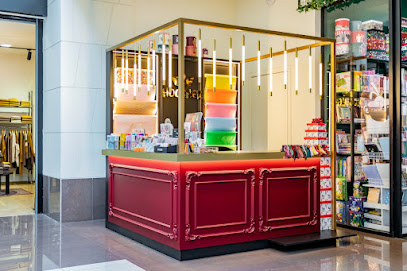
Alamast Official
0.7 km
Explore the exquisite craftsmanship at Alamast Official in Yerevan, where every piece of jewelry tells a story of Armenian heritage.
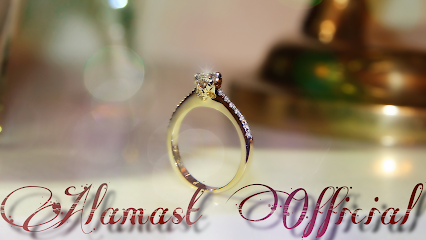
ZARD Jewellery
0.7 km
Discover the exquisite craftsmanship and unique designs at ZARD Jewellery, a premier jewelry store in Yerevan that showcases Armenian artistry.
Dalma Garden Mall
0.7 km
Discover the vibrant Dalma Garden Mall in Yerevan, featuring a mix of luxury brands, local boutiques, and a delightful dining experience.
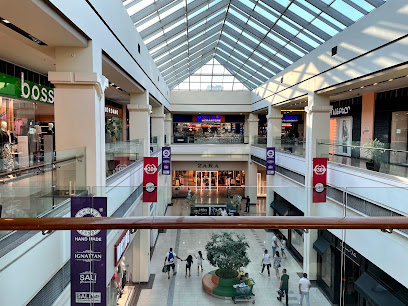
3D Crystal Shop
0.7 km
Explore the 3D Crystal Shop for exquisite crystal gifts and souvenirs capturing the essence of Armenian artistry.
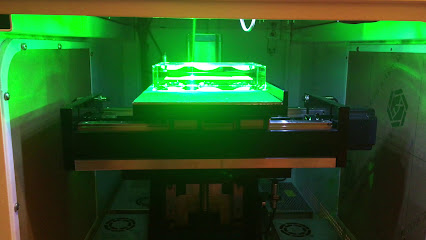
Miniso Dalma Garden Mall (Դալմա Գարդեն մոլ)
0.7 km
Discover Miniso Dalma Garden Mall, a vibrant shopping haven in Yerevan offering trendy products at affordable prices for tourists and locals alike.
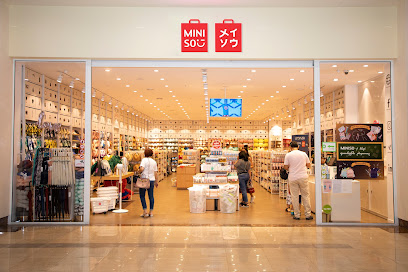
DANZ Dalma Garden Mall Fashion Boutique
0.7 km
Discover stylish sunglasses at DANZ Dalma Garden Mall Fashion Boutique, where fashion meets quality in the heart of Yerevan.

Golden Ararat Jewelry
0.7 km
Explore the beauty of Armenian craftsmanship at Golden Ararat Jewelry in Yerevan, where each piece tells a story of tradition and artistry.
Dalma
0.8 km
Explore Dalma in Yerevan for a unique shopping experience featuring a diverse collection of trendy clothing and accessories that reflect Armenia's rich culture.
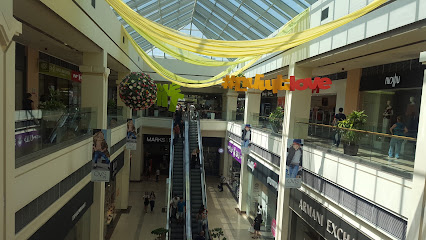
3dzook
0.9 km
Explore 3dzook for unique Armenian crafts and contemporary designs, a perfect stop for authentic souvenirs in Yerevan.

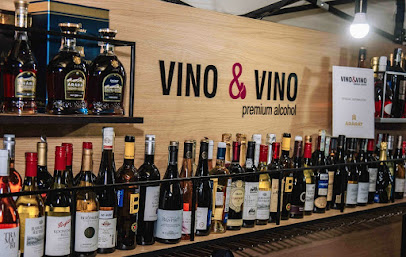
Vino & Vino
1.0 km
Explore the finest selection of Armenian and international wines at Vino & Vino, a must-visit for every wine enthusiast in Yerevan.
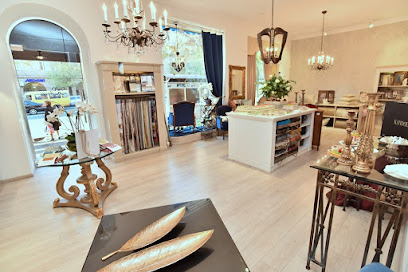
Classis Decor Curtains Քլասիս Դեքոր վարագույրներ
1.0 km
Discover exquisite curtains, bedding, and fabrics at Classis Decor in Yerevan, your one-stop destination for elegant home decor.
Blueberry Armenia
1.0 km
Explore Blueberry Armenia for the freshest local produce and unique organic products in the heart of Yerevan.
Flowers Yerevan (Mariella LLC)
1.2 km
Discover the enchanting world of Flowers Yerevan, where fresh blooms and unique gifts create unforgettable moments in Armenia's capital.
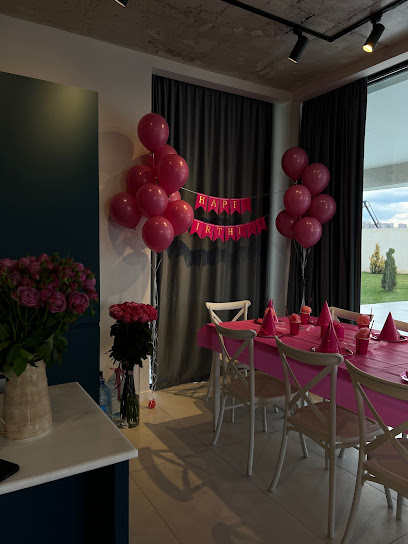
Latona Flowers & Gifts Delivery
1.3 km
Discover Latona Flowers & Gifts Delivery in Yerevan, your go-to destination for exquisite floral arrangements, dried flowers, and wedding essentials.

Essential bars & hidden hideouts

EL Chillout
0.8 km
Experience vibrant nightlife at EL Chillout, a stylish bar in Tsitsernakaberd Park, Yerevan, perfect for unwinding and socializing.
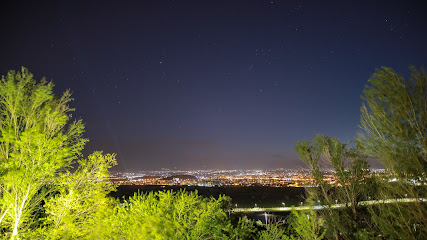
BAKAL (БОКАЛ, ԲԱԿԱԼ)
1.2 km
Discover BAKAL: Yerevan's premier beer hall where local brews meet Armenian culinary delights in a vibrant setting.
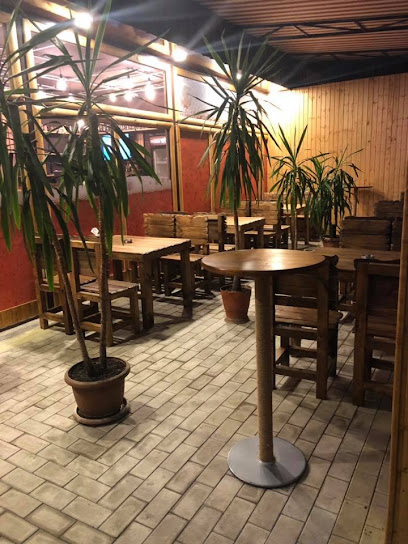
The Kond House
1.2 km
Experience the vibrant nightlife of Yerevan at The Kond House, a bar where great drinks and a lively atmosphere come together.
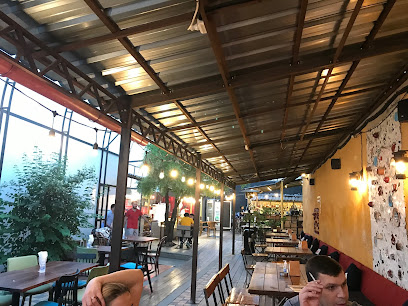
Rush Pub Yerevan
1.5 km
Experience the vibrant nightlife at Rush Pub Yerevan, where great drinks and live music create unforgettable memories in Armenia's capital.
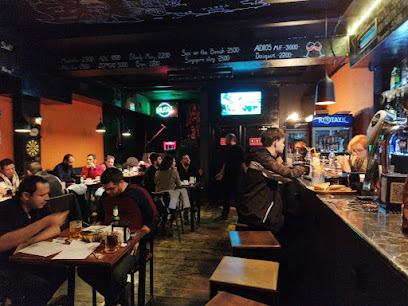
Simona
1.5 km
Experience Yerevan's vibrant nightlife at Simona, the cocktail bar that blends local flavors with innovative mixology for a memorable outing.
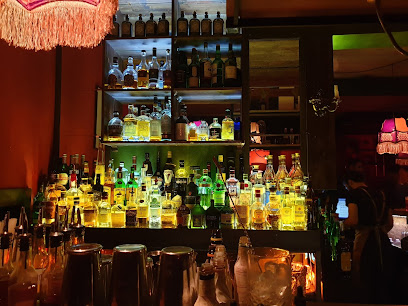
Mr. Hookah
1.5 km
Discover the ultimate lounge experience at Mr. Hookah in Yerevan, where comfort meets culture with a diverse selection of hookah flavors.
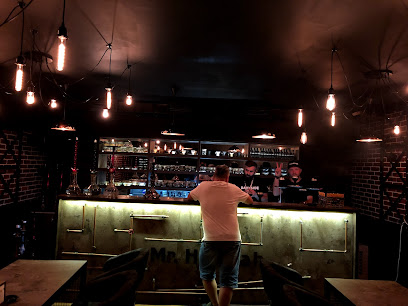
Matisse Dining Bar
1.5 km
Experience the essence of Yerevan's nightlife at Matisse Dining Bar, where expertly crafted cocktails meet vibrant ambiance and local culture.
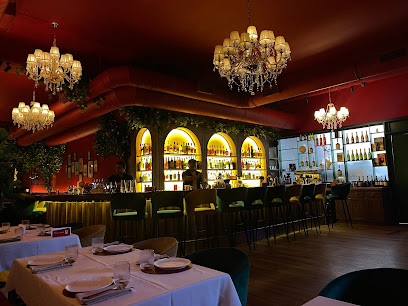
CULT Thematic Bar & Restaurant
1.6 km
Experience the vibrant nightlife of Yerevan at CULT Thematic Bar & Restaurant, where unique cocktails and delicious dishes await you.
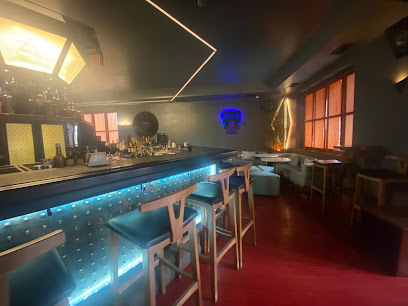
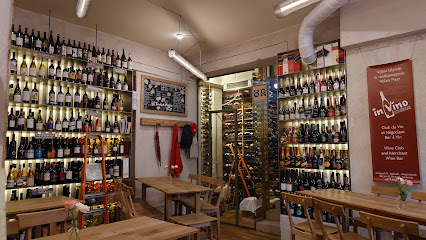
In Vino
1.6 km
Experience the essence of Armenian wines at In Vino, a charming wine bar in the heart of Yerevan, perfect for relaxation and discovery.
Beatles Pub Yerevan
1.6 km
Discover the lively atmosphere of Beatles Pub in Yerevan, where great food, music, and a vibrant scene await every visitor.
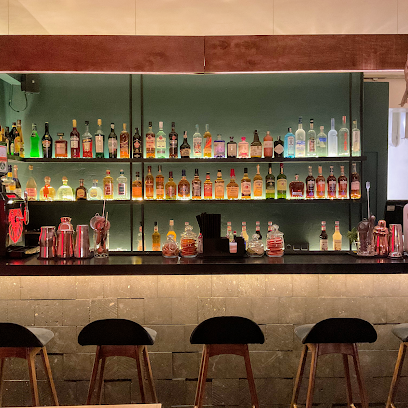
Monk Haus Cocktailbar
1.6 km
Indulge in exquisite cocktails and a vibrant atmosphere at Monk Haus Cocktailbar, the perfect nightlife destination in Yerevan.
Nightclubs & after hour spots

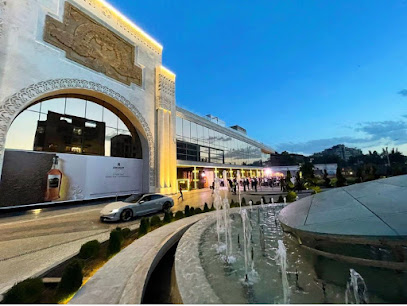
Stage
1.0 km
Discover the energy of Yerevan's nightlife at Stage Disco Club, where vibrant music and unforgettable experiences await.
Luxor
1.3 km
Luxor Karaoke Bar: Where Yerevan's Nightlife Comes Alive with Music, Laughter, and Unforgettable Moments.
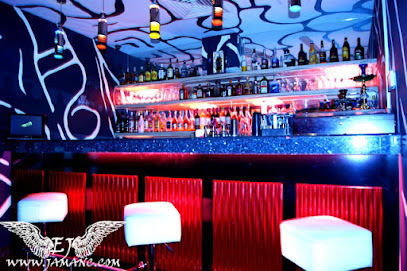
Nightclub Cabaret Charlotte
1.3 km
Discover Yerevan's nightlife at Nightclub Cabaret Charlotte - where music, dance, and cabaret performances come together for an unforgettable experience.

Manoto club
1.4 km
Immerse yourself in Yerevan's vibrant nightlife at Manoto Club, where electrifying music and an unforgettable atmosphere await.

Dos Amigos
1.6 km
Discover the vibrant nightlife at Dos Amigos, Yerevan's premier adult entertainment club, offering captivating performances and a lively atmosphere.
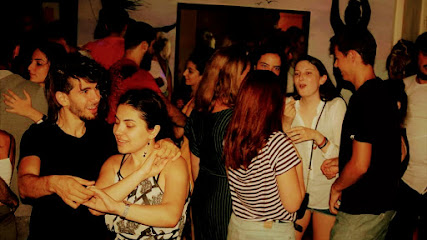
Calumet Ethnic Lounge Bar
1.6 km
Discover Calumet Ethnic Lounge Bar in Yerevan, where vibrant nightlife meets rich Armenian culture and delicious ethnic cuisine.
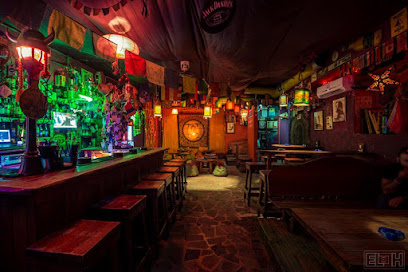
Malkhas Jazz Club
1.7 km
Discover the vibrant sounds of live jazz at Malkhas Jazz Club in Yerevan, where unforgettable performances and a cozy atmosphere await you.
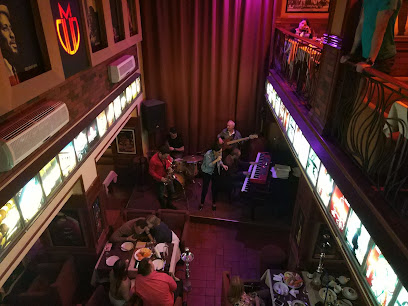
Stop Club
1.7 km
Discover the energetic vibe of Stop Club in Yerevan, where rock music ignites the nightlife scene and every night is a celebration of sound.