

Free Tanki Leendert Travel Guide & Mobile App
Plan your Tanki Leendert trip with Evendo. Get free guides to top attractions, restaurants, hotels, and bars. Web access or download the mobile app.


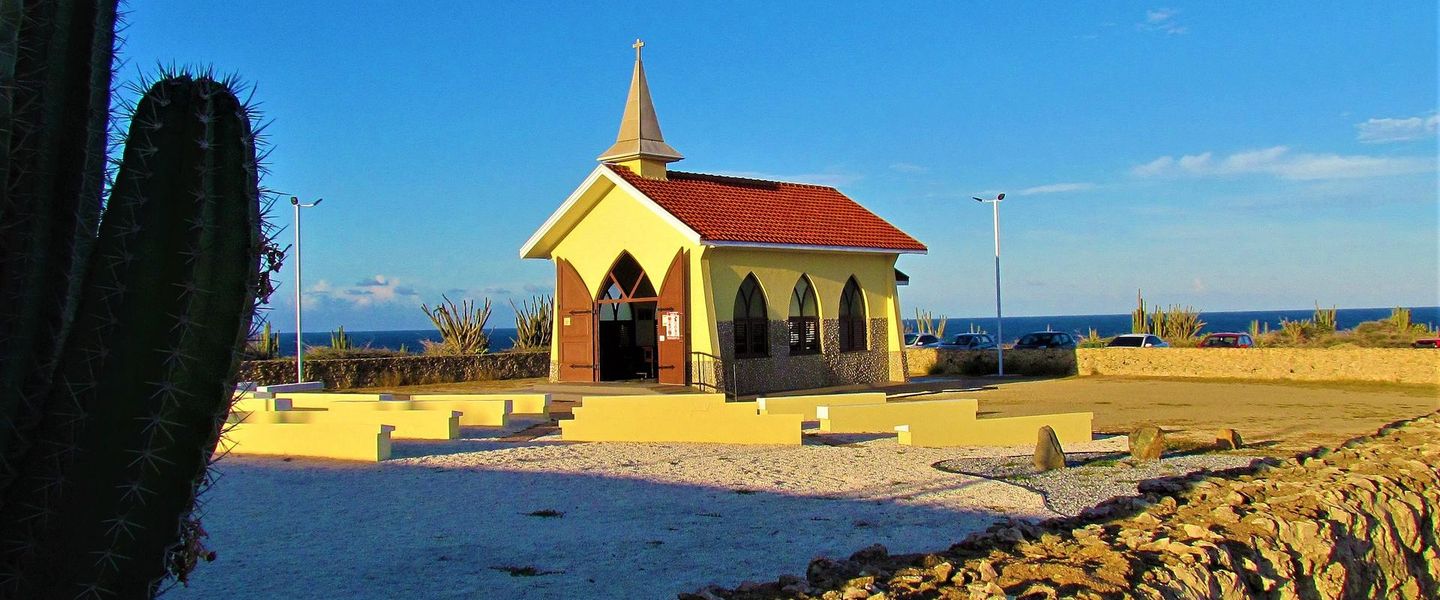


Discover Tanki Leendert: A serene retreat in Aruba, where local culture, natural beauty, and rich history blend seamlessly for an unforgettable experience.
Read more about Tanki Leendert
When is the best time to visit Tanki Leendert?
Best: January–March · 28–29°C| Month | High (°C) | Rainfall (mm) |
|---|---|---|
| January (best) | 29 | 0 |
| February (best) | 28 | 0 |
| March (best) | 29 | 0 |
| April | 29 | 0 |
| May | 30 | 0 |
| June | 30 | 0 |
| July | 31 | 0 |
| August | 31 | 0 |
| September | 31 | 0 |
| October | 30 | 0 |
| November | 29 | 0 |
| December | 29 | 0 |
Getting to and around Tanki Leendert
How to get there
Transportation
Best attractions in Tanki Leendert
Tanki Leendert in Aruba offers visitors a unique blend of history and natural beauty. From exploring the ancient Arawak petroglyphs at Fontein Cave to relaxing on the pristine beaches of Mangel Halto, there is something for everyone. Take a stroll through the bustling market in Oranjestad, or hike to the top of Hooiberg for panoramic views of the island. Sample local cuisine at one of the many restaurants, or try your hand at windsurfing in the crystal-clear waters. With its rich cultural heritage and stunning landscapes, Tanki Leendert is a must-visit destination for any traveler.
-
Tourist attraction
Natural Bridge Aruba
Experience the breathtaking beauty of Aruba's Natural Bridge, a stunning natural wonder and historical landmark that captivates all who visit.
20 min drive · 6.7 km from city centre
-
Beach
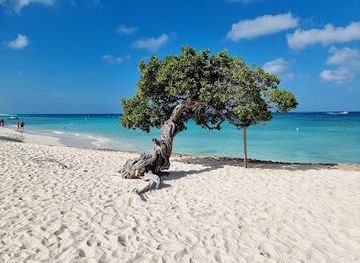
Eagle Beach
Discover Eagle Beach, Aruba: voted one of the world's best beaches, offering pristine sands, turquoise waters, and tranquil Caribbean charm.
12 min drive · 4.1 km from city centre
-
Tourist attraction
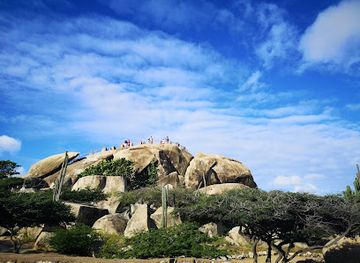
Casibari Rock Formations
Explore Aruba's mysterious Casibari Rock Formations: a unique geological wonder with panoramic views and ancient history.
8 min drive · 2.8 km from city centre
-
National park
Arikok National Park
Discover Aruba's wild side: Explore ancient caves, rugged landscapes, and unique wildlife in Arikok National Park.
28 min drive · 9.3 km from city centre



Best landmarks in Tanki Leendert
Tanki Leendert in Aruba offers visitors a unique blend of historical and natural attractions. From the iconic California Lighthouse with its panoramic views of the island, to the stunning Arashi Beach perfect for sunbathing and snorkeling, there is something for everyone. Explore the Bushiribana Gold Mill Ruins to learn about Aruba's gold mining history, or take a stroll through the Arikok National Park to discover caves, rock formations, and diverse wildlife. Tanki Leendert is a must-visit destination for travelers looking to immerse themselves in the rich culture and beauty of Aruba.
-
Historical landmark
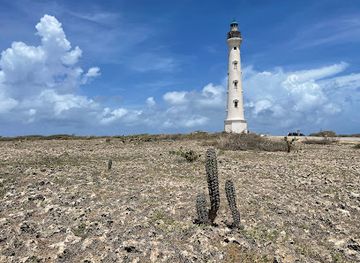
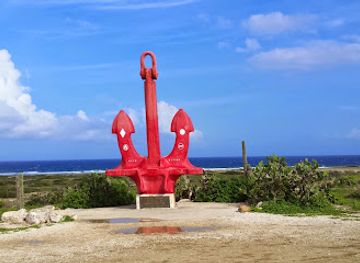
California Lighthouse
Explore Aruba's iconic California Lighthouse: panoramic views, rich history, and stunning sunsets await at this must-see landmark.
26 min drive · 8.7 km from city centre
-
Tourist attraction
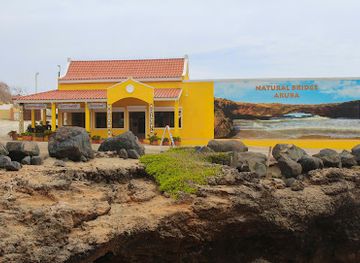
Natural Bridge Aruba
Explore Aruba's Natural Bridge, a stunning geological marvel and historical landmark offering breathtaking sea views and scenic walks.
20 min drive · 6.7 km from city centre
-
Tourist attraction
Casibari Rock Formations
Discover the breathtaking Casibari Rock Formations in Aruba, a natural wonder featuring stunning views, unique geological features, and rich cultural significance.
8 min drive · 2.8 km from city centre
-
National park
Arikok National Park
Explore Aruba's natural wonder at Arikok National Park, where stunning landscapes and rich cultural history await every visitor.
28 min drive · 9.3 km from city centre
Explore Tanki Leendert on the map
Plan your Tanki Leendert trip on one map. See where the top attractions, landmarks, restaurants, bars and hotels are, find what's near where you're staying, and book hotels and experiences in a few clicks.
Best hotels in Tanki Leendert
Best restaurants in Tanki Leendert
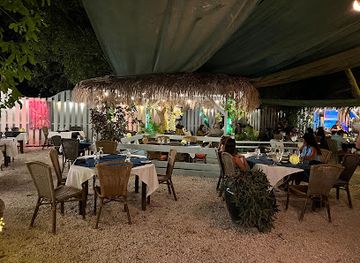
Tanki Leendert offers a diverse dining scene for visitors to explore, ranging from traditional Aruban cuisine to international flavors. Expect to find charming local eateries serving up fresh seafood and flavorful dishes, as well as cozy cafes and trendy restaurants with unique culinary experiences. Whether you're craving a casual meal or a fine dining experience, Tanki Leendert has something to satisfy every palate.
-
Restaurant
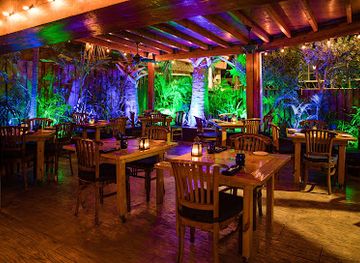
Madame Janette
Discover the exquisite Caribbean flavors at Madame Janette, Aruba's premier fine dining restaurant offering an unforgettable culinary experience.
8 min drive · 2.6 km from city centre
-
Restaurant
West Deck
Experience authentic Aruban cuisine with stunning ocean views at West Deck in Oranjestad – where every meal is a delightful escape.
10 min drive · 3.4 km from city centre
-
Restaurant
Yemanja Woodfired Grill
Experience exceptional Caribbean cuisine at Yemanja Woodfired Grill in Aruba, where every dish is crafted with passion and served with flair.
9 min drive · 3.2 km from city centre
-
Restaurant
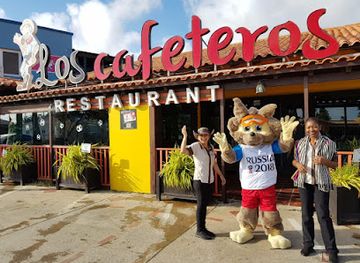
Los Cafeteros Restaurant
Experience the rich flavors of Aruba at Los Cafeteros Restaurant—where local cuisine meets warm hospitality in a vibrant setting.
1 min walk · 0.1 km from city centre
Best bars in Tanki Leendert
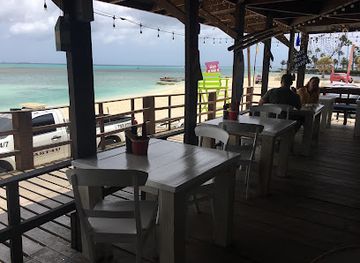
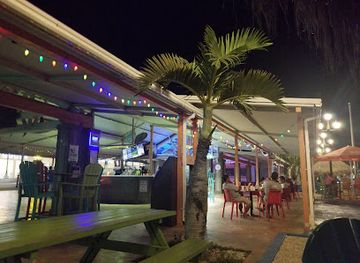
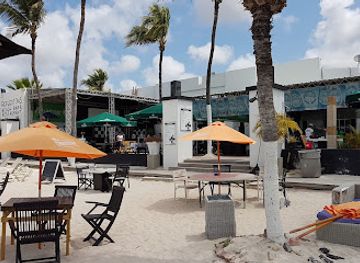
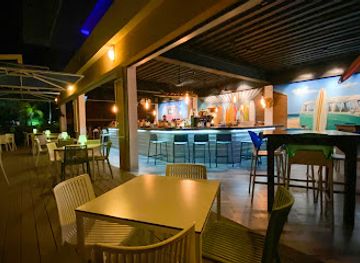
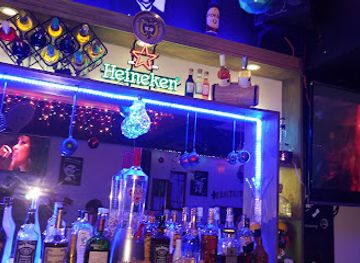
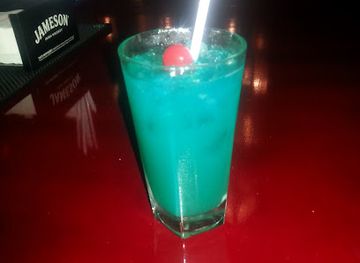
Tanki Leendert offers a vibrant nightlife scene with a variety of bars and nightclubs to choose from. Whether you're looking for a laid-back beach bar to enjoy a cocktail at sunset or a lively nightclub to dance the night away, Tanki Leendert has it all. The local music scene adds to the ambiance, with live bands and DJs playing a mix of Caribbean and international tunes. With friendly locals and a welcoming atmosphere, visitors can expect to have a memorable night out in Tanki Leendert.
-
Bar
Lucy's Retired Surfers Bar & Restaurant
Discover the laid-back charm of Aruba at Lucy's Retired Surfers Bar & Restaurant, where great food meets vibrant beachside vibes.
10 min drive · 3.3 km from city centre
-
Bar
Reflexions Beach Bar & Restaurant Aruba
Discover Reflexions Beach Bar & Restaurant, where stunning ocean views meet delectable cuisine and vibrant nightlife in Aruba.
11 min drive · 3.8 km from city centre
-
Bar
Ocean View Bar
Unwind in paradise at Ocean View Bar, Aruba's premier destination for breathtaking views and delightful drinks.
13 min drive · 4.2 km from city centre
-
Sports bar
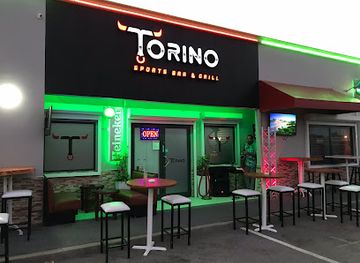
Torino Sports Bar and Grill
Discover the vibrant nightlife and delicious cuisine at Torino Sports Bar and Grill in Aruba, where every night is a celebration of flavor and fun.
5 min walk · 0.4 km from city centre
Best nightclubs in Tanki Leendert
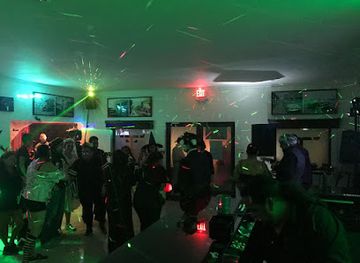
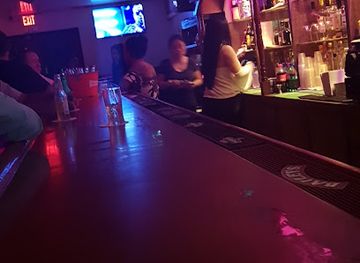
Tanki Leendert offers a vibrant nightlife scene with a variety of bars and nightclubs to choose from. Whether you're looking for a laid-back beach bar to enjoy a cocktail at sunset or a lively nightclub to dance the night away, Tanki Leendert has it all. The local music scene adds to the ambiance, with live bands and DJs playing a mix of Caribbean and international tunes. With friendly locals and a welcoming atmosphere, visitors can expect to have a memorable night out in Tanki Leendert.
-
Night club
Torino Sports Bar and Grill
Discover the heart of Aruba's nightlife at Torino Sports Bar and Grill, where delicious cuisine meets thrilling sports and live entertainment.
5 min walk · 0.4 km from city centre
-
Bar
Cas Casuela Bar
Experience the vibrant nightlife at Cas Casuela Bar in Oranjestad, Aruba, where locals and tourists mingle over delicious cocktails and lively music.
13 min walk · 1.0 km from city centre
-
Bar
Los Cochozos
Discover the vibrant nightlife of Aruba at Los Cochozos, your go-to bar for cocktails, music, and unforgettable memories.
1 min walk · 0.1 km from city centre
-
Bar
Brick house Bar & Lounge
Discover the lively Brick House Bar & Lounge in Oranjestad, Aruba, where vibrant nightlife meets delicious cocktails and unforgettable experiences.
2 min walk · 0.1 km from city centre
Best shops in Tanki Leendert
Tanki Leendert offers a unique shopping experience for visitors, with a mix of local artisan shops, charming boutiques, and bustling markets. From handmade crafts and souvenirs to stylish clothing and jewelry, there is something for every taste and budget. The vibrant atmosphere and friendly vendors make shopping in Tanki Leendert a memorable and enjoyable experience, giving tourists a chance to immerse themselves in the local culture and take home a piece of Aruba.
-
Fashion accessories store
Miss 21 Accessories & Beauty Supply
Explore Miss 21 Accessories & Beauty Supply in Noord, Aruba - your go-to spot for stylish accessories and beauty essentials.
6 min walk · 0.5 km from city centre
-
Souvenir store
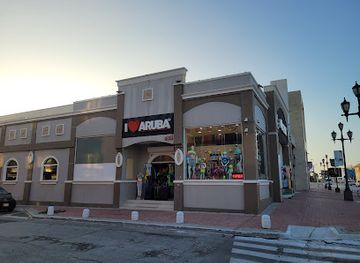
I Love Aruba Store I
Explore I Love Aruba Store I for unique souvenirs and stunning jewelry, capturing the essence of Aruba's vibrant culture and artistry.
10 min drive · 3.3 km from city centre
-
Shopping mall
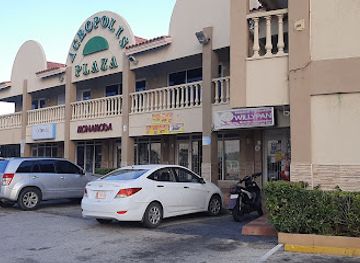
Acropolis Plaza
Discover Acropolis Plaza, a lively shopping destination in Oranjestad, Aruba, blending local charm with international flair for an unforgettable retail experience.
2 min walk · 0.2 km from city centre
-
Women's clothing store
La & Lu Fashion
Explore La & Lu Fashion in Aruba for trendy women's clothing that embodies the island's vibrant spirit and unique style.
5 min drive · 1.8 km from city centre


Get your free copy of our complete guide to Tanki Leendert, delivered straight to you.
Everything on this page, from attractions and restaurants to essentials and local phrases, in one PDF you can read offline, print or share.
Already have an account? Sign in
Your Tanki Leendert guide is ready.
We'll send it to · Not you? Sign out

Getting your guide ready…
We are putting together a fresh copy of the Tanki Leendert guide. This can take up to a minute.
This can take a few moments. If your browser asks, choose Allow so the download can start. You'll find the guide in your Downloads folder.
Nothing happened? Download it again
Sorry, the guide is taking longer than usual. Please try again in a minute, or get it by email instead.
Tanki Leendert essentials
Currency and Payment
Safety
Emergency Situations
Do's and Don'ts
Local Tips
From Eve
Local phrases worth knowing
You don't need to get them perfect. A few words go a long way, and locals appreciate the effort.
Basics
| English | Local | Say it |
|---|---|---|
| Hello | Bon dia | [bon dee-ah] |
| Goodbye | Ayo | [ah-yo] |
| Yes | Si | [see] |
| No | No | [no] |
| Please/You're welcome | Por fabor | [por fa-bor] |
| Thank you | Danki | [dan-kee] |
| Excuse me/Sorry | Skusa mi | [scoo-sa mee] |
| How are you? | Con ta bai? | [kohn tah by?] |
| Fine. And you? | Bon. Y bo? | [bon. ee bo?] |
| Do you speak English? | Bo papia ingles? | [bo pa-pee-ah een-gles?] |
| I don't understand | Mi no ta comprende | [mee no tah com-prehn-deh] |
Eating & Drinking
| English | Local | Say it |
|---|---|---|
| I'd like to see the menu, please | Mi kier mira e menu, por fabor | [mee kee-er mee-rah eh meh-noo, por fa-bor] |
| I don't eat meat | Mi no kome karni | [mee no koh-meh kar-nee] |
| Cheers! | Salud! | [sa-lood] |
| I would like to pay, please | Mi kier paga, por fabor | [mee kee-er pah-gah, por fa-bor] |
Emergencies
| English | Local | Say it |
|---|---|---|
| Help! | Yudami! | [yoo-dah-mee] |
| Go away! | Bay bek! | [by bek] |
| Call the Police! | Yama polis! | [yah-mah poh-lees] |
| Call a doctor! | Yama un dokter! | [yah-mah oon dok-ter] |
| I'm lost | Mi a perde mi mes | [mee ah per-deh mee mes] |
| I'm ill | Mi ta malu | [mee tah mah-loo] |
Shopping
| English | Local | Say it |
|---|---|---|
| I'd like to buy... | Mi kier cumpra... | [mee kee-er koom-prah] |
| I'm just looking | Mi ta solamente mira | [mee tah soh-lah-men-teh mee-rah] |
| How much is it? | Con mucha ta esaki? | [kohn moo-chah tah eh-sah-kee?] |
| That's too expensive | Esaki ta mucha caro | [eh-sah-kee tah moo-chah car-oh] |
| Can you lower the price? | Bo por baha e prijs? | [bo por bah-hah eh prees?] |
Time & Numbers
| English | Local | Say it |
|---|---|---|
| What time is it? | Con ora e ta? | [kohn oh-rah eh tah] |
| It's one o'clock | Ta un ora | [tah oon oh-rah] |
| Half past (10) | Mitad di dies | [mee-tah dee dees] |
| Morning | Madruga | [mah-droo-gah] |
| Afternoon | Atardi | [ah-tar-dee] |
| Evening | Anochi | [ah-noh-chee] |
| Yesterday | Ayer | [ah-yer] |
| Today | Awe | [ah-weh] |
| Tomorrow | Mañana | [mah-nyah-nah] |
| 1 | Uno | [oo-no] |
| 2 | Dos | [dohs] |
| 3 | Tres | [trehs] |
| 4 | Cuatro | [kwah-troh] |
| 5 | Cinco | [seen-koh] |
| 6 | Seis | [says] |
| 7 | Siete | [syeh-teh] |
| 8 | Ocho | [oh-choh] |
| 9 | Nueve | [nweh-veh] |
| 10 | Diez | [dee-ehs] |
Transport & Directions
| English | Local | Say it |
|---|---|---|
| Where's a/the...? | Unda ta e...? | [oon-dah tah eh] |
| What's the address? | Con ta e adres? | [kohn tah eh ah-dres] |
| Can you show me (on the map)? | Bo por mustra mi (riba e mapa)? | [bo por moos-trah mee ree-bah eh mah-pah] |
| When's the next (bus)? | Con ora e siguiente (bus)? | [kohn oh-rah eh see-gwee-ehn-teh bus] |
| A ticket (to ....) | Un boleto (pa ....) | [oon boh-leh-toh pah] |
History of Tanki Leendert
Origins and Early Settlement
Tanki Leendert, a district located in the heart of Aruba, carries a rich history dating back to the early indigenous settlements. Initially inhabited by the Arawak Indians, the area was known for its natural water sources, which played a crucial role in sustaining the early population. The name 'Tanki' is derived from the Papiamento word for 'tank' or 'water reservoir,' indicating the presence of these vital resources.
Colonial Influence
During the colonial period, Aruba was claimed by the Spanish and later the Dutch. Tanki Leendert, like other parts of the island, saw significant changes under European influence. The introduction of new agricultural practices and livestock by the colonizers transformed the landscape. The district's fertile land supported the cultivation of crops such as aloe vera, which became a significant economic driver.
Aloe Vera Boom
In the late 19th and early 20th centuries, Tanki Leendert became one of the focal points of Aruba's aloe vera industry. The area's favorable climate and soil conditions made it ideal for cultivating this succulent plant. The establishment of aloe processing facilities brought economic growth and employment opportunities to the region. Even today, remnants of this period can be seen, with several aloe fields and factories still operational.
World War II Era
During World War II, Tanki Leendert, like much of Aruba, experienced strategic military significance due to the island's oil refineries. The local population contributed to the war effort, and the district saw an influx of workers and military personnel. This period also brought advancements in infrastructure, including the construction of roads and buildings that facilitated the region's post-war development.
Post-War Development
The post-war era marked a period of modernization and growth for Tanki Leendert. The district expanded with new residential areas, schools, and businesses. The introduction of modern amenities improved the quality of life for its residents. This period also saw a cultural renaissance, with the establishment of community centers and cultural events that celebrated Aruba's diverse heritage.
Modern-Day Tanki Leendert
Today, Tanki Leendert is a vibrant and diverse community that reflects the rich tapestry of Aruba's history and culture. The district boasts a blend of traditional and contemporary architecture, with landmarks such as the Tanki Leendert Roman Catholic Church standing as a testament to its historical roots. Annual cultural festivals and events continue to celebrate the district's unique heritage, making it a must-visit destination for travelers seeking an authentic Aruban experience.
Tanki Leendert in Photos
Browse through our photo collection highlighting the charm and character of the destination.
Cities near Tanki Leendert
The closest cities to Tanki Leendert, if you have time for more than one stop.
-

-

-

-

-


Swipe for more cities
Explore more

Explore more of Aruba
Discover Aruba, the Caribbean's sun-drenched paradise with pristine beaches, rich culture, and warm hospitality. Your perfect getaway awaits on this happy island.
Explore Aruba