

Free Noord Travel Guide & Mobile App
Plan your Noord trip with Evendo. Get free guides to top attractions, restaurants, hotels, and bars. Web access or download the mobile app.


Noord, Aruba combines Palm Beach resorts, desert landscapes, historic chapels, snorkelling bays and easy access to the island’s northern landmarks.
Beaches and Coastal Landscapes
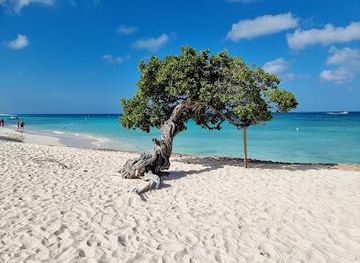
Noord occupies Aruba’s north-western corner, where resort beaches, low desert vegetation and brilliantly clear Caribbean water create the island’s main visitor zone. Palm Beach is the best-known stretch, lined with hotels, restaurants and watersports, while quieter coves and reef-fringed bays extend towards Malmok and Arashi. The coastline changes character quickly: broad sand gives way to limestone shelves, cactus-covered hills and sheltered snorkelling spots, with the California Lighthouse watching over the island’s north-western tip.Read more about Noord
Village Life and Island Heritage
Exploring Aruba’s North-West
When is the best time to visit Noord?
Best: March–May · 29–30°C| Month | High (°C) | Rainfall (mm) |
|---|---|---|
| January | 29 | 27 |
| February | 29 | 20 |
| March (best) | 29 | 15 |
| April (best) | 29 | 10 |
| May (best) | 30 | 7 |
| June | 30 | 5 |
| July | 30 | 5 |
| August | 30 | 5 |
| September | 30 | 8 |
| October | 30 | 13 |
| November | 29 | 16 |
| December | 29 | 22 |
Getting to and around Noord
How to get there
Transportation
Best attractions in Noord
Noord’s attractions follow the coast and the dry hills behind it. Palm Beach provides a broad, accessible shoreline with swimming, sailing and other watersports, while the coves at Boca Catalina and Arashi are valued for clear water and snorkelling close to shore. Malmok’s rocky coast offers a more open, windswept setting, and the California Lighthouse marks the island’s north-western edge with wide views over the sea and interior. Inland, Alto Vista Chapel introduces a quieter dimension: its hilltop setting and devotional Stations of the Cross connect sightseeing with Aruba’s Catholic heritage. The Bubali Bird Sanctuary, south of the main resort area near Eagle Beach, offers a chance to observe wetland birdlife, though conditions vary seasonally. Together these places show Noord as more than a hotel district, combining recreation, landscape, wildlife and living cultural landmarks within a relatively compact part of Aruba.
-
Tourist attraction
Natural Bridge Aruba
Witness Aruba's rugged beauty at the Natural Bridge site, where the ocean's power shaped a stunning landmark, even in its remains.
26 min drive · 8.6 km from city centre
-
Beach
Eagle Beach
Discover Eagle Beach, Aruba: Consistently ranked among the world's best beaches, offering pristine sands, turquoise waters, and tranquil beauty.
9 min drive · 3.1 km from city centre
-
Tourist attraction
Casibari Rock Formations
Explore Aruba's geological wonders: hike, climb, and discover panoramic views at the Casibari Rock Formations.
17 min drive · 5.7 km from city centre
-
Tour agency
De Palm Tours Aruba
Experience Aruba's best with De Palm Tours: from thrilling off-road adventures to relaxing catamaran sails and unique underwater explorations.
14 min drive · 4.7 km from city centre



Best landmarks in Noord
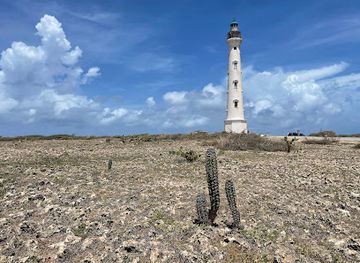
Alto Vista Chapel is Noord’s most distinctive historic landmark, a small yellow sanctuary on an isolated hill associated with Aruba’s early Catholic community and the chapel first founded there in 1750. At the northern tip, the California Lighthouse is a memorable stone tower named after the steamship California, which sank off Aruba in 1891; its elevated position gives it a strong visual relationship with the island’s coast. The Noord Catholic Church, formally the Saint Anna Church, represents the continuing importance of parish life in the district and is distinguished by its central position in the local community. Along the shore, the natural limestone formations and exposed coral-rock coastline are landmarks of Aruba’s geology as much as scenic features. These sites together connect faith, maritime history, settlement and the dry island environment.
-
Historical landmark
California Lighthouse
Explore the California Lighthouse in Aruba, a historic landmark offering stunning views, rich maritime history, and a serene coastal experience.
17 min drive · 5.6 km from city centre
-
Tourist attraction
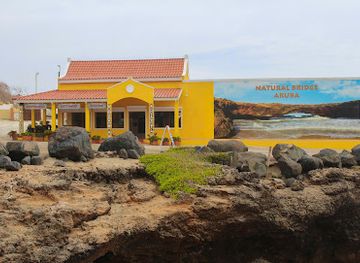
Natural Bridge Aruba
Experience the breathtaking Natural Bridge of Aruba, a stunning geological wonder and historical landmark perfect for nature lovers and adventurers alike.
26 min drive · 8.6 km from city centre
-
Tourist attraction
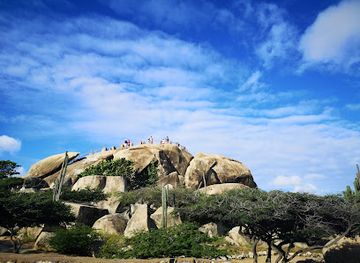
Casibari Rock Formations
Explore the breathtaking Casibari Rock Formations in Aruba, a stunning natural attraction offering adventure and panoramic views of the island’s beauty.
17 min drive · 5.7 km from city centre
-
Tourist attraction
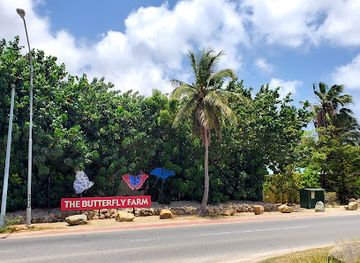
Butterfly Farm
Experience the magic of nature at the Butterfly Farm in Aruba, where vibrant butterflies and lush gardens create an unforgettable escape.
6 min drive · 1.9 km from city centre
Explore Noord on the map
Plan your Noord trip on one map. See where the top attractions, landmarks, restaurants, bars and hotels are, find what's near where you're staying, and book hotels and experiences in a few clicks.
Best hotels in Noord
Best restaurants in Noord
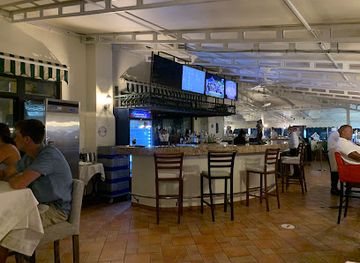
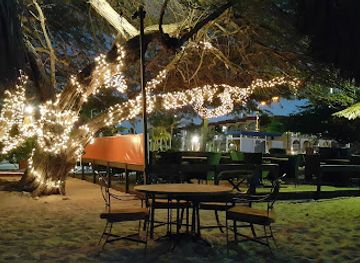
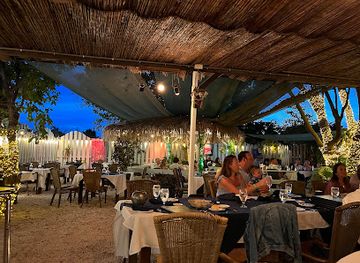
Noord has Aruba’s broadest concentration of visitor dining, particularly around Palm Beach, where beachfront restaurants, hotel dining rooms, cafés and casual international eateries sit alongside establishments serving island cooking. Aruban flavours reflect Caquetío, Dutch, Latin American and Caribbean influences, with dishes such as keshi yena, a stuffed cheese preparation, seafood, hearty stews and pastechi, savoury filled pastries, appearing in different settings. Fresh fish, shrimp and other seafood are natural choices near the coast, while local snacks and Dutch-influenced treats add variety. The resort strip offers everything from relaxed breakfasts and waterside meals to polished contemporary menus, whereas smaller restaurants away from the beach can provide a more residential atmosphere. Food trucks and informal counters are also part of Aruba’s accessible eating culture, though locations and operating patterns can change. Dining customs are generally relaxed, and reservations may be sensible for particularly popular evening venues.
-
Italian
Giannis Restaurant Aruba
Experience authentic Italian cuisine at Giannis Restaurant Aruba - where exquisite flavors meet breathtaking island views.
17 min walk · 1.3 km from city centre
-
Restaurant
Passions On The Beach
Experience exquisite seafood dining with breathtaking ocean views at Passions On The Beach in Aruba.
8 min drive · 2.8 km from city centre
-
Restaurant
Madame Janette
Indulge in exquisite Caribbean flavors at Madame Janette - Aruba's premier fine dining destination for unforgettable culinary experiences.
7 min drive · 2.5 km from city centre
-
Italian
Faro Blanco Restaurant
Experience exquisite Italian cuisine at Faro Blanco Restaurant near California Lighthouse in Aruba with stunning ocean views.
17 min drive · 5.6 km from city centre
Best bars in Noord
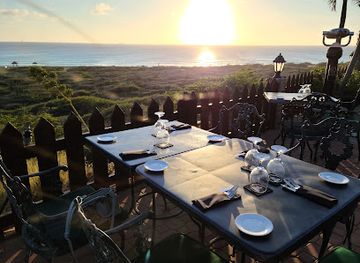
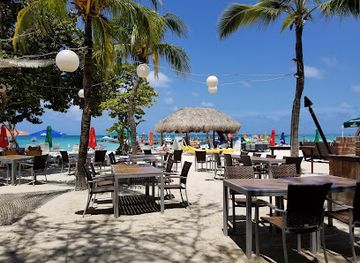
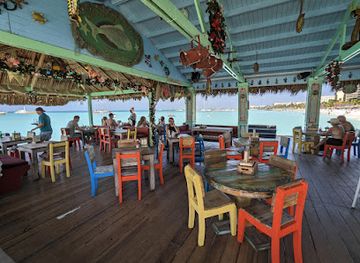
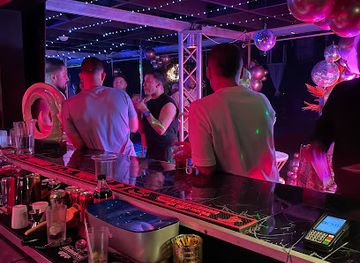
After dark, Noord’s nightlife is concentrated around Palm Beach, where open-air bars, hotel lounges, cocktail venues and dance-oriented establishments create Aruba’s liveliest evening scene. The atmosphere ranges from casual drinks and live music to late-night dancing, with many venues drawing on Caribbean, Latin and international sounds rather than a single local style. Beachfront settings make sunset and early evening particularly popular, while casinos attached to resort complexes add another form of entertainment for adults. Outside Palm Beach, the pace is quieter, with restaurants, small bars and occasional live performances providing a more relaxed night. Evening activity is shaped by tourism, so the character of venues can vary by season and day of the week. Visitors should carry identification where alcohol or casino entry is involved, use taxis after drinking and respect residential areas beyond the resort strip.
-
Restaurant
MooMba Beach Bar & Restaurant
Experience the essence of Aruba at MooMba Beach Bar & Restaurant with stunning ocean views and delicious local cuisine.
5 min drive · 1.7 km from city centre
-
Grill
Bugaloe
Discover the vibrant flavors of Aruba at Bugaloe, where grilled specialties meet stunning ocean views in a lively beachside setting.
5 min drive · 1.7 km from city centre
-
Bar
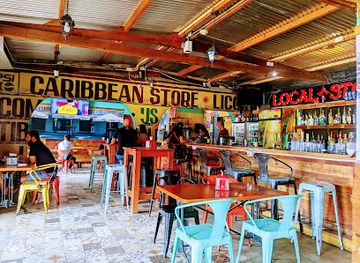
Local Store Aruba
Experience the vibrant atmosphere of Local Store Aruba, where delicious cuisine meets refreshing cocktails in a tropical paradise.
8 min walk · 0.7 km from city centre
-
Bar
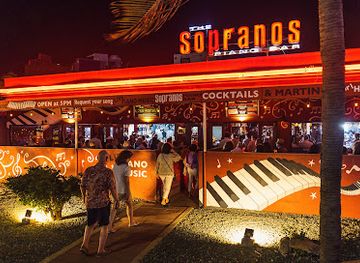
The Sopranos Piano Bar
Discover the lively ambiance and live music at The Sopranos Piano Bar in Aruba, where unforgettable nights are made.
16 min walk · 1.3 km from city centre
Best nightclubs in Noord
After dark, Noord’s nightlife is concentrated around Palm Beach, where open-air bars, hotel lounges, cocktail venues and dance-oriented establishments create Aruba’s liveliest evening scene. The atmosphere ranges from casual drinks and live music to late-night dancing, with many venues drawing on Caribbean, Latin and international sounds rather than a single local style. Beachfront settings make sunset and early evening particularly popular, while casinos attached to resort complexes add another form of entertainment for adults. Outside Palm Beach, the pace is quieter, with restaurants, small bars and occasional live performances providing a more relaxed night. Evening activity is shaped by tourism, so the character of venues can vary by season and day of the week. Visitors should carry identification where alcohol or casino entry is involved, use taxis after drinking and respect residential areas beyond the resort strip.
-
Dance club
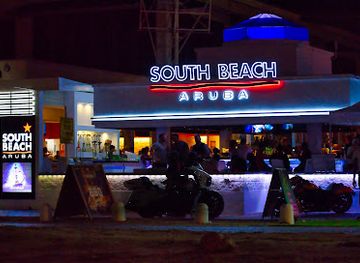
South Beach Aruba
Dive into the energetic nightlife of South Beach Aruba, where electrifying music, exquisite cocktails, and vibrant crowds create an unforgettable experience.
15 min walk · 1.2 km from city centre
-
Night club
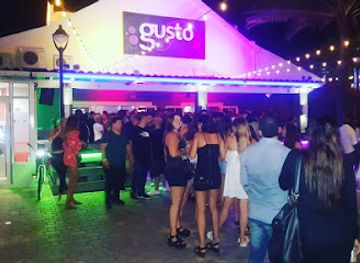
Gusto Night Club Aruba
Discover the heartbeat of Aruba's nightlife at Gusto Night Club, where electrifying music and vibrant crowds create unforgettable nights.
17 min walk · 1.3 km from city centre
-
Bar
Sand Aruba by Brickell Bay
Discover the lively atmosphere of Sand Aruba by Brickell Bay, a perfect bar for cocktails, music, and unforgettable nights in Aruba.
16 min walk · 1.2 km from city centre
-
Disco club
Cage Night club
Experience the vibrant nightlife of Aruba at Cage Night Club, the premier disco and gay night club in Oranjestad, where fun and inclusivity come together.
9 min drive · 2.9 km from city centre
Best shops in Noord
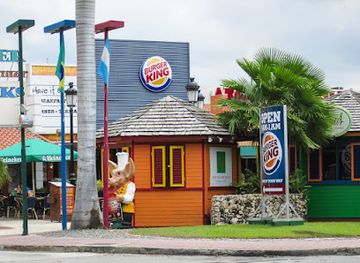
Shopping in Noord centres on Palm Beach, where hotel arcades, retail complexes, jewellery shops, clothing stores, souvenir outlets and specialist businesses serve the international visitor market. The area is convenient for beachwear, gifts, Dutch and Caribbean-themed products, cosmetics and familiar international labels, while smaller shops provide locally styled artwork and island mementoes. Aruba’s distinctive souvenirs often draw on aloe products, ceramics, textiles, jewellery and images of divi-divi trees, cacti or colourful architecture; buyers should ask about materials and provenance when seeking handmade work. The district does not have the same traditional market character as some larger Caribbean cities, but its retail landscape reflects Aruba’s role as a resort island with strong links to North America, the Netherlands and Latin America. Oranjestad, outside Noord, offers additional shopping and a more urban commercial setting.
-
Shopping mall
Palm Beach Plaza Mall
Explore Palm Beach Plaza Mall, Aruba's premier shopping and entertainment destination with diverse dining and fun activities for all ages.
16 min walk · 1.3 km from city centre
-
Shopping mall
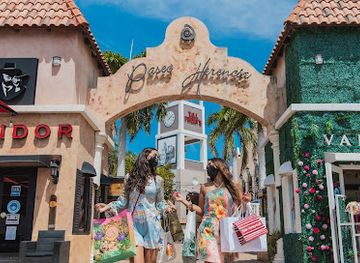
Paseo Herencia Mall
Discover the ultimate shopping, dining, and entertainment experience at Paseo Herencia Mall in Aruba, a must-visit destination for tourists.
18 min walk · 1.4 km from city centre
-
Department store
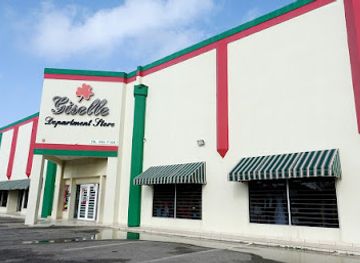
Giselle
Discover a world of shopping at Giselle in Noord, Aruba, where local charm meets diverse selections of clothing, jewelry, and home goods.
1 min walk · 0.1 km from city centre
-
Clothing store
D Shop Aruba
Discover the latest trends in fashion at D Shop Aruba, a premier clothing store in Oranjestad, offering a unique shopping experience for all.
8 min drive · 2.7 km from city centre

Get your free copy of our complete guide to Noord, delivered straight to you.
Everything on this page, from attractions and restaurants to essentials and local phrases, in one PDF you can read offline, print or share.
Already have an account? Sign in
Your Noord guide is ready.
We'll send it to · Not you? Sign out

Getting your guide ready…
We are putting together a fresh copy of the Noord guide. This can take up to a minute.
This can take a few moments. If your browser asks, choose Allow so the download can start. You'll find the guide in your Downloads folder.
Nothing happened? Download it again
Sorry, the guide is taking longer than usual. Please try again in a minute, or get it by email instead.
Noord essentials
Currency and Payment
Safety
Emergency Situations
Do's and Don'ts
Local Tips
From Eve
Local phrases worth knowing
You don't need to get them perfect. A few words go a long way, and locals appreciate the effort.
Basics
| English | Local | Say it |
|---|---|---|
| Hello | Bon dia | [bon dee-ah] |
| Goodbye | Ayo | [ah-yo] |
| Yes | Si | [see] |
| No | No | [noh] |
| Please/You're welcome | Por fabor | [por fah-bohr] |
| Thank you | Danki | [dahn-kee] |
| Excuse me/Sorry | Pardon | [pahr-dohn] |
| How are you? | Con ta bai? | [kohn tah by] |
| Fine. And you? | Bon. Y bo? | [bon. ee boh] |
| Do you speak English? | Bo ta papia ingles? | [boh tah pah-pee-ah een-gless] |
| I don't understand | Mi no ta comprende | [mee noh tah kohm-prehn-deh] |
Eating & Drinking
| English | Local | Say it |
|---|---|---|
| I'd like to see the menu, please | Mi kier mira e menu, por fabor | [mee kee-ehr mee-rah eh meh-noo, por fah-bohr] |
| I don't eat meat | Mi no ta come karni | [mee noh tah koh-meh kahr-nee] |
| Cheers! | Salud! | [sah-lood] |
| I would like to pay, please | Mi kier paga, por fabor | [mee kee-ehr pah-gah, por fah-bohr] |
Emergencies
| English | Local | Say it |
|---|---|---|
| Help! | Yuda! | [yoo-dah] |
| Go away! | Bai for di mi! | [bah-ee fohr dee mee] |
| Call the Police! | Yama polis! | [yah-mah poh-lees] |
| Call a doctor! | Yama un dòkter! | [yah-mah oon dohk-tehr] |
| I'm lost | Mi a perde mi mes | [mee ah pehr-deh mee mehs] |
| I'm ill | Mi ta malu | [mee tah mah-loo] |
Shopping
| English | Local | Say it |
|---|---|---|
| I'd like to buy... | Mi kier cumpra... | [mee kee-ehr koom-prah] |
| I'm just looking | Mi ta so mira | [mee tah soh mee-rah] |
| How much is it? | Con ta costa esaki? | [kohn tah kohs-tah eh-sah-kee] |
| That's too expensive | Esaki ta muchu caro | [eh-sah-kee tah moo-choo kah-roh] |
| Can you lower the price? | Bo por baha e prijs? | [boh por bah-hah eh preys] |
Time & Numbers
| English | Local | Say it |
|---|---|---|
| What time is it? | Con ora ta? | [kohn oh-rah tah] |
| It's one o'clock | Ta un ora | [tah oon oh-rah] |
| Half past (10) | Mita pas (10) | [mee-tah pahs] |
| Morning | Madruga | [mah-droo-gah] |
| Afternoon | Tardi | [tahr-dee] |
| Evening | Anochi | [ah-noh-chee] |
| Yesterday | Ayer | [ah-yehr] |
| Today | Awe | [ah-weh] |
| Tomorrow | Mañana | [mah-nyah-nah] |
| 1 | Uno | [oo-noh] |
| 2 | Dos | [dohs] |
| 3 | Tres | [trehs] |
| 4 | Cuatro | [kwah-troh] |
| 5 | Cinco | [seen-koh] |
| 6 | Seis | [says] |
| 7 | Siete | [syeh-teh] |
| 8 | Ocho | [oh-choh] |
| 9 | Nueve | [nweh-veh] |
| 10 | Diez | [dyehs] |
Transport & Directions
| English | Local | Say it |
|---|---|---|
| Where's a/the...? | Unda ta e...? | [oon-dah tah eh] |
| What's the address? | Kiko ta e adres? | [kee-koh tah eh ah-drehs] |
| Can you show me (on the map)? | Bo por munstra mi (riba e mapa)? | [boh por moon-strah mee ree-bah eh mah-pah] |
| When's the next (bus)? | Con ta e siguiente (bus)? | [kohn tah eh see-gwee-ehn-teh] |
| A ticket (to ....) | Un ticket (pa ....) | [oon tee-keht pah] |
History of Noord
Indigenous Roots and Early Settlement
Long before European colonisation, Aruba was inhabited by Caquetío people, an Arawakan community whose presence is recorded through archaeological sites, rock markings and artefacts across the island. The dry climate encouraged settlement near reliable water sources and the coast, while fishing, shell gathering and small-scale cultivation supported community life. Although much of the visible built heritage in Noord is later, the island’s indigenous past remains an essential foundation for understanding its cultural identity. Modern Aruba recognises this heritage through archaeological research and interpretation, while place names and material remains preserve traces of the societies that lived here before European rule.
Spanish Arrival and Colonial Rule
The Spanish encountered Aruba during the early period of Caribbean exploration, traditionally dated to 1499, and subsequently claimed the island. Aruba’s dry terrain made it less suitable for the plantation agriculture developed elsewhere in the Caribbean, and its population and economy followed a different course. Indigenous people were displaced and the island became part of a wider colonial network linking the Caribbean mainland and nearby islands. During the Spanish period, Catholic influence also began to shape the island’s later religious culture, although the enduring settlement patterns and institutions visible in Noord developed more fully under subsequent Dutch administration.
Dutch Administration and Catholic Community
The Dutch West India Company took control of Aruba in 1636, and the island eventually became part of the Netherlands’ Caribbean possessions. Aruba’s population remained relatively small, with livelihoods based on livestock, fishing, aloe cultivation and limited trade rather than large plantations. Catholic missionaries served scattered communities, and Alto Vista Chapel, first established in 1750, became a significant spiritual centre in the north. The chapel’s isolated setting reflects the dispersed rural settlement of the period. Rebuilt several times, the present structure stands as a devotional landmark linked to Noord’s enduring Catholic traditions.
Aloe, Salt and Early Commerce
From the eighteenth and nineteenth centuries, Aruba’s economy drew on resources suited to its arid environment. Aloe vera became an important export crop, while salt gathering, livestock raising, fishing and small-scale agriculture supported local households. Trade connected Aruba with Curaçao, Venezuela and other Caribbean ports, though the island did not develop the grand plantation landscapes found elsewhere. Noord and the surrounding north-west remained largely rural, with settlements linked by rough roads and religious and commercial ties. These activities helped establish the practical, self-reliant character that still distinguishes Aruba’s local culture from the imagery of a purely resort-based island.
Oil and the Transformation of Aruba
The discovery and development of oil resources in the wider region transformed Aruba during the early twentieth century. The Lago refinery at San Nicolas, on the island’s south-east coast, became a major employer and drew workers from across the Caribbean and beyond. Although the refinery was far from Noord, its growth changed Aruba’s population, infrastructure and social composition. Roads, services and international connections improved, while migration introduced new languages, cuisines and customs. The economic importance of oil later declined, but the multicultural society shaped during this period remains central to Aruba’s modern identity.
Tourism and the Rise of Palm Beach
From the second half of the twentieth century, tourism increasingly replaced oil as Aruba’s principal economic engine. Noord’s long western coastline, especially Palm Beach, became the focus of hotels, restaurants, watersports and visitor services. The district’s older residential and religious landmarks remained alongside a rapidly expanding resort landscape, creating the contrast visible today between Alto Vista’s quiet hilltop setting and the developed beachfront. Aruba gained separate status within the Kingdom of the Netherlands in 1986, and contemporary Noord reflects the island’s combination of Dutch constitutional ties, Caribbean culture, international tourism and strong local traditions.
Noord in Photos
Browse through our photo collection highlighting the charm and character of the destination.
Cities near Noord
The closest cities to Noord, if you have time for more than one stop.
-

-

-

-

-


Swipe for more cities
Explore more

Explore more of Aruba
Discover Aruba, the Caribbean's sun-drenched paradise with pristine beaches, rich culture, and warm hospitality. Your perfect getaway awaits on this happy island.
Explore Aruba