
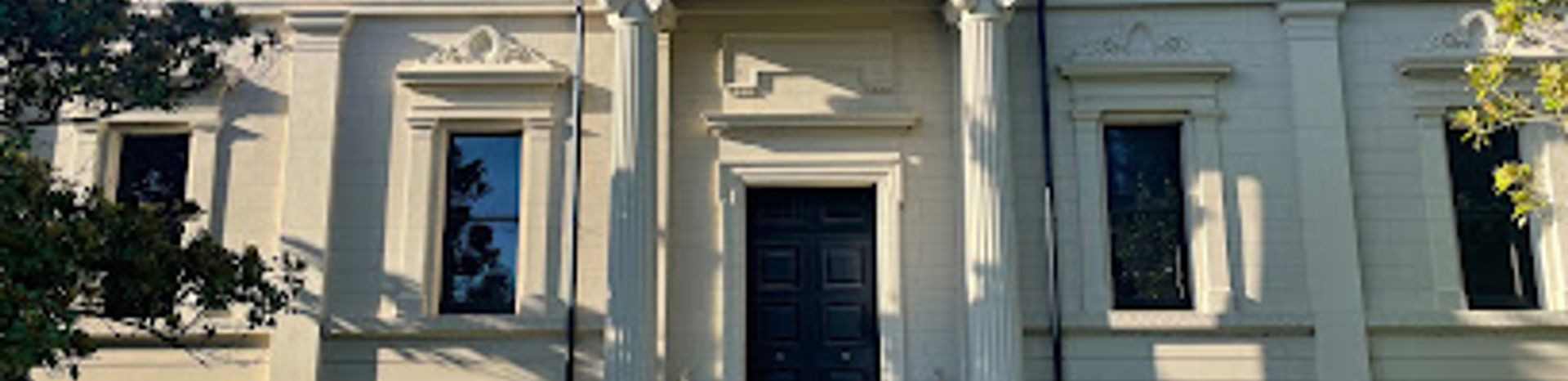
Discover the Wonders of the Museum of Economic Botany
Explore the Museum of Economic Botany in Adelaide, where nature meets economy, showcasing the vital role of plants in human life.
The Museum of Economic Botany, located in the heart of the Adelaide Botanic Garden, is a hidden gem that offers a fascinating journey through the world of plant-based resources and their economic significance. Established to educate the public on the various ways plants contribute to our lives, this museum houses an extensive collection of artifacts, including historical samples of plants used for food, medicine, and textiles. Visitors can marvel at the intricately crafted displays that illustrate the diverse applications of botanical resources throughout history. As you wander through the museum, you'll encounter engaging exhibits that highlight the importance of plants in various cultures and economies. From traditional uses in indigenous communities to modern applications in science and industry, the museum provides a comprehensive view of the vital role that plants play in sustaining human life. The attention to detail in the displays, including the realistic paper mache models of mushrooms and fruits, brings the collection to life and captivates the imagination. The museum is not only a place for learning but also a serene escape within the lush surroundings of the botanical garden. After exploring the exhibits, visitors can enjoy a leisurely stroll through the garden, taking in the beauty of nature and the rich biodiversity that surrounds them. The Museum of Economic Botany is an essential stop for tourists looking to deepen their understanding of the connection between humanity and the natural world, making it a perfect addition to any Adelaide itinerary.
Local tips
- Plan your visit during weekdays for a quieter experience.
- Don't miss the realistic models; they are a highlight of the museum.
- Combine your visit with a stroll through the adjoining Botanic Garden for a full day of nature.
- Check for any temporary exhibitions that may enhance your visit.
- Visit the museum early in the day to enjoy a peaceful exploration before larger crowds arrive.

A brief summary to Museum of Economic Botany
- Adelaide Botanic Garden, North Terrace, Adelaide, South Australia, 5000, AU
- +61882229311
- Visit website
- Monday 10 am-4 pm
- Tuesday 10 am-4 pm
- Wednesday 10 am-4 pm
- Thursday 10 am-4 pm
- Friday 10 am-4 pm
- Saturday 10 am-4 pm
- Sunday 10 am-4 pm
Getting There
-
Car
If you're driving to the Museum of Economic Botany, head towards the Adelaide city center. Use the Main North Road or South Road to reach the city. Once in the city, follow the signs for North Terrace. The museum is located within the Adelaide Botanic Garden at North Terrace, Adelaide SA 5000. There is limited street parking available around the Botanic Garden, and parking fees may apply, so be prepared to pay for parking.
-
Public Transportation - Bus
For those using public transport, take a bus to the Adelaide city center. The Adelaide Metro website provides a comprehensive guide to the bus routes. Once you arrive at the city center, you can walk to the museum. Head towards North Terrace, and you will find the Adelaide Botanic Garden entrance nearby. The museum is located within these gardens.
-
Public Transportation - Tram
Alternatively, you can take the tram to the city from various suburbs. The tram has stops along North Terrace, making it a convenient option. Once you exit the tram, simply walk towards the Botanic Garden entrance, and the Museum of Economic Botany is inside the gardens. The tram service is free within the city center, but if you are coming from outside the free zone, you will need a valid ticket.
-
Walking
If you are already in the city center, walking is a great option. The museum is easily accessible on foot from many of the central hotels and attractions. Simply head towards North Terrace and look for the entrance to the Adelaide Botanic Garden. The museum is located within the gardens, and the walk is pleasant and scenic.


Attractions Nearby to Museum of Economic Botany
-
 Amazon Waterlily Pavilion
-
Ancient Tree: River Red Gum
-
Cascade
-
Australian Forest
-
Bicentennial Conservatory
-
Sunken Garden
-
North Lodge
-
Palm House
-
Economic Garden
-
State Herbarium of South Australia
-
International Rose Garden and National Rose Trial Garden
-
Adelaide Botanic Garden
-
Conservatory Gate
-
Summer House
-
Australian Native Garden
Landmarks nearby to Museum of Economic Botany
-
 Deadhouse
-
History Trust of South Australia
-
Alice in Adelaide's Wonderland
-
King Edward VII Memorial
-
Adelaide Rifle Walkway
-
Pigeon Sculpture
-
Government House
-
The City Bridge
-
Elder Park
-
Unique Opal Mine - Australian Opal Jewelry Adelaide
-
Sir Donald Bradman Statue
-
Parliament Of South Australia
-
Melbourne Street
-
MOSAIC Adelaide 2024