

Free South Australia Travel Guide & Mobile App
Explore South Australia with free travel guides. Discover regional history, expert tips, proposed trips, and audio guides on web or mobile app.


South Australia combines Adelaide culture with acclaimed wine regions, rugged coasts, wildlife-rich islands and the ancient landscapes of the Flinders Ranges.
Read more about South Australia
When is the best time to visit South Australia?
Best: March, October, December · 24–27°C| Month | High (°C) | Rainfall (mm) |
|---|---|---|
| January | 28 | 20 |
| February | 29 | 20 |
| March (best) | 25 | 25 |
| April | 22 | 30 |
| May | 19 | 40 |
| June | 15 | 50 |
| July | 14 | 50 |
| August | 16 | 45 |
| September | 20 | 40 |
| October (best) | 24 | 35 |
| November | 27 | 30 |
| December (best) | 27 | 25 |
Getting to and around South Australia
How to get there
Transportation
Top city travel guides in South Australia
The cities of South Australia, and the easiest places to base yourself.
-

-

-


Swipe for more cities
Destinations in South Australia
Resorts, valleys and scenic spots worth a trip of their own.
-

-


Swipe for more destinations
Best attractions in South Australia
South Australia's attractions range from Adelaide's museums, galleries, parklands and architectural precincts to landscapes that require several days of travel. The Adelaide Hills, Barossa, Clare Valley and McLaren Vale offer cellar doors, food producers, heritage villages and vineyard routes, while the Fleurieu Peninsula combines wine country with beaches, coastal walks and the historic river port of Goolwa. Kangaroo Island is known for protected habitats, sea cliffs, beaches and wildlife, and the Eyre and Yorke peninsulas provide fishing ports, seafood, rugged coastlines and maritime history. In the Limestone Coast, volcanic formations, caves, sinkholes and the Blue Lake at Mount Gambier create a different geological experience. Farther north, Ikara-Flinders Ranges National Park and the wider Flinders country offer hiking, Aboriginal cultural interpretation, pastoral history and dry mountain scenery. Adelaide's cultural calendar and institutions provide a strong urban counterpoint to the state's national parks, conservation reserves, heritage towns and long-distance outdoor routes.
-
Botanical garden
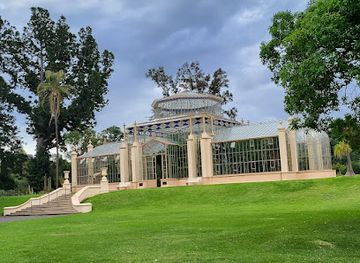
Adelaide Botanic Garden
Explore the lush landscapes and diverse plant collections of Adelaide Botanic Garden, a tranquil oasis in the heart of South Australia.
-
Park
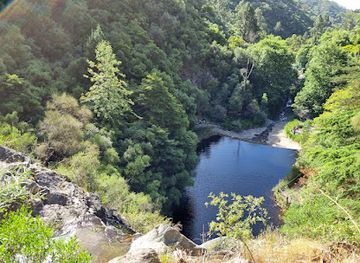
Cleland National Park
Explore the stunning landscapes and unique wildlife of Cleland National Park in the breathtaking Adelaide Hills.
-
Art gallery
Art Gallery of South Australia
Explore the Art Gallery of South Australia, a cultural hub showcasing diverse artworks and enriching experiences for every traveler.
-
Garden
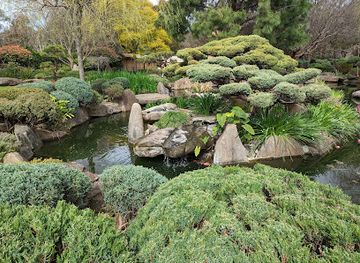
Adelaide Himeji Garden
Explore the serene beauty of Adelaide's Himeji Garden, a Japanese-inspired oasis perfect for relaxation, photography, and cultural experiences.

Best landmarks in South Australia
Adelaide's planned central grid and encircling parklands remain one of South Australia's defining urban landmarks, with North Terrace bringing together major cultural institutions and historic civic buildings. In the Adelaide Hills, Mount Lofty and its surrounding viewpoints mark the escarpment above the city, while the historic German-settled streetscapes of Hahndorf preserve an important chapter of migration and rural development. The Barossa's old stone churches, vineyard estates and distinctive cellar-door architecture reflect its agricultural and religious history. On Yorke Peninsula, the copper-mining heritage of Moonta, Wallaroo and Kadina gives the Copper Coast a strong industrial character. The Flinders Ranges provide the state's most recognisable natural scenery, particularly the immense arc of Wilpena Pound within Ikara-Flinders Ranges National Park. In the Limestone Coast, Mount Gambier's Blue Lake and volcanic maar landscape are striking geological markers, while Kangaroo Island's Admirals Arch and Remarkable Rocks form a dramatic meeting of granite, ocean and wind-shaped vegetation.
-
Tourist attraction
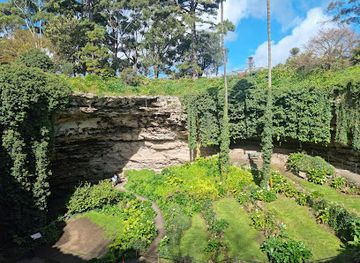
Umpherston Sinkhole / Balumbul
Explore the breathtaking Umpherston Sinkhole in Mount Gambier, a unique sunken garden that showcases Australia's natural beauty and diverse ecosystems.
-
Tourist attraction
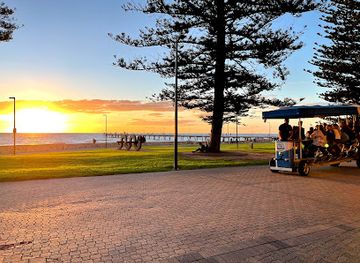
Glenelg Beach
Discover the stunning beauty and vibrant atmosphere of Glenelg Beach, a must-visit coastal gem in South Australia for sun, sea, and endless fun.
-
Natural history museum
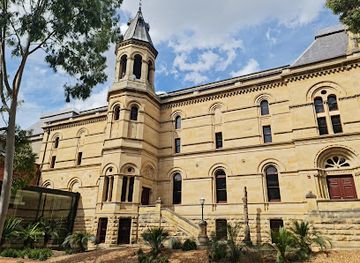
South Australian Museum
Discover the South Australian Museum, where natural history and indigenous culture come alive in a captivating experience for every visitor.
-
Park
Victoria Square
Discover Victoria Square, an enchanting park in Adelaide, Australia, where nature meets culture in a vibrant urban setting.

Explore South Australia on the map
Plan your trip on one map. See where the top cities, national parks and sights are, and book hotels and experiences in a few clicks.
Best hotels in South Australia
Best restaurants in South Australia
South Australia's dining identity is closely tied to its farms, vineyards, fisheries and Mediterranean-influenced urban culture. Adelaide restaurants and cafés draw on local wine, olive oil, fruit, vegetables, grains, dairy and seafood, while regional towns offer bakeries, pubs, produce shops and family-run eateries that reflect local supply. The Barossa retains German culinary influences alongside contemporary vineyard dining; the Adelaide Hills and Clare Valley are associated with cool-climate wines, apples and other orchard produce; and McLaren Vale combines coastal ingredients with established wine estates. Coffin Bay oysters, Whyalla and Port Lincoln seafood, Limestone Coast produce and Kangaroo Island ingredients appear in restaurants and markets when season and supply allow. Farmers' markets, cellar doors, farm shops and roadside stalls are useful places to find cheese, bread, preserves, olives, stone fruit and wine. Menus change with harvests, so regional dining is best approached as a connection to place rather than a fixed list of signature dishes.
-
Italian
Osteria Oggi
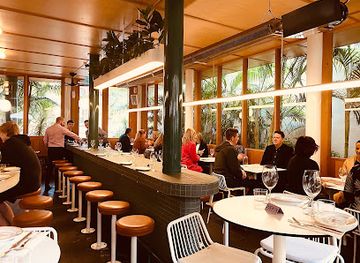
Experience authentic Italian flavors at Osteria Oggi in Adelaide - where tradition meets modern culinary artistry.
-
Restaurant
Bread & Bone
Discover Adelaide's best burgers at Bread & Bone – where gourmet meets casual dining in a vibrant atmosphere.
-
Bar
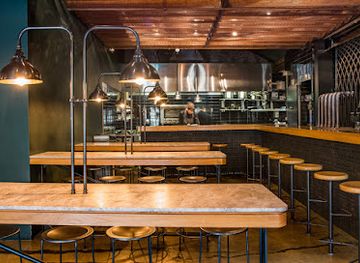
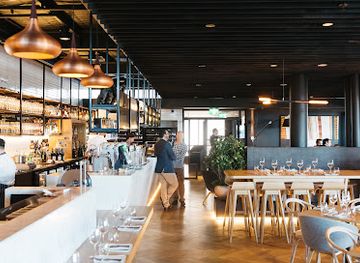
2KW Bar & Restaurant
Discover 2KW Bar & Restaurant: A premier Adelaide destination for exquisite dining and vibrant nightlife with stunning skyline views.
-
Restaurant
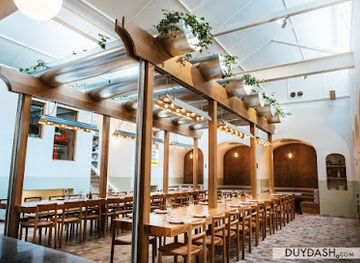
Part Time Lover
Experience modern Australian cuisine at Part Time Lover in Adelaide - where exceptional flavors meet vibrant ambiance.
Best bars in South Australia
Adelaide has South Australia's broadest evening scene, with wine bars, breweries, cocktail venues, live music, theatres and late-night restaurants concentrated around the city centre and nearby neighbourhoods. The city's festival and university calendars can make nightlife busier at particular times, but schedules and venues change. In the Barossa, McLaren Vale, Adelaide Hills and Clare Valley, evenings generally centre on cellar doors, restaurants, breweries, historic pubs and accommodation-based dining rather than large clubs. Regional centres such as Mount Gambier, Port Lincoln, Victor Harbor and Port Augusta provide local pubs, clubs and occasional live entertainment, while smaller towns may quieten early. Kangaroo Island and remote inland destinations are better suited to dinner, conversation and observing the night sky than to late-night entertainment. Drink-driving laws are strict, and visitors exploring wine country should arrange a tour, taxi, designated driver or accommodation within easy reach of the evening's venue.
-
Pub
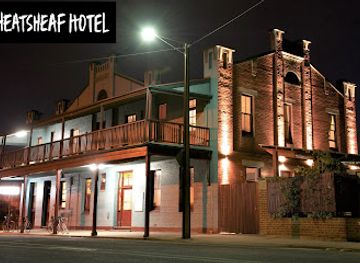
Wheatsheaf Hotel
Experience the vibrant atmosphere of the Wheatsheaf Hotel in Thebarton, where craft beers, live music, and delectable food come together.
-
Bar
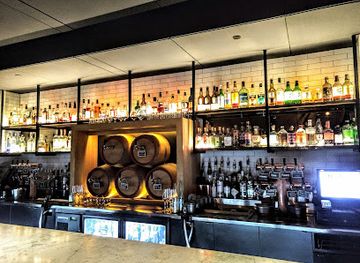
2KW Bar & Restaurant
Discover the culinary charm of Adelaide at 2KW Bar & Restaurant, where exquisite flavors meet stunning views in a vibrant atmosphere.
-
Pub
Exeter Hotel
Discover the lively Exeter Hotel in Adelaide, a perfect blend of delicious food, refreshing drinks, and vibrant atmosphere for tourists.
-
Bar
Hains & Co
Experience the charm of Hains & Co, Adelaide's nautical cocktail bar offering exquisite drinks and a vibrant atmosphere.
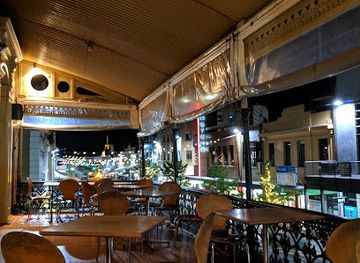

Best nightclubs in South Australia
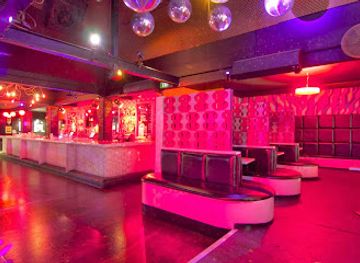
Adelaide has South Australia's broadest evening scene, with wine bars, breweries, cocktail venues, live music, theatres and late-night restaurants concentrated around the city centre and nearby neighbourhoods. The city's festival and university calendars can make nightlife busier at particular times, but schedules and venues change. In the Barossa, McLaren Vale, Adelaide Hills and Clare Valley, evenings generally centre on cellar doors, restaurants, breweries, historic pubs and accommodation-based dining rather than large clubs. Regional centres such as Mount Gambier, Port Lincoln, Victor Harbor and Port Augusta provide local pubs, clubs and occasional live entertainment, while smaller towns may quieten early. Kangaroo Island and remote inland destinations are better suited to dinner, conversation and observing the night sky than to late-night entertainment. Drink-driving laws are strict, and visitors exploring wine country should arrange a tour, taxi, designated driver or accommodation within easy reach of the evening's venue.
-
Night club
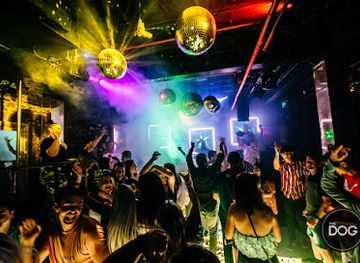
Fabric Nightclub Adelaide
Experience the pulse of Adelaide's nightlife at Fabric Nightclub, featuring live music, rooftop silent disco, and a vibrant atmosphere.
-
Night club
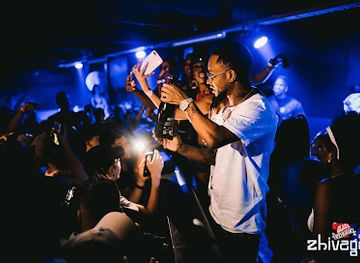
Zhivago
Discover the vibrant nightlife of Adelaide at Zhivago, where music and fun come together for an unforgettable experience.
-
Night club
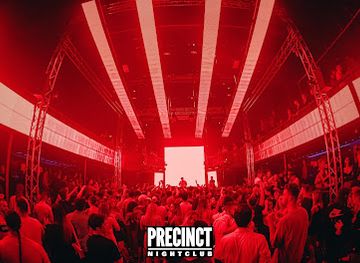
Precinct Nightclub
Dive into the nightlife at Precinct Nightclub, where vibrant music, delicious cocktails, and fun-filled games await you in the heart of Adelaide.
-
Night club
Sugar
Experience the vibrant nightlife of Adelaide at Sugar, a premier nightclub known for its electrifying atmosphere and top-notch entertainment.
Best shops in South Australia
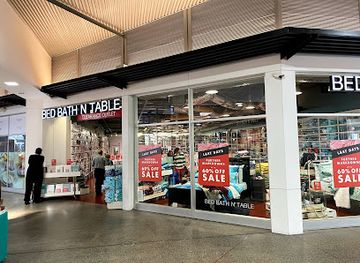
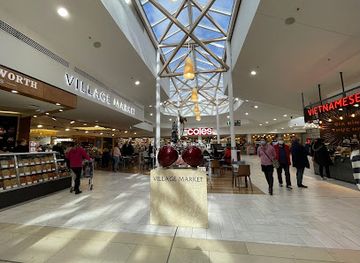
Adelaide offers the widest range of shopping, from the Central Market and independent food retailers to city arcades, department stores, bookshops, boutiques and design-focused galleries. The Central Market is especially useful for understanding the state's multicultural food culture and for buying produce, cheese, baked goods and pantry items. Outside the capital, shopping is concentrated in regional high streets, town markets, farm shops, cellar doors and gallery stores rather than large retail districts. Wine, olive products, preserves, honey, cheese and seasonal fruit are practical edible souvenirs, while the Barossa, Adelaide Hills, Clare Valley and McLaren Vale offer locally made goods alongside their tasting rooms. Kangaroo Island and the peninsulas have small galleries and craft outlets featuring regional imagery, food products and handmade work. In Aboriginal art shops and galleries, buy from reputable businesses that clearly explain the artist, community and provenance, and treat cultural works as more than generic souvenirs.
-
Shopping mall
Harbour Town Premium Outlets Adelaide
Shop for your favorite brands at discounted prices at Harbour Town Premium Outlets Adelaide, a retail paradise for every traveler.
-
Shopping mall
Burnside Village
Explore Burnside Village: A vibrant shopping mall in South Australia featuring fashion, gourmet delights, and local boutiques.
-
Gift shop
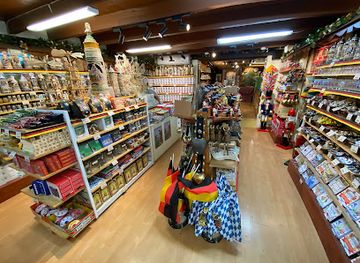
The German Village Shop Hahndorf
Explore The German Village Shop in Hahndorf for a unique selection of handcrafted gifts and festive treasures that celebrate German culture.
-
Jewelry store
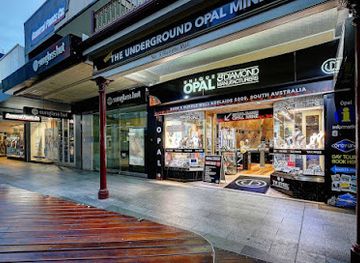
Unique Opal Mine - Australian Opal Jewelry Adelaide
Explore the Unique Opal Mine in Adelaide for stunning Australian opal jewelry and a glimpse into the art of opal crafting.
Get your free copy of our complete guide to South Australia, delivered straight to you.
Everything on this page, from attractions and restaurants to essentials and local phrases, in one PDF you can read offline, print or share.
Already have an account? Sign in
Your South Australia guide is ready.
We'll send it to · Not you? Sign out

Getting your guide ready…
We are putting together a fresh copy of the South Australia guide. This can take up to a minute.
This can take a few moments. If your browser asks, choose Allow so the download can start. You'll find the guide in your Downloads folder.
Nothing happened? Download it again
Sorry, the guide is taking longer than usual. Please try again in a minute, or get it by email instead.
South Australia essentials
Currency and Payment
Safety
Emergency Situations
Do's and Don'ts
Local Tips
From Eve
Local phrases worth knowing
You don't need to get them perfect. A few words go a long way, and locals appreciate the effort.
Basics
| English | Local | Say it |
|---|---|---|
| Hello | G'day | [guh-day] |
| Goodbye | See ya | [see yah] |
| Yes | Yeah | [yeh] |
| No | Nah | [nah] |
| Please/You're welcome | No worries | [noh wuh-rees] |
| Thank you | Thanks | [thangs] |
| Excuse me/Sorry | Sorry mate | [saw-ree mate] |
| How are you? | How ya going? | [how yah goin'] |
| Fine. And you? | Good. And you? | [good. an' you?] |
| Do you speak English? | Do ya speak English? | [do yah speak English?] |
| I don't understand | I don't get it | [I don't get it] |
Eating & Drinking
| English | Local | Say it |
|---|---|---|
| I'd like to see the menu, please | Can I see the menu, please? | [can I see the menu, please?] |
| I don't eat meat | I'm a vegetarian | [I'm a vege-tair-ee-an] |
| Cheers! | Cheers! | [cheers!] |
| I would like to pay, please | Can I get the bill, please? | [can I get the bill, please?] |
Emergencies
| English | Local | Say it |
|---|---|---|
| Help! | Help! | [help!] |
| Go away! | Get lost! | [get lost!] |
| Call the Police! | Call the coppers! | [call the coppers!] |
| Call a doctor! | Get a doctor! | [get a doctor!] |
| I'm lost | I'm lost | [I'm lost] |
| I'm ill | I'm not feeling well | [I'm not feeling well] |
Shopping
| English | Local | Say it |
|---|---|---|
| I'd like to buy... | I want to buy... | [I want to buy...] |
| I'm just looking | Just browsing, thanks | [just browsing, thanks] |
| How much is it? | How much is this? | [how much is this?] |
| That's too expensive | That's a bit pricey | [that's a bit pricey] |
| Can you lower the price? | Can you do a better price? | [can you do a better price?] |
Time & Numbers
| English | Local | Say it |
|---|---|---|
| What time is it? | What time is it? | [what time is it?] |
| It's one o'clock | It's one o'clock | [it's one o'clock] |
| Half past (10) | Half past ten | [half past ten] |
| Morning | Morning | [morning] |
| Afternoon | Arvo | [arvo] |
| Evening | Evening | [evening] |
| Yesterday | Yesterday | [yesterday] |
| Today | Today | [today] |
| Tomorrow | Tomorrow | [tomorrow] |
| 1 | One | [one] |
| 2 | Two | [two] |
| 3 | Three | [three] |
| 4 | Four | [four] |
| 5 | Five | [five] |
| 6 | Six | [six] |
| 7 | Seven | [seven] |
| 8 | Eight | [eight] |
| 9 | Nine | [nine] |
| 10 | Ten | [ten] |
Transport & Directions
| English | Local | Say it |
|---|---|---|
| Where's a/the...? | Where's the...? | [where's the...?] |
| What's the address? | What's the address? | [what's the address?] |
| Can you show me (on the map)? | Can you show me on the map? | [can you show me on the map?] |
| When's the next (bus)? | When's the next bus? | [when's the next bus?] |
| A ticket (to ....) | A ticket to ... | [a ticket to ...] |
History of South Australia
Aboriginal custodianship before European settlement
South Australia has been home to Aboriginal peoples for many thousands of years, with distinct nations maintaining cultural, spiritual and practical relationships with particular lands and waters. The Kaurna country around Adelaide, Ngarrindjeri country in the lower Murray and Coorong region, Narungga country on Yorke Peninsula, Nukunu country in the Spencer Gulf area and Adnyamathanha country in the Flinders Ranges are among the many identities represented across the state. Rock art, oral traditions, songlines, contemporary cultural practice and continuing connection to Country remain important parts of South Australia's heritage.
The establishment of South Australia, 1836
South Australia was proclaimed a British province in 1836, and Adelaide was laid out soon afterwards according to a plan associated with Colonel William Light. Unlike several eastern colonies, the new settlement was intended to develop without a convict population, although colonisation still dispossessed Aboriginal peoples and brought profound disruption to existing societies. The planned city, surrounded by parklands, became the administrative and commercial centre of a colony that expanded through agriculture, mining, pastoralism and trade.
Agriculture, migration and the wine districts
Productive farming districts developed around Adelaide and along the eastern ranges, while German-speaking migrants made a lasting contribution to communities in the Barossa and Adelaide Hills. Vineyards became a major part of the regional economy from the nineteenth century, alongside wheat, wool, fruit and livestock. The resulting landscape of stone buildings, church communities, orchards, vineyards and market gardens continues to shape the character of the Barossa, Adelaide Hills, Clare Valley and other agricultural districts.
Copper and mineral development
Mining transformed several parts of South Australia during the nineteenth century. Copper discoveries at places including Kapunda, Burra and Moonta generated investment, migration and transport links, while Wallaroo and other Gulf ports helped export ore and agricultural goods. The preserved mine buildings, engine houses, workers' cottages and surrounding townscapes of these districts reveal how industrial activity shaped regional settlement. Later mineral development in the state's north further connected remote communities with national markets.
The overland routes and inland expansion
South Australia became an important base for exploration, pastoral expansion and communication across the interior. Routes north from Port Augusta and through the Flinders Ranges connected the settled south with pastoral stations, mineral fields and the telegraph network. The Overland Telegraph Line, completed across Australia in 1872, linked Adelaide with Darwin and international communications through a route that crossed the arid interior. Railway construction, including the line towards Alice Springs, reinforced Port Augusta's role as a major inland junction.
Federation, reform and modern Adelaide
South Australia joined the Commonwealth of Australia at Federation in 1901, while Adelaide grew as a centre of government, manufacturing, education and cultural life. The state has a notable history of political and social reform, including early electoral changes and women's suffrage within the colonial period, though rights and representation remained unequal and Indigenous Australians continued to face discrimination. Post-war migration broadened the state's communities, food culture and industries, while modern Adelaide developed strong connections with the arts, universities, defence and advanced manufacturing.
Conservation and regional reinvention
During the twentieth and early twenty-first centuries, South Australia increasingly presented its landscapes, wildlife and food-producing regions as assets alongside traditional agriculture and industry. National parks and conservation areas protect places such as Kangaroo Island, the Flinders Ranges and the Limestone Coast, while regional towns have developed heritage, wine, seafood and nature-based tourism. This transition has not replaced working landscapes: vineyards, farms, fisheries, ports and mines remain part of the state's contemporary identity.
South Australia in Photos
Browse through our photo collection highlighting the charm and character of the destination.
Neighbouring regions of South Australia
The closest regions to South Australia, if you have time for more than one.
-

-

-

-

-


Swipe for more regions
Explore more

Explore more of Australia
Discover the diverse landscapes, vibrant cities, and unique wildlife of Australia, a captivating destination offering endless adventures and unforgettable experiences.
Explore Australia