

Altstadt (Salzburg) Travel Guide - Free
Explore Altstadt in Salzburg with Evendo's free guide. Find the best shops, historic streets, restaurants, and gems on web or mobile.


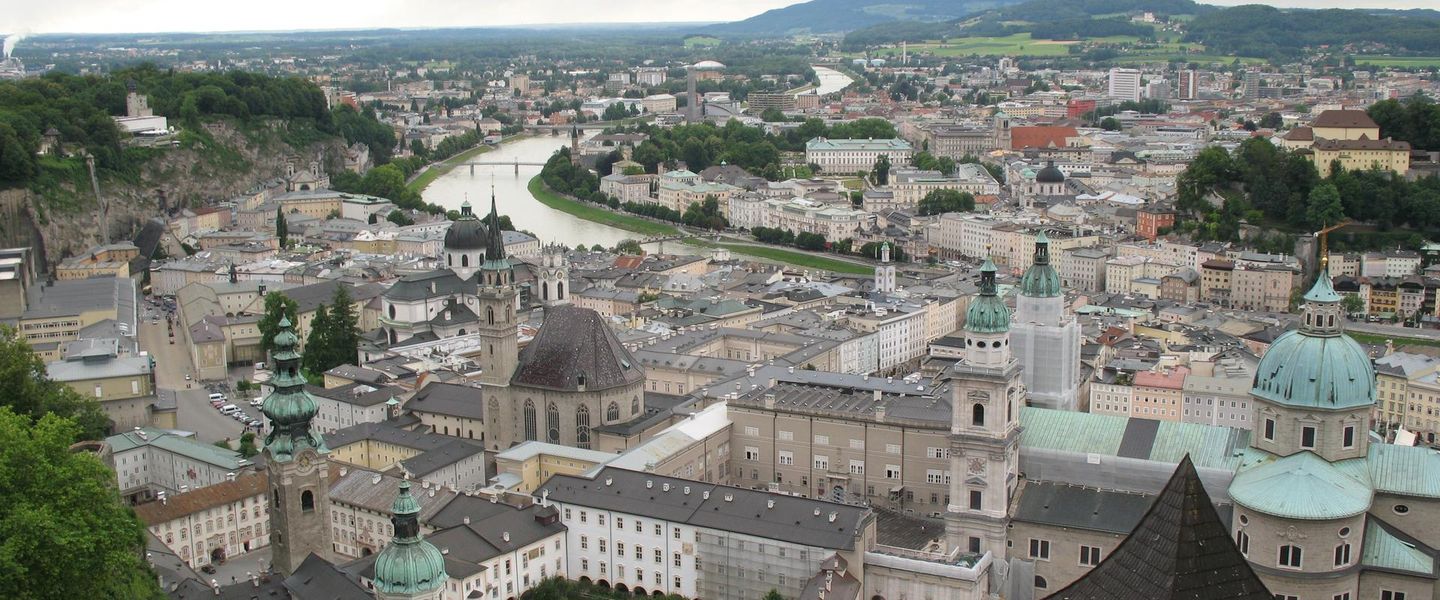


Altstadt Salzburg brings baroque squares, Mozart heritage, riverside walks, fortress views, museums, cafés and Austrian culture into walkable historic centre.
Baroque Core and River Setting
Salzburg’s Altstadt is the compact historic centre enclosed by the Salzach, the Mönchsberg and the wooded Festungsberg. Its lanes and squares preserve a distinctive architectural dialogue between medieval townhouses, ornate Baroque façades and ecclesiastical buildings shaped by the city’s former prince-archbishops. The narrow Getreidegasse leads past wrought-iron guild signs and the house associated with Wolfgang Amadeus Mozart, while nearby Residenzplatz, Domplatz and Kapitelplatz form a sequence of grand civic and religious spaces.Read more about Altstadt
Churches, Museums and the Fortress
Everyday Life in the Historic Centre
Best attractions in Altstadt
The Altstadt’s principal attractions are concentrated within an unusually walkable historic landscape. Salzburg Cathedral dominates Domplatz with its monumental façade and dome, while the DomQuartier Salzburg opens the former archiepiscopal residence, state rooms, galleries and cathedral terraces to visitors. Mozart’s Birthplace on Getreidegasse explores the composer’s early life in the house where he was born, and St Peter’s Abbey reveals one of the city’s oldest religious foundations through its church, cemetery and catacombs. Hohensalzburg Fortress crowns the Festungsberg above the lanes, reached by funicular or a steep footpath, with historic interiors and city views. The Museum der Moderne Salzburg occupies a prominent position on the Mönchsberg, and nearby Kapitelplatz, Residenzplatz, Mozartplatz and the Salzach riverfront provide contrasting public spaces for seeing the Altstadt’s architecture and daily life.
-
Tourist attraction
Fortress Hohensalzburg
Discover the grandeur and history of Fortress Hohensalzburg, a stunning medieval fortress overlooking Salzburg, perfect for history lovers and sightseeing enthusiasts.
8 min walk · 0.7 km from neighbourhood centre
-
Tourist attraction
Mirabell Palace
Discover the historic charm of Mirabell Palace, a stunning baroque masterpiece with enchanting gardens in the heart of Salzburg.
8 min walk · 0.6 km from neighbourhood centre
-
Tourist attraction
Mozart's Birthplace
Discover the birthplace of Mozart in Salzburg, an iconic museum celebrating the life and music of one of history's greatest composers.
1 min walk · 0.1 km from neighbourhood centre
-
Tourist attraction
Mozartplatz
Explore the enchanting Mozartplatz in Salzburg, a vibrant square celebrating the legacy of Mozart, surrounded by stunning architecture and lively culture.
5 min walk · 0.4 km from neighbourhood centre


Best landmarks in Altstadt
The Altstadt’s landmarks express Salzburg’s former ecclesiastical and political power in a remarkably concentrated area. Salzburg Cathedral, rebuilt in the seventeenth century after earlier structures, anchors the ceremonial centre, while the Residenz and its state rooms reflect the government of the prince-archbishops. Hohensalzburg Fortress, begun in the eleventh century and expanded over successive periods, dominates the skyline from the Festungsberg. St Peter’s Abbey, its church and cemetery form one of the city’s most important religious ensembles, and the Franciscan Church preserves a contrasting medieval character beside the later Baroque streets. The wrought-iron signs of Getreidegasse, the Mozart monument on Mozartplatz and the old façades around Alter Markt are smaller but highly recognisable features. Together these buildings, squares and street details explain why the Historic Centre of Salzburg has UNESCO World Heritage status.
-
Fortress
Fortress Hohensalzburg
Explore Fortress Hohensalzburg: a majestic medieval castle with panoramic views, rich history, and captivating museums in the heart of Salzburg.
8 min walk · 0.7 km from neighbourhood centre
-
Castle
Mirabell Palace
Explore Salzburg's Baroque masterpiece: Mirabell Palace and Gardens, a UNESCO site with stunning architecture, history, and serene landscapes.
8 min walk · 0.6 km from neighbourhood centre
-
Museum
Mozart's Birthplace
Explore the early life of a musical genius at Mozart's Birthplace, a meticulously preserved museum in the heart of Salzburg's Old Town.
1 min walk · 0.1 km from neighbourhood centre
-
Historical landmark
Mozartplatz
Visit Mozartplatz in Salzburg's Old Town: Admire the Mozart Monument, explore historic buildings, and soak in the city's musical heritage.
5 min walk · 0.4 km from neighbourhood centre


Explore Altstadt on the map
A handpicked selection of must-see spots in Altstadt, mapped for you.
Best hotels in Altstadt
Best restaurants in Altstadt
Dining in the Altstadt ranges from traditional Austrian cooking and grand coffeehouse culture to contemporary restaurants, bakeries and international kitchens serving the area’s large resident and visitor population. Café Tomaselli on the Alter Markt is associated with Salzburg’s long café tradition, while Getreidegasse and the lanes around Universitätsplatz contain restaurants, confectioners and smaller places suited to a quick stop between museums. St Peter Stiftskulinarium, within the historic monastery precinct, represents the old centre’s ceremonial dining heritage, although the neighbourhood also offers less formal taverns and beer-focused establishments. Menus commonly feature Austrian staples such as soups, dumplings, schnitzel and pastries, alongside seasonal regional produce. The Altstadt is not primarily a market district, so visitors seeking a broader everyday food selection may find more local shopping beyond the historic core, while remaining close enough to return for its cafés and restaurants.
-
Austrian
Sternbräu
Discover the essence of Austrian cuisine at Sternbräu in Salzburg – where tradition meets flavor in every dish.
2 min walk · 0.1 km from neighbourhood centre
-
Austrian
Bärenwirt
Experience authentic Austrian cuisine at Bärenwirt in Salzburg—where tradition meets flavor in a charming atmosphere.
11 min walk · 0.9 km from neighbourhood centre
-
Austrian
Zwettler's Wirtshaus
Savor traditional Austrian dishes at Zwettler's Wirtshaus in Salzburg – where authentic flavors meet warm hospitality.
6 min walk · 0.5 km from neighbourhood centre
-
Restaurant
Restaurant Stiegl-Keller
Experience authentic Austrian cuisine at Restaurant Stiegl-Keller while enjoying breathtaking views of Salzburg's historic skyline.
7 min walk · 0.5 km from neighbourhood centre


Best bars in Altstadt
After dark, the Altstadt becomes more atmospheric than frenetic, with evening life centred on wine bars, traditional beer establishments, cocktail-led venues, hotel bars and cultural performances rather than a large club district. The lanes around Rudolfskai and the river contain several places for a later drink, while the streets near Universität and Gstättengasse draw a younger mix of students, residents and visitors. Concerts, theatre and festival events are an important part of the neighbourhood’s night-time identity, with historic churches and performance venues adding a cultural dimension beyond drinking. Salzburg’s centre quietens in its residential passages, and many venues are compact, so noise carries easily; visitors should distinguish lively public spaces from doorways and courtyards where people live. Nightlife offerings and event programmes vary by season, particularly around the Salzburg Festival.
-
Cocktail bar
Darwin's Cafe Bar
Discover the perfect blend of cocktails, coffee, and serene garden vibes at Darwin's Cafe Bar in Salzburg.
3 min walk · 0.3 km from neighbourhood centre
-
Irish pub
Murphy's Law Irish Pub
Discover the authentic charm of Ireland at Murphy's Law Irish Pub in Salzburg, where great food, drinks, and camaraderie await you.
5 min walk · 0.4 km from neighbourhood centre
-
Irish pub
Celtic Spirit
Discover the warmth of Irish culture at Celtic Spirit, Salzburg's beloved Irish pub, offering authentic cuisine and a lively atmosphere.
5 min walk · 0.4 km from neighbourhood centre
-
Bar
The Salzburg Whiskey Museum - Bar
Explore the exquisite world of whiskey at The Salzburg Whiskey Museum - Bar, where history meets taste in the heart of Salzburg.
3 min walk · 0.3 km from neighbourhood centre


Best nightclubs in Altstadt
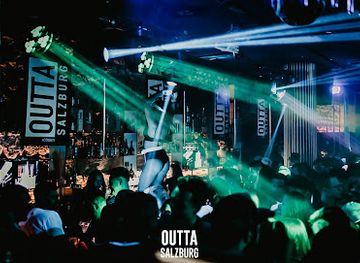
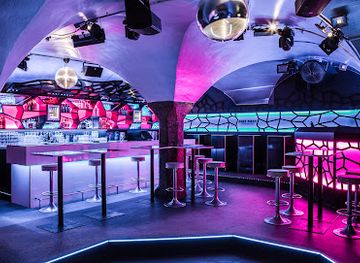
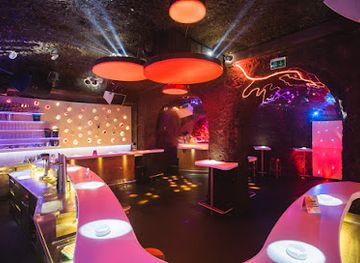
After dark, the Altstadt becomes more atmospheric than frenetic, with evening life centred on wine bars, traditional beer establishments, cocktail-led venues, hotel bars and cultural performances rather than a large club district. The lanes around Rudolfskai and the river contain several places for a later drink, while the streets near Universität and Gstättengasse draw a younger mix of students, residents and visitors. Concerts, theatre and festival events are an important part of the neighbourhood’s night-time identity, with historic churches and performance venues adding a cultural dimension beyond drinking. Salzburg’s centre quietens in its residential passages, and many venues are compact, so noise carries easily; visitors should distinguish lively public spaces from doorways and courtyards where people live. Nightlife offerings and event programmes vary by season, particularly around the Salzburg Festival.
-
Disco club
City Beats
Discover the pulse of Salzburg's nightlife at City Beats, a premier disco club where unforgettable dance experiences await.
2 min walk · 0.2 km from neighbourhood centre
-
Disco club
Half Moon Club
Discover the pulsating nightlife of Salzburg at Half Moon Club, where electrifying music and vibrant ambiance await every night.
4 min walk · 0.3 km from neighbourhood centre
-
Disco club
Soda Club
Discover the electrifying nightlife of Salzburg at Soda Club, where unforgettable nights of music and dancing await.
4 min walk · 0.3 km from neighbourhood centre
-
Night club
City Alm
Discover City Alm, Salzburg's vibrant night club and bar, where unforgettable nights blend music, dance, and delightful drinks.
4 min walk · 0.3 km from neighbourhood centre

Best shops in Altstadt
Shopping in the Altstadt is concentrated along Getreidegasse, one of Salzburg’s best-known commercial streets, where ornate guild signs hang above fashion shops, jewellers, confectioners and established international brands. Parallel lanes such as Goldgasse and Judengasse offer a more intimate scale, with specialist retailers, traditional clothing, crafts, gifts and food shops occupying historic buildings. Visitors will encounter Mozart-themed products and Austrian sweets, but the commercial character is broader than souvenirs, including leather goods, books, design objects and high-end fashion. Universitätsplatz and adjacent streets host stalls and seasonal market activity at particular times of year, while the area around Alter Markt is associated with cafés and confectionery. As an old centre rather than a modern shopping mall, the experience depends as much on the façades, signs and narrow passages as on the individual shops, and opening patterns can vary between businesses.
-
Store
Nostalgie Salzburg
Explore Nostalgie Salzburg for unique antiques, rare books, and exquisite collectibles that embody the charm of Austrian history.
8 min walk · 0.6 km from neighbourhood centre
-
Jewelry store
Swarovski Store Salzburg Getreidegasse
Experience the elegance of Swarovski in Salzburg's historic Getreidegasse, where exquisite crystal jewelry and decor await.
1 min walk · 0.1 km from neighbourhood centre
-
Gift shop
The Living Store
Discover unique gifts and souvenirs at The Living Store in Salzburg, where local craftsmanship meets creativity in a charming shopping experience.
9 min walk · 0.7 km from neighbourhood centre
-
Jeweler
MONTBLANC Salzburg
Explore luxury and craftsmanship at Montblanc Salzburg, home to exquisite writing instruments, leather goods, and timeless watches in a charming setting.
2 min walk · 0.2 km from neighbourhood centre


Altstadt essentials
Getting There
Getting Around
Safety
Emergency Situations
Do's and Don'ts
Local Tips

From Eve
Local phrases worth knowing
You don't need to get them perfect. A few words go a long way, and locals appreciate the effort.
Basics
| English | Local | Say it |
|---|---|---|
| Hello | Servus | [ser-voos] |
| Goodbye | Auf Wiedersehen | [owf vee-der-zay-en] |
| Yes | Ja | [yah] |
| No | Nein | [nine] |
| Please/You're welcome | Bitte | [bit-te] |
| Thank you | Danke | [dahn-keh] |
| Excuse me/Sorry | Entschuldigung | [ent-shool-dee-goong] |
| How are you? | Wie geht's? | [vee gayts] |
| Fine. And you? | Gut. Und dir? | [goot oont deer] |
| Do you speak English? | Sprechen Sie Englisch? | [shpre-khen zee eng-leesh] |
| I don't understand | Ich verstehe nicht | [ikh fer-shtay-uh nikht] |
Eating & Drinking
| English | Local | Say it |
|---|---|---|
| I'd like to see the menu, please | Ich möchte bitte die Speisekarte sehen | [ikh mer-khe bit-te dee shpy-ze-kar-teh zay-en] |
| I don't eat meat | Ich esse kein Fleisch | [ikh es-suh kine flysh] |
| Cheers! | Prost! | [prohst] |
| I would like to pay, please | Ich möchte bitte zahlen | [ikh mer-khe bit-te tsah-len] |
Emergencies
| English | Local | Say it |
|---|---|---|
| Help! | Hilfe! | [hil-feh] |
| Go away! | Geh weg! | [geh vekh] |
| Call the Police! | Ruf die Polizei! | [roof dee po-lee-tsay] |
| Call a doctor! | Ruf einen Arzt! | [roof eye-nen artsht] |
| I'm lost | Ich habe mich verirrt | [ikh hah-beh meekh feh-reert] |
| I'm ill | Ich bin krank | [ikh been kr-ahnk] |
Shopping
| English | Local | Say it |
|---|---|---|
| I'd like to buy... | Ich möchte ... kaufen | [ikh mer-khe ... kow-fen] |
| I'm just looking | Ich schaue nur | [ikh sh-ow-eh noor] |
| How much is it? | Wie viel kostet das? | [vee feel koh-stet dahs] |
| That's too expensive | Das ist zu teuer | [dahs ist tsoy toy-er] |
| Can you lower the price? | Kannst du den Preis senken? | [kahnst doo den prees zeng-ken] |
Time & Numbers
| English | Local | Say it |
|---|---|---|
| What time is it? | Wie spät ist es? | [vee shpeht ist es] |
| It's one o'clock | Es ist ein Uhr | [es ist iyn oor] |
| Half past (10) | Halb elf | [halb elf] |
| Morning | Morgen | [mor-gen] |
| Afternoon | Nachmittag | [nahk-mit-tahk] |
| Evening | Abend | [ah-bent] |
| Yesterday | Gestern | [ges-tern] |
| Today | Heute | [hoi-teh] |
| Tomorrow | Morgen | [mor-gen] |
| 1 | Eins | [eyns] |
| 2 | Zwei | [tsvay] |
| 3 | Drei | [dr-eye] |
| 4 | Vier | [feer] |
| 5 | Fünf | [fuhnf] |
| 6 | Sechs | [zeks] |
| 7 | Sieben | [zee-ben] |
| 8 | Acht | [ahkt] |
| 9 | Neun | [noyn] |
| 10 | Zehn | [tsayn] |
Transport & Directions
| English | Local | Say it |
|---|---|---|
| Where's a/the...? | Wo ist ein/der...? | [vo ist iyn/dehr] |
| What's the address? | Was ist die Adresse? | [vas ist dee ah-dreh-seh] |
| Can you show me (on the map)? | Kannst du mir das zeigen (auf der Karte)? | [kahnst doo meer dahs tsee-gen (owf dehr kar-teh)] |
| When's the next (bus)? | Wann kommt der nächste (Bus)? | [vahn kohmt dehr nykhs-teh (boos)] |
| A ticket (to ....) | Eine Fahrkarte (nach ....) | [eye-neh fahr-kahr-teh (nahk)] |
History of Altstadt
Roman Foundations and Early Settlement
The Altstadt occupies the area of ancient Iuvavum, the Roman settlement established beside the Salzach and connected to routes across the eastern Alps. After the Roman period, settlement contracted, but the river crossing and the presence of the episcopal centre helped sustain the town. Salzburg’s religious importance grew from the late seventh century, when Rupert established the monastery of St Peter, traditionally regarded as the oldest continuously active monastery in the German-speaking world. The developing town clustered around ecclesiastical institutions, markets and routes running along the river and beneath the rocky heights that later carried the fortress.
Prince-Archiepiscopal Town
From the Middle Ages until 1803, Salzburg was governed by prince-archbishops whose political and religious authority left a concentrated imprint on the Altstadt. Archbishop Gebhard began Hohensalzburg Fortress in the eleventh century, while later rulers expanded fortifications, churches and administrative residences. Markets and trading streets developed around the cathedral precinct and the river crossing, giving the town both a mercantile and ceremonial role. The surviving street pattern, compact plots and enclosed courtyards largely reflect this long period, even though many façades were remodelled in later centuries.
Baroque Reconstruction and Mozart
The seventeenth and eighteenth centuries transformed Salzburg’s medieval core into the Baroque city visible today. Prince-archbishops commissioned architects including Vincenzo Scamozzi and Santino Solari, whose work shaped major buildings such as Salzburg Cathedral and the archiepiscopal complex around Residenzplatz. The period also produced the city’s association with Wolfgang Amadeus Mozart, who was born in Getreidegasse in 1756 and baptised at the cathedral. His family’s connections with the court and musical institutions linked the Altstadt to the European cultural networks of the age.
From Secularisation to Heritage City
Salzburg lost its independent prince-archbishopric in 1803 during the Napoleonic-era reorganisation of central Europe, and the town subsequently passed through several political arrangements before joining Austria in 1816. The Altstadt’s religious and courtly buildings acquired new civic and cultural roles, while modern transport and urban growth developed beyond the historic core. Twentieth-century war damage affected parts of Salzburg but left much of the old centre intact. Its architectural character and historical continuity were formally recognised when the City of Salzburg’s Historic Centre became a UNESCO World Heritage Site in 1996.
Contemporary Cultural Centre
In the post-war decades, Salzburg’s historic centre increasingly balanced resident life with tourism, festivals, museums and heritage conservation. The Salzburg Festival, founded in 1920, strengthened the city’s international cultural profile, with venues and performances linked to the Altstadt’s churches, theatres and historic squares. Restoration projects have preserved the visual unity of the centre while adapting former religious and civic buildings for public use, including the DomQuartier complex. Today the neighbourhood remains both a protected historic landscape and an active urban district, although the pressure of visitor numbers and commercial use is part of its continuing development.
Altstadt in Photos
Browse through our photo collection highlighting the charm and character of the destination.
Neighbourhoods near Altstadt
The closest neighbourhoods to Altstadt, if you have time for more than one stop.
-
-
-
-
-


Swipe for more neighbourhoods
Explore more

Explore more of Salzburg
Salzburg pairs Mozart’s musical legacy with baroque architecture, alpine scenery, historic landmarks and atmospheric old-town culture in Austria.
Explore Salzburg