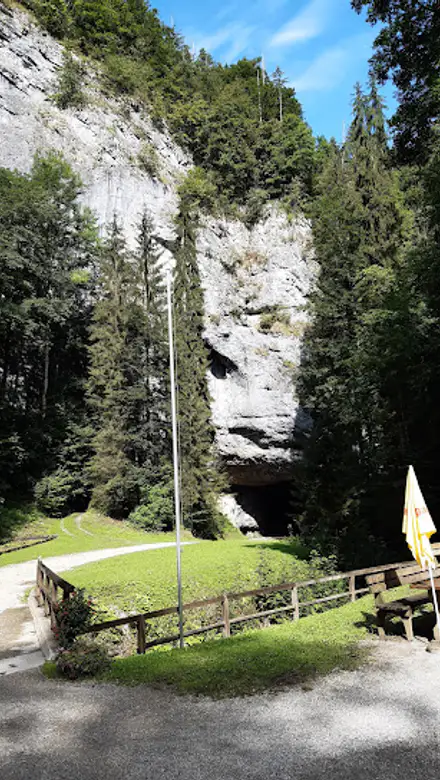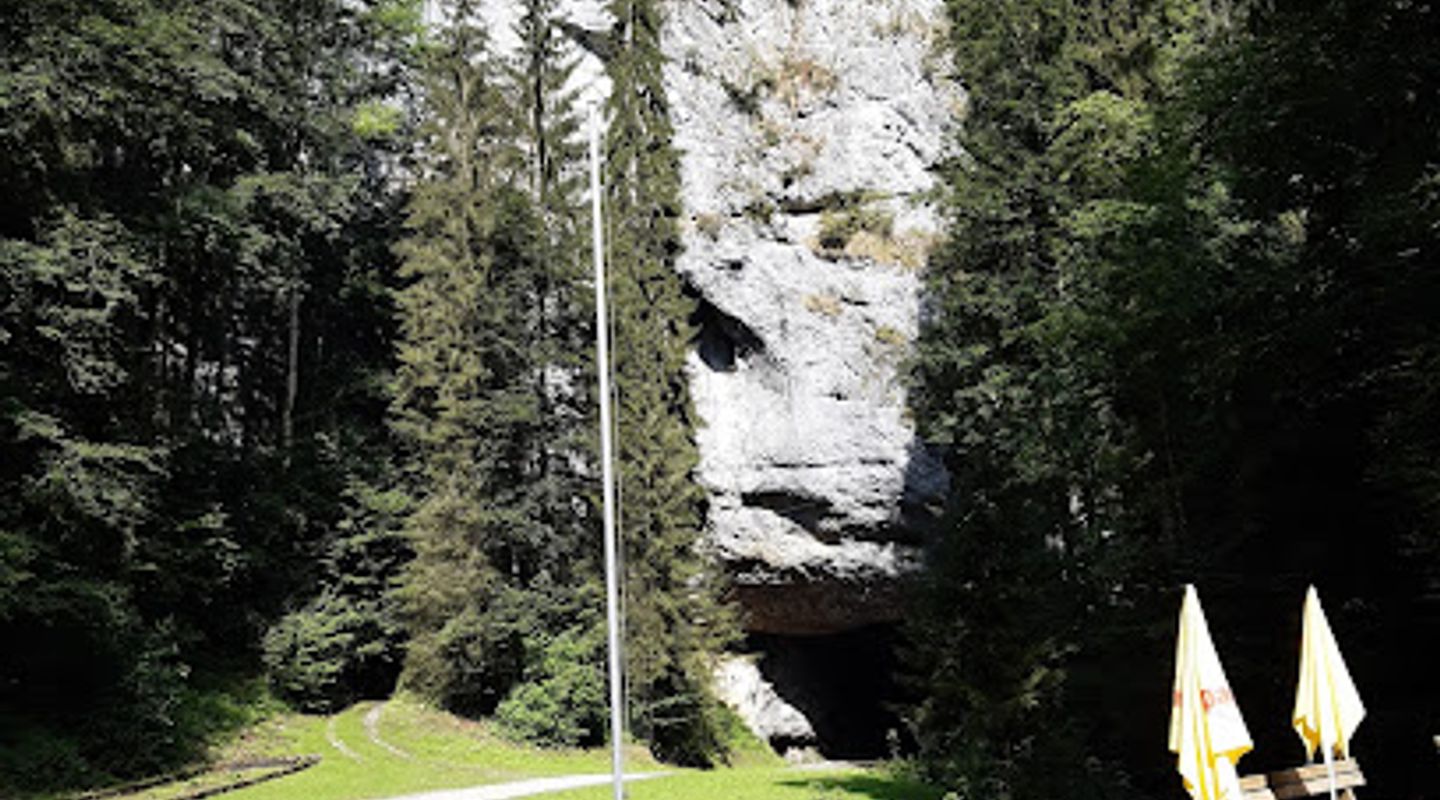
Lurgrotte, Styria Travel Guide
Discover Austria's largest stalactite cave: the Lurgrotte Semriach, a world of stunning formations, rich history, and captivating underground beauty.
Explore Austria's largest stalactite cave, the Lurgrotte Semriach, near Graz. A guided tour reveals stunning rock formations, the colossal Great Dome, and the world's largest free-hanging stalactite. Discover a world of underground beauty and fascinating history.
A brief summary to Lurgrotte
- Lurgrottenstraße 1, Semriach, 8102, AT
- Click to display
- Click to display
- Monday 9:15 am-3:45 pm
- Tuesday 9:15 am-3:45 pm
- Wednesday 9:15 am-3:45 pm
- Thursday 9:15 am-3:45 pm
- Friday 9:15 am-3:45 pm
- Saturday 9:15 am-3:45 pm
- Sunday 9:15 am-3:45 pm

Know before you go
Hi, I'm Eve. Here are a few practical things to know before exploring Lurgrotte.
- Wear warm clothing, as the cave temperature remains a constant 9°C (48°F) year-round.
- Book your guided tour in advance, especially during peak season, to avoid waiting times.
- Combine your cave visit with a hike in the surrounding Graz Mountains for a full day of nature exploration.
- Note that only half of the guided tour route is passable with a stroller or wheelchair.
Do you manage this location?
Take control to get all the benefits, like improved information, better appearance, and stronger visibility across AI-powered discovery. Learn more about listing your business on Evendo
Activate your presenceOther nearby places you may find interesting
The closest places of the same kind, if this one is not quite what you had in mind.
Explore Lurgrotte on the Map
A handpicked selection of must-see spots near Lurgrotte, mapped for you.
Getting There
-
Public Transport
From Graz, take the Verbund Linie bus 140 from Graz Kalvariengürtel to Semriach Hauptplatz. The journey takes approximately 37 minutes and departs every three hours. From Semriach Hauptplatz, it's approximately a 25-minute walk (2 km) to Lurgrotte. Follow the signs towards Lurgrotte. A single bus fare is approximately €4-6.
-
Driving
From Graz, take the A9 motorway and L318 to Lurgrottenstraße in Semriach, approximately a 30-minute drive (21 km). Parking is available at the Lurgrotte Semriach car park. The road to get there is rather steep and sometimes narrow. Parking is free.
-
Taxi/Ride-Share
A taxi or ride-share from Graz to Lurgrotte Semriach takes approximately 27 minutes and costs between €35-€50.
Discover more about Lurgrotte













Your all‑in‑one travel companion app
Explore expert travel guides, compare and book tours, experiences, hotels, and more—all from the palm of your hand. Download now for seamless trip planning wherever your wanderlust takes you.


Explore More of Styria
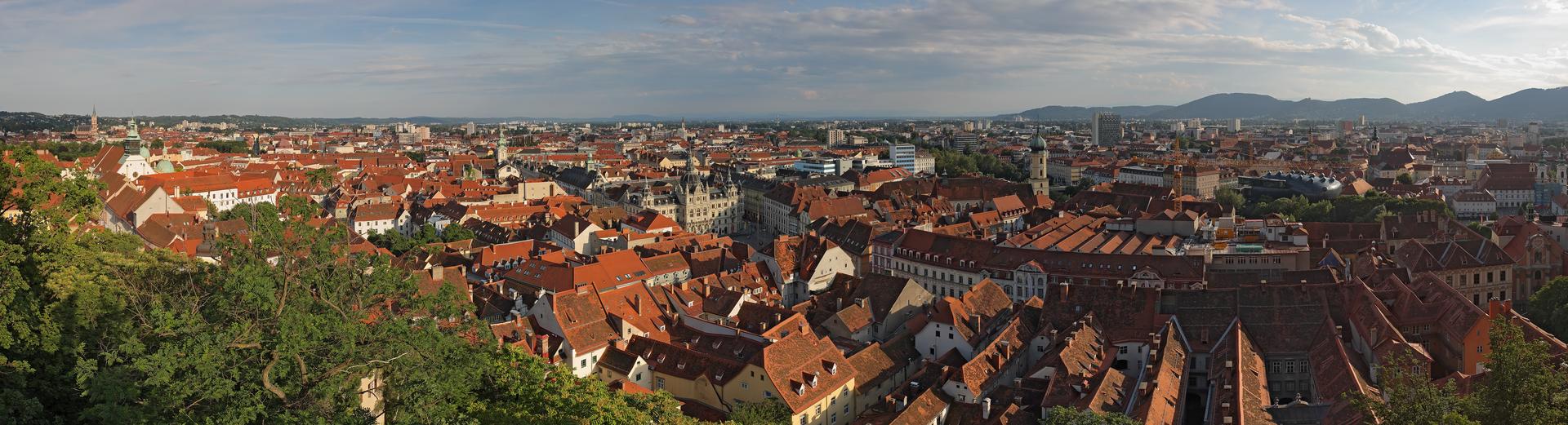
Looking beyond Lurgrotte? Discover Styria for broader travel guides, local hot-spots, and regional highlights.
Explore Styria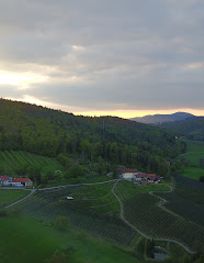
Discover the serene beauty of Rettenbachklamm, a hiking gem in Graz offering stunning landscapes and invigorating trails for nature lovers.
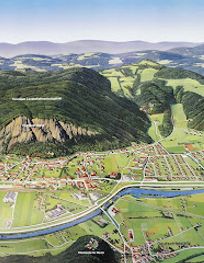
Discover Austria's largest water cave: a world of stalactites, underground streams, and captivating history in the heart of Styria.