

Donaustadt (Vienna) Travel Guide - Free
Explore Donaustadt in Vienna with Evendo's free guide. Find the best shops, historic streets, restaurants, and gems on web or mobile.


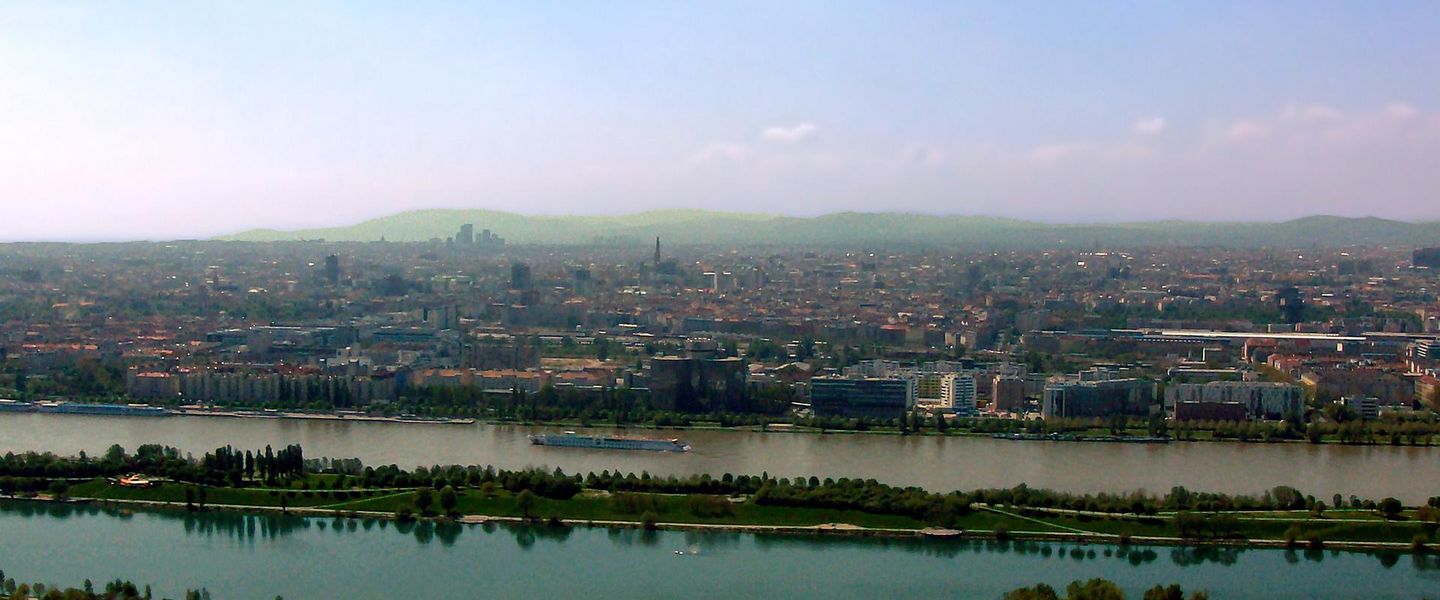


Donaustadt in Vienna combines the Danube, Alte Donau, Donauinsel, UNO City, Lobau wetlands, Seestadt’s lakeside culture and outdoor recreation.
A District Shaped by Water
Donaustadt occupies Vienna’s broad north-eastern side, extending from the Danube and the long recreation corridor of Donauinsel towards the open landscapes of the Lobau. It is officially Vienna’s 22nd district and far larger and more varied than the compact central neighbourhoods usually associated with the city. Water is its defining element: the main Danube, the Old Danube, canals, bathing areas and floodplain wetlands all influence how people live and spend their leisure time here.Read more about Donaustadt
Modern Vienna Along the Danube
Outdoor Life and the Lobau
Best attractions in Donaustadt
Donaustadt’s attractions are spread across a large landscape rather than concentrated around one square. The Donauturm offers one of Vienna’s clearest elevated views, while the adjacent Donaupark provides lawns, paths and open space between the tower and the Danube. At the Old Danube, visitors can stroll along the water, swim at established bathing areas or watch small boats move between jetties and lakeside restaurants. Donauinsel and the New Danube form a long recreational corridor for cycling, walking and summer leisure. The Vienna International Centre gives the Donau City skyline an international character, while Seestadt Aspern offers a very different experience of contemporary urban planning around its artificial lake. At the district’s eastern edge, the Lobau introduces woodland, meadows and quiet waterways within the Danube-Auen National Park.
-
Park
Donaupark
Discover Donaupark: Vienna's sprawling green oasis with the iconic Danube Tower, gardens, and recreational activities for all ages.
9 min drive · 2.9 km from neighbourhood centre
-
Tourist attraction
Leuchtturm Sunken City
Discover Vienna's quirky side at the Leuchtturm Sunken City, a repurposed theatrical prop turned iconic landmark on the Donauinsel.
9 min drive · 3.1 km from neighbourhood centre
-
Tourist attraction
Austrian Horticultural Museum
Explore Austria's gardening history at Vienna's Horticultural Museum, home to a vast collection of floral and landscape design exhibits.
5 min drive · 1.8 km from neighbourhood centre
-
Tourist attraction
Meiergrube
Discover Meiergrube in Vienna's Donaustadt: A tranquil green space offering peaceful walks and a refreshing escape from city life.
15 min drive · 4.9 km from neighbourhood centre


Best landmarks in Donaustadt
The Donauturm is Donaustadt’s most recognisable vertical landmark, rising above Donaupark as a 1960s symbol of Vienna’s post-war modernisation. Across the river corridor, the Vienna International Centre is significant both architecturally and institutionally as one of the United Nations’ principal international locations. The Danube itself, together with the New Danube and Donauinsel, is an infrastructural landmark: the flood-protection project reshaped the district while creating one of Vienna’s major public recreation spaces. The Old Danube preserves a different relationship with water, marked by jetties, bathing places and low-rise lakeside development. In the east, the former Aspern airfield and the new Seestadt district represent a major transformation of land use, while the villages of Aspern and Essling retain reminders of the district’s pre-urban landscape.
-
Tourist attraction
Hundertwasser House
Experience Vienna's most colorful and unconventional apartment building, a whimsical creation by Friedensreich Hundertwasser.
15 min drive · 5.0 km from neighbourhood centre
-
Observation deck
Danube Tower
Reach new heights at Vienna's iconic Danube Tower. Enjoy panoramic views, rotating restaurants, and thrilling experiences high above the city.
9 min drive · 3.1 km from neighbourhood centre
-
Park
Donaupark
Escape to Vienna's Donaupark: a sprawling green oasis with the iconic Danube Tower, gardens, recreation, and stunning city views.
9 min drive · 2.9 km from neighbourhood centre
-
Garden
Blumengärten Hirschstetten
Discover themed gardens, exotic plants, and animal encounters at Vienna's Blumengärten Hirschstetten, a horticultural haven for all ages.
6 min drive · 1.9 km from neighbourhood centre


Explore Donaustadt on the map
A handpicked selection of must-see spots in Donaustadt, mapped for you.
Best hotels in Donaustadt
Best restaurants in Donaustadt
Donaustadt’s dining scene reflects its dispersed, mixed urban character rather than a single restaurant quarter. Around the Old Danube, lakeside cafés and restaurants make the water the setting for relaxed meals, especially in warmer months, while Donau City and the area around the Vienna International Centre cater to an international working population with varied everyday dining. Kagran and Donauzentrum provide one of the district’s largest concentrations of cafés and restaurants, and Seestadt has developed a growing selection of contemporary neighbourhood venues around its lake and new public spaces. Traditional Austrian dishes can be found alongside international cooking, takeaway food and casual cafés. In the outer parts of the district, particularly near Aspern and Essling, dining options are more local and dispersed, so visitors should distinguish Donaustadt’s suburban restaurant scene from the dense historic-centre dining districts.
-
Restaurant
Zur Alten Kaisermühle
Discover authentic Austrian flavors at Zur Alten Kaisermühle with stunning views along the Danube River in Vienna.
5 min drive · 1.7 km from neighbourhood centre
-
Austrian
Alt Wiener Stuben
Experience the essence of Austrian dining at Alt Wiener Stuben - where tradition meets flavor in every dish.
6 min walk · 0.5 km from neighbourhood centre
-
Restaurant
Ufertaverne
Experience delightful dining at Ufertaverne along Vienna's Oberen Alten Donau with stunning views and exquisite cuisine.
6 min drive · 1.9 km from neighbourhood centre
-
Restaurant
Napoleon Wien
Discover the exquisite flavors of Austria at Napoleon Wien – where tradition meets modern culinary artistry in a welcoming atmosphere.
5 min drive · 1.7 km from neighbourhood centre


Best bars in Donaustadt
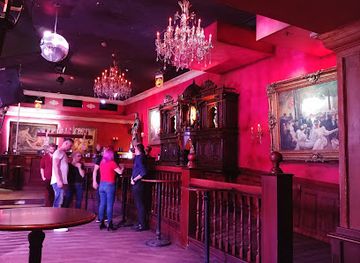
Donaustadt is not one of Vienna’s main late-night club districts, and its evening life is shaped more by riverside socialising, restaurants, hotel bars and neighbourhood cafés than by a dense concentration of nightclubs. The Old Danube becomes a popular setting for relaxed drinks and dinner during the warmer season, while Donau City has bars associated with its offices, hotels and international institutions. Seestadt’s newer public spaces support a modest contemporary evening scene, with cafés, bars and cultural programming developing alongside the residential district. Donauinsel can host large seasonal events elsewhere along its length, but visitors should check current programmes rather than assume entertainment is taking place near every access point. For extensive clubbing, central Vienna offers a broader choice and is reached by the U1 or U2.
-
Bar
Vienna City Beach Club
Experience the vibrant beach life at Vienna City Beach Club, where sun, sand, and cocktails create the perfect urban escape.
7 min drive · 2.3 km from neighbourhood centre
-
Bar
Sansibar
Experience the pulse of Vienna's nightlife at Sansibar, a vibrant bar with cocktails, dancing, and a relaxed lounge atmosphere.
9 min drive · 3.0 km from neighbourhood centre
-
Cocktail bar
Fredi's Bar
Discover Fredi's Bar in Donaustadt, Vienna - where cocktail artistry meets a vibrant nightlife atmosphere, perfect for every traveler.
19 min drive · 6.2 km from neighbourhood centre
-
Cafe
Café Kaisermühlen
Discover the cozy charm of Café Kaisermühlen in Vienna, a delightful café where coffee, beer, and wine meet in a serene setting.
6 min drive · 2.1 km from neighbourhood centre


Best nightclubs in Donaustadt
Donaustadt is not one of Vienna’s main late-night club districts, and its evening life is shaped more by riverside socialising, restaurants, hotel bars and neighbourhood cafés than by a dense concentration of nightclubs. The Old Danube becomes a popular setting for relaxed drinks and dinner during the warmer season, while Donau City has bars associated with its offices, hotels and international institutions. Seestadt’s newer public spaces support a modest contemporary evening scene, with cafés, bars and cultural programming developing alongside the residential district. Donauinsel can host large seasonal events elsewhere along its length, but visitors should check current programmes rather than assume entertainment is taking place near every access point. For extensive clubbing, central Vienna offers a broader choice and is reached by the U1 or U2.
-
Bar
Sansibar
Experience Vienna's vibrant nightlife at Sansibar, where delicious cocktails, lively dances, and a welcoming atmosphere await you on the beautiful Donauinsel.
9 min drive · 3.0 km from neighbourhood centre
-
Disco club
Rumba & Mambo
Dive into the pulsating nightlife of Vienna at Rumba & Mambo, where the dance floor comes alive with unforgettable music and vibrant energy.
9 min drive · 3.1 km from neighbourhood centre
-
Night club
A-Danceclub
Experience the vibrant nightlife of Vienna at A-Danceclub, where music, dancing, and fun come together for an unforgettable night out.
15 min drive · 4.9 km from neighbourhood centre
-
Night club
Vie i pee
Experience the pulse of Vienna's nightlife at Vie i pee – where the dance floor comes alive with vibrant music and stylish ambiance.
12 min drive · 4.0 km from neighbourhood centre



Best shops in Donaustadt
Shopping in Donaustadt is centred on practical retail hubs, new neighbourhood services and seasonal leisure rather than the historic shopping streets of central Vienna. The Donauzentrum in Kagran is the district’s principal indoor shopping destination, with a wide range of everyday retail, cafés and services around a major transport interchange. Smaller shops and supermarkets are distributed through residential areas, while Seestadt is developing a more local, walkable retail offer around its lake and new housing. The Old Danube is associated mainly with leisure businesses, bathing supplies and places to eat rather than specialist shopping. In the eastern villages and outer residential districts, retail is more limited and functional. Visitors interested in antiques, large markets or designer boutiques will find a denser selection elsewhere in Vienna, but Donaustadt’s commercial landscape is useful for everyday needs and contemporary urban living.
-
Shopping mall
STOP SHOP Stadlau
Explore the dynamic STOP SHOP Stadlau, Vienna's premier shopping mall with diverse stores, dining options, and family-friendly activities.
5 min drive · 1.5 km from neighbourhood centre
-
Collectibles store
Elbenwald
Elbenwald: A Unique Collectibles Store in Vienna Offering Exclusive Merchandise for Pop Culture Enthusiasts and Collectors.
5 min drive · 1.5 km from neighbourhood centre
-
Gift shop
NANU-NANA
Explore NANU-NANA, the ultimate gift shop in Vienna, offering unique treasures and delightful home goods for every occasion.
16 min walk · 1.3 km from neighbourhood centre
-
Gift shop
Depot
Explore Depot in Vienna for unique gifts, stylish home decor, and unforgettable souvenirs that capture the essence of your travels.
17 min walk · 1.4 km from neighbourhood centre


Donaustadt essentials
Getting There
Getting Around
Safety
Emergency Situations
Do's and Don'ts
Local Tips

From Eve
Local phrases worth knowing
You don't need to get them perfect. A few words go a long way, and locals appreciate the effort.
Basics
| English | Local | Say it |
|---|---|---|
| Hello | Servus | [Ser-voos] |
| Goodbye | Tschüss | [Chu-ess] |
| Yes | Ja | [Ya] |
| No | Nein | [Nine] |
| Please/You're welcome | Bitte | [Bit-teh] |
| Thank you | Danke | [Dun-keh] |
| Excuse me/Sorry | Entschuldigung | [Ent-shool-dee-gung] |
| How are you? | Wie geht es dir? | [Vee geht es deer] |
| Fine. And you? | Gut. Und dir? | [Goot. Oond deer] |
| Do you speak English? | Sprechen Sie Englisch? | [Sprek-ken zee Eng-lish] |
| I don't understand | Ich verstehe nicht | [Eekh fer-shteh-eh nikht] |
Eating & Drinking
| English | Local | Say it |
|---|---|---|
| I'd like to see the menu, please | Ich möchte die Speisekarte sehen, bitte | [Eekh merkhte dee Shpy-zeh-kahr-teh zeh-en, bit-teh] |
| I don't eat meat | Ich esse kein Fleisch | [Eekh ess-eh kine Fly-sh] |
| Cheers! | Prost! | [Prohst] |
| I would like to pay, please | Ich möchte bitte zahlen | [Eekh merkhte bit-teh tsah-len] |
Emergencies
| English | Local | Say it |
|---|---|---|
| Help! | Hilfe! | [Hil-feh] |
| Go away! | Geh weg! | [Gay vehg] |
| Call the Police! | Rufen Sie die Polizei! | [Roo-fen zee dee Po-lee-tsay] |
| Call a doctor! | Rufen Sie einen Arzt! | [Roo-fen zee i-nen ahrts] |
| I'm lost | Ich habe mich verirrt | [Eekh hah-buh meesh feh-rihrt] |
| I'm ill | Mir ist schlecht | [Meer ist shlekht] |
Shopping
| English | Local | Say it |
|---|---|---|
| I'd like to buy... | Ich möchte kaufen... | [Eekh merkhte kow-fen] |
| I'm just looking | Ich schaue nur | [Eekh shou-eh noor] |
| How much is it? | Wie viel kostet es? | [Vee feel kohs-tet es] |
| That's too expensive | Das ist zu teuer | [Dahs ist tsoy toy-er] |
| Can you lower the price? | Können Sie den Preis senken? | [Ker-nen zee den prees zehn-ken] |
Time & Numbers
| English | Local | Say it |
|---|---|---|
| What time is it? | Wie spät ist es? | [Vee shpet ist es] |
| It's one o'clock | Es ist ein Uhr | [Es ist iyn oor] |
| Half past (10) | Halb (zehn) | [Halb (tsayn)] |
| Morning | Morgen | [Mor-gen] |
| Afternoon | Nachmittag | [Nahk-mit-tahg] |
| Evening | Abend | [Ah-bent] |
| Yesterday | Gestern | [Ges-tern] |
| Today | Heute | [Hoy-teh] |
| Tomorrow | Morgen | [Mor-gen] |
| 1 | Eins | [Iyns] |
| 2 | Zwei | [Tsvy] |
| 3 | Drei | [Dry] |
| 4 | Vier | [Feer] |
| 5 | Fünf | [Foonf] |
| 6 | Sechs | [Zeks] |
| 7 | Sieben | [Zee-ben] |
| 8 | Acht | [Akh-t] |
| 9 | Neun | [Noy-n] |
| 10 | Zehn | [Tsayn] |
Transport & Directions
| English | Local | Say it |
|---|---|---|
| Where's a/the...? | Wo ist ein/der...? | [Voh ist iyn/dehr] |
| What's the address? | Was ist die Adresse? | [Vahs ist dee Ah-dre-seh] |
| Can you show me (on the map)? | Können Sie mir zeigen (auf der Karte)? | [Ker-nen zee meer tsay-gen (ouf dehr kar-teh)] |
| When's the next (bus)? | Wann kommt der nächste (Bus)? | [Vahn komt dehr nakh-steh (Boos)] |
| A ticket (to ....) | Eine Fahrkarte (nach ....) | [I-nuh fahr-kahr-teh (nahkh ....)] |
History of Donaustadt
Villages on the Danube Plain
Donaustadt developed from a collection of settlements and agricultural areas on Vienna’s north-eastern plain rather than from a single historic town centre. Aspern, Essling, Kagran, Hirschstetten, Stadlau, Breitenlee and neighbouring villages had distinct local identities before their incorporation into the expanding city. Their older village churches, farm-related street patterns and low-rise buildings still provide traces of this earlier landscape, although extensive development has transformed much of the district. The Danube’s shifting channels, floods and marshy ground also shaped settlement, cultivation and routes across the area.
The Danube and Imperial Warfare
The open land east of the Danube became strategically important during the Napoleonic Wars. The Battle of Aspern-Essling in 1809 was fought on the plain around the villages and is remembered as one of Napoleon’s first major battlefield defeats. The conflict brought destruction and disruption to local settlements, while later military commemorations fixed Aspern and Essling in European history. The area’s military significance continued into the twentieth century, when the Aspern airfield occupied a large tract of the district before its eventual redevelopment.
Urban Expansion Across the River
Vienna’s growth and the regulation of the Danube altered Donaustadt profoundly during the nineteenth and twentieth centuries. Improved bridges, roads and rail links connected the eastern settlements more closely with the city, while flood-control works made previously vulnerable land more suitable for housing and industry. The district was formed in its present administrative shape in 1938, when Vienna’s boundaries were greatly expanded, and retained its identity as the 22nd district after the post-war restoration of the city’s earlier structure. Suburban housing, allotment gardens and new infrastructure spread across the former agricultural landscape.
From Floodplain to International and New Urban District
Post-war Vienna invested heavily in the Danube corridor, including the creation of Donauinsel and the New Danube as major flood-protection and recreation works completed during the 1970s and 1980s. The Vienna International Centre opened in 1979, establishing Donau City as an international institutional quarter, while the Donauturm, completed in 1964, became a prominent landmark above the river plain. Since the early twenty-first century, Seestadt Aspern has added a planned lakeside district on the former airfield, illustrating Donaustadt’s continuing shift from peripheral farmland towards a complex mixture of housing, employment, leisure and protected nature.
Donaustadt in Photos
Browse through our photo collection highlighting the charm and character of the destination.
Neighbourhoods near Donaustadt
The closest neighbourhoods to Donaustadt, if you have time for more than one stop.
-
-

-

-

-


Swipe for more neighbourhoods
Explore more

Explore more of Vienna
Vienna blends imperial palaces, classical music, grand coffeehouses and contemporary culture in Austria’s elegant capital, rich in history, art and architecture.
Explore Vienna