

Ehemaliges Sanatorium Fürth, Vienna Travel Guide
Explore Ehemaliges Sanatorium Fürth in Vienna's Josefstadt: A historical landmark showcasing early 20th-century Neo-Renaissance architecture and medical history.
The Ehemaliges Sanatorium Fürth, nestled in Vienna's Josefstadt district, offers a serene look into the city's healthcare and architectural history. Built in the early 20th century as a sanatorium for tuberculosis patients, its grand facade and intricate details provide a captivating glimpse into the past.
A brief summary to Ehemaliges Sanatorium Fürth
- Schmidgasse 12, Vienna, Josefstadt, 1080, AT

Know before you go
Hi, I'm Eve. Here are a few practical things to know before exploring Ehemaliges Sanatorium Fürth.
- Visit during the early morning or late afternoon for the best lighting for photographs of the building's architectural details.
- Combine your visit with a leisurely walk through the Josefstadt district to experience local cafes and shops.
- Look for informative plaques nearby to learn more about the site's history and significance.
Do you manage this location?
Take control to get all the benefits, like improved information, better appearance, and stronger visibility across AI-powered discovery. Learn more about listing your business on Evendo
Activate your presenceOther nearby places you may find interesting
The closest places of the same kind, if this one is not quite what you had in mind.
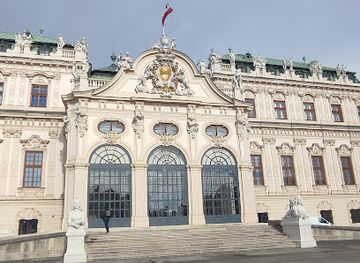
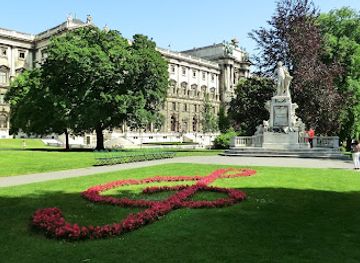
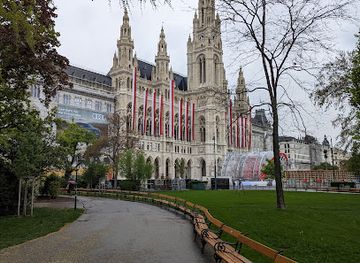
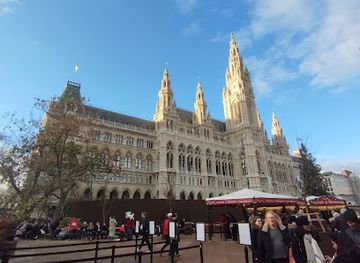
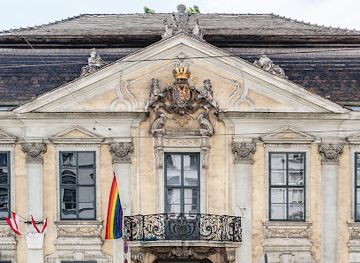
Explore Ehemaliges Sanatorium Fürth on the Map
A handpicked selection of must-see spots near Ehemaliges Sanatorium Fürth, mapped for you.
Getting There
-
Walking
From the heart of Josefstadt, walk south on Lange Gasse toward Schmidgasse. Turn left onto Schmidgasse and continue for approximately 500 meters. The Ehemaliges Sanatorium Fürth is located at Schmidgasse 12. The walk should take about 6-7 minutes.
-
Public Transport
Take tram line 2 from 'Rathaus' to the 'Stadiongasse' stop. From there, it is a short walk to Schmidgasse 12. A single journey ticket costs approximately €2.40.
Discover more about Ehemaliges Sanatorium Fürth
More to explore near Ehemaliges Sanatorium Fürth













Your all‑in‑one travel companion app
Explore expert travel guides, compare and book tours, experiences, hotels, and more—all from the palm of your hand. Download now for seamless trip planning wherever your wanderlust takes you.


Explore More of Vienna
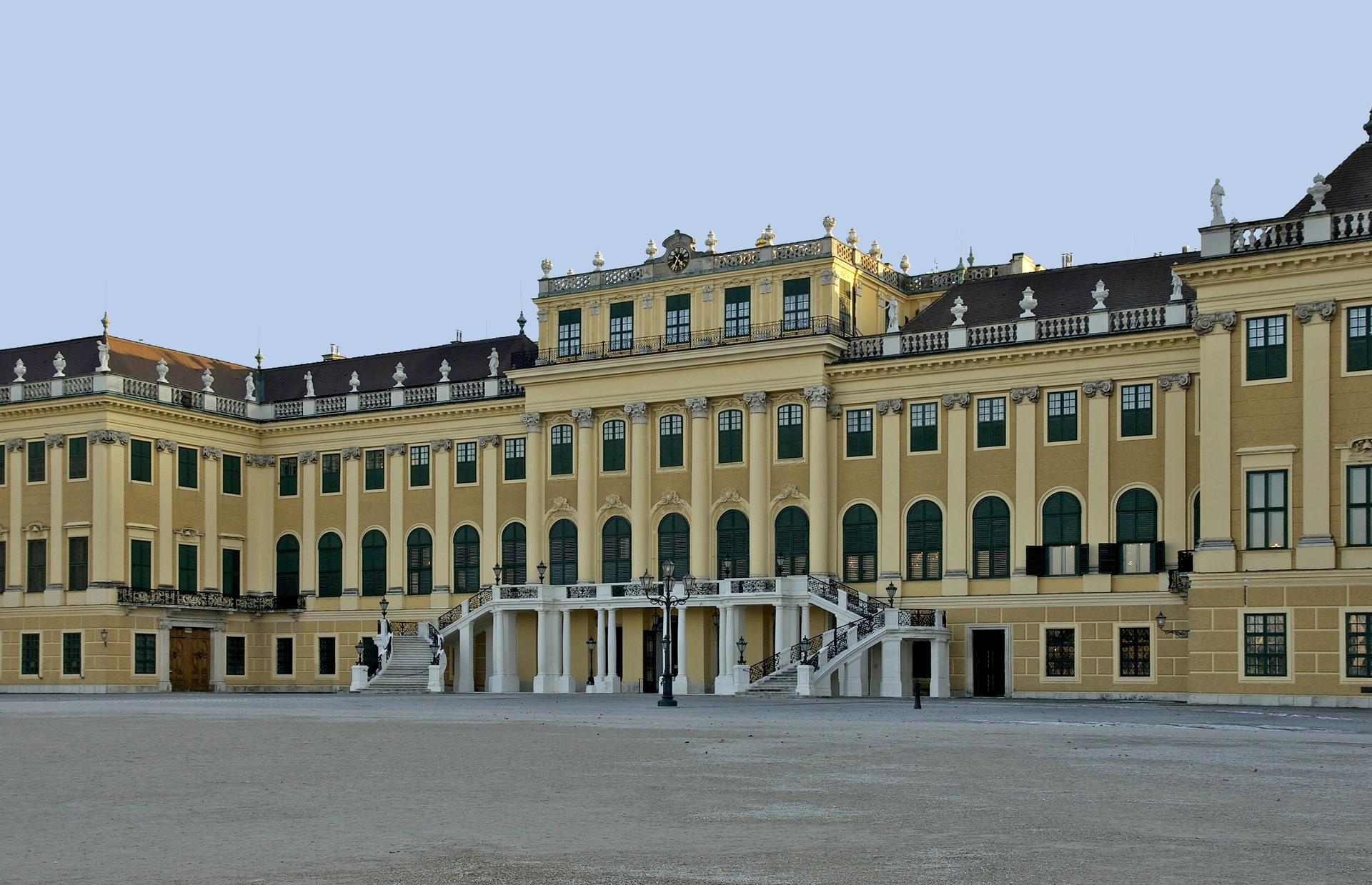
Looking beyond Ehemaliges Sanatorium Fürth? Discover Vienna for broader travel guides, local hot-spots, and regional highlights.
Explore Vienna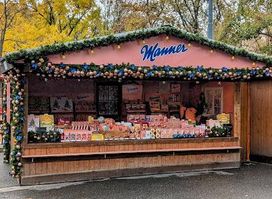
Experience the magic of Christmas at Vienna's most iconic market, with festive stalls, twinkling lights, and traditional Austrian treats.
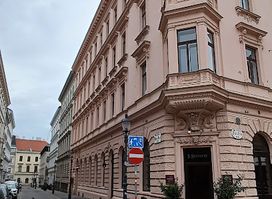
Explore the captivating history of Vienna's Josefstadt district through fascinating exhibits and artifacts at this local museum.
