

Josefstadt (Vienna) Travel Guide - Free
Explore Josefstadt in Vienna with Evendo's free guide. Find the best shops, historic streets, restaurants, and gems on web or mobile.


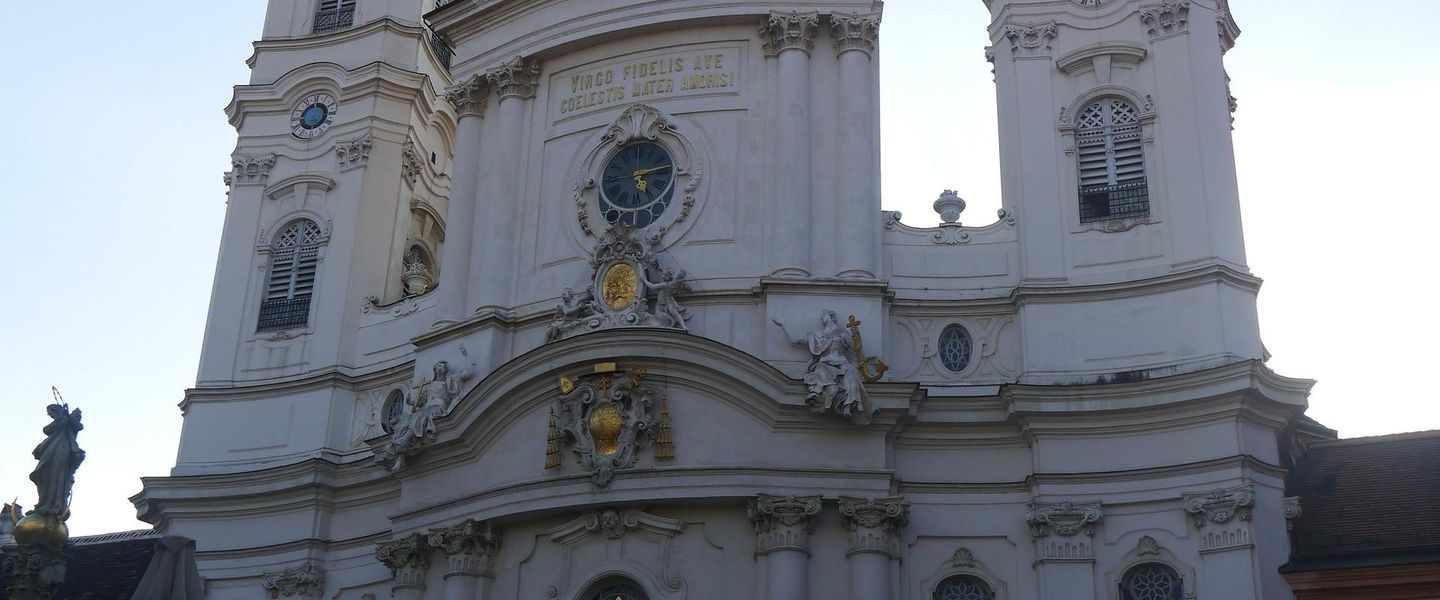


Josefstadt in Vienna reveals Baroque churches, theatre tradition, leafy squares, cafés and local streets in Austria’s compact eighth district for curious travellers.
A Compact Inner-City Quarter
Josefstadt is Vienna’s eighth municipal district, a compact neighbourhood immediately west of the historic centre. Its streets are more intimate than the grand avenues nearby, with late Baroque façades, nineteenth-century apartment houses, small courtyards and a steady rhythm of cafés, local shops and tram traffic. Josefstädter Straße forms the main commercial spine, while Lange Gasse, Piaristengasse and the streets around Schönbornpark offer a quieter view of everyday Viennese life.Read more about Josefstadt
Churches, Theatres and Civic History
Daily Life in the Eighth
Best attractions in Josefstadt
Josefstadt’s attractions are concentrated within a walkable area rather than arranged as a long sightseeing circuit. The Theater in der Josefstadt is the district’s principal cultural draw, presenting drama in a building with roots in Vienna’s late eighteenth-century theatrical life. The Piaristenkirche Maria Treu rewards visitors interested in Baroque religious architecture and richly worked interiors, while the Bezirksmuseum Josefstadt provides a more local perspective on the neighbourhood’s buildings, residents and development. Schönbornpark offers a formal green retreat amid dense streets, and the lanes around Piaristengasse, Lange Gasse and Florianigasse are rewarding for architectural details and everyday street scenes. Palais Auersperg, near the district’s eastern side, adds an aristocratic architectural note. Nearby Rathaus and the museums of the city centre are easily reached, but they should be treated as adjacent attractions rather than Josefstadt sights.
-
Tourist attraction
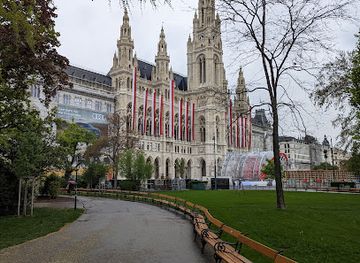
Rathauspark
A serene escape in the heart of Vienna, Rathauspark offers lush greenery, historical monuments, and year-round cultural events.
10 min walk · 0.8 km from neighbourhood centre
-
Tourist attraction
Austrian Museum of Folk Life and Folk Art
Discover Austria's folk traditions at the Austrian Museum of Folk Life and Folk Art, housed in Vienna's Schönborn Garden Palace.
4 min walk · 0.3 km from neighbourhood centre
-
Tourist attraction
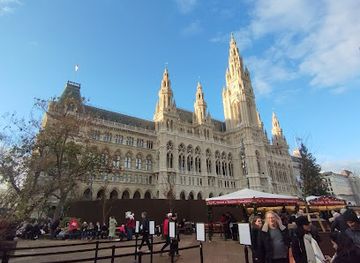
Rathausbrunnen
Discover the iconic Rathausbrunnen in Vienna, a stunning fountain reflecting the city's history, art, and vibrant cultural events.
11 min walk · 0.9 km from neighbourhood centre
-
Tourist attraction
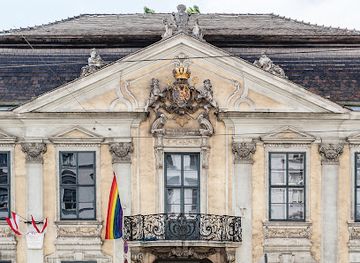
Bezirksmuseum Josefstadt
Explore the captivating history of Vienna's Josefstadt district through fascinating exhibits and artifacts at this local museum.
4 min walk · 0.3 km from neighbourhood centre

Best landmarks in Josefstadt
The Piaristenkirche Maria Treu is Josefstadt’s most distinctive historic landmark, its Baroque architecture and ornate interior reflecting the Piarist presence that helped shape the district. The Theater in der Josefstadt is equally significant as a cultural landmark: founded in 1788, it represents Vienna’s enduring suburban theatre tradition and remains a working performance venue rather than a preserved shell. Palais Auersperg, on the eastern side of the district, recalls the aristocratic estates that once occupied prominent urban sites. Schönbornpark is a smaller but important landscape landmark, providing formal open space within a dense residential setting. The Bezirksmuseum Josefstadt, housed in a historic building on Schmidgasse, anchors the neighbourhood’s local memory. Together these places show how religious institutions, aristocratic residences, public entertainment and civic life became interwoven as Josefstadt changed from an outer suburb into an inner district.
-
Museum
Austrian Museum of Folk Life and Folk Art
Discover Austria's vibrant cultural heritage at the Austrian Museum of Folk Life and Folk Art in Vienna's beautiful Schönborn Garden Palace.
4 min walk · 0.3 km from neighbourhood centre
-
Historical landmark
Stefan-Zweig-Haus
Commemorating the life and legacy of Austrian writer Stefan Zweig in his former Vienna home.
3 min walk · 0.2 km from neighbourhood centre
-
State park
Bennoplatz
Discover Bennoplatz, a peaceful Viennese square in Josefstadt with a rich history and charming atmosphere, perfect for relaxation and leisurely strolls.
6 min walk · 0.5 km from neighbourhood centre
-
Tourist attraction
Palais Strozzi
Explore Palais Strozzi in Vienna's Josefstadt: A blend of Baroque and Neoclassical architecture with a rich, evolving history.
2 min walk · 0.1 km from neighbourhood centre


Explore Josefstadt on the map
A handpicked selection of must-see spots in Josefstadt, mapped for you.
Best hotels in Josefstadt
Best restaurants in Josefstadt
Josefstadt’s dining scene is shaped by its role as a settled inner-city district rather than a single specialist food quarter. Along Josefstädter Straße and the side streets leading towards Lange Gasse, visitors find traditional Viennese cooking, cafés, bakeries, casual international restaurants and places suited to a pre-theatre meal. The area’s long association with educated, professional and theatrical communities has encouraged a useful mix of unshowy neighbourhood restaurants and relaxed coffee houses, while the nearby university and civic districts broaden the choice. Look for classic dishes such as schnitzel, goulash and seasonal Austrian fare alongside vegetarian and international menus; the exact selection changes more quickly than the streets themselves. Café culture remains important, particularly for a quiet breakfast or afternoon pause, and many establishments are more residential in feel than the heavily visited cafés of the historic centre. Reservations can be sensible before popular theatre performances.
-
Restaurant
Fromme Helene
Experience authentic Viennese cuisine at Fromme Helene, where tradition meets modern flavor in a cozy setting.
4 min walk · 0.3 km from neighbourhood centre
-
Restaurant
Knödel Manufaktur
Discover the delightful world of Austrian dumplings at Knödel Manufaktur - where tradition meets flavor in Vienna.
5 min walk · 0.4 km from neighbourhood centre
-
Italian
Ristorante La Tavolozza
Experience authentic Italian cuisine at Ristorante La Tavolozza in Vienna—delicious pizzas and traditional dishes await you!
2 min walk · 0.1 km from neighbourhood centre
-
Restaurant
Marienhof
Experience authentic Austrian cuisine at Marienhof in Vienna's Josefstadt district - where tradition meets modern culinary artistry.
6 min walk · 0.4 km from neighbourhood centre


Best bars in Josefstadt
Josefstadt is not one of Vienna’s major nightclub quarters, but it has a considered evening life of theatre audiences, traditional cafés, small bars and restaurants that stay active after work. The Theater in der Josefstadt gives the district its clearest cultural rhythm, with performances creating a noticeable pre- and post-show flow around Josefstädter Straße and nearby lanes. Smaller drinking places tend to be dispersed rather than concentrated in one entertainment strip, and the atmosphere is generally conversational rather than club-focused. Visitors seeking late-night dancing will find a wider choice in other parts of Vienna, while Josefstadt suits a slower evening built around a performance, a glass of wine or beer and a walk past illuminated historic façades. Because much of the neighbourhood is residential, considerate noise levels matter when leaving venues and returning through side streets.
-
Irish pub
The Long Hall Bar Vienna
Discover the vibrant atmosphere of The Long Hall Bar, a perfect blend of Irish hospitality and Viennese charm in the heart of the city.
7 min walk · 0.6 km from neighbourhood centre
-
Cocktail bar
GRANDE - Die Cocktailbar
Discover GRANDE - Die Cocktailbar, Vienna's vibrant cocktail haven with innovative drinks and lively ambience, perfect for a memorable night out.
2 min walk · 0.2 km from neighbourhood centre
-
Bar
Kinelly‘s Pub - Josefstadt
Experience the heart of Viennese nightlife at Kinelly's Pub in Josefstadt, where tradition meets a lively atmosphere.
3 min walk · 0.3 km from neighbourhood centre
-
Wine bar
Weinstube Josefstadt
Experience the authentic taste of Austria at Weinstube Josefstadt, a cozy wine bar in the heart of Vienna's Josefstadt district, perfect for wine lovers.
4 min walk · 0.3 km from neighbourhood centre


Best nightclubs in Josefstadt
Josefstadt is not one of Vienna’s major nightclub quarters, but it has a considered evening life of theatre audiences, traditional cafés, small bars and restaurants that stay active after work. The Theater in der Josefstadt gives the district its clearest cultural rhythm, with performances creating a noticeable pre- and post-show flow around Josefstädter Straße and nearby lanes. Smaller drinking places tend to be dispersed rather than concentrated in one entertainment strip, and the atmosphere is generally conversational rather than club-focused. Visitors seeking late-night dancing will find a wider choice in other parts of Vienna, while Josefstadt suits a slower evening built around a performance, a glass of wine or beer and a walk past illuminated historic façades. Because much of the neighbourhood is residential, considerate noise levels matter when leaving venues and returning through side streets.
-
Night club
Chelsea
Experience the dynamic nightlife of Vienna at Chelsea, a premier night club offering live music, a vibrant bar scene, and endless fun until dawn.
8 min walk · 0.7 km from neighbourhood centre
-
Disco club
FANIALIVE
Discover the electrifying nightlife of Vienna at FANIALIVE, a premier disco club featuring live music, vibrant atmosphere, and great drinks.
9 min walk · 0.7 km from neighbourhood centre
-
Bar
°COCO°
Explore the lively atmosphere of °COCO°, Vienna's premier cocktail bar and disco club, where unforgettable nights await.
8 min walk · 0.7 km from neighbourhood centre
-
Night club
The Loft
Discover the pulse of Vienna's nightlife at The Loft, a dynamic night club featuring live music, dancing, and an electrifying atmosphere.
10 min walk · 0.8 km from neighbourhood centre


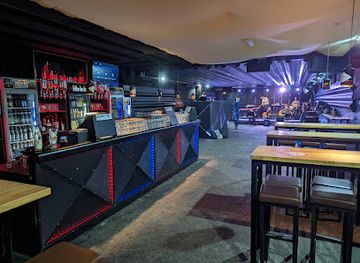
Best shops in Josefstadt
Shopping in Josefstadt is local and mixed rather than centred on a grand department-store boulevard. Josefstädter Straße carries the largest concentration of everyday retail, cafés and practical services, while Lange Gasse and neighbouring side streets offer smaller independent businesses, specialist shops and a more relaxed browsing experience. The district is a reasonable place to look for books, stationery, gifts, clothing and household goods alongside Austrian food products from bakeries and delicatessens, although the stock and business mix naturally change over time. Visitors interested in design and local character should look above the shopfronts as well as inside them: many businesses occupy historic ground floors beneath nineteenth-century façades. Josefstadt does not have the scale of a major market district, so its shopping appeal lies in combining errands and browsing with a walk between the Piaristenkirche, Schönbornpark and the theatre rather than dedicating an entire day to retail.
-
Gift shop
HANNIBALs
Discover unique gifts and original treasures at HANNIBALs in Vienna, where creativity meets craftsmanship in a delightful shopping experience.
4 min walk · 0.3 km from neighbourhood centre
-
Gift shop
Pomp & Gloria
Discover unique treasures at Pomp & Gloria, Vienna's eclectic gift shop featuring vintage clothing, architectural salvage, and more.
6 min walk · 0.5 km from neighbourhood centre
-
Boutique
Mon Début
Discover the essence of Vienna's fashion at Mon Début, a boutique offering unique clothing and accessories in a stylish atmosphere.
2 min walk · 0.1 km from neighbourhood centre
-
Vintage clothing store
Project Shop Vienna
Explore Project Shop Vienna for a unique vintage shopping experience, blending sustainability with style in the heart of Austria's capital.
6 min walk · 0.5 km from neighbourhood centre


Josefstadt essentials
Getting There
Getting Around
Safety
Emergency Situations
Do's and Don'ts
Local Tips

From Eve
Local phrases worth knowing
You don't need to get them perfect. A few words go a long way, and locals appreciate the effort.
Basics
| English | Local | Say it |
|---|---|---|
| Hello | Servus | [zɛrˈvuːs] |
| Goodbye | Auf Wiedersehen | [aʊf ˈviːdɐˌzeːən] |
| Yes | Ja | [jaː] |
| No | Nein | [naɪn] |
| Please/You're welcome | Bitte | [ˈbɪtə] |
| Thank you | Danke | [ˈdaŋkə] |
| Excuse me/Sorry | Entschuldigung | [ɛntˈʃʊldɪɡʊŋ] |
| How are you? | Wie geht es dir? | [viː ɡeːt ɛs diːr] |
| Fine. And you? | Gut. Und dir? | [ɡuːt ʊnt diːr] |
| Do you speak English? | Sprechen Sie Englisch? | [ˈʃprɛçən ziː ˈɛŋlɪʃ] |
| I don't understand | Ich verstehe nicht | [ɪç fɛɐˈʃteːə nɪçt] |
Eating & Drinking
| English | Local | Say it |
|---|---|---|
| I'd like to see the menu, please | Ich hätte gerne die Speisekarte, bitte | [ɪc hɛtə ɡɛɐnə diː ˈʃpaɪzəˌkaʁtə ˈbɪtə] |
| I don't eat meat | Ich esse kein Fleisch | [ɪc ˈɛsə kaɪn flaɪʃ] |
| Cheers! | Prost! | [pʁɔst] |
| I would like to pay, please | Ich möchte bitte zahlen | [ɪc ˈmœçtə ˈbɪtə ˈtsaːlən] |
Emergencies
| English | Local | Say it |
|---|---|---|
| Help! | Hilfe! | [ˈhɪlfə] |
| Go away! | Geh weg! | [ɡeː vɛk] |
| Call the Police! | Rufen Sie die Polizei! | [ˈʁuːfn ziː diː pɔˈliːtsaɪ] |
| Call a doctor! | Rufen Sie einen Arzt! | [ˈʁuːfn ziː ˈaɪnən aʁts] |
| I'm lost | Ich bin verloren | [ɪc bɪn fɛɐˈloːʁən] |
| I'm ill | Mir geht es schlecht | [miː ɡeːt ɛs ʃlɛçt] |
Shopping
| English | Local | Say it |
|---|---|---|
| I'd like to buy... | Ich möchte ... kaufen | [ɪc ˈmœçtə ... kaʊfən] |
| I'm just looking | Ich schaue nur | [ɪc ˈʃaʊə nuːɐ] |
| How much is it? | Wie viel kostet es? | [viː fiːl ˈkɔstət ɛs] |
| That's too expensive | Das ist zu teuer | [das ɪst tsuː tɔɪɐ] |
| Can you lower the price? | Können Sie den Preis senken? | [ˈkœnən ziː deːn pʁaɪs ˈzɛŋkən] |
Time & Numbers
| English | Local | Say it |
|---|---|---|
| What time is it? | Wie spät ist es? | [viː ʃpɛːt ɪst ɛs] |
| It's one o'clock | Es ist ein Uhr | [ɛs ɪst aɪn uːɐ] |
| Half past (10) | Halb elf | [halb ɛlf] |
| Morning | Morgen | [ˈmɔʁɡən] |
| Afternoon | Nachmittag | [ˈnaχmɪˌtaːk] |
| Evening | Abend | [ˈaːbənt] |
| Yesterday | Gestern | [ˈɡɛstɐn] |
| Today | Heute | [ˈhɔɪtə] |
| Tomorrow | Morgen | [ˈmɔʁɡən] |
| 1 | Eins | [aɪns] |
| 2 | Zwei | [tsvaɪ] |
| 3 | Drei | [dʁaɪ] |
| 4 | Vier | [fiːɐ] |
| 5 | Fünf | [fʏnf] |
| 6 | Sechs | [zɛks] |
| 7 | Sieben | [ˈziːbən] |
| 8 | Acht | [axt] |
| 9 | Neun | [nɔʏn] |
| 10 | Zehn | [tseːn] |
Transport & Directions
| English | Local | Say it |
|---|---|---|
| Where's a/the...? | Wo ist ein/der...? | [vo ɪst aɪn/deːr] |
| What's the address? | Wie ist die Adresse? | [viː ɪst diː ˈadʁɛsə] |
| Can you show me (on the map)? | Können Sie mir (auf der Karte) zeigen? | [ˈkœnən ziː mɪʁ (aʊf deːr ˈkaʁtə) ˈʦaɪɡən] |
| When's the next (bus)? | Wann fährt der nächste (Bus)? | [van fɛːʁt deːɐ ˈnɛkstə (bʊs)] |
| A ticket (to ....) | Eine Fahrkarte (nach ....) | [ˈaɪnə ˈfaːʁkaʁtə (nax)] |
History of Josefstadt
From Suburb to Josefstadt
The area that became Josefstadt developed outside Vienna’s historic core as the city expanded beyond its medieval walls. Its name refers to Emperor Joseph I, and the settlement grew during the eighteenth century as roads, religious institutions and aristocratic estates encouraged construction west of the centre. Josefstädter Straße became the principal route through the emerging suburb, linking the inner city with communities farther west. The district’s early identity was therefore shaped by both planned expansion and the gradual conversion of former open land into houses, gardens and institutional sites.
Piarists and Baroque Development
The Piarist order played an important role in the neighbourhood’s religious and educational history. The Piaristenkirche Maria Treu, built in the eighteenth century, became the visual and spiritual centre of the developing quarter, while surrounding streets acquired the dense Baroque and early nineteenth-century character still visible today. Aristocratic residences, including Palais Auersperg, stood alongside more modest housing and helped establish Josefstadt as a district where courtly, religious and everyday urban life existed close together. The surviving buildings preserve the period when Vienna’s outer suburbs were being drawn firmly into the city’s cultural orbit.
The Theatre’s Long Tradition
The Theater in der Josefstadt was founded in 1788, giving the district a cultural institution whose history has outlasted several phases of urban change. Its present building dates from the early nineteenth century and reflects the period when Vienna’s suburban theatres became important public venues for drama, music and social life. The theatre helped give Josefstadt an identity distinct from a merely residential suburb, drawing performers and audiences into the quarter while the surrounding streets continued to fill with apartment houses, cafés and small businesses.
Integration into Modern Vienna
Josefstadt was incorporated into Vienna in 1850, after which its urban fabric became increasingly continuous with the inner city and neighbouring districts. Buildings from the nineteenth and early twentieth centuries replaced or enclosed many earlier gardens, creating the close-grained streetscape familiar today. Later transport improvements, especially tram connections, strengthened links with the centre and western districts. In the contemporary neighbourhood, the theatre, Piarist church, local museum, parks and independent businesses preserve traces of earlier social layers, while the district’s central location has brought continuing pressure on housing and commercial space.
Josefstadt in Photos
Browse through our photo collection highlighting the charm and character of the destination.
Neighbourhoods near Josefstadt
The closest neighbourhoods to Josefstadt, if you have time for more than one stop.
-
-

-
-

-


Swipe for more neighbourhoods
Explore more

Explore more of Vienna
Vienna blends imperial palaces, classical music, grand coffeehouses and contemporary culture in Austria’s elegant capital, rich in history, art and architecture.
Explore Vienna