

Hochstrahlbrunnen, Vienna Travel Guide
Free Guide: Experience the magic of Vienna's Hochstrahlbrunnen, a historic fountain illuminating Schwarzenbergplatz with captivating water displays.


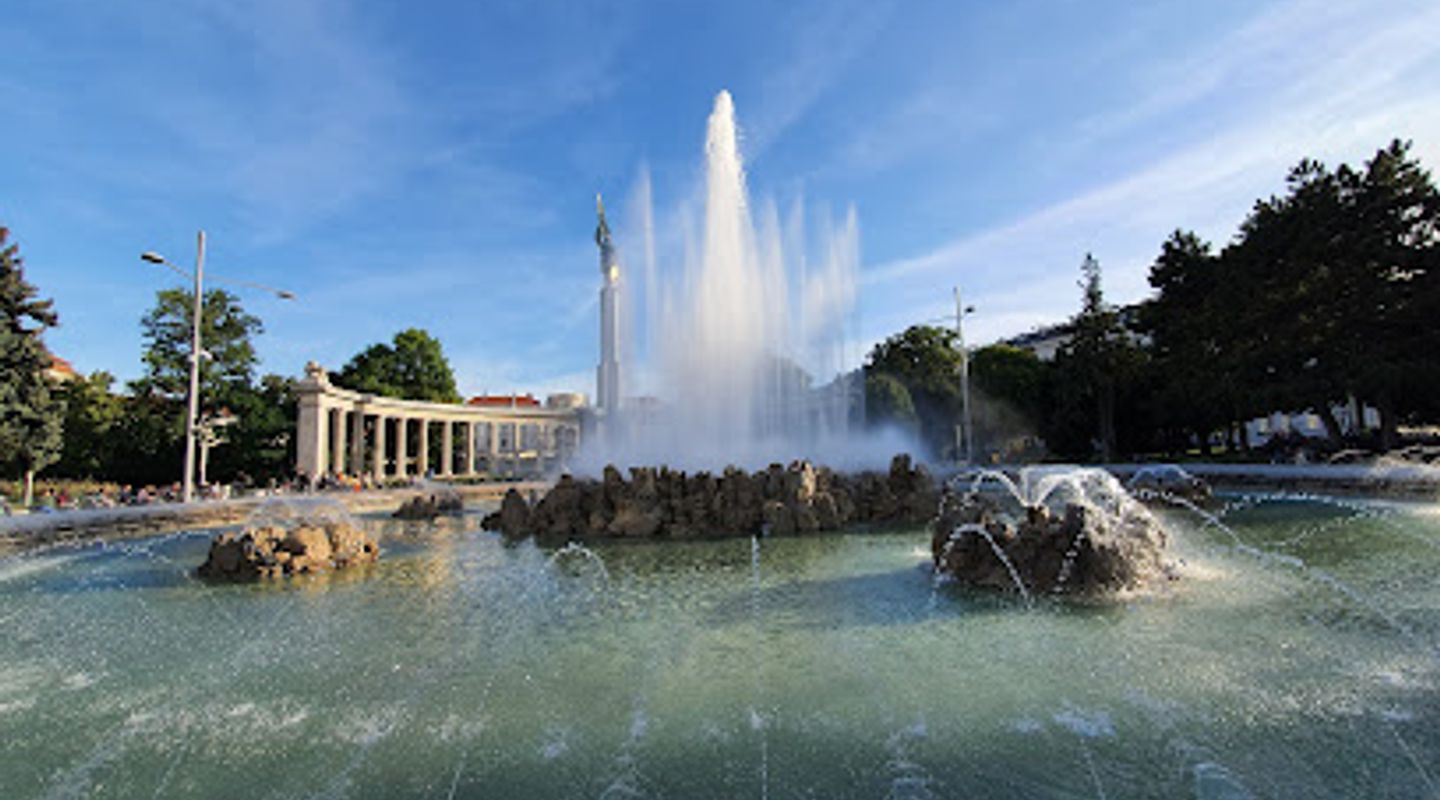
A brief summary of Hochstrahlbrunnen
Experience the magic of Vienna's Hochstrahlbrunnen, a historic fountain illuminating Schwarzenbergplatz with captivating water displays.
The Hochstrahlbrunnen, located on Schwarzenbergplatz, is more than just a fountain; it's a symbol of Vienna's history and innovation. Inaugurated in 1873, it commemorates the completion of the First Vienna Mountain Spring Pipeline, which brought fresh water from the Alps to the city. The illuminated water jets create a captivating spectacle, especially in the evening.
Opening hours
- Every dayOpen 24 hours
Opening hours as listed on the venue’s Google Business Profile. Hours can change for services and special events, so check with the venue before you go.
- Address
- Schwarzenbergpl., 1030 Wien
- Phone
- Website
Getting there
Public Transport
Tram
Walking
Driving
Discover more about Hochstrahlbrunnen
Overview
The Hochstrahlbrunnen, which translates to “high-jet fountain,” is an iconic landmark in Vienna, gracing Schwarzenbergplatz with its presence. More than a mere water feature, it stands as a testament to the city's rich history and commitment to innovation. The fountain was commissioned to celebrate the completion of the First Vienna Mountain Spring Pipeline in 1873, a pivotal moment that brought fresh, clean water from the Styrian-Lower Austrian Alps to Vienna, significantly improving public health and quality of life.The fountain's design blends Baroque inspiration with Historicist interpretation. Originally, the fountain had one central fountain, four medium ones, and 365 small fountains. In 1906, it was transformed into an illuminated fountain, a remarkable attraction for the Viennese. Today, the fountain is lit up at night, shining in blue, red, and green. The edge of the Hochstrahlbrunnen has a circle of 365 little fountains, representing the individual days of the year. Six medium-size fountains and a central island symbolize the seven days of the week. Twelve high fountains symbolize the months of the year, and 24 small fountains for the hours of a day.The Hochstrahlbrunnen has witnessed numerous historical events throughout its existence. Damaged during World War II, it was restored and resumed operation in 1952. The fountain operates seasonally, typically from late March to the end of October.
Evendo Review Centre
 Google
Guest reviews
Explore Hochstrahlbrunnen on the map
A handpicked selection of must-see spots near Hochstrahlbrunnen, mapped for you.
Get your free copy of our complete guide to Hochstrahlbrunnen, delivered straight to you.
Everything on this page, from opening hours and how to get there to Eve’s tips and the best time to go, in one PDF you can read offline, print or share.
Already have an account? Sign in
Your Hochstrahlbrunnen guide is ready.
We'll send it to · Not you? Sign out

Getting your guide ready…
We are putting together a fresh copy of the Hochstrahlbrunnen guide. This can take up to a minute.
This can take a few moments. If your browser asks, choose Allow so the download can start. You'll find the guide in your Downloads folder.
Nothing happened? Download it again
Sorry, the guide is taking longer than usual. Please try again in a minute, or get it by email instead.
Other nearby places you may find interesting
The closest places of the same kind, if this one is not quite what you had in mind.
-
-
-
-
-


Swipe for more places
More to explore near Hochstrahlbrunnen

 Best experiences near Hochstrahlbrunnen
 Best hotels near Hochstrahlbrunnen
 Best landmarks near Hochstrahlbrunnen
 Best attractions near Hochstrahlbrunnen
 Best shops near Hochstrahlbrunnen
 Best restaurants near Hochstrahlbrunnen
 Best bars near Hochstrahlbrunnen
Do you manage this location?
Take control to get all the benefits, like improved information, better appearance, and stronger visibility across AI-powered discovery.
Explore more

Explore more of Simmering
Discover Simmering in Vienna: A unique blend of history, culture, and modernity, offering an authentic Viennese experience away from the usual tourist spots.
Explore Simmering
Explore more of Vienna
Discover Vienna: A harmonious blend of imperial grandeur, classical music heritage, and modern culture, offering unforgettable experiences at every turn.
Explore Vienna
