Melk Abbey Travel Guide
Free Guide: Discover Austria's Baroque jewel: Melk Abbey, a UNESCO site with stunning architecture, library, and gardens overlooking the Danube.


A brief summary of Melk Abbey
Discover Austria's Baroque jewel: Melk Abbey, a UNESCO site with stunning architecture, library, and gardens overlooking the Danube.
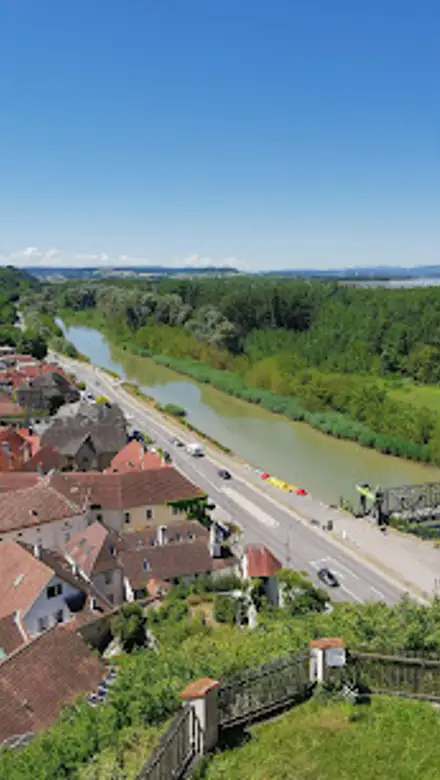
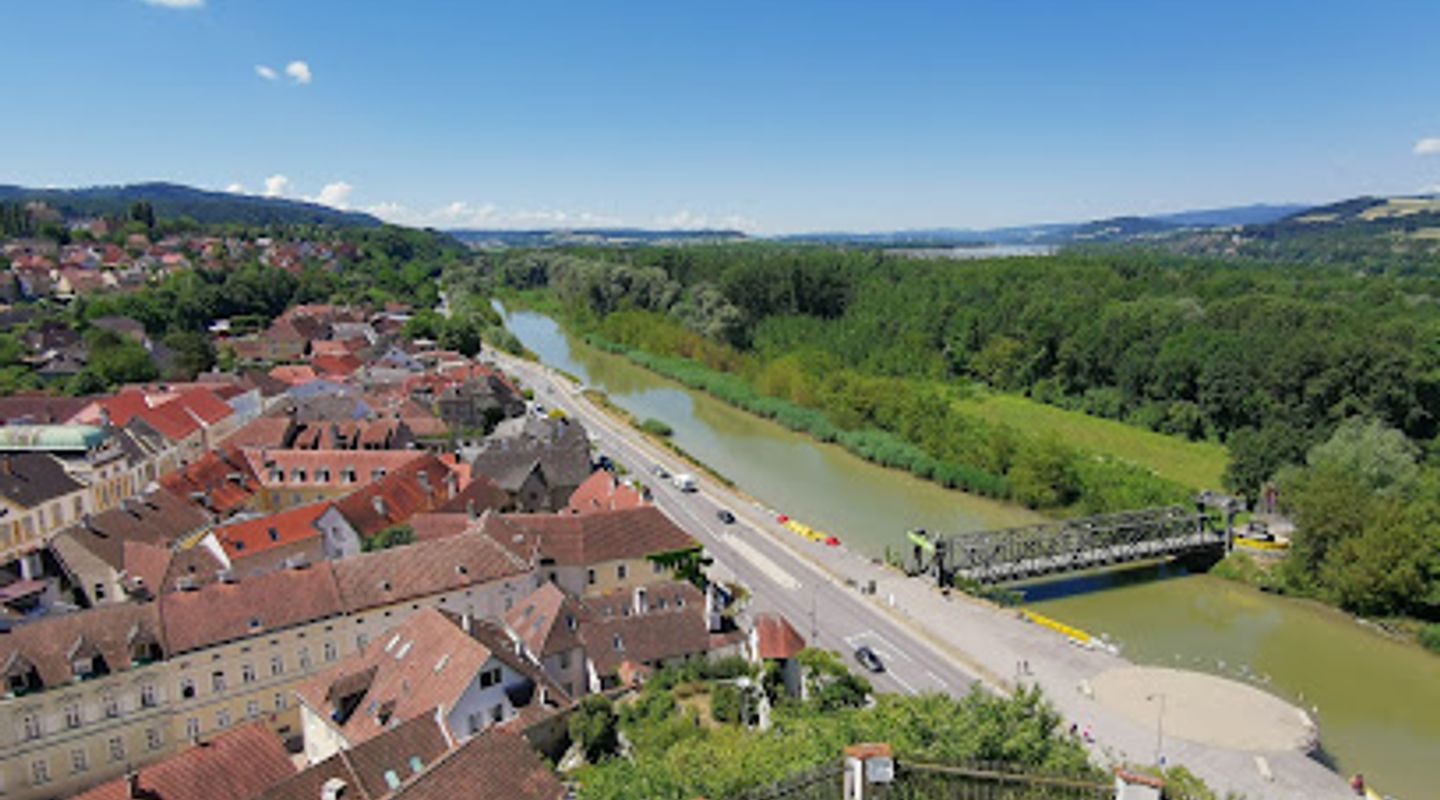
Melk Abbey, a stunning Benedictine abbey, stands majestically above the town of Melk, Austria, overlooking the Danube River. This Baroque masterpiece, a UNESCO World Heritage site, boasts a rich history, magnificent architecture, and a vibrant cultural atmosphere, drawing visitors from across the globe.
Opening hours
- Every day9 am–5:30 pm
Opening hours as listed on the venue’s Google Business Profile. Hours can change for services and special events, so check with the venue before you go.
- Address
- Abt-Berthold-Dietmayr-Straße 1, 3390 Melk
- Phone
- Website
Getting there
Walking
Public Transport
Driving
Discover more about Melk Abbey
Overview
Perched high above the Danube River, Melk Abbey is a glorious testament to Baroque architecture and Austrian history. Founded in 1089 when Leopold II, Margrave of Austria, gifted his castle to Benedictine monks, the abbey has been a spiritual and cultural hub for over nine centuries. The present-day Baroque structure, built between 1702 and 1736 by Jakob Prandtauer, is a sight to behold, its golden façade shimmering in the sunlight.Inside, visitors are greeted with opulent halls, intricate frescoes, and a world-renowned library housing over 100,000 volumes, including medieval manuscripts. The abbey church is a highlight, showcasing High Baroque architecture with its dazzling gold ornaments and inspiring frescoes. The Marble Hall impresses with its illusionistic ceiling paintings, while the Imperial Staircase spirals upwards in grandeur.Melk Abbey continues to be a working Benedictine monastery and a respected secondary school, blending tradition with modern life. The abbey park and gardens offer a tranquil escape, featuring Baroque trends, English landscape design elements, and contemporary art installations. The revitalized garden includes a Baroque pavilion with frescoes, a meditative Benedictine path, and the intriguing "Talking Stones".Throughout its history, Melk Abbey has been a center of learning and reform. In the 15th century, it spearheaded the Melk Reform movement, revitalizing monastic life in Austria and Southern Germany. The abbey also played a role in the Enlightenment and survived various threats, including the Napoleonic Wars and World War II. Today, Melk Abbey stands as a symbol of Austrian identity and a treasure trove of art, culture, and history.
Evendo Review Centre
 Google
Guest reviews
Explore Melk Abbey on the map
A handpicked selection of must-see spots near Melk Abbey, mapped for you.
Get your free copy of our complete guide to Melk Abbey, delivered straight to you.
Everything on this page, from opening hours and how to get there to Eve’s tips and the best time to go, in one PDF you can read offline, print or share.
Already have an account? Sign in
Your Melk Abbey guide is ready.
We'll send it to · Not you? Sign out

Getting your guide ready…
We are putting together a fresh copy of the Melk Abbey guide. This can take up to a minute.
This can take a few moments. If your browser asks, choose Allow so the download can start. You'll find the guide in your Downloads folder.
Nothing happened? Download it again
Sorry, the guide is taking longer than usual. Please try again in a minute, or get it by email instead.
Unlock the best of Melk Abbey
Skip-the-line tickets, guided tours with entry, and walking tours of the area, booked in a few clicks.
 Tour with entry
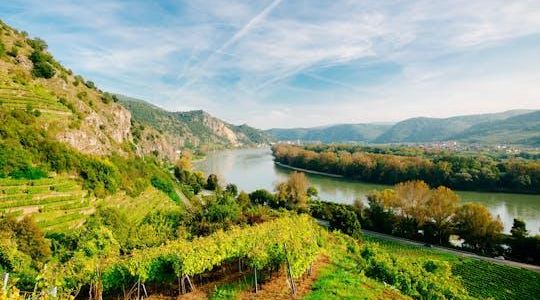
Wachau Valley day trip with river cruise on the Danube
from $127.00 Tour with entry
From Vienna to Hallstatt, Salzburg, Alps and Lakes Day Trip
from $133.40 Tour with entry
Cesky Krumlov and Wachau Danube Valley Tour from Vienna
from $144.07 Tour with entry
Vienna: Wachau Wonders & Magical Hallstatt Semi-Private Day Trip
from $180.36


Other nearby places you may find interesting
The closest places of the same kind, if this one is not quite what you had in mind.
-
-
-
-
-


Swipe for more places
More to explore near Melk Abbey

 Best experiences near Melk Abbey
 Best hotels near Melk Abbey
 Best landmarks near Melk Abbey
 Best attractions near Melk Abbey
 Best shops near Melk Abbey
 Best restaurants near Melk Abbey
 Best bars near Melk Abbey
Do you manage this location?
Take control to get all the benefits, like improved information, better appearance, and stronger visibility across AI-powered discovery.
Explore more

Explore more of Wachau
Explore Wachau Valley, Austria: A UNESCO World Heritage site known for its medieval towns, breathtaking landscapes, and world-class wine. Perfect for history and nature enthusiasts.
Explore Wachau
Explore more of Austria
Discover Austria's blend of alpine landscapes, rich cultural heritage, and culinary delights, from Vienna's historic charm to Tyrol's dramatic beauty.
Explore Austria