Free Wachau Travel Guide & Mobile App
Explore Wachau with free travel guides. Discover regional history, expert tips, proposed trips, and audio guides on web or mobile app.


Explore Wachau Valley, Austria: A UNESCO World Heritage site known for its medieval towns, breathtaking landscapes, and world-class wine. Perfect for history and nature enthusiasts.
Read more about Wachau
When is the best time to visit Wachau?
Best: June, August–September · 22–27°C| Month | High (°C) | Rainfall (mm) |
|---|---|---|
| January | 3 | 30 |
| February | 6 | 35 |
| March | 11 | 40 |
| April | 16 | 45 |
| May | 22 | 55 |
| June (best) | 25 | 65 |
| July | 27 | 70 |
| August (best) | 27 | 65 |
| September (best) | 22 | 55 |
| October | 16 | 45 |
| November | 9 | 40 |
| December | 5 | 35 |
Getting to and around Wachau
How to get there
Transportation
Destinations in Wachau
Resorts, valleys and scenic spots worth a trip of their own.

Swipe for more destinations
Best attractions in Wachau
Nestled along the serene banks of the Danube River, Wachau is a mesmerizing tapestry of medieval castles, charming villages, and lush vineyards that stretch as far as the eye can see. Visitors can embark on a scenic journey through time by exploring the imposing ruins of Burgruine Dürnstein, where Richard the Lionheart was famously imprisoned, or by wandering the cobblestone streets of Melk, home to the magnificent baroque Melk Abbey. The Wachau Valley is also a haven for wine enthusiasts, offering countless opportunities to sample world-renowned Wachau wines in picturesque settings. Don't miss the chance to cycle or cruise along the river, taking in the breathtaking landscapes dotted with terraced vineyards, apricot orchards, and ancient monasteries that make this UNESCO World Heritage site an unforgettable destination.
-
Tourist attraction
Tausendeimerberg
Hike through terraced vineyards, savor exquisite wines, and soak in breathtaking Danube views from Spitz's legendary Tausendeimerberg.
-
Tourist attraction
Schifffahrtsmuseum Spitz an der Donau
Explore the rich maritime history of the Danube at Schifffahrtsmuseum Spitz, featuring ship models and historical artifacts in a baroque setting.
-
Tourist attraction
Dominican Church
Explore the Dominican Church in Krems: a historic Gothic church showcasing contemporary art in a beautifully preserved medieval setting.
-
Observation deck
Aussichtswarte am Seekopf
Experience panoramic views of the Wachau's Danube Valley from the Aussichtswarte am Seekopf, a modern wooden observation tower accessible via scenic hiking trails.
Best landmarks in Wachau
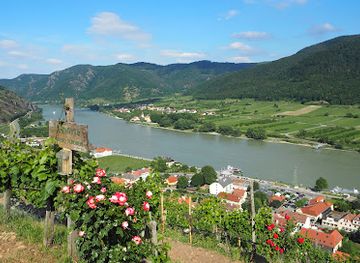
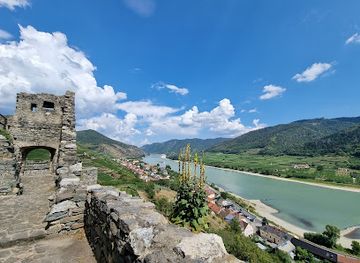
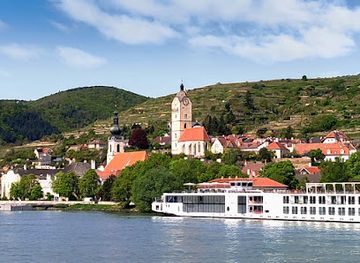
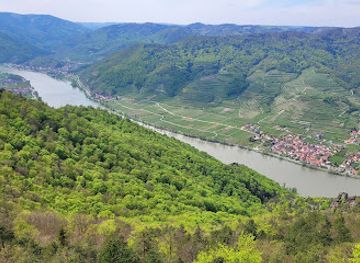
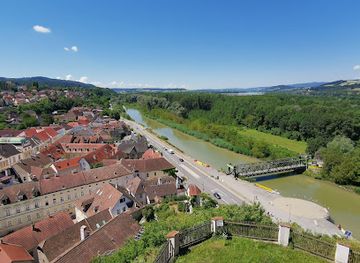
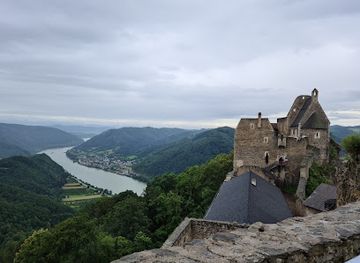
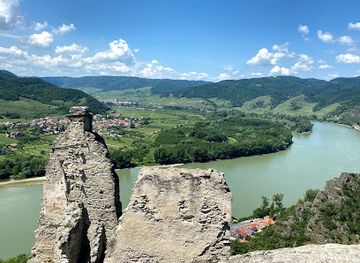
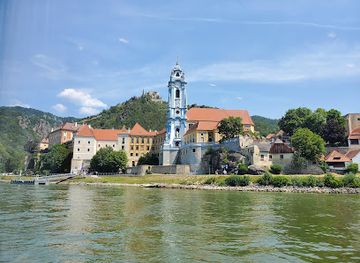
Nestled along the serene banks of the Danube River, the Wachau Valley in Austria is a tapestry of enchanting landmarks, blending natural beauty with rich history. Visitors can explore the majestic Melk Abbey, a stunning baroque masterpiece perched on a hill, offering panoramic views and a glimpse into monastic life. The medieval town of Dürnstein, with its iconic blue church tower and the ruins of the castle where Richard the Lionheart was imprisoned, is a must-see. Wander through the charming cobblestone streets of Krems, lined with historic buildings and quaint shops, or take a leisurely bike ride through lush vineyards that produce some of Austria's finest wines. The Wachau is also dotted with ancient fortresses like Aggstein Castle, which sits dramatically on a cliff, and the awe-inspiring Göttweig Abbey, known as the 'Austrian Monte Cassino.' Each turn in Wachau reveals a new story, making it a captivating destination for history buffs and nature lovers alike.
-
Abbey
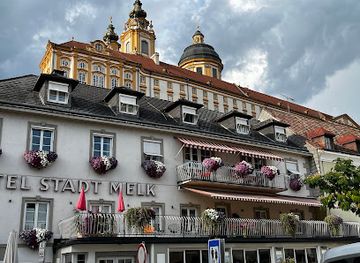
Melk Abbey
Discover Austria's Baroque jewel: Melk Abbey, a UNESCO site with stunning architecture, library, and gardens overlooking the Danube.
-
Historical landmark
Aggstein Castle
Explore a medieval castle ruin perched high above the Danube in Austria's Wachau Valley, offering history and stunning panoramic views.
-
Historical landmark
Dürnstein Castle
Explore the dramatic ruins of Dürnstein Castle, where Richard the Lionheart was once imprisoned, and enjoy stunning Wachau Valley views.
-
Monastery
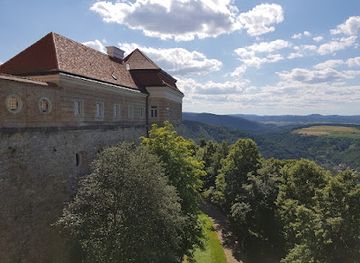
Göttweig Abbey
Discover Austria's 'Montecassino': A Baroque Benedictine abbey with stunning views, rich history, and spiritual significance in the Wachau Valley.
Explore Wachau on the map
Plan your trip on one map. See where the top cities, national parks and sights are, and book hotels and experiences in a few clicks.
Best hotels in Wachau
Best restaurants in Wachau
Nestled along the enchanting banks of the Danube River, the Wachau Valley offers a dining scene that is a feast for both the eyes and the palate. Visitors can expect to indulge in a rich tapestry of culinary delights, where every meal is an opportunity to savor the region's bounty. The local restaurants, often housed in charming historical buildings and surrounded by picturesque vineyards, serve up traditional Austrian dishes with a modern twist, featuring locally sourced ingredients such as fresh fish from the Danube, game from the surrounding forests, and the world-renowned Wachau apricots. Wine enthusiasts will find themselves in paradise, with an array of cozy heurigen and elegant wineries offering tastings of the valley's celebrated Grüner Veltliner and Riesling wines. The Wachau's dining establishments are not just about food, but about creating an immersive experience that celebrates the region's cultural and natural heritage.
-
Restaurant
Wellen.Spiel
Discover culinary excellence at Wellen.Spiel in Krems an der Donau—where local flavors meet stunning river views.
-
Restaurant
2Stein
Experience the fusion of traditional Austrian flavors and modern cuisine at 2Stein in Krems an der Donau.
-
Austrian
Rathauskeller - Der Melker Gasthof
Experience authentic Austrian cuisine and warm hospitality at Rathauskeller in beautiful Melk.
-
Restaurant
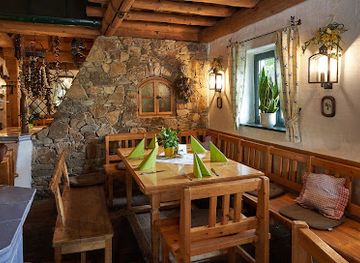
Heurigen-Restaurant Siedler
Experience authentic Austrian cuisine paired with exquisite local wines in a stunning setting at Heurigen-Restaurant Siedler.
Best bars in Wachau
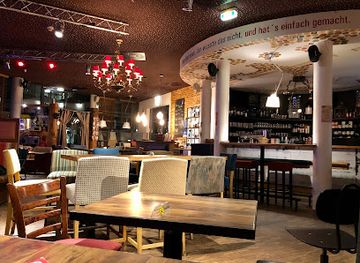
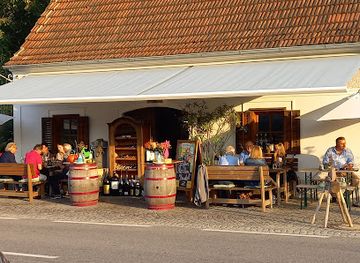
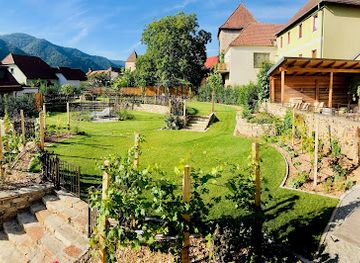
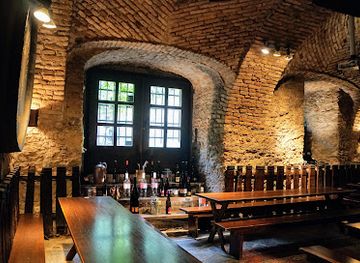
As the sun sets over the enchanting Wachau Valley, the nightlife scene comes alive, offering visitors a blend of rustic charm and modern sophistication. Picture yourself sipping on world-renowned local wines in intimate, candlelit wine taverns, known as 'Heurigen,' where the atmosphere is warm and inviting, and the centuries-old traditions come to life through the stories of local vintners. For those seeking a more contemporary experience, sleek bars in towns like Krems and Melk serve innovative cocktails crafted with local ingredients, while live music venues set the stage for an unforgettable evening under the stars. Whether you're enjoying a leisurely evening stroll along the Danube River or dancing the night away in a chic club, Wachau's nightlife promises a delightful mix of relaxation and excitement, making every moment magical.
-
Wine bar
Pulker`s Heuriger
Discover the authentic taste of Austria at Pulker's Heuriger, a charming wine bar in Rührsdorf, offering local wines and delightful cuisine.
-
Restaurant
KIRCHENWIRT Hotel Restaurant Wachau
Discover KIRCHENWIRT Hotel Restaurant Wachau - where exquisite Austrian cuisine meets breathtaking Danube Valley views.
-
Beer Garden
Gasthaus Spitzerl
Discover Gasthaus Spitzerl, a charming beer garden in Spitz, Austria, where local brews and traditional cuisine come together in a picturesque setting.
-
Restaurant
Alter Klosterkeller
Discover Alter Klosterkeller in Dürnstein, a charming restaurant and wine bar offering local flavors and exquisite wines amidst breathtaking scenery.
Best nightclubs in Wachau
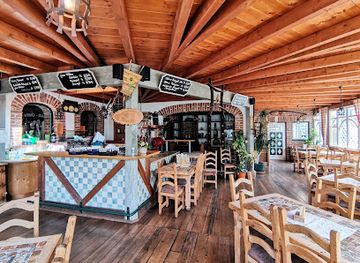
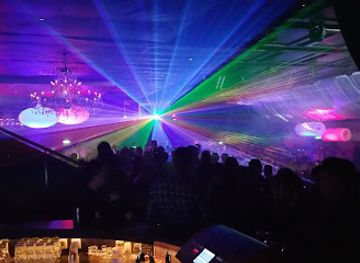
As the sun sets over the enchanting Wachau Valley, the nightlife scene comes alive, offering visitors a blend of rustic charm and modern sophistication. Picture yourself sipping on world-renowned local wines in intimate, candlelit wine taverns, known as 'Heurigen,' where the atmosphere is warm and inviting, and the centuries-old traditions come to life through the stories of local vintners. For those seeking a more contemporary experience, sleek bars in towns like Krems and Melk serve innovative cocktails crafted with local ingredients, while live music venues set the stage for an unforgettable evening under the stars. Whether you're enjoying a leisurely evening stroll along the Danube River or dancing the night away in a chic club, Wachau's nightlife promises a delightful mix of relaxation and excitement, making every moment magical.
-
Event venue
Eventstage Krems
Discover the energetic atmosphere of Eventstage Krems, a top-notch event venue perfect for nightlife and private gatherings in Krems an der Donau.
-
Night club
Warehouse
Discover the vibrant nightlife of St. Pölten at Warehouse, where great music and an electric atmosphere await every night!
-
Night club
California Funn Club - Nachtclub in Wien
Unleash your spirit at California Funn Club, Vienna's ultimate nightlife destination for music lovers and party enthusiasts.
-
Night club
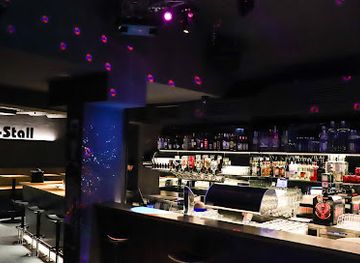
Q-Stall
Discover the vibrant nightlife at Q-Stall, Krems an der Donau's premier night club, offering electrifying music and a lively atmosphere.


Best shops in Wachau
Nestled along the picturesque Danube, Wachau offers a unique shopping experience that blends traditional Austrian charm with modern allure. Visitors can meander through quaint villages like Dürnstein and Melk, where cobblestone streets are lined with boutique shops selling locally-produced wines, apricot delicacies, and handcrafted goods. The region's rich heritage is reflected in artisan stores offering everything from hand-painted ceramics to traditional Austrian clothing. Farmers' markets burst with fresh produce, cheeses, and meats, providing a true taste of the local culture. Whether you're hunting for a unique souvenir or simply soaking in the local atmosphere, Wachau's shopping scene is a delightful journey through the heart of Austrian craftsmanship and culinary tradition.
-
Tourist attraction
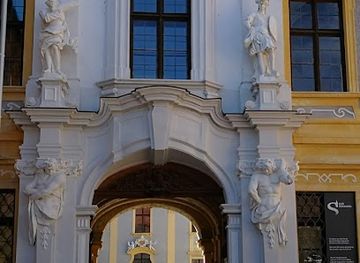
Stift Dürnstein
Discover the enchanting Stift Dürnstein, a historic monastery blending spiritual beauty with rich cultural heritage in the heart of Austria.
-
Supermarket
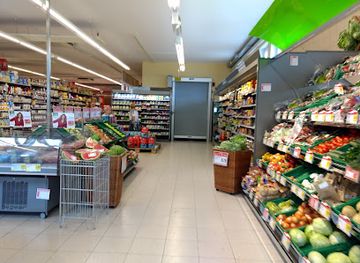
SPAR
Discover local flavors and everyday essentials at SPAR in Weißenkirchen, a charming supermarket filled with Austrian delights.
-
Winery
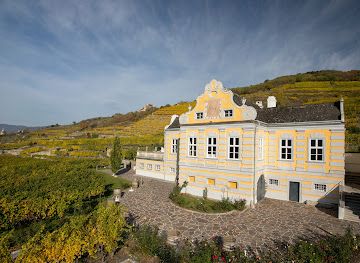
Domäne Wachau
Experience the rich flavors and stunning landscapes of Wachau Valley at Domäne Wachau, a premier winery and tourist destination.
-
Liquor store
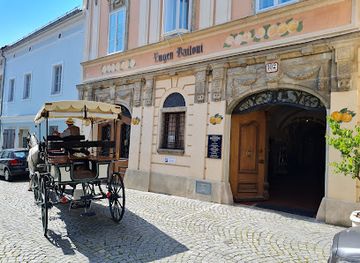
Bailoni: Erste Wachauer Marillen-Destillerie GmbH
Discover the art of apricot brandy at Bailoni, the Erste Wachauer Marillen-Destillerie, where tradition meets taste in the heart of Austria.
Get your free copy of our complete guide to Wachau, delivered straight to you.
Everything on this page, from attractions and restaurants to essentials and local phrases, in one PDF you can read offline, print or share.
Already have an account? Sign in
Your Wachau guide is ready.
We'll send it to · Not you? Sign out

Getting your guide ready…
We are putting together a fresh copy of the Wachau guide. This can take up to a minute.
This can take a few moments. If your browser asks, choose Allow so the download can start. You'll find the guide in your Downloads folder.
Nothing happened? Download it again
Sorry, the guide is taking longer than usual. Please try again in a minute, or get it by email instead.
Wachau essentials
Currency and Payment
Safety
Emergency Situations
Do's and Don'ts
Local Tips
From Eve
Local phrases worth knowing
You don't need to get them perfect. A few words go a long way, and locals appreciate the effort.
Basics
| English | Local | Say it |
|---|---|---|
| Hello | Howdy | [haʊdi] |
| Goodbye | See ya | [si jə] |
| Yes | Yup | [jʌp] |
| No | Nope | [noʊp] |
| Please/You're welcome | Sure thing | [ʃʊr θɪŋ] |
| Thank you | Thanks | [θæŋks] |
| Excuse me/Sorry | Pardon me | [ˈpɑrdən mi] |
| How are you? | How's it going? | [haʊz ɪt ˈɡoʊɪŋ] |
| Fine. And you? | Good. You? | [ɡʊd. ju?] |
| Do you speak English? | Do ya speak English? | [du jə spiːk ˈɪŋɡlɪʃ] |
| I don't understand | I don't get it | [aɪ doʊnt ɡɛt ɪt] |
Eating & Drinking
| English | Local | Say it |
|---|---|---|
| I'd like to see the menu, please | Can I see the menu? | [kæn aɪ si ðə ˈmɛnju] |
| I don't eat meat | I’m a vegetarian | [aɪm ə ˌvɛdʒɪˈtɛriən] |
| Cheers! | Cheers! | [tʃɪrz] |
| I would like to pay, please | Can I get the check? | [kæn aɪ ɡɛt ðə tʃɛk] |
Emergencies
| English | Local | Say it |
|---|---|---|
| Help! | Help! | [hɛlp] |
| Go away! | Leave me alone! | [liːv mi əˈloʊn] |
| Call the Police! | Call 911! | [kɔl nɑɪn wʌn wʌn] |
| Call a doctor! | Get a doctor! | [ɡɛt ə ˈdɑktər] |
| I'm lost | I’m lost | [aɪm lɔst] |
| I'm ill | I’m not feeling well | [aɪm nɑt ˈfiːlɪŋ wɛl] |
Shopping
| English | Local | Say it |
|---|---|---|
| I'd like to buy... | I want to buy... | [aɪ wɑnt tə baɪ] |
| I'm just looking | Just browsing | [dʒʌst ˈbraʊzɪŋ] |
| How much is it? | What’s the price? | [wʌts ðə praɪs] |
| That's too expensive | That's pricey | [ðæts ˈpraɪsi] |
| Can you lower the price? | Can you bring down the price? | [kæn jə brɪŋ daʊn ðə praɪs] |
Time & Numbers
| English | Local | Say it |
|---|---|---|
| What time is it? | What time is it? | [wʌt taɪm ɪz ɪt] |
| It's one o'clock | It's one | [ɪts wʌn] |
| Half past (10) | Half past ten | [hæf pæst tɛn] |
| Morning | Morning | [ˈmɔrnɪŋ] |
| Afternoon | Afternoon | [ˌæftərˈnun] |
| Evening | Evening | [ˈivnɪŋ] |
| Yesterday | Yesterday | [ˈjɛstərdeɪ] |
| Today | Today | [təˈdeɪ] |
| Tomorrow | Tomorrow | [təˈmɔroʊ] |
| 1 | One | [wʌn] |
| 2 | Two | [tu] |
| 3 | Three | [θri] |
| 4 | Four | [fɔr] |
| 5 | Five | [faɪv] |
| 6 | Six | [sɪks] |
| 7 | Seven | [sɛvən] |
| 8 | Eight | [eɪt] |
| 9 | Nine | [naɪn] |
| 10 | Ten | [tɛn] |
Transport & Directions
| English | Local | Say it |
|---|---|---|
| Where's a/the...? | Where's the...? | [wɛrz ðə] |
| What's the address? | What's the address? | [wʌts ði əˈdrɛs] |
| Can you show me (on the map)? | Can you show me on the map? | [kæn jə ʃoʊ mi ɑn ðə mæp] |
| When's the next (bus)? | When's the next bus? | [wɛnʔs ðə nɛkst bʌs] |
| A ticket (to ....) | A ticket to ... | [ə ˈtɪkɪt tə ...] |
History of Wachau
Ancient Roots
The Wachau Valley, nestled along the Danube River, has been inhabited since prehistoric times. Archaeological finds, such as the Venus of Willendorf, a statuette dating back to 25,000 BCE, testify to the region's ancient human settlement. The valley's fertile land and strategic location made it an ideal place for early communities to thrive.
Roman Influence
During the Roman era, the Wachau was an important part of the Noricum province. The Romans recognized the region's agricultural potential and established vineyards, some of which are still in use today. The remnants of Roman fortifications and settlements can be found throughout the valley, reflecting its significance in the ancient Roman trade and defense networks.
Medieval Flourish
The medieval period saw the Wachau Valley become a hub of cultural and economic activity. The construction of monasteries, churches, and castles, such as the iconic Melk Abbey and the imposing Aggstein Castle, underscored the region's importance. These structures served not only as religious and defensive institutions but also as centers of learning and commerce.
Baroque Splendor
The Baroque period left an indelible mark on the Wachau Valley. The 17th and 18th centuries saw the renovation and embellishment of many medieval structures in the opulent Baroque style. Melk Abbey, with its stunning frescoes, grand library, and ornate architecture, stands as a testament to this era's artistic and architectural achievements.
Napoleonic Wars
The Wachau Valley played a role in the Napoleonic Wars, particularly during the Battle of Dürnstein in 1805. This clash between the French and a coalition of Austrian and Russian forces was a significant event in the War of the Third Coalition. The battle's outcome hindered Napoleon's advance along the Danube, marking a key moment in the region's military history.
Wine Heritage
The Wachau is renowned for its wine production, a tradition dating back to Roman times. The valley's unique microclimate, combined with its terraced vineyards, produces some of Austria's finest white wines, particularly Grüner Veltliner and Riesling. The area's wine culture is celebrated annually during the Wachau Wine Spring, where local winemakers open their cellars to visitors.
UNESCO World Heritage Site
In 2000, the Wachau Valley was designated a UNESCO World Heritage Site, recognizing its outstanding landscape and cultural significance. The valley's mix of natural beauty, historical architecture, and preserved traditions make it a unique and valuable region. This designation has helped to promote and protect the Wachau's rich heritage for future generations.
Modern Wachau
Today, the Wachau Valley is a vibrant blend of history, culture, and tourism. The region attracts visitors from around the world who come to explore its historic towns, such as Krems and Dürnstein, enjoy its renowned wines, and experience the stunning landscape along the Danube River. The Wachau's preservation efforts ensure that its historical and cultural legacy continues to thrive.
Wachau in Photos
Browse through our photo collection highlighting the charm and character of the destination.
Neighbouring regions of Wachau
The closest regions to Wachau, if you have time for more than one.
-

-

-

-

-


Swipe for more regions