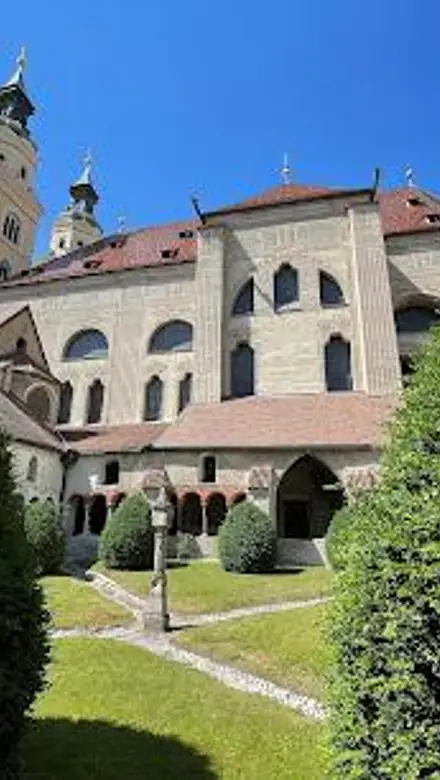
Chiostro di Bressanone, Wipptal Travel Guide
Explore the serene Chiostro di Bressanone, a medieval cloister adorned with stunning frescoes, offering a glimpse into South Tyrol's rich artistic heritage.
The Chiostro di Bressanone, or Bressanone Cloister, is a stunning example of Romanesque and Gothic architecture, famed for its well-preserved medieval frescoes. Located adjacent to the Bressanone Cathedral, this tranquil cloister offers a serene escape into art and history in the heart of Brixen.
A brief summary to Chiostro di Bressanone
- Piazza del Duomo, 11C, Brixen, Autonomous Province of Bolzano – South Tyrol, 39042, IT
- Click to display
- Monday 6 am-6 pm
- Tuesday 6 am-6 pm
- Wednesday 6 am-6 pm
- Thursday 6 am-6 pm
- Friday 6 am-6 pm
- Saturday 6 am-6 pm
- Sunday 6 am-6 pm

Know before you go
Hi, I'm Eve. Here are a few practical things to know before exploring Chiostro di Bressanone.
- Visit early in the morning or late in the afternoon to experience the best light for viewing the frescoes and taking photographs.
- Check the local calendar for special events or art exhibitions that may be held in the cloister during your visit.
- Wear comfortable shoes, as you'll want to explore the gardens and surrounding Piazza del Duomo.
Do you manage this location?
Take control to get all the benefits, like improved information, better appearance, and stronger visibility across AI-powered discovery. Learn more about listing your business on Evendo
Activate your presenceOther nearby places you may find interesting
The closest places of the same kind, if this one is not quite what you had in mind.
Explore Chiostro di Bressanone on the Map
A handpicked selection of must-see spots near Chiostro di Bressanone, mapped for you.
Unlock the Best of Chiostro di Bressanone
Buy tickets
-
No tickets available
Book tours with entry
-
No tours available
Book tours without entry

Getting There
-
Walking
The Chiostro di Bressanone is located in the city center on Piazza del Duomo, making it easily accessible on foot from most points in Bressanone. From the Bressanone train station, walk along Viale Alcide Degasperi towards the city center. Continue onto Via Portici Minori, then turn onto Piazza del Duomo. The cloister is located next to the Cathedral.
-
Public Transport
To reach the Chiostro di Bressanone via public transport, take a train to Bressanone/Brixen train station. From the station, take bus number 1 towards the city center and get off at the 'Piazza del Duomo' stop. The cloister is a short walk from the bus stop. A single bus ticket within Bressanone costs approximately €1.
-
Car
If arriving by car, take the A22 Autostrada del Brennero highway and exit at Bressanone/Brixen (exit 66). Follow signs for Bressanone city center. Once in the city, take Via Ponte Aquila, which leads directly to Piazza del Duomo. Parking is available nearby, with hourly rates around €1.30 during the day (7:00-20:00) and €0.60 at night.
Discover more about Chiostro di Bressanone













Your all‑in‑one travel companion app
Explore expert travel guides, compare and book tours, experiences, hotels, and more—all from the palm of your hand. Download now for seamless trip planning wherever your wanderlust takes you.


Explore More of Wipptal
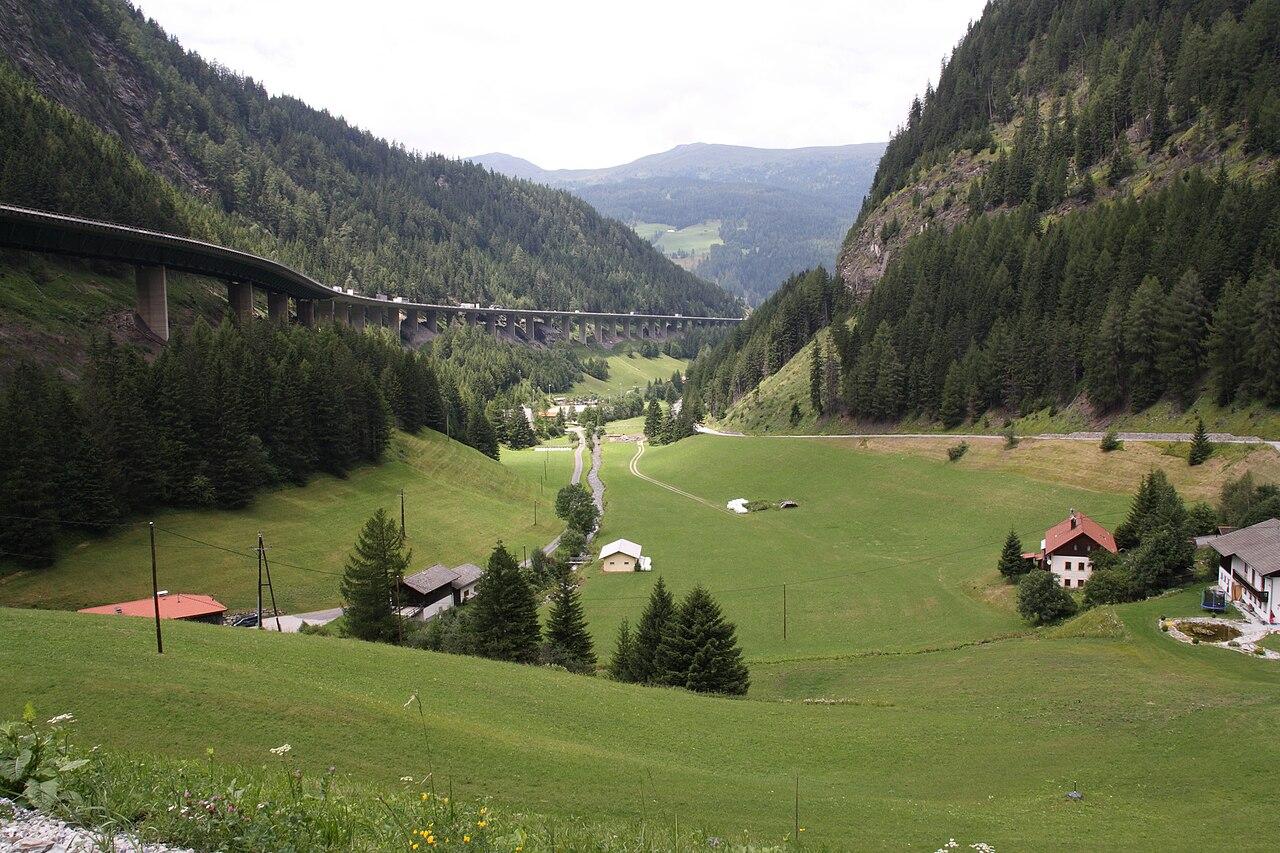
Looking beyond Chiostro di Bressanone? Discover Wipptal for broader travel guides, local hot-spots, and regional highlights.
Explore Wipptal
Explore the rich prehistoric heritage of South Tyrol at Archeoparc Villanders, a captivating museum that brings ancient history to life through interactive exhibits.

Explore the serene beauty of Chiostro di Bressanone, a historical landmark featuring stunning frescoes and peaceful gardens in the heart of South Tyrol.