

Franzensfeste Fortress Travel Guide
Free Guide: Explore a colossal 19th-century fortress in South Tyrol, now a vibrant museum blending military history with contemporary art and stunning alpine views.


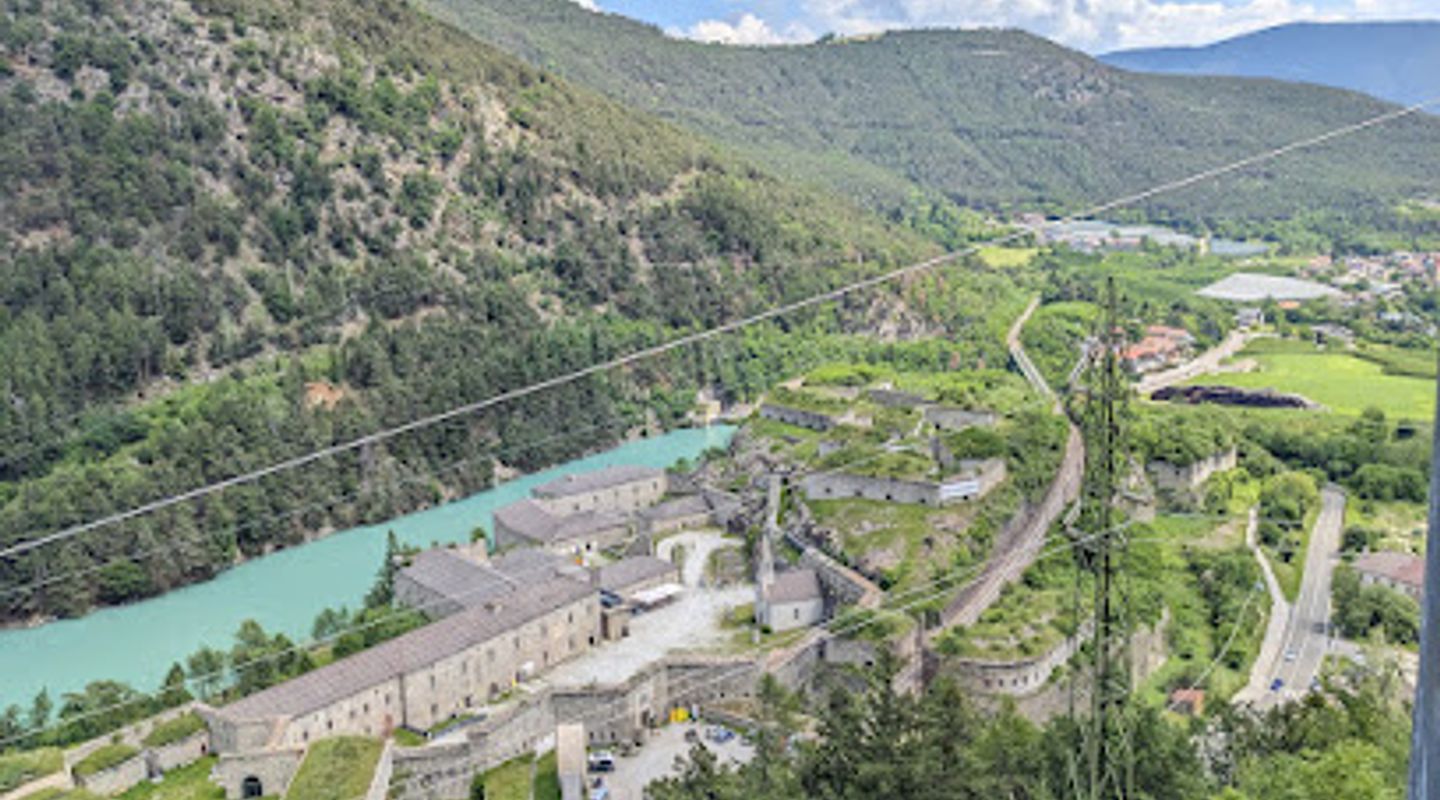
A brief summary of Franzensfeste Fortress
Explore a colossal 19th-century fortress in South Tyrol, now a vibrant museum blending military history with contemporary art and stunning alpine views.
Franzensfeste Fortress, a 19th-century Austrian military masterpiece in South Tyrol, stands as a testament to strategic ambition and architectural prowess. Built to control the Brenner Pass, it ironically lost its strategic value soon after completion and became a depot. Today, it's a museum and event space, hosting art exhibitions and offering guided tours through its vast complex of tunnels, courtyards, and casemates.
Opening hours
- MonClosed
- Tue10 am–6 pm
- Wed10 am–6 pm
- Thu10 am–6 pm
- Fri10 am–6 pm
- Sat10 am–6 pm
- Sun10 am–6 pm
Opening hours as listed on the venue’s Google Business Profile. Hours can change for services and special events, so check with the venue before you go.
- Address
- Via Brennero, 39045 Fortezza BZ, Italy
- Phone
- Website
Getting there
Train
Car
Bus
Discover more about Franzensfeste Fortress
Overview
Nestled in the Eisack Valley of South Tyrol, Italy, the Franzensfeste Fortress emerges as a colossal reminder of 19th-century Austrian military ambition. Construction began in 1833 under Emperor Francis I, with the intent to create an impenetrable barrier guarding the crucial Brenner Pass. Completed in 1838, the fortress, also known as Forte di Fortezza, sprawls across 65,000 square meters, making it the largest historical complex in South Tyrol.Designed by Franz von Scholl, the fortress is a marvel of military engineering, featuring bomb-proof gun emplacements, intricate internal defenses, and a labyrinth of tunnels and corridors. However, its strategic importance waned almost immediately after its completion, rendering its immense cost and effort somewhat futile. For over a century and a half, it served primarily as a military depot, a silent giant steeped in unfulfilled purpose.In 2003, the military vacated the fortress, and it was opened to the public after extensive renovations. Today, Franzensfeste is a dynamic cultural hub, hosting contemporary art exhibitions, historical displays, and various events. Visitors can explore its vast interiors, including the underground staircase with 452 steps leading to the Upper Fortress, offering panoramic views of the surrounding landscape. The fortress also holds a secret from World War II: it once served as a hiding place for a vast treasure of Italian monetary gold.The fortress offers guided tours that delve into its history, architecture, and the stories hidden within its walls. Exhibitions blend history with contemporary art, creating a unique dialogue between past and present. The site also includes a neo-Gothic chapel, adding another layer to its architectural diversity.
Evendo Review Centre
 Google
Guest reviews
Explore Franzensfeste Fortress on the map
A handpicked selection of must-see spots near Franzensfeste Fortress, mapped for you.
Get your free copy of our complete guide to Franzensfeste Fortress, delivered straight to you.
Everything on this page, from opening hours and how to get there to Eve’s tips and the best time to go, in one PDF you can read offline, print or share.
Already have an account? Sign in
Your Franzensfeste Fortress guide is ready.
We'll send it to · Not you? Sign out

Getting your guide ready…
We are putting together a fresh copy of the Franzensfeste Fortress guide. This can take up to a minute.
This can take a few moments. If your browser asks, choose Allow so the download can start. You'll find the guide in your Downloads folder.
Nothing happened? Download it again
Sorry, the guide is taking longer than usual. Please try again in a minute, or get it by email instead.
Other nearby places you may find interesting
The closest places of the same kind, if this one is not quite what you had in mind.
-
-
-
-
-


Swipe for more places
More to explore near Franzensfeste Fortress

 Best experiences near Franzensfeste Fortress
 Best hotels near Franzensfeste Fortress
 Best landmarks near Franzensfeste Fortress
 Best attractions near Franzensfeste Fortress
 Best shops near Franzensfeste Fortress
 Best restaurants near Franzensfeste Fortress
 Best bars near Franzensfeste Fortress
Do you manage this location?
Take control to get all the benefits, like improved information, better appearance, and stronger visibility across AI-powered discovery.
Explore more

Explore more of Wipptal
Discover Wipptal, Austria's scenic Alpine gem, where nature, adventure, and culture come together amidst stunning mountain landscapes and charming villages.
Explore Wipptal
Explore more of Austria
Discover Austria's blend of alpine landscapes, rich cultural heritage, and culinary delights, from Vienna's historic charm to Tyrol's dramatic beauty.
Explore Austria
