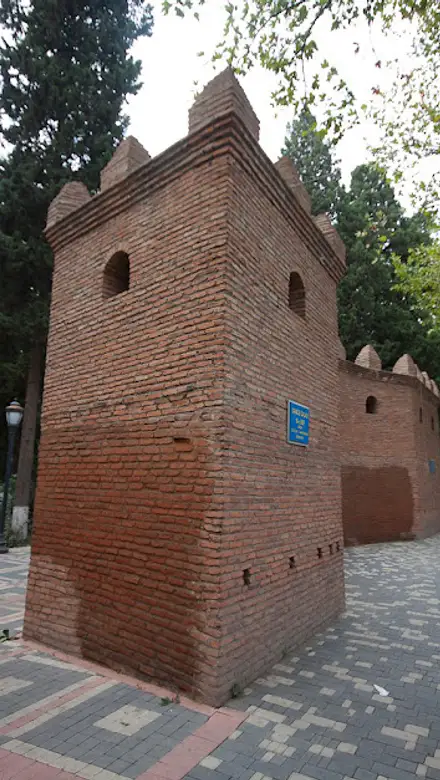
Gəncə Qalası, Ganja Travel Guide
Free Guide: Explore the remnants of Ganja Fortress, a 16th-century defensive structure and a window into the city's vibrant past.


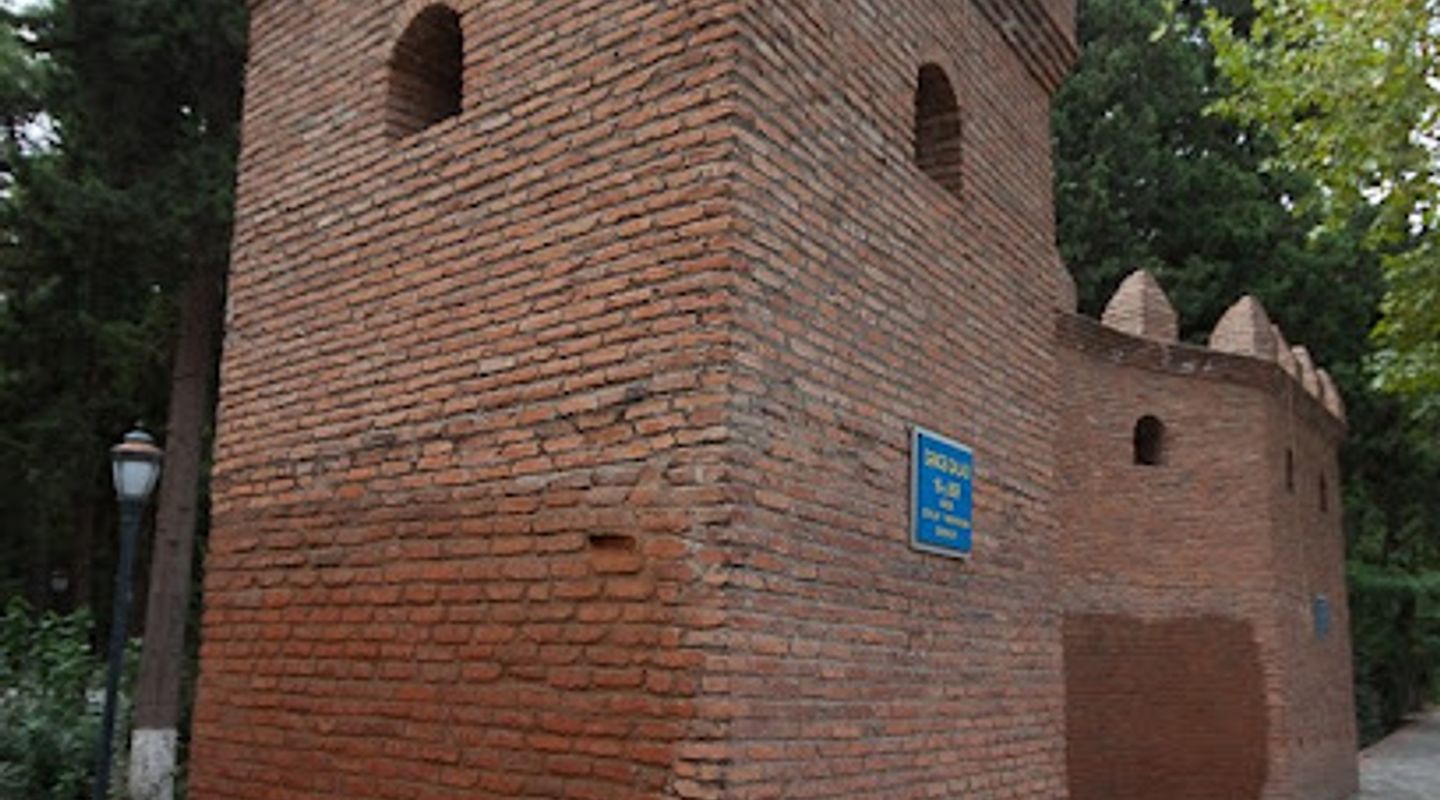
A brief summary of Gəncə Qalası
Explore the remnants of Ganja Fortress, a 16th-century defensive structure and a window into the city's vibrant past.
The Ganja Fortress, dating back to the 16th century, stands as a powerful reminder of Ganja's rich and often turbulent past. Though largely reduced to remnants, the remaining walls and towers evoke the spirit of the city's past, offering visitors a tangible connection to the civilizations that have shaped the region.
- Address
- M9G4+M3W, Gala street, Ganja 2000
Getting there
Walking
Public Transport
Taxi
Discover more about Gəncə Qalası
Overview
The Ganja Fortress Complex is a testament to Ganja's rich history. Constructed in the late 16th century under the Ottoman commander Farhad Pasha, the fortress was a strategic response to power shifts in the Caucasus. Ganja had fallen to the Ottomans in 1588, prompting the construction of this defensive structure.The fortress was built rapidly, reportedly completed in just over a month. Its walls, stretching over two kilometers, were constructed from clay-mud, cobblestones, and the red bricks characteristic of Ganja's architecture. The fortress divided Ganja into distinct quarters: the outer city, Shahristan, Ichgala, and Naringala, each playing a specific role in the city's economic and social life. It was a bustling hub of trade and culture, a vital link along the Silk Road.Over the centuries, the Ganja Fortress witnessed numerous conflicts and shifts in power, serving as a battleground between the Ottomans and Safavids. The devastating earthquake of 1139 took a heavy toll on the fortress, though it was rebuilt. Today, a small part of the Ganja Fortress remains. Visitors can see remnants of the walls in Khan's Garden, the city's oldest park, and near the Ganja River. The most prominent remaining section is the Shiralibey Tower.
Evendo Review Centre
 Google
Guest reviews
Explore Gəncə Qalası on the map
A handpicked selection of must-see spots near Gəncə Qalası, mapped for you.
Get your free copy of our complete guide to Gəncə Qalası, delivered straight to you.
Everything on this page, from opening hours and how to get there to Eve’s tips and the best time to go, in one PDF you can read offline, print or share.
Already have an account? Sign in
Your Gəncə Qalası guide is ready.
We'll send it to · Not you? Sign out

Getting your guide ready…
We are putting together a fresh copy of the Gəncə Qalası guide. This can take up to a minute.
This can take a few moments. If your browser asks, choose Allow so the download can start. You'll find the guide in your Downloads folder.
Nothing happened? Download it again
Sorry, the guide is taking longer than usual. Please try again in a minute, or get it by email instead.
Other nearby places you may find interesting
The closest places of the same kind, if this one is not quite what you had in mind.
-
-
-
-
-


Swipe for more places
More to explore near Gəncə Qalası

 Best experiences near Gəncə Qalası
 Best hotels near Gəncə Qalası
 Best landmarks near Gəncə Qalası
 Best attractions near Gəncə Qalası
 Best shops near Gəncə Qalası
 Best restaurants near Gəncə Qalası
 Best bars near Gəncə Qalası
Do you manage this location?
Take control to get all the benefits, like improved information, better appearance, and stronger visibility across AI-powered discovery.
Explore more

Explore more of Ganja
Discover Ganja, Azerbaijan's second-largest city, where rich history, vibrant culture, and stunning architecture create a unique and unforgettable travel experience.
Explore Ganja
Explore more of Azerbaijan
Discover Azerbaijan: A captivating blend of ancient heritage, stunning natural landscapes, and vibrant modernity at the crossroads of Europe and Asia.
Explore Azerbaijan