

Kish Albanian Temple: A Testament to Caucasian Albanian History
Explore the ancient Kish Albanian Temple near Sheki, a cradle of Christianity in the Caucasus, showcasing unique architecture and a rich history.
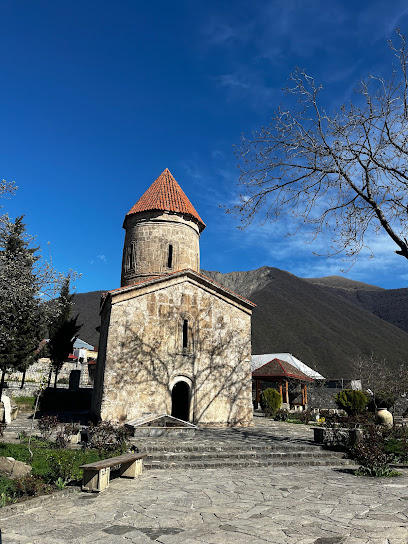
Nestled in the village of Kish near Sheki, Azerbaijan, the Kish Albanian Temple offers a glimpse into early Christianity in the Caucasus. Believed to be founded in the 1st century AD by St. Eliseus, it stands as a monument to Caucasian Albania's cultural legacy. The current structure dates back to the 12th century, with archaeological evidence suggesting the site was sacred long before Christianity.
A brief summary to Kish Albanian Temple
- 65XV+H7W, Kiş, 5500, AZ
Local tips
- Combine your visit to the Kish Albanian Temple with a trip to Sheki to explore other historical sites like the Sheki Khan's Palace and Caravanserai.
- Wear comfortable shoes for walking on the cobblestone streets of Kish village and exploring the temple grounds.
- Consider hiring a local guide to learn more about the history and significance of the temple and the surrounding area.

Getting There
-
Public Transport
From Sheki city center, take a local minibus (marshrutka) from the new bazaar towards Kish. The ride takes approximately 15-20 minutes. The fare is around 0.4 AZN. From the Kish bus stop, walk approximately 500 meters to the temple. Follow the main road into the village; the temple will be on your left.
-
Taxi/Ride-Share
A taxi or ride-share from Sheki city center to the Kish Albanian Temple costs approximately 4-6 AZN and takes around 10-15 minutes. Taxis are readily available in Sheki. Dial *0066 or *5577 for taxis in Sheki.
Discover more about Kish Albanian Temple
Iconic landmarks you can’t miss

Kish Albanian Temple
0.0 km
Explore the ancient Kish Albanian Temple near Sheki, a cradle of Christianity in the Caucasus, showcasing unique architecture and a rich history.
Marxal Resort & Spa
0.9 km
Experience luxurious comfort amidst the Caucasus Mountains at Marxal Resort & Spa, Sheki, Azerbaijan. A perfect blend of relaxation and cultural exploration.

SHEKİ HOTEL
2.1 km
Experience comfort and convenience at SHEKİ HOTEL, your gateway to exploring the historic Silk Road city of Sheki, Azerbaijan.
Şəki Xan Sarayı (The Palace of Shaki Khans)
5.0 km
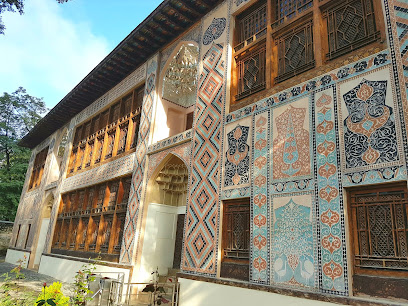
Discover Azerbaijan's architectural gem: The Palace of Shaki Khans, a UNESCO World Heritage Site with stunning mosaics and rich history.
Central Hostel
5.1 km
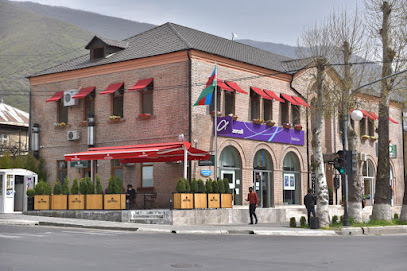
Experience comfort and convenience in the heart of Sheki at Central Hostel, your perfect base for exploring Azerbaijan's historic Silk Road city.
Shakikhanovs' Palace
5.2 km
Explore the Shakikhanovs' Palace in Sheki, a unique blend of traditional architecture and palatial design reflecting Azerbaijan's rich cultural heritage.
House Museum of Mirza Fatali Akhundzadeh
5.2 km
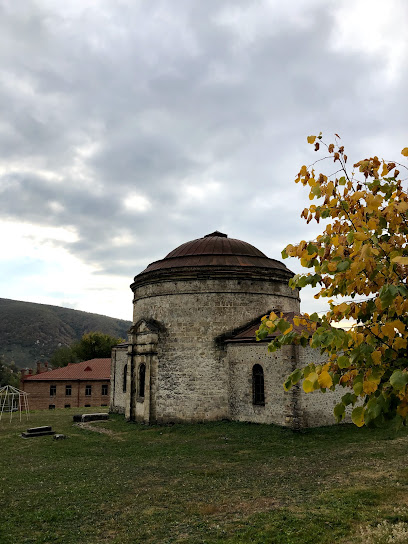
Explore the life and legacy of Mirza Fatali Akhundzadeh, the founder of Azerbaijani dramaturgy, at his historic house museum in Sheki.
Macara Sheki City Hotel
5.2 km
Experience comfort and convenience at Macara Sheki City Hotel, your ideal starting point for exploring the historic city of Sheki, Azerbaijan.
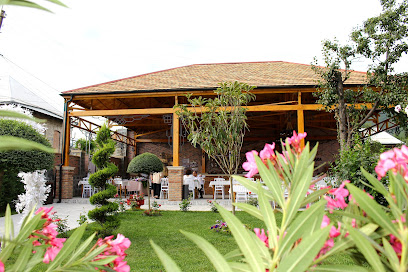
Issam Hotel & Spa
5.3 km
Experience comfort and tranquility at Issam Hotel & Spa in Sheki, Azerbaijan, with stunning views, luxurious amenities, and a relaxing spa.
Sheki Saray Hotel
5.3 km
Experience comfort and convenience in the heart of Sheki, with easy access to historical sites, cultural experiences, and delicious Azerbaijani cuisine.
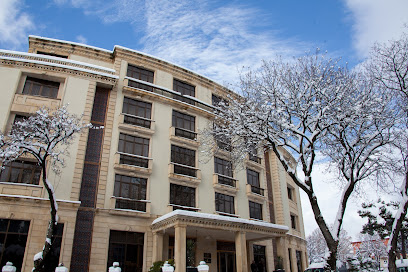
Karvansaray
5.3 km
Experience the grandeur of the Silk Road at Sheki's Karvansaray, a historic trading post and architectural marvel.
Upper Caravanserai
5.3 km
Explore Sheki's Upper Caravanserai: A beautifully preserved Silk Road caravanserai offering a unique glimpse into Azerbaijan's rich history and culture.
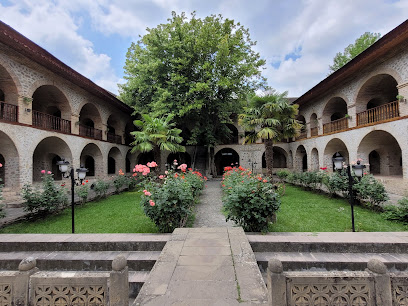
Lower Caravanserai
5.4 km
Step back in time at Sheki's Lower Caravanserai, a Silk Road haven of history, architecture, and culture, offering a unique glimpse into Azerbaijan's past.
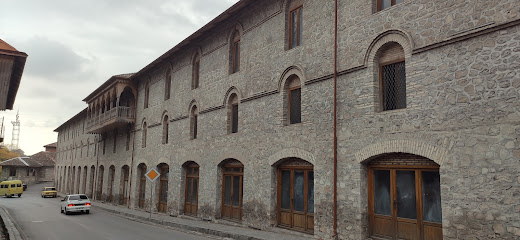
Sheki Palace Hotel
5.4 km
Experience Azerbaijani hospitality at Sheki Palace Hotel, a luxurious retreat near the historic Khan's Palace.
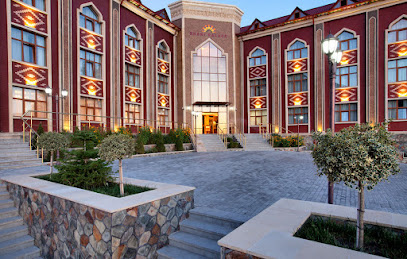
Old Town Sheki Hotel and Restaurant
5.4 km
Experience the charm of Sheki at this hotel and restaurant, blending Silk Road history with modern comfort in the heart of the Old Town.
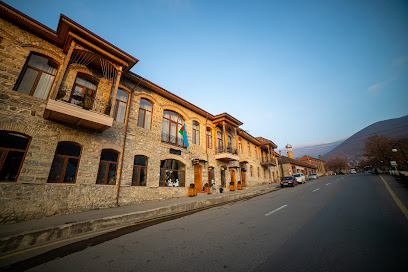
Unmissable attractions to see

Xan Yaylağı (2100) Khan's Pasture
3.1 km
Discover the breathtaking beauty of Xan Yaylağı, a highland pasture near Sheki, Azerbaijan, offering panoramic views, tranquil hiking, and a glimpse into traditional mountain life.
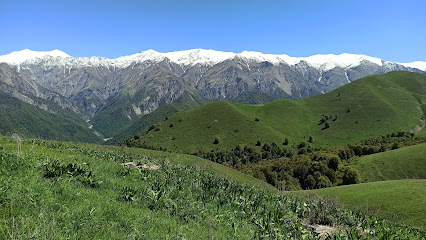
Galarsan-Gorarsan Fortress
3.4 km
Discover the Galarsan-Gorarsan Fortress in Sheki: a medieval marvel with breathtaking views and a defiant history along the ancient Silk Road.
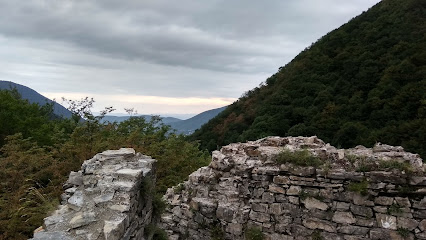
Qaynar Kənd
4.7 km
Discover the serene beauty and rich culture of Qaynar Kənd, a hidden gem near Sheki, Azerbaijan, offering an authentic glimpse into rural life.
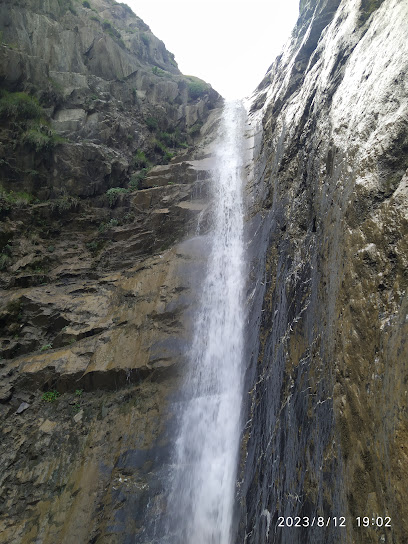
Shebeke Workshop
5.0 km
Discover the ancient Azerbaijani art of Shebeke in Sheki, where intricate stained glass mosaics are crafted without glue or nails, a Silk Road legacy.
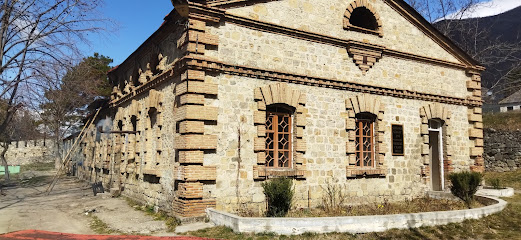
Shaki Castle
5.0 km
Explore the historic Shaki Castle in Azerbaijan, a testament to the Shaki Khanate's rich heritage and architectural brilliance. A UNESCO World Heritage Site.
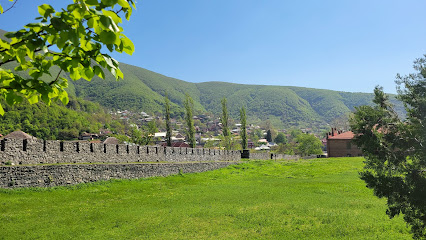
Museum Of History, Ethnography And Local Lore
5.0 km
Discover Sheki's captivating history and culture through a vast collection of artifacts at this local museum.
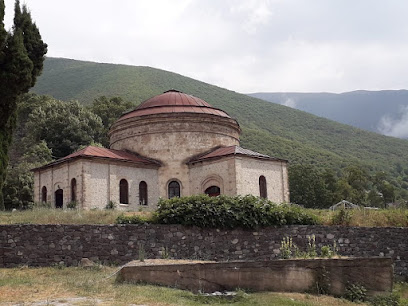
Winter Palace - House of Sheki Khan's
5.2 km
Discover the Winter Palace in Sheki, Azerbaijan: a historical gem showcasing exquisite architecture & the rich cultural heritage of the Sheki Khanate.
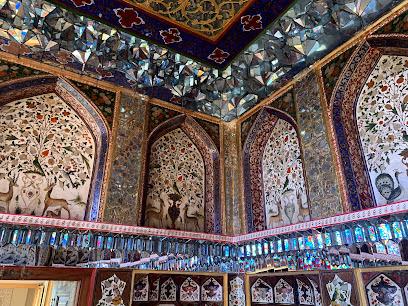
Khan Mosque and Cemetary
5.2 km
Explore Sheki's Khan Mosque and Cemetery, a testament to the Khanate era, featuring stunning architecture, a historic cemetery, and a fascinating museum.
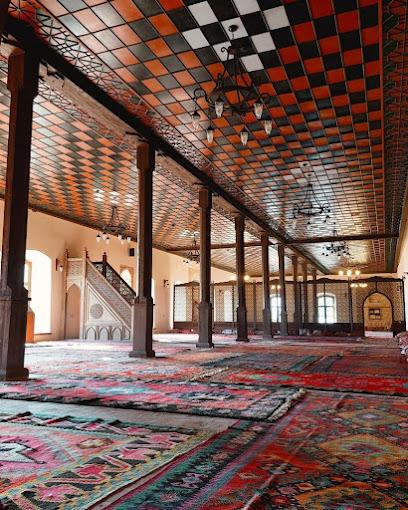
Yurd Yaddashi Miniature Museum
5.3 km
Discover Sheki's architectural heritage in miniature at this unique museum, showcasing the city's iconic landmarks and cultural treasures.
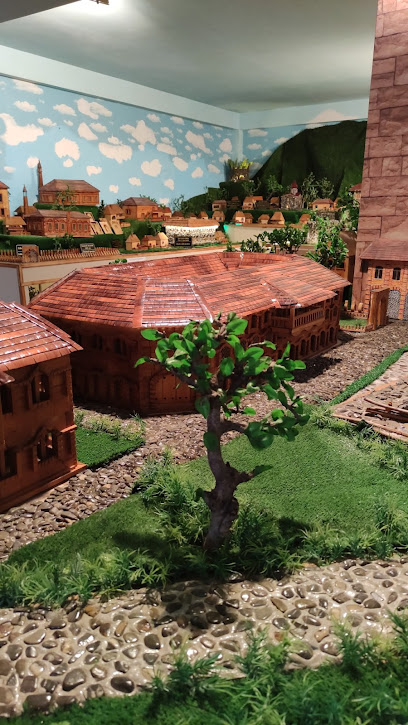
Miniatür Muzey
5.4 km
Explore Sheki's iconic landmarks in miniature form at Yurd Yaddashi Museum, a cultural gem offering a unique glimpse into the city's rich heritage.
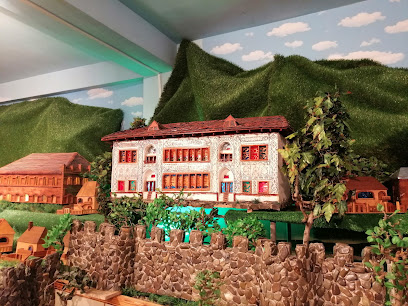
Şəki Yaylası
15.4 km
Discover the serene beauty and cultural richness of Şəki Yaylası, Azerbaijan's highland gem, offering breathtaking landscapes and unforgettable experiences.
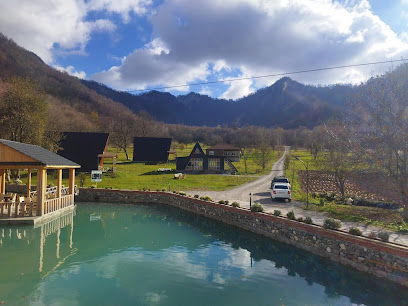
Ilisu State Reserve
31.2 km
Discover Azerbaijan's natural beauty and historical charm at Ilisu State Reserve, a haven for biodiversity and cultural heritage in the Caucasus Mountains.
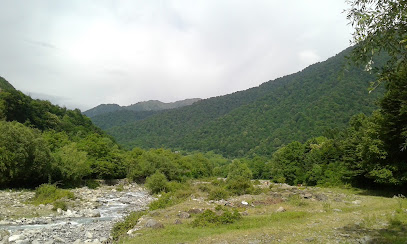
Khal-Khal Waterfall
34.9 km
Escape to the serene beauty of Khal-Khal Waterfall in Azerbaijan's Oghuz region for cascading waters, lush landscapes, and tranquil moments.
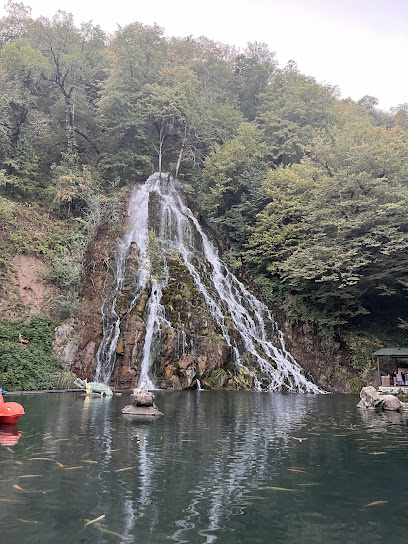
Ğuzay.
53.5 km
Discover Ğuzay in Yukhary Chardakhlar: Experience Azerbaijan's natural beauty and cultural heritage in a serene rural setting.
Qambarhan
53.7 km
Discover Qambarhan in Yukhary Chardakhlar: Experience Azerbaijani culture, history, and the stunning beauty of the Qakh region.
Essential places to dine

Cahan Restaurant
0.4 km
Experience authentic Azerbaijani cuisine at Cahan Restaurant, perfect for families seeking delicious food and a welcoming atmosphere in Sheki.
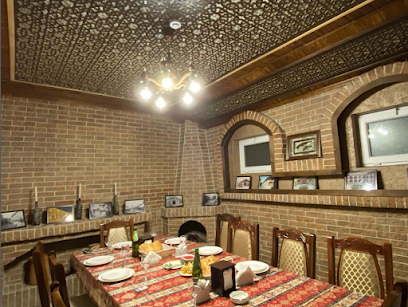
Zulunun bagi
0.7 km
Savor authentic Azerbaijani cuisine at Zulunun bagi in Sheki - a hidden gem offering delicious local flavors in a warm atmosphere.
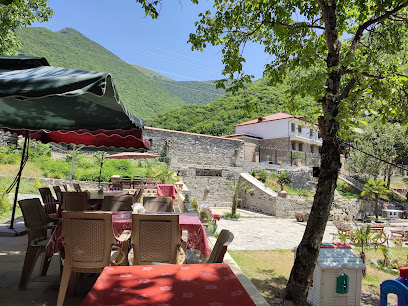
Old Town Village
0.7 km
Explore Old Town Village in Sheki - A Family-Friendly Destination Rich in Culture and Culinary Delights.
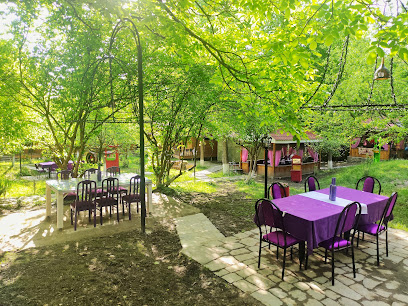
Sol Sahil
0.7 km
Discover family-friendly dining at Sol Sahil in Sheki, where authentic Azerbaijani flavors meet stunning natural beauty.
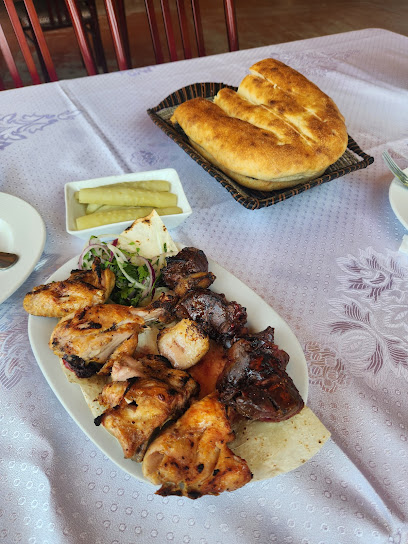
Azerbaijan. Sheki. Marxal Hotel
0.9 km
Experience authentic Azerbaijani flavors at Marxal Hotel in Sheki - where tradition meets modernity in a stunning setting.
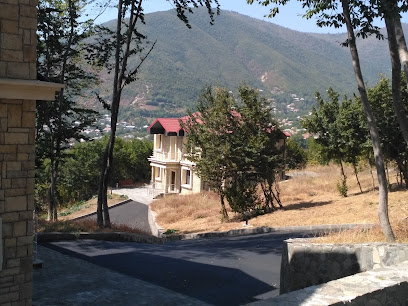
Nuxa Restaurant
1.1 km
Experience authentic Azerbaijani cuisine at Nuxa Restaurant in Sheki – where tradition meets modern dining.
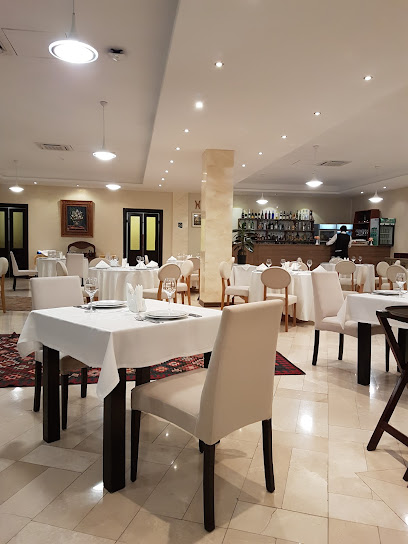
Qızılqaya Restoranı
1.8 km
Discover the rich flavors of Azerbaijan at Qızılqaya Restoranı in Sheki – where tradition meets taste in an inviting atmosphere.
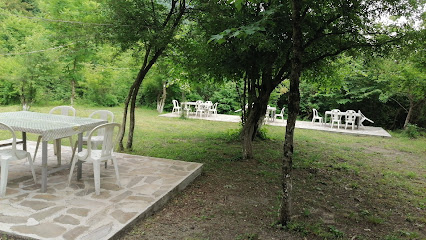
Paşayevlər
3.0 km
Experience authentic Azerbaijani cuisine at Paşayevlər in Sheki—where tradition meets flavor in an inviting setting.
Şəki İpək
4.5 km
Experience authentic Azerbaijani cuisine at Şəki İpək - a culinary haven nestled in the heart of Sheki.
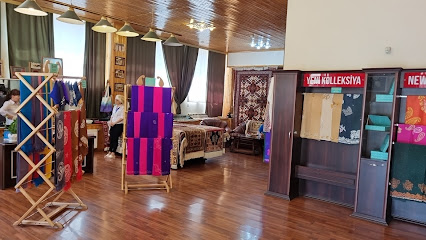
Cafetti
4.5 km
Experience authentic Azerbaijani cuisine at Cafetti, Sheki's premier family-friendly restaurant offering delightful dishes and warm hospitality.
Xan evi Restoranı
4.8 km
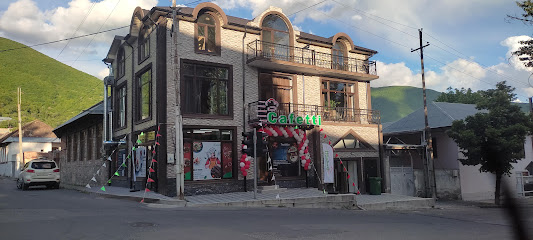
Discover the flavors of Azerbaijan at Xan evi Restoranı in Sheki - where family-friendly dining meets authentic culinary traditions.
Sakit family cafe
4.8 km
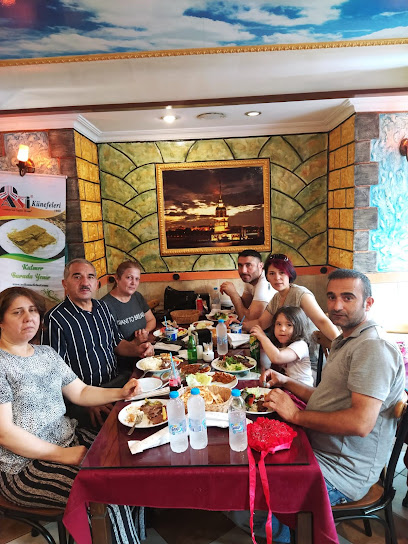
Experience authentic Azerbaijani cuisine at Sakit Family Cafe in Sheki - where tradition meets taste.
Cafe Sheki dishes Hostel-Cafe
4.8 km
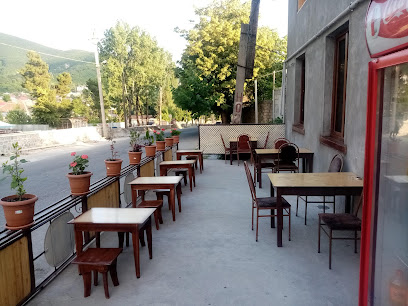
Discover authentic Azerbaijani flavors at Café Sheki - your cozy retreat in the heart of Sheki.
Secret place
5.0 km
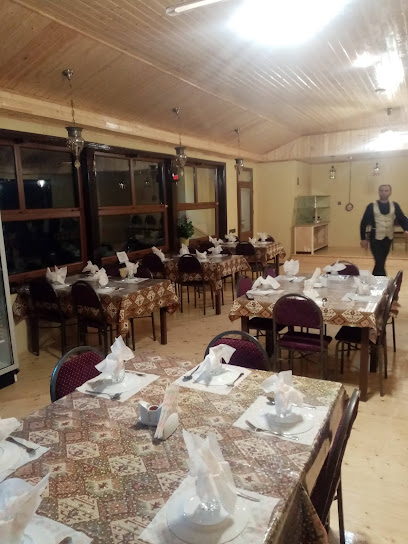
Experience authentic Azerbaijani hospitality at Sheki's Secret Place - where family-friendly dining meets local culinary delights.
Xan Bağı Restoranı
5.0 km
Experience authentic Azerbaijani flavors amidst stunning views at Xan Bağı Restoranı in Sheki.
Markets, malls and hidden boutiques

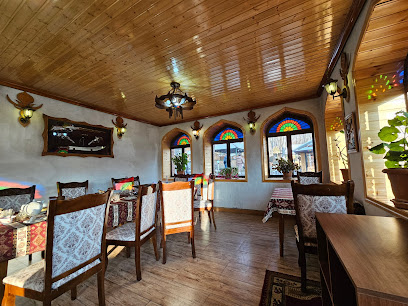
Şəki İpək mağazası
4.5 km
Discover the beauty of Azerbaijani silk at Şəki İpək mağazası, where tradition meets elegance in every exquisite piece.
Market
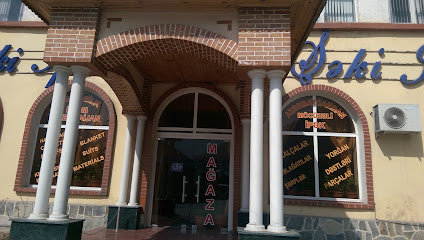
4.6 km
Immerse yourself in the vibrant culture of Sheki at Sheki Market, where local flavors and crafts come alive in a delightful shopping experience.
Elman's Tobacco Friary
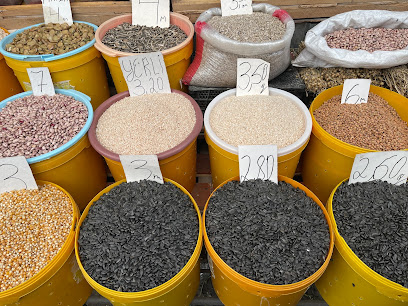
4.8 km
Explore the rich tradition of Azerbaijani tobacco at Elman's Tobacco Friary in Sheki, where craftsmanship meets cultural heritage.
Seki
5.1 km
Discover the exquisite craftsmanship and rich cultural heritage at Seki, a charming store in the heart of Sheki, Azerbaijan.
Souvenir shop
5.3 km
Explore unique handcrafted treasures in Sheki's charming souvenir shop, a perfect blend of culture, artistry, and local craftsmanship.
Kelaghayi Silk Scarf Shop
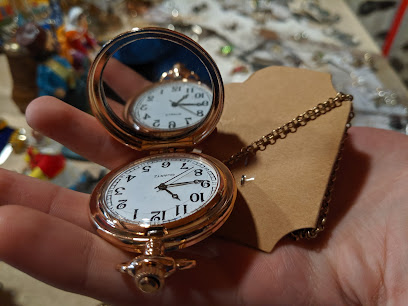
5.4 km
Experience the art of Azerbaijani silk weaving at the Kelaghayi Silk Scarf Shop in Sheki, where tradition meets elegance in every handcrafted piece.
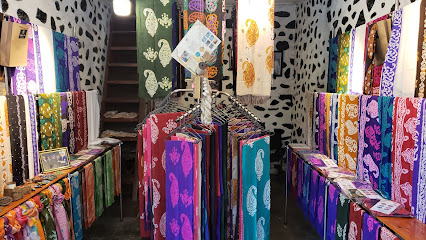
SATRH
5.4 km
Explore SATRH in Sheki: A Cultural Shopping Experience with Local Handicrafts and Modern Treasures.
Təkalduz
5.4 km
Discover the essence of Azerbaijani culture with unique souvenirs and artisanal gifts at Təkalduz in Sheki.
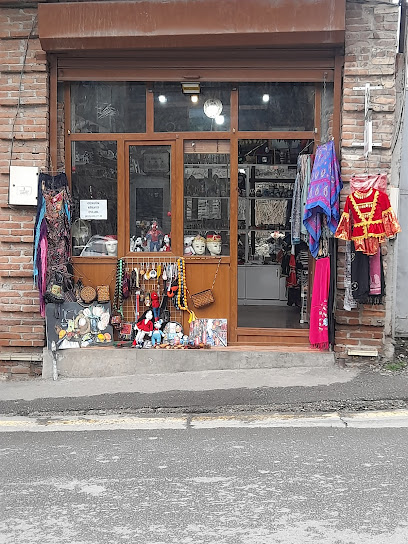
İNCİ collection
5.5 km
Explore İNCİ Collection in Sheki for unique clothing that blends local craftsmanship with contemporary fashion styles.
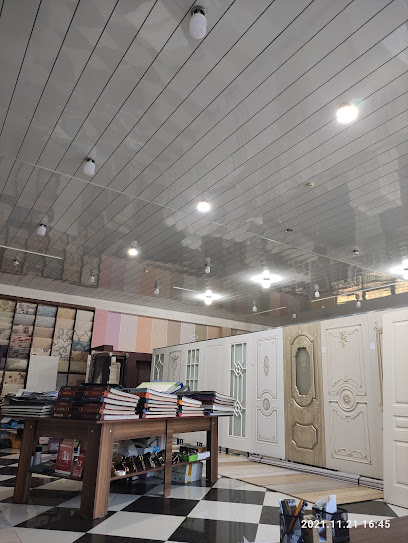
Şəki Regional
5.5 km
Explore the unique hardware offerings at Şəki Regional, where traditional craftsmanship meets modern needs in the heart of Sheki, Azerbaijan.
Lady shopp
5.7 km
Explore Lady Shopp in Sheki for a unique selection of stylish shoes that blend local charm with contemporary fashion trends.
Eliçi
5.7 km
Explore Eliçi in Sheki, Azerbaijan – a charming store offering unique local crafts and authentic souvenirs that reflect the region's rich culture.
Mandalina
5.7 km
Discover the heart of Azerbaijani culture at Mandalina, a store in Sheki featuring exquisite handicrafts, textiles, and souvenirs.
Natiqin kişi malları
5.7 km
Discover unique clothing and local craftsmanship at Natiqin kişi malları in Sheki, where tradition meets modern fashion for an unforgettable shopping experience.
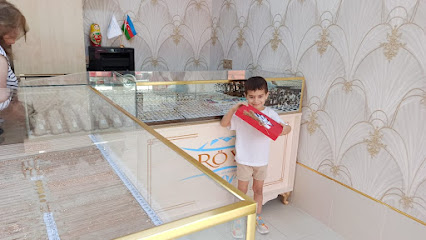
Röya Qızıl magazası
5.7 km
Discover exquisite handmade costume jewelry at Röya Qızıl Magazası in Sheki, a charming shop reflecting Azerbaijan's rich cultural heritage.
Essential bars & hidden hideouts

Sheki Park
1.4 km
Experience comfort and culture in Sheki Park, a serene hotel in the heart of Azerbaijan's natural beauty and rich heritage.
Yaponun məhləsi
4.6 km
Experience the vibrant nightlife of Sheki at Yaponun Məhəsi, where local culture meets modern charm in a lively bar atmosphere.
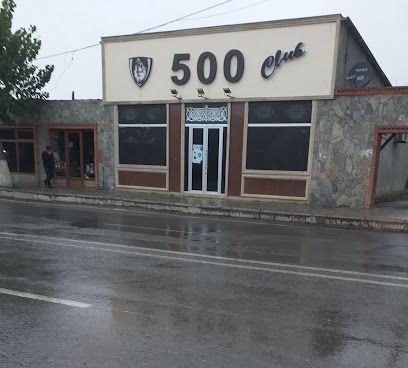
CLUB500
5.1 km
Discover the electrifying nightlife at CLUB500, Sheki's top nightclub offering cocktails, disco vibes, and a unique hookah experience.
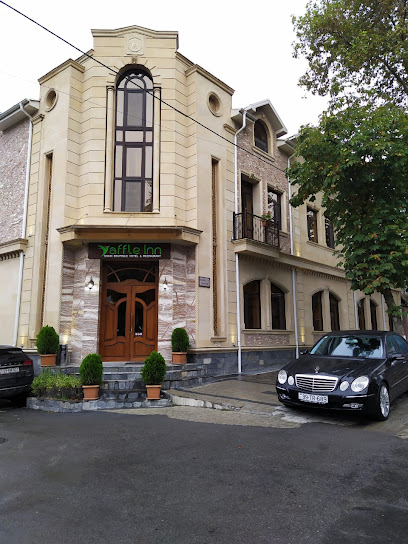
Yaffle Inn Shaki Boutique Hotel and Restaurant
5.1 km
Experience the charm and comfort of Yaffle Inn Shaki Boutique Hotel and Restaurant, your perfect getaway in the heart of Sheki, Azerbaijan.
SM BEER PUB
5.5 km
Experience the best of Azerbaijani cuisine and craft beer at SM Beer Pub, a cozy brasserie in Sheki, perfect for tourists and locals alike.
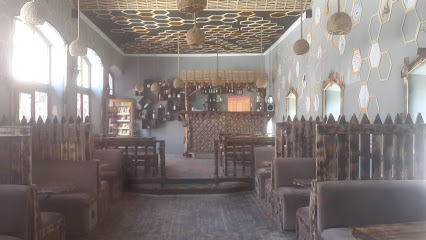
Kəhrəba Pub
5.6 km
Experience the authentic flavors and warm hospitality at Kəhrəba Pub, a hidden gem in Sheki, Azerbaijan.
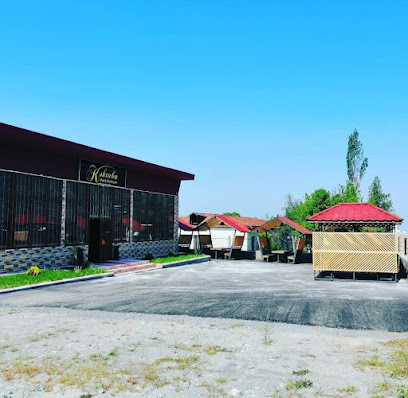
VIP Karvan Restaurant
6.4 km
Experience the vibrant atmosphere and delicious Azerbaijani cuisine at VIP Karvan Restaurant in Sheki, a perfect blend of local flavors and entertainment.
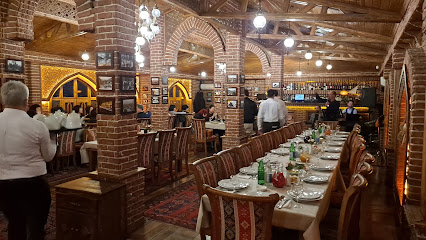
Tea Mood
6.5 km
Discover the tranquil charm of Tea Mood, Sheki's premier hookah bar, where exquisite teas and flavorful hookahs create a serene escape.
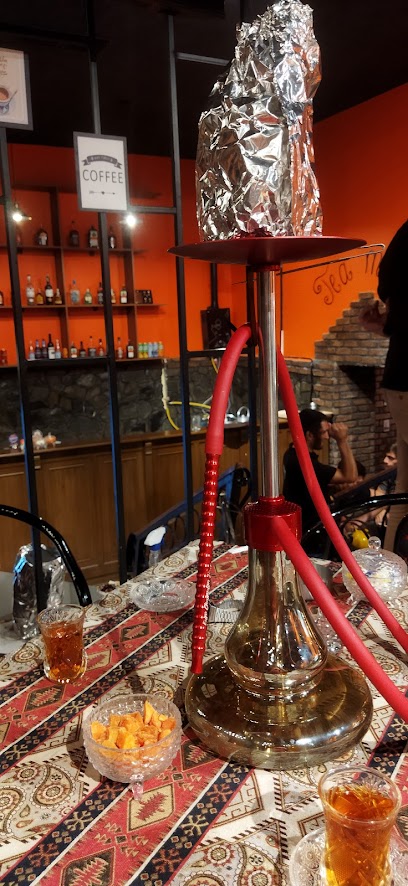
Gulab Lounge
6.6 km
Discover the vibrant Gulab Lounge in Sheki, where local flavors meet a cozy atmosphere for an unforgettable pub experience.
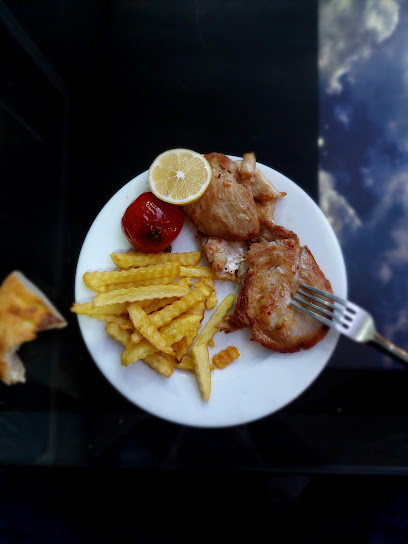
Motel Sema
6.7 km
Experience the charm of Sheki at Motel Sema, where comfort meets Azerbaijani hospitality and delectable cuisine.
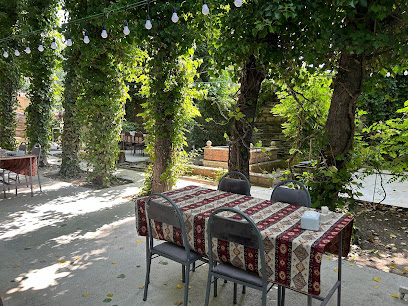
Elit Restoran & Pub
6.8 km
Discover the vibrant flavors of Azerbaijan at Elit Restoran & Pub, a perfect blend of delicious cuisine and lively entertainment in Sheki.
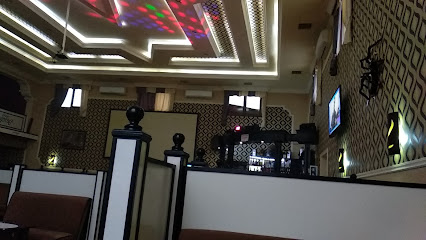
101 Şərab evi/Wine House
29.4 km
Experience the best of Azerbaijani wines at 101 Şərab evi, a charming bar in Qakh offering a delightful atmosphere and local flavors.
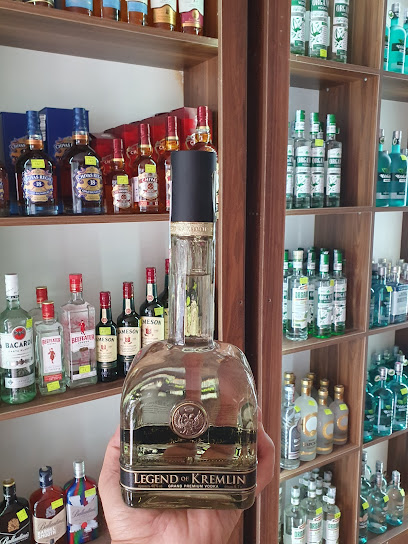
Ayaz kafesi
35.0 km
Discover Ayaz Kafesi in Qumlaq, where local charm meets a cozy bar atmosphere, perfect for unwinding and mingling with the community.
Sâdik
51.7 km
Discover Sâdik, the charming bar in Qarabulaq offering delightful drinks and a warm atmosphere perfect for unwinding and mingling.
Cəsurun barı
52.0 km
Discover the charm of Cəsurun Barı in Böyük Söyüdlü, where delightful drinks and a cozy atmosphere await you.
Nightclubs & after hour spots

Salam Aleykum
16.6 km
Dive into the vibrant nightlife of Cunud at Salam Aleykum, a lively night club offering energetic music and a welcoming atmosphere.
Dəhnə kafe
31.9 km
Experience the heartbeat of Böyük Dəhnə's nightlife at Dəhnə Kafe, where music, dance, and culture come alive.
Enerji club
55.0 km
Discover the lively atmosphere of Enerji Club, Mingecevir's premier karaoke bar, where music and fun unite for an unforgettable night out.
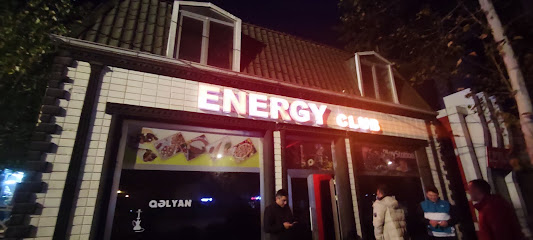
Tala restoran
61.1 km
Experience the vibrant nightlife at Tala Restoran in Zaqatala, where music, dancing, and culture come together for an unforgettable evening.
Vip Club
62.4 km
Discover the vibrant nightlife at Vip Club in Gebele, where lively music and a friendly atmosphere await you for an unforgettable experience.
Gabala Riverside Hotel Disco Line
63.6 km
Discover Gabala's nightlife at Gabala Riverside Hotel Disco Line, where music, dance, and karaoke create unforgettable memories in Azerbaijan.
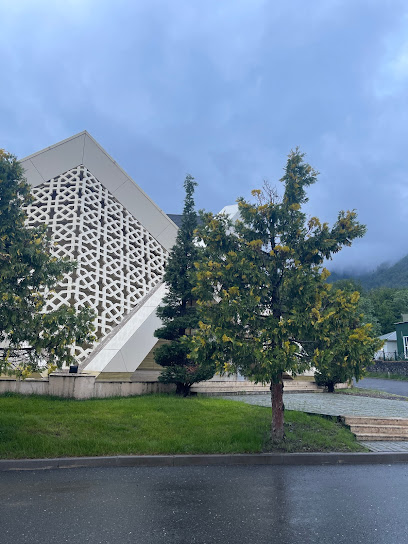
Yevlakh Airport
69.3 km
Discover the heart of Azerbaijan through Yevlakh Airport, your gateway to cultural adventures and breathtaking landscapes.
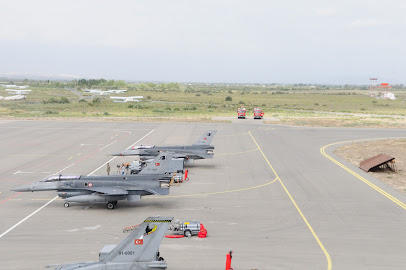
Vip status sarab evi
71.2 km
Experience vibrant nightlife at Vip Status Sarab Evi, a premier bar in Yevlakh, offering a lively atmosphere and diverse drink selection.
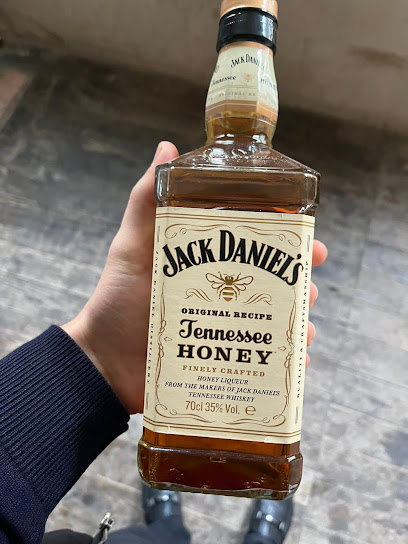
Heyat cay evi
71.8 km
Experience the vibrant nightlife at Heyat Cay Evi in Şamaxı, where traditional Azerbaijani culture meets modern entertainment!
Çayçı
75.2 km
Discover the vibrant nightlife at Çayçı, Amirvan's premier night club, where music, dance, and culture come alive.
REX Club
91.9 km
Discover the pulsating heart of Ganja's nightlife at REX Club, where unforgettable entertainment and vibrant atmosphere await.
RAUL AMİNAKEEEE
92.2 km
Experience the electrifying atmosphere at RAUL AMİNAKEEEE, Ganja's ultimate night club for dancing and socializing.
Miraj Tea Club
92.5 km
Experience the vibrant nightlife at Miraj Tea Club in Ganja, where music, dance, and socializing come together for an unforgettable evening.
Yupka geyinib lgileniyorum.Nar CAVE Hostelde rezervasiyam var
92.8 km
Discover Ganja's dynamic sports culture at the local sports club, where fun, fitness, and community spirit unite.
Aroma Tea Club
92.8 km
Experience the lively atmosphere and delightful beverages at Aroma Tea Club, Ganja's go-to destination for nightlife and socializing.


