

Free Greater Caucasus Travel Guide & Mobile App
Explore Greater Caucasus with free travel guides. Discover regional history, expert tips, proposed trips, and audio guides on web or mobile app.


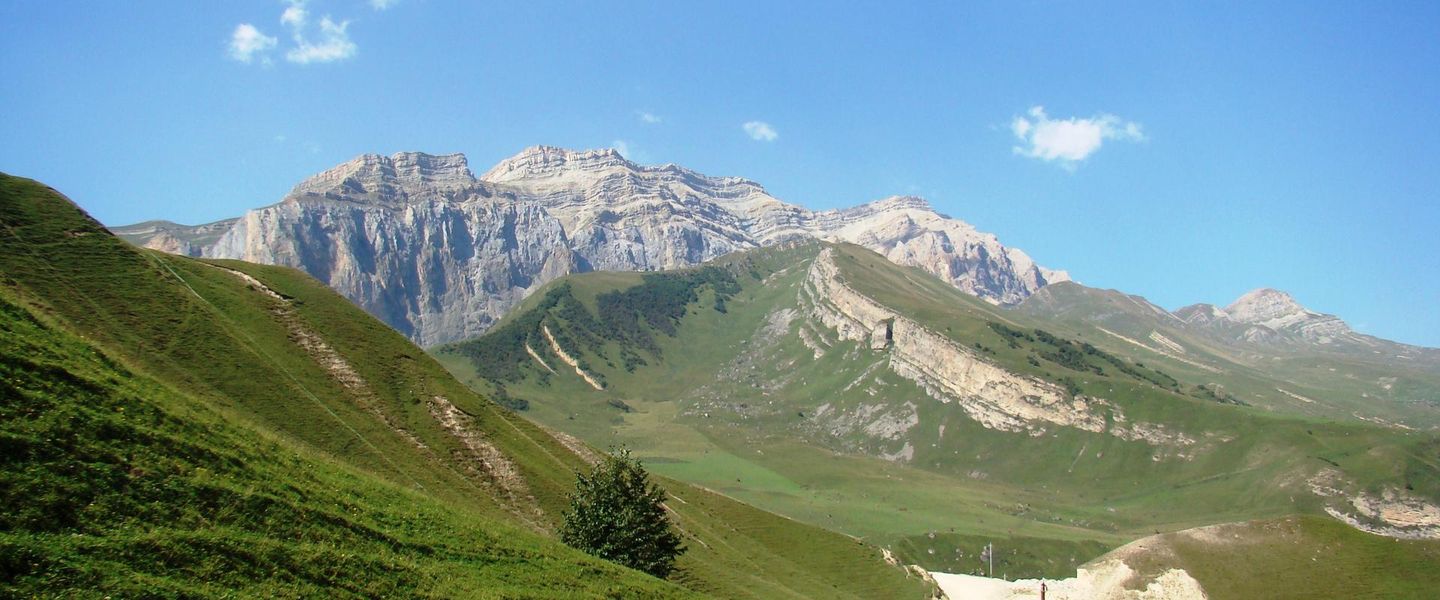


Explore Azerbaijan’s Greater Caucasus for Khinalig, Sheki, forested valleys, alpine scenery, historic villages and distinctive mountain cuisine.
Read more about Greater Caucasus
When is the best time to visit Greater Caucasus?
Best: June–August · 24–27°C| Month | High (°C) | Rainfall (mm) |
|---|---|---|
| January | 3 | 40 |
| February | 4 | 35 |
| March | 8 | 45 |
| April | 14 | 50 |
| May | 20 | 55 |
| June (best) | 24 | 45 |
| July (best) | 27 | 35 |
| August (best) | 26 | 30 |
| September | 22 | 35 |
| October | 16 | 40 |
| November | 9 | 45 |
| December | 5 | 50 |
Getting to and around Greater Caucasus
How to get there
Transportation
Top city travel guides in Greater Caucasus
The cities of Greater Caucasus, and the easiest places to base yourself.
-

-

-

-

-
-


Swipe for more cities
Destinations in Greater Caucasus
Resorts, valleys and scenic spots worth a trip of their own.
-

-

-


Swipe for more destinations
Best attractions in Greater Caucasus
The Greater Caucasus offers a varied combination of highland scenery, historic settlements and outdoor activities. Khinalig is the region’s best-known mountain village, reached through the Qudyalchay valley and surrounded by steep, sparsely vegetated slopes, while Quba and Qusar provide lower-altitude bases for exploring the northeast. Shahdag National Park protects extensive mountain habitats and supports walking, wildlife viewing and seasonal recreation. In central valleys, Lahij is notable for its craft workshops, stone lanes and mountain setting, while the countryside around Ismayilli and Gabala provides forest walks, waterfalls, picnic areas and opportunities for horse riding and guided hikes. The western districts bring a different atmosphere: Sheki combines historic architecture, museums and cultural tourism with access to wooded foothills, and Zaqatala and Balakan lead towards forested valleys and protected landscapes. Archaeological and historical interests are represented by remains associated with Caucasian Albania, old village mosques, caravan routes and traditional houses. Conditions vary markedly by altitude and season, so the attraction landscape is best experienced through several bases rather than one hurried circuit.
-
Ski resort
Tufandag Mountain Resort
Experience year-round adventure at Tufandag Mountain Resort: skiing, hiking, and breathtaking views in the heart of the Caucasus Mountains.
-
Lake
Nohur Lake
Experience the tranquility of Nohur Lake in Gabala, Azerbaijan: breathtaking scenery, boating, fishing, and hiking in the Caucasus Mountains.
-
Tourist attraction
Afurja Waterfall
Discover the breathtaking beauty of Afurja Waterfall in Quba, Azerbaijan, a hidden gem in the Caucasus Mountains.
-
Tourist attraction
Khal-Khal Waterfall
Escape to the serene beauty of Khal-Khal Waterfall in Azerbaijan's Oghuz region for cascading waters, lush landscapes, and tranquil moments.


Best landmarks in Greater Caucasus
Khinalig’s tightly clustered stone houses, set high above the Qudyalchay valley, are the Greater Caucasus’s most recognisable cultural landmark and express how communities adapted to high-altitude isolation. Sheki’s Khan’s Palace is a major architectural reference point, celebrated for its richly decorated interior and intricate stained glass within the historic town. Sheki’s traditional streets, historic mosques and caravanserai buildings further reflect its role on former commercial routes. Lahij is distinguished by its stone-paved lanes, masonry houses and workshops associated with copper craftsmanship, while the village’s steep valley setting is part of its visual identity. In the central mountains, the Nohur Lake landscape near Gabala and the forested valleys of Ismayilli provide natural landmarks rather than monumental architecture. The region also contains fortifications, old bridges, shrines and remnants connected with Caucasian Albania and later Islamic settlement, though many are modest and best understood with local interpretation. The high mountain profile around Shahdag and the deep valleys leading towards Quba and Qusar form the overarching geographical landmark of northern Azerbaijan.
-
National park
Dənizkənarı Milli Park
Experience the charm of Baku's iconic seaside promenade, a blend of history, culture, and stunning Caspian Sea views.
-
Business center
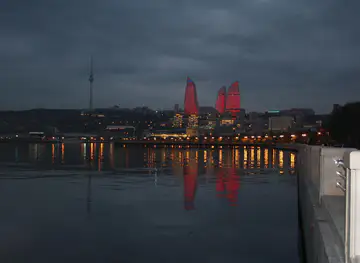
Flame Towers
Experience the iconic Flame Towers, Baku's modern architectural marvel, where ancient fire traditions meet cutting-edge design, offering breathtaking views and a dazzling light show.
-
Religious destination
Atashgah Zoroastrian Fire Temple
Explore the Ateshgah Fire Temple: a historic Baku site with Zoroastrian, Hindu, and Sikh heritage, showcasing centuries of fire worship and cultural exchange.
-
Art museum
Palace of the Shirvanshahs
Explore Baku's UNESCO-listed Palace of the Shirvanshahs, a medieval architectural gem and symbol of Azerbaijani history.


Explore Greater Caucasus on the map
Plan your trip on one map. See where the top cities, national parks and sights are, and book hotels and experiences in a few clicks.
Best hotels in Greater Caucasus
Best restaurants in Greater Caucasus
Mountain cuisine in northern Azerbaijan draws on bread, dairy, herbs, fruit, honey, lamb, beef and locally grown produce, with menus changing according to altitude and season. Sheki is associated with sheki halva, a layered sweet made with rice flour, nuts and spices, while the wider region is known for pastries, preserves, soups, kebabs and distinctive village breads. In Quba, Qusar, Ismayilli, Gabala and Sheki, restaurants range from simple cafés and family-run dining rooms to more polished hotel venues; in remote valleys, guesthouse meals may provide the most direct introduction to local cooking. Lahij and other craft villages offer opportunities to combine a meal with traditional tea and workshop visits. Markets and roadside stalls can be useful for fruit, walnuts, honey, cheese and baked goods, though availability varies by season. Azerbaijani tea is commonly served with sweets and preserves, and visitors should not assume that mountain food is uniform: north-eastern, central and north-western districts each reflect different local produce and cultural influences.
-
Restaurant
Dolma Restaurant
Discover authentic Azerbaijani flavors at Dolma Restaurant in Baku - a must-visit culinary destination offering delightful dishes and warm hospitality.
-
Restaurant
Shirvanshah Museum Restaurant
Experience exquisite Azerbaijani cuisine and rich cultural ambiance at Shirvanshah Museum Restaurant in Baku.
-
Russian
Mari Vanna
Discover the enchanting flavors of Russia at Mari Vanna in Baku, where tradition meets modern dining in a cozy setting.
-
Restaurant
Qaynana Restaurant
Experience authentic Azerbaijani cuisine at Qaynana Restaurant in Baku – where tradition meets modern dining.


Best bars in Greater Caucasus
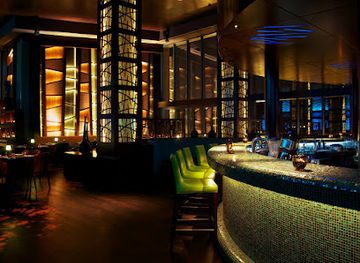
Evening life in the Greater Caucasus is generally small-scale and social rather than centred on clubs. In Sheki, Quba, Gabala and other larger towns, visitors will find hotel lounges, cafés, tea houses and restaurants that remain the principal evening venues, with a limited selection of contemporary bars in the more developed centres. Gabala has the region’s more substantial tourism infrastructure and may offer seasonal entertainment, while mountain villages usually become quiet after dinner. Traditional tea drinking, conversation, music and family gatherings are more characteristic than late-night nightlife. Some hotels and resorts provide indoor leisure facilities or occasional programmed entertainment, but opening arrangements change. Alcohol is available in many restaurants and hotels, although it is not necessary to participate in local evening culture; in conservative villages and religious settings, discreet behaviour is appropriate.
-
Brewpub
Paulaner Baku
Discover the best of German brewing and cuisine at Paulaner Baku, a vibrant brewpub offering a unique dining experience in the heart of Azerbaijan.
-
Bar
360 Bar, Hilton Baku
Discover the 360 Bar at Hilton Baku, where stunning skyline views meet exquisite cocktails in a chic lounge atmosphere.
-
Steak
Chalet Steak and Wine House
Experience the best steak and wine in Qəbələ's stunning alpine setting at Chalet Steak and Wine House.
-
Bar
Barfly Social Hub
Experience Baku's nightlife at Barfly Social Hub, where expertly crafted cocktails and vibrant atmosphere create unforgettable moments.


Best nightclubs in Greater Caucasus
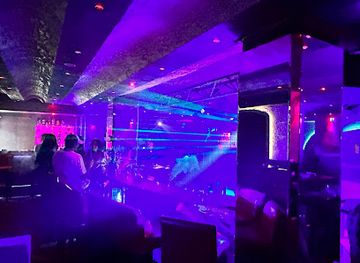
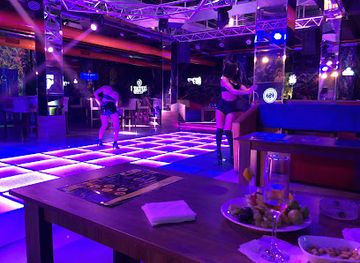
Evening life in the Greater Caucasus is generally small-scale and social rather than centred on clubs. In Sheki, Quba, Gabala and other larger towns, visitors will find hotel lounges, cafés, tea houses and restaurants that remain the principal evening venues, with a limited selection of contemporary bars in the more developed centres. Gabala has the region’s more substantial tourism infrastructure and may offer seasonal entertainment, while mountain villages usually become quiet after dinner. Traditional tea drinking, conversation, music and family gatherings are more characteristic than late-night nightlife. Some hotels and resorts provide indoor leisure facilities or occasional programmed entertainment, but opening arrangements change. Alcohol is available in many restaurants and hotels, although it is not necessary to participate in local evening culture; in conservative villages and religious settings, discreet behaviour is appropriate.
-
Night club
Nightoffice
Dive into Baku's vibrant nightlife at Nightoffice, the ultimate nightclub for unforgettable nights filled with music, dancing, and excitement.
-
Night club
Pasifico Lounge and Dining
Discover the lively atmosphere and exquisite cuisine at Pasifico Lounge and Dining, a top nightlife destination in Baku.
-
Night club
Status Club Baku
Discover the vibrant nightlife of Baku at Status Club, a premier destination for unforgettable music, dance, and entertainment experiences.
-
Night club
hiss club
Discover the vibrant nightlife of Baku at Hiss Club, where music, dance, and unforgettable moments await in a stunning atmosphere.

Best shops in Greater Caucasus
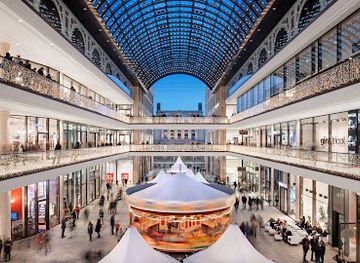
Shopping in the Greater Caucasus is strongest in historic towns, market centres and craft villages rather than in large retail districts. Sheki is a good place to look for regional sweets, tea, preserves, woven goods and locally made souvenirs, while Lahij is particularly associated with copperware and metalworking; buyers should distinguish traditionally made pieces from mass-produced imitations. Quba and surrounding northern settlements have longstanding carpet traditions, and specialist purchases should be made from reputable sellers with clear information about materials, provenance and price. In rural markets, seasonal fruit, walnuts, honey, dried produce, cheese and preserves reflect the agricultural character of the foothills. Gabala and Qusar offer more conventional shops and supermarkets for practical supplies, with some hotel and resort retail aimed at visitors. Small galleries and workshops may sell ceramics, textiles, woodwork or jewellery, but stock varies. Bargaining is more acceptable in informal markets than in established shops, and fragile craft purchases should be packed carefully for onward travel.
-
Shopping mall
Ganjlik Mall
Discover the vibrant Ganjlik Mall in Baku – a shopping paradise with diverse brands, delicious dining, and endless entertainment options.
-
Shopping mall
Park Bulvar Mall
Explore Park Bulvar Mall, a vibrant shopping and entertainment hub in Baku, blending local culture with modern flair.
-
Shopping mall
28 Mall
Experience the best of shopping, dining, and entertainment at 28 Mall, the ultimate destination in Baku for tourists and locals alike.
-
Jewelry store
Xtravaganza DM
Explore the elegance of Xtravaganza DM, a premier jewelry store in Baku's vibrant shopping hub, offering exquisite pieces perfect for every occasion.


Get your free copy of our complete guide to Greater Caucasus, delivered straight to you.
Everything on this page, from attractions and restaurants to essentials and local phrases, in one PDF you can read offline, print or share.
Already have an account? Sign in
Your Greater Caucasus guide is ready.
We'll send it to · Not you? Sign out

Getting your guide ready…
We are putting together a fresh copy of the Greater Caucasus guide. This can take up to a minute.
This can take a few moments. If your browser asks, choose Allow so the download can start. You'll find the guide in your Downloads folder.
Nothing happened? Download it again
Sorry, the guide is taking longer than usual. Please try again in a minute, or get it by email instead.
Greater Caucasus essentials
Currency and Payment
Safety
Emergency Situations
Do's and Don'ts
Local Tips
From Eve
Local phrases worth knowing
You don't need to get them perfect. A few words go a long way, and locals appreciate the effort.
Basics
| English | Local | Say it |
|---|---|---|
| Hello | Salam | [sah-lahm] |
| Goodbye | Sağ ol | [sah-ol] |
| Yes | Bəli | [beh-lee] |
| No | Xeyr | [khayr] |
| Please/You're welcome | Zəhmət olmasa / Buyurun | [zeh-met ol-mah-sah / boo-yroon] |
| Thank you | Təşəkkür edirəm | [tash-ehkkur eh-dee-rem] |
| Excuse me/Sorry | Bağışlayın | [bah-ghish-lah-yin] |
| How are you? | Necəsiz? | [neh-jeh-siz] |
| Fine. And you? | Yaxşı. Siz necə? | [yahk-shee. siz neh-jeh?] |
| Do you speak English? | İngilis dilində danışırsınızmı? | [een-gee-lees dee-lin-deh dah-nah-sheer-sin-iz-muh?] |
| I don't understand | Mən başa düşmürəm | [men bah-shah doosh-moo-rem] |
Eating & Drinking
| English | Local | Say it |
|---|---|---|
| I'd like to see the menu, please | Menyuya baxmaq istəyirəm, zəhmət olmasa | [men-yu-yah bakh-maq ees-teh-yeer-em, zeh-met ol-mah-sah] |
| I don't eat meat | Mən ət yemirəm | [men aht yeh-mee-rem] |
| Cheers! | Şərəfə! | [sha-reh-feh] |
| I would like to pay, please | Hesabı ödəmək istəyirəm, zəhmət olmasa | [heh-sah-buh oh-deh-mek ees-teh-yeer-em, zeh-met ol-mah-sah] |
Emergencies
| English | Local | Say it |
|---|---|---|
| Help! | Kömək edin! | [keh-mehk eh-deen!] |
| Go away! | Get! | [get!] |
| Call the Police! | Polis çağırın! | [poh-lees chah-ghir-in!] |
| Call a doctor! | Həkim çağırın! | [heh-keem chah-ghir-in!] |
| I'm lost | Mən itmişəm | [men eet-meesh-em] |
| I'm ill | Mən xəstəyəm | [men khes-teh-yem] |
Shopping
| English | Local | Say it |
|---|---|---|
| I'd like to buy... | Mən ... almaq istəyirəm | [men ... al-maq ees-teh-yeer-em] |
| I'm just looking | Mən sadəcə baxıram | [men sah-deh-jeh bah-khuh-ram] |
| How much is it? | Bu nə qədərdir? | [boo neh keh-dehr-deer?] |
| That's too expensive | Bu çox bahadır | [boo chohk bah-hah-dur] |
| Can you lower the price? | Qiyməti endirə bilərsiniz? | [kee-mah-teh en-dee-reh bee-lah-r-sin-iz?] |
Time & Numbers
| English | Local | Say it |
|---|---|---|
| What time is it? | Saat neçəsidir? | [sah-aht neh-cheh-sidir?] |
| It's one o'clock | Saat birdir | [sah-aht beer-deer] |
| Half past (10) | On beş dəqiqə | [on behsh deh-kee-geh] |
| Morning | Səhər | [seh-hair] |
| Afternoon | Gündüz | [goon-dooz] |
| Evening | Axşam | [akh-shahm] |
| Yesterday | Dünən | [doo-nen] |
| Today | Bu gün | [boo goon] |
| Tomorrow | Sabah | [sah-bah] |
| 1 | 1 | [bir] |
| 2 | 2 | [iki] |
| 3 | 3 | [üç] |
| 4 | 4 | [dörd] |
| 5 | 5 | [beş] |
| 6 | 6 | [altı] |
| 7 | 7 | [yeddi] |
| 8 | 8 | [səkkiz] |
| 9 | 9 | [doqquz] |
| 10 | 10 | [on] |
Transport & Directions
| English | Local | Say it |
|---|---|---|
| Where's a/the...? | Nerədə ... var? | [neh-reh-deh ... vahr?] |
| What's the address? | Ünvan nədir? | [oon-vahn neh-deer?] |
| Can you show me (on the map)? | Mənə (xəritədə) göstərə bilərsiniz? | [meh-neh (kheh-ree-tay-deh) goh-steh-reh bee-lah-r-sin-iz?] |
| When's the next (bus)? | Növbəti (avtobus) nə vaxtdır? | [nuhv-beh-tee (av-toh-boos) neh vahk-dur?] |
| A ticket (to ....) | Bir bilet (....) | [beer bee-let (....)] |
History of Greater Caucasus
Ancient Caucasian Albania
The valleys and foothills of northern Azerbaijan formed part of the world of Caucasian Albania, an ancient kingdom whose territory covered areas of the eastern Caucasus from roughly the first millennium BC into the early medieval period. Archaeological remains, fortifications and early religious sites across the northern districts reflect this complex history, although the kingdom’s exact boundaries changed over time. Christianity became influential in parts of the region before later Islamicisation, and surviving churches and inscriptions provide evidence of the Caucasus’s long religious and cultural exchanges.
Islamic Rule and the Medieval Shirvan World
From the early medieval period, Arab conquests brought northern Azerbaijan into the wider Islamic political and commercial sphere. Later, local and regional dynasties, especially the Shirvanshahs, shaped the political life of eastern Caucasia. Mountain valleys were connected to lowland centres by routes carrying livestock, silk, metalwork and agricultural goods. The region’s Islamic architecture, village mosques and traditions of craft production developed within this setting, alongside enduring communities and cultural influences from across the Caucasus.
Mountain Trade and Caravan Routes
For centuries, routes across northern Azerbaijan linked the Caspian lowlands with the Caucasus interior and the Transcaucasian kingdoms. Settlements such as Sheki, Quba and Lahij benefited from commerce, while caravanserais, workshops and market streets served travellers and merchants. Sheki became an important centre in the silk trade, and Lahij gained a reputation for copperware and skilled metalworking. The surviving urban fabric of Sheki and the craft traditions of Lahij are among the clearest reminders of this commercial mountain history.
Khanates and Regional Power in the Eighteenth Century
During the eighteenth century, political authority in the area was divided among local khanates and other powers. The Khanate of Quba became particularly influential under Fatali Khan, whose ambitions extended across parts of the northeast. The Khanates of Sheki, Shaki, Shirvan and other neighbouring territories also controlled changing combinations of valleys and lowlands. Fortresses, historic town plans and local architectural traditions preserve traces of this period, when regional rulers balanced Persian, Ottoman, Russian and local interests.
Russian Expansion and the Nineteenth-Century Transformation
The Russian Empire gradually incorporated the khanates of northern Azerbaijan during the early nineteenth century, following the Russo-Persian wars and treaties of Gulistan in 1813 and Turkmenchay in 1828. Imperial administration altered political structures, taxation and trade patterns, while new roads and connections to administrative centres encouraged movement of goods and people. Mountain communities remained locally distinctive, but the region became part of a larger imperial economy and frontier system that linked the Caucasus more closely to the Russian Empire.
Soviet Agriculture, Forestry and Tourism
After the establishment of Soviet rule, the northern mountain districts were reorganised within the Azerbaijan Soviet Socialist Republic. Collective agriculture, forestry management and state institutions reshaped rural life, while roads and public services expanded unevenly into mountain valleys. Tea, fruit, tobacco, livestock and other forms of production were developed in different districts. The Soviet period also laid foundations for organised recreation and mountain tourism, although many communities retained local languages, crafts, religious memories and village customs outside official narratives.
Independent Azerbaijan and the Mountain Economy
Since Azerbaijan regained independence in 1991, the Greater Caucasus has seen renewed investment in roads, heritage conservation, protected areas and tourism infrastructure. Sheki’s historic centre and the nearby Khan’s Palace received international recognition through UNESCO listing in 2019, while Khinalig has become a prominent focus of cultural and mountain tourism. Shahdag National Park and resort development have expanded visitor access in the northeast. At the same time, remote communities continue to face seasonal access, depopulation and environmental pressures, making sustainable tourism an important regional concern.
Greater Caucasus in Photos
Browse through our photo collection highlighting the charm and character of the destination.
Neighbouring regions of Greater Caucasus
The closest regions to Greater Caucasus, if you have time for more than one.
-

-

-
-

-


Swipe for more regions
Explore more
Explore more of Azerbaijan
Discover Azerbaijan: A captivating blend of ancient heritage, stunning natural landscapes, and vibrant modernity at the crossroads of Europe and Asia.
Explore Azerbaijan