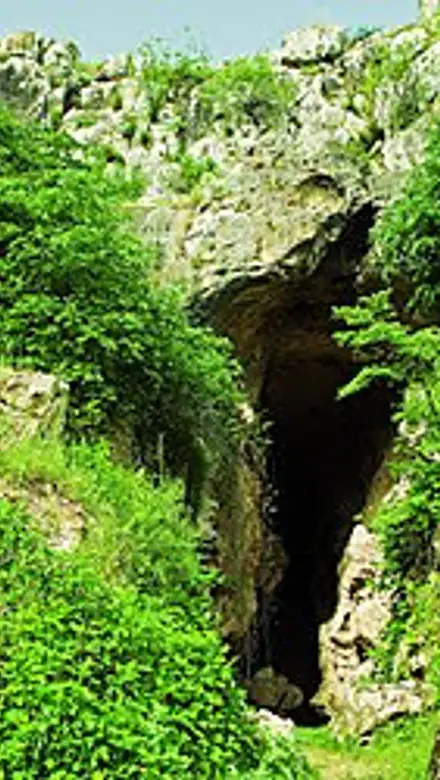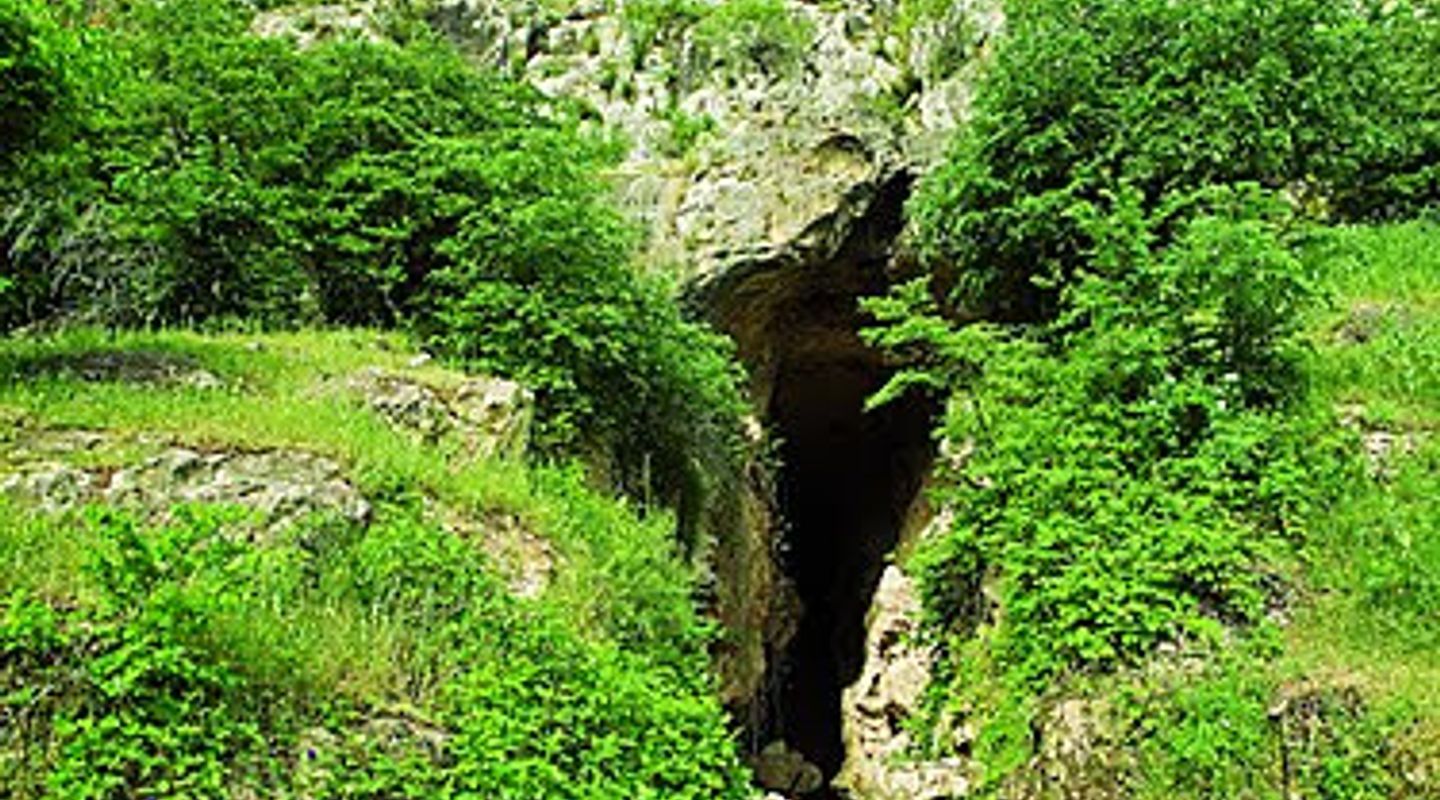
Azıx Mağarası, Lesser Caucasus Travel Guide
Explore Azikh Cave in Azerbaijan: Journey through prehistoric history in one of Eurasia's oldest human settlements, featuring stunning cave formations.
Azikh Cave, near Azikh village in Azerbaijan, is a six-cave complex and one of Eurasia's oldest known human habitation sites. This prehistoric site offers a glimpse into early human life and the region's geological history, with artifacts and fossils spanning nearly 1.2 million years.
A brief summary to Azıx Mağarası
- JX9Q+MCV, Azikh, AZ

Know before you go
Hi, I'm Eve. Here are a few practical things to know before exploring Azıx Mağarası.
- Wear comfortable shoes suitable for uneven surfaces inside the cave.
- Bring a light jacket or sweater, as the cave can be significantly cooler than the outside temperature.
- Consider joining a guided tour to gain in-depth knowledge about the cave's history and geology.
Do you manage this location?
Take control to get all the benefits, like improved information, better appearance, and stronger visibility across AI-powered discovery. Learn more about listing your business on Evendo
Activate your presenceOther nearby places you may find interesting
The closest places of the same kind, if this one is not quite what you had in mind.

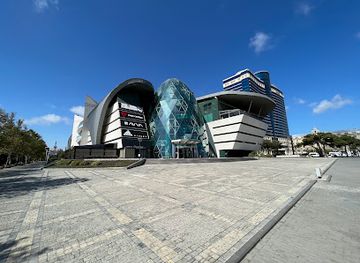
Explore Azıx Mağarası on the Map
A handpicked selection of must-see spots near Azıx Mağarası, mapped for you.
Getting There
-
Driving
If driving from Fuzuli, head northwest towards Azikh village. The cave is located approximately 14 km from Fuzuli. Be prepared for local roads that may be unpaved or in poor condition. Limited parking is available near the cave entrance.
-
Taxi/Ride-Share
From Fuzuli, a taxi or ride-share is a practical option. Negotiate the fare beforehand, as meters may not be common. Expect to pay around 10-15 AZN for a one-way trip to Azikh Cave. Confirm the driver knows the location.
Discover more about Azıx Mağarası













Your all‑in‑one travel companion app
Explore expert travel guides, compare and book tours, experiences, hotels, and more—all from the palm of your hand. Download now for seamless trip planning wherever your wanderlust takes you.


Explore More of Lesser Caucasus
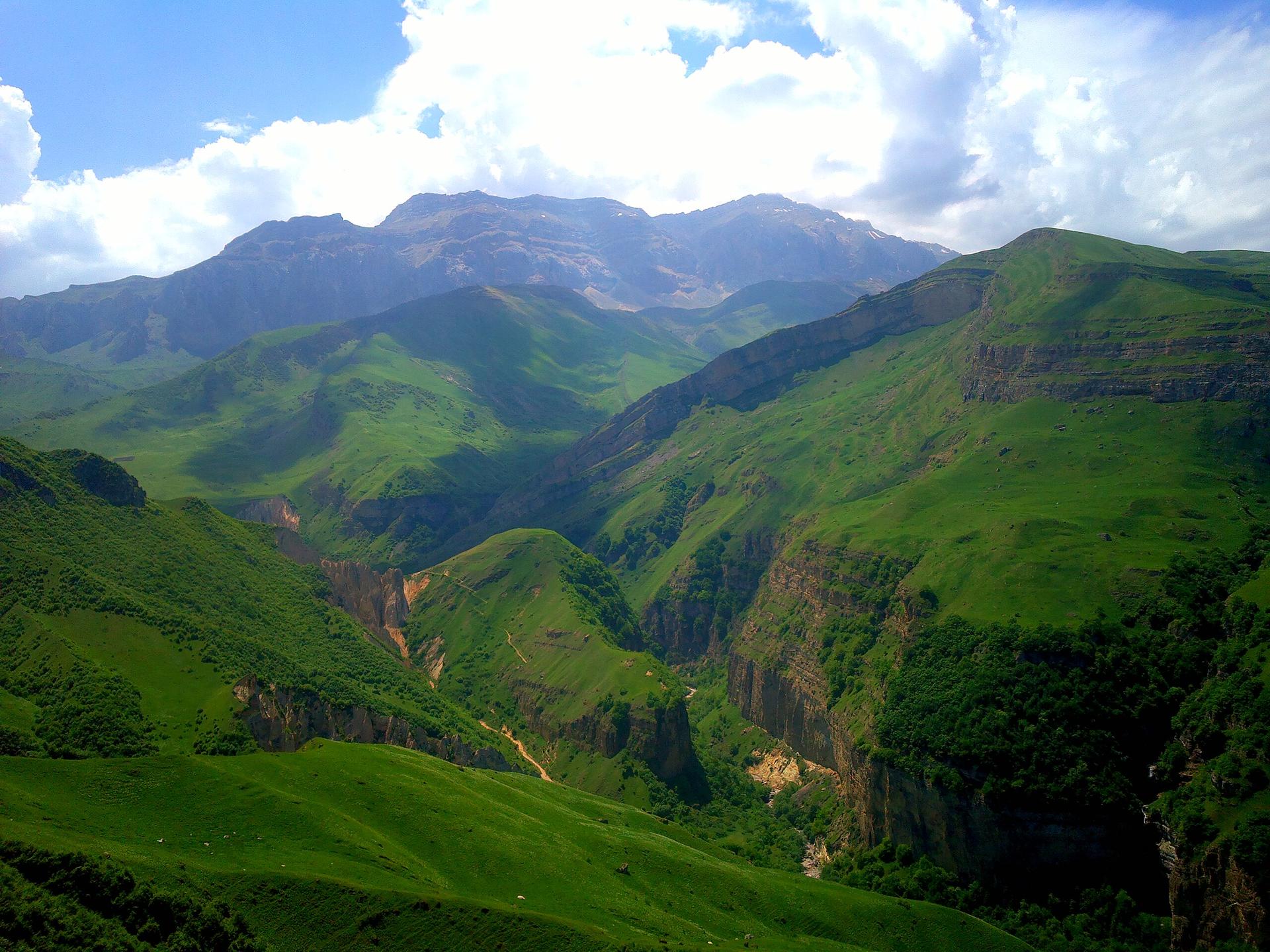
Looking beyond Azıx Mağarası? Discover Lesser Caucasus for broader travel guides, local hot-spots, and regional highlights.
Explore Lesser Caucasus
Explore the stunning historical landmark in Tegh, Armenia, where rich culture meets breathtaking architecture in a serene landscape.
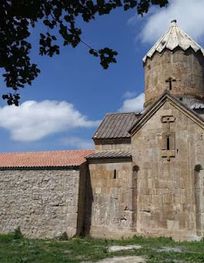
Discover ԳՏՉԱՎԱՆՔ (Gtichavank Monastery): A 13th-century Armenian architectural gem near Tugh, Azerbaijan, offering history and stunning mountain views.