

Free Lesser Caucasus Travel Guide & Mobile App
Explore Lesser Caucasus with free travel guides. Discover regional history, expert tips, proposed trips, and audio guides on web or mobile app.


Explore Azerbaijan’s Lesser Caucasus for forested mountains, Göygöl’s lakes, mineral springs, historic villages and rewarding highland journeys.
Read more about Lesser Caucasus
When is the best time to visit Lesser Caucasus?
Best: June, August–September · 24–28°C| Month | High (°C) | Rainfall (mm) |
|---|---|---|
| January | 2 | 30 |
| February | 3 | 30 |
| March | 8 | 40 |
| April | 14 | 50 |
| May | 20 | 60 |
| June (best) | 26 | 50 |
| July | 29 | 40 |
| August (best) | 28 | 40 |
| September (best) | 24 | 40 |
| October | 17 | 50 |
| November | 7 | 40 |
| December | 3 | 30 |
Getting to and around Lesser Caucasus
How to get there
Transportation
Top city travel guides in Lesser Caucasus
The cities of Lesser Caucasus, and the easiest places to base yourself.
-
-

-


Swipe for more cities
Destinations in Lesser Caucasus
Resorts, valleys and scenic spots worth a trip of their own.

Swipe for more destinations
Best attractions in Lesser Caucasus
The Lesser Caucasus offers a landscape-led itinerary rather than a dense chain of conventional sights. Göygöl National Park is the region’s most accessible natural focus, with forested slopes, mountain lakes and opportunities for walking, photography and birdwatching around Göygöl and Maralgöl. The uplands of Dashkasan and Gadabay provide a more industrial and pastoral character, combining high valleys, mineral springs, broad grazing areas and traces of mining history. Göygöl town adds cultural interest through its association with the former German settlement of Helenendorf, while villages and roadside markets reveal local food traditions and highland life. Visitors should treat south-western districts differently: former conflict areas may contain mines, damaged infrastructure and restricted sites, and access can require official permission or local arrangements. The attraction landscape therefore depends as much on responsible route planning as on scenery. Guided walks, seasonal photography, village visits and short excursions from Ganja are generally more realistic than attempting a rapid traverse of the entire mountain belt.
-
Scenic spot
Yeddi Gozel Waterfall
Discover the enchanting Yeddi Gozel Waterfall in Gabala, Azerbaijan, a mesmerizing cascade of seven tiers nestled in the Caucasus Mountains.
-
Tourist attraction
Goygol National Park
Discover Azerbaijan's first national park, home to the stunning Lake Goygol, offering hiking, diverse wildlife, and breathtaking landscapes.
-
Lake
Lake Göygöl
Discover Lake Göygöl: Azerbaijan's breathtaking alpine lake with crystal-clear waters, stunning scenery, and tranquil hiking trails.
-
Tourist attraction
Askeran Fortress
Explore Askeran Fortress: A historic landmark offering a glimpse into Azerbaijan's rich cultural heritage and architectural ingenuity.


Best landmarks in Lesser Caucasus
Lake Göygöl is the defining natural landmark of the Azerbaijani Lesser Caucasus, occupying a forest-framed basin whose clear waters and mountain setting have made it one of the country’s best-known highland scenes. Nearby Maralgöl provides a smaller but equally characteristic example of the region’s glacial and mountain-lake landscape. The wooded ridges and volcanic terrain around these lakes express the geological character of the range more clearly than any single building. In the cultural landscape, Göygöl’s surviving settlement fabric recalls Helenendorf, founded by German settlers in the nineteenth century, and illustrates the layered history of western Azerbaijan. Dashkasan and Gadabay are marked by the infrastructure and altered hillsides of long-established mining activity, a reminder that these mountains are also an industrial region. Historic religious and monastic remains exist across the wider Lesser Caucasus, but several south-western examples lie in areas with changing security conditions or restricted access; they should not be approached without official confirmation and qualified local guidance.
-
National park
Dənizkənarı Milli Park
Experience Baku's vibrant heart at Dənizkənarı Milli Park: a blend of history, culture, and stunning Caspian Sea views along a scenic promenade.
-
Business center
Flame Towers
Experience Baku's modern marvel: the iconic Flame Towers, a symbol of Azerbaijan's fiery history and dazzling architectural innovation.
-
Religious destination
Atashgah Zoroastrian Fire Temple
Explore the Ateshgah Fire Temple, a historical site near Baku with Zoroastrian, Hindu, and Sikh heritage, showcasing fire worship's enduring legacy.
-
Art museum
Palace of the Shirvanshahs
Discover the Palace of the Shirvanshahs in Baku's Old City, a UNESCO World Heritage site showcasing Azerbaijan's medieval architecture and royal history.


Explore Lesser Caucasus on the map
Plan your trip on one map. See where the top cities, national parks and sights are, and book hotels and experiences in a few clicks.
Best hotels in Lesser Caucasus
Best restaurants in Lesser Caucasus
Dining in the Lesser Caucasus is closely linked to household cooking, village hospitality and the produce of mountain and foothill farms. Ganja and the larger district centres offer the widest choice of Azerbaijani restaurants, while rural guesthouses and family-run establishments may serve meals based on grilled meat, rice dishes, soups, fresh herbs, yoghurt, cheese, breads and seasonal vegetables. Honey, walnuts, dried fruit, jams and mountain plants are common local products, and the Göygöl area retains a connection with wine-growing and fruit cultivation through its German-settlement history. In summer, roadside stalls and village markets may offer cherries, plums, apricots and other produce; availability varies considerably by altitude and season. Dining in remote districts is often arranged in advance rather than selected from a large menu, so visitors with dietary restrictions should explain them clearly and carry suitable provisions for longer drives.
-
Restaurant
Firuze restaurant
Discover authentic Azerbaijani cuisine at Firuze Restaurant in Baku – where tradition meets flavor in a vibrant atmosphere.
-
Restaurant
Dolma Restaurant
Experience the rich flavors of Azerbaijani cuisine at Dolma Restaurant - A culinary gem in the heart of Baku.
-
Restaurant
Shirvanshah Museum Restaurant
Discover authentic Azerbaijani cuisine amidst rich cultural heritage at Shirvanshah Museum Restaurant in Baku.
-
Russian
Mari Vanna
Experience authentic Russian cuisine at Mari Vanna in Baku – where tradition meets comfort in every dish.


Best bars in Lesser Caucasus
Nightlife in the Lesser Caucasus is modest and concentrated in Ganja and the larger district towns rather than in the mountain villages. Evenings commonly centre on Azerbaijani restaurants, tea houses, hotel lounges and cafés, with conversation and shared meals more typical than a late-night club scene. In Göygöl and other rural areas, guesthouse courtyards and local cafés provide relaxed places to spend the evening, while some larger venues may offer music on busy weekends or during seasonal celebrations. Alcohol is available in licensed establishments, but it is not necessary for participating in local social life; tea remains an important part of hospitality. Travellers heading into remote valleys should not rely on evening transport or expect entertainment after daytime excursions, and should arrange their return journey or accommodation before nightfall.
-
Brewpub
Paulaner Baku
Discover the unique blend of German and Azerbaijani flavors at Paulaner Baku, a top brewpub in the heart of Azerbaijan's capital.
-
Bar
360 Bar, Hilton Baku
Experience breathtaking views and exquisite cocktails at the 360 Bar in Hilton Baku, the perfect spot for a sophisticated night out.
-
Irish pub
Finnegan's
Experience the spirit of Ireland at Finnegan's, a lively Irish pub in Baku offering delicious food, drinks, and entertainment.
-
Bar
Barfly Social Hub
Experience the vibrant nightlife of Baku at Barfly Social Hub, where innovative cocktails and a lively atmosphere create unforgettable memories.


Best nightclubs in Lesser Caucasus
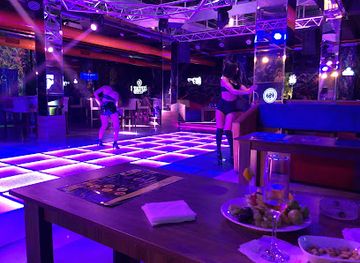
Nightlife in the Lesser Caucasus is modest and concentrated in Ganja and the larger district towns rather than in the mountain villages. Evenings commonly centre on Azerbaijani restaurants, tea houses, hotel lounges and cafés, with conversation and shared meals more typical than a late-night club scene. In Göygöl and other rural areas, guesthouse courtyards and local cafés provide relaxed places to spend the evening, while some larger venues may offer music on busy weekends or during seasonal celebrations. Alcohol is available in licensed establishments, but it is not necessary for participating in local social life; tea remains an important part of hospitality. Travellers heading into remote valleys should not rely on evening transport or expect entertainment after daytime excursions, and should arrange their return journey or accommodation before nightfall.
-
Night club
Nightoffice
Discover Baku's nightlife at Nightoffice, where stunning design meets vibrant music for an unforgettable experience.
-
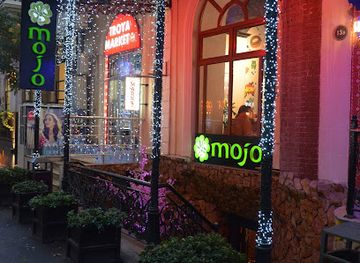
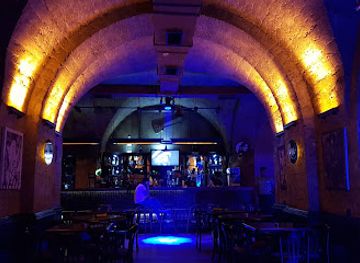
Club
MOJO club
Discover the pulse of Baku's nightlife at MOJO Club, where great music and an electrifying atmosphere await you every night.
-
Night club
Otto
Discover the vibrant nightlife of Baku at Otto, where electrifying music and an energetic atmosphere combine for unforgettable nights.
-
Night club
Status Club Baku
Dive into the vibrant nightlife of Baku at Status Club, where electrifying music and unforgettable moments await.

Best shops in Lesser Caucasus
Shopping in the Lesser Caucasus is oriented towards local produce and practical regional goods rather than large retail centres. Ganja is the principal place for a broader choice of shops, while Göygöl, Dashkasan and Gadabay have smaller markets and independent stores serving local communities. Visitors may find honey, fruit preserves, dried fruit, walnuts, herbs, cheese, wine from the foothill area and seasonal fresh produce, although stock varies by season and settlement. Village guesthouses sometimes sell products made by nearby households, and roadside stalls can be useful for fruit or honey when operating. Traditional Azerbaijani textiles, ceramics and small handicrafts may also appear in local markets, but quality and provenance should be checked rather than assumed. Carry cash in manat for rural purchases, and remember that remote villages are not dependable places to buy specialist outdoor equipment, medicines or travel essentials.
-
Shopping mall
Ganjlik Mall
Experience luxury shopping, exquisite dining, and endless entertainment at Ganjlik Mall, the ultimate shopping destination in Baku.
-
Shopping mall
Park Bulvar Mall
Explore Park Bulvar Mall in Baku: Where Shopping, Dining, and Entertainment Unite Along the Caspian Sea.
-
Shopping mall
28 Mall
Experience the ultimate shopping and dining adventure at 28 Mall in Baku, Azerbaijan, where variety and entertainment meet.
-
Jewelry store
Xtravaganza DM
Discover the elegance of Xtravaganza DM, Baku’s premier jewelry destination offering exquisite pieces in a vibrant shopping atmosphere.


Get your free copy of our complete guide to Lesser Caucasus, delivered straight to you.
Everything on this page, from attractions and restaurants to essentials and local phrases, in one PDF you can read offline, print or share.
Already have an account? Sign in
Your Lesser Caucasus guide is ready.
We'll send it to · Not you? Sign out

Getting your guide ready…
We are putting together a fresh copy of the Lesser Caucasus guide. This can take up to a minute.
This can take a few moments. If your browser asks, choose Allow so the download can start. You'll find the guide in your Downloads folder.
Nothing happened? Download it again
Sorry, the guide is taking longer than usual. Please try again in a minute, or get it by email instead.
Lesser Caucasus essentials
Currency and Payment
Safety
Emergency Situations
Do's and Don'ts
Local Tips
From Eve
Local phrases worth knowing
You don't need to get them perfect. A few words go a long way, and locals appreciate the effort.
Basics
| English | Local | Say it |
|---|---|---|
| Hello | Salam | [sah-lahm] |
| Goodbye | Sağol | [sah-gohl] |
| Yes | Bəli | [beh-lee] |
| No | Xeyr | [khayr] |
| Please/You're welcome | Buyurun | [boo-yroon] |
| Thank you | Təşəkkür edirəm | [teh-sheh-kyoor eh-dee-rem] |
| Excuse me/Sorry | Bağışlayın | [bah-uhsh-lah-een] |
| How are you? | Necəsiz? | [neh-jeh-siz] |
| Fine. And you? | Yaxşı. Siz? | [yahkh-shee. seez?] |
| Do you speak English? | İngiliscə danışırsınız? | [een-gee-lees-jah dah-nah-shee-rs-uh-nyz] |
| I don't understand | Mən başa düşmürəm | [men bah-shah doosh-moo-rem] |
Eating & Drinking
| English | Local | Say it |
|---|---|---|
| I'd like to see the menu, please | Menyuya baxmaq istəyirəm, xahiş edirəm | [men-yoo-yah bahkh-mahk ees-teh-yee-rem, khah-ees eh-dee-rem] |
| I don't eat meat | Mən ət yemirəm | [men aht yeh-mee-rem] |
| Cheers! | Şərəf! | [shah-rehf] |
| I would like to pay, please | Ödəmək istəyirəm, xahiş edirəm | [uh-deh-mehk ees-teh-yee-rem, khah-ees eh-dee-rem] |
Emergencies
| English | Local | Say it |
|---|---|---|
| Help! | Kömək edin! | [kuh-mehk eh-deen!] |
| Go away! | Get! | [get!] |
| Call the Police! | Polis çağırın! | [poh-lees chah-gee-rin!] |
| Call a doctor! | Həkim çağırın! | [heh-keem chah-gee-rin!] |
| I'm lost | Mən itmişəm | [men eet-meesh-em] |
| I'm ill | Mən xəstəyəm | [men khes-teh-yem] |
Shopping
| English | Local | Say it |
|---|---|---|
| I'd like to buy... | Mən ... almaq istəyirəm | [men ... al-mahk ees-teh-yee-rem] |
| I'm just looking | Mən sadəcə baxıram | [men sah-deh-jeh bah-khee-ram] |
| How much is it? | Bu nə qədərdir? | [boo neh geh-dehr-dee?] |
| That's too expensive | Bu çox bahadır | [boo choh khah-hah-deer] |
| Can you lower the price? | Qiyməti endirə bilərsiniz? | [kee-mah-tee en-dee-reh beh-lah-seen-iz?] |
Time & Numbers
| English | Local | Say it |
|---|---|---|
| What time is it? | Saat neçədirmiş? | [sah-aht neh-cheh-deer-mish?] |
| It's one o'clock | Saat birdir | [sah-aht beer-deer] |
| Half past (10) | On bir yarım | [on beer yah-rum] |
| Morning | Səhər | [sah-hair] |
| Afternoon | Gündüz | [guhn-dooz] |
| Evening | Axşam | [akh-sham] |
| Yesterday | Dünən | [doo-nen] |
| Today | Bu gün | [boo goon] |
| Tomorrow | Sabah | [sah-bah] |
| 1 | 1 | [biri] |
| 2 | 2 | [iki] |
| 3 | 3 | [üç] |
| 4 | 4 | [dörd] |
| 5 | 5 | [beş] |
| 6 | 6 | [altı] |
| 7 | 7 | [yeddi] |
| 8 | 8 | [səkkiz] |
| 9 | 9 | [doqquz] |
| 10 | 10 | [on] |
Transport & Directions
| English | Local | Say it |
|---|---|---|
| Where's a/the...? | Nerədə ... var? | [neh-reh-deh ... vahr?] |
| What's the address? | Ünvan nədir? | [oon-vahn neh-deer?] |
| Can you show me (on the map)? | Mənə (xəritədə) göstərə bilərsiniz? | [meh-neh (khahr-ee-tah-deh) goh-stah-reh beh-lah-seen-iz?] |
| When's the next (bus)? | Növbəti (avtobus) nə vaxtdır? | [nohv-beh-tee (av-toh-boos) neh vahk-dur?] |
| A ticket (to ....) | Bir bilet (....) | [beer bee-let (....)] |
History of Lesser Caucasus
Bronze and Iron Age mountain communities
The Lesser Caucasus has long been a zone of movement between the South Caucasus, eastern Anatolia and the Iranian plateau. Archaeological remains from the Bronze and Iron ages indicate settled communities using upland valleys for farming, herding and metalworking, while burial practices and material culture reveal connections across the mountain system. The region’s mineral resources helped make copper and other metals important long before modern industry. Many archaeological sites are modest in appearance today, but they form part of the deeper history behind the fortified hills, pasture routes and village landscapes of western Azerbaijan.
Caucasian Albania and medieval Christian heritage
Parts of present-day western Azerbaijan belonged at different times to the political and cultural world associated with Caucasian Albania, an ancient state whose communities included Christian populations. Medieval churches, monasteries and inscriptions across the broader Lesser Caucasus testify to this history, although several sites lie in areas where access is currently restricted or subject to changing security arrangements. Later centuries brought new political authorities and religious influences, but the region remained a meeting ground of local Caucasian traditions, Persianate culture and Christian heritage.
Islamic khanates and the rise of Ganja
From the medieval period into the eighteenth century, the mountain valleys and foothills were linked to the political centres of Ganja and neighbouring khanates. Ganja grew as a regional centre of trade, administration and culture, while upland settlements supplied livestock, timber, fruit and minerals. Persianate literary and architectural traditions influenced the towns, alongside local forms of Islamic religious life. The fortifiable terrain of the Lesser Caucasus also gave the area strategic importance, since routes through its valleys connected the lowlands with the Caucasus interior.
Russian imperial rule and German settlement
Following the Russian Empire’s expansion into the South Caucasus in the early nineteenth century, the political and economic landscape changed substantially. German settlers established Helenendorf in 1819, creating a wine-making and agricultural community at what is now Göygöl. Their houses, vineyards and institutions became a distinctive part of the local story until the community was deported during the Second World War. Imperial administration also encouraged new roads, surveys and commercial extraction, tying the mountain districts more closely to wider regional markets.
Mining and industrial development
The Lesser Caucasus became an important centre of mining during the late imperial and Soviet periods. Copper around Gadabay and iron ore around Dashkasan supported industrial settlements, transport links and processing facilities, while forests and water resources were also managed for expanding industry. Soviet planning brought schools, housing and infrastructure to remote districts but often prioritised extraction over environmental considerations. The legacy remains visible in mining towns, altered hillsides, industrial ruins and continuing debates about the balance between resource use, employment and mountain conservation.
Conflict, displacement and restricted landscapes
The south-western Lesser Caucasus was deeply affected by the Armenia-Azerbaijan conflict from the late Soviet period onwards. Fighting, displacement and the loss of established transport links reshaped communities and left some districts with damaged infrastructure and hazardous unexploded ordnance. The 2020 war and subsequent developments changed control and access in several areas, but security arrangements remain sensitive and can change. For travellers, this history has practical consequences: some roads, monuments and border-adjacent landscapes are inaccessible, and official guidance should be followed rather than attempting independent exploration.
Contemporary conservation and mountain tourism
Since independence, Azerbaijan has invested in protected landscapes, roads and visitor infrastructure intended to diversify the economy beyond major urban and energy centres. Göygöl National Park represents the conservation side of this development, protecting forest, lake and mountain habitats. Guesthouses, rural tourism and guided outdoor activities have also grown in selected districts, although facilities remain unevenly distributed. The region’s future as a destination depends on improving access and services while protecting fragile watersheds, forests, wildlife and communities affected by past industrial and conflict-related change.
Lesser Caucasus in Photos
Browse through our photo collection highlighting the charm and character of the destination.
Neighbouring regions of Lesser Caucasus
The closest regions to Lesser Caucasus, if you have time for more than one.
-

-

-
-

-


Swipe for more regions
Explore more
Explore more of Azerbaijan
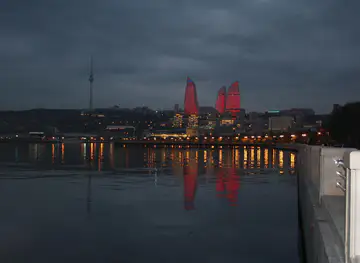
Discover Azerbaijan: A captivating blend of ancient heritage, stunning natural landscapes, and vibrant modernity at the crossroads of Europe and Asia.
Explore Azerbaijan