Dar al-Naft Oil Museum, Southern Region Travel Guide
Explore Bahrain's oil heritage at Dar al-Naft Oil Museum, where history and innovation converge in the heart of the desert landscape.
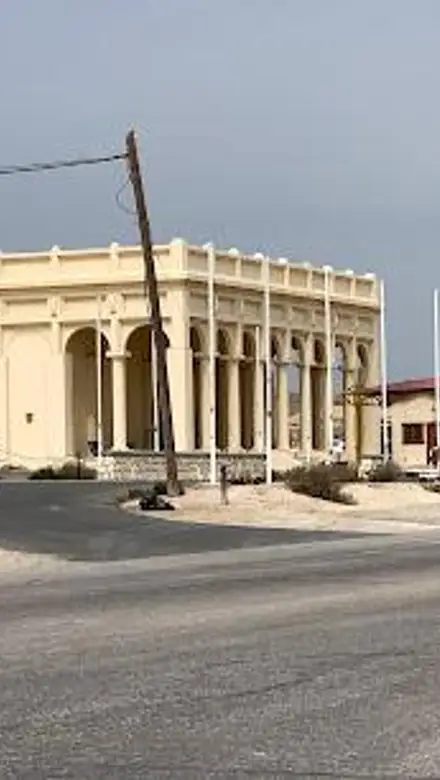
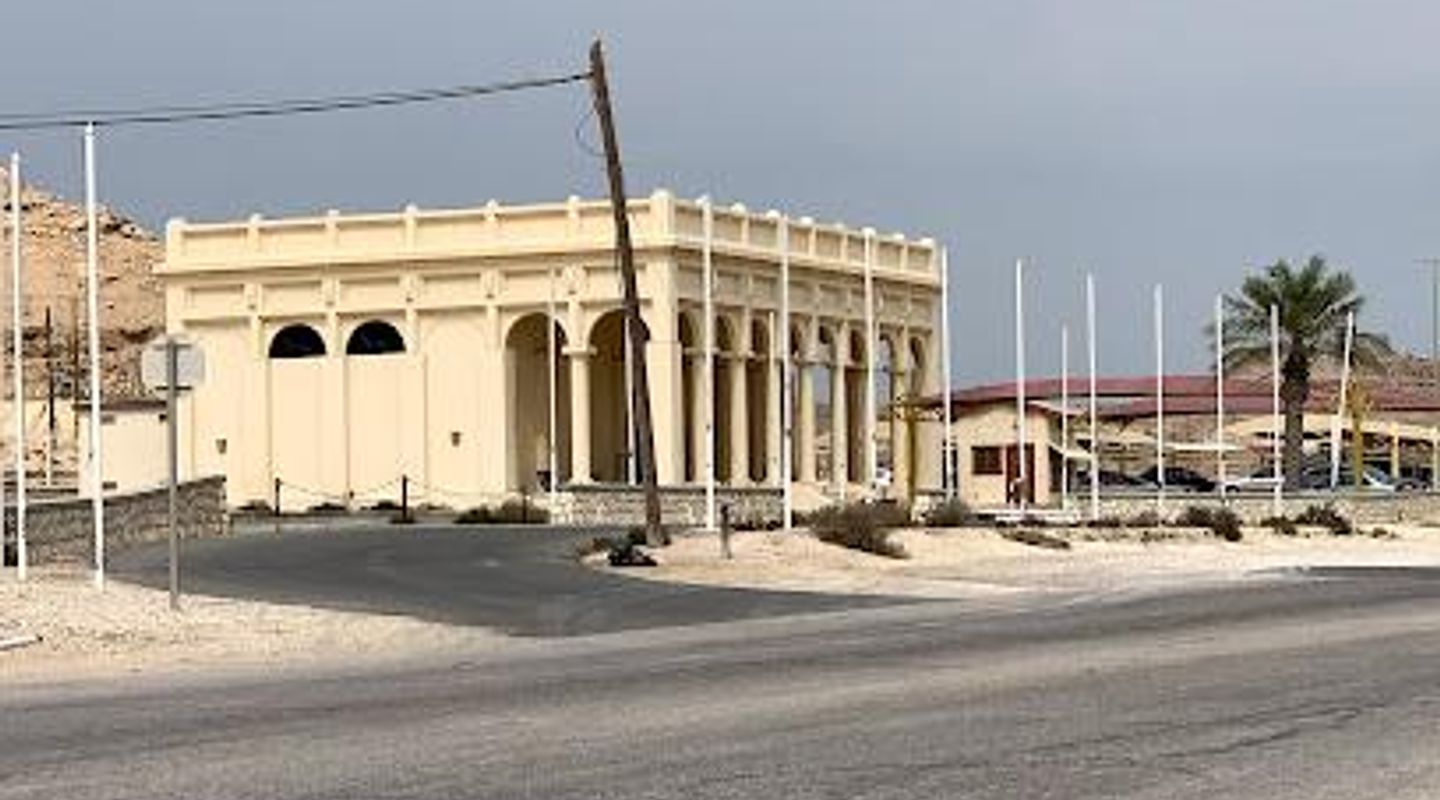
The Dar al-Naft Oil Museum commemorates Bahrain's oil history and transformation into a modern, oil-producing nation. Opened in 1992, it marks the 60th anniversary of oil discovery in Bahrain. Located near the first oil well, it offers insights into the origins of Bahrain's oil industry.
A brief summary to Dar al-Naft Oil Museum
- 2HH3+225, BH
- Click to display

Know before you go
Hi, I'm Eve. Here are a few practical things to know before exploring Dar al-Naft Oil Museum.
- Visit during weekdays for a quieter experience, as weekends tend to attract more visitors.
- Allow at least 1-2 hours to fully explore the museum and appreciate all the exhibits.
- Call ahead to check opening hours, as the museum is not always open.
Do you manage this location?
Take control to get all the benefits, like improved information, better appearance, and stronger visibility across AI-powered discovery. Learn more about listing your business on Evendo
Activate your presenceOther nearby places you may find interesting
The closest places of the same kind, if this one is not quite what you had in mind.
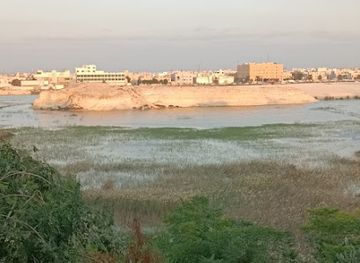

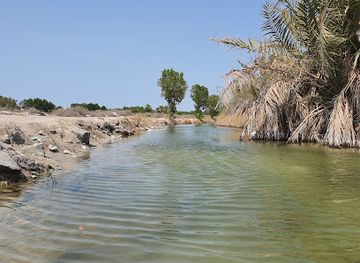
Explore Dar al-Naft Oil Museum on the Map
A handpicked selection of must-see spots near Dar al-Naft Oil Museum, mapped for you.
Unlock the Best of Dar al-Naft Oil Museum
Buy tickets
-
No tickets available
Book tours with entry


Book tours without entry
-
No tours available
Getting There
-
Taxi/Ride-Sharing
From Manama, the most convenient way to reach the Dar al-Naft Oil Museum is by taxi or ride-sharing services like Uber or Careem. The journey takes approximately 40 minutes, depending on traffic. Direct the driver to Jebel Dukhan, near the first oil well. The fare typically ranges from 5 BHD to 8 BHD. Taxis are readily available throughout Bahrain. The base fare starts at 1 BHD, with an additional 0.200 BHD per kilometer. Late-night rides (midnight to 6 AM) have a surcharge, increasing the starting fare to 1.5 BHD.
-
Public Transport
To reach the Dar al-Naft Oil Museum using public transportation, start by locating the nearest bus stop. Look for buses that head towards Sitra or Manama. You can ask locals or check the bus schedule for routes that pass near the museum. Inform the driver that you want to get off at the Dar al-Naft Oil Museum stop or the closest stop to it. The bus fare is approximately 0.300 BHD. You can pay with exact cash or use a GO Card.
Discover more about Dar al-Naft Oil Museum













Your all‑in‑one travel companion app
Explore expert travel guides, compare and book tours, experiences, hotels, and more—all from the palm of your hand. Download now for seamless trip planning wherever your wanderlust takes you.


Explore More of Southern Region
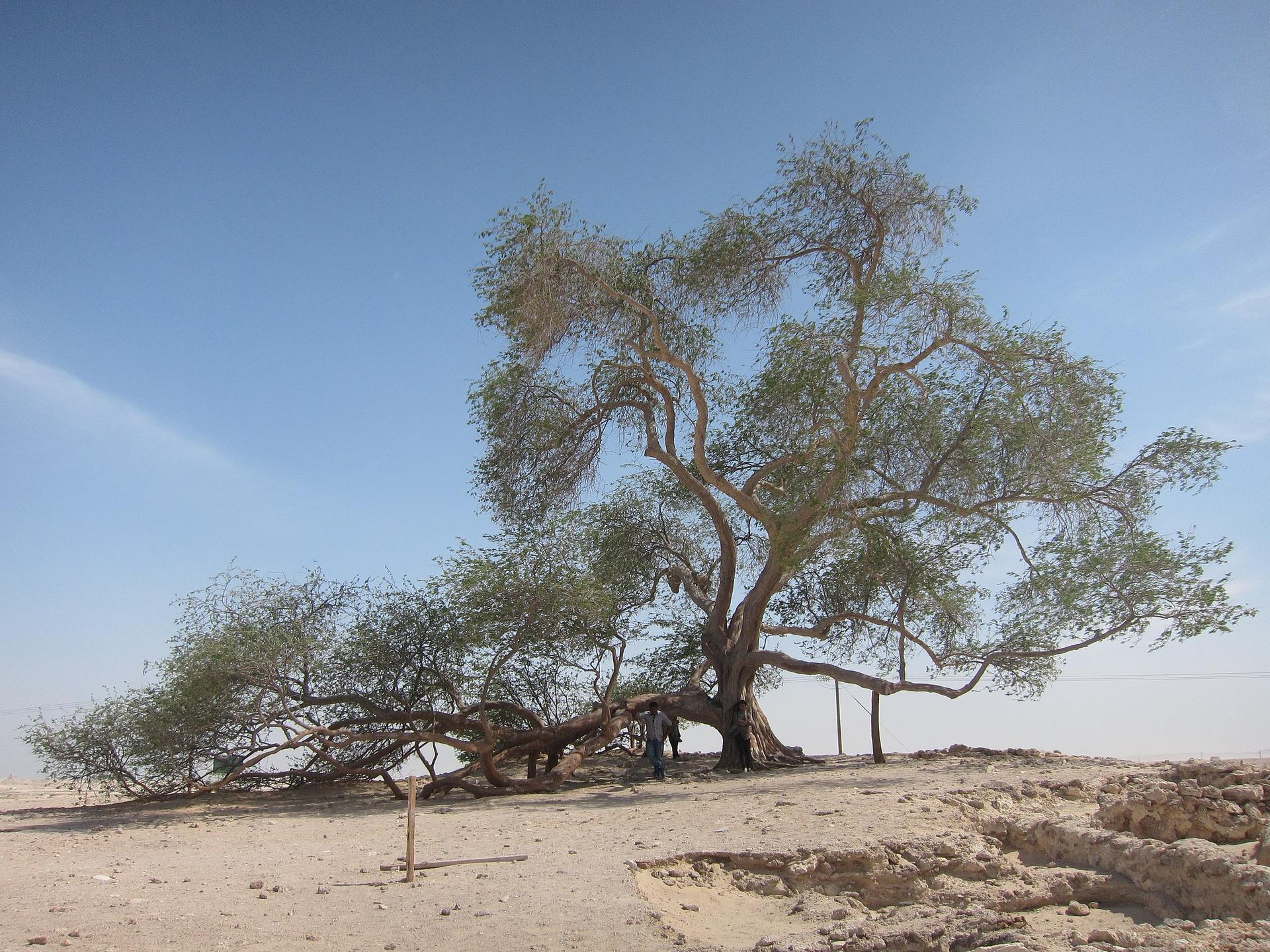
Looking beyond Dar al-Naft Oil Museum? Discover Southern Region for broader travel guides, local hot-spots, and regional highlights.
Explore Southern Region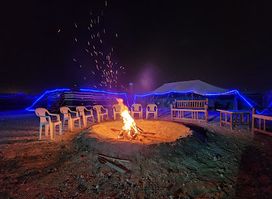
Experience Bahrain's desert charm at Oasis Camp in Jaww: cultural immersion, desert adventures, and Bedouin hospitality await!

Explore Bahrain's oil heritage at Dar al-Naft Oil Museum: Discover the kingdom's transformation from pearl diving to a modern, oil-rich nation.