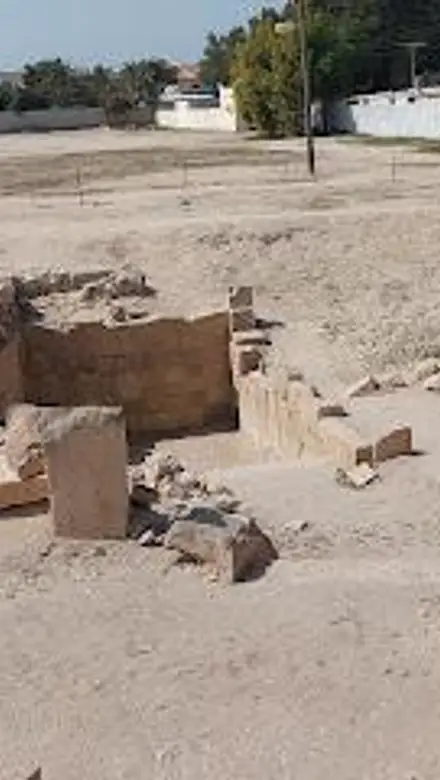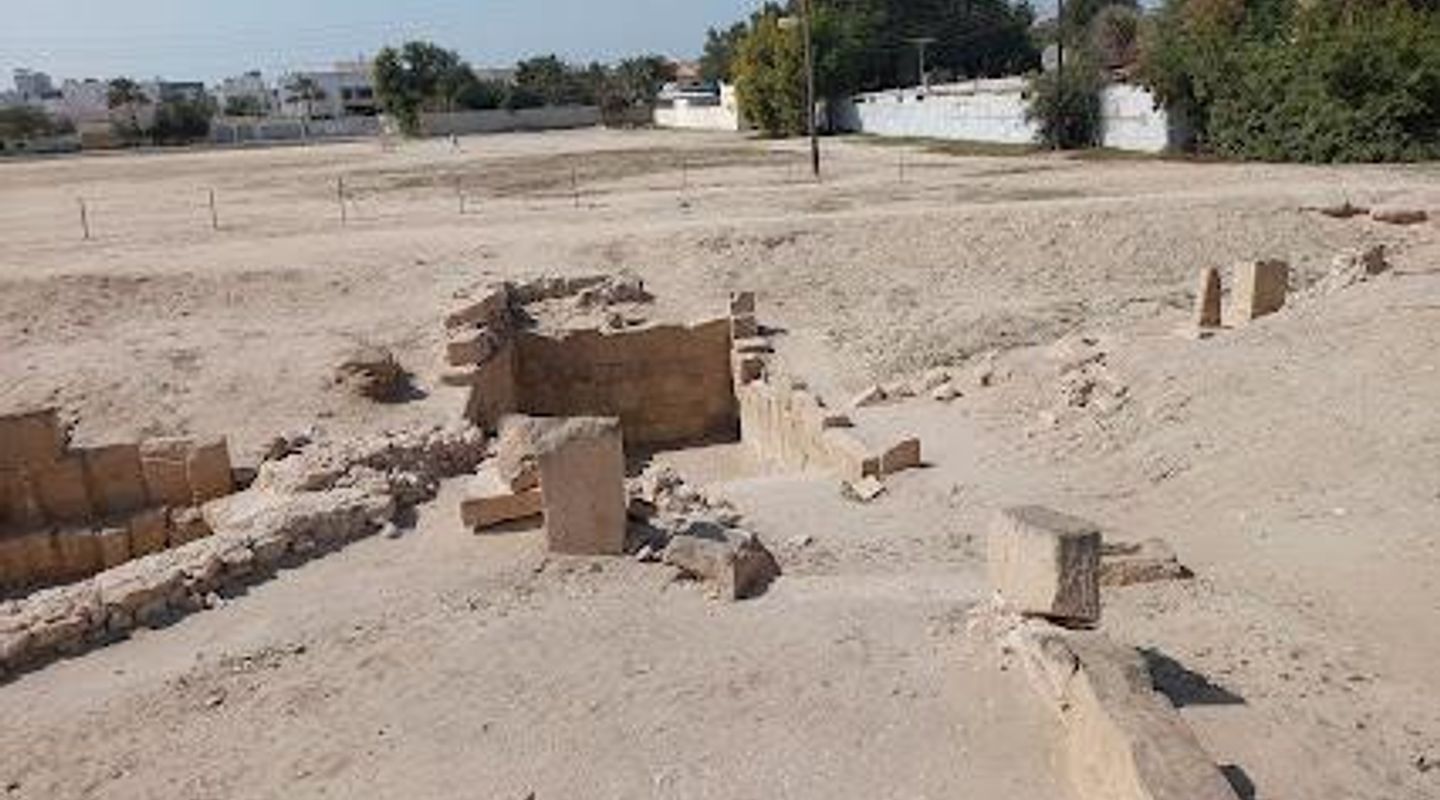
Barbar Temple, Saar Travel Guide
Explore the ancient ruins of the Barbar Temple, a window into the Dilmun civilization and Bahrain's rich cultural heritage.
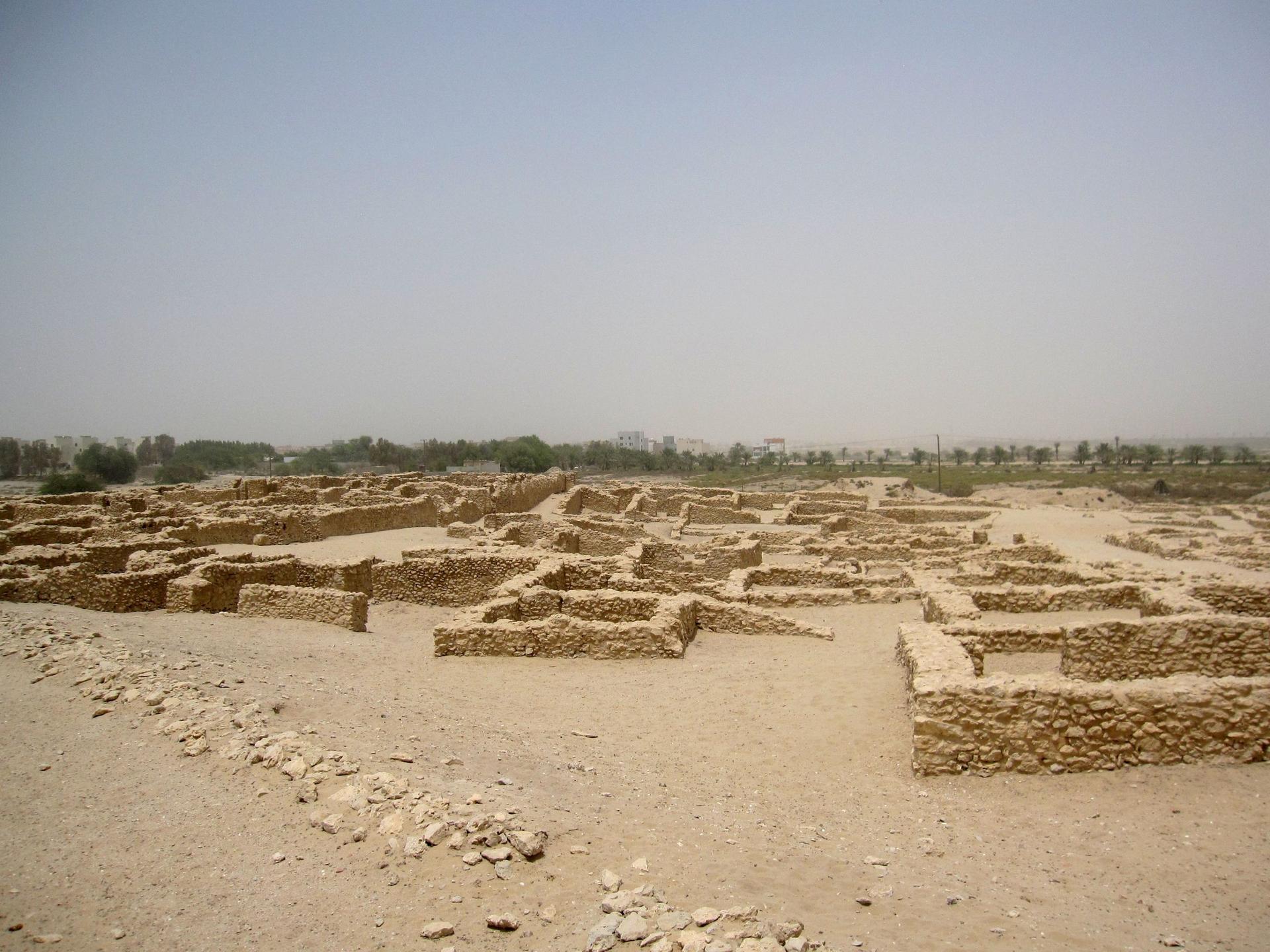
The Barbar Temple, located in the village of Barbar, Bahrain, is a significant archaeological site dating back to the Dilmun civilization (3000 BC to 539 BC). The temple complex consists of three superimposed temples built over several centuries, dedicated to the worship of Enki, the Sumerian god of wisdom and freshwater.
A brief summary to Barbar Temple
- 6FGM+FJQ, Barbar, BH
- Click to display
- Monday 8 am-5 pm
- Tuesday 8 am-5 pm
- Wednesday 8 am-5 pm
- Thursday 8 am-5 pm
- Friday 8 am-5 pm
- Saturday 8 am-5 pm
- Sunday 8 am-5 pm

Know before you go
Hi, I'm Eve. Here are a few practical things to know before exploring Barbar Temple.
- Visit during the cooler months (November to February) for a more comfortable experience.
- Wear comfortable shoes suitable for walking on uneven surfaces, as exploring the temple ruins involves traversing ancient stone structures.
- Combine your visit with a trip to the Bahrain National Museum in Manama to see artifacts recovered from the site and learn more about Bahrain's history.
Do you manage this location?
Take control to get all the benefits, like improved information, better appearance, and stronger visibility across AI-powered discovery. Learn more about listing your business on Evendo
Activate your presenceOther nearby places you may find interesting
The closest places of the same kind, if this one is not quite what you had in mind.
Explore Barbar Temple on the Map
A handpicked selection of must-see spots near Barbar Temple, mapped for you.
Unlock the Best of Barbar Temple
Buy tickets
-
No tickets available
Book tours with entry


Book tours without entry
-
No tours available
Getting There
-
Taxi/Ride-Share
From Manama, taking a taxi or ride-sharing service (such as Uber or Careem) is a convenient way to reach the Barbar Temple. The journey typically takes around 15-20 minutes. Inform the driver you wish to go to the Barbar Temple in Barbar village. The fare will likely range from 4 BHD to 6 BHD depending on the starting point and traffic conditions.
-
Public Transport
To reach Barbar Temple using public transportation, start by taking a taxi or a rideshare service to the nearest bus station, which may be in the town of Hamad Town. From there, look for a bus heading towards Barbar. The bus ride should take approximately 30 minutes. Once you arrive in Barbar, it's a short walk to the temple. The bus fare is approximately 0.200 BHD.
-
Driving
If driving from Manama, head northwest on the Budaiya Highway. Follow the signs towards Barbar. The drive is straightforward and takes about 15 minutes. There is free parking available near the entrance to the Barbar Temple archaeological site.
Discover more about Barbar Temple













Your all‑in‑one travel companion app
Explore expert travel guides, compare and book tours, experiences, hotels, and more—all from the palm of your hand. Download now for seamless trip planning wherever your wanderlust takes you.


Explore More of Saar
Looking beyond Barbar Temple? Discover Saar for broader travel guides, local hot-spots, and regional highlights.
Explore Saar