

Free Saar Travel Guide & Mobile App
Plan your Saar trip with Evendo. Get free guides to top attractions, restaurants, hotels, and bars. Web access or download the mobile app.


Saar, Bahrain, reveals Dilmun-era archaeology, village life and easy access to Bahrain’s forts, museums, souqs and Gulf coast experiences.
Ancient Roots
Saar lies in north-western Bahrain, within the island’s settled western belt and a short drive from Manama. Today it is a residential village surrounded by roads, gardens and expanding suburbs, yet beneath and around it survive some of the clearest archaeological traces of Dilmun, the Bronze Age civilisation that flourished in Bahrain and the eastern Arabian Gulf. The Saar archaeological area includes the remains of an ancient settlement and extensive burial grounds, offering a more intimate encounter with Bahrain’s early history than the grander monuments of the capital.Read more about Saar
Village Character
Exploring the Surrounding Island
When is the best time to visit Saar?
Best: February–March, December · 23–26°C| Month | High (°C) | Rainfall (mm) |
|---|---|---|
| January | 22 | 0 |
| February (best) | 23 | 0 |
| March (best) | 26 | 0 |
| April | 32 | 0 |
| May | 37 | 0 |
| June | 41 | 0 |
| July | 44 | 0 |
| August | 44 | 0 |
| September | 40 | 0 |
| October | 34 | 0 |
| November | 29 | 0 |
| December (best) | 25 | 0 |
Getting to and around Saar
How to get there
Transportation
Best attractions in Saar
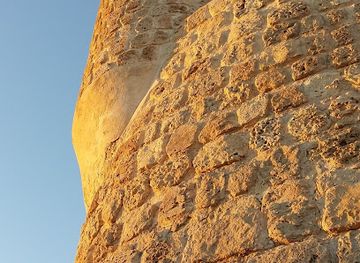
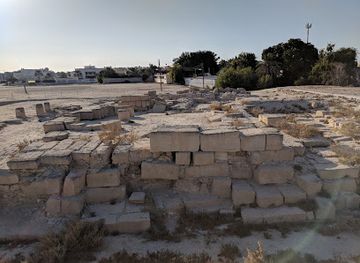
Saar’s principal attraction is its archaeological area, where the remains of a Dilmun-era settlement and nearby burial fields reveal the organisation of one of Bahrain’s ancient communities. The site is valued for its foundations, streets and domestic traces rather than towering monuments, making it best appreciated with some archaeological context. The surrounding villages of Diraz, Bani Jamra and Budaiya offer glimpses of northern Bahrain’s lived-in landscape, with mosques, residential lanes and cultivated pockets set among modern development. Saar also works well as a base for short drives to Bahrain Fort and the Qal'at al-Bahrain archaeological area, whose fortified remains and museum provide a broader perspective on the island’s long history. For a contrasting urban experience, Manama’s Bahrain National Museum and Bab Al Bahrain are within driving distance. Visitors should check access arrangements for excavation areas, as not every remnant functions as a formal, continuously staffed attraction.
-
Fortress
Bahrain Fort
Explore Bahrain Fort: A UNESCO site revealing 4000 years of history, from the Dilmun civilization to Portuguese occupation.
16 min drive · 5.4 km from city centre
-
Tourist attraction
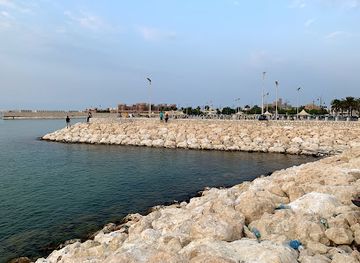
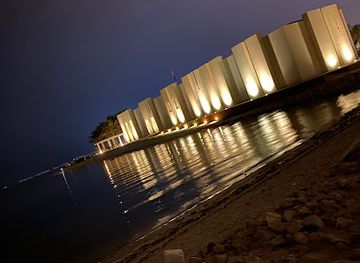
Al Budaiya Park
Escape to Al Budaiya Park: A tranquil retreat in Bahrain with lush landscapes, family activities, and cultural experiences.
12 min drive · 4.1 km from city centre
-
Museum
Bahrain Fort Museum
Explore 4,000 years of history at Bahrain Fort Museum, a UNESCO World Heritage Site showcasing ancient civilizations and panoramic views of the Gulf.
17 min drive · 5.8 km from city centre
-
Animal park
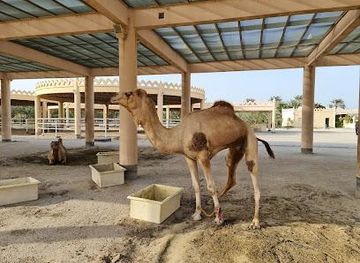
Royal Camel Farm
Discover Bahrain's enduring camel heritage at the Royal Camel Farm, a unique sanctuary showcasing the cultural significance of these gentle giants.
8 min drive · 2.5 km from city centre

Best landmarks in Saar
Saar’s most important landmarks are archaeological rather than monumental. The Saar settlement preserves the foundations and urban traces of a Dilmun community, while the associated burial fields form part of Bahrain’s extensive landscape of ancient funerary mounds. Together they connect the village to the Bronze Age maritime culture that made Bahrain a significant Gulf intermediary. In the wider north-western area, Bahrain Fort, also known as Qal'at al-Bahrain, provides a later and more visibly architectural expression of the island’s strategic importance, with layered remains associated with successive periods of settlement. Nearby Diraz is known for its village setting and religious heritage, while modern mosques and community buildings remain central features of Saar’s present-day landscape. These places should be understood as parts of a dispersed historical geography rather than as a single monumental centre, with ancient remains, living villages and modern roads occupying the same island environment.
-
Fortress
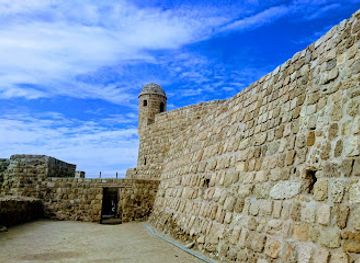
Bahrain Fort
Explore Bahrain Fort: A UNESCO site revealing 4,000 years of history, from the Dilmun Empire to Portuguese influence. Free entry to the fort!
16 min drive · 5.4 km from city centre
-
Museum
Bahrain Fort Museum
Explore 4,000 years of history at this UNESCO World Heritage Site, showcasing Bahrain's rich heritage from the Dilmun era to the Portuguese occupation.
17 min drive · 5.8 km from city centre
-
Historical landmark
Al Khamis Mosque
Discover Bahrain's Islamic heritage at one of the region's oldest and most historically significant mosques.
19 min drive · 6.4 km from city centre
-
Archaeological site
Barbar Temple
Discover the ancient allure of Barbar Temple, an archaeological gem in Bahrain that unveils the mysteries of the Dilmun civilization.
10 min drive · 3.5 km from city centre

Explore Saar on the map
Plan your Saar trip on one map. See where the top attractions, landmarks, restaurants, bars and hotels are, find what's near where you're staying, and book hotels and experiences in a few clicks.
Best hotels in Saar
Best restaurants in Saar
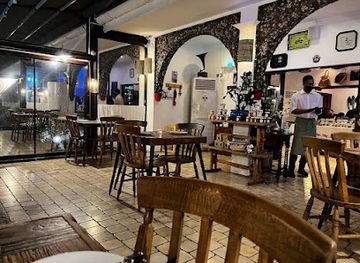
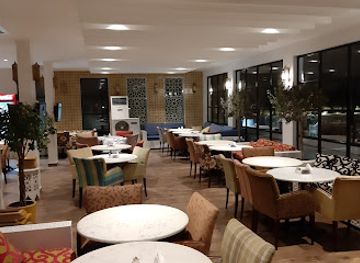
Saar itself has a mainly local, residential dining scene, with casual cafés, takeaway counters and everyday restaurants serving Bahraini and wider Gulf, Arab and South Asian food rather than a concentrated gourmet quarter. Traditional dishes to look for across the island include machboos, rice cooked with spiced fish or meat, grilled seafood, lightly spiced stews and sweet treats such as Bahraini halwa. Tea, Arabic coffee, flatbreads and fresh juices are common features of informal dining. For a broader choice, the neighbouring villages and commercial areas around Budaiya, Janabiyah and Seef offer restaurants ranging from inexpensive South Asian eateries to modern cafés. Manama provides Bahrain’s widest selection, including traditional Bahraini cooking, Persian and Indian influences, Levantine food and international dining. Local produce, dates and seafood reflect the island’s oasis-and-coast geography, even when meals are served in contemporary surroundings.
-
Middle Eastern
Villa Mamas Bahrain
Discover the essence of Bahraini cuisine at Villa Mamas - where organic meets tradition in fine dining.
12 min walk · 0.9 km from city centre
-
Restaurant
Arabella Café
Discover the delightful flavors of Bahrain at Arabella Café in Al Markh – where tradition meets modern culinary artistry.
11 min walk · 0.9 km from city centre
-
Restaurant
Mido Du Cafe
Discover Mido Du Cafe in Almarkb - where delicious Bahraini cuisine meets cozy ambiance amidst vibrant surroundings.
11 min walk · 0.8 km from city centre
-
Restaurant
Lumee Street - Saar
Experience culinary excellence at Lumee Street in Saar, where diverse flavors meet inviting ambiance for an unforgettable dining adventure.
17 min walk · 1.4 km from city centre
Best bars in Saar
Saar has a quiet, residential evening character rather than a concentrated nightlife district. After dark, the local scene centres on cafés, family restaurants and informal gatherings, while larger entertainment choices are found by travelling towards Manama, Seef and Juffair. Bahrain’s licensed hotels and hospitality venues host many of the island’s cocktail bars, lounges, live-music evenings and nightclubs, although the atmosphere varies considerably between relaxed hotel settings and busier late-night venues. Cultural evenings may include performances or events at major institutions in Manama, subject to the programme. Visitors should remember that alcohol is served only in licensed venues and that public drinking is not appropriate. Taxis or a designated driver are useful when returning from nightlife areas, as Saar’s village streets are not designed around late-night pedestrian movement or a bar-to-bar circuit.
-
Restaurant
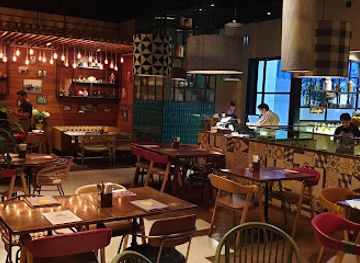
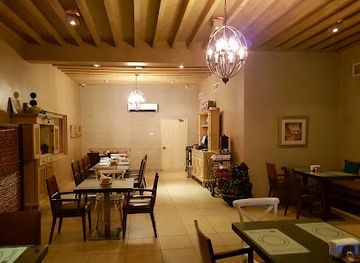
Cappuccino Cafe
Discover Cappuccino Cafe in Saar, where aromatic coffee and a cozy atmosphere await the perfect break for tourists seeking relaxation.
15 min walk · 1.2 km from city centre
-
Restaurant
Salya Restaurant Seafood & More SAR BRANCH مطعم ساليا فرع سار
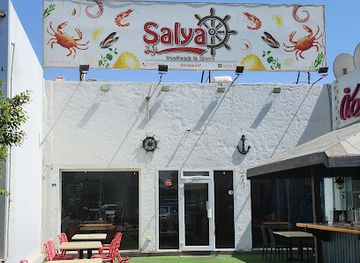
Discover a seafood paradise at Salya Restaurant, where fresh flavors and a welcoming ambiance create unforgettable dining experiences in Saar.
8 min drive · 2.5 km from city centre
-
Restaurant
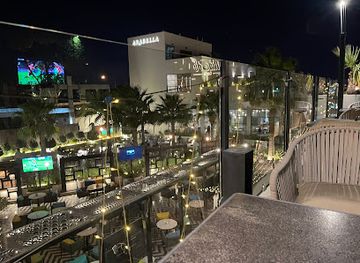
La Terraza
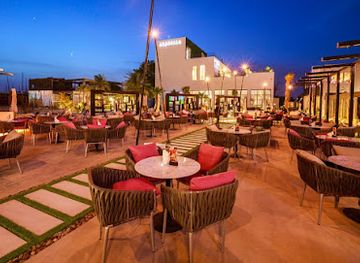
Experience exquisite cuisine and a stunning ambiance at La Terraza, Saar's premier dining destination for food enthusiasts.
10 min walk · 0.8 km from city centre
-
Bar
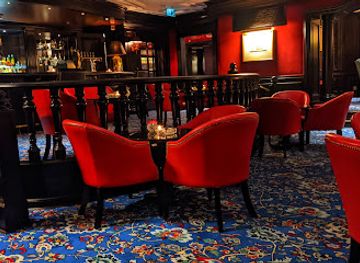
The Burlington Club
Experience upscale nightlife at The Burlington Club in Manama, where luxury meets vibrant socializing in an elegant bar setting.
23 min drive · 7.6 km from city centre
Best nightclubs in Saar
Saar has a quiet, residential evening character rather than a concentrated nightlife district. After dark, the local scene centres on cafés, family restaurants and informal gatherings, while larger entertainment choices are found by travelling towards Manama, Seef and Juffair. Bahrain’s licensed hotels and hospitality venues host many of the island’s cocktail bars, lounges, live-music evenings and nightclubs, although the atmosphere varies considerably between relaxed hotel settings and busier late-night venues. Cultural evenings may include performances or events at major institutions in Manama, subject to the programme. Visitors should remember that alcohol is served only in licensed venues and that public drinking is not appropriate. Taxis or a designated driver are useful when returning from nightlife areas, as Saar’s village streets are not designed around late-night pedestrian movement or a bar-to-bar circuit.
-
Night club
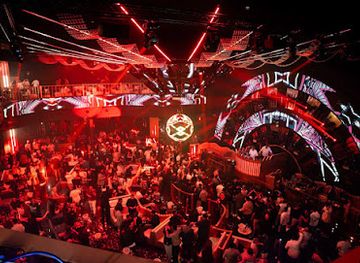
W Club Lounge
Discover the electrifying nightlife at W Club Lounge, a premier night club in Seef, offering vibrant music and exquisite drinks for an unforgettable experience.
20 min drive · 6.8 km from city centre
-
Social club
Dilmun Club
Discover Saar's social hub, Dilmun Club, where friendly vibes and affordable drinks create the perfect atmosphere for relaxation and fun.
14 min walk · 1.1 km from city centre
-
Night club
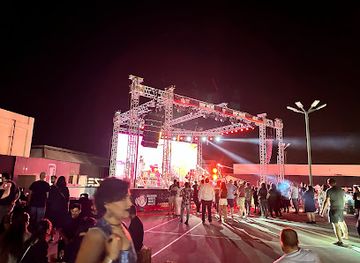
Stage Bahrain
Immerse yourself in the vibrant nightlife at Stage Bahrain, a premier night club with electrifying music, exquisite drinks, and an unforgettable atmosphere.
23 min drive · 7.6 km from city centre
-
Hookah bar
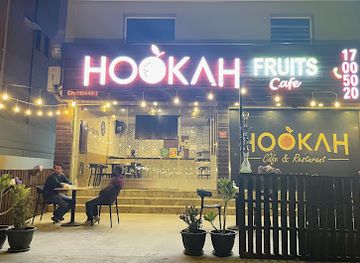
Hookah Fruit Cafe & Restaurant
Experience the ultimate chill at Hookah Fruit Cafe & Restaurant, where flavors meet relaxation in a cozy Saar setting.
7 min walk · 0.6 km from city centre

Best shops in Saar
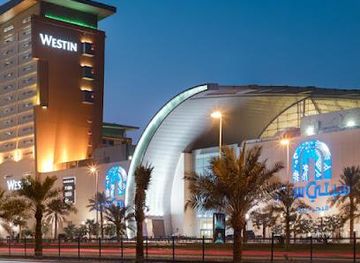
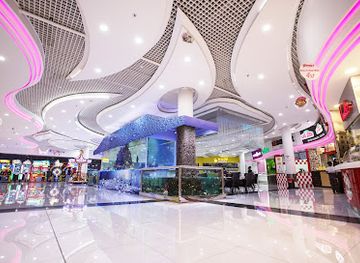
Shopping in Saar is primarily local and practical, with small groceries, everyday retailers, cafés and service businesses serving the surrounding residential communities. Visitors seeking crafts, food gifts or a more distinctive retail atmosphere will find broader opportunities in nearby commercial districts and in Manama Souq, where shops sell spices, perfumes, textiles, jewellery, dates, sweets and other goods associated with Bahrain’s trading culture. Modern malls in the wider Manama and Seef area provide international brands, department-style retail and air-conditioned browsing, creating a strong contrast with traditional souq shopping. For locally characteristic purchases, look for Bahraini halwa, dates, spices, Arabic coffee ingredients and handcrafted items, while checking provenance and quality rather than assuming every souvenir is made locally. Saar is best treated as a base for exploring this wider retail landscape, not as a specialist shopping quarter in its own right.
-
Shopping mall
City Centre Bahrain
Experience unparalleled shopping, dining, and entertainment at City Centre Bahrain, the ultimate destination for tourists seeking the best of the island.
24 min drive · 8.0 km from city centre
-
Shopping mall
Seef Mall
Explore Seef Mall in Manama for an extraordinary shopping experience, featuring top brands, diverse dining options, and exciting entertainment.
20 min drive · 6.6 km from city centre
-
Shopping mall
Gold City Mall
Discover the ultimate shopping experience at Gold City Mall in Manama, where fashion, food, and fun come together in one vibrant location.
29 min drive · 9.7 km from city centre
-
Shopping mall
Saar Mall
Explore Saar Mall in Bahrain for an unforgettable shopping experience with diverse stores, dining options, and entertainment for all ages.
17 min walk · 1.4 km from city centre


Get your free copy of our complete guide to Saar, delivered straight to you.
Everything on this page, from attractions and restaurants to essentials and local phrases, in one PDF you can read offline, print or share.
Already have an account? Sign in
Your Saar guide is ready.
We'll send it to · Not you? Sign out

Getting your guide ready…
We are putting together a fresh copy of the Saar guide. This can take up to a minute.
This can take a few moments. If your browser asks, choose Allow so the download can start. You'll find the guide in your Downloads folder.
Nothing happened? Download it again
Sorry, the guide is taking longer than usual. Please try again in a minute, or get it by email instead.
Saar essentials
Currency and Payment
Safety
Emergency Situations
Do's and Don'ts
Local Tips
From Eve
Local phrases worth knowing
You don't need to get them perfect. A few words go a long way, and locals appreciate the effort.
Basics
| English | Local | Say it |
|---|---|---|
| Hello | مرحبا | [Marhaba] |
| Goodbye | وداعا | [Wada'an] |
| Yes | نعم | [Na'am] |
| No | لا | [La] |
| Please/You're welcome | من فضلك / على الرحب والسعة | [Min fadlik / Ala al-rahb was-sa'ah] |
| Thank you | شكرا | [Shukran] |
| Excuse me/Sorry | عذرا | [A'zra] |
| How are you? | كيف حالك؟ | [Kayf halak?] |
| Fine. And you? | بخير. وأنت؟ | [Bikhair. Wa anta?] |
| Do you speak English? | هل تتحدث الإنجليزية؟ | [Hal tatahadath al-inglizia?] |
| I don't understand | أنا لا أفهم | [Ana la afham] |
Eating & Drinking
| English | Local | Say it |
|---|---|---|
| I'd like to see the menu, please | أريد رؤية القائمة، من فضلك | [Arid ru'ya al-qa'ima, min fadlik] |
| I don't eat meat | أنا لا آكل اللحم | [Ana la akl al-lahm] |
| Cheers! | في صحتك! | [Fi sahtak!] |
| I would like to pay, please | أريد أن أدفع، من فضلك | [Arid an adfa', min fadlik] |
Emergencies
| English | Local | Say it |
|---|---|---|
| Help! | النجدة! | [An-najda!] |
| Go away! | اذهب بعيدا! | [Ithhab ba'idan!] |
| Call the Police! | اتصل بالشرطة! | [Itsal bil-shurta!] |
| Call a doctor! | اتصل بطبيب! | [Itsal bitabib!] |
| I'm lost | لقد ضللت الطريق | [Lakad dalalt at-tariq] |
| I'm ill | أنا مريض | [Ana mareed] |
Shopping
| English | Local | Say it |
|---|---|---|
| I'd like to buy... | أود أن أشتري... | [Awd an ashtari...] |
| I'm just looking | أنا فقط أتفرج | [Ana faqat atfari] |
| How much is it? | كم هو ثمنه؟ | [Kam huwa thamanuhu?] |
| That's too expensive | هذا غالي جدا | [Hatha ghali jiddan] |
| Can you lower the price? | هل يمكنك تخفيض السعر؟ | [Hal yumkinuk takhfid as-sa'r?] |
Time & Numbers
| English | Local | Say it |
|---|---|---|
| What time is it? | كم الساعة؟ | [Kam as-sa'ah?] |
| It's one o'clock | الساعة الواحدة | [As-sa'ah al-wahidah] |
| Half past (10) | العاشرة والنصف | [Al-'ashirah wan-nisf] |
| Morning | الصباح | [As-sabah] |
| Afternoon | الظهر | [Adh-dhuhr] |
| Evening | المساء | [Al-masa] |
| Yesterday | أمس | [Ams] |
| Today | اليوم | [Al-yawm] |
| Tomorrow | غدا | [Ghadan] |
| 1 | واحد | [Wahid] |
| 2 | اثنان | [Ithnan] |
| 3 | ثلاثة | [Thalatha] |
| 4 | أربعة | [Arba'a] |
| 5 | خمسة | [Khamsa] |
| 6 | ستة | [Sitta] |
| 7 | سبعة | [Sab'a] |
| 8 | ثمانية | [Thamaneya] |
| 9 | تسعة | [Tis'a] |
| 10 | عشرة | [Ashara] |
Transport & Directions
| English | Local | Say it |
|---|---|---|
| Where's a/the...? | أين هو/هي...؟ | [Ayna huwa/hiya...?] |
| What's the address? | ما هو العنوان؟ | [Ma huwa al-ainwan?] |
| Can you show me (on the map)? | هل يمكنك أن تريني (على الخريطة)؟ | [Hal yumkinuk an tarini (ala al-khartah)?] |
| When's the next (bus)? | متى يأتي الحافلة التالية؟ | [Mata yaati al-hafilah at-taliyah?] |
| A ticket (to ....) | تذكرة (إلى...) | [Tathkirah (ila...)] |
History of Saar
Saar and the Dilmun World
Saar is associated with a substantial Bronze Age settlement belonging to Dilmun, the civilisation centred on Bahrain that prospered through its position between Mesopotamia, eastern Arabia and the wider Gulf. Archaeological remains indicate organised domestic and communal activity, including buildings, streets and craft-related evidence. The settlement is generally dated to the early second millennium BCE, when Dilmun was an important maritime intermediary. Its location reflects the importance of Bahrain’s fresh-water springs, agricultural potential and position on sea routes. Although much of the ancient town survives as foundations rather than standing architecture, the layout provides evidence of a planned community and helps explain why Bahrain occupies such an important place in the archaeology of the ancient Gulf.
Burial Grounds of Ancient Saar
The wider Saar area is notable for its ancient burial fields, which form part of Bahrain’s exceptionally extensive landscape of Dilmun-era burial mounds. These graves, built for individuals and communities over successive periods, preserve evidence of funerary practice, social organisation and changing beliefs. The mounds once covered much of Bahrain’s settled interior, although modern construction and later land use have altered the landscape considerably. Saar’s burial grounds are significant not because they form a single monumental necropolis in the classical sense, but because they belong to a broad archaeological record extending across the island. Together with the settlement remains, they give the area unusual value for understanding how Dilmun communities lived, died and commemorated their dead.
Bahrain’s Islamic and Village Landscape
After the Bronze Age, Bahrain passed through successive periods of regional influence and developed as an Islamic society connected to the Gulf, Arabia and southern Iraq. Saar’s later history is best understood within the continuity of Bahrain’s northern villages, where agriculture, date cultivation, religious institutions and family-based communities shaped everyday life. Nearby settlements such as Diraz and Budaiya preserve aspects of this village geography, while the modern road network has linked the area more closely to Manama and the northern suburbs. Unlike major fortified sites, Saar does not present a continuous monumental chronology above ground; its importance lies in the relationship between archaeological remains and a living landscape that has continued to be inhabited and cultivated.
Modern Archaeology and Urban Change
Systematic archaeological work in Saar helped establish the settlement and surrounding burial fields as important evidence for Dilmun civilisation. Excavations revealed building remains and artefacts that broadened understanding of domestic life beyond the better-known monumental and trading sites of Bahrain. During the twentieth and early twenty-first centuries, expanding roads, housing and services transformed the villages west of Manama, placing ancient remains within a rapidly urbanising environment. This has made archaeological protection an ongoing challenge: burial mounds and settlement traces are not isolated from modern life but occupy land under pressure from development. Contemporary Saar therefore represents both a living Bahraini community and a valuable archaeological record embedded within the island’s modern growth.
Saar in Photos
Browse through our photo collection highlighting the charm and character of the destination.
Cities near Saar
The closest cities to Saar, if you have time for more than one stop.
-

-

-

-

-


Swipe for more cities

