Saar Temple, Saar Travel Guide
Free Guide: Explore the ancient Dilmun civilization at Saar Temple, a captivating archaeological site showcasing Bahrain's rich history and culture.


A brief summary of Saar Temple
Explore the ancient Dilmun civilization at Saar Temple, a captivating archaeological site showcasing Bahrain's rich history and culture.
The Saar Temple, located in Saar, Bahrain, offers a captivating glimpse into the Dilmun civilization that thrived over 4,000 years ago. This well-preserved archaeological site includes a temple and surrounding settlement, providing insights into the lives, beliefs, and societal structures of this ancient culture.
- Address
- 5FMQ+2M2, Saar
Getting there
Taxi/Ride-Share
Public Transport
Discover more about Saar Temple
Overview
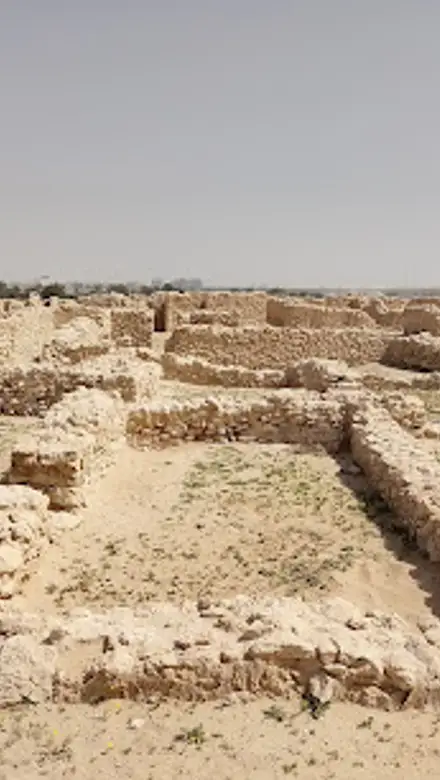
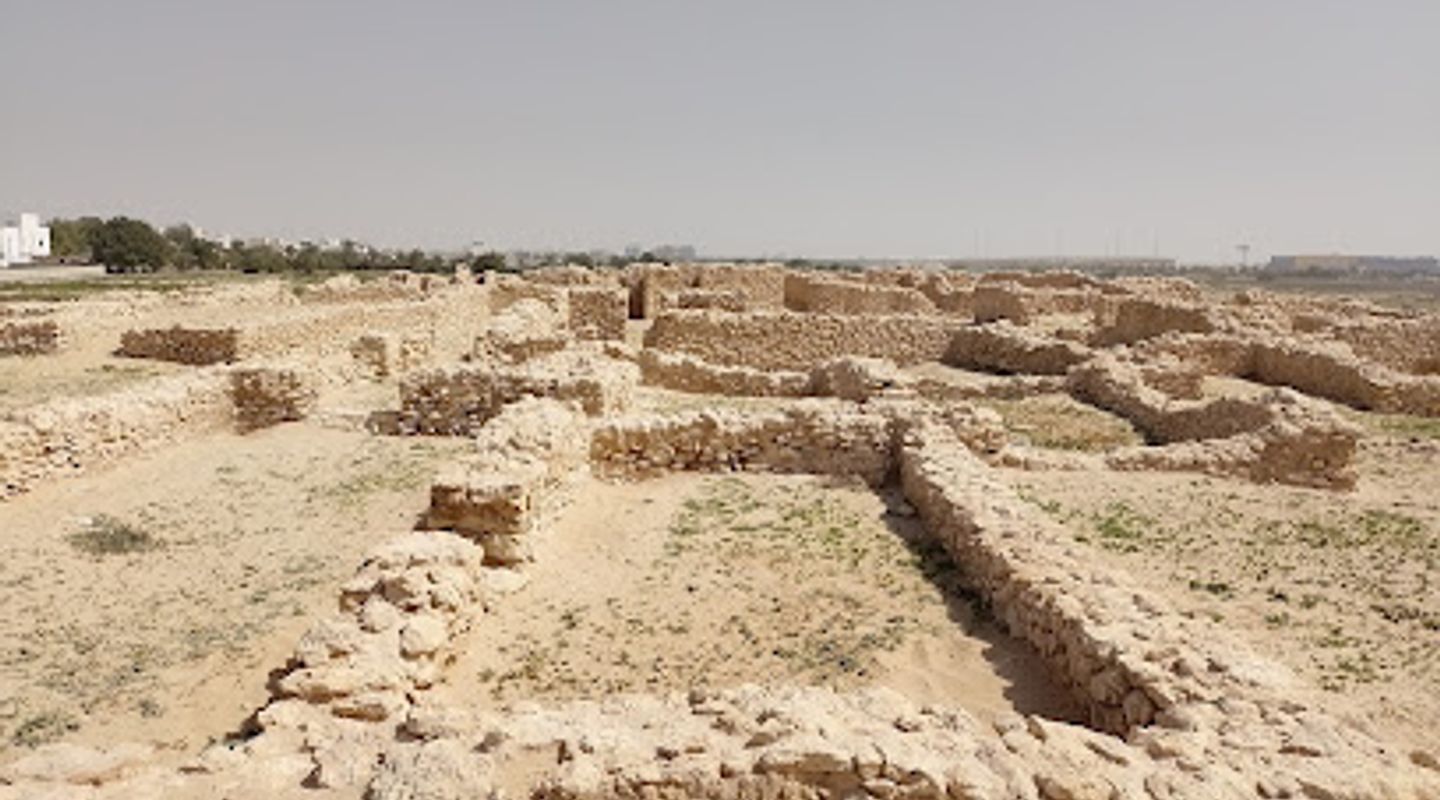
Nestled in the town of Saar, west of Manama, the Saar Temple stands as a compelling testament to Bahrain's rich and ancient past. This archaeological site, officially known as the Saar Archaeological Site, offers a unique window into the Dilmun civilization, one of the earliest known cultures in the Arabian Gulf, which flourished from around 3000 BCE to 1600 BCE.Discovered in the late 1970s, excavations have revealed a remarkably well-preserved urban layout. Visitors can explore the outlines of residential houses, discern the paths of ancient streets, and explore the central temple complex that served as the community's focal point. The residential area showcases the ingenuity of Dilmun architecture, with houses typically constructed with two to three rooms, often arranged around a central courtyard.The Saar Temple, elevated above the surrounding settlement, holds particular significance. Archaeologists believe the temple played a crucial role in marking the summer solstice, indicating the Dilmun people's advanced understanding of astronomy. The temple's design features massive buttresses and what appears to be a large chair or throne, sparking speculation about the rituals and ceremonies that once took place within its walls. The temple's prominent location at the crossroads of the town's main streets underscores its importance in the daily lives of the community.Artifacts discovered at the Saar site provide further clues about the lives of its inhabitants. These include copper fishhooks, bitumen nodules, and numerous shells from shellfish, including pearl oyster. The copper was produced in Bahrain, while the bitumen was imported from Mesopotamian quarry sites. Tiny seed pearls were also found, though likely too small for ornaments. Several hundred seals, used to seal packages, bales, and jars, have been found at the Saar settlement, and 48 seals from the associated burial ground.Today, Saar Temple stands as a reminder of Bahrain's strategic importance in ancient trade routes and its role as a cradle of civilization in the Arabian Gulf. Its well-preserved structures and the artifacts unearthed at the site continue to captivate archaeologists, historians, and visitors alike, offering a glimpse into a world long past but not forgotten.
Evendo Review Centre
 Google
Guest reviews
Explore Saar Temple on the map
A handpicked selection of must-see spots near Saar Temple, mapped for you.
Get your free copy of our complete guide to Saar Temple, delivered straight to you.
Everything on this page, from opening hours and how to get there to Eve’s tips and the best time to go, in one PDF you can read offline, print or share.
Already have an account? Sign in
Your Saar Temple guide is ready.
We'll send it to · Not you? Sign out

Getting your guide ready…
We are putting together a fresh copy of the Saar Temple guide. This can take up to a minute.
This can take a few moments. If your browser asks, choose Allow so the download can start. You'll find the guide in your Downloads folder.
Nothing happened? Download it again
Sorry, the guide is taking longer than usual. Please try again in a minute, or get it by email instead.
Other nearby places you may find interesting
The closest places of the same kind, if this one is not quite what you had in mind.
-
-
-
-
-


Swipe for more places
More to explore near Saar Temple

 Best experiences near Saar Temple
 Best hotels near Saar Temple
 Best landmarks near Saar Temple
 Best attractions near Saar Temple
 Best shops near Saar Temple
 Best restaurants near Saar Temple
 Best bars near Saar Temple
Do you manage this location?
Take control to get all the benefits, like improved information, better appearance, and stronger visibility across AI-powered discovery.
Explore more

Explore more of Saar
Discover Saar: A serene oasis in Bahrain, rich in history and natural beauty, perfect for a peaceful and culturally enriching getaway.
Explore Saar
Explore more of Bahrain
Discover Bahrain, where modernity meets history, from bustling markets to ancient ruins, and from luxurious shopping to serene beaches.
Explore Bahrain