

Free Barisal Travel Guide & Mobile App
Plan your Barisal trip with Evendo. Get free guides to top attractions, restaurants, hotels, and bars. Web access or download the mobile app.


Discover Barisal, the Venice of the East, with its serene rivers, beautiful beaches, floating markets, and rich cultural heritage in southern Bangladesh.
Read more about Barisal
When is the best time to visit Barisal?
Best: December–February · 28–30°C| Month | High (°C) | Rainfall (mm) |
|---|---|---|
| January (best) | 28 | 13 |
| February (best) | 30 | 15 |
| March | 34 | 22 |
| April | 36 | 29 |
| May | 36 | 36 |
| June | 36 | 47 |
| July | 35 | 50 |
| August | 35 | 49 |
| September | 34 | 43 |
| October | 33 | 31 |
| November | 31 | 19 |
| December (best) | 29 | 14 |
Getting to and around Barisal
How to get there
Transportation
Best attractions in Barisal
Barisal, known as the 'Venice of the East', offers a unique blend of natural beauty and cultural heritage. Visitors can explore the picturesque floating guava market on the rivers, take a boat ride through the labyrinthine canals of the Sundarbans, visit ancient mosques and temples, and indulge in delicious local cuisine. The vibrant markets, bustling river ports, and friendly locals add to the charm of this off-the-beaten-path destination.
-
Tourist attraction
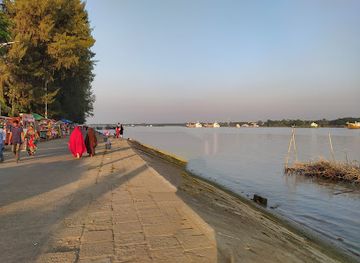
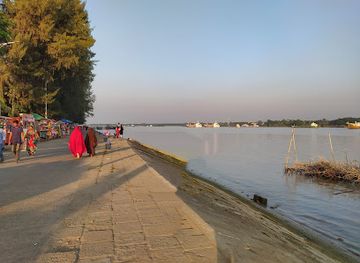
30 Godown
Discover Barisal's vibrant heart at 30 Godown: A riverside park where history, culture, and natural beauty converge for an unforgettable experience.
9 min drive · 3.0 km from city centre
-
Park
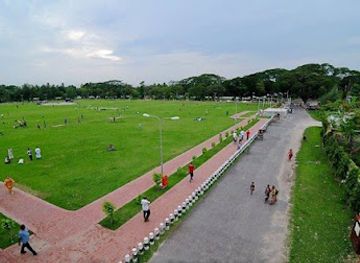
Bangabandhu Uddyan
A historic park in Barisal, offering a green escape and a connection to Bangladesh's cultural heritage and the legacy of Bangabandhu Sheikh Mujibur Rahman.
17 min walk · 1.4 km from city centre
-
Tourist attraction
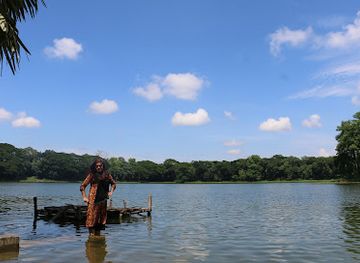
Durga Sagar
Escape to the tranquility of Durga Sagar, a historic lake near Barisal offering serene landscapes and vibrant birdlife.
30 min drive · 10 km from city centre
-
Tourist attraction
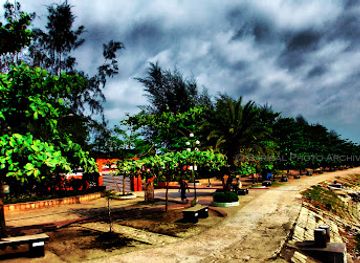
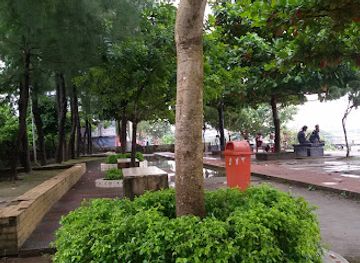
বরিশাল মুক্তিযোদ্ধা পার্ক
A serene riverside park in Barisal dedicated to the brave freedom fighters of Bangladesh, featuring sculptures, memorials, and scenic views.
14 min walk · 1.1 km from city centre
Best landmarks in Barisal
Barisal, known as the Venice of the East, boasts a rich history and vibrant culture that is reflected in its many landmarks. Visitors can explore the historic floating guava market, where local vendors sell fresh produce from their boats. The picturesque Durga Sagar, a large pond surrounded by temples and shrines, offers a serene setting for relaxation and reflection. The architectural marvel of Guthia Mosque, with its intricate designs and stunning domes, is a must-see for history buffs. Don't miss the bustling bazaars and vibrant street markets, where you can sample local delicacies and shop for handmade crafts. Barisal's unique blend of history, culture, and natural beauty make it a captivating destination for travelers seeking an authentic Bangladeshi experience.
-
Tourist attraction
30 Godown
Discover Barisal's charm at 30 Godown: A riverside park with history, scenic views, and local flavors.
9 min drive · 3.0 km from city centre
-
Hotel
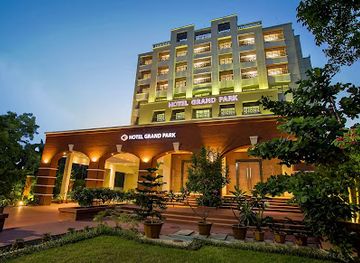
Hotel Grand Park Barisal
Experience luxury and convenience at Hotel Grand Park Barisal, your gateway to exploring the heart of Barisal, Bangladesh.
5 min drive · 1.5 km from city centre
-
Park
Durga Sagar
Escape to the tranquility of Durga Sagar: A historic lake near Barisal offering serene landscapes and vibrant birdlife, a refreshing natural and cultural escape.
30 min drive · 10 km from city centre
-
Park
বরিশাল মুক্তিযোদ্ধা পার্ক
A serene riverside park in Barisal dedicated to the brave freedom fighters of Bangladesh's Liberation War, offering a space for reflection and recreation.
14 min walk · 1.1 km from city centre
Explore Barisal on the map
Plan your Barisal trip on one map. See where the top attractions, landmarks, restaurants, bars and hotels are, find what's near where you're staying, and book hotels and experiences in a few clicks.
Best hotels in Barisal
Best restaurants in Barisal
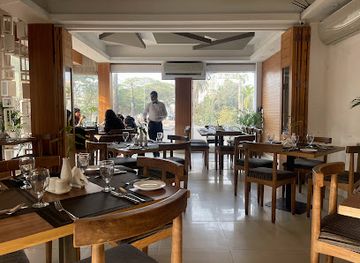
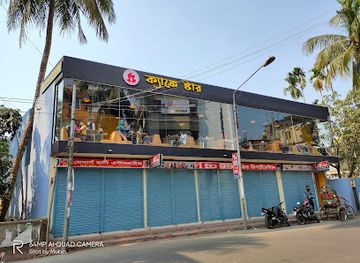
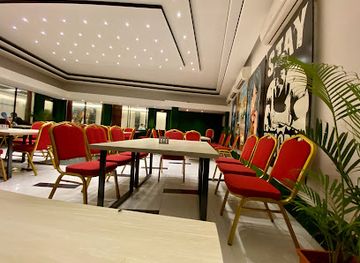
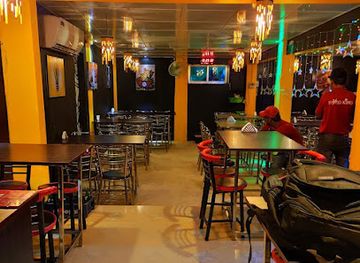
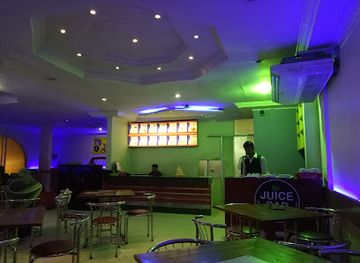
Barisal offers a diverse dining scene that showcases the rich flavors of Bengali cuisine. From local street food stalls serving mouthwatering snacks like fuchka (pani puri) and chotpoti (spicy chickpea salad), to bustling markets filled with fresh seafood dishes such as hilsa fish curry and chingri malai curry (prawn coconut curry), visitors can indulge in a culinary adventure like no other. For a more upscale dining experience, there are elegant restaurants offering traditional Bengali thalis and kebabs, as well as international cuisine to cater to all tastes. Whether you're craving authentic local flavors or seeking a fine dining experience, Barisal's dining scene has something for everyone.
-
Restaurant
Tawa Restaurant & Bakery
Experience exquisite flavors at Tawa Restaurant & Bakery in Barishal - where fine dining meets Bangladeshi hospitality.
5 min drive · 1.8 km from city centre
-
Restaurant
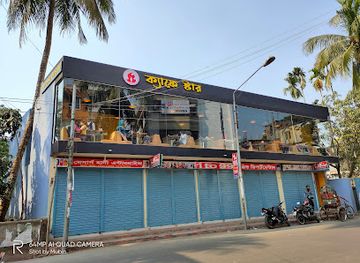
Cafe Star
Discover the flavors of Bangladesh at Cafe Star in Barishal—where cozy meets culinary delight.
8 min walk · 0.6 km from city centre
-
Restaurant
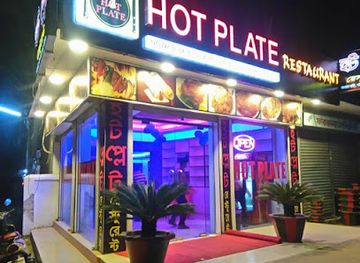
HOT PLATE Restaurant
Savor the authentic flavors of Bangladesh at HOT PLATE Restaurant in Barishal - where culinary tradition meets modern dining.
11 min walk · 0.9 km from city centre
-
Restaurant
Food King
Experience authentic Bangladeshi cuisine at Food King in Barishal - where flavor meets affordability in a warm atmosphere.
11 min walk · 0.9 km from city centre
Best bars in Barisal
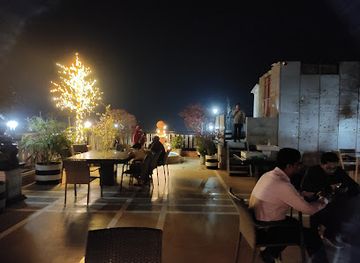
Barisal may be known for its serene natural beauty, but when the sun sets, the city comes alive with a vibrant nightlife scene that is sure to captivate visitors. From trendy bars serving up delicious cocktails to lively nightclubs with pulsating music and dancing, there is something for everyone to enjoy. Whether you're looking to unwind with a drink overlooking the river or dance the night away with locals and fellow travelers, Barisal's nightlife offers a unique and memorable experience that shouldn't be missed.
-
Convention center
Barishal Club
Discover the heart of Barishal’s social scene at Barishal Club, a hub of dining, gaming, and sports that invites all to join in the fun.
11 min walk · 0.9 km from city centre
-
Restaurant
Cafe Star
Experience the vibrant flavors of Barishal at Café Star, where delicious meals and a cozy atmosphere await every traveler.
8 min walk · 0.6 km from city centre
-
Restaurant
HOT PLATE Restaurant
Discover Barishal's culinary treasure with diverse dishes and a welcoming atmosphere at HOT PLATE Restaurant.
11 min walk · 0.9 km from city centre
-
Restaurant
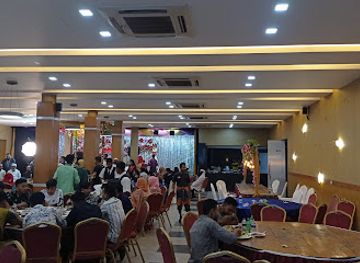
Handi Korai
Discover the authentic flavors of Bangladeshi cuisine at Handi Korai, where every dish is a celebration of culinary artistry.
6 min walk · 0.5 km from city centre
Best nightclubs in Barisal
Barisal may be known for its serene natural beauty, but when the sun sets, the city comes alive with a vibrant nightlife scene that is sure to captivate visitors. From trendy bars serving up delicious cocktails to lively nightclubs with pulsating music and dancing, there is something for everyone to enjoy. Whether you're looking to unwind with a drink overlooking the river or dance the night away with locals and fellow travelers, Barisal's nightlife offers a unique and memorable experience that shouldn't be missed.
-
Hotel
Hotel Grand Park Barisal
Discover the charm of Barisal while enjoying the luxury and comfort of Hotel Grand Park, your ideal accommodation for a memorable stay.
5 min drive · 1.5 km from city centre
-
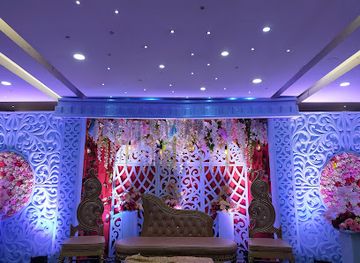
Convention center
Barishal Club Ltd.
Explore Barishal Club Ltd., a premier destination for leisure and socializing in Barishal, featuring a convention center, dining, and recreational activities.
11 min walk · 0.9 km from city centre
-
Restaurant
Handi Korai
Discover the authentic tastes of Bangladesh at Handi Korai, a must-visit restaurant in Barishal offering rich flavors and a vibrant atmosphere.
6 min walk · 0.5 km from city centre
-
Restaurant
The River Cafe
Discover the serene ambiance and delectable treats at The River Cafe, a culinary gem in Barishal, perfect for coffee lovers and dessert enthusiasts alike.
15 min walk · 1.2 km from city centre

Best shops in Barisal
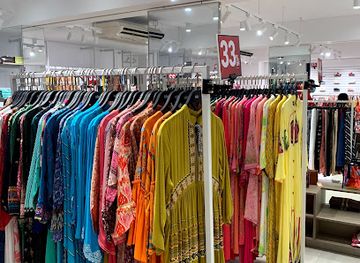
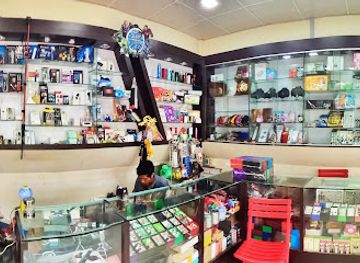
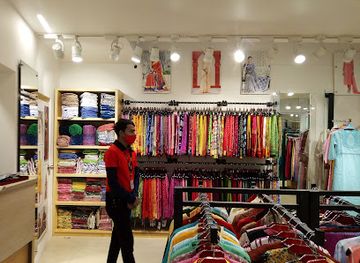
Barisal offers a unique shopping experience with bustling markets and vibrant bazaars filled with colorful fabrics, handcrafted jewelry, traditional saris, and intricate pottery. Visitors can wander through the narrow lanes of the bazaars, haggle with local vendors, and discover hidden gems like handmade souvenirs and local handicrafts. Don't miss the chance to explore the local markets like Dapdapia Bazaar and Batajor Haat for a taste of authentic Bangladeshi shopping culture.
-
Clothing store
SAILOR
Explore local fashion at SAILOR Clothing Store in Barishal – a trendy destination for unique outfits and souvenirs.
16 min walk · 1.3 km from city centre
-
Shopping mall
Barisal Online Shop
Discover local culture and vibrant shopping at Barisal Online Shop, a must-visit destination in Barishal, Bangladesh.
2 min walk · 0.1 km from city centre
-
Clothing store
Anjan's
Explore Anjan's in Barishal for a unique fashion experience, showcasing local craftsmanship and diverse styles for every traveler.
13 min walk · 1.0 km from city centre
-
Shopping mall
BDesh Online Shopping
Discover the vibrant shopping scene at BDesh Online Shopping in Barishal, where local culture meets modern retail convenience.
6 min drive · 2.0 km from city centre

Get your free copy of our complete guide to Barisal, delivered straight to you.
Everything on this page, from attractions and restaurants to essentials and local phrases, in one PDF you can read offline, print or share.
Already have an account? Sign in
Your Barisal guide is ready.
We'll send it to · Not you? Sign out

Getting your guide ready…
We are putting together a fresh copy of the Barisal guide. This can take up to a minute.
This can take a few moments. If your browser asks, choose Allow so the download can start. You'll find the guide in your Downloads folder.
Nothing happened? Download it again
Sorry, the guide is taking longer than usual. Please try again in a minute, or get it by email instead.
Barisal essentials
Currency and Payment
Safety
Emergency Situations
Do's and Don'ts
Local Tips
From Eve
Local phrases worth knowing
You don't need to get them perfect. A few words go a long way, and locals appreciate the effort.
Basics
| English | Local | Say it |
|---|---|---|
| Hello | হ্যালো | [helo] |
| Goodbye | বিদায় | [bidae] |
| Yes | হাঁ | [ha] |
| No | না | [na] |
| Please/You're welcome | অনুগ্রহ করে | [onugroh kore] |
| Thank you | ধন্যবাদ | [dhonno-bad] |
| Excuse me/Sorry | দুঃখিত | [dukhit] |
| How are you? | তুমি কেমন আছো? | [tumi kemon asho?] |
| Fine. And you? | ভালো। আর তুমি? | [bhalo. ar tumi?] |
| Do you speak English? | তুমি ইংরেজি বলতে পারো? | [tumi ingreji bolte paro?] |
| I don't understand | আমি বুঝিনা | [ami bujhina] |
Eating & Drinking
| English | Local | Say it |
|---|---|---|
| I'd like to see the menu, please | দয়া করে মেনু দেখাবেন | [doya kore menu dekhaben] |
| I don't eat meat | আমি মাংস খাই না | [ami mangsh khai na] |
| Cheers! | চিয়ার্স! | [cheers!] |
| I would like to pay, please | দয়া করে টাকা দেব | [doya kore taka deb] |
Emergencies
| English | Local | Say it |
|---|---|---|
| Help! | বাঁচাও! | [bachao!] |
| Go away! | চলে যাও! | [chole jao!] |
| Call the Police! | পুলিশ কল করুন! | [police kol korun!] |
| Call a doctor! | ডাক্তার কল করুন! | [daktar kol korun!] |
| I'm lost | আমি হারানো গেছি | [ami harano geshi] |
| I'm ill | আমার অসুস্থ্য | [amar osustho] |
Shopping
| English | Local | Say it |
|---|---|---|
| I'd like to buy... | আমি ... কিনতে চাই | [ami ... kinte chai] |
| I'm just looking | আমি শুধু দেখছি | [ami shudhu dekhchhi] |
| How much is it? | এটা কত? | [eta koto?] |
| That's too expensive | এটা খুব বেশি দাম | [eta khub beshi dam] |
| Can you lower the price? | দাম কমাতে পারবেন? | [dam komate parben?] |
Time & Numbers
| English | Local | Say it |
|---|---|---|
| What time is it? | এখন কত বাজে? | [ekhon koto baje?] |
| It's one o'clock | একটা বাজে | [ekta baje] |
| Half past (10) | দশের অর্ধেক | [dasher ordhek] |
| Morning | সকাল | [shokal] |
| Afternoon | দুপুর | [dupur] |
| Evening | সন্ধ্যা | [shondhya] |
| Yesterday | গতকাল | [gotkal] |
| Today | আজ | [aj] |
| Tomorrow | আগামীকাল | [agamikal] |
| 1 | এক | [ek] |
| 2 | দুই | [dui] |
| 3 | তিন | [tin] |
| 4 | চার | [char] |
| 5 | পাঁচ | [pach] |
| 6 | ছয় | [chhoy] |
| 7 | সাত | [shat] |
| 8 | আট | [at] |
| 9 | নয় | [noy] |
| 10 | দশ | [dosh] |
Transport & Directions
| English | Local | Say it |
|---|---|---|
| Where's a/the...? | ... কোথায়? | [... kothay?] |
| What's the address? | ঠিকানা কি? | [thikana ki?] |
| Can you show me (on the map)? | মানে দেখাবেন? | [mane dekhaben?] |
| When's the next (bus)? | পরবর্তী (বাস) কখন? | [porbotri (bosh) kohon?] |
| A ticket (to ....) | একটি টিকিট (.... পর্যন্ত) | [ekti ticket (.... porjonto)] |
History of Barisal
Introduction to Barisal
Barisal, located in the southern part of Bangladesh, is a picturesque city known for its rich history, lush green landscapes, and intricate river systems. As a major port city, Barisal has been a significant hub for trade and commerce, contributing to its diverse cultural tapestry.
Ancient Origins and Early History
The history of Barisal dates back to ancient times when it was part of the kingdom of Vanga. Archaeological evidence suggests that the region was inhabited by various indigenous groups before the arrival of Aryan settlers. The fertile land and strategic location made it a thriving center for agriculture and trade.
Mughal Era
During the Mughal period, Barisal came under the administration of the Mughal Empire. The region saw significant development in terms of infrastructure and trade. The construction of forts and administrative buildings helped in establishing Mughal authority. The influence of Mughal architecture can still be seen in some of the old structures in Barisal.
British Colonial Period
Barisal was an important administrative region during British rule in India. It became part of the Bengal Presidency and saw various socio-economic changes. The British introduced modern education, healthcare, and infrastructure, which played a crucial role in the development of the city. The Barisal Cadet College, established during this period, is a notable educational institution that continues to thrive.
The Partition of Bengal
The partition of Bengal in 1947 had a profound impact on Barisal. The city became part of East Pakistan, and the socio-political landscape underwent significant changes. The influx of refugees and the division of resources posed challenges, but the resilient spirit of the people helped them adapt to the new circumstances.
The Liberation War and Independence
Barisal played a vital role during the Bangladesh Liberation War in 1971. The city witnessed several key battles and acts of resistance against Pakistani forces. The determination and bravery of the local freedom fighters contributed to the eventual victory and the establishment of Bangladesh as an independent nation.
Cultural Heritage and Festivals
Barisal is renowned for its vibrant cultural heritage. The city hosts numerous festivals throughout the year, such as the traditional 'Barisal Biswa Zakat' and 'Durga Puja.' The rich cultural practices, including folk music, dance, and craftsmanship, are a testament to the city's diverse and dynamic history.
Modern Barisal
Today, Barisal is a thriving urban center with a mix of modernity and tradition. The city has seen rapid development in infrastructure, education, and healthcare. The University of Barisal, established in 2011, is a symbol of the city's commitment to education and progress. Despite modernization, Barisal retains its historical charm and cultural richness.
Barisal in Photos
Browse through our photo collection highlighting the charm and character of the destination.
Cities near Barisal
The closest cities to Barisal, if you have time for more than one stop.
-

-

-

-

-


Swipe for more cities
Explore more

Explore more of Bangladesh
Discover Bangladesh: A land of rivers, rich culture, and breathtaking landscapes. Explore ancient sites, vibrant cities, and the unique flavors of this South Asian gem.
Explore Bangladesh