

Free Jessore Travel Guide & Mobile App
Plan your Jessore trip with Evendo. Get free guides to top attractions, restaurants, hotels, and bars. Web access or download the mobile app.


Jessore, Bangladesh, offers riverside history, Bengali food, literary heritage at Sagardari, flower-growing villages and a gateway to the southwest.
A Regional City with Deep Roots
Jessore, officially known as Jashore, lies in southwestern Bangladesh near the country’s border with India. It is the administrative centre of Jashore District and a practical base for exploring the region’s rivers, agricultural landscapes and cultural history. The city’s streets combine busy markets, cycle rickshaws, modest commercial buildings and leafy residential areas, while the Bhairab River gives the urban landscape a distinctive geographical presence.Read more about Jessore
Literature, Memory and Heritage
Markets, Flowers and the Wider District
When is the best time to visit Jessore?
Best: December–February · 28–31°C| Month | High (°C) | Rainfall (mm) |
|---|---|---|
| January (best) | 29 | 18 |
| February (best) | 31 | 29 |
| March | 35 | 60 |
| April | 37 | 113 |
| May | 37 | 260 |
| June | 36 | 385 |
| July | 34 | 465 |
| August | 33 | 443 |
| September | 33 | 388 |
| October | 32 | 215 |
| November | 30 | 65 |
| December (best) | 28 | 17 |
Getting to and around Jessore
How to get there
Transportation
Best attractions in Jessore
Jessore’s attractions are modest in scale but rewarding for visitors interested in local history and regional life. The Chanchra Shiva Temple, associated with the historic Chanchra estate, offers a glimpse of the area’s Hindu architectural heritage, while the city’s older administrative quarter reflects its long role as a district headquarters. A walk near the Bhairab River adds a more informal perspective, with boats, markets and everyday riverside activity shaping the town’s atmosphere. The most significant cultural excursion is Sagardari, outside the city in Keshabpur Upazila, where the memorial to poet Michael Madhusudan Dutt recalls one of Bengali literature’s formative figures. In the wider district, Godkhali’s flower-growing villages near Jhikargachha reveal the agricultural character of southwestern Bangladesh. These places are best approached as parts of a broader landscape of temples, waterways, markets and rural settlements rather than as a conventional concentration of major museums.
-
Park
Jashore Municipal Park
Discover Jashore Municipal Park: A historic green space offering recreation, culture, and a peaceful escape in the heart of Jashore, Bangladesh.
13 min walk · 1.1 km from city centre
-
Park
যশোর কালেক্টরেট পার্ক
Discover Jashore Collectorate Park: A historic park blending natural beauty with modern amenities in the heart of Jashore. A tranquil escape!
8 min walk · 0.6 km from city centre
-
Theme park
Jess Garden Park
Escape to Jess Garden Park in Jashore: Gardens, zoo, rides, and family fun await in this tranquil 12-acre oasis. Open daily!
9 min drive · 3.1 km from city centre
-
Park
Binodia Family Park
Escape to Binodia Family Park in Jashore: Gardens, a mini zoo, and amusement rides for a perfect family day out in nature.
15 min drive · 5.1 km from city centre



Best landmarks in Jessore
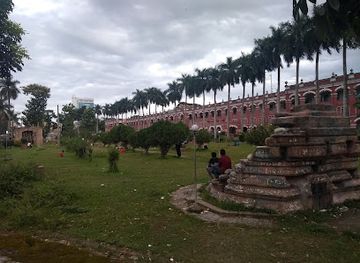
The Chanchra Shiva Temple is among Jessore’s best-known historic religious landmarks, representing the Hindu architectural and estate heritage of the region and continuing to function within a living cultural landscape. The Bhairab River is a geographical landmark rather than a single monument, but its course through the city helps explain Jessore’s growth as a settlement, market and transport centre. The Jashore Collectorate and associated civic quarter reflect the town’s development as a British-era district headquarters, when courts, revenue administration and public offices consolidated the urban centre. Outside Jessore, the Michael Madhusudan Dutt memorial at Sagardari has particular literary significance: it preserves the birthplace of the poet who helped reshape nineteenth-century Bengali verse. Together, these landmarks connect religious practice, colonial administration, river geography and Bengali literary history.
-
Park
Jashore Municipal Park
Escape to Jashore Municipal Park: A historic green space offering tranquility, recreation, and a vibrant community atmosphere in the heart of Jashore, Bangladesh.
13 min walk · 1.1 km from city centre
-
Airport
Jashore Airport
The primary air gateway to southwestern Bangladesh, connecting the Khulna Division to Dhaka and beyond.
16 min drive · 5.5 km from city centre
-
Park
যশোর কালেক্টরেট পার্ক
Discover Jashore Collectorate Park: A historic park blending natural beauty with modern amenities in the heart of Jashore, offering a tranquil escape and a glimpse into the region's past.
8 min walk · 0.6 km from city centre
-
Theme park
Jess Garden Park
Escape to Jess Garden Park: Jashore's premier destination for family fun, thrilling rides, and natural beauty, offering a perfect blend of recreation and relaxation for all ages.
9 min drive · 3.1 km from city centre
Explore Jessore on the map
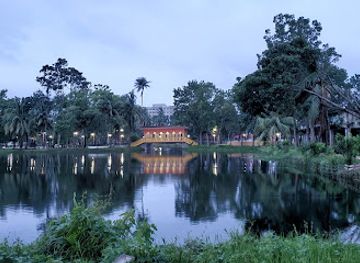
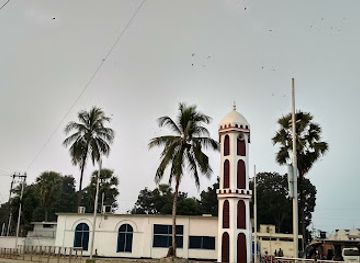
Plan your Jessore trip on one map. See where the top attractions, landmarks, restaurants, bars and hotels are, find what's near where you're staying, and book hotels and experiences in a few clicks.
Best hotels in Jessore
Best restaurants in Jessore
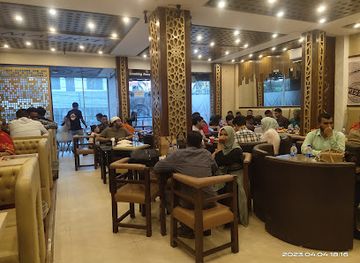
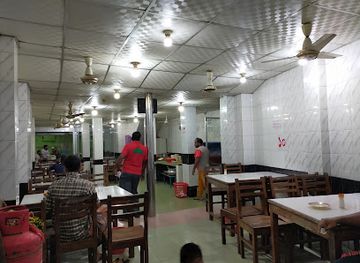
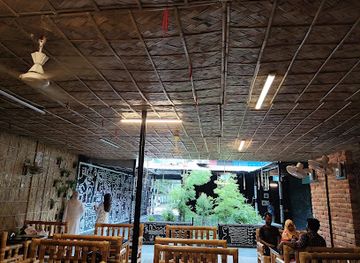
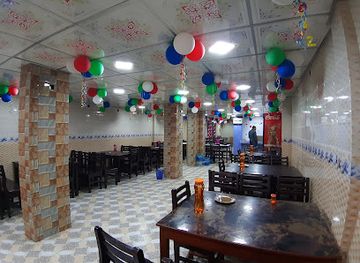
Jessore’s dining scene is rooted in the everyday Bengali repertoire of rice, fish, lentils, vegetables, bhorta and lightly spiced meat dishes. Small restaurants and family-run eateries serve filling meals throughout the day, while tea stalls provide sweet milk tea, biscuits and informal meeting places. Freshwater fish from the region’s rivers and wetlands is an important part of local food culture, and sweet shops offer Bengali favourites such as rasgulla, sandesh and mishti doi, although recipes and quality vary between establishments. Markets and roadside stalls may feature singara, samosa, jilapi and other snacks, while more formal hotel restaurants tend to offer broader Bangladeshi and South Asian menus. The city’s food identity is less about a single signature dish than about the relationship between agricultural produce, fish, rice and the social rhythm of local markets.
-
Restaurant
Cafe Mariot
Discover Café Mariot in Jashore: where local flavors meet international cuisine in an inviting atmosphere.
9 min walk · 0.7 km from city centre
-
Bangladeshi
Nazma Hotel and Restaurant
Savor the rich flavors of Bangladeshi cuisine at Nazma Hotel and Restaurant in Jashore—where every dish tells a story.
7 min walk · 0.5 km from city centre
-
Restaurant
Addakhana
Experience authentic Bangladeshi cuisine at Addakhana in Jashore, where flavor meets hospitality.
13 min walk · 1.1 km from city centre
-
Restaurant
Cafe Nur hotel and Restaurant
Experience authentic Bangladeshi cuisine at Café Nur in Jashore - where flavor meets tradition in a cozy setting.
8 min walk · 0.6 km from city centre
Best bars in Jessore
Jessore has a restrained evening scene rather than a prominent bar and nightclub culture. After sunset, activity centres on restaurants, tea stalls, sweet shops, hotel lounges and busy commercial streets, where residents gather for conversation and snacks. Alcohol is not central to public social life, and licensed venues are limited and subject to Bangladesh’s regulations and local sensitivities. Cultural evenings may include Bengali music, poetry, theatre or public events connected with national observances, literary commemorations and local institutions, though schedules are changeable. The central bazaar and surrounding town streets are liveliest earlier in the evening, while quieter neighbourhoods settle comparatively soon afterwards. Visitors seeking nightlife should set expectations around food, conversation and cultural activity rather than late-night clubs, and should use reputable transport when returning to accommodation.
-
Restaurant
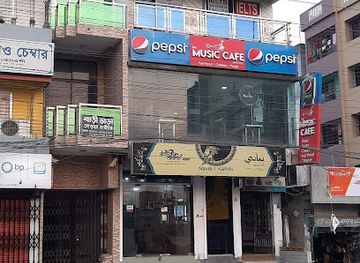
The Music Cafe Jashore
Experience the perfect fusion of music and cuisine at The Music Cafe Jashore, where every meal is a melody.
18 min walk · 1.5 km from city centre
-
Bar
কায়ুম হল
Discover the lively and welcoming atmosphere of কায়ুম হল in Jashore, where local culture meets a vibrant nightlife experience.
18 min drive · 5.9 km from city centre
-
Bar
Noxx Bar zabeer Hotel
Experience the vibrant nightlife at Noxx Bar in Jashore, where great drinks and lively ambiance await visitors.
7 min walk · 0.5 km from city centre
-
Bar
দীপ্ত ঘর
Experience the lively ambiance and local flavors at দীপ্ত ঘর, the essential bar for tourists in Jashore.
16 min walk · 1.3 km from city centre
Best nightclubs in Jessore
Jessore has a restrained evening scene rather than a prominent bar and nightclub culture. After sunset, activity centres on restaurants, tea stalls, sweet shops, hotel lounges and busy commercial streets, where residents gather for conversation and snacks. Alcohol is not central to public social life, and licensed venues are limited and subject to Bangladesh’s regulations and local sensitivities. Cultural evenings may include Bengali music, poetry, theatre or public events connected with national observances, literary commemorations and local institutions, though schedules are changeable. The central bazaar and surrounding town streets are liveliest earlier in the evening, while quieter neighbourhoods settle comparatively soon afterwards. Visitors seeking nightlife should set expectations around food, conversation and cultural activity rather than late-night clubs, and should use reputable transport when returning to accommodation.
-
Boat club
Boat Club Jashore
Boat Club Jashore: A serene marina experience blending relaxation, boating, and stunning natural beauty in the heart of Jashore.
21 min drive · 7.0 km from city centre
-
 Night club
ভাই ভাই ইস্টোর
Experience the vibrant nightlife of Jashore at Vhai Vhai Eastor, a must-visit nightclub for music lovers and party-goers.
14 min drive · 4.7 km from city centre
-
Sports club
Boat club
Experience the vibrant atmosphere and water activities at Jashore's Boat Club, a perfect spot for families and sports enthusiasts.
15 min drive · 5.0 km from city centre
-
Jazz
Job
Discover the vibrant jazz scene in Jashore, where live performances and delicious local cuisine create unforgettable nights.
8 min walk · 0.7 km from city centre
Best shops in Jessore
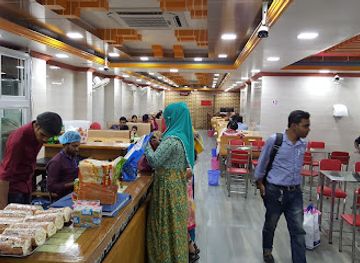
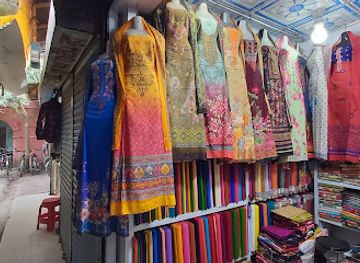
Shopping in Jessore is concentrated around central markets and commercial streets, where local residents buy clothing, household goods, shoes, electronics, sweets and daily provisions. Traditional market areas are useful for seeing the city’s trade in rice, vegetables, fish and seasonal produce, while sweet shops provide compact edible souvenirs such as boxed Bengali confectionery. The wider district is known for horticulture, especially the flower-growing area around Godkhali, where seasonal cultivation forms part of the local economy rather than a permanent urban retail attraction. Visitors may also find handloom textiles, embroidered clothing, leather goods and ordinary Bangladeshi craft products in local shops, but provenance and quality differ. Bargaining can be customary in informal markets, whereas fixed prices are more likely in established stores; modest, polite negotiation is preferable to aggressive haggling.
-
Grocery store
ওরিয়েন্ট সুপার শপ
Experience the essence of Jashore at Orient Super Shop, where local and international flavors meet in a vibrant grocery shopping experience.
4 min walk · 0.3 km from city centre
-
Clothing store
Aarong Jashore
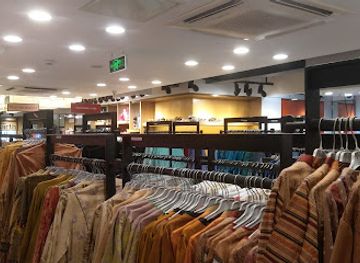
Discover the vibrant culture of Bangladesh at Aarong Jashore, where traditional craftsmanship meets modern fashion in a unique shopping experience.
17 min walk · 1.3 km from city centre
-
Watch store
Sajid Watch Co.
Explore Sajid Watch Co. in Jashore for a timeless selection of exquisite watches that blend style, quality, and craftsmanship.
6 min walk · 0.5 km from city centre
-
Women's clothing store
ইব্রাহিম ক্লথ স্টোর
Discover the best in women's fashion at Ibrahim Cloth Store, where tradition meets modernity in Jashore, Bangladesh.
9 min walk · 0.7 km from city centre
Get your free copy of our complete guide to Jessore, delivered straight to you.
Everything on this page, from attractions and restaurants to essentials and local phrases, in one PDF you can read offline, print or share.
Already have an account? Sign in
Your Jessore guide is ready.
We'll send it to · Not you? Sign out

Getting your guide ready…
We are putting together a fresh copy of the Jessore guide. This can take up to a minute.
This can take a few moments. If your browser asks, choose Allow so the download can start. You'll find the guide in your Downloads folder.
Nothing happened? Download it again
Sorry, the guide is taking longer than usual. Please try again in a minute, or get it by email instead.
Jessore essentials
Currency and Payment
Safety
Emergency Situations
Do's and Don'ts
Local Tips
From Eve
Local phrases worth knowing
You don't need to get them perfect. A few words go a long way, and locals appreciate the effort.
Basics
| English | Local | Say it |
|---|---|---|
| Hello | হ্যালো | [helo] |
| Goodbye | বিদায় | [bidae] |
| Yes | হ্যাঁ | [ha] |
| No | না | [na] |
| Please/You're welcome | অনুগ্রহ করে | [onugroh kore] |
| Thank you | ধন্যবাদ | [dhonobad] |
| Excuse me/Sorry | দুঃখিত | [dukkhit] |
| How are you? | তুমি কেমন আছো? | [tumi kemon asho?] |
| Fine. And you? | ভালো। তুমি কেমন আছো? | [bhalo. tumi kemon asho?] |
| Do you speak English? | তুমি ইংরেজি বলতে পারো? | [tumi inglizi bolte paro?] |
| I don't understand | আমি বুঝি না | [ami bujhi na] |
Eating & Drinking
| English | Local | Say it |
|---|---|---|
| I'd like to see the menu, please | দয়া করে মেনু দেখতে চাই | [doya kore menu dekhte chai] |
| I don't eat meat | আমি মাংস খায় না | [ami mangsh khai na] |
| Cheers! | চিয়ার্স! | [cheers!] |
| I would like to pay, please | দয়া করে আমি টাকা দিতে চাই | [doya kore ami taka dite chai] |
Emergencies
| English | Local | Say it |
|---|---|---|
| Help! | সাহায্য! | [sahayyo!] |
| Go away! | চলে যাও! | [chhale jao!] |
| Call the Police! | পুলিস কল করুন! | [police kol korun!] |
| Call a doctor! | ডাক্তার কল করুন! | [daktar kol korun!] |
| I'm lost | আমি হারানো গেছি | [ami harano gechi] |
| I'm ill | আমি অসুস্থ | [ami osustho] |
Shopping
| English | Local | Say it |
|---|---|---|
| I'd like to buy... | আমি কিনতে চাই... | [ami kinhte chai...] |
| I'm just looking | আমি শুধু দেখছি | [ami shudhu dekhchi] |
| How much is it? | এটা কত? | [eta koto?] |
| That's too expensive | এটা খুব বিমান | [eta khub biman] |
| Can you lower the price? | দাম কমাতে পারবেন? | [dam kamate parben?] |
Time & Numbers
| English | Local | Say it |
|---|---|---|
| What time is it? | এখন কত বাজে? | [ekhon koto baje?] |
| It's one o'clock | একটা বাজে | [ekta baje] |
| Half past (10) | দশের পাঁচ | [dasher panch] |
| Morning | সকাল | [shokal] |
| Afternoon | দুপুর | [dupur] |
| Evening | সন্ধ্যা | [shondhya] |
| Yesterday | গতকাল | [gatkal] |
| Today | আজ | [aj] |
| Tomorrow | আগামীকাল | [agamikal] |
| 1 | এক | [ek] |
| 2 | দুই | [dui] |
| 3 | তিন | [tin] |
| 4 | চার | [char] |
| 5 | পাঁচ | [panch] |
| 6 | ছয় | [chhoy] |
| 7 | সাত | [shat] |
| 8 | আট | [at] |
| 9 | নয় | [noy] |
| 10 | দশ | [dash] |
Transport & Directions
| English | Local | Say it |
|---|---|---|
| Where's a/the...? | ...কোথায়? | [...kothay?] |
| What's the address? | ঠিকানা কি? | [thikana ki?] |
| Can you show me (on the map)? | আপনি আমাকে দেখাতে পারবেন? | [apni amake dekhate parben?] |
| When's the next (bus)? | পরের (বাস) কখন? | [porer (bus) kokhon?] |
| A ticket (to ....) | একটি টিকেট (প্রতি ....) | [ekti ticket (proti ....)] |
History of Jessore
Early Settlements and River Landscapes
The Jessore region developed within the settlement and river networks of southwestern Bengal, where waterways supported farming, fishing and commerce long before the modern city existed. The Bhairab and associated channels helped connect communities with larger centres in Bengal, while fertile lowlands encouraged rice cultivation and village growth. Control of the wider territory shifted between regional powers and the Mughal administration, and later between local zamindars and colonial authorities. Much of this early history belongs to the surrounding district rather than to a sharply defined urban foundation, but it explains Jessore’s enduring role as a communications and market centre. The region’s mixed Hindu and Muslim heritage, agricultural economy and river-based geography remain visible in local religious buildings, settlement patterns and rural traditions.
The Jessore District under British Rule
Jessore District was established under British administration in 1786, when the colonial government reorganised the southwestern territories of Bengal. Jessore town became an administrative headquarters, drawing courts, revenue offices, markets and public institutions into an expanding urban centre. The colonial system altered landholding and taxation, strengthening the importance of zamindars while placing greater pressure on cultivators. Roads, postal routes and later rail connections improved links with Calcutta and other parts of Bengal, helping the town develop as a commercial intermediary between rural producers and larger markets. Buildings associated with administration and education, together with the continuing presence of older temples and mosques, reflect the layered character of this period.
Railways, Trade and Urban Growth
Railway development in the late nineteenth century strengthened Jessore’s position within Bengal’s transport network. Connections towards Khulna, Kolkata and other regional centres encouraged the movement of agricultural goods, passengers and administrative officials, while roads and river routes continued to serve nearby settlements. The town grew around markets, public offices, educational institutions and transport facilities rather than through heavy industrialisation. Its economic life remained closely tied to rice, vegetables, fish, horticulture and small-scale commerce. This balance between a provincial administrative centre and an intensely agricultural hinterland still shapes Jessore’s identity. The wider district’s cultural life also produced one of Bengali literature’s most important figures, Michael Madhusudan Dutt, born at Sagardari in 1824.
Michael Madhusudan Dutt and Bengali Literature
Michael Madhusudan Dutt was born in 1824 at Sagardari, in present-day Keshabpur Upazila of Jashore District. He became a pioneering Bengali poet and playwright, particularly celebrated for introducing blank verse into Bengali poetry and for his epic poem Meghnad Badh Kabya. His education, travels and engagement with European literary forms reflected the intellectual changes taking place in nineteenth-century Bengal, while his later writing remained rooted in the Bengali language and classical traditions. The memorial complex at Sagardari preserves the memory of his family home and literary legacy. Although it lies outside Jessore city, Dutt’s association gives the wider region an important place in the history of modern Bengali literature.
Liberation War and Contemporary Jessore
Jessore and its surrounding district played a significant role in the Bangladesh Liberation War of 1971. The area saw fighting, displacement and disruption before Pakistani forces withdrew as the war ended in December. Jessore is widely remembered in Bangladesh for its early liberation during the final phase of the conflict, and the city’s public commemorations connect local memory with the national struggle for independence. After 1971, Jessore developed as an important administrative, educational and transport centre in the southwest. The opening and growth of regional air, road and rail links supported trade and mobility, while horticulture and cross-border commerce became increasingly important to the district’s economy. Its current identity combines that modern regional role with older literary, agricultural and religious traditions.
Jessore in Photos
Browse through our photo collection highlighting the charm and character of the destination.
Cities near Jessore
The closest cities to Jessore, if you have time for more than one stop.
-

-

-

-

-


Swipe for more cities
Explore more

Explore more of Bangladesh
Discover Bangladesh: A land of rivers, rich culture, and breathtaking landscapes. Explore ancient sites, vibrant cities, and the unique flavors of this South Asian gem.
Explore Bangladesh