

Lalbagh Fort, Central Bengal Travel Guide
Explore the unfinished Mughal masterpiece of Lalbagh Fort in Old Dhaka, a testament to history, architecture, and unfulfilled dreams from the 17th century.
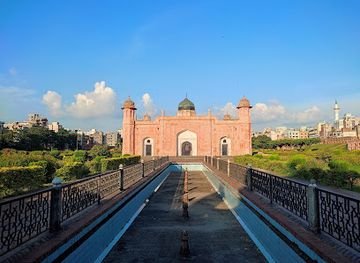
Lalbagh Fort, also known as Fort Aurangabad, is an incomplete 17th-century Mughal fort complex in Dhaka, Bangladesh. Construction began in 1678 by Prince Muhammad Azam, son of Emperor Aurangzeb, but was abandoned, leaving behind a fascinating blend of Mughal architectural styles and a testament to unfulfilled dreams. Visitors can explore the fort's structures, gardens, and museum, stepping back in time to experience the grandeur of the Mughal era.
A brief summary to Lalbagh Fort
- Lalbagh Rd, Dhaka, Lalbagh, 1211, BD
- Click to display
- Monday 2 pm-5 pm
- Tuesday 10 am-1 pm
- Wednesday 10 am-1 pm
- Thursday 10 am-1 pm
- Friday 10 am-12:30 pm
- Saturday 10 am-1 pm

Know before you go
Hi, I'm Eve. Here are a few practical things to know before exploring Lalbagh Fort.
- Visit during the cooler months (October to March) for a more comfortable experience, as Dhaka can get quite hot and humid.
- Allow at least 1-2 hours to explore the entire fort complex, including the museum and gardens.
- Dress modestly out of respect for local culture.
- Bring your own water and snacks, as there are no restaurants or food vendors inside the fort.
Do you manage this location?
Take control to get all the benefits, like improved information, better appearance, and stronger visibility across AI-powered discovery. Learn more about listing your business on Evendo
Activate your presenceOther nearby places you may find interesting
The closest places of the same kind, if this one is not quite what you had in mind.
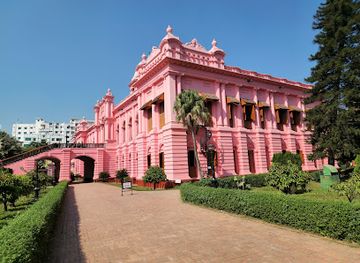
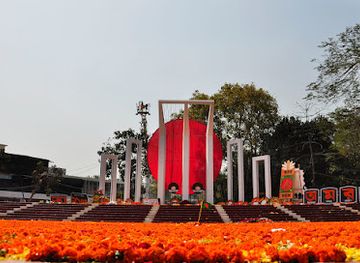
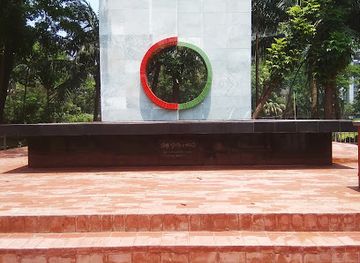
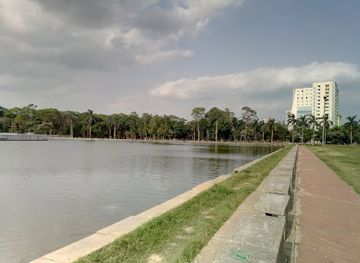
Explore Lalbagh Fort on the Map
A handpicked selection of must-see spots near Lalbagh Fort, mapped for you.
Unlock the Best of Lalbagh Fort
Buy tickets
-
No tickets available
Book tours with entry


Getting There
-
Public Transport
From most parts of Dhaka, the most convenient way to reach Lalbagh Fort is by bus. Check local bus routes for connections to Lalbagh. From Gulistan, BRTC buses are available to Shahbag, from where you can take a taxi or rickshaw to the fort. Bus fares typically range from 10-20 BDT. Alternatively, the Dhaka Metro offers a modern and cheap option, though it doesn't directly reach Lalbagh. The metro can take you closer to Old Dhaka, from where you can walk or take a rickshaw.
-
Taxi/Ride-Share
Taxis and ride-sharing services like Uber are readily available throughout Dhaka. A taxi ride from Dhaka city center to Lalbagh Fort typically costs between 300-500 BDT, depending on traffic and distance. Ensure the meter is running or negotiate the fare beforehand. Keep in mind that traffic congestion is common in Dhaka, so travel times may vary.
-
Walking
If you are already in the Old Dhaka area, walking to Lalbagh Fort is a viable option. Use local landmarks and maps for orientation. Be prepared for crowded streets and narrow alleyways. Watch out for traffic. There are no specific access fees for pedestrians.
Discover more about Lalbagh Fort













Your all‑in‑one travel companion app
Explore expert travel guides, compare and book tours, experiences, hotels, and more—all from the palm of your hand. Download now for seamless trip planning wherever your wanderlust takes you.


Explore More of Central Bengal
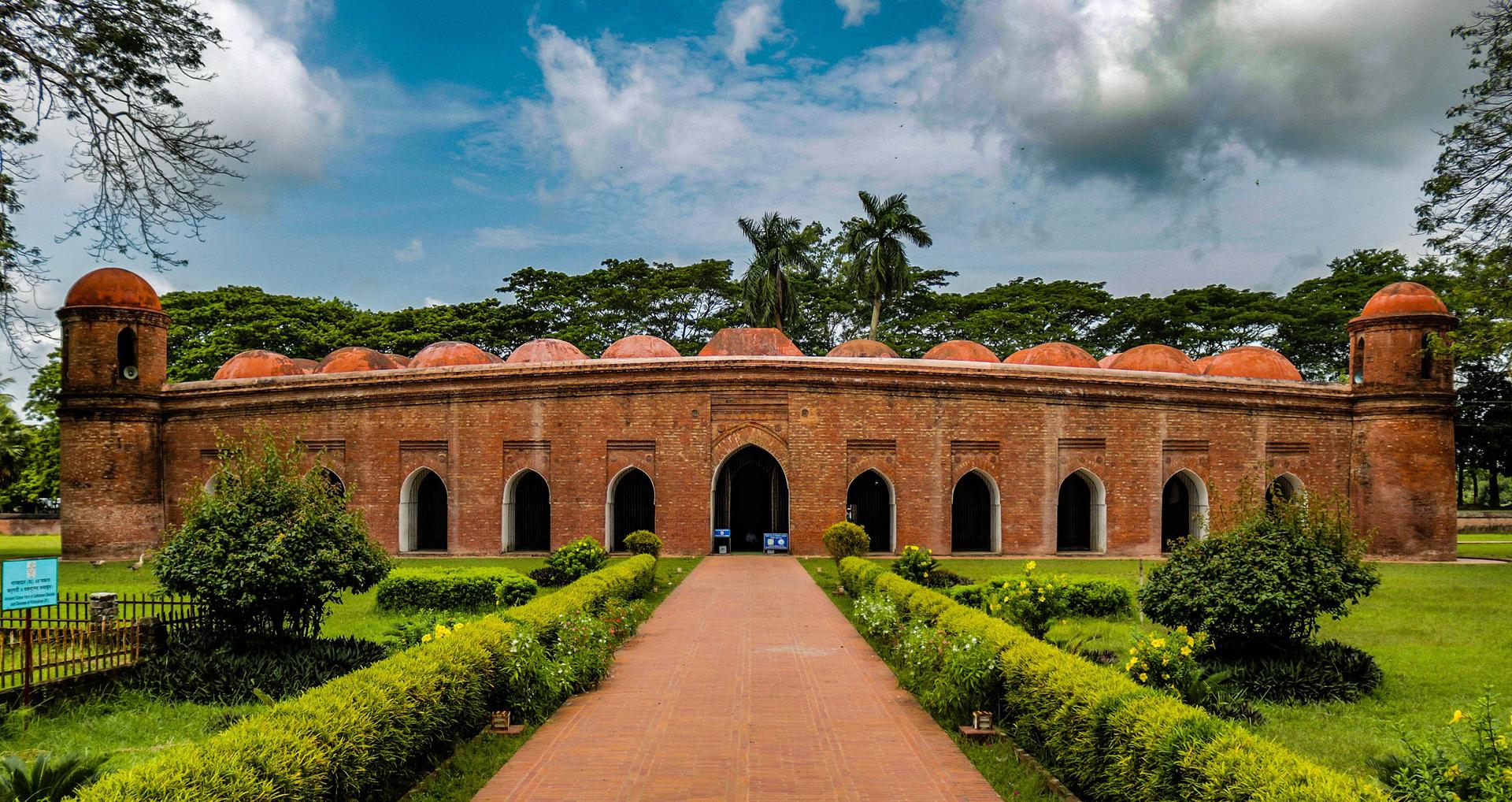
Looking beyond Lalbagh Fort? Discover Central Bengal for broader travel guides, local hot-spots, and regional highlights.
Explore Central Bengal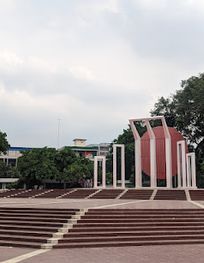
A national monument in Dhaka, Bangladesh, honoring the martyrs of the 1952 Language Movement and a symbol of Bengali identity.
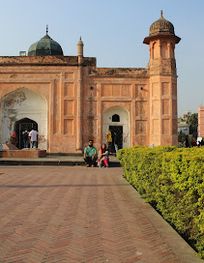
Explore the unfinished Mughal masterpiece of Lalbagh Fort in Dhaka, a 17th-century complex with stunning architecture, serene gardens, and a glimpse into Bengal's rich history.
