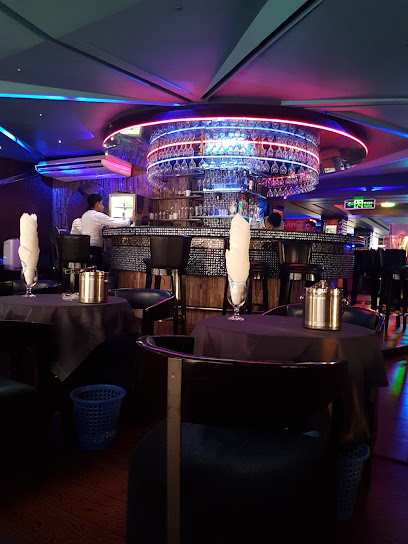
Rayer Bazar Bodhyo Bhumi: A Memorial to Intellectuals
Reflect on the sacrifices made for Bangladesh's independence at this poignant memorial honoring the intellectuals martyred in 1971, a place of remembrance and learning.
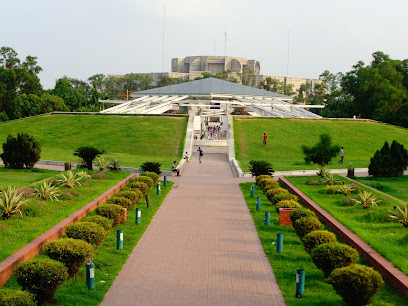
Rayer Bazar Bodhyo Bhumi, or the Martyred Intellectuals Memorial, stands as a solemn tribute to the intellectuals who were brutally murdered during the 1971 Liberation War. This memorial in Dhaka commemorates the immense sacrifices made by Bangladesh's brightest minds and the nation's struggle for independence.
A brief summary to Rayer Bazar Bodhyo Bhumi
- Q925+637, Sadarghat - Gabtoli Rd, Dhaka, Hazaribag, BD
- Monday 7 am-8 pm
- Tuesday 7 am-8 pm
- Wednesday 7 am-8 pm
- Thursday 7 am-8 pm
- Friday 7 am-8 pm
- Saturday 7 am-8 pm
- Sunday 7 am-8 pm
Local tips
- Maintain a respectful demeanor while visiting the memorial, as it is a place of solemn remembrance.
- Take the time to read the plaques and information available at the site to gain a deeper understanding of its historical significance.
- Dress modestly and comfortably, appropriate for visiting a cultural and historical site.

Getting There
-
Public Transport
From Gabtoli Bus Terminal, take a direct bus towards Sadarghat. Alight near the Rayer Bazar Beribadh area. From there, it's a short walk or rickshaw ride to the memorial. Bus fare typically ranges from 10-30 BDT. Be mindful of traffic conditions, especially during peak hours.
-
Taxi/Ride-Share
From Mohammadpur bus stand, a taxi or ride-sharing service (Uber/Pathao) to Rayer Bazar Bodhyo Bhumi will take approximately 15-20 minutes, depending on traffic. Expect to pay around 150-250 BDT. Be sure to negotiate the fare beforehand with CNG auto-rickshaws.
-
Walking
If you are already in the Rayer Bazar area, orient yourself towards Beribadh road. From there, it's a 10-15 minute walk to the memorial. Look for signs indicating the direction of 'Shaheed Buddhijibi Smriti Soudho' (Martyred Intellectuals Memorial).
Discover more about Rayer Bazar Bodhyo Bhumi
Iconic landmarks you can’t miss

Tajmahal Park
1.7 km
Escape the city bustle at Tajmahal Park, a green oasis in Dhaka's Mohammadpur, offering recreation and relaxation for all.
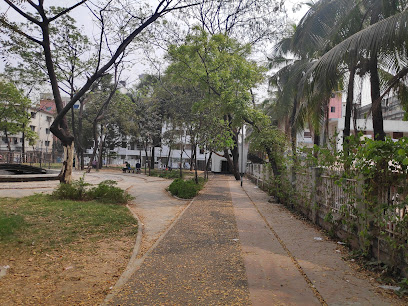
Dhanmondi
1.8 km
Explore Dhanmondi, Dhaka: A vibrant blend of culture, history, and modern life with serene lakes, historical sites, and diverse culinary experiences.
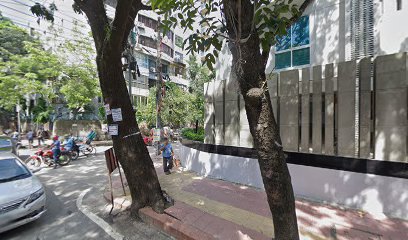
Dhanmondi Lake Circle
2.1 km
Escape to Dhaka's tranquil Dhanmondi Lake Circle: A scenic urban retreat with lush greenery, cultural events, and recreational activities for all ages.
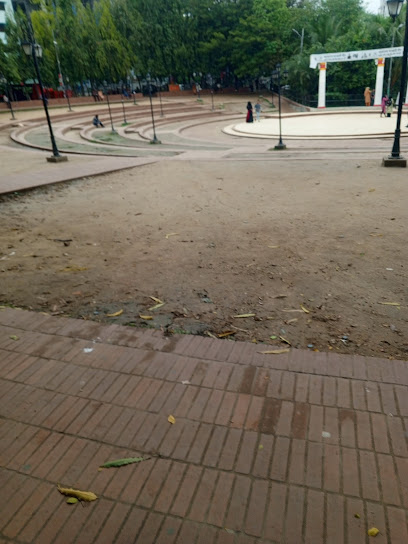
Nowrin's Druft
2.2 km
Discover Nowrin's Druft, a historical landmark in Dhaka, Bangladesh, offering a captivating glimpse into the city's rich cultural heritage and architectural marvels.
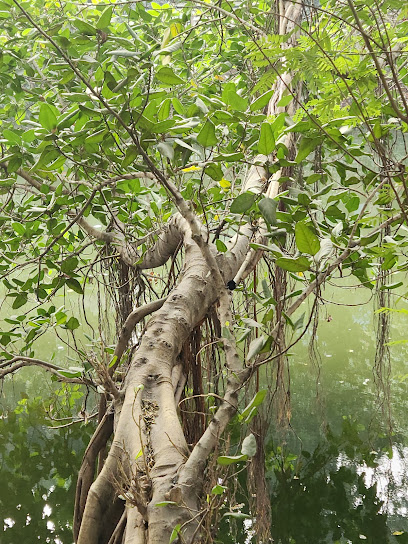
বটতলা,ধানমন্ডি লেক
2.3 km
Escape the city bustle at Dhanmondi Lake, a serene urban oasis offering lush greenery, recreational activities, and cultural events in the heart of Dhaka's vibrant Dhanmondi.
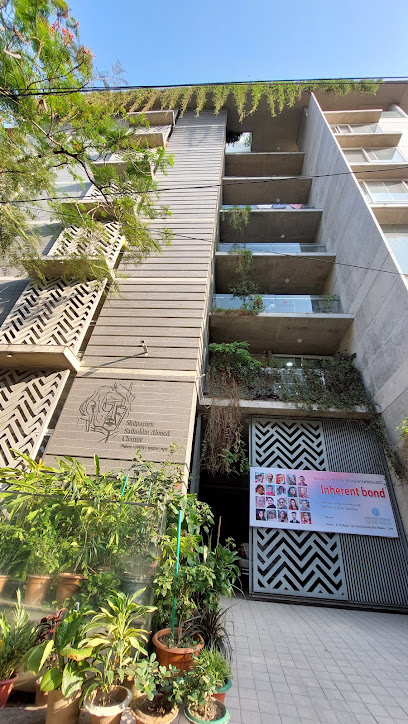
Safiuddin Shilpalay
2.5 km
Explore the vibrant art scene of Dhaka at Safiuddin Shilpalay, a fine art complex honoring Shilpaguru Safiuddin Ahmed and showcasing diverse contemporary and historical Bangladeshi art.
Jatiyo Sangsad Bhaban
2.5 km
Discover Dhaka's architectural gem: Jatiyo Sangsad Bhaban, a symbol of democracy and Bengali heritage designed by Louis Kahn.
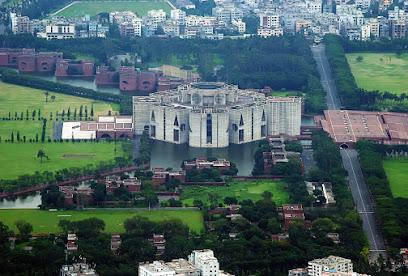
Bangladesh National Parliament House
2.5 km
Explore the Bangladesh National Parliament House, a stunning architectural gem in Dhaka, representing the heart of Bangladesh's democratic values.
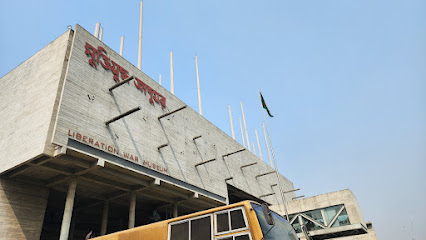
Liberation War Museum
3.1 km
Explore Bangladesh's struggle for independence at the Liberation War Museum in Dhaka, a poignant tribute to the nation's history and the spirit of its people.
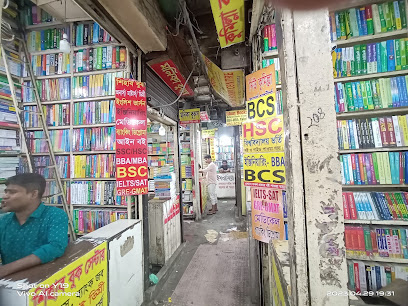
Book sale
3.4 km
Explore Dhaka's literary heart: Nilkhet Book Market, where affordable books and academic resources meet vibrant culture.
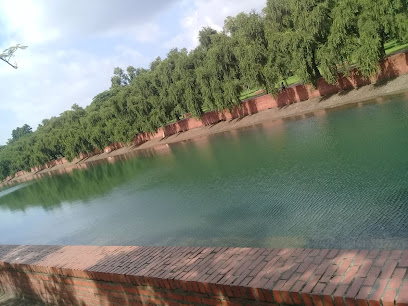
Panthokunjo
3.6 km
Escape the Dhaka bustle at Panthokunjo, a green oasis offering tranquility and recreation in the heart of the city. A perfect spot for a peaceful break and a breath of fresh air.
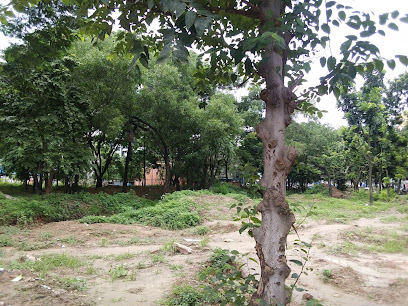
সবিক শহিদ মিনার
3.7 km
A poignant memorial in Dhaka honoring the martyrs of the Bengali Language Movement, symbolizing cultural identity and the fight for linguistic rights.
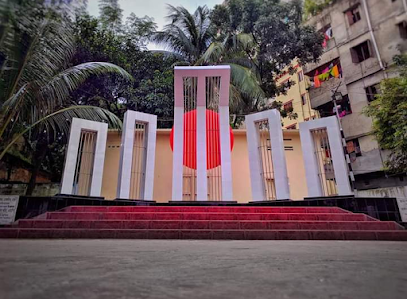
Bangladesh
3.7 km
Discover the authentic heart of Dhaka in Kamrangirchar: a vibrant community with a rich history, resilient spirit, and a unique cultural tapestry waiting to be explored.
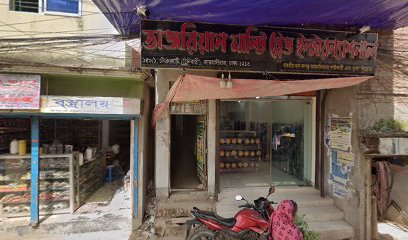
Shah Shaheb Bari Bot Tola
3.9 km
Discover Dhaka's spiritual heart at Shah Shaheb Bari Bot Tola, where history and community intertwine beneath an ancient banyan tree.
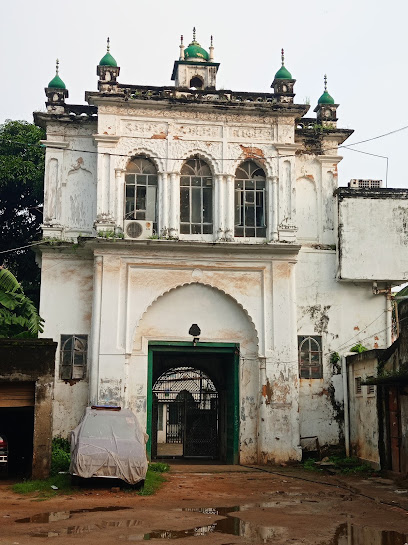
Jagannath Hall Killing Field
4.4 km
Reflect on Bangladesh's history at Jagannath Hall Killing Field, a memorial to the 1971 Liberation War within Dhaka University.
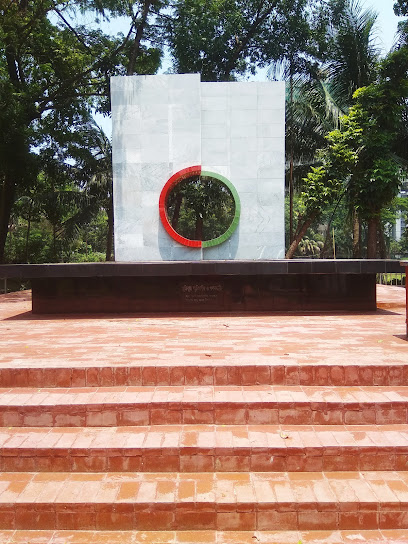
Unmissable attractions to see

West Dhanmondi River View Point
1.2 km
Discover a serene escape at West Dhanmondi River View Point in Dhaka, offering breathtaking river views and a tranquil ambiance away from the city's hustle.
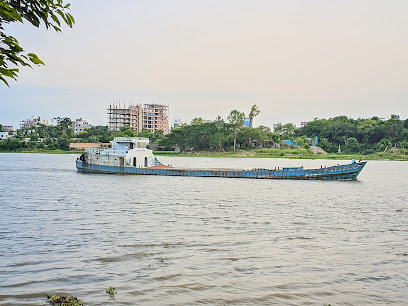
Bengal Shilpalay
1.3 km
Discover Bangladesh's vibrant art scene at Bengal Shilpalay in Dhaka, showcasing traditional and contemporary masterpieces and offering immersive cultural experiences.
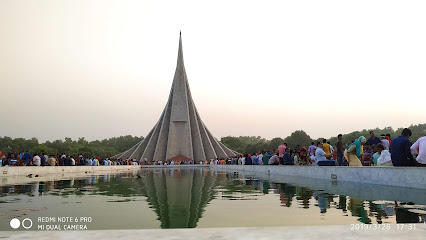
NHA Complex Shahid Minar
1.8 km
A national monument in Dhaka commemorating the martyrs of the Bengali Language Movement, symbolizing Bengali nationalism and cultural identity.
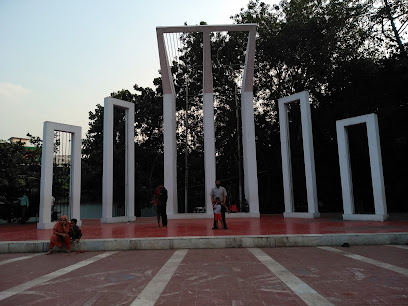
32 No Lake
1.8 km
Escape to nature in the heart of Dhaka at Dhanmondi Lake, a vibrant recreational and cultural hub.
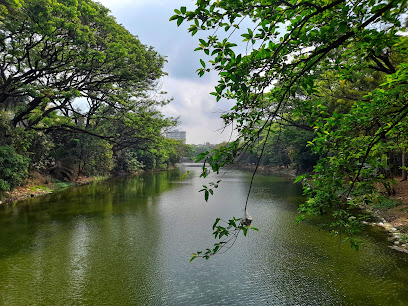
Basila Uttar Para Nodir Par
1.9 km
Escape the city bustle at Basila Uttar Para Nodir Par, a tranquil riverside haven in Dhaka offering scenic beauty and community spirit.

Dhanmondi Eidgah Math
1.9 km
Explore Dhaka's Mughal past at the Dhanmondi Shahi Eidgah, a historic prayer ground and architectural treasure from 1640.
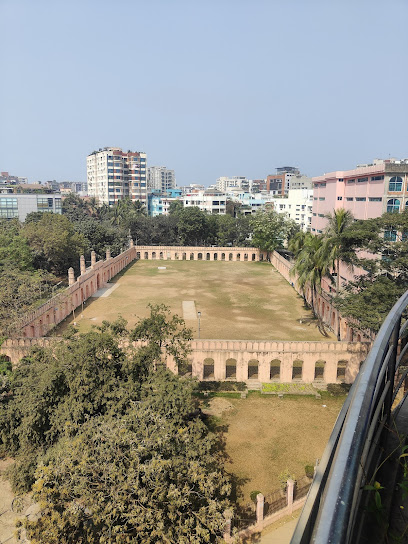
Rabindra Sarobar
2.1 km
Experience the serene beauty and rich cultural heritage at Rabindra Sarobar, Dhaka's beloved amphitheater and park.
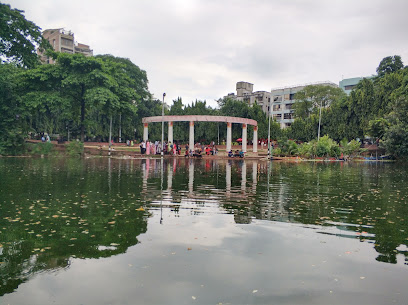
Aulindo Shorobor, Lake Road, Dhanmondi
2.1 km
Escape to the tranquility of Aulindo Shorobor in Dhanmondi Lake, a green oasis in the heart of Dhaka.
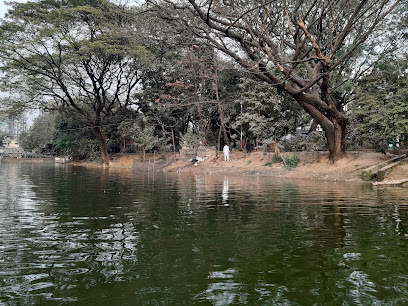
Dhanmondi Lake
2.1 km
Escape the city bustle at Dhanmondi Lake, a scenic recreational hub with lush greenery, cultural events, and tranquil waters in the heart of Dhaka.
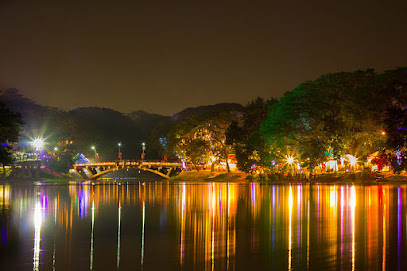
Drik Gallery
2.2 km
Explore contemporary Bangladeshi art and photography at Drik Gallery, a hub for visual storytelling and social dialogue in the heart of Dhaka.
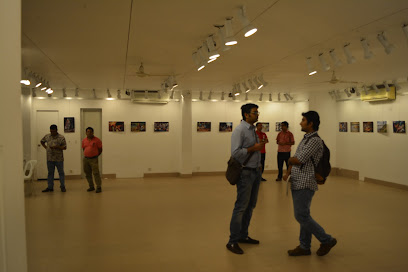
Beautiful Place
2.4 km
Discover a peaceful retreat in Dhaka's Beautiful Place, a green oasis offering a serene escape from the city's vibrant energy and bustling streets.
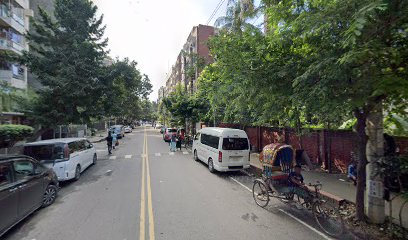
Shyamoli Park
2.6 km
Escape to Shyamoli Park, a verdant refuge in Dhaka offering recreation, tranquility, and a connection to nature for locals and tourists alike.

Crecent Lake
2.7 km
Discover a peaceful escape in Dhaka at Crescent Lake, a scenic oasis connecting history and nature near the National Parliament House and Chandrima Uddan.
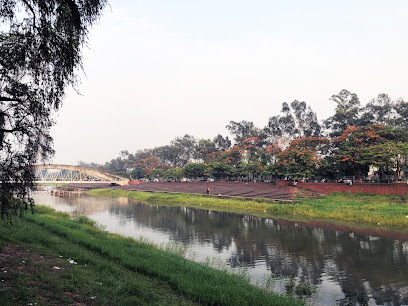
DNCC Wonderland (Shishu Mela)
2.7 km
Experience nostalgic family fun at DNCC Wonderland (Shishu Mela) in Dhaka, offering rides, games, and attractions for all ages since 1985.
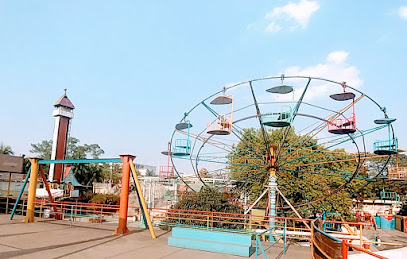
Chandrima Udyan
2.8 km
Escape the city bustle at Chandrima Udyan, a serene park in Dhaka with lush greenery, a tranquil lake, and historical significance.
Essential places to dine

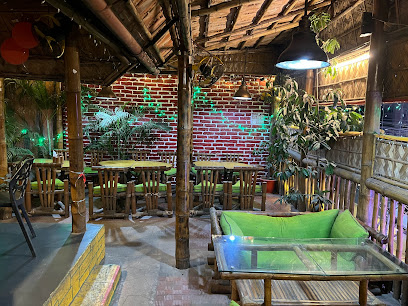
Ozz Cafe
0.9 km
Discover Ozz Cafe in Dhaka: A perfect blend of local cuisine and international flavors in a serene atmosphere.
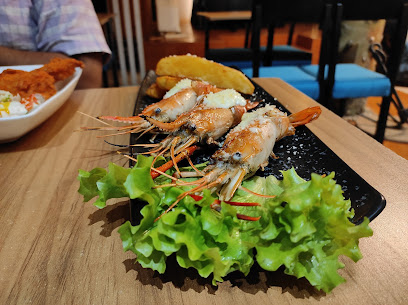
Ohana Diner
0.9 km
Discover Ohana Diner in Dhaka: A delightful seafood restaurant offering fresh flavors and a charming seaside ambiance.
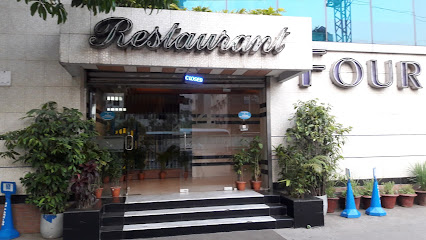
Four Seasons Restaurant
1.1 km
Discover exquisite Chinese and Thai cuisine at Four Seasons Restaurant in Dhaka – where authentic flavors meet elegant dining.
Xindian Restaurant
1.1 km
Experience authentic Chinese and Thai flavors at Xindian Restaurant in Dhaka, where every dish tells a story of culinary excellence.
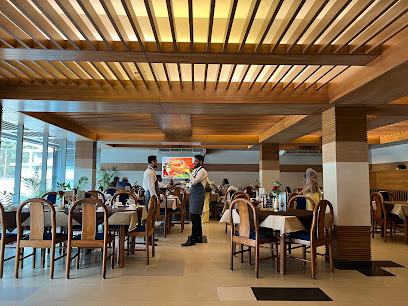
Deck 13
1.1 km
Experience Dhaka's vibrant culinary scene at Deck 13, where exquisite seafood and perfectly grilled steaks await in a stylish setting.
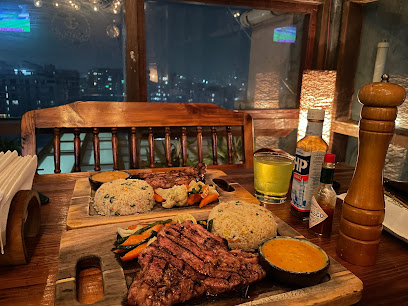
Alfresco Dhanmondi
1.2 km
Discover Alfresco Dhanmondi: Where local flavors meet international cuisine in Dhaka's vibrant culinary scene.
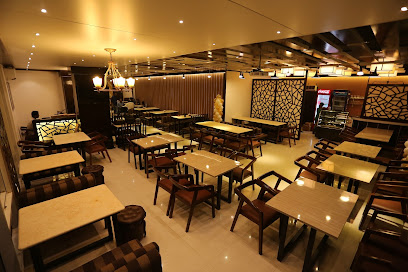
Sabroso live
1.2 km
Experience Dhaka's culinary delight at Sabroso Live - where local flavors meet global cuisine in a vibrant setting.
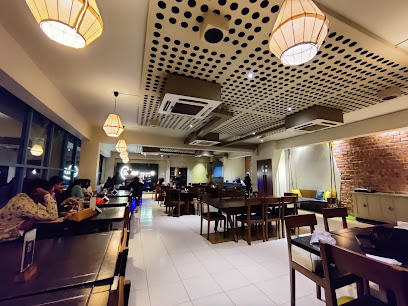
THE GARDEN BBQ & CAFE
1.2 km
Experience the best barbecue delights at The Garden BBQ & Cafe in Dhaka—where flavor meets comfort in a serene setting.

Reserveit BD
1.3 km
Experience authentic Bangladeshi cuisine at Reserveit BD - where culinary delight meets community spirit in Dhaka.

Bhooter Bari Dhanmondi
1.3 km
Experience authentic Bangladeshi cuisine at Bhooter Bari Dhanmondi - where flavor meets tradition in the heart of Dhaka.

Bar B Q Tonite
1.4 km
Experience authentic Bangladeshi barbecue delights at Bar B Q Tonite - a culinary gem in Dhaka's Dhanmondi district.
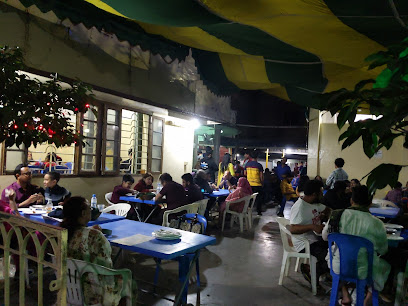
Cilantro
1.4 km
Savor exquisite flavors at Cilantro – Dhaka's premier destination for Continental, Latin American, Mediterranean & Mexican cuisine.
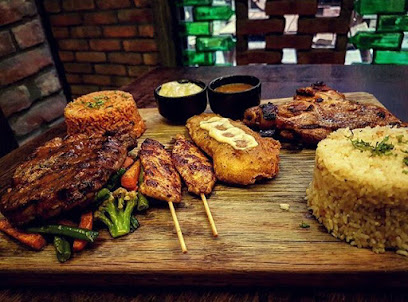
The Dark Music Cafe And Restaurant
1.5 km
Experience the fusion of culinary delights and live music at The Dark Music Cafe And Restaurant in Dhanmondi, Dhaka.
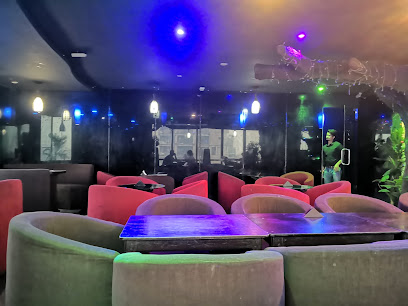
Handi | Dhanmondi
1.5 km
Experience the rich flavors of India at Handi in Dhanmondi - where culinary tradition meets modern elegance.
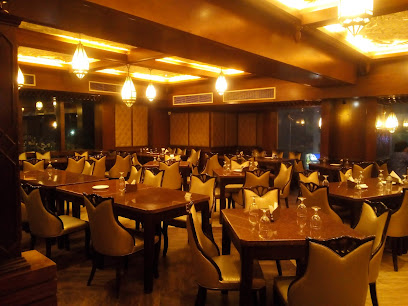
Garlic 'n Ginger ~ Dhanmondi
1.5 km
Experience a delightful buffet at Garlic 'n Ginger in Dhanmondi – where culinary excellence meets vibrant atmosphere.
Markets, malls and hidden boutiques

Modern Departmental Store
0.4 km
Discover the essence of Dhaka shopping at the Modern Departmental Store, where culture meets convenience in a vibrant setting.
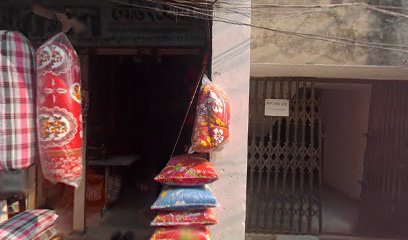
Wali Bazar
0.5 km
Explore Wali Bazar in Dhaka, Bangladesh – a vibrant shopping mall blending local culture with modern retail therapy.

Shopping
0.7 km
Explore Dhaka's vibrant clothing store, where traditional craftsmanship meets modern style in a bustling shopping experience.
Shopping World Pro
0.8 km
Explore the vibrant offerings of Shopping World Pro, where style meets affordability in the heart of Dhaka's shopping scene.
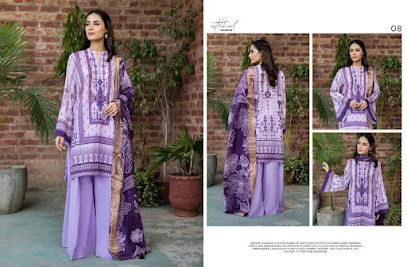
Artisan Outfitters Dhanmondi
1.2 km
Discover the latest trends in men's, women's, and children's fashion at Artisan Outfitters Dhanmondi, a stylish shopping hub in Dhaka.
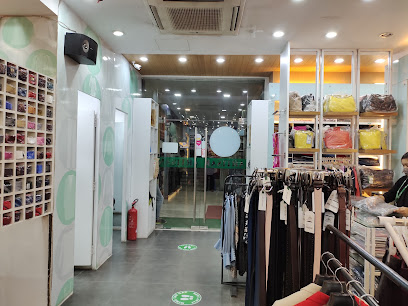
Bengal Boi ~ Dhanmondi
1.3 km
Discover the charm of Bengal Boi, a unique bookstore and café in Dhanmondi, offering a cozy atmosphere and a rich collection of books.
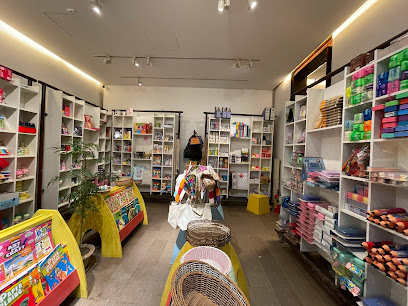
Bangla General Store
1.4 km
Discover the heart of Dhaka at Bangla General Store, where local culture meets everyday convenience.
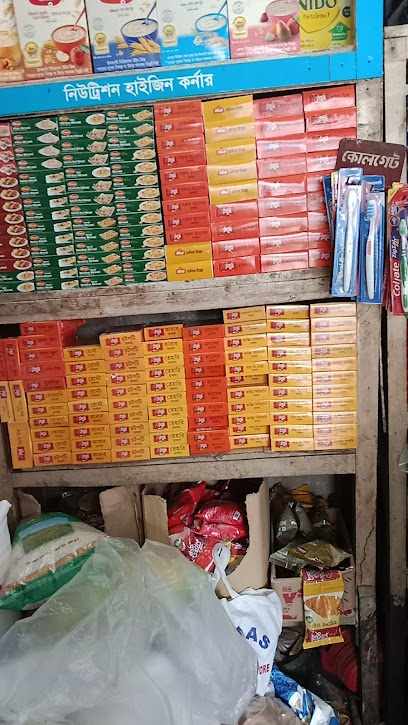
Aranya Dhanmondi Showroom
1.4 km
Discover the charm of Bangladeshi craftsmanship at Aranya Dhanmondi Showroom, a top shopping destination in Dhaka's vibrant Dhanmondi area.
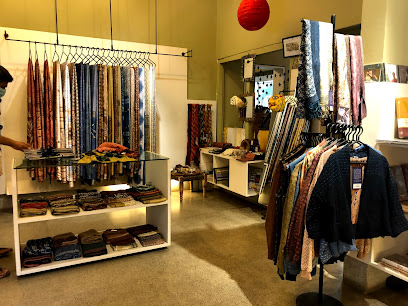
Unique Yard
1.4 km
Explore Unique Yard in Dhaka for a memorable shopping experience filled with trendy fashion accessories that reflect local craftsmanship.

..
1.6 km
Experience the vibrant shopping culture of Dhaka, where unique crafts and local treasures come together in a lively atmosphere.

SN Best Boutiques Store Dhaka
1.6 km
Explore SN Best Boutiques Store in Dhaka for unique clothing that blends traditional Bangladeshi craftsmanship with modern fashion.
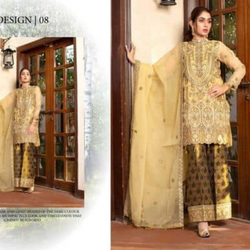
Astro Store Bangladesh
1.6 km
Discover the wonders of the universe at Astro Store Bangladesh, your premier destination for cosmic-themed gifts and souvenirs in Dhaka.
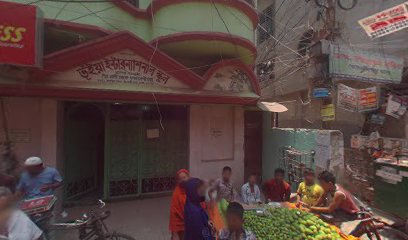
Live Shopping
1.6 km
Explore the latest fashion trends and unique styles at Live Shopping, Dhaka's premier clothing store for locals and tourists alike.
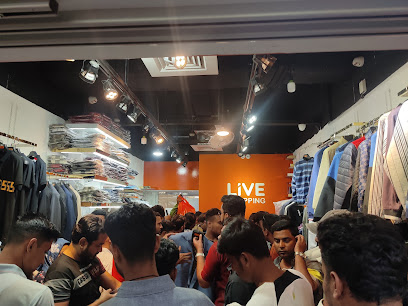
Oikko Store: Find Clothing, Home Decor & Appliances Everything You Need
1.7 km
Explore Oikko Store in Dhaka for a unique shopping experience featuring clothing, home decor, and appliances at great prices.
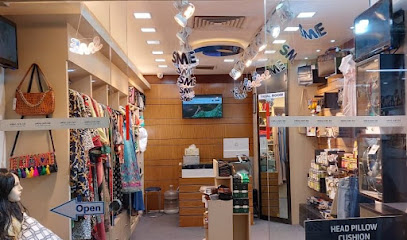
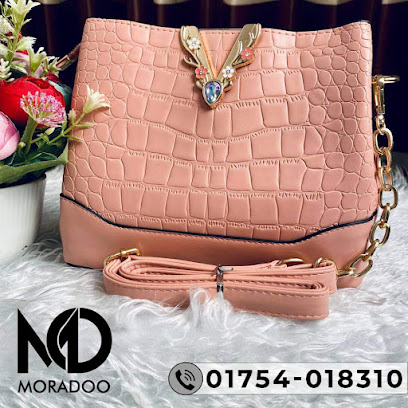
Moradoo | Ladies Bag, Jewelry, Shoe, Watch Supplier Dhaka
1.8 km
Explore Moradoo in Dhaka for exquisite ladies' bags, stylish shoes, stunning jewelry, and elegant watches, all in one chic destination.
Essential bars & hidden hideouts

Tanbir's Hut
0.7 km
Discover the lively spirit of Dhaka at Tanbir's Hut, a charming pub showcasing local drinks and culture in a vibrant setting.
Cha Bar
1.4 km
Discover the vibrant charm of Cha Bar in Dhaka, where traditional teas and a cozy atmosphere create an unforgettable experience.
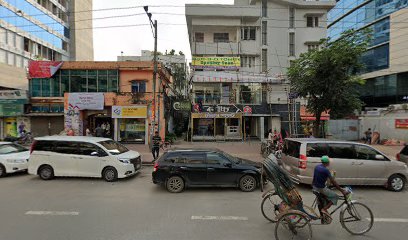
ওজঙ রেস্টুরেন্ট
1.6 km
Discover the vibrant flavors of Dhaka at Ojong Restaurant, a must-visit culinary destination in Dhanmondi, known for its delicious dishes and inviting atmosphere.
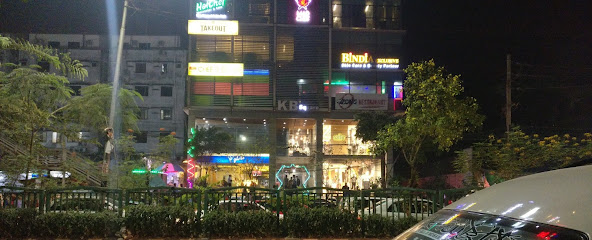
Hotel Eram International
2.1 km
Experience the vibrant nightlife at Hotel Eram International, a favorite bar in Dhaka, blending local charm with a lively atmosphere.
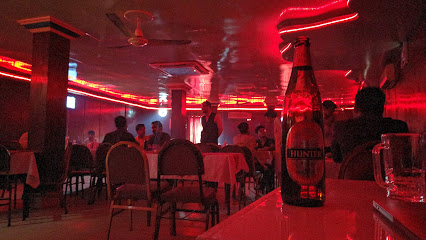
Hollywood Restaurant Ltd
2.7 km
Discover the vibrant atmosphere and diverse menu of Hollywood Restaurant Ltd, a must-visit bar in the heart of Dhaka.
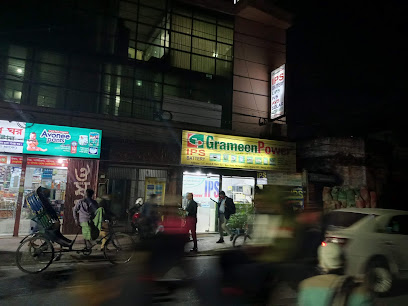
Adda KH
2.9 km
Dive into Dhaka's nightlife at Adda KH, where vibrant energy meets exquisite drinks in a stylish setting.
DPL Restaurant & Bar
3.1 km
Discover the vibrant flavors of Dhaka at DPL Restaurant & Bar – where local cuisine meets a lively atmosphere.
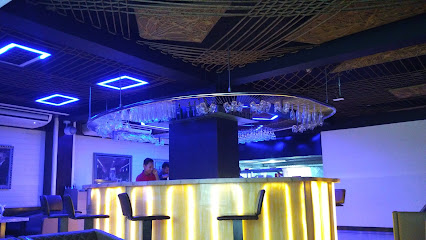
Hotel Grand Galaxy
3.1 km
Discover the lively charm of Hotel Grand Galaxy, Dhaka's top spot for chicken wings, wine, and a vibrant nightlife experience.
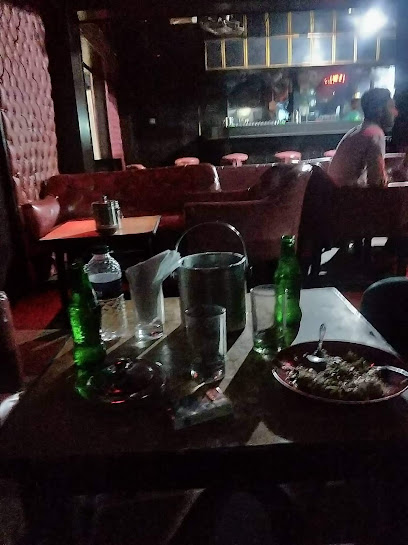
Red Button
3.4 km
Discover Red Button, a vibrant bar and restaurant in Dhaka, offering delicious continental cuisine and a lively atmosphere for relaxation.
Shalemar Restaurant & Bar
3.5 km
Experience the vibrant nightlife of Dhaka at Shalemar Restaurant & Bar, where delicious cuisine meets a lively atmosphere.
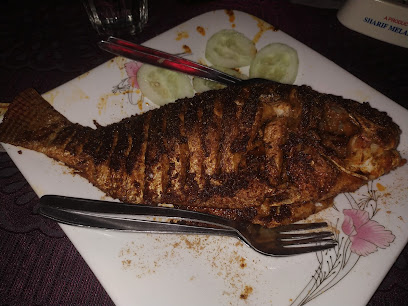
Bengal Bar
3.5 km
Experience the lively atmosphere and unique flavors at Bengal Bar, a must-visit destination in Dhaka for tourists and locals alike.
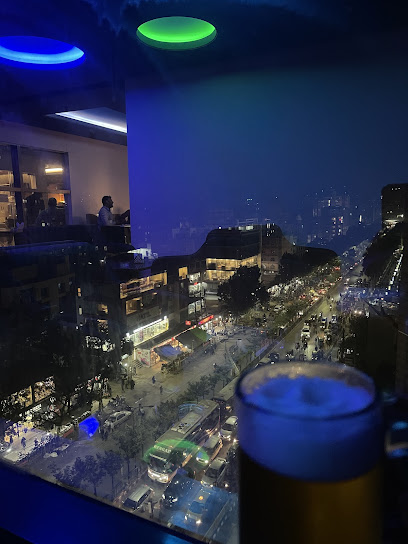
sohel er dokan
3.6 km
Experience the vibrant nightlife of Dhaka at Sohel er Dokan, a popular bar known for its great drinks and welcoming atmosphere.
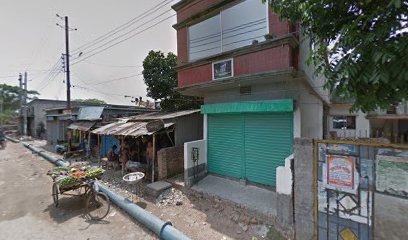
Dhanmondi Club Limited
3.6 km
Experience the vibrant nightlife of Dhaka at Dhanmondi Club Limited, where great drinks meet a lively atmosphere.
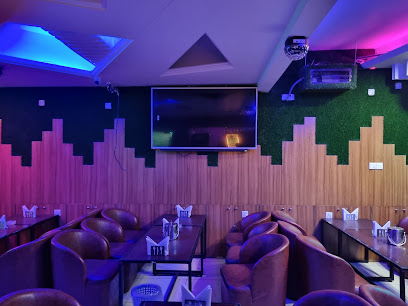
Chalet Restaurant & Bar
3.8 km
Discover the vibrant culinary experience at Chalet Restaurant & Bar in Dhaka, where local flavors meet international cuisine.
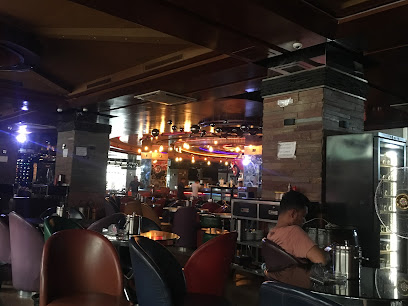
Golden Dragon Bar
4.0 km
Experience the vibrant nightlife at Golden Dragon Bar in Dhaka with signature cocktails, live music, and a lively atmosphere perfect for socializing.
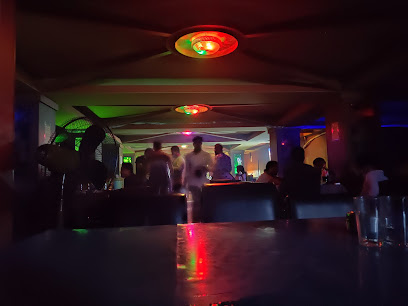
Nightclubs & after hour spots

Adda Jone
0.8 km
Discover the energy and excitement of Dhaka's nightlife at Adda Jone, a premier night club where vibrant music and unforgettable experiences await.
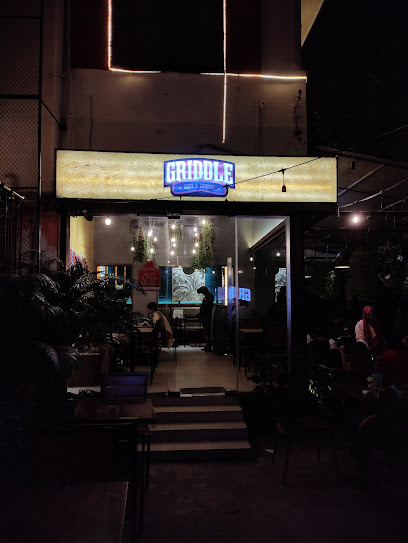
Griddle Cafe & Lounge
1.6 km
Discover the vibrant culinary scene at Griddle Cafe & Lounge in Dhaka, where delicious flavors meet a cozy atmosphere.
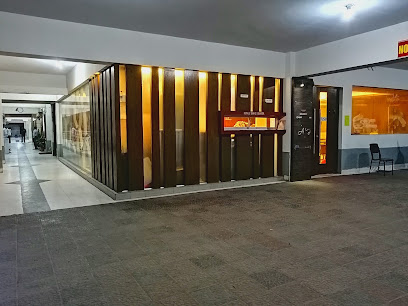
FBS Boys Common Room and Ice Cream Parlour
3.9 km
Discover a delightful blend of relaxation and indulgence at FBS Boys Common Room and Ice Cream Parlour, a must-visit lounge in Dhaka University.
Teachers Lounge । Faculty of Arts, University of Dhaka
4.0 km
Experience a tranquil escape at the Teachers Lounge in the University of Dhaka, where scholarly vibes meet relaxation in an inspiring setting.

উত্তর ইব্রাহিমপুর আশিদাগ
5.5 km
Discover the heart of Dhaka's nightlife at Uttar Ibrahimpur Ashidag, a vibrant night club offering music, dance, and local culture.
Renad Mansion
5.7 km
Discover the electrifying nightlife at Renad Mansion, a premier night club in Dhaka offering vibrant music and a lively atmosphere.
Fuwang Club
5.9 km
Experience the nightlife in Dhaka at Fuwang Club, where great drinks and vibrant atmosphere create unforgettable memories.
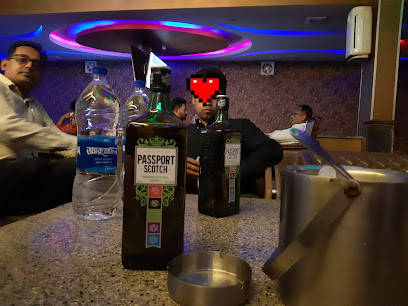
Dhaka Restaurant & Recreation Center
5.9 km
Discover the lively Dhaka Restaurant & Recreation Center, where delicious food meets vibrant entertainment in the heart of Dhaka.
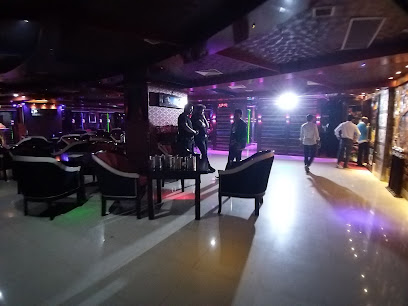
Noakhali Club Dhaka Ltd
6.1 km
Experience the vibrant nightlife at Noakhali Club Dhaka Ltd, where socializing meets stunning views in the heart of Dhaka.
বি.বি.পি - A.Zone
6.3 km
Discover the pulsating nightlife of Dhaka at বি.বি.পি - A.Zone, where music, dance, and unforgettable memories await you.
Signature lounge
6.4 km
Discover the electrifying nightlife at Signature Lounge in Dhaka, where vibrant music and exceptional service create unforgettable experiences.
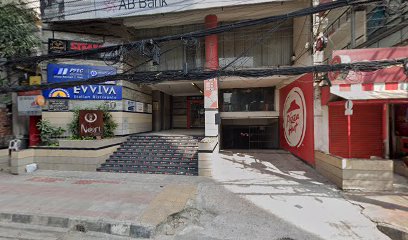
TRIBE Rooftop Lounge
6.5 km
Discover the perfect blend of ambiance and flavor at TRIBE Rooftop Lounge in Dhaka, offering stunning views and an exquisite menu.
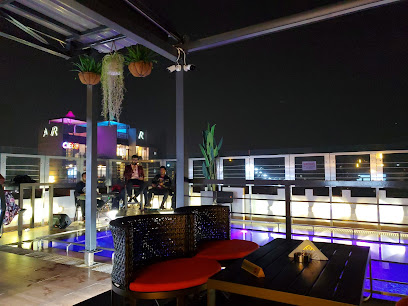
Jazz Reloaded Lounge
6.5 km
Jazz Reloaded Lounge: A vibrant Dhaka hotspot blending live jazz, exquisite dining, and a welcoming atmosphere for travelers.
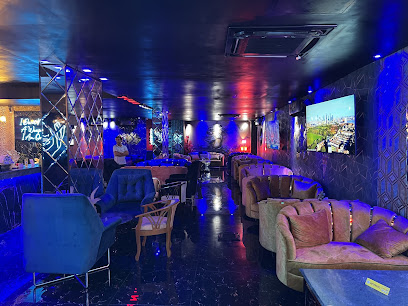
Hanif Khan
6.5 km
Experience the heart of Dhaka's nightlife at Hanif Khan, where music, dance, and culture come alive for an unforgettable evening.
Bluemoon Recreation Club
6.8 km
Explore the vibrant atmosphere of Bluemoon Recreation Club in Dhaka, offering dining, socializing, and fitness for the perfect leisure experience.