

Dhaka, Bangladesh Travel Guide
Explore Dhaka: A vibrant city of history, culture, and culinary delights in the heart of Bangladesh.
Dhaka, the capital of Bangladesh, is a city of vibrant chaos and rich history. Known as the 'City of Mosques', Dhaka is home to over 400 mosques, many of which are architectural marvels. The city's skyline is a mix of modern skyscrapers and historic buildings, offering a fascinating contrast that highlights its rapid development and deep cultural roots. The streets of Dhaka are always alive with activity. Rickshaws weave through the traffic, street vendors sell an array of goods, and the scent of local cuisine fills the air. The city's bustling markets, such as the New Market and Baitul Mukarram, are a shopper's paradise, offering everything from traditional Bangladeshi handicrafts to modern fashion. Dhaka's rich cultural heritage is evident in its landmarks. The Lalbagh Fort, an incomplete Mughal fort complex, is a must-visit for history enthusiasts. The Ahsan Manzil, also known as the Pink Palace, offers a glimpse into the opulent lifestyle of the Nawabs of Dhaka. For a serene escape, the city's many parks and gardens, such as the Ramna Park and Baldha Garden, provide a peaceful retreat from the urban hustle. Food lovers will find Dhaka a culinary delight. The city's diverse cuisine ranges from traditional Bengali dishes like biryani and hilsa fish to international flavors. Street food is a major highlight, with delicacies like fuchka (pani puri) and jhalmuri (spicy puffed rice) being local favorites. Dining in Dhaka offers a unique opportunity to experience the rich flavors and culinary traditions of Bangladesh.

Know before you go
Hi, I'm Eve. Here are a few practical things to know before exploring Dhaka.
- Avoid peak traffic times if traveling by road; Dhaka's traffic can be very congested.
- Dress modestly, especially when visiting religious sites, to respect local customs.
- Always negotiate the fare before taking a rickshaw ride.
- Try the local street food, but ensure it is from a clean and reputable vendor.
- Carry cash, as many smaller shops and vendors may not accept credit cards.


Explore Dhaka: Things to Do, Places to Eat, Hotels & More
Handpicked recommendations for top attractions, local dining, accommodations, and more

Best attractions in Dhaka
Top-rated picks
Best Attractions
Browse the full guide
All Attractions

Dhakeshwari National Temple
Discover the spiritual heart of Dhaka at the Dhakeshwari National Temple, a symbol of faith, resilience, and cultural heritage for Bangladesh.

Museum of Independence
Explore Bangladesh's struggle for independence at this poignant Dhaka museum, featuring historical exhibits & the iconic Independence Monument.

Sadarghat
Experience the vibrant chaos of Dhaka's riverfront at Sadarghat, a historic port teeming with life, commerce, and culture on the Buriganga River.

32 No Lake
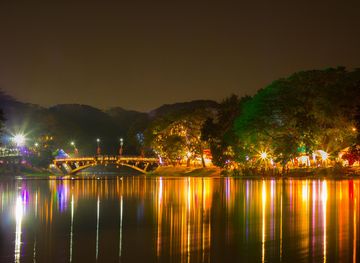
Escape to nature in the heart of Dhaka at Dhanmondi Lake, a vibrant recreational and cultural hub.

Best landmarks in Dhaka
Top-rated picks
Best Landmarks
Browse the full guide
All Landmarks

Hussaini Dalan
Explore the architectural beauty and cultural significance of Hussaini Dalan, a historical landmark in the heart of Old Dhaka, Bangladesh.

Bara Katra
Explore the grandeur of Bara Katra, a stunning Mughal-era monument in Dhaka, showcasing exquisite architecture and rich cultural history.

Ahsan Manzil Museum
Step back in time at Dhaka's Pink Palace, Ahsan Manzil, and discover the opulent world of the Nawabs, exploring exquisite artifacts and architecture on the banks of the Buriganga River.

Bangladesh National Parliament House
Discover the architectural marvel of Bangladesh's National Parliament House, a symbol of democracy and a masterpiece by Louis Kahn, blending modern design with cultural significance.

Best restaurants in Dhaka
Top-rated picks
Best Restaurants
Browse the full guide
All Restaurants

Ozz Cafe
Experience the vibrant culinary scene at Ozz Cafe in Dhaka, offering delicious local and international dishes in a welcoming atmosphere.
Thai Chi Restaurant & Cafe
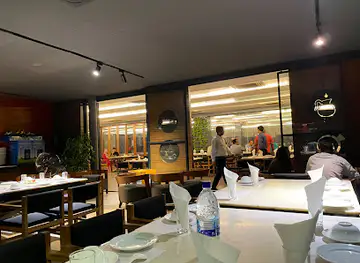
Discover diverse flavors at Thai Chi Restaurant & Cafe – where authentic Thai, Chinese, and Indian cuisines meet in Dhaka's vibrant dining scene.

Barcode Cafe
Experience a delightful mix of local flavors and international cuisine at Barcode Cafe in Gulshan, Dhaka.

Kabab Factory
Discover Kabab Factory: Dhaka's premier barbecue restaurant offering an unforgettable taste of authentic Bangladeshi kababs and vibrant dining atmosphere.

Best bars in Dhaka
Top-rated picks
Best Bars
Browse the full guide
All Bars

Chalet Restaurant & Bar
Experience exquisite dining and vibrant nightlife at Chalet Restaurant & Bar in Dhaka, where culinary delight meets a lively atmosphere.

Sakura Restaurant & Bar
Discover the perfect blend of tradition and modernity at Sakura Restaurant & Bar, a culinary oasis in Dhaka's vibrant dining scene.

La Diplomat Restaurant & Bar
Experience the vibrant flavors of Bangladesh and beyond at La Diplomat Restaurant & Bar, a must-visit in Dhaka's culinary scene.

DPL Restaurant & Bar
Discover the perfect blend of exquisite drinks and delicious cuisine at DPL Restaurant & Bar in Dhaka, where the vibrant atmosphere awaits.

Best nightclubs in Dhaka
Top-rated picks
Best Nightclubs
Browse the full guide
All Nightclubs

Bluemoon Recreation Club
Discover the lively Bluemoon Recreation Club in Dhaka, where vibrant nightlife, delicious cuisine, and fitness meet in a social hub.

Lake View Recreation Club, Gulshan-1
Experience relaxation and vibrant social life at Lake View Recreation Club, a hidden gem in Gulshan offering stunning lake views and local flavors.

SKYe Lounge Bar
Experience the vibrant nightlife of Dhaka at SKYe Lounge Bar, where stunning views and a lively atmosphere await every visitor.

Fuwang Club
Experience the nightlife in Dhaka at Fuwang Club, where great drinks and vibrant atmosphere create unforgettable memories.

Best shops in Dhaka
Top-rated picks
Best Shops
Browse the full guide
All Shops

Nilkhet Book Market
Explore Nilkhet Book Market, a vibrant hub in Dhaka filled with books, stationery, and local culture, perfect for literary enthusiasts and curious visitors.

Nurjahan Super Market
Explore Dhaka's Nurjahan Super Market for an exciting shopping experience filled with local fashion and unique finds.

Dhanmondi Hawker's Market
Experience the lively spirit of Dhaka at Dhanmondi Hawker's Market, a vibrant shopping paradise filled with local flavors and unique finds.

Mustafa Mart - Bashundhara City
Discover a bustling supermarket experience at Mustafa Mart - Bashundhara City, where local flavors meet global brands in Dhaka's vibrant shopping hub.

Explore Dhaka on the Map
A handpicked selection of must-see spots in Dhaka, mapped for you.
Dhaka Essentials
-
Dhaka, the capital of Bangladesh, is well-connected by air, road, and rail. Hazrat Shahjalal International Airport (DAC) is the primary international gateway, with flights from major global cities. From the airport, taxis and ride-sharing services are available to reach the city center. Dhaka is also accessible by intercity buses from neighboring countries like India, and by trains from other parts of Bangladesh.
-
Dhaka's transportation system includes buses, auto-rickshaws, cycle rickshaws, taxis, and ride-sharing services such as Uber and Pathao. Buses are the most affordable but can be crowded and less reliable. Auto-rickshaws and cycle rickshaws are popular for short distances. For a more comfortable and convenient option, use ride-sharing services or book a private car through your hotel.
-
The local currency is the Bangladeshi Taka (BDT). Credit cards are accepted in major hotels, restaurants, and shopping malls, but smaller businesses and markets often require cash. ATMs are widely available, and currency exchange services can be found at the airport and in the city.
-
While Dhaka is generally safe for tourists, it's important to stay vigilant. Petty crimes like pickpocketing and bag snatching can occur, especially in crowded areas such as markets and public transport hubs. Avoid walking alone at night and be cautious in areas like Old Dhaka and certain parts of Uttara. Always use reputable transportation services and keep your belongings secure.
-
In case of emergency, dial 999 for police, fire, and medical services. Major hospitals in Dhaka include Apollo Hospital and United Hospital, which offer emergency services. It's advisable to have travel insurance that covers medical emergencies. For minor health issues, pharmacies are widely available throughout the city.
-
Fashion: Do dress modestly, covering shoulders and knees, particularly when visiting religious sites. Avoid wearing revealing clothing. Religion: Do respect local customs and practices. Remove your shoes when entering mosques and temples. Public Transport: Do be patient and polite. Public transport can be crowded and chaotic. Don't argue with drivers or passengers. Greetings: Do greet people with a 'Salam' or a handshake. Avoid overly familiar physical contact. Eating & Drinking: Do try local dishes and accept food offerings graciously. Don't eat or drink with your left hand, as it is considered unclean.
-
To experience Dhaka like a local, visit the bustling markets of New Market and Gausia for a shopping spree. Don't miss the street food at places like Chawkbazar and Dhanmondi. Engage with locals, who are often friendly and willing to share stories about their city. For a serene escape, visit the Ramna Park or take a boat ride on the Buriganga River.
When is the best time to visit Dhaka?
Useful Local Phrases for Dhaka
You don't need to speak the language perfectly. Even learning a few simple words can make conversations warmer—and locals usually appreciate the effort.
— Eve

Here are the phrases I use most often in Dhaka. Try a few—you'll be surprised how far they go! 😊
❤️
-
- Helloহ্যালো
[helo] - Goodbyeবিদায়
[biday] - Yesহ্যাঁ
[haan] - Noনা
[na] - Please/You're welcomeদয়া করে
[doya kore] - Thank youধন্যবাদ
[dhonnobad] - Excuse me/Sorryদুঃখিত
[dukhit] - How are you?তুমি কেমন আছো?
[tumi kemon asho?] - Fine. And you?ভালো। তুমি কেমন?
[bhalo. tumi kemon?] - Do you speak English?তুমি ইংরেজি কথা বলতে পারো?
[tumi inglizi kotha bolte paro?] - I don't understandআমি বুঝতে পারি না
[ami bujhte pari na]
- Helloহ্যালো
-
- I'd like to see the menu, pleaseদয়া করে মেনু দেখান
[doya kore menu dekhan] - I don't eat meatআমি মাংস খাই না
[ami mangsh khai na] - Cheers!চিয়ারস!
[cheers!] - I would like to pay, pleaseদয়া করে আমি দাম দিতে চাই
[doya kore ami dam dite chai]
- I'd like to see the menu, pleaseদয়া করে মেনু দেখান
-
- Help!সাহায্য!
[sahayyo!] - Go away!চলে যাও!
[chole jao!] - Call the Police!পুলিশকে কল করুন!
[polishke kol korun!] - Call a doctor!ডাক্তারকে কল করুন!
[doctorke kol korun!] - I'm lostআমি হারানো গেছি
[ami harano geshi] - I'm illআমি অসুস্থ
[ami osustho]
- Help!সাহায্য!
-
- I'd like to buy...আমি ... কিনতে চাই
[ami ... kinte chai] - I'm just lookingআমি কেবল দেখছি
[ami kebol dekhchi] - How much is it?এটা কত?
[eta koto?] - That's too expensiveএটা খুব বেশি দাম
[eta khub beshi dam] - Can you lower the price?দাম কমানো যায়?
[dam kamonu jay?]
- I'd like to buy...আমি ... কিনতে চাই
-
- What time is it?এখন কতটা বাজে?
[ekhon kotta baje?] - It's one o'clockএকটা বাজে
[ekta baje] - Half past (10)10 টা হাফ
[10 ta haf] - Morningসকাল
[shokal] - Afternoonবিকাল
[bikal] - Eveningসন্ধ্যা
[shondhya] - Yesterdayগতকাল
[gatkal] - Todayআজ
[aj] - Tomorrowআগামীকাল
[agamikal] - 1এক
[ek] - 2দুই
[dui] - 3তিন
[tin] - 4চার
[char] - 5পাঁচ
[pach] - 6ছয়
[chhoy] - 7সাত
[shat] - 8আট
[at] - 9নয়
[noy] - 10দশ
[dosh]
- What time is it?এখন কতটা বাজে?
-
- Where's a/the...?...কোথায়?
[...kothay?] - What's the address?ঠিকানা কি?
[thikana ki?] - Can you show me (on the map)?আপনি আমাকে দেখাতে পারবেন?
[apni amake dekhate parben?] - When's the next (bus)?পরের (বাস) কখন?
[porer (bus) kohon?] - A ticket (to ....)একটা টিকেট (.... এ)
[ekta ticket (.... e)]
- Where's a/the...?...কোথায়?
History of Dhaka
-
Dhaka, the capital of Bangladesh, traces its roots back to the 7th century. It was originally known as a major trading center in the region, becoming a prominent city during the Mughal Empire in the 17th century. The city served as the capital of Bengal and was a significant hub for the production of muslin, a fine cotton fabric.
-
During the Mughal period, Dhaka witnessed significant development and prosperity. The city was officially established as the capital of Bengal Subah in 1608 under Mughal Emperor Jahangir. This era saw the construction of many splendid structures such as the Lalbagh Fort, Ahsan Manzil, and numerous mosques, which have become iconic landmarks of the city.
-
In the late 18th century, Dhaka came under British rule following the defeat of the Mughals. The British East India Company established control, and the city became part of the Bengal Presidency. This period saw the introduction of modern infrastructure, including railways and educational institutions, but also led to a decline in Dhaka's traditional industries like muslin production.
-
Dhaka played a pivotal role in the Bengali Language Movement of the early 1950s, which sought recognition for Bengali as one of the state languages of Pakistan. The movement culminated in a tragic but significant event on February 21, 1952, when several students were killed by police during protests. This day is now commemorated as International Mother Language Day. The city also became a center of political activism leading up to the independence of Bangladesh in 1971.
-
Since gaining independence in 1971, Dhaka has rapidly transformed into a bustling metropolis. It is the political, economic, and cultural heart of Bangladesh. The city is known for its vibrant arts scene, bustling markets like the Dhaka New Market and Kawran Bazar, and significant historical sites. Despite challenges such as traffic congestion and urban poverty, Dhaka continues to thrive and grow, reflecting the resilience and dynamism of its people.
-
Dhaka boasts a rich architectural heritage that spans several centuries. From the Mughal-era Lalbagh Fort and the Star Mosque to the British colonial-era Curzon Hall and the contemporary National Parliament House designed by Louis Kahn, the city offers a fascinating blend of historical and modern architectural marvels that tell the story of its diverse past.
-
Dhaka is renowned for its vibrant cultural festivals. The city comes alive during events such as Pohela Boishakh (Bengali New Year), Durga Puja, and Eid celebrations. These festivals showcase Dhaka's rich cultural tapestry, with colorful parades, traditional music and dance, and an array of local culinary delights.
Cities near Dhaka
The closest cities to Dhaka, if you have time for more than one stop.


Your all‑in‑one travel companion app
Explore expert travel guides, compare and book tours, experiences, hotels, and more—all from the palm of your hand. Download now for seamless trip planning wherever your wanderlust takes you.


Dhaka in Photos
Browse through our photo collection highlighting the charm and character of the destination.




Dhaka: The Bustling Heart of Bangladesh
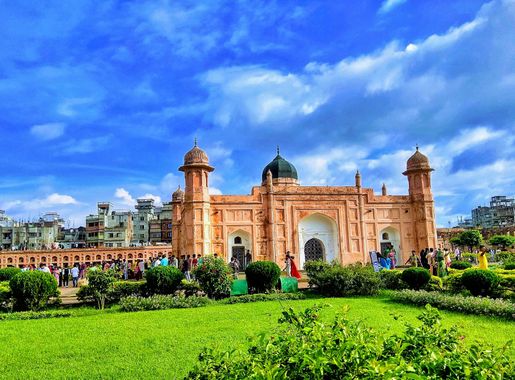
Dhaka, the capital of Bangladesh, is a city of vibrant chaos and rich history. Known as the 'City of Mosques', Dhaka is home to over 400 mosques, many of which are architectural marvels. The city's skyline is a mix of modern skyscrapers and historic buildings, offering a fascinating contrast that highlights its rapid development and deep cultural roots. The streets of Dhaka are always alive with activity. Rickshaws weave through the traffic, street vendors sell an array of goods, and the scent of local cuisine fills the air. The city's bustling markets, such as the New Market and Baitul Mukarram, are a shopper's paradise, offering everything from traditional Bangladeshi handicrafts to modern fashion. Dhaka's rich cultural heritage is evident in its landmarks. The Lalbagh Fort, an incomplete Mughal fort complex, is a must-visit for history enthusiasts. The Ahsan Manzil, also known as the Pink Palace, offers a glimpse into the opulent lifestyle of the Nawabs of Dhaka. For a serene escape, the city's many parks and gardens, such as the Ramna Park and Baldha Garden, provide a peaceful retreat from the urban hustle. Food lovers will find Dhaka a culinary delight. The city's diverse cuisine ranges from traditional Bengali dishes like biryani and hilsa fish to international flavors. Street food is a major highlight, with delicacies like fuchka (pani puri) and jhalmuri (spicy puffed rice) being local favorites. Dining in Dhaka offers a unique opportunity to experience the rich flavors and culinary traditions of Bangladesh.
Explore More of Jaflong

Looking beyond Dhaka? Discover Jaflong for broader travel guides, local hot-spots, and regional highlights.
Explore JaflongExplore More of Bangladesh

Looking beyond Dhaka? Discover Bangladesh for broader travel guides, local hot-spots, and regional highlights.
Explore Bangladesh