Background

Tajhat Palace, Eastern Bengal Travel Guide

4.4 (5136)

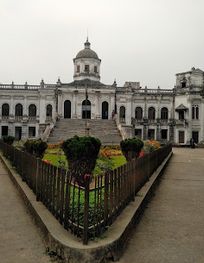
Discover the grandeur of Tajhat Palace in Rangpur, a historical landmark blending Mughal and European architecture, now home to a fascinating museum showcasing Bengal's rich heritage.

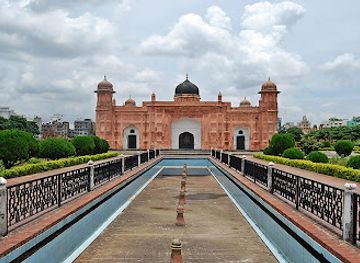
Tajhat Palace, a stunning architectural marvel in Rangpur, Bangladesh, offers a captivating journey into the region's rich history and cultural heritage. Built in the early 20th century by Maharaja Kumar Gopal Lal Roy, a prosperous jeweler turned zamindar, the palace showcases a unique blend of Mughal and European architectural styles. Today, it houses the Rangpur Museum, displaying a fascinating collection of artifacts, including terracotta relics, ancient manuscripts, and Hindu sculptures. Visitors can explore the palace's grand halls, admire its intricate designs, and wander through the surrounding gardens, experiencing the opulence and elegance of a bygone era. A visit to Tajhat Palace is a must for anyone seeking to delve into the history and culture of northern Bangladesh, providing a memorable and enriching experience.

A brief summary to Tajhat Palace

  • Monday 10 am-4:30 pm
  • Tuesday 10 am-4:30 pm
  • Wednesday 10 am-4:30 pm
  • Thursday 10 am-4:30 pm
  • Friday 10 am-4:30 pm
  • Saturday 10 am-4:30 pm
  • Sunday 10 am-4:30 pm
Eve
From Eve

Know before you go

Hi, I'm Eve. Here are a few practical things to know before exploring Tajhat Palace.

  • Photography is prohibited inside the Rangpur Museum within the palace to protect the artifacts.
  • Visit during the cooler months (October to March) for a more comfortable experience exploring the palace and gardens.
  • Combine your visit with a trip to other nearby historical sites, such as the Kantajew Temple in Dinajpur, to make the most of your trip to northern Bangladesh.

Do you manage this location?

Take control to get all the benefits, like improved information, better appearance, and stronger visibility across AI-powered discovery. Learn more about listing your business on Evendo

Activate your presence

Other nearby places you may find interesting

The closest places of the same kind, if this one is not quite what you had in mind.
Explore Tajhat Palace on the Map

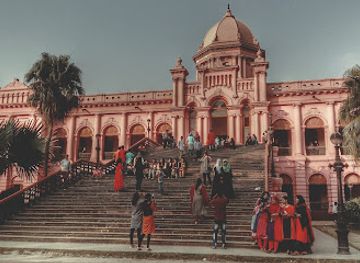
A handpicked selection of must-see spots near Tajhat Palace, mapped for you.

Unlock the Best of Tajhat Palace

Buy tickets

  • No tickets available

Book tours with entry

  • No tours available

Book tours without entry

  • No tours available

Getting There

  • Rickshaw/CNG

    From Rangpur city center or the Rangpur Bus Terminal, the easiest way to reach Tajhat Palace is by rickshaw or CNG (auto-rickshaw). Ask the driver to take you to Tajhat Road, near the Agricultural Institute. The journey takes approximately 15-20 minutes. Expect to pay between 50-100 BDT, but negotiate the fare before starting your journey.

  • Local Bus

    Local buses frequently travel throughout Rangpur. You can catch a bus heading towards Tajhat from Rangpur city center and request the conductor to drop you off near Tajhat Palace. From there, it's a short walk or rickshaw ride to the palace entrance. The bus fare is typically around 15-30 BDT. Make sure to confirm that the bus goes to Tajhat before boarding.

  • Taxi/Ride-Share

    You can book a taxi or ride-share (such as Uber Tuk or Uber Moto) from anywhere in Rangpur city to Tajhat Palace. Inform the driver that you want to go to Tajhat Road, near the Agricultural Institute. The fare may vary based on distance, but expect to pay around 200-500 BDT. Always confirm the fare before the ride.

Discover more about Tajhat Palace

Tajhat Palace, or Tajhat Rajbari, stands as a majestic reminder of Bengal's zamindari (landlord) culture in Rangpur, Bangladesh. Located approximately 6 kilometers southeast of Rangpur city, this historical palace, now home to the Rangpur Museum, beckons travelers with its architectural grandeur and rich historical significance. The palace was constructed in the early 20th century by Maharaja Kumar Gopal Lal Roy, a Hindu merchant who made his fortune in Rangpur as a jeweler. Legend has it that the name 'Tajhat' originated from Roy's profession, with 'Taj' meaning crown and 'Hat' meaning market, suggesting a market where crowns were traded. Roy, who migrated from Punjab, rose to become the zamindar of the Tajhat estate after his father's death. He commissioned the construction of the palace in the early 1900s, employing around 2,000 workers and investing a substantial sum of 1.5 million USD at the time. The architecture of Tajhat Palace is a captivating fusion of Mughal and European styles, showcasing a unique blend of cultural influences. The palace is 'U' shaped, with its open end facing west, and spans approximately two acres. The facade features an imposing central staircase made of imported white marble, leading to the upper floor. Originally, the balustrade was adorned with marble sculptures of classical Roman figures, but these have since disappeared. A ribbed conical dome crowns the roof, reminiscent of the Ahsan Manzil in Dhaka, adding to the palace's regal appearance. The palace comprises about 22 rooms spread across two levels, arranged around a central corridor. The rooms boast high ceilings with wooden beams and panels adorned with floral designs. Stained-glass panels in the windows depict scenes from Hindu mythology, adding a touch of artistic flair. The palace's exterior is equally impressive, with four towers at each corner and a front porch supported by Corinthian columns. Beyond its architectural splendor, Tajhat Palace holds significant historical importance. From 1984 to 1991, it served as a Rangpur High Court Branch of the Supreme Court of Bangladesh. In 1995, the Department of Archaeology declared the palace a protected monument, recognizing its outstanding architectural value. In 2005, the government shifted the Rangpur Museum to the second floor of the palace, further cementing its role as a cultural and historical landmark. The Rangpur Museum within the palace showcases a diverse collection of artifacts, providing insights into the region's past. Visitors can admire 10th and 11th-century terracotta relics, Sanskrit and Arabic manuscripts (including copies of the Mahabharata, Ramayana, and a Quran attributed to Mughal Emperor Aurangzeb), and black stone Hindu carvings, primarily of the deity Vishnu. Photography is not permitted inside the museum to protect the artifacts. The palace is surrounded by natural beauty, with flower gardens and trees such as Kamini, Mehagani, Mango, and Jack-fruit adding to its charm. Local villagers believe that a treasure is hidden within the walls of Tajhat Palace, adding an element of mystery to its allure. Visiting Tajhat Palace offers a glimpse into the lives of the zamindars and the cultural landscape of Bengal during the British colonial period. It is a place where history, architecture, and nature converge, creating a memorable experience for all who visit. The palace stands as a testament to the grandeur of the past and a reminder of the rich heritage of Rangpur and Bangladesh. While exploring the palace, visitors can imagine the lavish celebrations and cultural events that once took place within its walls. Kumar Gopal Lal Roy was known for his good relations with his tenants and introduced cultural celebrations such as kite flying festivals for children and 'Bau Mela' (fair to wives) for women on the first two days of 'Pahela Baishakh' (Bengali New Year). Today, Tajhat Palace continues to attract visitors from around the world, drawn by its architectural beauty, historical significance, and the opportunity to delve into the cultural heritage of Bengal. It is a place where the past comes alive, offering a unique and enriching experience for all who venture through its gates.
Mobile App

Your all‑in‑one travel companion app

Explore expert travel guides, compare and book tours, experiences, hotels, and more—all from the palm of your hand. Download now for seamless trip planning wherever your wanderlust takes you.


Explore More of Eastern Bengal
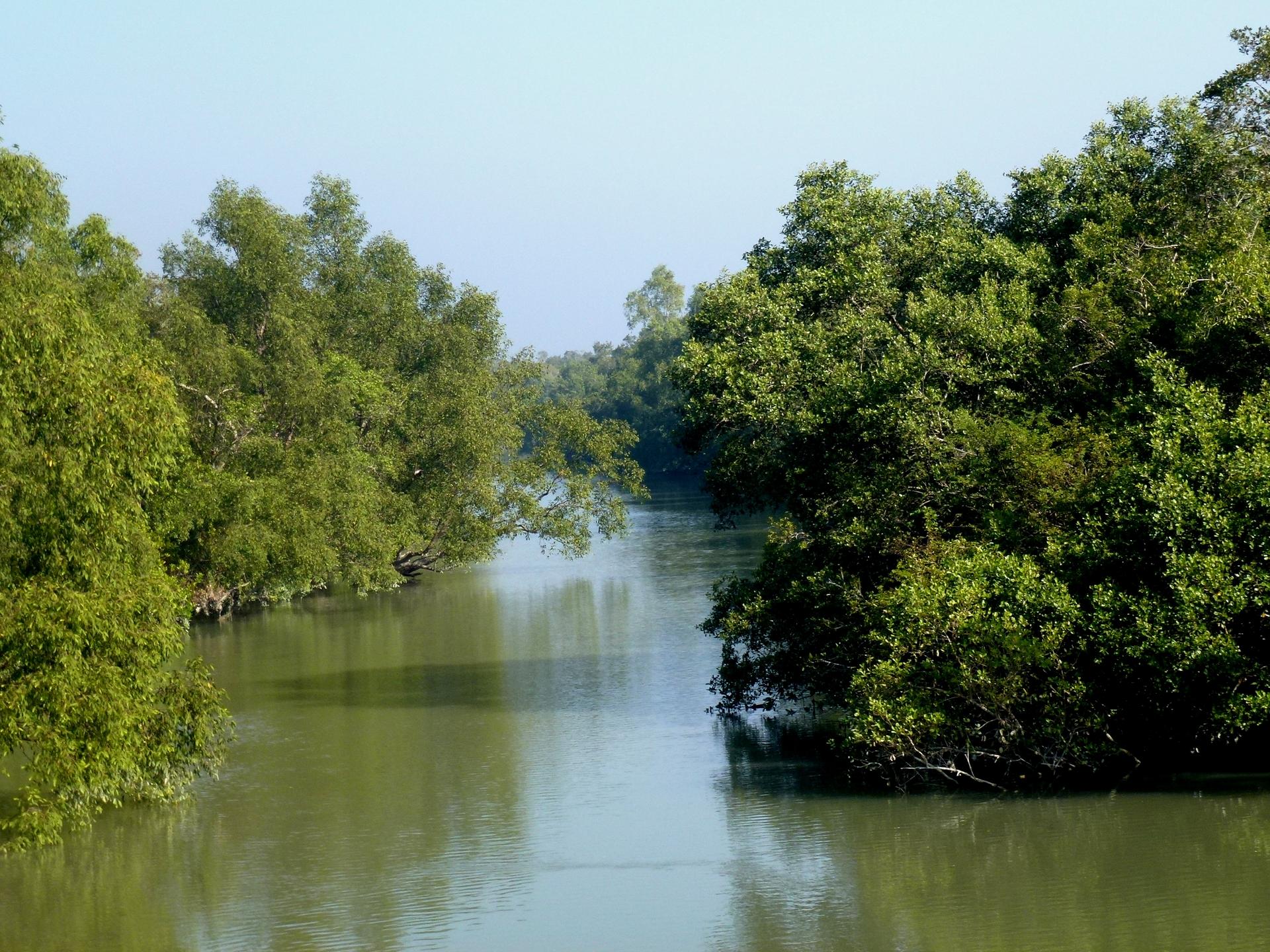
Looking beyond Tajhat Palace? Discover Eastern Bengal for broader travel guides, local hot-spots, and regional highlights.

Explore Eastern Bengal

Select Currency