

Central Shaheed Minar Travel Guide
Free Guide: A national monument in Dhaka, Bangladesh, commemorating the martyrs of the 1952 Bengali Language Movement and the enduring spirit of Bengali nationalism.


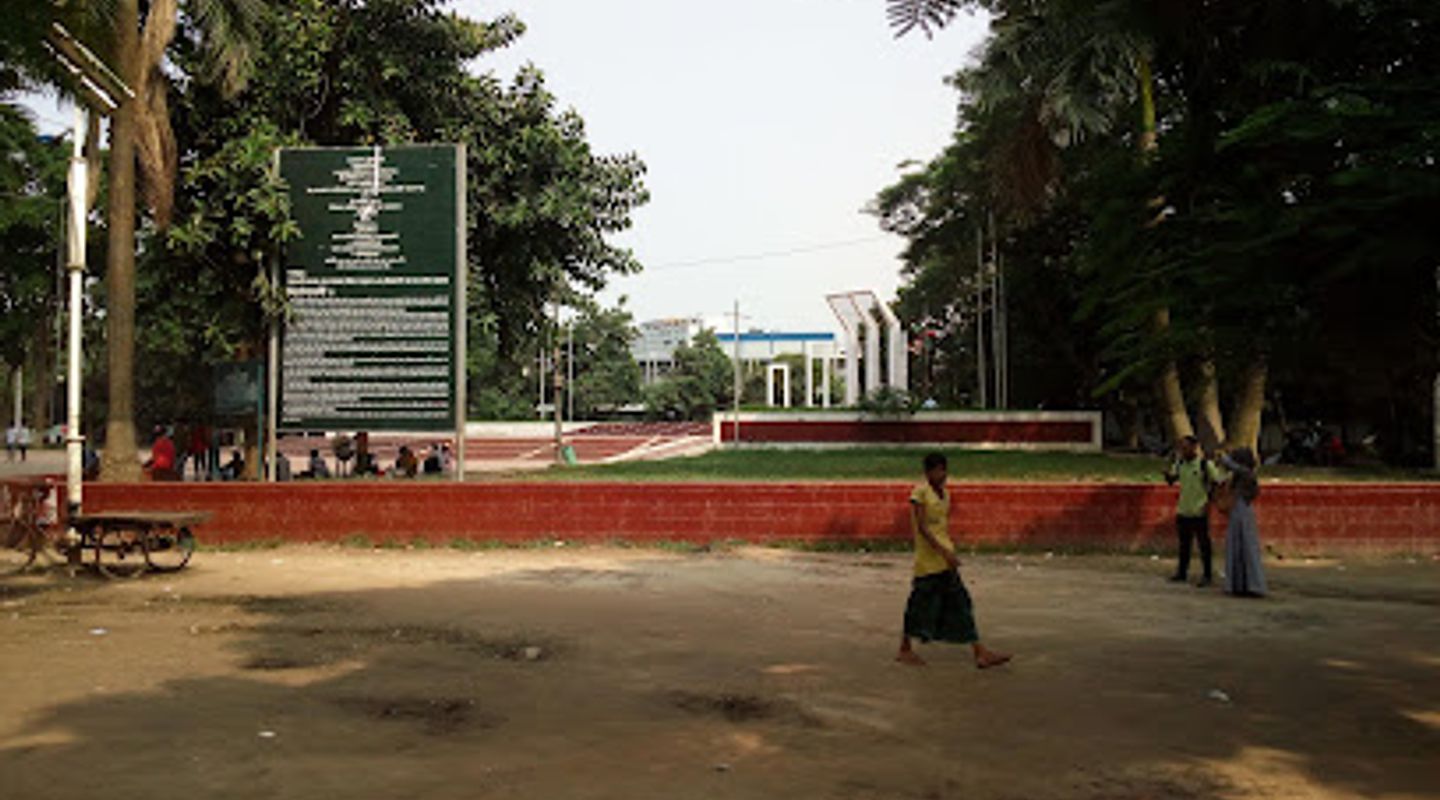
A brief summary of Central Shaheed Minar
A national monument in Dhaka, Bangladesh, commemorating the martyrs of the 1952 Bengali Language Movement and the enduring spirit of Bengali nationalism.
The Central Shaheed Minar stands as a poignant national monument in Dhaka, Bangladesh, commemorating the martyrs of the 1952 Bengali Language Movement. This pivotal movement arose from the demand for Bengali to be recognized as an official language. Students and activists, protesting for their linguistic rights, were tragically killed near Dhaka Medical College, where the monument now stands as a tribute to their sacrifice. The Shaheed Minar embodies the spirit of Bengali nationalism and the importance of the Bengali language in the nation's cultural identity. It serves as a focal point for national mourning, cultural events, and a reminder of the ongoing struggle for linguistic and cultural preservation. Visiting this monument offers a profound connection to Bangladesh's history and its people's unwavering commitment to their heritage.
- Address
- Near Dhaka Medical College Gate, Secretariat Road, Secretariate Rd, Dhaka 1000
Getting there
Walking
Public Transport
Taxi/Ride-Share
Rickshaw
Discover more about Central Shaheed Minar
Overview
The Central Shaheed Minar, or Martyrs' Monument, is more than just a structure; it's a living testament to the sacrifices made during the Bengali Language Movement of 1952. Located in the heart of Dhaka, adjacent to Dhaka Medical College and within the Dhaka University area, this monument stands as a powerful symbol of Bengali nationalism and the struggle for linguistic rights. The Language Movement was a watershed moment in the history of Bangladesh. In 1947, with the partition of India, East Bengal became East Pakistan, and the central government declared Urdu as the sole official language. This decision was met with fierce opposition from the Bengali-speaking population, who constituted the majority in East Pakistan. Students and intellectuals spearheaded a movement demanding equal status for Bengali. On February 21, 1952, protesting students from Dhaka University and Dhaka Medical College gathered to voice their demands. The police opened fire on the peaceful demonstration, resulting in the deaths of several students and activists. This tragic event ignited widespread protests and solidified the Bengali people's resolve to fight for their linguistic and cultural identity. Immediately following the tragic events of February 21st and 22nd, 1952, students of Dhaka Medical College erected a makeshift memorial. This initial monument, though quickly demolished by Pakistani forces, served as a powerful symbol of resistance. The first Shaheed Minar was sponsored by Pearu Sardar, one of the old Dhaka panchayet sardars, who contributed the raw materials needed to build the monument. Despite a prevailing curfew, students began constructing the Minar on the afternoon of February 23rd, attaching a handwritten paper with "Shaheed Smritistombho" (Martyrs' Memorial Monument) written on it. The original Minar stood on a base measuring 10.5 feet (3.2 m) and was inaugurated by the father of Shafiur Rahman, one of the martyrs. However, this initial monument was destroyed on February 26th by the Pakistani Police and Army. In 1954, two years after the destruction of the first monument, a new Shaheed Minar was constructed at the same location to commemorate the protesters who lost their lives. Work on a larger, more permanent monument, designed by the architect Hamidur Rahman, began in 1957 with the support of the United Front ministry. However, construction was delayed due to martial law. The monument was finally completed in 1963, standing as a beacon of hope and a symbol of Bengali identity. However, this structure too was razed to the ground during the Bangladesh Liberation War in 1971 by the Pakistani occupation army during Operation Searchlight. Following Bangladesh's independence in December 1971, the Shaheed Minar was rebuilt and expanded in 1983. The current structure, rising to a height of 14 meters (46 feet), features a half-circular arrangement of columns symbolizing the Mother and her fallen sons, with the red sun shining behind. The stairs and barrier are highlighted in white, creating a divine and solemn atmosphere. The Central Shaheed Minar is not only an architectural marvel but also a space for remembrance and reflection. Every year on February 21st (Ekushey February), now also recognized as International Mother Language Day since 2000, millions of people from all walks of life gather at the Shaheed Minar to pay tribute to the language martyrs. National mourning, cultural activities, and other events are centered around the monument, creating an atmosphere of reverence and unity. The monument's location near Dhaka Medical College Hospital holds particular significance, as it was near this site that the tragic events of 1952 unfolded. The Shaheed Minar stands as a constant reminder of the sacrifices made to protect the Bengali language and culture. Visiting the Central Shaheed Minar offers a deeply moving and educational experience. It provides insight into the history of the Language Movement, the struggle for independence, and the importance of preserving cultural heritage. The monument's simple yet profound design evokes a sense of solemnity and pride, making it a must-see destination for anyone interested in the history and culture of Bangladesh. The Central Shaheed Minar is more than just a monument; it is a symbol of resilience, cultural identity, and the enduring spirit of the Bengali people. It stands as a reminder that the fight for linguistic and cultural rights is a continuous process, and that the sacrifices of the past must never be forgotten.
Evendo Review Centre
 Google
Guest reviews
Explore Central Shaheed Minar on the map
A handpicked selection of must-see spots near Central Shaheed Minar, mapped for you.
Get your free copy of our complete guide to Central Shaheed Minar, delivered straight to you.
Everything on this page, from opening hours and how to get there to Eve’s tips and the best time to go, in one PDF you can read offline, print or share.
Already have an account? Sign in
Your Central Shaheed Minar guide is ready.
We'll send it to · Not you? Sign out

Getting your guide ready…
We are putting together a fresh copy of the Central Shaheed Minar guide. This can take up to a minute.
This can take a few moments. If your browser asks, choose Allow so the download can start. You'll find the guide in your Downloads folder.
Nothing happened? Download it again
Sorry, the guide is taking longer than usual. Please try again in a minute, or get it by email instead.
Unlock the best of Central Shaheed Minar
Skip-the-line tickets, guided tours with entry, and walking tours of the area, booked in a few clicks.


Other nearby places you may find interesting
The closest places of the same kind, if this one is not quite what you had in mind.
-
-
-
-
-


Swipe for more places
More to explore near Central Shaheed Minar

 Best experiences near Central Shaheed Minar
 Best hotels near Central Shaheed Minar
 Best landmarks near Central Shaheed Minar
 Best attractions near Central Shaheed Minar
 Best shops near Central Shaheed Minar
 Best restaurants near Central Shaheed Minar
 Best bars near Central Shaheed Minar
Do you manage this location?
Take control to get all the benefits, like improved information, better appearance, and stronger visibility across AI-powered discovery.
Explore more

Explore more of Eastern Bengal
Explore the untouched beauty of Eastern Bengal in Bangladesh, where lush tea gardens, unique wildlife, and ancient ruins await discovery.
Explore Eastern Bengal
Explore more of Bangladesh
Discover Bangladesh: A land of rivers, rich culture, and breathtaking landscapes. Explore ancient sites, vibrant cities, and the unique flavors of this South Asian gem.
Explore Bangladesh
