

Tanguar Haor Travel Guide
Free Guide: Discover the serene beauty and rich biodiversity of Tanguar Haor, Bangladesh's breathtaking wetland paradise, a haven for migratory birds and a vital ecosystem.


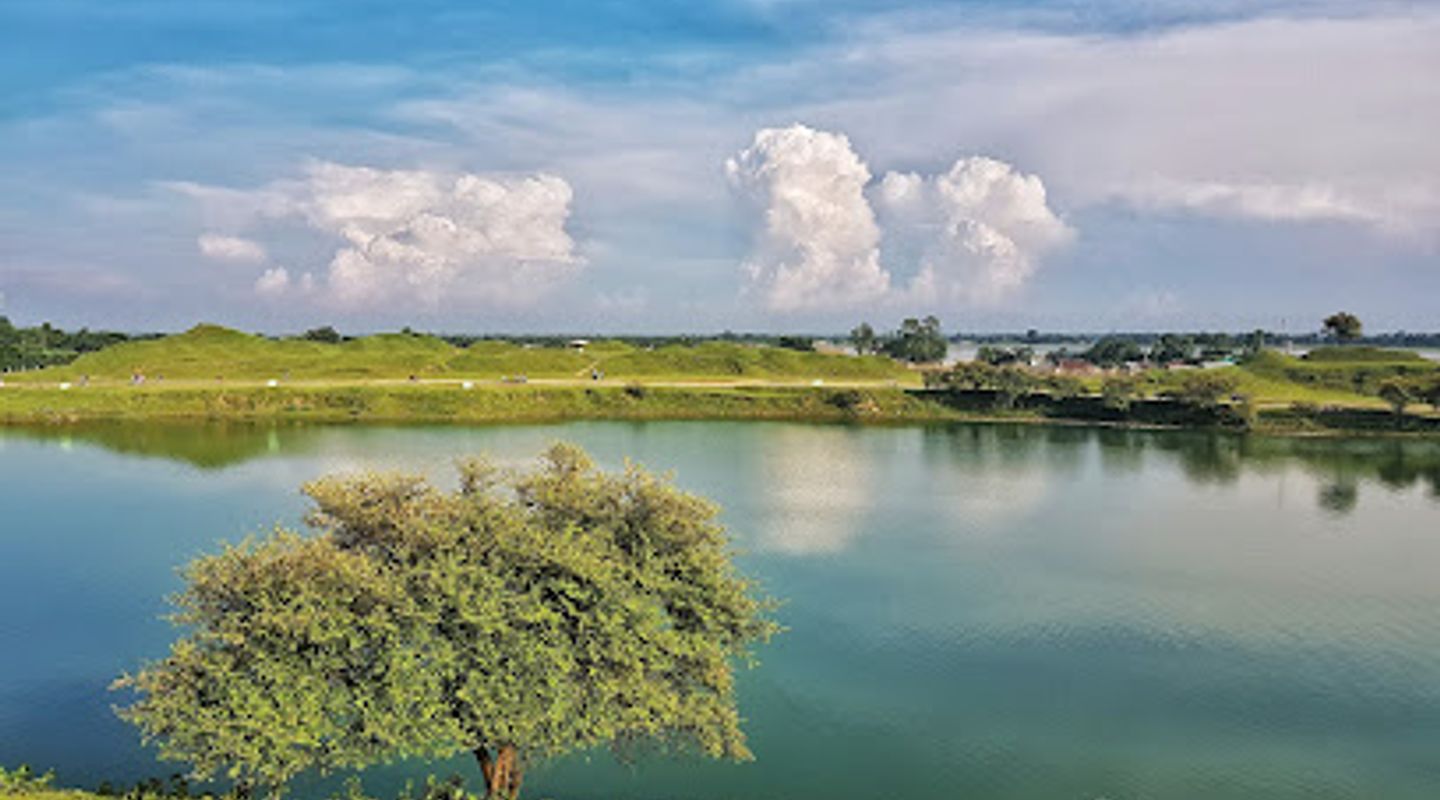
A brief summary of Tanguar Haor
Discover the serene beauty and rich biodiversity of Tanguar Haor, Bangladesh's breathtaking wetland paradise, a haven for migratory birds and a vital ecosystem.
Tanguar Haor, a significant wetland ecosystem in Bangladesh, beckons with its serene beauty and rich biodiversity. Located in the Sunamganj district, this vast expanse of marshland and waterways is a haven for migratory birds, diverse fish species, and unique aquatic flora. A boat trip through the haor offers an immersive experience, allowing visitors to witness the stunning landscape, interact with local communities, and appreciate the ecological importance of this Ramsar site. Whether you're a nature enthusiast, a birdwatcher, or simply seeking tranquility, Tanguar Haor promises an unforgettable escape into the heart of Bangladesh's natural wonders. The best time to visit is during or just after the monsoon, when the haor is full of water, or in the winter, to see the migratory birds.
Opening hours
- Every dayOpen 24 hours
Opening hours as listed on the venue’s Google Business Profile. Hours can change for services and special events, so check with the venue before you go.
- Address
- Dharmpasha - Tahirpur Road, 3030
- Phone
- Website
Getting there
Public Transport & Boat
Taxi/Ride-Share & Boat
Discover more about Tanguar Haor
Overview
Tanguar Haor, a jewel in Bangladesh's ecological crown, is a sprawling wetland ecosystem of immense beauty and significance. Situated in the northeastern Sunamganj district, it encompasses approximately 100 square kilometers, earning recognition as the country's second Ramsar site. This vast expanse of interconnected waterways, marshlands, and small islands is a haven for biodiversity, supporting a rich tapestry of plant and animal life. The haor's landscape transforms dramatically with the seasons. During the monsoon (June to October), it swells into a vast inland sea, the water levels rising to submerge most of the surrounding land. This is when Tanguar Haor is at its most dramatic, offering breathtaking views of seemingly endless water, with the Meghalaya hills of India forming a distant backdrop. Boat trips during this time are particularly enchanting, allowing visitors to glide through the flooded landscape and experience the sheer scale of the wetland. As the monsoon recedes, the waters gradually subside, revealing a mosaic of green fields and shallow lakes. This is the time for rice cultivation, and the haor becomes a patchwork of emerald paddies, reflecting the sky above. In winter (November to February), Tanguar Haor attracts a multitude of migratory birds from across the globe, transforming into a birdwatcher's paradise. Flocks of ducks, geese, herons, and other waterfowl descend upon the haor, creating a spectacle of color and sound. The haor is not only a natural wonder but also a vital resource for the local communities who depend on it for their livelihoods. Fishing is a primary occupation, and the haor's rich fish stocks provide sustenance and income for thousands of people. Agriculture is also important, with rice being the main crop cultivated during the dry season. Exploring Tanguar Haor is best done by boat. Traditional wooden boats, or houseboats, can be hired from nearby towns like Sunamganj and Tahirpur. These boats offer a comfortable and immersive way to experience the haor, allowing visitors to navigate the waterways, observe wildlife, and interact with local communities. Many boat tours include meals and overnight stays, providing a unique opportunity to fully appreciate the haor's beauty and tranquility. One of the highlights of a visit to Tanguar Haor is the opportunity to witness its diverse birdlife. Keen birdwatchers can spot a wide variety of species, including migratory ducks, herons, egrets, kingfishers, and the rare Pallas's fish eagle. The haor is also home to a number of resident bird species, such as the white-rumped vulture and the lesser adjutant stork. In addition to its birdlife, Tanguar Haor supports a rich diversity of aquatic animals, including over 200 species of fish. These fish are not only important for the local economy but also play a vital role in the haor's ecosystem. The haor's flora is equally diverse, with a variety of aquatic plants, including water lilies, reeds, and grasses. The Hijol trees, which grow along the edges of the haor, are a distinctive feature of the landscape, their branches often submerged in water during the monsoon season. To protect this valuable ecosystem, Tanguar Haor was declared an Ecologically Critical Area in 1999. This designation aims to regulate human activities within the haor and promote sustainable management practices. Efforts are also underway to raise awareness among local communities about the importance of conserving the haor's biodiversity. A visit to Tanguar Haor is an opportunity to connect with nature, experience rural Bangladeshi life, and appreciate the ecological importance of this unique wetland ecosystem. Whether you're gliding through the flooded landscape during the monsoon, watching migratory birds in winter, or simply enjoying the tranquility of the surroundings, Tanguar Haor promises an unforgettable experience. Beyond the natural beauty of Tanguar Haor, several nearby attractions enhance the visitor experience. The Jadukata River, known for its crystal-clear waters, offers stunning views and opportunities for swimming and boating. The Barikka Tila, a small hillock, provides panoramic views of the surrounding landscape. The Shimul Bagan, a garden filled with vibrant red Shimul (silk cotton) trees, is a sight to behold during the blooming season (typically February-March). These attractions can easily be incorporated into a Tanguar Haor tour, creating a well-rounded and memorable trip. Responsible tourism is crucial to preserving the beauty and ecological integrity of Tanguar Haor. Visitors are encouraged to respect local customs, avoid littering, and support sustainable tourism practices. By traveling responsibly, visitors can help ensure that Tanguar Haor remains a natural paradise for generations to come. Whether you are seeking adventure, tranquility, or a deeper understanding of Bangladesh's natural heritage, Tanguar Haor offers an enriching and unforgettable travel experience. Its unique blend of natural beauty, biodiversity, and cultural significance makes it a destination that will stay with you long after you leave.
Evendo Review Centre
 Google
Guest reviews
Explore Tanguar Haor on the map
A handpicked selection of must-see spots near Tanguar Haor, mapped for you.
Get your free copy of our complete guide to Tanguar Haor, delivered straight to you.
Everything on this page, from opening hours and how to get there to Eve’s tips and the best time to go, in one PDF you can read offline, print or share.
Already have an account? Sign in
Your Tanguar Haor guide is ready.
We'll send it to · Not you? Sign out

Getting your guide ready…
We are putting together a fresh copy of the Tanguar Haor guide. This can take up to a minute.
This can take a few moments. If your browser asks, choose Allow so the download can start. You'll find the guide in your Downloads folder.
Nothing happened? Download it again
Sorry, the guide is taking longer than usual. Please try again in a minute, or get it by email instead.
Other nearby places you may find interesting
The closest places of the same kind, if this one is not quite what you had in mind.
-
-
-
-
-


Swipe for more places
More to explore near Tanguar Haor

 Best experiences near Tanguar Haor

 Best hotels near Tanguar Haor

 Best landmarks near Tanguar Haor

 Best attractions near Tanguar Haor

 Best shops near Tanguar Haor

 Best restaurants near Tanguar Haor

 Best bars near Tanguar Haor
Do you manage this location?
Take control to get all the benefits, like improved information, better appearance, and stronger visibility across AI-powered discovery.
Explore more
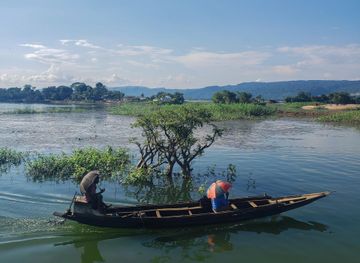
Explore more of Haor Basin
Discover the stunning Haor Basin in Bangladesh, a seasonal wetland paradise teeming with wildlife, cultural richness, and breathtaking landscapes.
Explore Haor Basin
Explore more of Bangladesh
Discover Bangladesh: A land of rivers, rich culture, and breathtaking landscapes. Explore ancient sites, vibrant cities, and the unique flavors of this South Asian gem.
Explore Bangladesh
